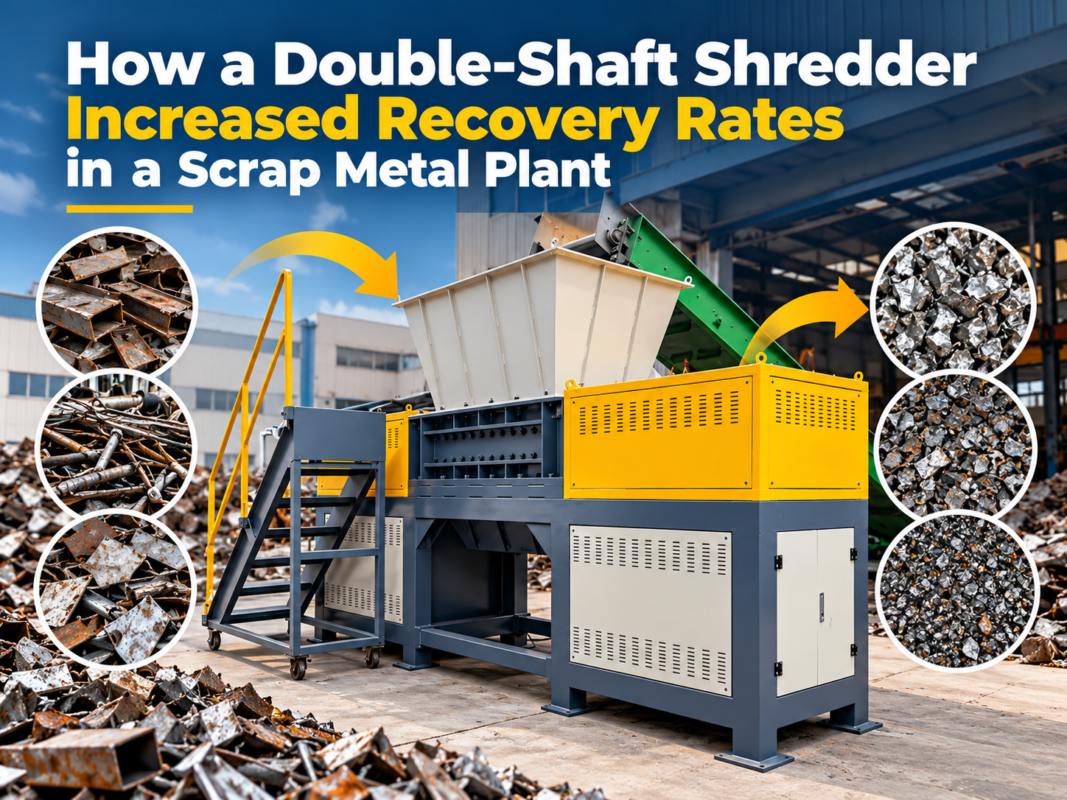
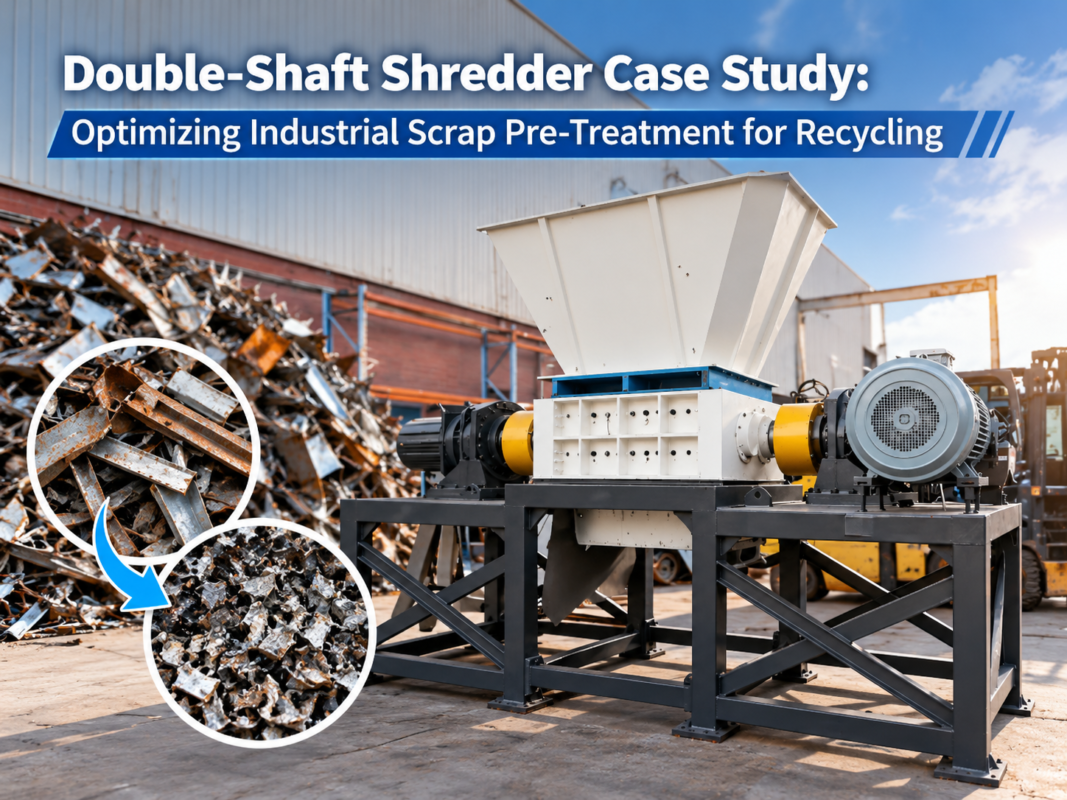
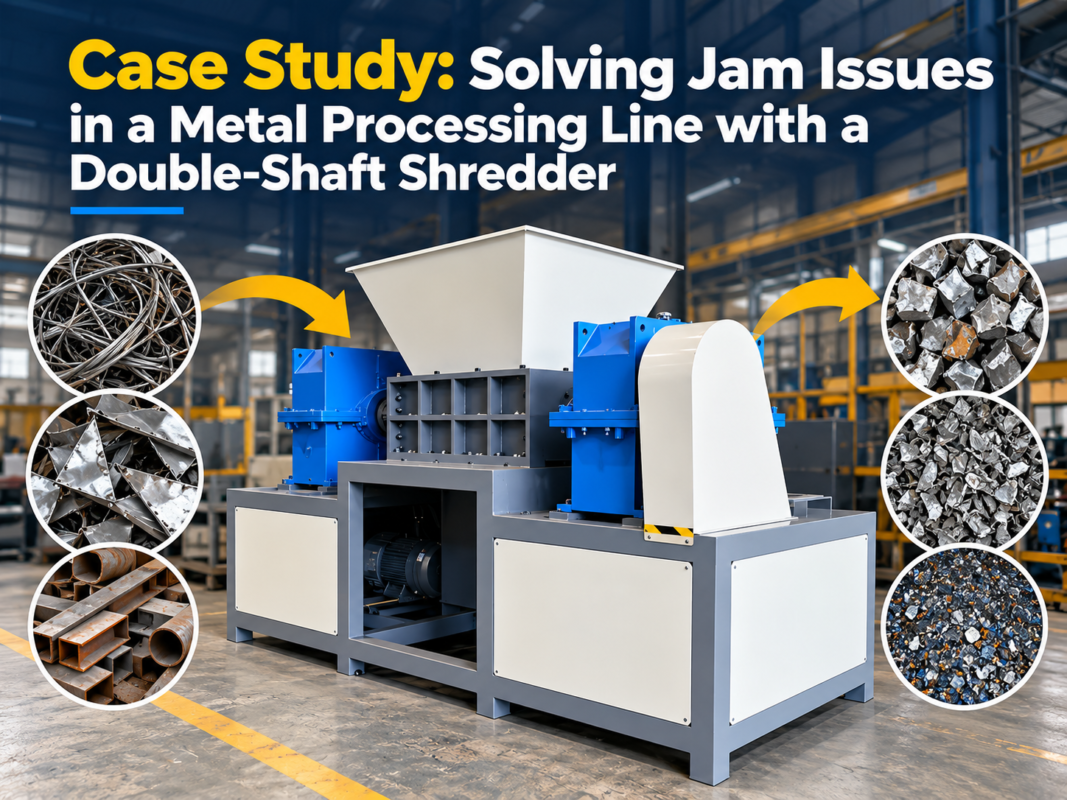
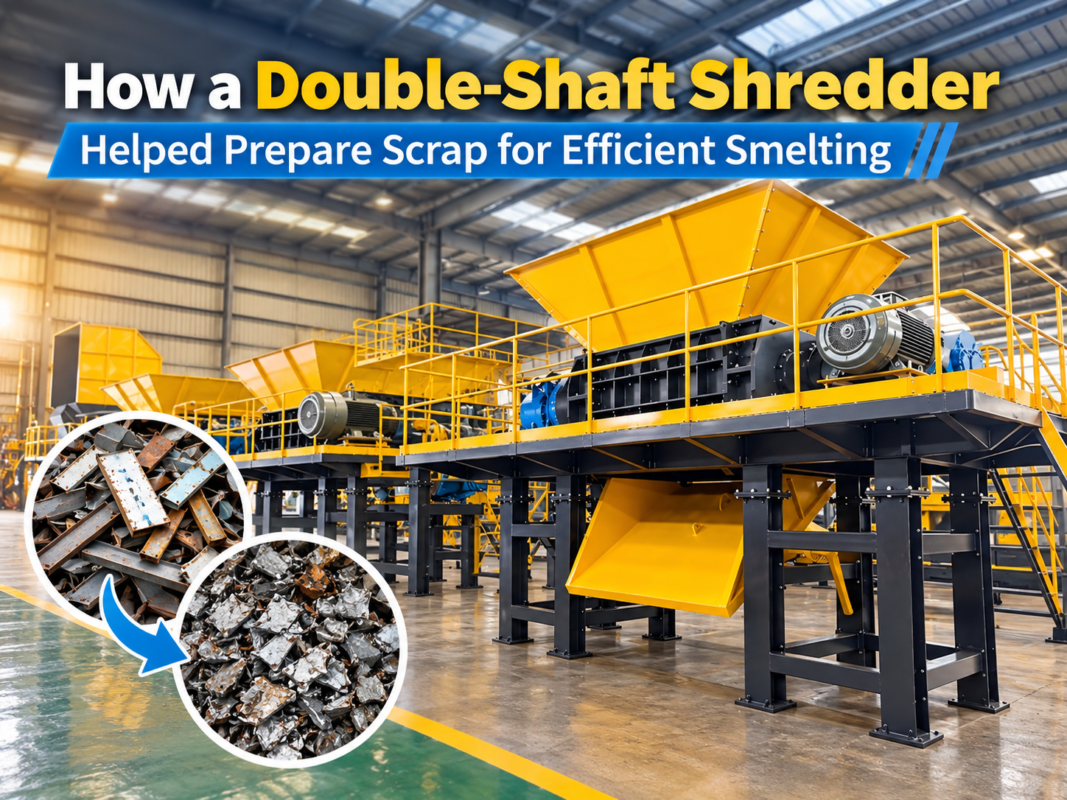
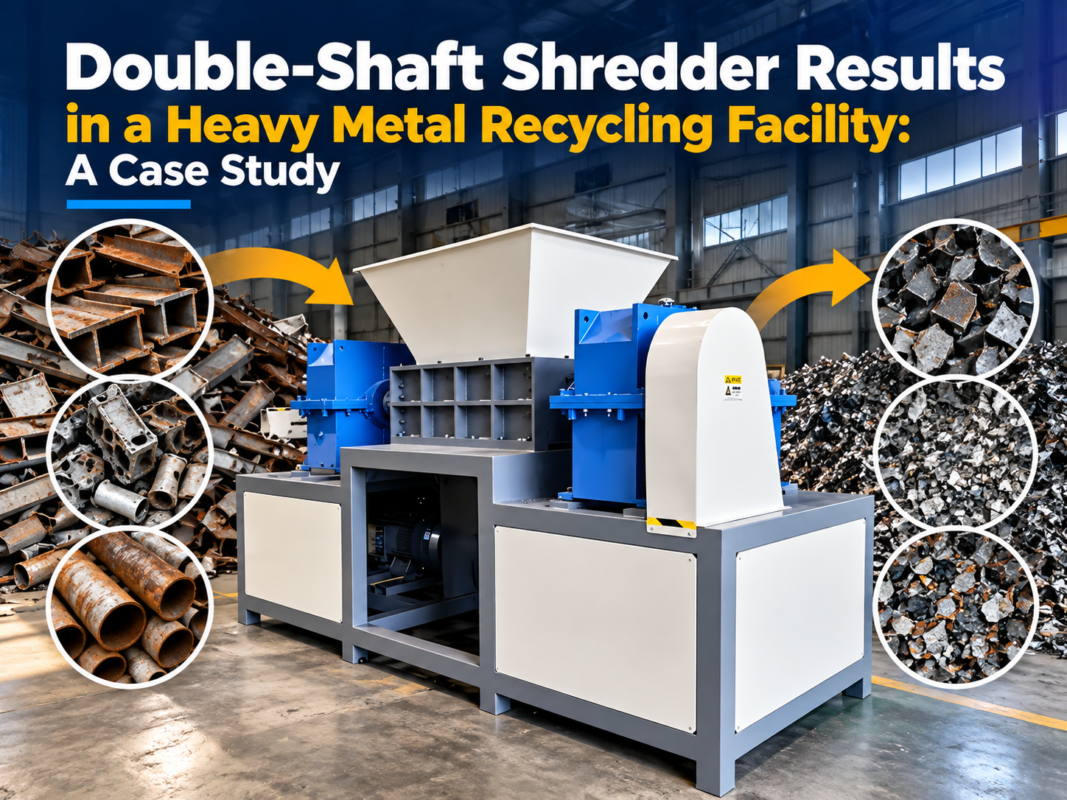
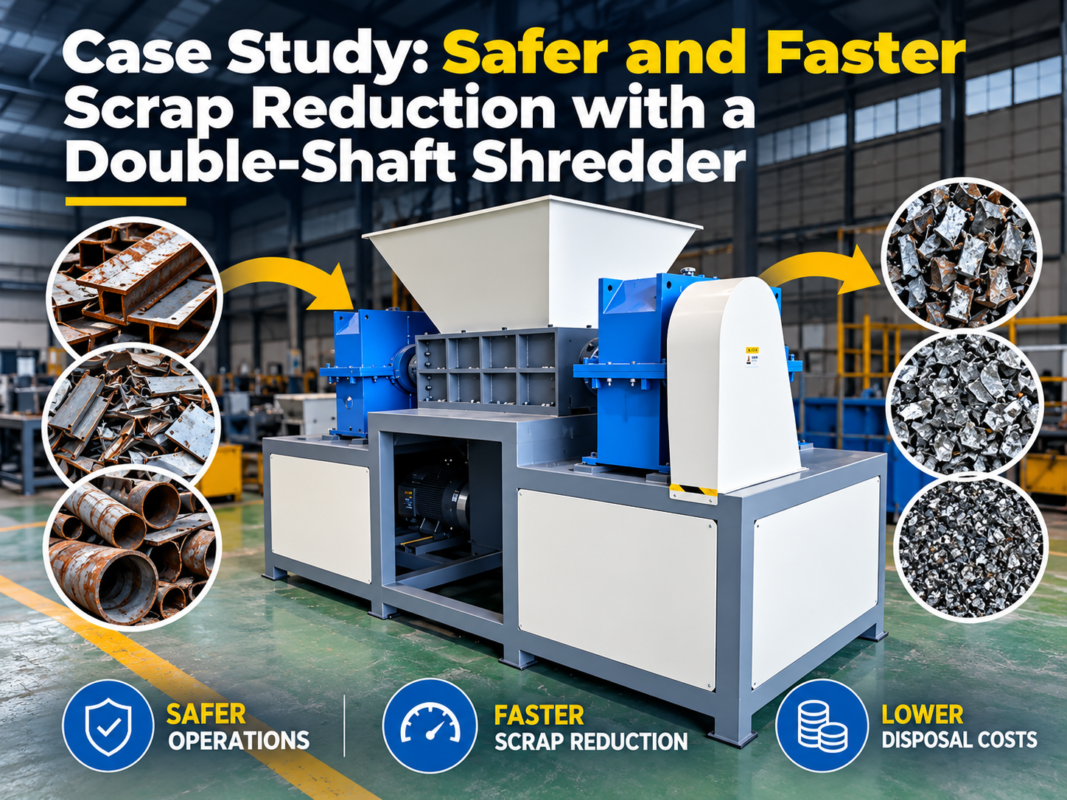
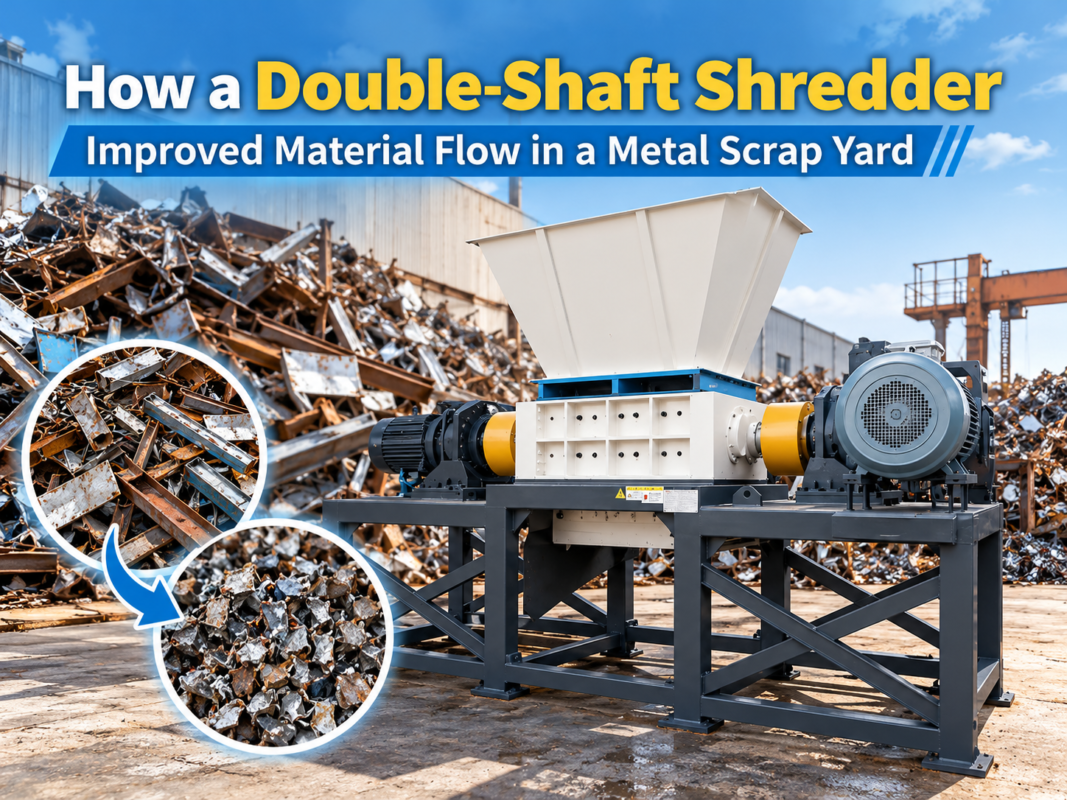
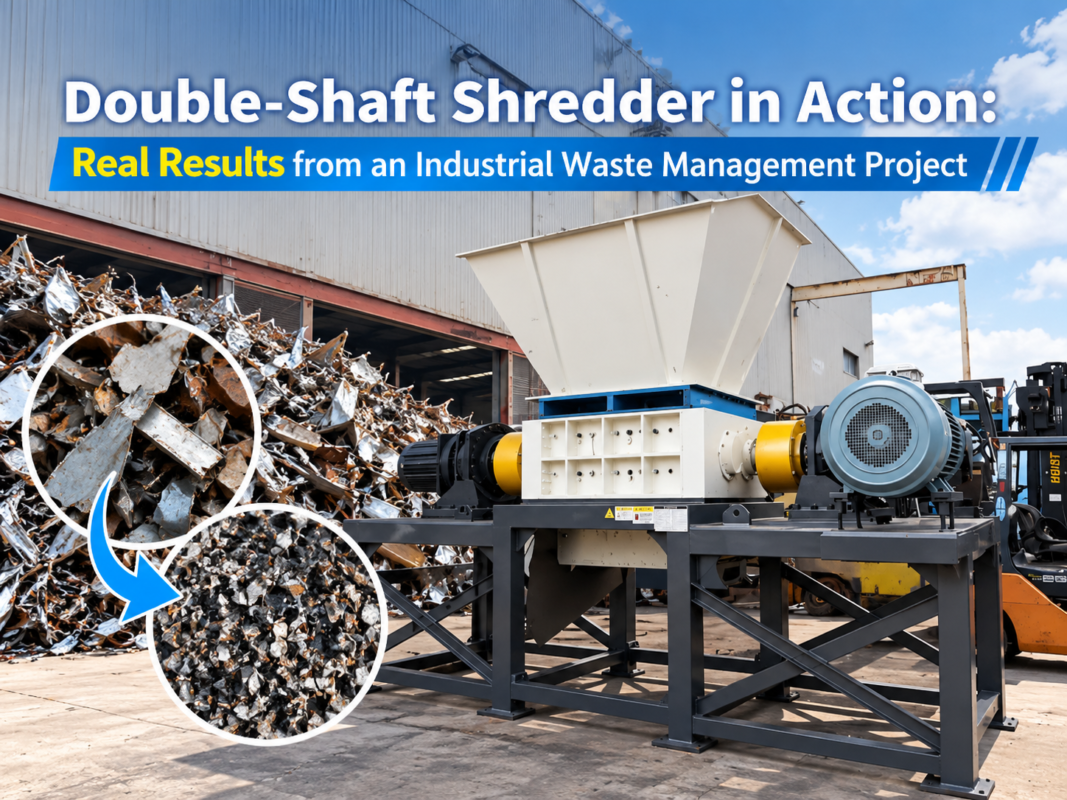
Case Study: Single-Shaft Shredder Reducing Large Metal Scrap Smelting Operations

Introduction
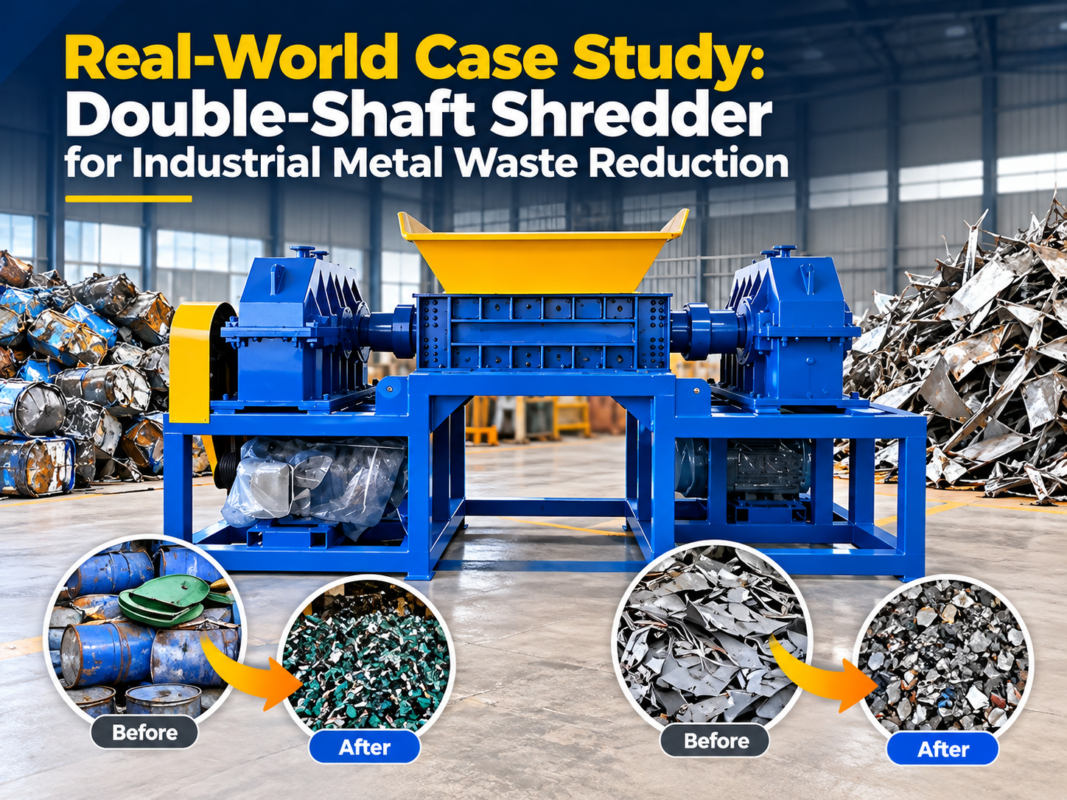
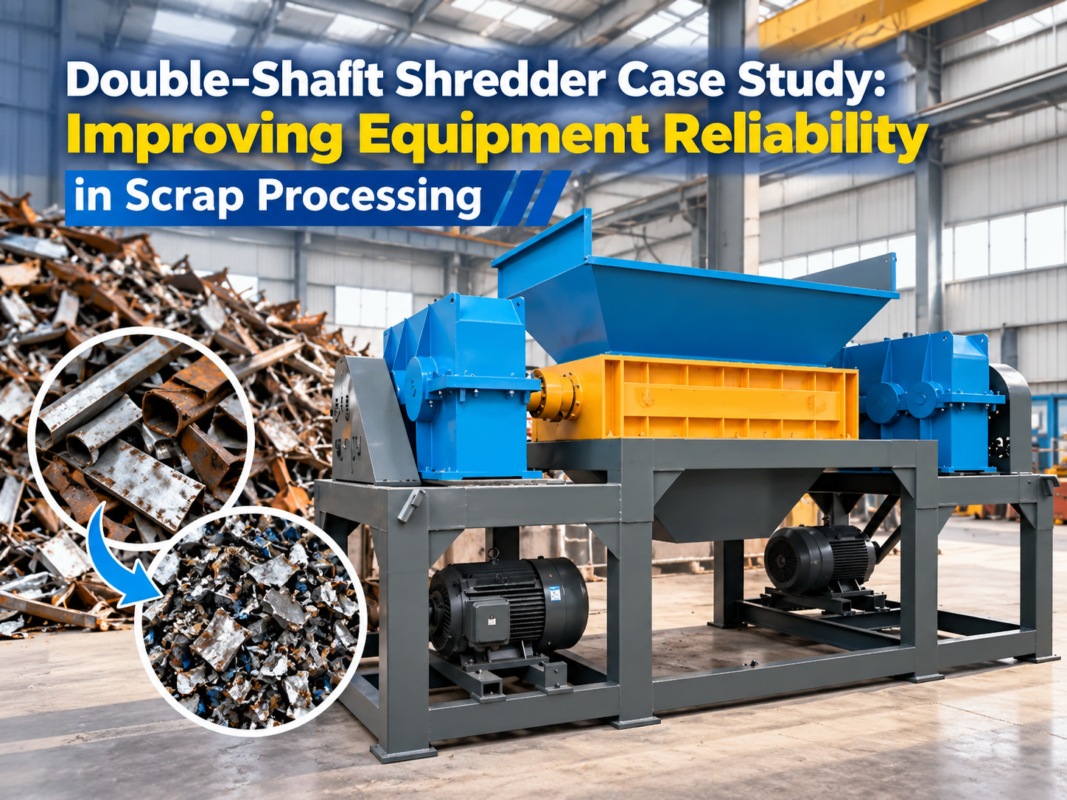
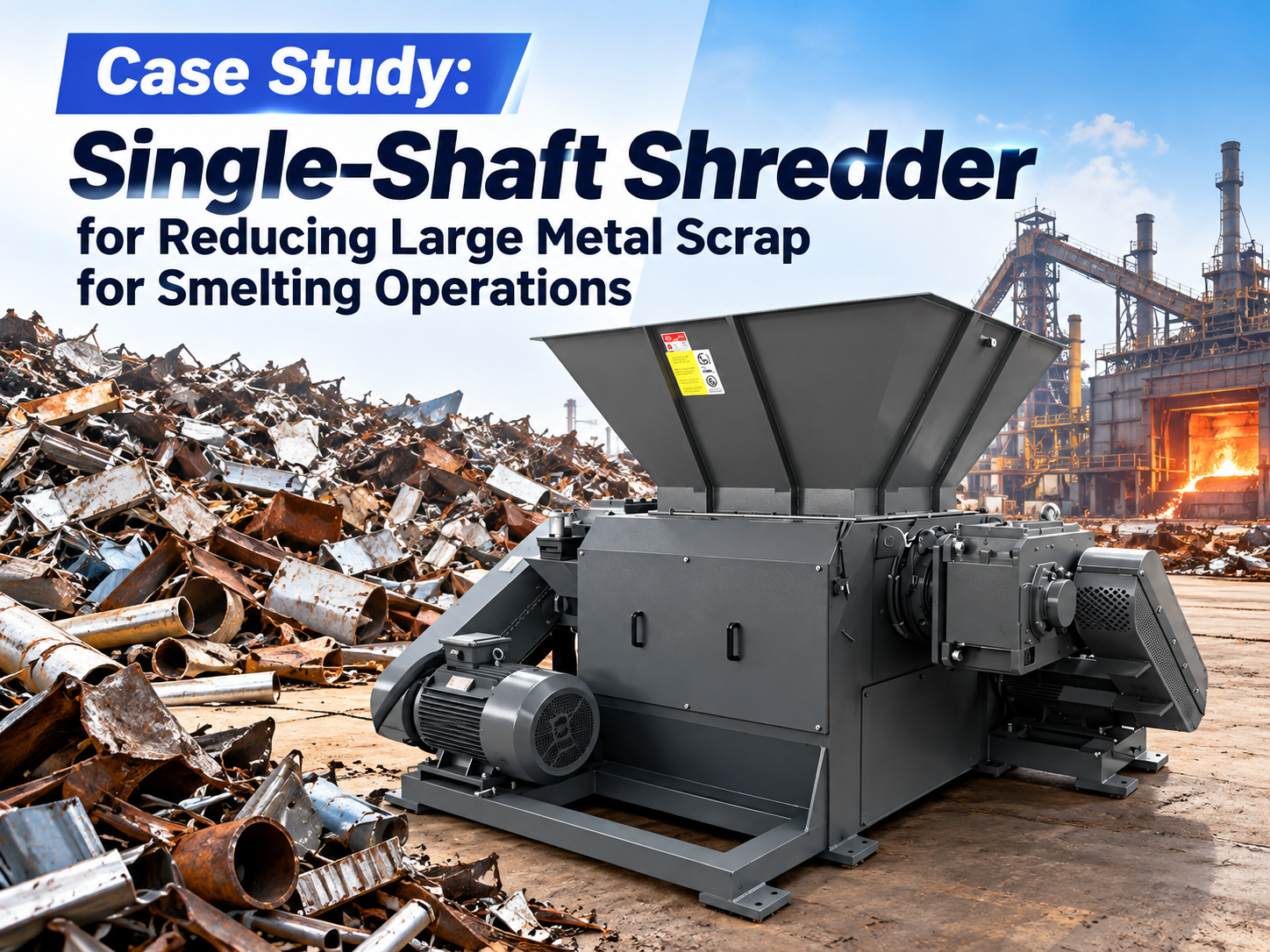
In the modern landscape of metal fabrication and recycling, the efficiency of smelting operations is directly tied to the quality and size of the feedstock. Large, bulky metal scrap poses significant challenges to furnace throughput, energy consumption, and overall operational safety. This article presents a comprehensive Case Study: Single-Shaft Shredder Reducing Large Metal Scrap Smelting Operations, highlighting how HARSLE’s advanced shredding technology transforms industrial waste into high-value, furnace-ready material.
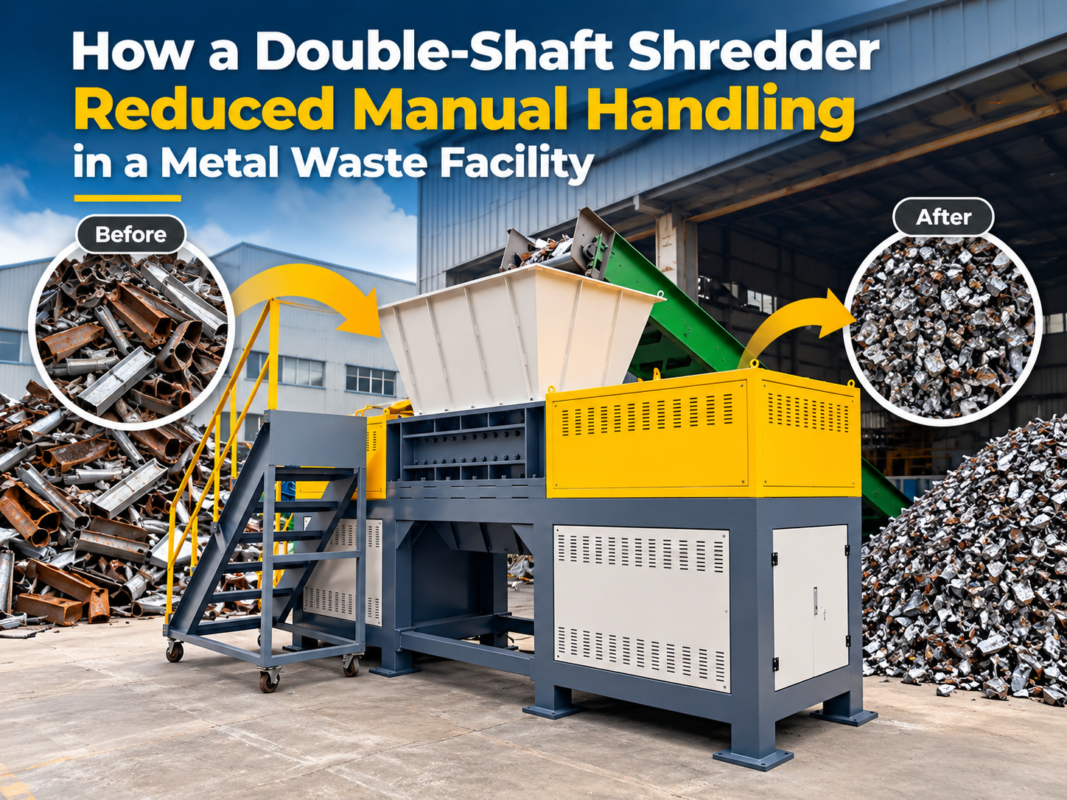
For many smelting facilities, the bottleneck often lies in the pre-processing stage. When scrap metal arrives in irregular, oversized shapes, it creates voids in the furnace charge, leading to uneven heating and increased oxidation. By implementing a high-torque single-shaft shredder, facilities can achieve a uniform particle size that maximizes furnace density and accelerates melting cycles. This case study explores the technical transition from manual cutting to automated shredding.
HARSLE has long been at the forefront of providing robust metal fabrication equipment designed for the rigors of heavy industry. Our single-shaft shredders are engineered to handle the toughest alloys, ensuring that even the most resilient scrap is reduced to manageable dimensions. This document serves as a guide for plant managers and engineers looking to optimize their smelting workflows through mechanical size reduction.
Throughout this analysis, we will examine the specific operational challenges faced by a mid-sized smelting plant, the technical specifications of the HARSLE shredding solution, and the measurable improvements in productivity. By focusing on the integration of a single-shaft shredder, we demonstrate how precision engineering can solve complex logistical problems in the metal recycling sector.
Key Considerations for Smelting Operations
The primary concern for any smelting operation is the consistency of the melt. When large metal scrap is introduced into a furnace, the air gaps between pieces lead to inefficient heat transfer. This not only increases the time required to reach the molten state but also consumes significantly more electricity or fuel. A single-shaft shredder addresses this by producing a consistent, dense output that fills the furnace crucible more effectively.
Safety is another critical factor in the scrap handling process. Manual torch cutting of large metal components exposes workers to hazardous fumes, intense heat, and the risk of fire. By automating the reduction process with a single-shaft shredder, companies can remove personnel from the immediate vicinity of the scrap, significantly reducing workplace accidents and improving the overall safety culture of the facility.
Material throughput and downtime management are essential for profitability. Large, un-shredded scrap often causes “bridging” in furnace charging systems, where material gets stuck and requires manual intervention to dislodge. A shredder ensures that the material flows smoothly through conveyors and charging buckets, eliminating the downtime associated with manual clearing and furnace maintenance.
Environmental compliance and waste management are increasingly stringent. Smelting facilities must account for the volume of scrap processed and the energy footprint of their operations. Shredding allows for better sorting and separation of contaminants, such as non-metallic inclusions or hazardous coatings, before they enter the furnace. This leads to a cleaner melt, fewer emissions, and higher-quality recycled metal products.
Technical Details of the HARSLE Shredding Solution
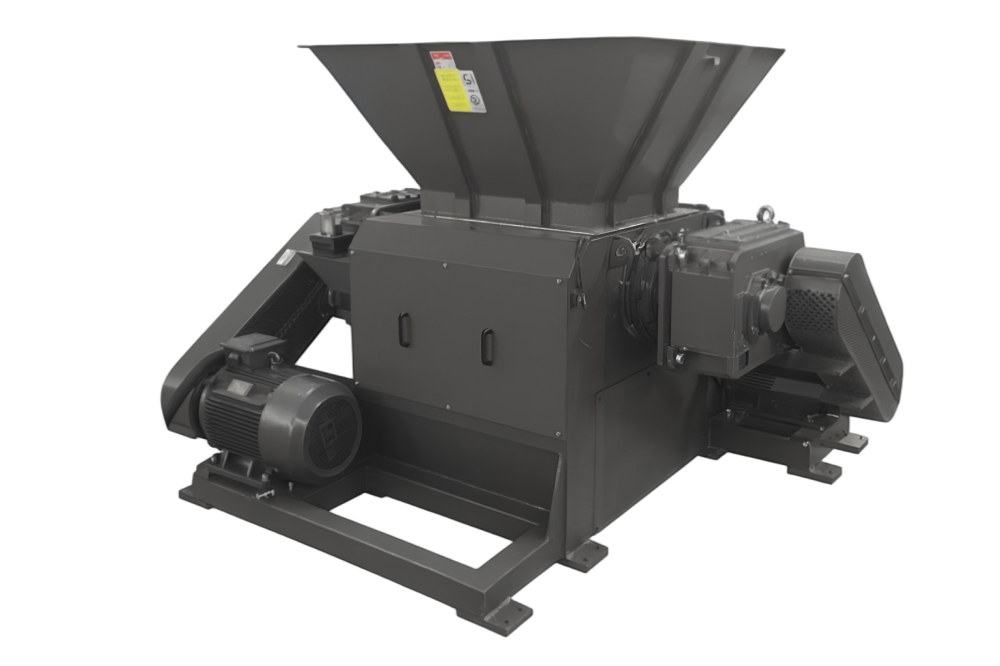
The HARSLE single-shaft shredder utilizes a low-speed, high-torque drive system, which is essential for processing dense metal scrap. Unlike high-speed shredders that rely on impact, our single-shaft design uses a shearing action that provides superior control over the final particle size. This is achieved through a rotor equipped with hardened, replaceable cutting blades that interact with a stationary counter-knife.
The rotor design is the heart of the machine. HARSLE engineers utilize specialized alloy steels for the blades, ensuring they maintain their edge even when processing high-tensile strength metals. The rotor speed is optimized to balance throughput with energy efficiency, preventing the motor from stalling under heavy loads while maintaining a consistent feed rate. This technical balance is crucial for the longevity of the drivetrain.
Control systems play a vital role in the operation of the shredder. HARSLE units are equipped with an intelligent PLC (Programmable Logic Controller) that monitors the load on the motor. If the shredder encounters an un-shreddable object, the system automatically triggers a reverse cycle to clear the blockage and prevent damage to the drivetrain. This “auto-reverse” feature is a hallmark of our commitment to machine durability.
The discharge system is equally important for smelting operations. Our shredders are designed to integrate seamlessly with magnetic separators and conveyor belts. This allows the facility to automatically remove ferrous metals from the shredded stream, ensuring that only the desired material enters the smelting furnace. The modular design of the discharge chute allows for easy customization based on the specific layout of the plant floor.
Selection Advice for Metal Fabrication Equipment
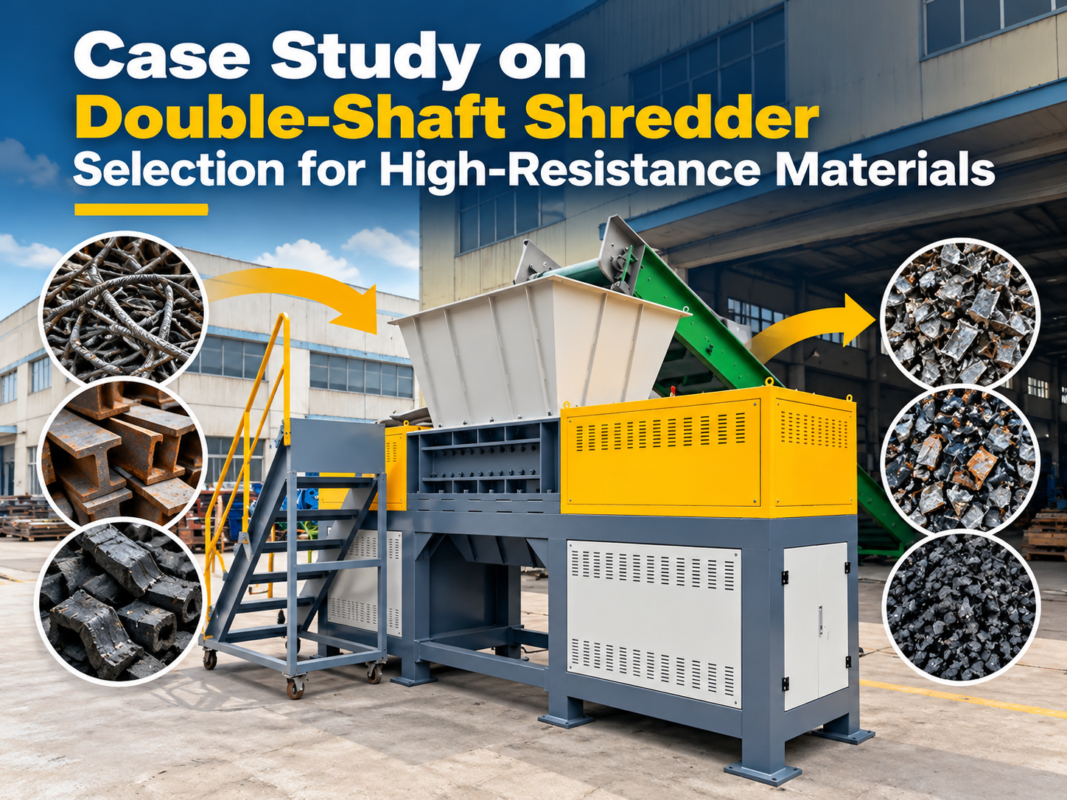
When selecting a single-shaft shredder for your smelting operation, the first step is to conduct a thorough audit of your scrap profile. Consider the maximum dimensions, thickness, and material hardness of the scrap you typically process. A shredder that is undersized for your material will lead to premature blade wear and frequent motor trips, while an oversized unit may result in unnecessary capital expenditure and higher energy costs.
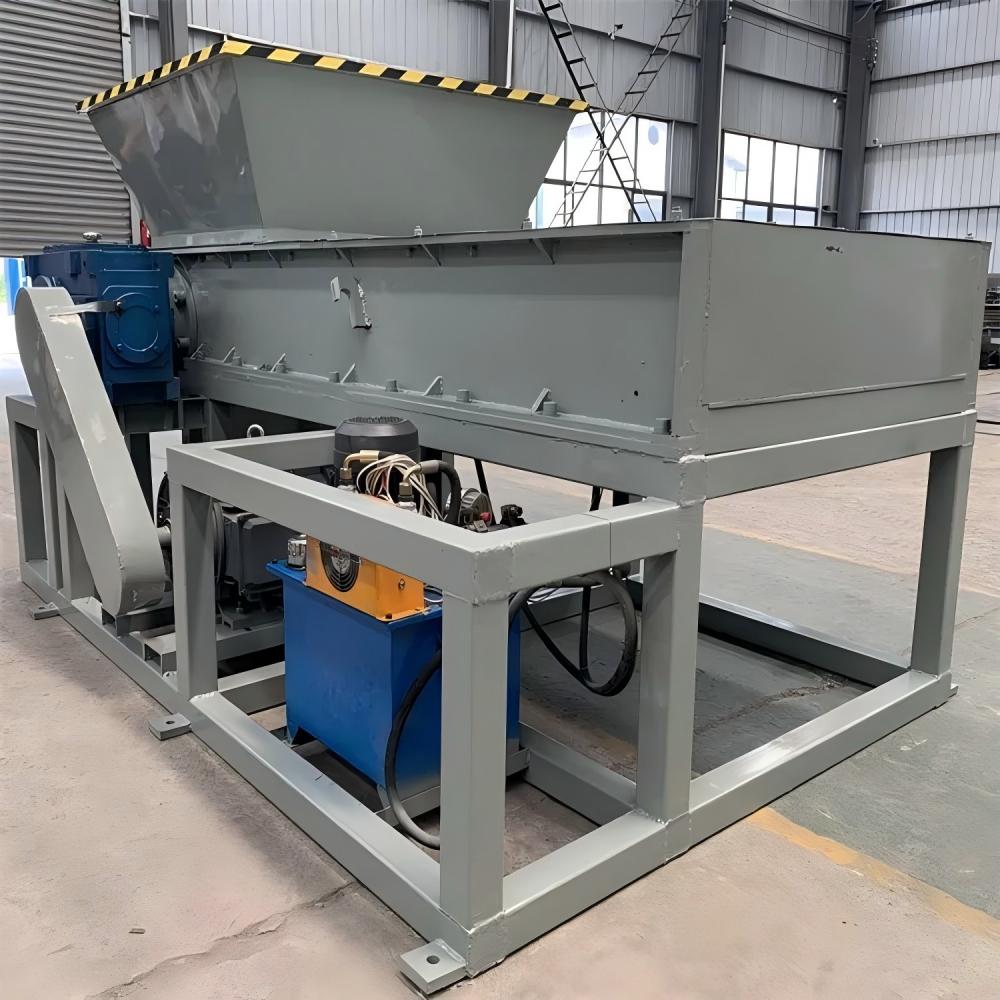
Evaluate the maintenance requirements of the equipment. Look for features such as easy access to the cutting chamber, quick-change blade systems, and robust lubrication points. HARSLE designs its shredders with modularity in mind, allowing maintenance teams to replace individual blades rather than the entire rotor, which significantly reduces long-term operational costs.
Consider the integration capabilities of the shredder. Does it need to be part of a larger automated line, or will it be fed by a forklift or crane? The loading hopper design is critical here. For large metal scrap, a wide, reinforced hopper is necessary to prevent material from spilling and to ensure safe loading. Ensure the manufacturer provides a control interface that can communicate with your existing plant management software.
Finally, prioritize the manufacturer’s support and spare parts availability. Industrial machinery is a long-term investment, and the ability to source high-quality replacement parts quickly is essential to minimize downtime. HARSLE provides comprehensive technical support and a global supply chain for spare parts, ensuring that your shredder remains operational throughout its entire lifecycle.
Często zadawane pytania (FAQ)
What is the primary advantage of a single-shaft shredder over a dual-shaft shredder for metal?
A single-shaft shredder offers superior control over the final particle size due to the screen that sits beneath the rotor. This ensures that no material leaves the chamber until it has been reduced to the desired dimensions, which is critical for consistent smelting furnace performance.
How often do the blades on a HARSLE shredder need to be replaced?
Blade life depends heavily on the type of metal being processed and the volume of throughput. However, HARSLE uses high-grade, heat-treated alloy steels that offer extended service life. We recommend a scheduled inspection every 500 operating hours to check for wear and ensure optimal performance.
Can this shredder handle mixed metal scrap?
Yes, our single-shaft shredders are designed to handle a variety of metals, including steel, aluminum, and copper. When processing mixed scrap, we recommend using a magnetic separator downstream to sort the ferrous and non-ferrous materials effectively.
What safety features are included in the HARSLE shredder?
Safety is paramount. Our shredders include emergency stop buttons, an automatic reverse function to prevent jams, a locked-out power system for maintenance, and safety sensors on the hopper to prevent accidental access during operation.
Wniosek
The implementation of a HARSLE single-shaft shredder represents a strategic upgrade for any smelting operation looking to improve efficiency and reduce costs. By transforming large, unmanageable metal scrap into a uniform, high-density feedstock, facilities can achieve faster melt times, lower energy consumption, and a safer working environment. This Case Study: Single-Shaft Shredder Reducing Large Metal Scrap Smelting Operations demonstrates that the right equipment is the foundation of a modern, profitable recycling process.
As the metal fabrication industry continues to evolve, the demand for high-quality, recycled raw materials will only grow. Investing in robust, reliable shredding technology is not just an operational necessity; it is a competitive advantage. HARSLE remains dedicated to providing the industrial machinery needed to meet these challenges, ensuring that our clients can process scrap with precision and confidence.
We invite you to contact our technical team to discuss your specific scrap reduction needs. Whether you are processing automotive scrap, industrial offcuts, or heavy structural steel, HARSLE has the expertise and the equipment to help you streamline your smelting operations and maximize your return on investment. Choose HARSLE for durability, performance, and long-term success in the metal fabrication industry.