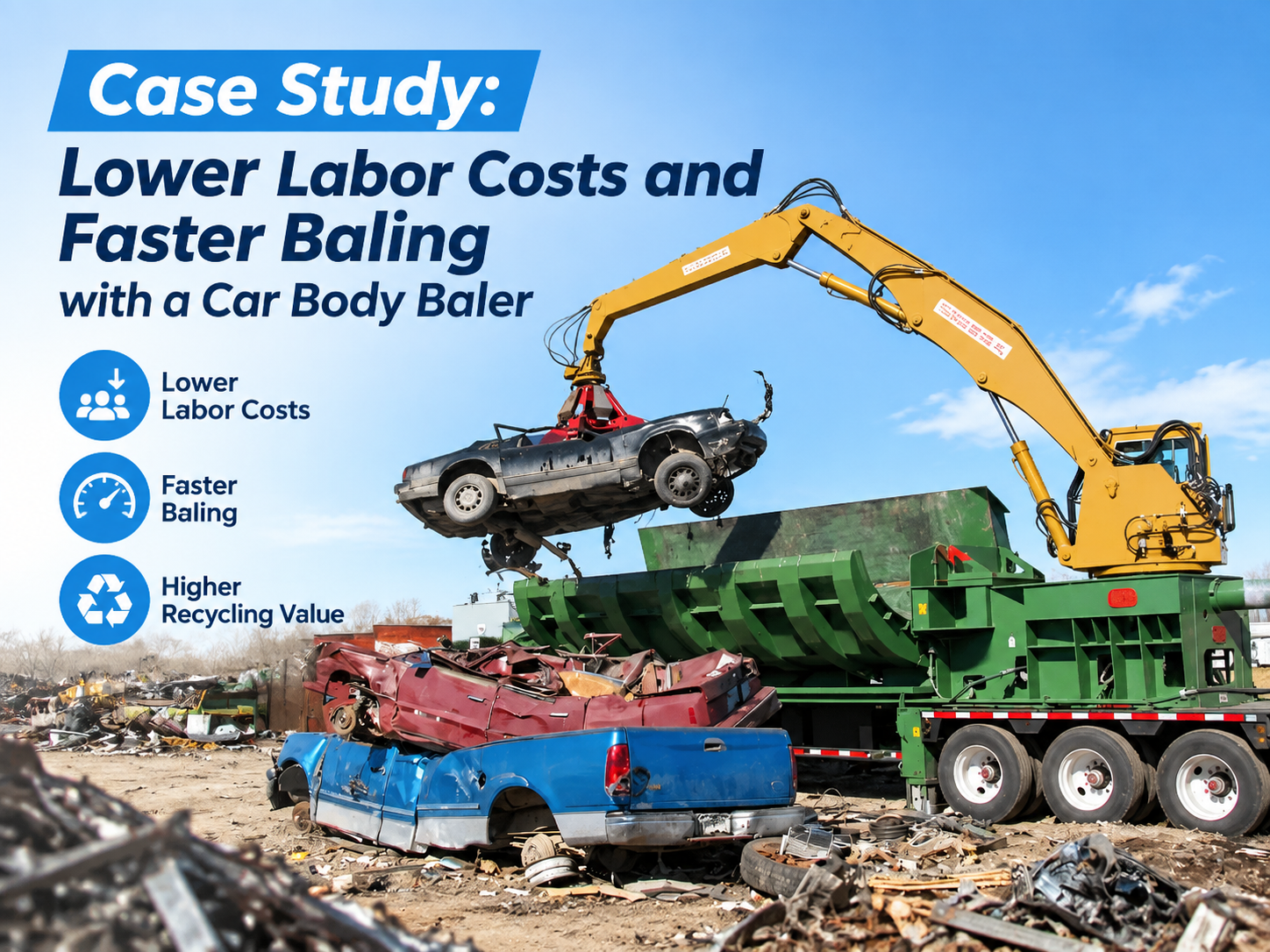
Case Study: Lower Labor Costs and Faster Baling with a Car Body Baler

Introduction: The Evolution of Scrap Metal Processing
In the modern metal recycling industry, efficiency is the primary driver of profitability. As scrap yards and automotive dismantling facilities face increasing pressure to process higher volumes of end-of-life vehicles (ELVs), the reliance on manual labor and outdated equipment has become a significant bottleneck. This article explores a comprehensive Case Study: Lower Labor Costs Faster Baling A Car Body Baler, illustrating how HARSLE’s advanced hydraulic solutions transform operational workflows.
The transition from manual cutting or inefficient shearing to automated baling represents a paradigm shift in industrial metal fabrication. By compressing bulky car bodies into high-density, transportable bales, facilities can drastically reduce their logistics costs while simultaneously increasing the speed of their processing lines. This case study focuses on a mid-sized recycling center that successfully integrated a HARSLE car body baler to overcome stagnant production rates.
For many facility managers, the decision to invest in a car body baler is often met with hesitation regarding capital expenditure. However, when analyzing the long-term return on investment (ROI), the reduction in labor hours and the increase in scrap value per ton become undeniable. This article provides an in-depth look at how these machines function, why they are essential for modern scrap management, and how to select the right equipment for your specific throughput needs.
As we delve into this Case Study: Lower Labor Costs and Faster Baling with a Car Body Baler, we will examine the technical specifications that differentiate high-performance balers from standard industrial presses. We will also explore the safety protocols, maintenance requirements, and operational strategies that ensure your machinery remains a reliable asset for years to come.
Key Considerations for Scrap Yard Efficiency
Before implementing a new baling solution, facility managers must evaluate their current operational bottlenecks. The most common issues include excessive downtime during vehicle preparation, high labor costs associated with manual torch cutting, and inefficient storage of loose scrap. A car body baler addresses these issues by streamlining the compression process into a single, automated cycle.
One of the primary considerations is the density of the final bale. A high-density bale is not only easier to transport but also commands a higher price from steel mills and foundries. By utilizing a HARSLE car body baler, operators can achieve consistent bale dimensions that fit perfectly into standard shipping containers or flatbed trucks, maximizing the payload and reducing the number of trips required to move the same volume of material.
Labor optimization is another critical factor. In a manual environment, workers spend hours stripping vehicles and cutting them into manageable pieces. With a robust baler, the need for extensive pre-processing is minimized. The machine’s hydraulic force is capable of handling the structural integrity of the vehicle, allowing for faster throughput and a safer working environment where personnel are removed from the immediate vicinity of heavy, shifting scrap.
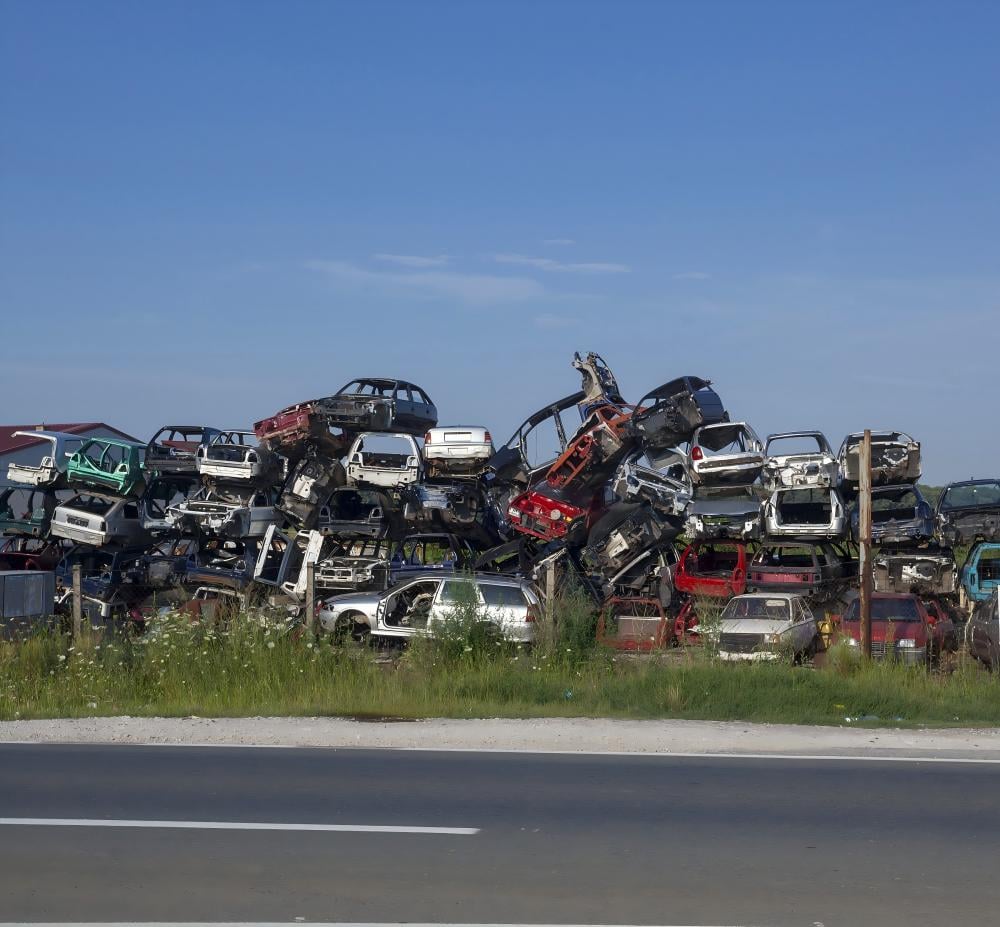
Finally, space management is a significant concern for many scrap yards. Loose car bodies occupy a massive footprint, creating logistical nightmares and safety hazards. By compressing these vehicles into compact blocks, facilities can reclaim valuable yard space, improve site organization, and enhance overall safety compliance. This shift in spatial management is a direct result of adopting modern metal fabrication equipment designed for high-volume recycling.
Technical Details: How HARSLE Balers Transform Scrap
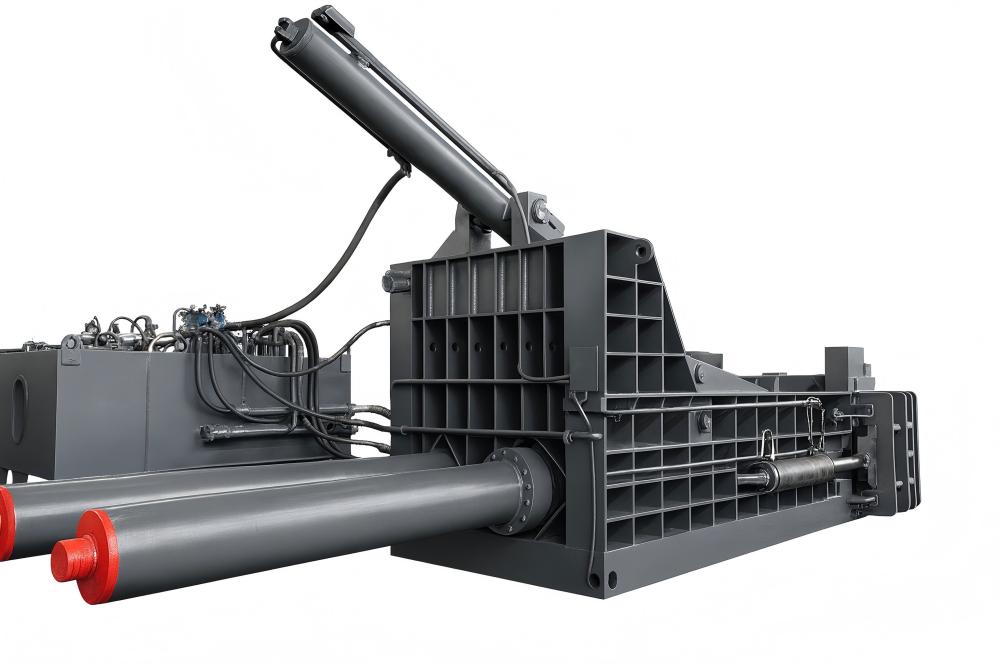
The core of the HARSLE car body baler lies in its heavy-duty hydraulic system. These machines are engineered to withstand the immense pressure required to deform steel, aluminum, and other automotive alloys. The hydraulic cylinders are designed for longevity, featuring reinforced seals and high-grade steel construction to prevent leaks and pressure loss during the compression cycle.
The baling process typically involves a multi-stage compression sequence. First, the car body is loaded into the chamber. The side compression rams move inward to narrow the width of the vehicle, followed by the main compression ram, which exerts vertical force to compact the material into a dense block. This multi-axis approach ensures that the bale is uniform and stable, preventing it from expanding or falling apart during transport.
Control systems are another area where HARSLE excels. Modern balers are equipped with programmable logic controllers (PLCs) that allow operators to adjust compression force, cycle time, and bale size based on the type of scrap being processed. This flexibility is crucial for facilities that handle a mix of passenger vehicles, light trucks, and general industrial scrap. The interface is designed for ease of use, reducing the training time required for new operators.
Durability is non-negotiable in the scrap industry. HARSLE balers incorporate wear-resistant liners inside the compression chamber. These liners are replaceable, ensuring that the structural integrity of the machine remains intact even after processing thousands of tons of abrasive metal. By focusing on modular design, HARSLE ensures that maintenance can be performed quickly, minimizing the impact on production schedules.
Selection Advice: Choosing the Right Equipment
When selecting a car body baler, the first step is to conduct a thorough analysis of your daily and monthly throughput. A facility processing 50 cars a week has vastly different requirements than one processing 500. Choosing a machine that is undersized will lead to premature wear and constant maintenance, while an oversized machine may result in unnecessary energy consumption and capital waste.
Consider the power source and energy efficiency of the unit. HARSLE offers various configurations, including electric-hydraulic systems that are optimized for power consumption. In regions where electricity costs are high, the efficiency of the hydraulic pump and the motor becomes a significant factor in the total cost of ownership. Look for machines with energy-saving standby modes that reduce power draw when the machine is not actively compressing.
The size of the compression chamber is equally important. Ensure that the chamber dimensions can accommodate the largest vehicles you intend to process. While most standard cars fit into standard chambers, specialized equipment may be required for larger commercial vehicles or heavy machinery. Consulting with a HARSLE representative can help you determine if a custom chamber size is necessary for your specific application.
Finally, consider the after-sales support and availability of spare parts. Industrial machinery is a long-term investment, and the ability to source replacement parts quickly is vital to maintaining uptime. HARSLE provides comprehensive support, including installation guidance, operator training, and a robust supply chain for critical components, ensuring that your investment remains productive throughout its lifecycle.
Często zadawane pytania (FAQ)
What is the primary benefit of using a car body baler?
The primary benefit is the significant reduction in logistics costs. By compressing vehicles into dense bales, you can transport more material per load, reducing shipping expenses and increasing the efficiency of your scrap yard operations.
How does a car body baler lower labor costs?
It reduces the need for manual torch cutting and heavy labor associated with dismantling vehicles. The machine automates the compression process, allowing a smaller team to process a higher volume of scrap in less time.
What maintenance is required for a HARSLE baler?
Regular maintenance includes checking hydraulic fluid levels, inspecting seals for leaks, cleaning the compression chamber, and replacing wear liners as needed. HARSLE provides a detailed maintenance schedule with every machine.
Can these balers handle materials other than car bodies?
Yes, HARSLE balers are versatile and can process various types of light-gauge scrap, white goods, and other industrial metal waste, provided they fall within the machine’s pressure and size specifications.
How long does it take to install and commission a baler?
Installation time varies based on site preparation, but HARSLE provides expert guidance to ensure a smooth setup. Typically, commissioning takes a few days, including operator training and safety testing.
Conclusion: Investing in the Future of Recycling
The Case Study: Lower Labor Costs and Faster Baling with a Car Body Baler demonstrates that the path to profitability in the scrap metal industry is paved with technological advancement. By replacing manual, labor-intensive processes with HARSLE’s high-performance baling solutions, facilities can achieve unprecedented levels of efficiency and throughput. The reduction in labor costs, combined with the increased value of high-density scrap, creates a compelling financial argument for upgrading your equipment.
As the global demand for recycled metal continues to rise, the ability to process scrap quickly and efficiently will separate industry leaders from the rest of the market. HARSLE remains committed to providing the metal fabrication equipment necessary to meet these challenges. Whether you are looking to expand your current capacity or optimize your existing yard, investing in a reliable car body baler is a strategic decision that pays dividends in both operational performance and long-term sustainability.
We encourage facility managers to evaluate their current workflows and consider the impact that automated baling could have on their bottom line. With the right equipment, proper maintenance, and a commitment to safety, your facility can transform from a standard scrap yard into a high-efficiency processing hub. Contact HARSLE today to learn more about our range of balers and how we can help you achieve your production goals.