Why Is My Double-Shaft Shredder Vibrating Excessively? Causes and Repairs


Introduction: Understanding Shredder Stability
In the demanding world of metal fabrication and waste management, the double-shaft shredder stands as a cornerstone of efficiency. However, operators often ask, “Is my double-shaft shredder vibrating excessively? Causes and repairs are critical to understand before the issue escalates into a catastrophic mechanical failure.” Excessive vibration is not merely a nuisance; it is a diagnostic signal from the machine indicating that internal components are under stress, misaligned, or suffering from premature wear.
At HARSLE, we prioritize the longevity and performance of your industrial machinery. When a shredder begins to oscillate beyond its normal operating parameters, it compromises the structural integrity of the frame, the precision of the cutting shafts, and the safety of the surrounding workspace. Addressing these vibrations early can save thousands of dollars in downtime and prevent the need for complete motor or gearbox replacements.
This comprehensive guide explores the root causes of shredder instability, ranging from material feed issues to internal mechanical degradation. By following these technical insights, maintenance teams can implement proactive repair strategies that extend the life of their equipment and ensure consistent throughput in high-volume recycling environments.
Key Considerations: Identifying the Source of Vibration
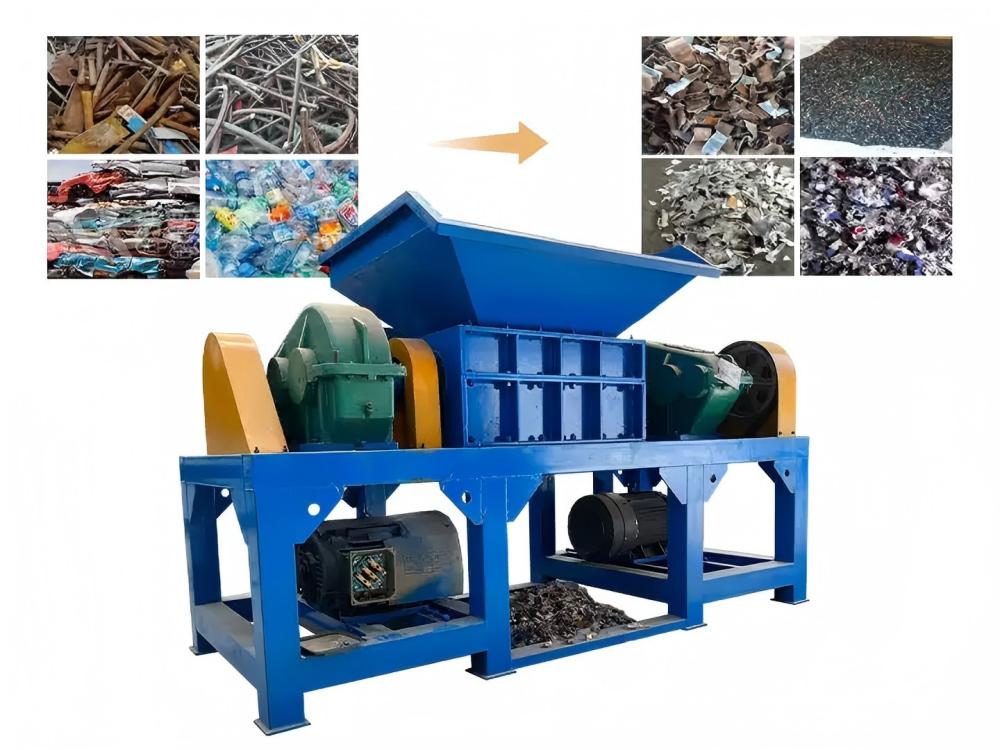
The first step in troubleshooting is determining whether the vibration is constant or intermittent. If the vibration occurs only during the loading phase, the issue likely lies with the material composition or the feeding mechanism. Conversely, if the machine vibrates even while idling, the problem is almost certainly mechanical, involving the shafts, bearings, or the drive train.
Operators should perform a visual inspection of the shredder housing while the machine is powered down. Look for signs of fatigue, such as hairline cracks in the welding or loose anchor bolts. A shredder that is not properly leveled or secured to its foundation will amplify even minor internal imbalances, turning a small mechanical quirk into a significant structural hazard.
Another key consideration is the material being processed. Double-shaft shredders are designed for specific hardness and density levels. If you are feeding material that exceeds the machine’s rated capacity—such as hardened alloy steel when the shredder is intended for aluminum or plastic—the torque spikes will cause the shafts to deflect, leading to violent shaking and potential blade damage.
Finally, consider the environmental factors. Industrial shredders generate significant heat. If the lubrication system is failing or if the oil viscosity is incorrect for the ambient temperature, the internal friction increases. This friction creates resistance that the motor must overcome, leading to uneven power delivery and subsequent vibration throughout the chassis.
Technical Details: Root Causes of Excessive Vibration
When investigating the question, “Is my double-shaft shredder vibrating excessively? Causes and repairs,” we must look at the heart of the machine: the cutting chamber. The most common cause of vibration is uneven blade wear. If the shredder blades are not wearing down symmetrically, the distribution of weight on the shafts becomes unbalanced. As the shafts rotate at high speeds, this imbalance manifests as a rhythmic thumping or high-frequency vibration.
Bearing failure is another primary culprit. The bearings support the immense load of the shafts and the cutting force. If a bearing race becomes pitted or if the lubrication has been contaminated with metal dust, the shaft will lose its concentricity. This “play” in the shaft allows it to wobble during operation, which is immediately felt as vibration throughout the entire shredder frame.
The drive system, including the couplings and gearboxes, must also be scrutinized. If the coupling between the motor and the gearbox is misaligned, the rotational energy is not transferred smoothly. This misalignment forces the shafts to fight against the drive train, creating a torsional vibration that can quickly destroy seals and gaskets. Regular laser alignment checks are essential for high-torque industrial shredders.
Furthermore, the accumulation of debris inside the cutting chamber can cause localized imbalances. If material becomes wedged between the blades and the spacer rings, it creates a “dead zone” where the shredder cannot cut effectively. This buildup forces the shafts to deflect away from the obstruction, causing the entire assembly to shudder under the uneven load. Regular cleaning cycles are mandatory to prevent this type of mechanical stress.
Repair Strategies and Maintenance Protocols
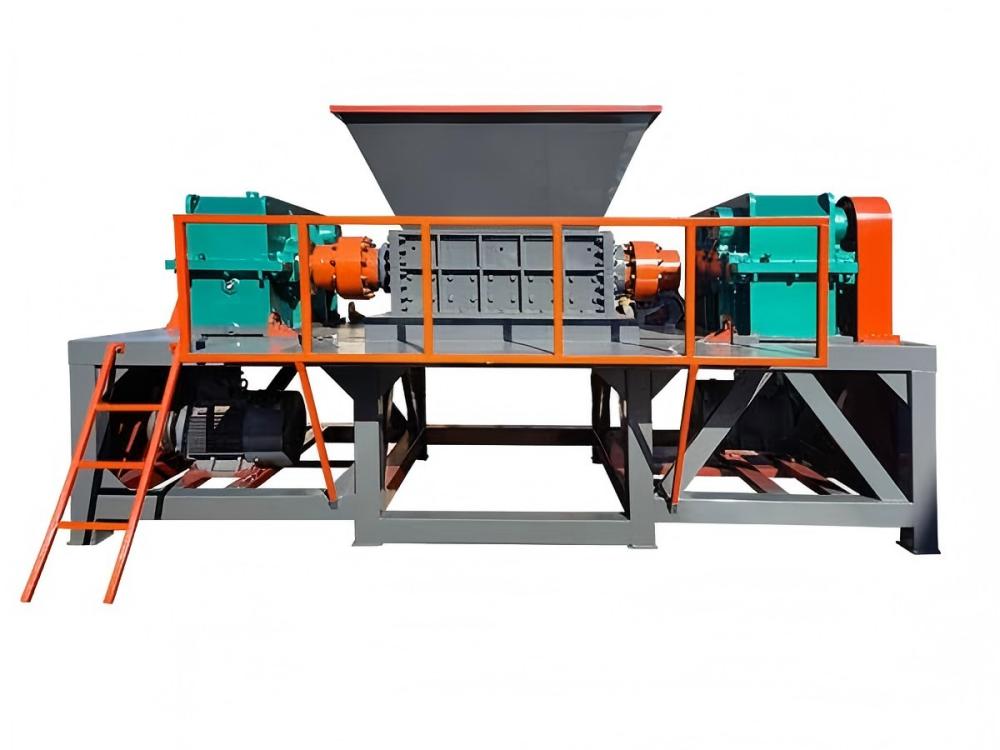
Once the cause is identified, the repair process must be methodical. For blade-related issues, the solution is often a complete set replacement or a professional re-sharpening service. Never replace just one or two blades, as this will create a new imbalance. Always replace blades in sets to maintain the rotational mass equilibrium of the shafts.
If the vibration is caused by bearing wear, the repair involves a full teardown of the shaft assembly. This is a specialized task that requires precision tools to ensure the new bearings are seated perfectly. After replacing bearings, it is crucial to check the shaft run-out using a dial indicator. Even a few microns of deviation can lead to premature failure of the new components.
For drive train issues, check the gearbox oil for metal shavings. The presence of metal particles indicates that the gears are grinding against each other due to misalignment or excessive load. If the oil is clean, focus on the flexible couplings. Replace any rubber inserts or spider couplings that show signs of cracking or hardening, as these components are designed to absorb vibration and protect the motor.
Finally, ensure the machine is anchored correctly. Use high-strength epoxy anchors and vibration-dampening pads between the shredder base and the concrete floor. These pads act as a buffer, preventing the transmission of mechanical energy into the building structure, which can otherwise lead to floor cracking and long-term instability for the entire production line.
Selection Advice: Preventing Future Issues
Choosing the right shredder from the start is the best way to avoid vibration problems. When selecting a double-shaft shredder, consider the torque-to-speed ratio. High-torque, low-speed shredders are generally more stable and better suited for heavy metal scrap than high-speed, low-torque models. Ensure the machine’s capacity matches your daily throughput requirements to avoid overloading.
Look for manufacturers like HARSLE that utilize heavy-duty, reinforced frames. A shredder with a thicker, more rigid chassis is inherently more resistant to the vibrations caused by processing tough materials. Additionally, check for the availability of spare parts. A machine that is easy to service is a machine that will be maintained more frequently, leading to fewer long-term issues.
Consider the control system as well. Modern shredders come equipped with PLC-based auto-reverse functions. If the machine detects a jam or a torque spike, it automatically reverses the shafts to clear the obstruction. This feature is invaluable for preventing the kind of mechanical stress that leads to excessive vibration and long-term structural damage.
Lastly, invest in a comprehensive maintenance contract or training program for your operators. Most vibration issues are caused by operator error, such as overfeeding or failing to perform daily inspections. A well-trained team will notice the subtle signs of vibration long before the machine begins to shake violently, allowing for minor adjustments rather than major repairs.
FAQ: Common Questions About Shredder Vibration
- Q: Can loose bolts cause vibration? A: Yes, loose foundation bolts are a leading cause of vibration. Always check your anchor bolts during weekly maintenance.
- Q: How often should I check my shredder blades? A: Depending on the volume, blades should be inspected every 200-500 operating hours for signs of chipping or uneven wear.
- Q: Is it normal for a shredder to vibrate when starting up? A: A brief moment of vibration during startup is common as the shafts reach operating speed, but it should smooth out immediately. Persistent vibration is a sign of a problem.
- Q: Does the type of material affect vibration? A: Absolutely. Processing mixed materials with varying hardness levels can cause inconsistent loading, leading to vibration. Always sort your scrap before shredding.
- Q: What is the most common cause of sudden, violent shaking? A: Usually, this is caused by a large, non-shreddable object (like a solid steel block) entering the chamber, causing a sudden torque spike and shaft deflection.
Conclusion: Maintaining Operational Excellence
Addressing the question, “Is my double-shaft shredder vibrating excessively? Causes and repairs,” requires a combination of technical knowledge and a commitment to preventative maintenance. By monitoring your equipment, ensuring proper blade balance, and keeping the drive train aligned, you can ensure that your HARSLE shredder remains a reliable workhorse in your facility.
Remember that vibration is a language; it is the machine telling you that something is not right. By listening to these signals early, you can perform minor repairs that prevent major failures. Whether it is tightening a bolt, replacing a worn bearing, or simply adjusting your feeding technique, these small actions contribute to a safer, more productive, and more profitable metal fabrication operation. Trust in the quality of your equipment, but never underestimate the importance of regular, professional maintenance.