Vertical Baler Price Vs Performance: Find Best ROI

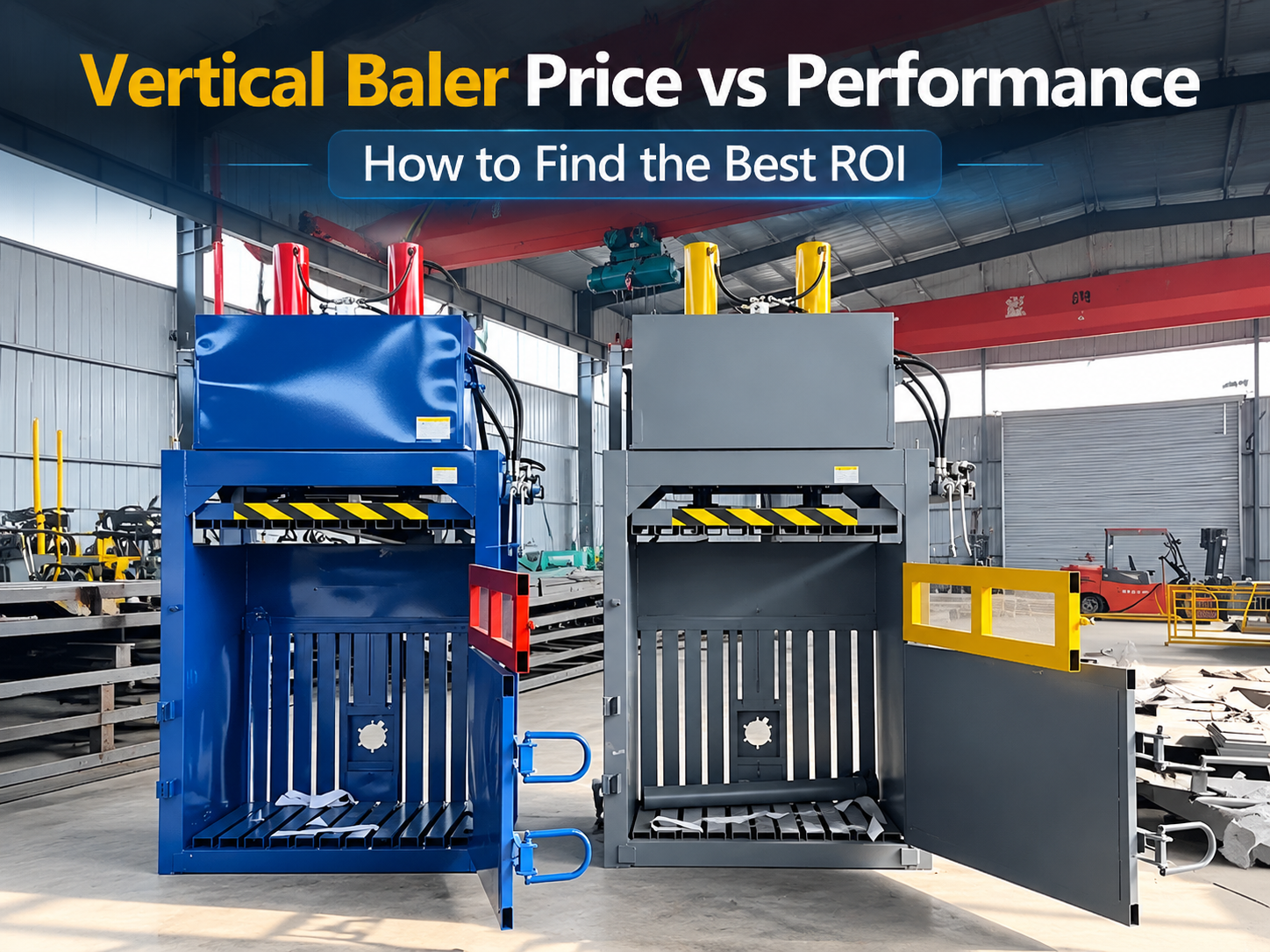
Price Range Overview: Understanding the Investment Landscape
When evaluating the vertical baler price vs performance: find best ROI, it is essential to understand that the market is segmented by capacity, automation levels, and structural integrity. For small-scale operations or retail environments, entry-level vertical balers typically range from $5,000 to $12,000. These machines are designed for light-duty cardboard and plastic film, offering basic hydraulic systems and manual door operation. While the initial investment is low, the throughput capacity is limited, which may lead to bottlenecks in high-volume facilities.
Mid-range vertical balers, often priced between $15,000 and $30,000, represent the sweet spot for most manufacturing and distribution centers. These units feature reinforced steel chambers, higher compaction forces, and often include semi-automatic bale ejection systems. The investment here is justified by increased uptime and the ability to process denser materials, such as aluminum cans or thicker gauge metal scraps, which are common in metal fabrication environments.
High-end industrial vertical balers can exceed $50,000. These machines are engineered for 24/7 operation, featuring heavy-duty hydraulic cylinders, programmable logic controllers (PLCs), and advanced safety interlocks. When considering the vertical baler price vs performance: find best ROI, these machines are not just expenses; they are long-term assets designed to minimize labor costs and maximize the market value of baled recyclables through superior density.
Ultimately, the price range is a reflection of the machine’s duty cycle. A machine that is too cheap for your volume will fail prematurely, while a machine that is too expensive for your needs will never pay for itself. Understanding your specific waste stream volume is the first step in navigating these price brackets effectively.
Main Cost Drivers: What You Are Really Paying For
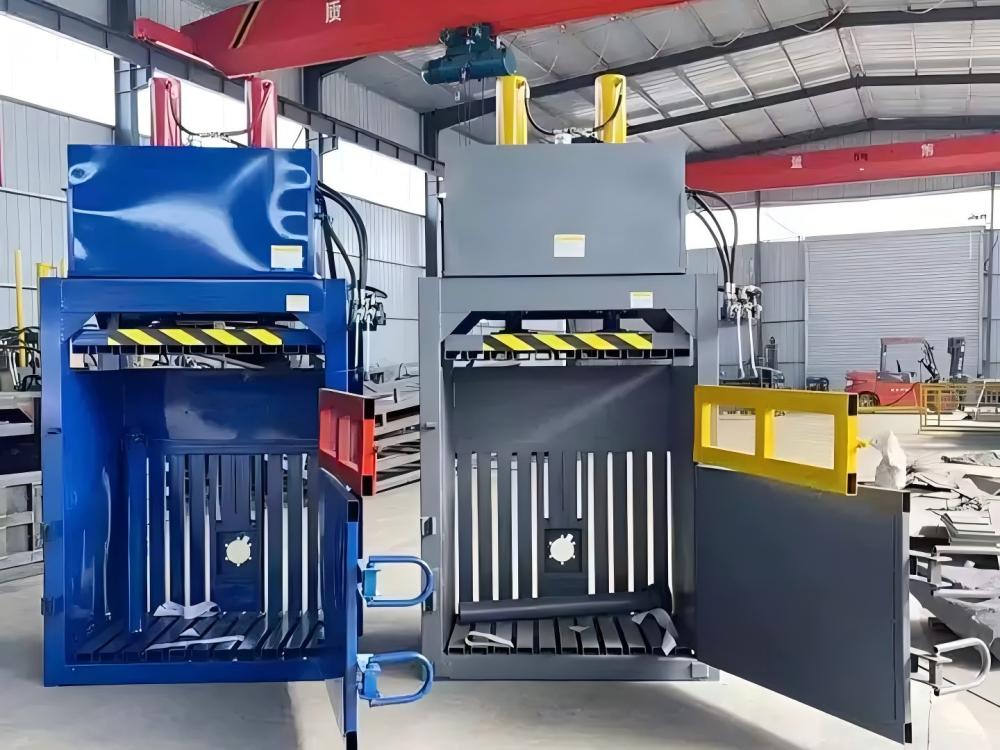
The primary driver of vertical baler cost is the compaction force, measured in tons. Higher tonnage requires more robust steel construction, larger hydraulic pumps, and more powerful motors. If your application involves compacting metal scraps or dense plastics, you cannot compromise on force. A machine with insufficient force will result in “spring-back,” where the bale expands after the door is opened, leading to inefficient storage and higher transportation costs.
Hydraulic system quality is another significant cost factor. Industrial-grade balers utilize high-pressure pumps and precision-engineered valves that ensure consistent performance over thousands of cycles. Cheaper alternatives often use lower-grade seals and pumps that are prone to leaks and pressure drops. When analyzing the vertical baler price vs performance: find best ROI, remember that a reliable hydraulic system is the heart of the machine; skimping here leads to frequent downtime and expensive repairs.
The structural integrity of the chamber and the platen also dictates the price. Heavy-duty balers feature thicker gauge steel and reinforced welding to prevent deformation under high pressure. In metal fabrication, where sharp edges and heavy materials are common, a thin-walled chamber will quickly show signs of fatigue, leading to structural failure. Investing in a machine with a heavy-duty frame ensures that the baler remains square and operational for years.
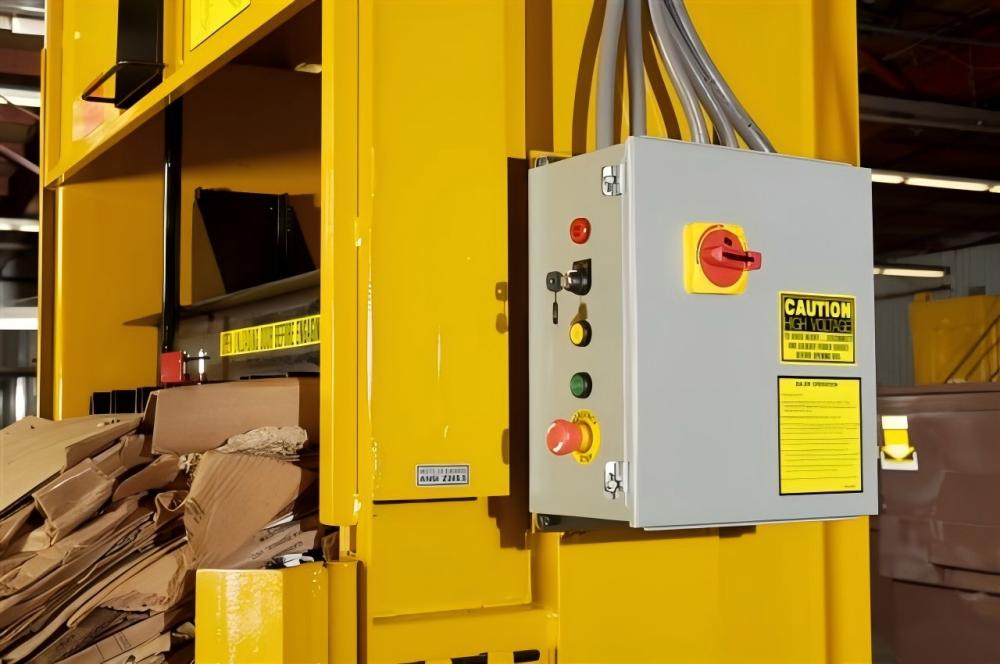
Finally, the control system and safety features impact the bottom line. Modern balers come equipped with PLC interfaces that allow for custom compaction cycles, error diagnostics, and remote monitoring. While these features add to the upfront cost, they significantly reduce operator error and maintenance time. Safety features, such as dual-hand controls and emergency stop systems, are non-negotiable in industrial settings and are factored into the price of reputable machinery.
Configuration Impact: Tailoring the Machine to Your Needs
Configuration is where the vertical baler price vs performance: find best ROI truly comes into play. A standard baler might be sufficient for cardboard, but if you are processing metal shavings or offcuts, you need specific configurations. For instance, a baler with a liquid collection tray is essential if your metal scraps are coated in cutting fluids or oils. Without this, the hydraulic system can become contaminated, and the facility floor becomes a safety hazard.
The size of the feed opening is another critical configuration choice. If your waste stream consists of large, bulky items, a small feed opening will force your operators to break down materials manually, which is a massive waste of labor hours. A larger feed opening increases the machine’s price but drastically improves throughput and operator efficiency. Always match the feed opening size to the largest item you expect to process regularly.
Bale ejection systems also vary by configuration. Manual ejection requires significant physical effort and time, whereas automatic or semi-automatic systems use hydraulic rams to push the bale out onto a pallet. In a high-volume environment, the time saved by an automatic ejection system can pay for the price difference in just a few months. This is a classic example of how paying more upfront for a better configuration leads to a better ROI.
Consider the power requirements as well. While three-phase power is standard for industrial balers, some smaller units can run on single-phase power. If your facility is not equipped for heavy industrial power, you might be tempted to choose a smaller machine. However, it is often more cost-effective to upgrade your electrical infrastructure than to settle for a machine that cannot handle your volume. Always consult with an electrician before finalizing your purchase.
Hidden Costs: Beyond the Sticker Price
When calculating the vertical baler price vs performance: find best ROI, many buyers overlook the “hidden” costs of ownership. Installation is the first major expense. A professional installation ensures that the machine is leveled, anchored correctly, and integrated into your facility’s workflow. Improper installation can lead to premature wear on the hydraulic cylinders and guide rails, effectively shortening the machine’s lifespan by years.
Maintenance and spare parts are ongoing costs that vary by manufacturer. Some brands use proprietary parts that are expensive and difficult to source, while others use industry-standard components. Before purchasing, ask for a list of common wear parts and their availability. A machine that is easy to maintain with readily available parts will always have a better long-term ROI than a machine that requires a factory technician for every minor adjustment.
Energy consumption is another factor often ignored. High-efficiency motors and variable frequency drives (VFDs) can significantly reduce the electricity cost per bale. Over the course of a decade, the energy savings from a more efficient motor can offset a large portion of the initial price difference. When comparing models, look for energy efficiency ratings and power usage statistics.
Finally, consider the cost of labor and training. A complex machine that is difficult to operate will require more training time and may lead to more accidents or mistakes. A user-friendly interface and clear safety protocols reduce the burden on your staff. When you factor in the cost of downtime caused by operator error, the value of a well-designed, intuitive machine becomes clear.
ROI Calculation: Making the Data-Driven Decision
To determine the vertical baler price vs performance: find best ROI, you must perform a formal ROI calculation. Start by calculating your current waste disposal costs. Include the cost of dumpster rentals, the frequency of pickups, and the labor hours spent breaking down boxes or managing scrap piles. This is your “baseline cost.”
Next, estimate the revenue potential of your baled material. Baled cardboard, plastic, and metal have a market value that is significantly higher than loose, uncompacted waste. Contact local recycling centers to get current market rates for baled materials. Subtract the cost of transporting the bales to the recycling center from the potential revenue to get your “net recycling income.”
Now, calculate the total cost of ownership (TCO) for the baler. This includes the purchase price, installation, annual maintenance, electricity, and the cost of baling wire or strapping. Divide the TCO by the sum of your current waste disposal savings and your new recycling revenue. This will give you the “payback period” in months or years.
If the payback period is under 24 months, the investment is generally considered excellent. If it is longer, consider whether the machine will last long enough to provide a return. Remember that the goal is to maximize the density of the bales, as higher density means fewer pickups and lower transportation costs. A machine that produces a 1,000lb bale is always more profitable than one that produces a 500lb bale, even if the former costs more to purchase.
Buying Advice: A Checklist for Success
Before signing a purchase agreement, follow this checklist to ensure you are hitting the mark on vertical baler price vs performance: find best ROI. First, conduct a waste audit. Know exactly how many tons of material you produce per month and what the material composition is. Do not guess; use actual weight data if possible.
Second, request references from the manufacturer. Speak to other businesses in the metal fabrication or manufacturing sector that have used the same model for at least three years. Ask them about the frequency of repairs, the ease of finding parts, and whether the machine has met their performance expectations. Real-world feedback is more valuable than any marketing brochure.
Third, evaluate the warranty and support structure. A long warranty period is a sign of manufacturer confidence. Ensure that the manufacturer has a local service network or a responsive remote support team. In the event of a breakdown, you need to know that you can get back up and running quickly.
Finally, consider the future. Is your business growing? If you expect to increase your production volume by 20% in the next two years, buy a machine that can handle that growth. It is much cheaper to buy a slightly larger machine now than to replace an undersized one in 18 months. By planning for the future, you protect your initial investment and ensure that your ROI remains positive as your business scales.
FAQ: Common Questions About Vertical Balers
- Q: How often should I perform maintenance on my vertical baler?
A: Routine maintenance should be performed every 3-6 months, depending on usage. This includes checking hydraulic fluid levels, inspecting hoses for leaks, and lubricating moving parts. - Q: Can I use the same baler for cardboard and metal?
A: It depends on the baler’s design. While some multi-purpose balers exist, metal scrap usually requires a higher compaction force and specific features like oil drainage. Always consult the manufacturer before mixing waste streams. - Q: What is the most common cause of baler failure?
A: The most common cause is overloading the chamber or attempting to compact materials that the machine was not designed for, such as heavy steel beams or hazardous waste. - Q: Does the color of the baler matter?
A: No, the color is purely aesthetic. Focus on the steel gauge, hydraulic specifications, and safety certifications instead. - Q: How do I know if I need a vertical or horizontal baler?
A: Vertical balers are ideal for low-to-medium volume facilities with limited floor space. Horizontal balers are designed for high-volume, continuous-feed operations.