Vertical Baler Price Guide 2026: What Affects Cost and How to Budget

Price Range Overview: Understanding the 2026 Market
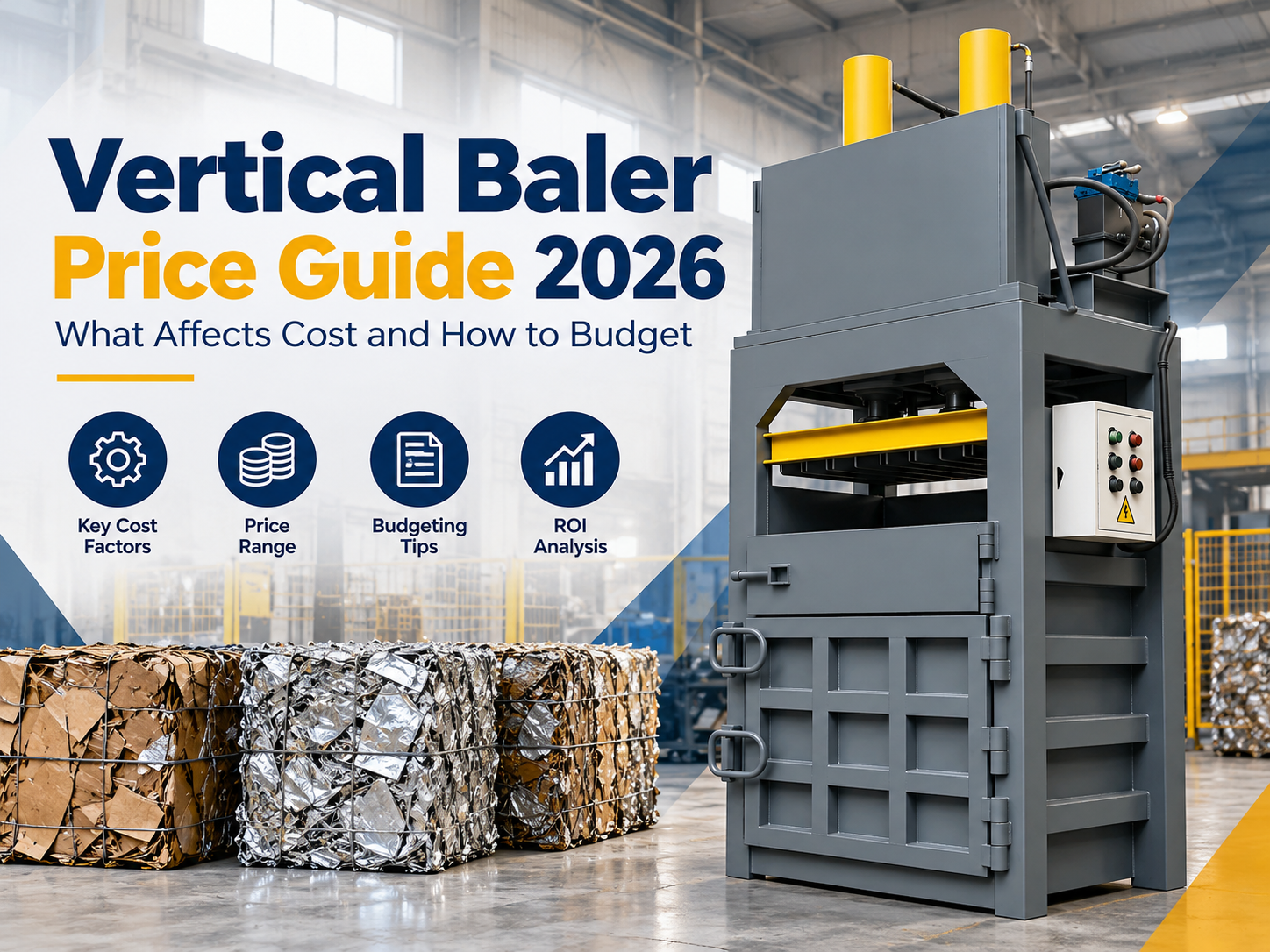
As we move into 2026, the industrial landscape for waste management is shifting toward higher efficiency and automation. When researching the Vertical Baler Price 2026: Affects Cost Budget, it is essential to understand that pricing is not a one-size-fits-all metric. Entry-level vertical balers, typically designed for small retail environments or light cardboard processing, generally start in the $5,000 to $9,000 range. These machines are compact, often manually operated, and serve businesses with low-to-moderate waste volumes.
Moving into the mid-range segment, which is the most common choice for medium-sized manufacturing facilities and distribution centers, prices typically fall between $10,000 and $25,000. These units feature enhanced hydraulic systems, safety interlocks, and higher compaction forces. They are built for durability and can handle a wider variety of materials, including plastics and thin-gauge metal scraps, making them a staple in modern metal fabrication workshops.
For heavy-duty industrial applications, high-capacity vertical balers can range from $30,000 to over $60,000. These machines are engineered for continuous operation, featuring automated bale ejection systems, reinforced steel structures, and advanced PLC controls. When budgeting for these units, companies must account for the long-term durability and the reduction in labor costs that these high-end machines provide.
It is important to note that global supply chain fluctuations and the rising cost of high-grade steel have influenced the Vertical Baler Price Guide 2026: What Affects Cost and How to Budget. Buyers should expect a 5-8% variance compared to previous years due to increased demand for sustainable waste processing equipment. Always request a formal quote from HARSLE to get the most accurate pricing based on current material costs.
Main Cost Drivers: What You Are Really Paying For
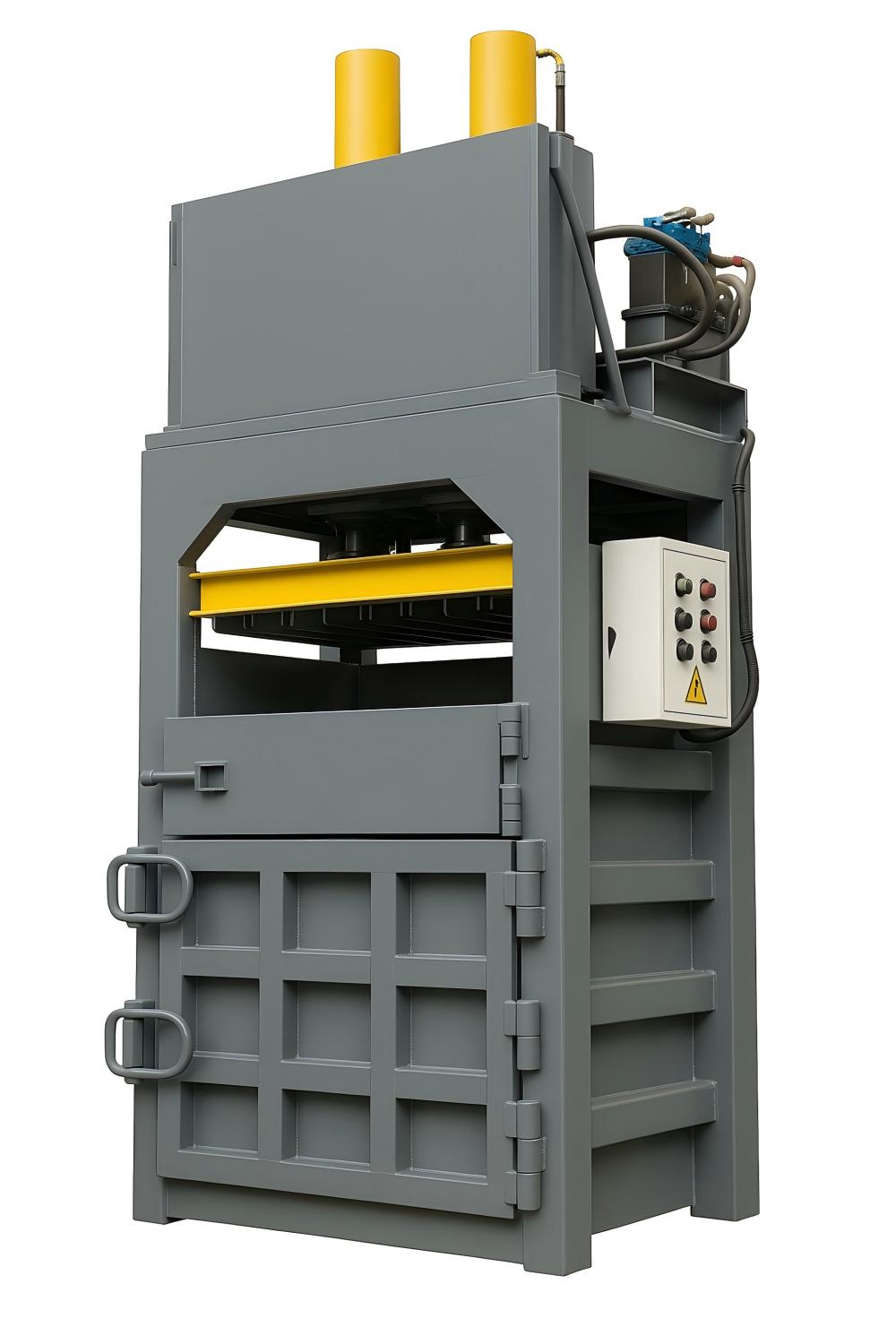
The primary driver of any vertical baler price is the compaction force, measured in tons. A machine capable of exerting 50 tons of pressure will naturally cost significantly more than a 10-ton unit. The force determines the density of the bale and the types of materials the machine can process. For metal fabrication shops, higher force is non-negotiable to ensure that scrap metal is compressed into manageable, high-density blocks.
Material quality and construction standards play a massive role in the final price tag. HARSLE utilizes high-tensile steel and precision-welded frames to ensure longevity. Cheaper alternatives often use thinner steel, which leads to structural fatigue and hydraulic leaks over time. When you invest in a premium baler, you are paying for the engineering that prevents the frame from bowing under extreme pressure during the compaction cycle.
Hydraulic system complexity is another major factor. High-end balers feature multi-stage hydraulic pumps and sophisticated valve blocks that allow for faster cycle times and energy efficiency. These systems are more expensive to manufacture but offer a lower total cost of ownership through reduced electricity consumption and faster throughput, which is critical for high-volume production environments.
Finally, the brand reputation and support infrastructure contribute to the cost. A machine from a reputable manufacturer like HARSLE includes the value of technical support, readily available spare parts, and comprehensive warranties. Investing in a machine with a proven track record ensures that your production line doesn’t come to a standstill due to a lack of support or proprietary parts that are impossible to source.
Configuration Impact: Customizing for Your Needs
Customization is a key element when analyzing the Vertical Baler Price 2026: Affects Cost Budget. Many buyers make the mistake of purchasing a standard unit when their specific application requires specialized features. For instance, if you are baling metal scrap, you may require a reinforced chamber floor and specialized wear-resistant liners. These additions increase the initial price but prevent costly repairs in the future.
Automation levels significantly impact the budget. Manual door opening and bale tying are standard, but semi-automatic or fully automatic bale ejection systems can save hours of labor per week. If your facility processes high volumes of waste, the labor savings provided by an automated system will often pay for the price difference within the first year of operation. It is a classic case of spending more upfront to save significantly on operational expenses.
Safety configurations are non-negotiable but can vary in cost. Modern balers are equipped with light curtains, dual-hand controls, and emergency stop systems that meet international safety standards. While these features are standard on HARSLE equipment, some budget-focused manufacturers may charge extra for these safety upgrades. Always prioritize safety, as the cost of a workplace accident far outweighs any savings gained from a stripped-down machine.
Consider the footprint and power requirements. If your facility has limited space, a low-profile baler might be necessary. These machines are engineered to fit under standard ceilings while maintaining high compaction power. However, the engineering required to pack that much power into a smaller frame often commands a premium price. Always measure your available floor space and electrical capacity before finalizing your configuration.
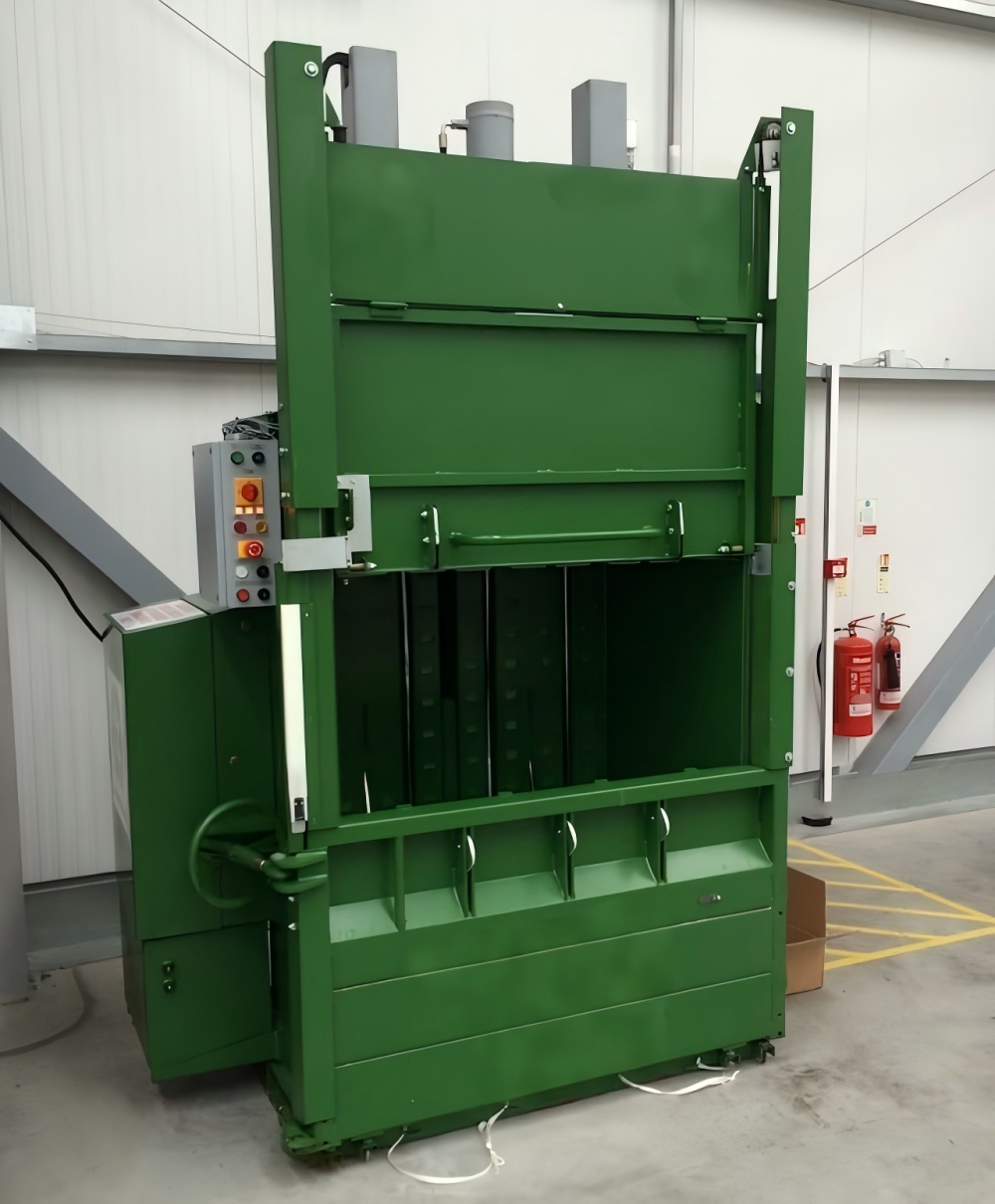
Hidden Costs: Beyond the Sticker Price
When calculating the Vertical Baler Price Guide 2026: What Affects Cost and How to Budget, many buyers overlook the installation and commissioning costs. Professional installation is vital to ensure the machine is leveled correctly, anchored securely, and integrated into your facility’s electrical grid. Improper installation can lead to premature wear on hydraulic seals and structural damage, effectively voiding your warranty.
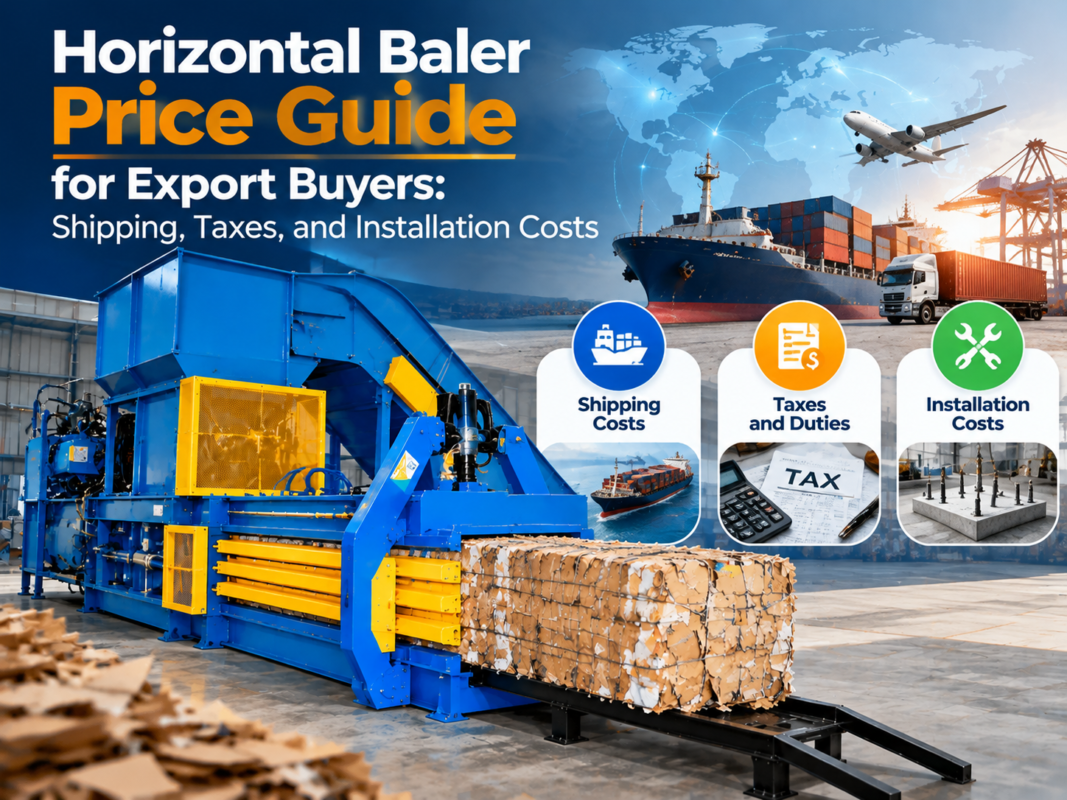
Shipping and logistics are often excluded from the base price. Because vertical balers are heavy, industrial-grade machinery, freight costs can be substantial, especially if the machine is being shipped internationally. Always ask for a “delivered” price that includes crating, shipping, and insurance to avoid unpleasant surprises when the invoice arrives.
Maintenance and consumables are ongoing costs that must be factored into your 2026 budget. You will need a steady supply of baling wire or strapping, as well as hydraulic fluid and replacement filters. Furthermore, scheduling annual preventative maintenance with a certified technician is a best practice. While this is an added cost, it prevents catastrophic failures that could lead to weeks of downtime.
Training your staff is another hidden cost that pays dividends. A well-trained operator can increase the lifespan of the baler by ensuring it is not overloaded and that the material is distributed evenly. Factor in the time and potential cost of professional training sessions to ensure your team is operating the equipment safely and efficiently from day one.
ROI Calculation: Justifying the Investment
To justify the Vertical Baler Price 2026: Affects Cost Budget to stakeholders, you must look at the Return on Investment (ROI). The most immediate benefit is the reduction in waste disposal fees. By compressing your waste into dense, uniform bales, you significantly reduce the volume of material that needs to be hauled away, leading to fewer dumpster pickups and lower transportation costs.
Revenue generation is the second pillar of ROI. Many recycling centers pay a premium for baled materials compared to loose scrap. By baling your metal, cardboard, or plastic, you transform your waste stream into a revenue stream. Over time, the income generated from selling these bales can offset a significant portion of the machine’s purchase price.
Labor efficiency is the third, often overlooked, factor. Without a baler, employees spend valuable time breaking down boxes or manually managing scrap piles. A vertical baler streamlines this process, allowing your team to focus on core fabrication tasks. Calculate the hours saved per week and multiply that by your average hourly labor rate to see the true value of the machine in terms of productivity.
Finally, consider the environmental and compliance benefits. Many regions are implementing stricter waste management regulations. Having an on-site baler ensures your facility remains compliant with local environmental laws, avoiding potential fines. Furthermore, it improves your company’s sustainability profile, which can be a significant marketing advantage in the modern industrial sector.
Buying Advice: How to Choose the Right Machine
Before purchasing, conduct a thorough waste audit. Track the volume and type of waste your facility generates over a month. This data is crucial for selecting the right size and force of the baler. If you buy a machine that is too small, you will be constantly running it, leading to premature wear. If you buy one that is too large, you are overspending on capacity you don’t need.
Evaluate the manufacturer’s support network. A cheap machine is only a bargain if it works. If you cannot get parts or service when the machine breaks down, the cost of downtime will quickly exceed the initial savings. HARSLE prides itself on a robust support network, ensuring that our clients have access to the expertise they need to keep their operations running smoothly.
Request references and case studies. Ask the manufacturer for examples of other companies in the metal fabrication industry that are using their equipment. Speaking with other users can provide invaluable insights into the machine’s reliability, ease of use, and the manufacturer’s responsiveness to service requests.
Finally, look at the long-term warranty and service contracts. A comprehensive warranty is a sign of a manufacturer’s confidence in their product. When comparing quotes, don’t just look at the price; look at what is included in the service package. A slightly higher upfront cost that includes a two-year service agreement is often a much better deal than a lower price with no support.
FAQ: Common Questions About Baler Costs
Q: How much does a standard vertical baler cost in 2026?
A: Prices vary by capacity and features, but you can expect to pay between $8,000 and $30,000 for a reliable, industrial-grade vertical baler suitable for most fabrication shops.
Q: Does the material being baled affect the price?
A: Yes. Baling metal requires higher compaction forces and more robust construction than baling cardboard, which directly impacts the price of the machine.
Q: How long does a vertical baler typically last?
A: With proper maintenance, a high-quality vertical baler from a reputable manufacturer like HARSLE can last 10 to 15 years or more in a standard industrial environment.
Q: Can I finance my baler purchase?
A: Many industrial equipment suppliers offer financing options. This can help manage your cash flow by spreading the cost of the machine over several years, aligning the payments with the ROI generated by the equipment.
Q: What is the most important feature to look for?
A: Safety and structural integrity are paramount. Ensure the machine meets all local safety regulations and is built with high-quality steel to withstand the pressures of daily operation.
Q: How often should I perform maintenance?
A: We recommend a professional inspection at least once a year, with daily checks on hydraulic levels and safety interlocks performed by your on-site operators.