How to Troubleshoot Unexpected Shutdowns in a Hammer Shredder: A Comprehensive Industrial Guide


Introduction to Hammer Shredder Reliability
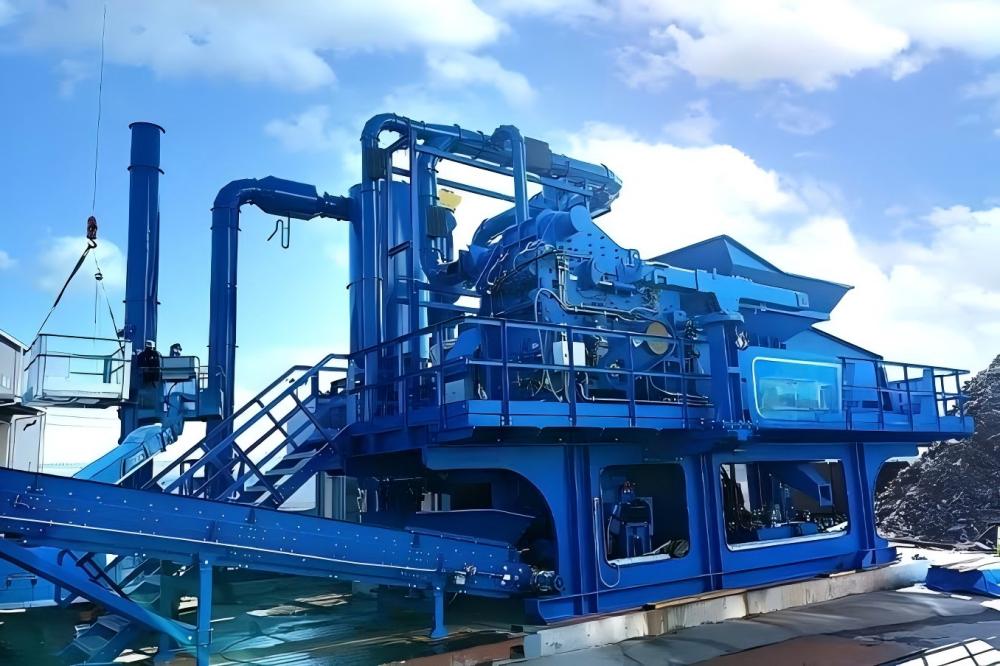
In the demanding world of metal recycling and industrial waste management, the hammer shredder serves as the backbone of material reduction operations. When this machinery functions optimally, it ensures a consistent throughput of processed scrap, driving efficiency and profitability. However, operators often face the frustration of sudden, unexplained equipment halts. Learning how to troubleshoot unexpected shutdowns in a hammer shredder is not merely a maintenance task; it is a critical operational competency that minimizes downtime and protects your capital investment.
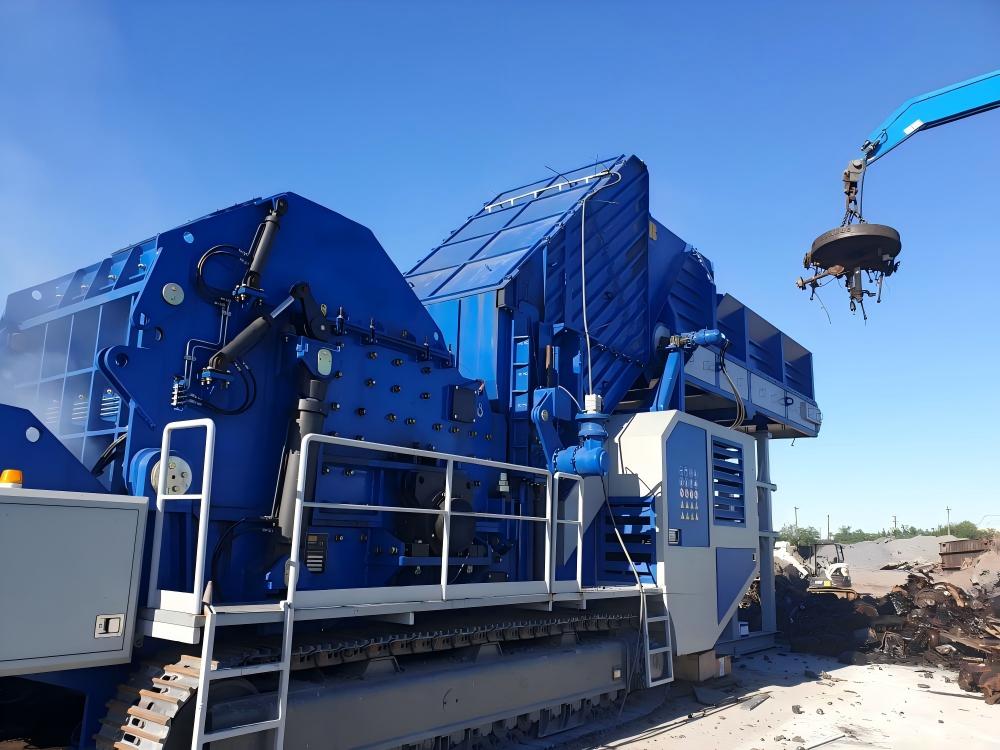
HARSLE understands that industrial machinery is subject to extreme mechanical stress. A hammer shredder operates by utilizing high-speed rotating hammers to impact and pulverize materials. When the system shuts down unexpectedly, it is usually a protective measure triggered by the machine’s internal sensors or a catastrophic mechanical failure. Identifying the root cause requires a systematic approach, moving from electrical diagnostics to mechanical inspection.
This guide provides a deep dive into the common failure points of hammer shredders. By following these technical protocols, maintenance teams can quickly isolate issues, perform necessary repairs, and return to production with minimal delay. Whether you are dealing with motor overload, debris accumulation, or sensor malfunctions, this article serves as your primary reference for maintaining operational continuity.
Key Considerations for System Stability
Before diving into complex repairs, it is essential to establish a baseline for system stability. Unexpected shutdowns are rarely random; they are almost always the result of a specific trigger within the machine’s safety logic. The first step in any troubleshooting process is to review the control panel logs. Modern hammer shredders are equipped with PLC (Programmable Logic Controller) systems that record the exact state of the machine at the moment of failure.
Environmental factors play a significant role in machine health. Excessive dust, heat, or moisture can compromise electrical components, leading to intermittent signal loss. Ensure that the control cabinet is sealed properly and that cooling fans are operational. If the environment is particularly harsh, consider installing an industrial-grade air filtration system to protect the sensitive electronic components that govern the shredder’s motor drive.
Operator training is another pillar of stability. Many unexpected shutdowns occur because the machine is being fed material that exceeds its design specifications. For instance, attempting to shred high-tensile steel or oversized objects in a machine rated for light-gauge aluminum will inevitably trigger an overload shutdown. Establishing strict material intake protocols is a proactive way to prevent the very shutdowns you are trying to troubleshoot.
Finally, consider the power supply quality. Voltage fluctuations, phase imbalances, or harmonic distortion can cause the motor drive to trip. If your facility experiences frequent power instability, installing a power conditioner or an uninterruptible power supply (UPS) for the control logic can prevent unnecessary shutdowns caused by external electrical noise. Always verify that the incoming power matches the machine’s nameplate specifications exactly.
Technical Details: Diagnosing Mechanical and Electrical Failures
When you need to troubleshoot unexpected shutdowns in a hammer shredder, the motor and drive system are the first places to look. An overload trip is the most common cause of a shutdown. This occurs when the motor draws excessive current, usually due to a jam in the shredding chamber or a mechanical obstruction. Check the rotor for material buildup, such as tangled wires or non-shreddable objects that may have wedged between the hammers and the screen.
The drive belt or coupling system is another frequent culprit. If the belts are loose, they may slip under high load, causing the motor to lose speed and eventually trip the overload relay. Conversely, if the belts are too tight, they put unnecessary strain on the motor bearings, leading to overheating and thermal shutdown. Inspect the tensioning system and replace any worn or frayed belts immediately to ensure efficient power transmission.
Bearing health is critical to the longevity of the shredder. A failing bearing will increase friction, leading to higher power consumption and eventual motor burnout. Use vibration analysis tools or infrared thermometers to check the temperature of the bearing housings during operation. If a bearing is running significantly hotter than the others, it is likely nearing the end of its service life and should be replaced before it causes a catastrophic seizure.
The screen or grate system also requires careful inspection. If the discharge screen becomes clogged, material will accumulate in the shredding chamber, forcing the hammers to work harder and increasing the torque demand on the motor. Regularly clean the discharge area and inspect the screen for signs of wear or deformation. A damaged screen can allow oversized material to pass through, which may cause downstream blockages or damage to conveyor systems.
Electrical Troubleshooting Protocols
Electrical shutdowns often involve the safety interlock circuit. Hammer shredders are equipped with multiple safety switches, including door sensors, emergency stop buttons, and vibration sensors. If any of these circuits are interrupted, the machine will shut down instantly. Use a multimeter to check for continuity across these safety loops. A loose wire or a faulty limit switch can cause intermittent shutdowns that are notoriously difficult to track down.
Check the motor starter and contactors for signs of pitting or arcing. Over time, the high current required to start the shredder can cause the contactor points to degrade. If the contactor fails to close properly, it can cause a single-phase condition, which will trip the motor protection relay. Replace any contactors that show signs of carbon buildup or physical damage to ensure reliable operation.
The Variable Frequency Drive (VFD) is the brain of the shredder’s motor control. If the VFD is displaying an error code, consult the manufacturer’s manual immediately. Common VFD errors include “Overcurrent,” “Overvoltage,” and “Undervoltage.” These codes provide specific clues about the nature of the shutdown. For example, an “Overcurrent” fault usually points to a mechanical jam, while an “Overvoltage” fault might indicate a problem with the braking resistor or deceleration settings.
Consigli per la scelta: come scegliere il distruggidocumenti giusto per le vostre esigenze
When selecting a hammer shredder, the most effective way to avoid unexpected shutdowns is to choose a machine that is appropriately sized for your specific application. A common mistake is purchasing a machine that is at the limit of its capacity. Always select a shredder with a 20-30% power buffer to handle peak loads without triggering safety shutdowns. HARSLE offers a range of models designed for different material densities and throughput requirements.
Consider the material composition you intend to process. If you are shredding mixed metals, you need a machine with high-torque capabilities and robust hammers made from wear-resistant alloys. If you are processing lighter materials, a high-speed, lower-torque machine might be more efficient. Matching the machine’s design to the material ensures that the motor operates within its optimal efficiency range, reducing the risk of thermal overload.
Look for machines with advanced diagnostic features. Modern shredders from reputable manufacturers include integrated sensors that monitor vibration, temperature, and current in real-time. These systems can provide early warnings before a shutdown occurs, allowing maintenance teams to intervene during scheduled downtime rather than reacting to a sudden failure. Investing in smart technology is a cost-effective way to improve long-term reliability.
Finally, evaluate the availability of spare parts and technical support. A shredder is a significant investment, and you need a partner who can provide quick access to replacement hammers, screens, and electrical components. HARSLE provides comprehensive support to ensure that your equipment remains operational. When you choose a machine, consider the total cost of ownership, including maintenance, energy consumption, and the potential cost of downtime.
Domande frequenti (FAQ)
- Why does my hammer shredder trip the circuit breaker immediately upon startup?
This is often due to an inrush current that exceeds the breaker’s rating or a mechanical jam within the shredding chamber. Ensure the chamber is clear of material before starting and check if the soft-start or VFD settings need adjustment. - How often should I inspect the hammers for wear?
Hammers should be inspected weekly or after every 50-100 hours of operation. Worn hammers reduce shredding efficiency and increase the load on the motor, which can lead to unexpected shutdowns. - Can a loose drive belt cause a motor overload?
Yes. If the belt slips, the motor may lose its cooling airflow or struggle to maintain speed, leading to erratic performance and potential thermal tripping. Always maintain proper belt tension according to manufacturer specifications. - What should I do if the PLC shows a “Safety Circuit Open” error?
Check all safety interlocks, including access doors, emergency stops, and vibration sensors. Use a multimeter to verify that each switch is closed and that there are no broken wires in the safety loop. - Is it normal for the shredder to get very hot during operation?
While some heat is expected, excessive temperatures indicate a problem. Check the lubrication system, cooling fans, and ensure the machine is not being overloaded. Overheating is a leading cause of premature component failure.
Conclusione
Learning how to troubleshoot unexpected shutdowns in a hammer shredder is an essential skill for any facility manager or maintenance technician in the metal fabrication industry. By understanding the interplay between mechanical load, electrical safety, and material intake, you can effectively diagnose and resolve the issues that lead to costly downtime. Remember that the most effective troubleshooting strategy is proactive maintenance: regular inspections, proper lubrication, and adherence to operational limits will keep your HARSLE equipment running smoothly for years to come.
If you find that your shredder is experiencing frequent shutdowns despite your best efforts, do not hesitate to contact professional support. Industrial machinery is complex, and sometimes an expert eye is required to identify subtle issues that could lead to major failures. By prioritizing reliability and investing in quality equipment, you ensure that your production line remains productive, profitable, and safe. Stay vigilant, maintain your machinery with care, and leverage the technical resources available to you to maximize the performance of your hammer shredder.