Scrap Metal Baler Cost Guide for Steel Mills and Scrap Yards: A Comprehensive Investment Analysis

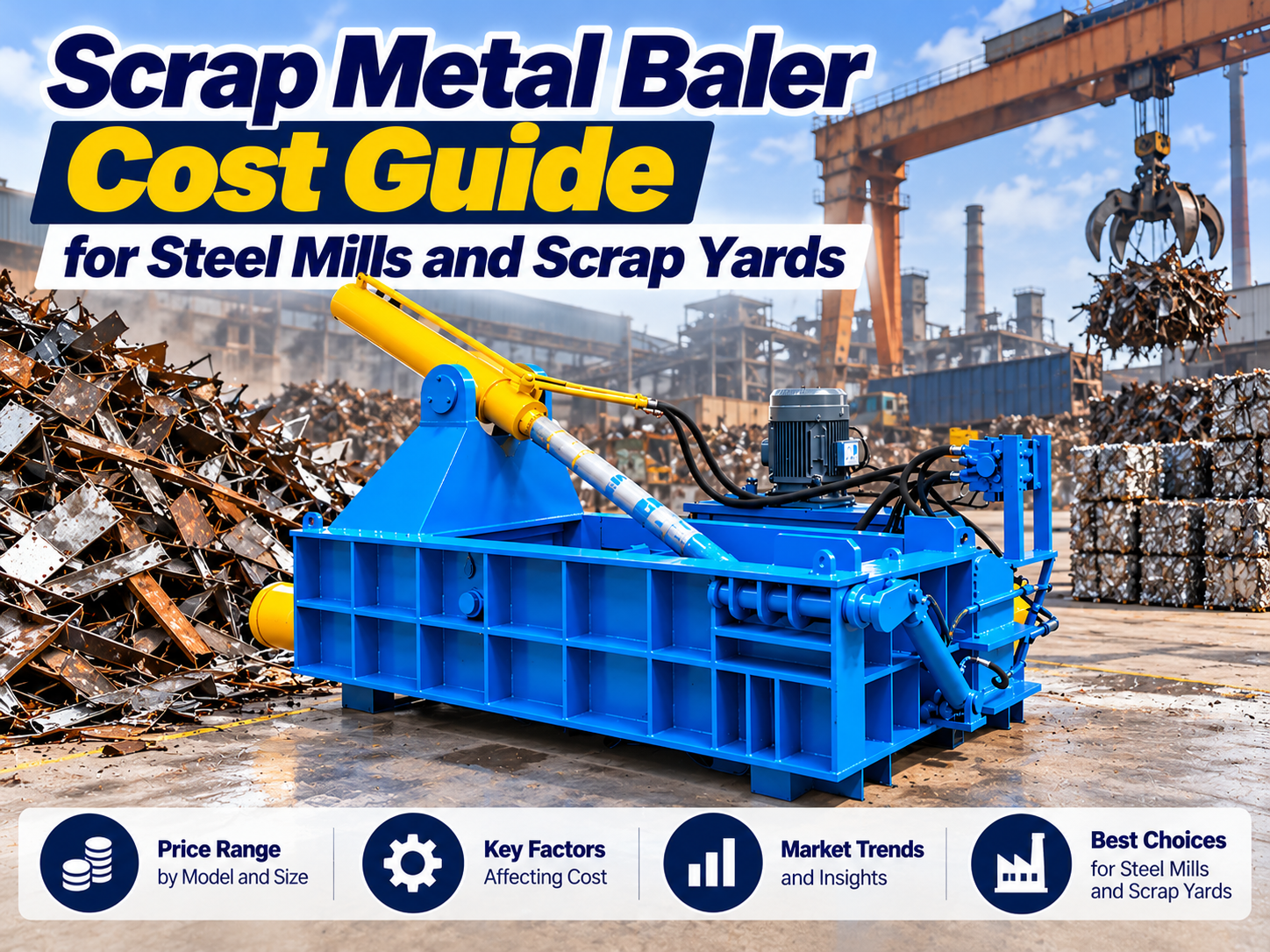
Price Range Overview: Understanding the Investment
Investing in a high-performance scrap metal baler is a significant capital expenditure for any steel mill or scrap yard. The market for industrial baling equipment is diverse, with prices ranging from entry-level semi-automatic units priced at $20,000 to fully automated, high-tonnage systems that can exceed $500,000. Understanding where your facility fits within this spectrum is the first step toward making an informed procurement decision.
For smaller scrap yards processing light-gauge materials, a vertical or small horizontal baler may suffice, typically falling in the $20,000 to $60,000 range. These machines are designed for lower throughput and are ideal for facilities managing aluminum cans, thin sheet metal, or copper wire. They offer a manageable entry point for businesses looking to optimize their logistics without overextending their budget.
Mid-range horizontal balers, often used by medium-sized scrap yards and regional processing centers, generally cost between $80,000 and $200,000. These machines feature automated tying systems and higher compression forces, allowing for the processing of heavier steel scrap and automotive components. They represent the workhorses of the industry, balancing throughput speed with capital cost.
At the top end of the spectrum, steel mills and large-scale industrial scrap yards require heavy-duty, high-density balers. These systems, which can cost anywhere from $250,000 to over $500,000, are engineered for continuous operation, extreme durability, and the ability to process thick plate steel and structural beams. The investment here is not just in the machine, but in the long-term efficiency of the entire recycling supply chain.
Ultimately, the scrap metal baler cost for steel mills and scrap yards is determined by the required density of the finished bale, the volume of material processed per hour, and the level of automation integrated into the system. Buyers should view these costs not as static numbers, but as variables that correlate directly with the operational capacity and revenue-generating potential of their facility.
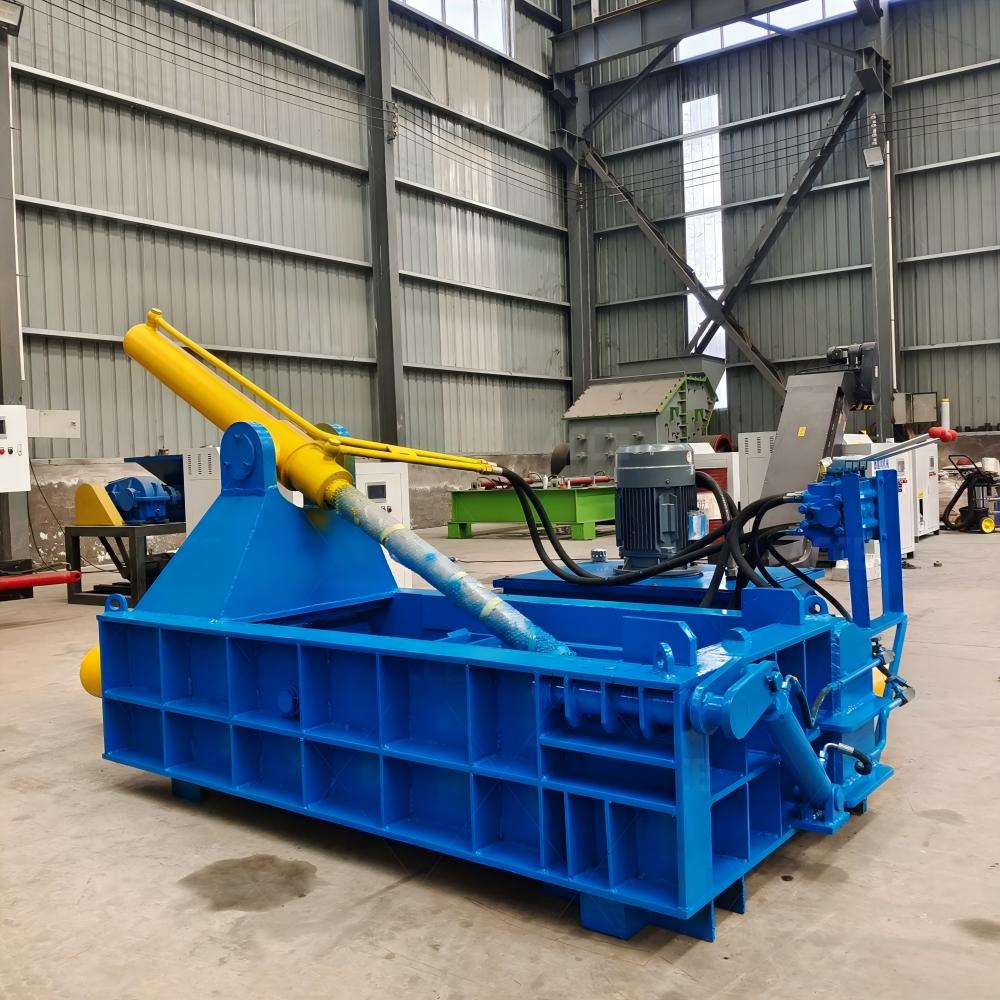
Main Cost Drivers: What Influences the Price Tag?
Several technical factors dictate the final price of a scrap metal baler. The most significant driver is the compression force, measured in tons. A machine with a higher compression force requires more robust steel construction, larger hydraulic cylinders, and more powerful motors, all of which drive up the manufacturing cost. For steel mills, high-density bales are essential for furnace efficiency, necessitating higher force ratings.
The throughput capacity, measured in tons per hour (TPH), is another critical cost factor. High-speed balers require sophisticated PLC (Programmable Logic Controller) systems, faster hydraulic pumps, and advanced sensor arrays to manage the flow of material. These components increase the complexity of the machine, which is reflected in the purchase price. Facilities that need to process hundreds of tons daily cannot afford the downtime associated with lower-tier equipment.
Material handling and feeding systems also contribute significantly to the total cost. A basic baler might require manual loading, whereas a high-end system integrates conveyor belts, pre-crushers, or magnetic separators. These peripheral systems are essential for maximizing the efficiency of the baler, but they add to the overall investment. Customizing the feed system to match the specific scrap stream of a yard is a common practice that adds value and cost.
The quality of the hydraulic system and the wear-resistant materials used in the chamber lining are often overlooked but vital cost drivers. High-quality, abrasion-resistant steel liners extend the lifespan of the baler, reducing maintenance costs over time. While a cheaper machine might have a lower initial price, the cost of replacing worn-out liners and hydraulic seals can quickly negate those savings, making the initial investment in premium materials a smarter long-term choice.
Finally, the level of automation and remote monitoring capabilities plays a role. Modern balers from manufacturers like HARSLE often include IoT integration, allowing operators to monitor machine health, cycle times, and energy consumption in real-time. These digital features add to the upfront cost but provide invaluable data for optimizing operations and preventing catastrophic failures.
Configuration Impact: Tailoring the Machine to Your Needs
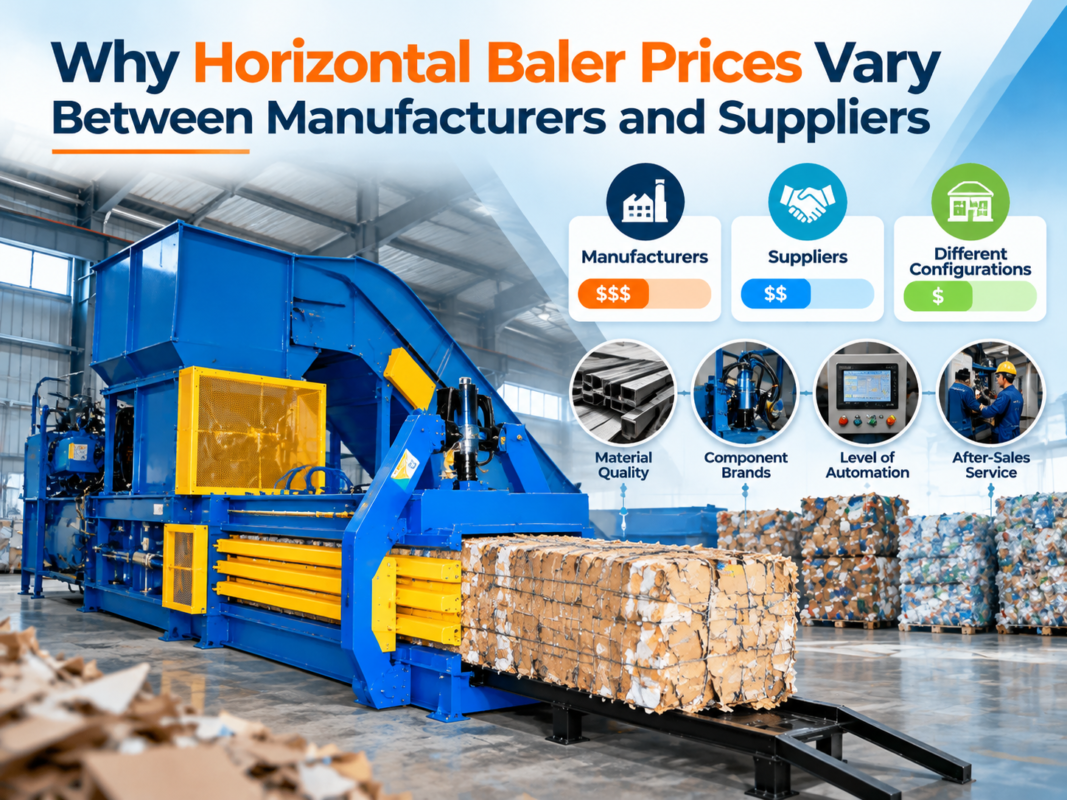
The configuration of a scrap metal baler is not a one-size-fits-all proposition. A steel mill might prioritize bale density to ensure optimal melting characteristics, while a scrap yard might prioritize bale size to fit standard shipping containers. Choosing the right configuration is essential to ensuring that the machine meets the specific operational requirements of the facility.
One major configuration choice is the orientation of the baler: horizontal versus vertical. Vertical balers are space-efficient and suitable for smaller volumes, but they lack the throughput required for large-scale industrial operations. Horizontal balers, particularly two-ram models, are the standard for steel mills and large scrap yards because they offer superior density and the ability to process a wider variety of materials, including mixed scrap.
The tying system is another critical configuration point. Manual tying is labor-intensive and slow, making it unsuitable for high-volume environments. Automatic wire-tying systems, which can be configured for either vertical or horizontal tying, are essential for maintaining high throughput. The cost of the tying system depends on the complexity of the knotting mechanism and the speed at which it can secure a bale.
The size of the feed opening and the chamber dimensions must be configured to accommodate the largest pieces of scrap expected to be processed. If a yard frequently handles oversized automotive scrap or structural steel, a baler with a large feed opening and a pre-compression lid is necessary. This configuration prevents bridging and ensures that the material is properly compacted, which is vital for maintaining consistent bale quality.
Lastly, the integration of specialized features such as shear blades can transform a standard baler into a baler-shear. This configuration is highly desirable for facilities that need to reduce the size of long, bulky scrap before it enters the compression chamber. While this significantly increases the scrap metal baler cost, it also increases the versatility and value of the processed material, providing a clear competitive advantage.
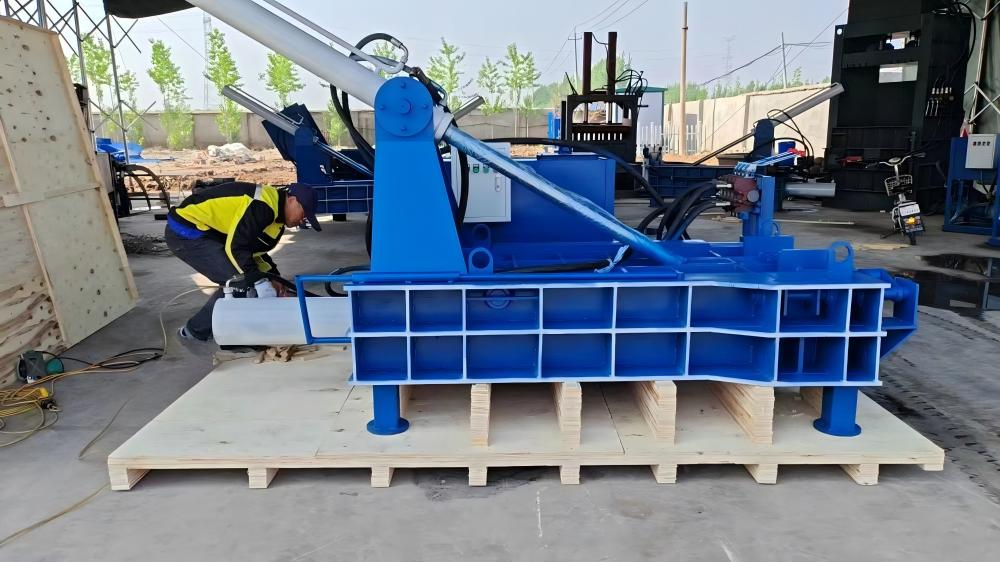
Hidden Costs: Beyond the Purchase Price
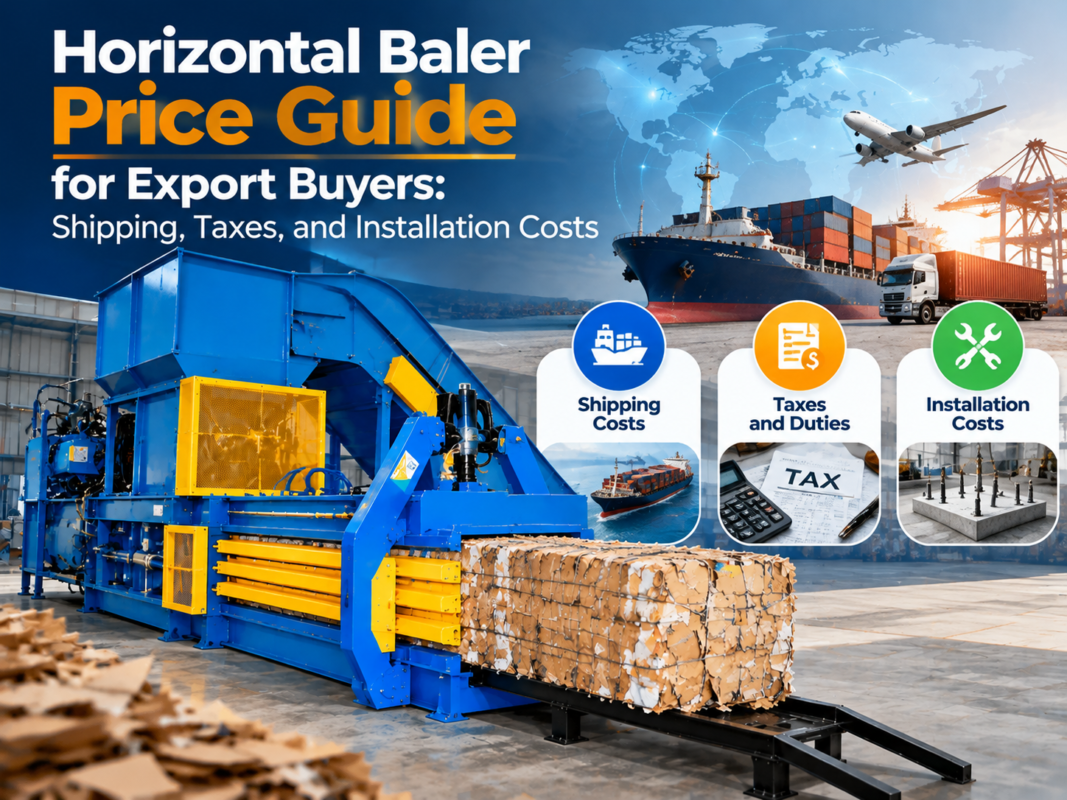
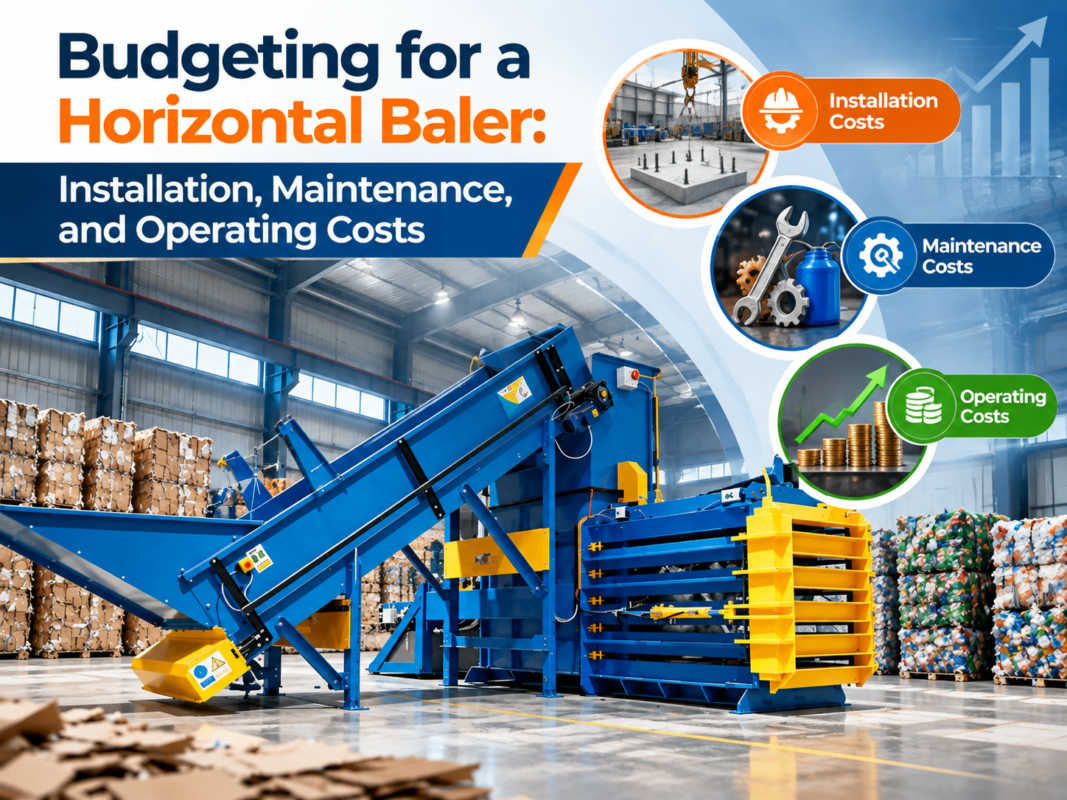
When budgeting for a scrap metal baler, it is crucial to account for hidden costs that often arise after the initial purchase. Installation is the first major expense. Industrial balers are heavy, complex machines that require specialized foundations, electrical upgrades, and hydraulic piping. Failing to account for site preparation can lead to significant delays and budget overruns.
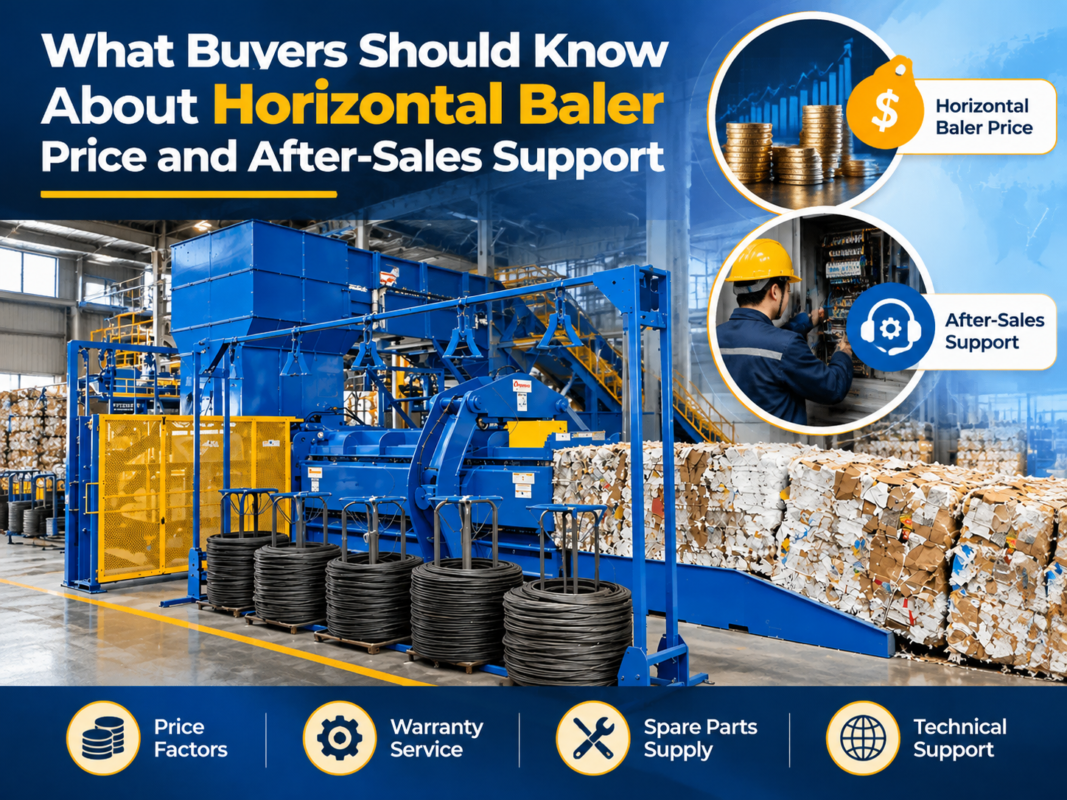
Maintenance and spare parts represent a continuous cost that must be factored into the total cost of ownership. Hydraulic oil, filters, wear plates, and wire for the tying system are recurring expenses. Furthermore, the cost of skilled labor to perform routine maintenance or emergency repairs should not be underestimated. Partnering with a manufacturer that offers comprehensive support and readily available spare parts can mitigate these long-term costs.
Energy consumption is another hidden cost that can impact the bottom line. Older or poorly maintained balers can be incredibly inefficient, consuming excessive electricity during the compression cycle. Modern balers with variable frequency drives (VFDs) and energy-efficient hydraulic systems can significantly reduce power consumption, leading to lower operating costs over the life of the machine.
Training and safety compliance are also essential considerations. Operating a high-tonnage baler requires specialized training to ensure both operator safety and machine longevity. Investing in comprehensive training programs for your staff is a necessary expense that prevents accidents and reduces the likelihood of operator-induced damage to the equipment.
Finally, consider the cost of downtime. If a baler breaks down, the entire processing line may come to a halt, leading to lost revenue and missed shipping deadlines. The cost of a service call, especially if it requires a technician to travel to your site, can be substantial. Choosing a reliable machine with a strong warranty and local support network is the best way to protect against these unpredictable costs.
ROI Calculation: Justifying the Investment
Calculating the Return on Investment (ROI) for a scrap metal baler involves analyzing both the direct and indirect financial benefits. The most immediate benefit is the increase in the value of the processed scrap. High-density bales are easier to transport, store, and sell, often commanding a premium price from steel mills and foundries compared to loose or poorly compacted scrap.
Logistics savings are another major component of the ROI. By increasing the density of the scrap, you can fit more weight into each shipping container or truckload. This directly reduces the number of trips required to transport the material, leading to significant savings in freight costs. For facilities that ship large volumes of scrap, these savings alone can often justify the cost of the baler within a few years.
Operational efficiency gains also contribute to the ROI. An automated baling system reduces the amount of manual labor required to process scrap, allowing your team to focus on other value-added tasks. Furthermore, the speed and consistency of an automated system allow for a more predictable workflow, enabling better planning and resource allocation across the facility.
To calculate the ROI, start by estimating the annual increase in revenue from higher-value bales and the annual savings in freight and labor costs. Subtract the annual operating costs, including maintenance, energy, and consumables. Divide the net annual gain by the total initial investment to determine the payback period. A well-chosen, high-quality baler should typically offer a payback period of three to five years, depending on the volume and type of scrap processed.
It is also important to consider the “soft” ROI, such as improved safety, reduced environmental impact, and enhanced reputation in the industry. A clean, organized, and efficient scrap yard is more attractive to customers and suppliers, potentially leading to new business opportunities that are difficult to quantify but nonetheless valuable.
Buying Advice: Making the Right Choice
When shopping for a scrap metal baler, the first step is to conduct a thorough audit of your current and projected scrap volumes. Do not buy for today’s needs alone; consider where your business will be in five or ten years. An undersized machine will quickly become a bottleneck, while an oversized machine may be an unnecessary expense.
Request quotes from multiple reputable manufacturers and compare not just the price, but the specifications, warranty terms, and support services. Look for manufacturers with a proven track record in the metal recycling industry. Ask for references from other steel mills or scrap yards that have purchased similar equipment and ask them about their experience with the machine’s reliability and the manufacturer’s support.
Prioritize machines that offer modular designs and easy access for maintenance. A baler that is difficult to service will inevitably lead to higher maintenance costs and longer downtime. Ensure that the manufacturer provides detailed manuals, training, and a clear path for obtaining spare parts. If possible, visit the manufacturer’s facility to see the machines in production and meet the team that will be supporting your investment.
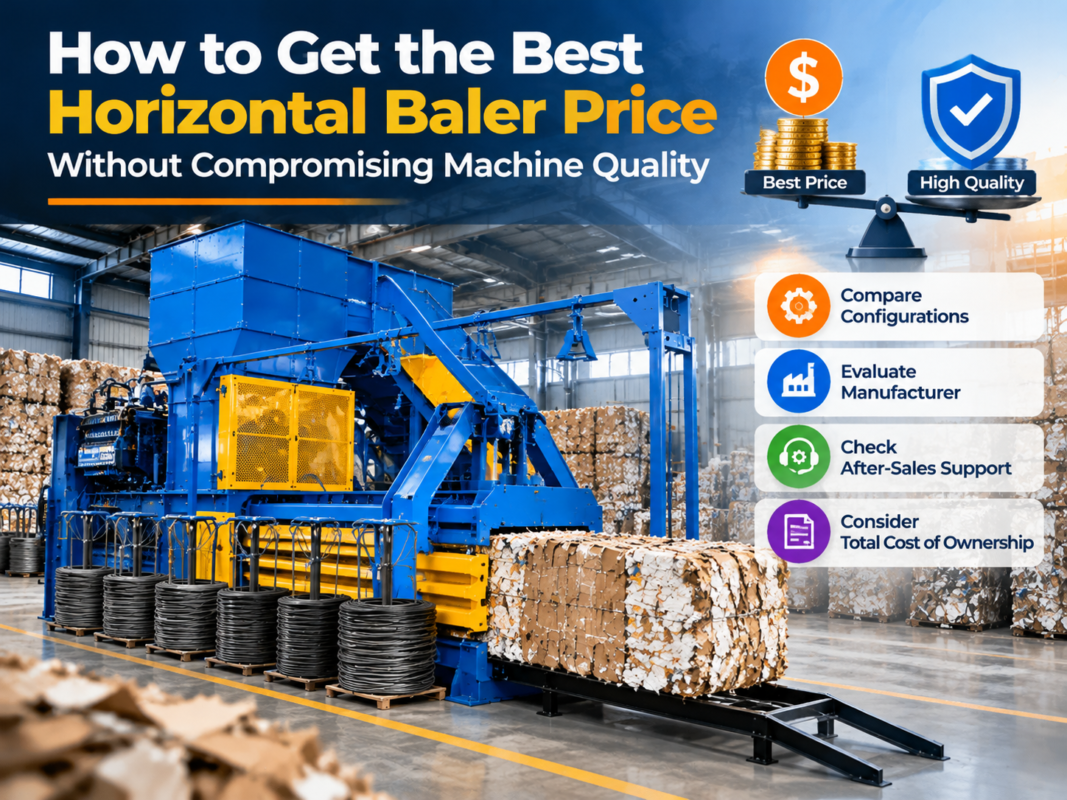
Consider the total cost of ownership rather than just the purchase price. A slightly more expensive machine that is more energy-efficient, requires less maintenance, and has a longer lifespan will almost always be the better financial decision in the long run. Do not be swayed by the lowest price; in the world of industrial machinery, you truly get what you pay for.
Finally, ensure that the baler you choose is compliant with all local safety and environmental regulations. Industrial balers are powerful machines that pose significant risks if not properly guarded and operated. A reputable manufacturer will prioritize safety features, such as light curtains, emergency stops, and interlocked access panels, ensuring that your facility remains a safe and compliant workplace.
FAQ: Common Questions About Scrap Metal Balers
How long does a typical scrap metal baler last?
With proper maintenance and regular service, a high-quality industrial scrap metal baler can last 15 to 20 years or more. The lifespan is heavily dependent on the volume of material processed and the quality of the maintenance program.
What is the difference between a single-ram and a two-ram baler?
A single-ram baler is generally used for lighter materials and is less expensive, while a two-ram baler is designed for heavy-duty applications, offering higher density and the ability to process a wider variety of materials, including mixed scrap.
Can a scrap metal baler process all types of metal?
Most industrial balers are designed to handle a wide range of metals, including steel, aluminum, and copper. However, it is essential to consult with the manufacturer to ensure the machine’s compression force and chamber construction are suitable for the specific types of scrap you intend to process.
How often should I perform maintenance on my baler?
Routine maintenance should be performed according to the manufacturer’s schedule, typically involving daily inspections, weekly lubrication, and monthly checks of hydraulic systems and wear parts. A proactive maintenance program is the best way to prevent unexpected downtime.
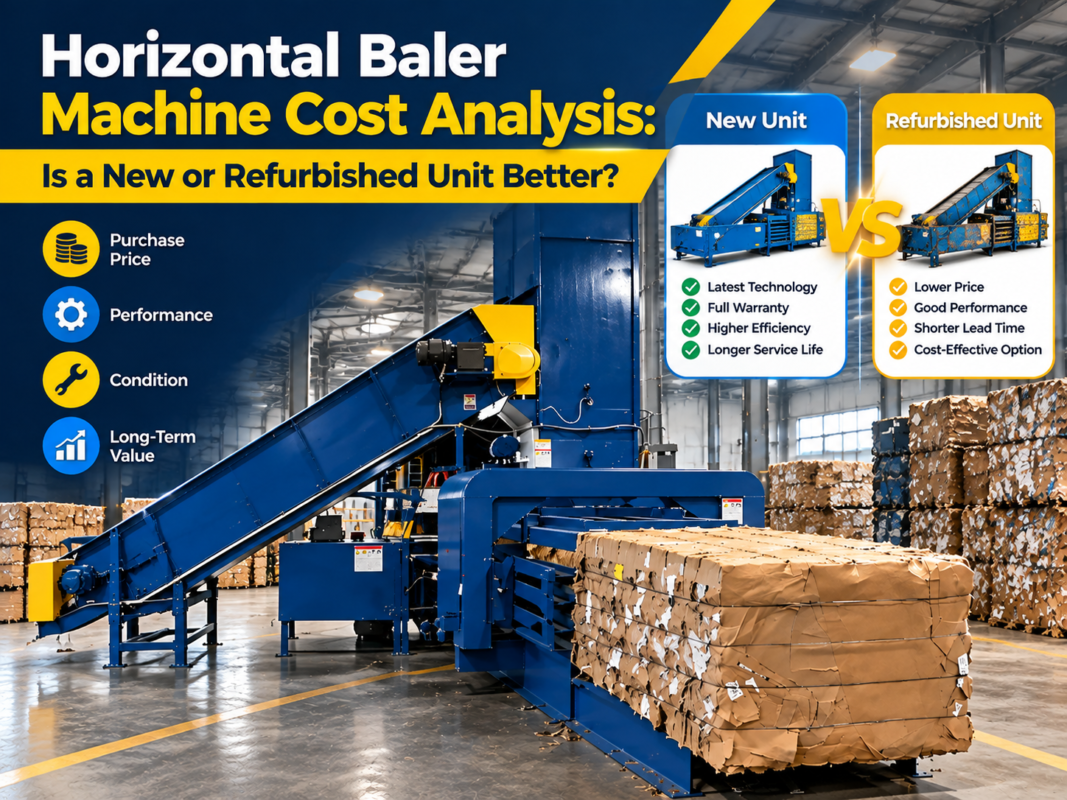
Is it better to buy a new or used baler?
While a used baler may have a lower upfront cost, it often comes with hidden maintenance issues and a lack of warranty support. For critical industrial operations, a new machine with a full warranty and modern efficiency features is usually the safer and more cost-effective choice in the long term.