What Is the Real Cost of a Vertical Baler? Purchase, Shipping, and Setup

Price Range Overview: Understanding the Investment
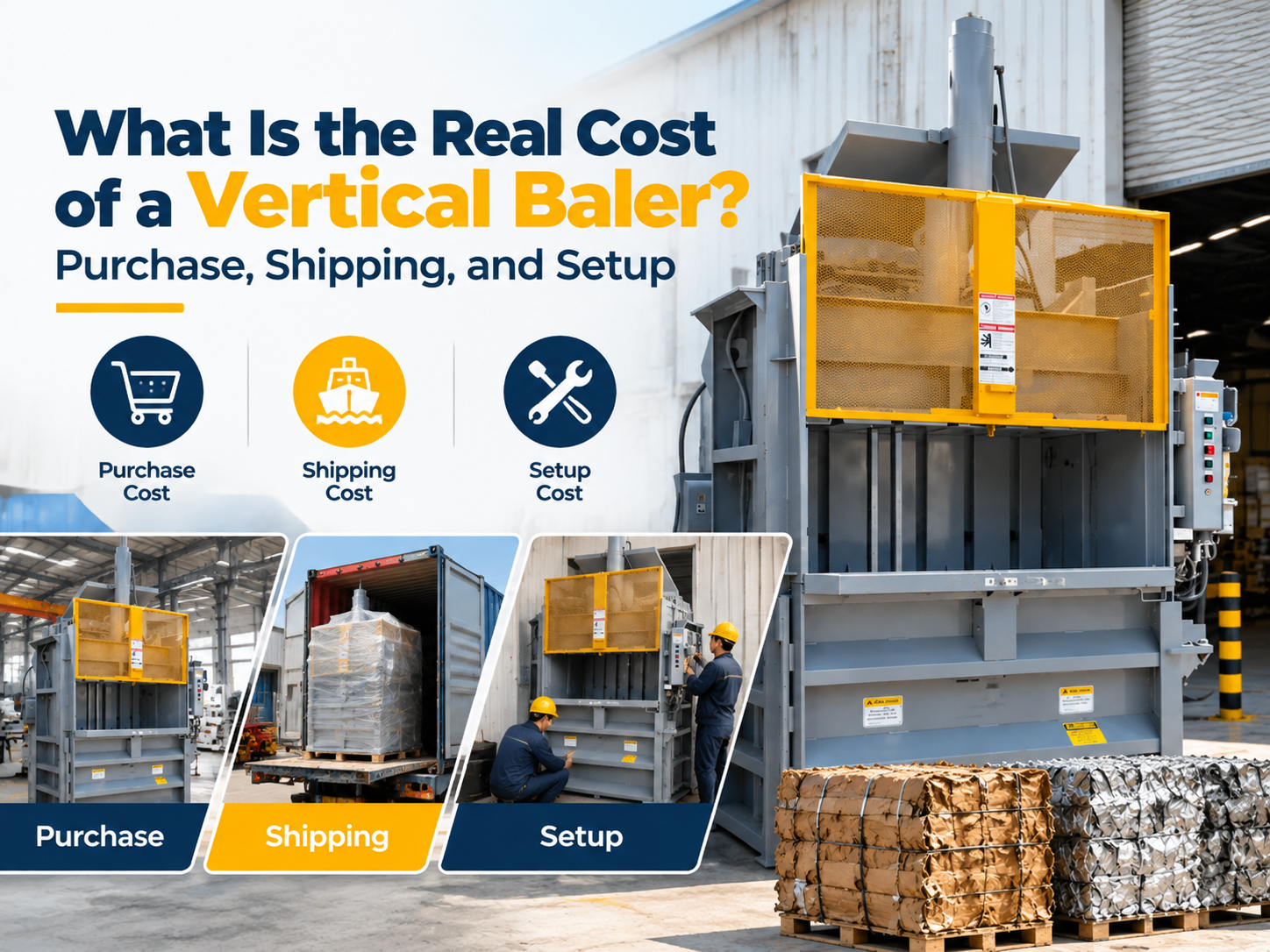
When businesses begin researching waste management solutions, the question “What is the real cost of a vertical baler? Purchase, shipping, and setup?” often leads to a wide variety of conflicting figures. A vertical baler is a significant capital expenditure, and understanding the price spectrum is the first step in making an informed decision. Generally, entry-level vertical balers for small retail operations can start as low as $5,000 to $8,000, while heavy-duty industrial units designed for high-volume scrap metal or cardboard processing can easily exceed $25,000 to $40,000.
The price variation is largely dictated by the machine’s force capacity, measured in tons. A machine with a 10-ton force is vastly different in construction and price from a 60-ton industrial powerhouse. Buyers must look beyond the sticker price to understand the total cost of ownership. This includes the initial purchase price, the logistical costs of getting the machine to your facility, and the professional installation required to ensure safety and operational efficiency.
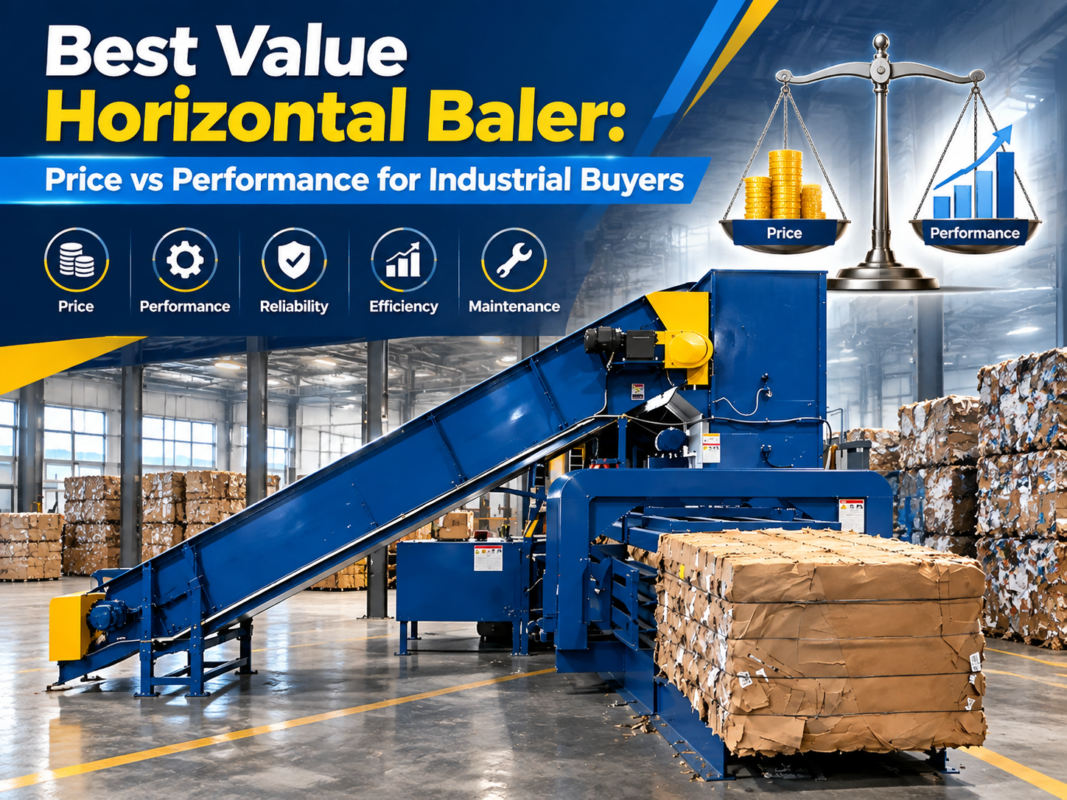
HARSLE emphasizes that the “real cost” is not just the invoice amount but the long-term value provided by the machine. A cheaper, underpowered unit may save money upfront but lead to higher maintenance costs and lower throughput. Conversely, an over-engineered machine might be an unnecessary expense if your waste volume does not justify the capacity. Balancing these factors is essential for any facility manager or business owner.
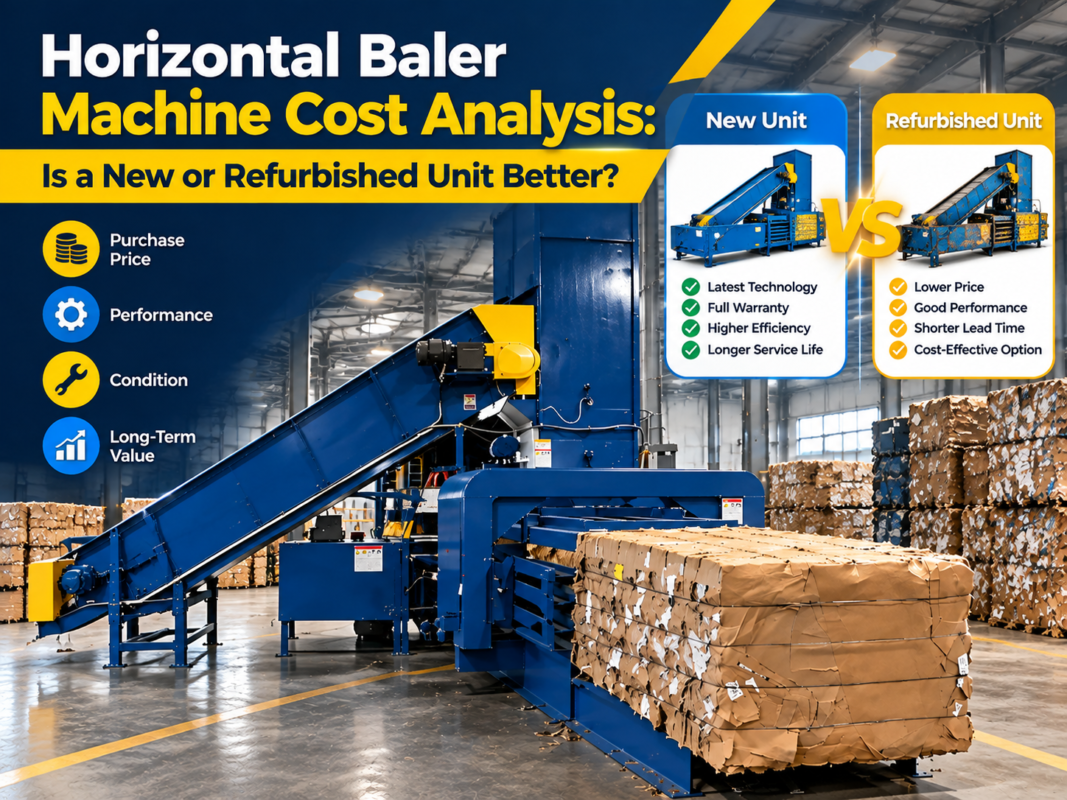
Furthermore, the market for vertical balers includes both new and refurbished units. While refurbished machines offer a lower entry point, they often lack the latest safety features and energy-efficient motors found in modern HARSLE equipment. When budgeting, always factor in a 10-15% contingency fund for unforeseen site preparation requirements, such as electrical upgrades or floor reinforcement, which are common in industrial settings.
Main Cost Drivers: What Influences the Price?
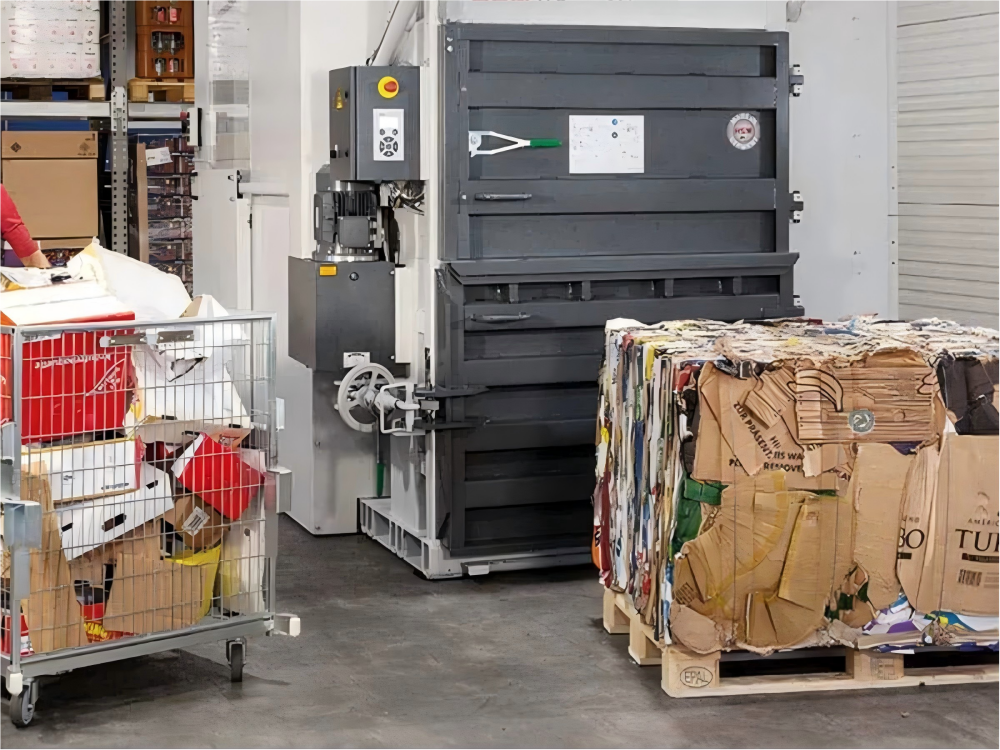
Several technical factors drive the cost of a vertical baler. The most significant is the hydraulic system. High-pressure hydraulic pumps and cylinders are expensive to manufacture and maintain. Machines that offer faster cycle times typically require more robust hydraulic components, which increases the initial purchase price. Additionally, the thickness of the steel used in the chamber and the platen determines the machine’s longevity and its ability to handle dense materials like scrap metal.
Automation levels also play a major role. Basic balers require manual operation for every step of the cycle, including tying off the bale. More advanced models feature semi-automatic or automatic bale ejection systems, which significantly reduce labor costs over time. While these features increase the upfront price, they are often the primary drivers of ROI in high-volume environments where labor efficiency is paramount.
Safety features are non-negotiable in industrial machinery. Modern vertical balers must comply with strict safety standards, including interlocked doors, emergency stop buttons, and light curtains. Investing in a machine that meets or exceeds these standards is a cost-saving measure in the long run, as it prevents workplace accidents and potential legal liabilities. HARSLE prioritizes these safety integrations in all our designs.
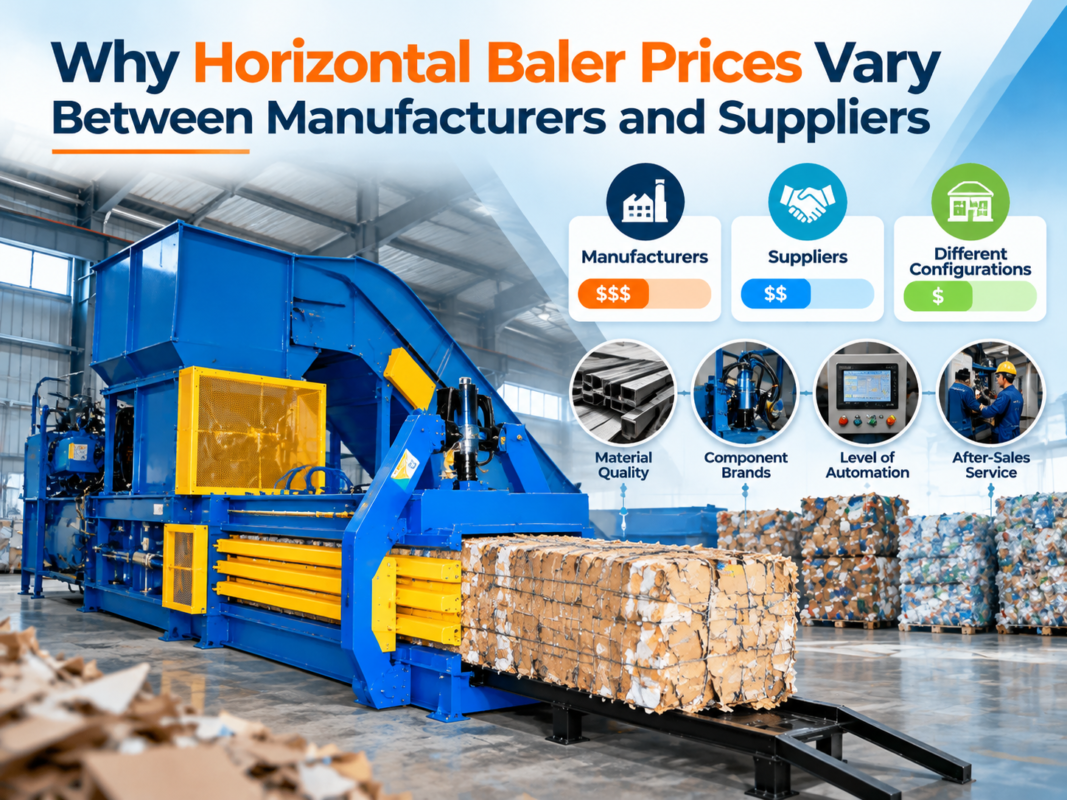
Finally, the brand reputation and support network influence the cost. A machine from a reputable manufacturer like HARSLE comes with the assurance of spare parts availability, technical support, and a warranty. Choosing a “no-name” brand to save a few thousand dollars can result in a “real cost” that is much higher due to downtime and the difficulty of sourcing replacement parts when the machine inevitably requires service.
Configuration Impact: Customization and Efficiency
The configuration of your vertical baler should be tailored to the specific material you are processing. For instance, a baler designed for cardboard will have different requirements than one designed for aluminum cans or plastic bottles. Customizing the feed opening size, the bale size, and the chamber depth can significantly impact the price. Larger feed openings allow for faster loading but require a larger, more expensive machine frame.
Another configuration factor is the power supply. While most standard balers run on 220V or 440V, some industrial settings may require specific electrical modifications to handle the startup current of the motor. If your facility lacks the necessary power infrastructure, the cost of upgrading your electrical panel can be a significant hidden expense that must be factored into your total budget.
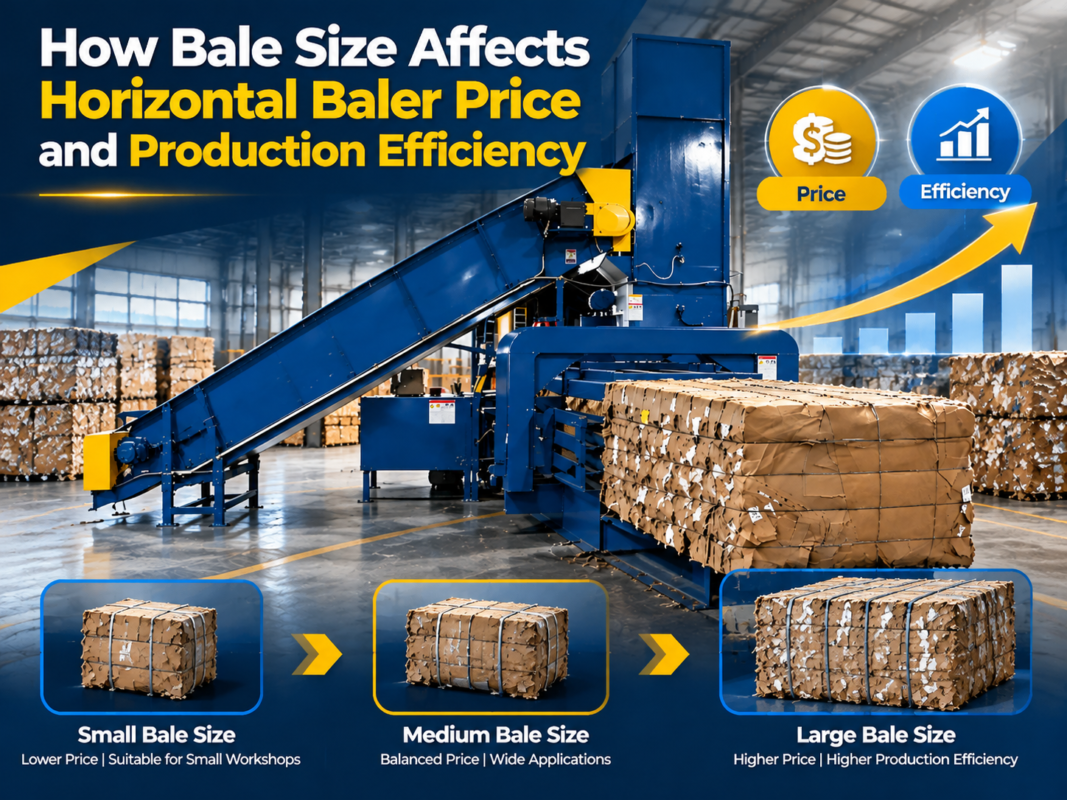
Consider the bale weight and dimensions. If your waste hauler offers better rates for specific bale sizes, you should configure your baler to produce those exact dimensions. This might require a custom-built chamber, which adds to the manufacturing time and cost. However, the ability to optimize your waste for transport can lead to substantial savings in logistics costs, effectively paying for the custom configuration over time.
HARSLE offers various modular configurations that allow businesses to scale their operations. You might start with a basic unit and add features like bale counters, oil heaters for cold climates, or specialized door designs later. This modularity is a key strategy for managing the “real cost” of your investment, as it allows you to align your capital expenditure with your current business growth stage.
Hidden Costs: Beyond the Purchase Price
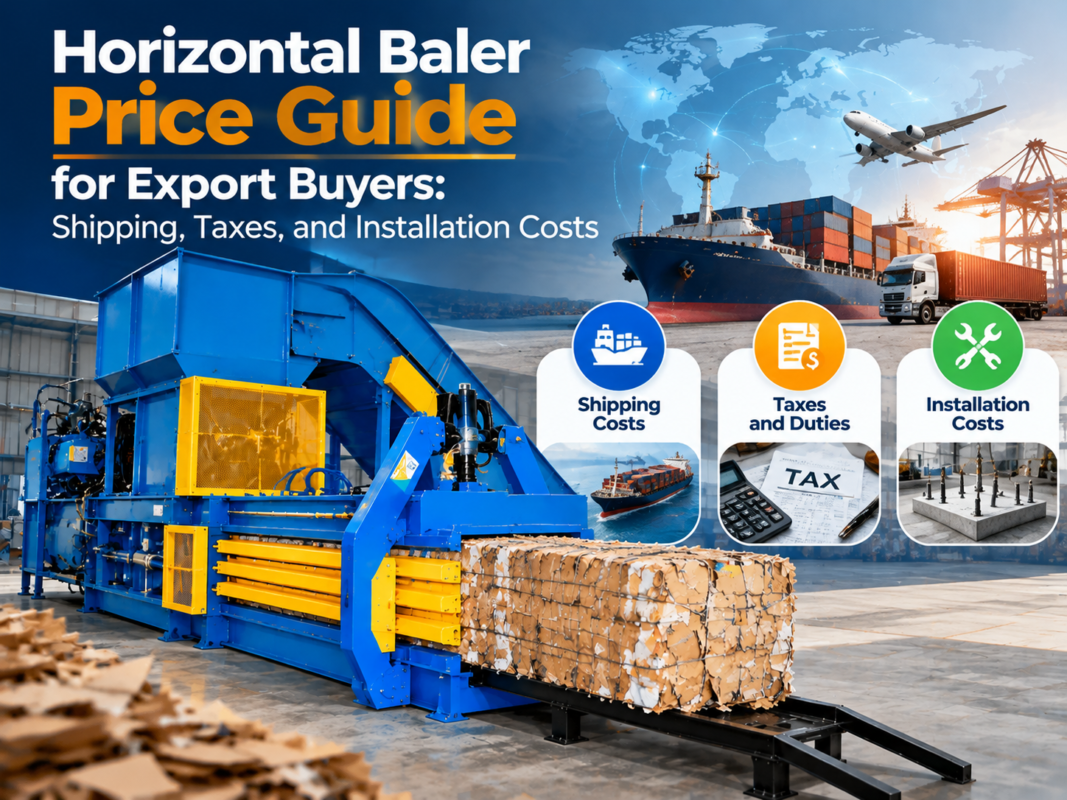
When calculating the “real cost of a vertical baler,” many buyers overlook the logistical and site-specific expenses. Shipping is the first major hidden cost. Because vertical balers are heavy, bulky, and often require flatbed transport, shipping fees can range from $500 to several thousand dollars depending on the distance from the manufacturer or distributor. Always request a shipping quote early in the process to avoid surprises.
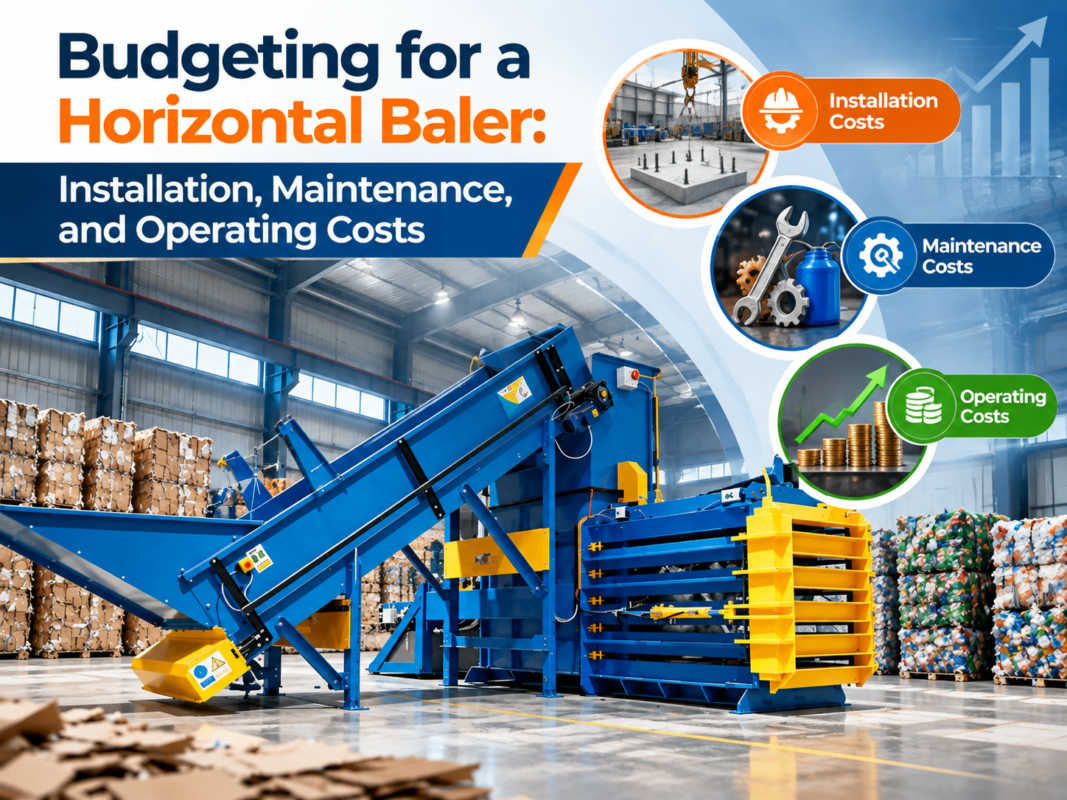
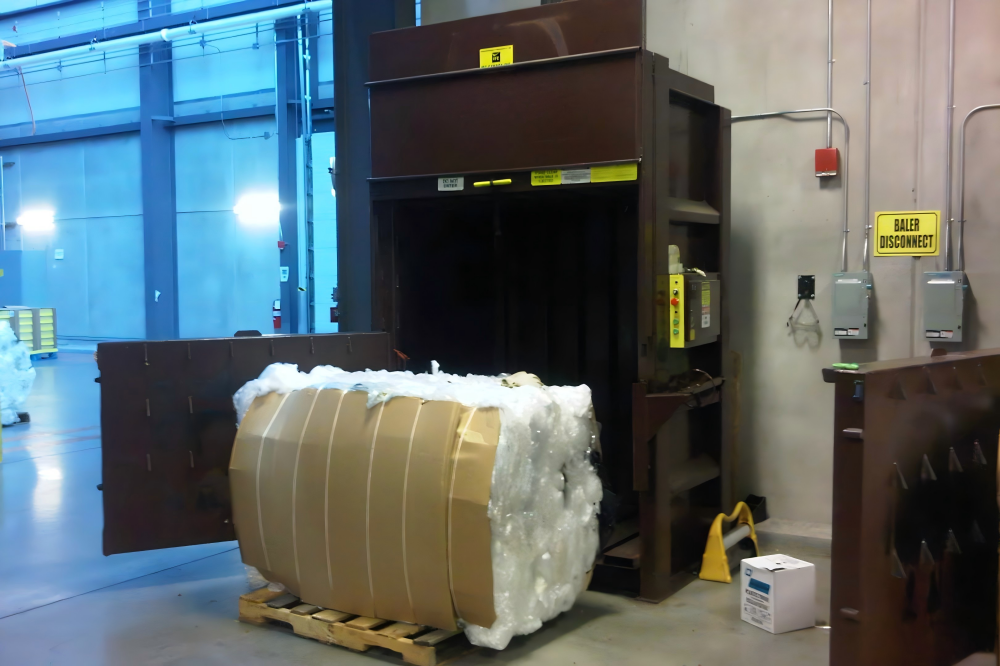
Installation is another area where costs can escalate. While some smaller units are “plug-and-play,” most industrial vertical balers require professional installation. This includes anchoring the machine to the concrete floor, connecting the hydraulic lines, and performing a safety inspection. If your floor is not level or lacks the necessary thickness to support the weight and vibration of the baler, you may need to pour a new concrete pad, which is a significant construction expense.
Maintenance and consumables are ongoing costs that must be factored into the total cost of ownership. This includes hydraulic oil, filters, and baling wire or strapping. Furthermore, you should budget for an annual preventative maintenance service. Neglecting maintenance leads to premature wear and tear, which can result in costly emergency repairs. A well-maintained baler will last 10-15 years, whereas a neglected one may fail in less than five.
Finally, consider the cost of training. Your employees need to be trained on the safe and efficient operation of the baler. While this might seem like a minor expense, the cost of lost productivity during training and the potential for damage due to operator error should be considered. Investing in proper training from the start ensures that your team can maximize the machine’s output and minimize the risk of accidents.
ROI Calculation: Justifying the Investment
To determine if a vertical baler is a sound investment, you must calculate the Return on Investment (ROI). Start by analyzing your current waste disposal costs. If you are paying for multiple dumpster pickups per week, a baler can reduce these costs by compacting your waste into dense, manageable bales. This reduces the number of pickups required, directly lowering your monthly waste management bill.
Next, consider the potential revenue from recycled materials. If you are baling cardboard, plastic, or metal, these materials have a commodity value. Many recycling centers will pay for high-quality, clean bales. By separating your waste streams and baling them, you transform a cost center (waste disposal) into a potential revenue stream. This shift is the most powerful argument for the purchase of a vertical baler.
Calculate the labor savings. How much time does your staff spend breaking down boxes or managing loose waste? A vertical baler streamlines this process, allowing your team to focus on core business activities. If the baler saves your staff 5 hours of labor per week, and your labor cost is $20/hour, you are saving $5,200 per year in labor alone. This, combined with reduced disposal fees, often results in an ROI period of 18 to 36 months.
Finally, consider the environmental impact and corporate social responsibility (CSR) benefits. Many companies are now required to meet sustainability targets. A vertical baler helps you track your recycling metrics, which can be used in your annual sustainability reports. While this is a “soft” ROI, it is increasingly important for brand reputation and can even lead to tax incentives or grants in certain jurisdictions.
Buying Advice: Making the Right Choice
When you are ready to purchase, start by conducting a waste audit. Measure the volume and type of waste your facility generates daily. This data is the foundation of your decision-making process. Do not guess; use actual numbers to determine the required force and chamber size. A HARSLE representative can help you interpret this data to select the perfect model for your needs.
Always request a detailed quote that breaks down the purchase price, shipping, and installation costs. Be wary of quotes that lump these together, as it makes it difficult to compare different vendors. Ask about the warranty terms and what exactly is covered. Does the warranty include labor, or just parts? What is the expected response time for service calls? These are critical questions that define the quality of the support you will receive.
Check the machine’s build quality. Look for heavy-duty steel construction, high-quality hydraulic components, and user-friendly controls. If possible, visit a facility that is already using the model you are considering. Seeing the machine in action provides insights that no brochure or website can offer. Ask the operator about their experience with the machine and if they have encountered any recurring issues.
Finally, consider the long-term relationship with the manufacturer. You want a partner who is committed to your success, not just a vendor who wants to close a sale. HARSLE prides itself on providing comprehensive support throughout the entire lifecycle of our machines. From the initial consultation to post-installation training and maintenance, we are here to ensure your investment delivers the results you expect.
FAQ: Domande frequenti
- How long does it take to install a vertical baler? Most installations take 1-2 days, depending on the complexity of the site and the need for electrical or floor modifications.
- Can I move the baler once it is installed? Yes, but it is a major undertaking. It requires professional rigging and potentially re-anchoring, so it is best to plan your site location carefully.
- What kind of maintenance does a vertical baler require? Routine maintenance includes checking hydraulic oil levels, inspecting hoses for leaks, cleaning the chamber, and ensuring all safety interlocks are functioning correctly.
- Is it better to buy new or used? New machines offer warranties, the latest safety features, and reliability. Used machines are cheaper but carry the risk of hidden mechanical issues and lack of support.
- How do I know what size baler I need? This is based on your daily waste volume and the type of material. A HARSLE consultant can perform a site assessment to recommend the right capacity.
- Does the baler require special electrical power? Most industrial balers require 3-phase power. Always check the machine’s specifications against your facility’s electrical capacity before purchasing.