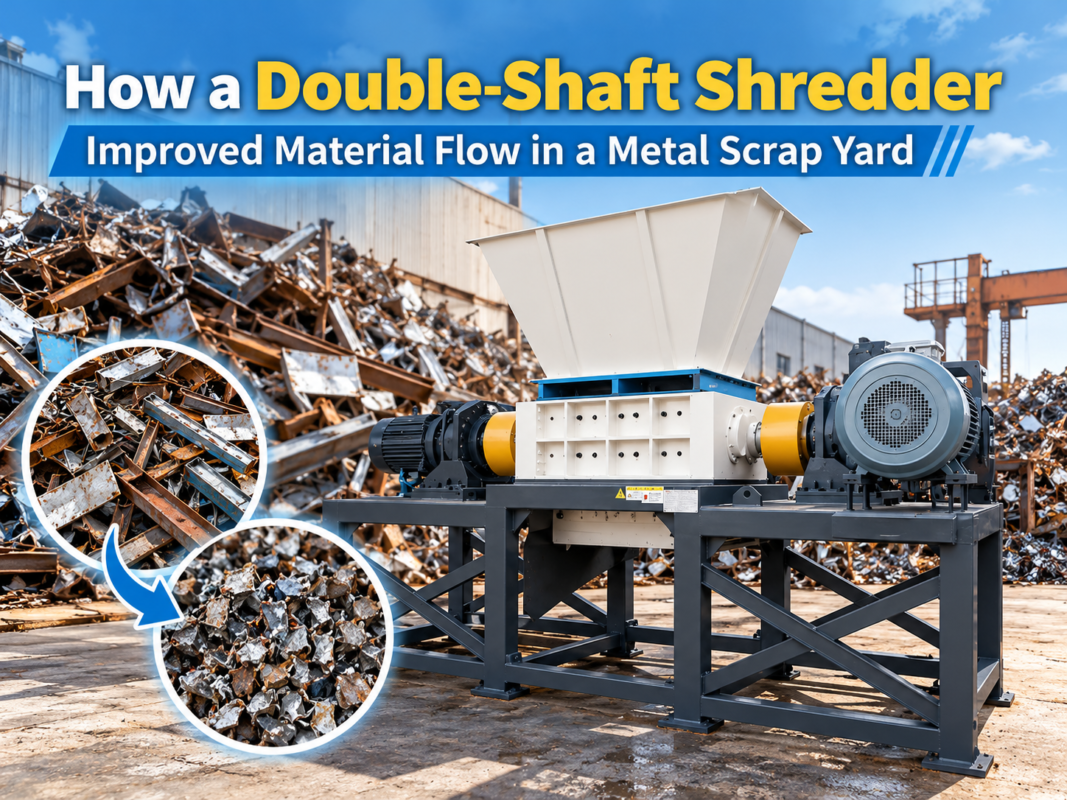
How a Recycling Plant Chose an Alligator Shear to Solve Cutting Bottlenecks

Introduction: The Challenge of Scrap Metal Processing
In the fast-paced world of industrial recycling, efficiency is the primary driver of profitability. For many facilities, the sheer volume of incoming scrap metal—ranging from structural steel beams to automotive parts and copper piping—creates a significant operational hurdle. When manual cutting or outdated equipment becomes the norm, production lines stall, labor costs skyrocket, and safety risks increase. This is exactly the scenario faced by a mid-sized recycling plant that recently transformed its workflow by integrating high-performance machinery.
The core issue was a persistent bottleneck in the pre-processing stage. As the facility expanded its intake, the existing cutting methods could not keep pace with the sorting and baling departments. The management team realized that to remain competitive, they needed a robust, reliable solution capable of handling diverse material thicknesses and shapes. This article explores the journey of how a recycling plant chose an alligator shear to solve cutting bottlenecks, providing a blueprint for other industrial operators facing similar challenges.
Choosing the right equipment is not merely about purchasing a machine; it is about investing in a system that aligns with your facility’s throughput requirements and material profile. The alligator shear, known for its distinct jaw-like cutting action, emerged as the ideal candidate for this facility due to its versatility, ease of operation, and durability in harsh environments. By analyzing their specific pain points, the plant was able to transition from a manual, labor-intensive process to an automated, high-output operation.
This guide delves into the technical considerations, the decision-making process, and the long-term benefits of implementing HARSLE alligator shear technology. Whether you are managing a small scrap yard or a large-scale industrial recycling center, understanding the mechanics of these machines is essential for optimizing your cutting operations and ensuring long-term operational success.
Key Considerations: Identifying the Bottleneck
Before selecting any piece of industrial machinery, a thorough audit of current operations is mandatory. For the recycling plant in question, the bottleneck was identified through a time-motion study of their scrap processing line. They discovered that workers were spending over 60% of their shift manually torch-cutting or using underpowered mechanical shears to size materials for the baler. This not only slowed down the entire plant but also created a hazardous environment filled with fumes and sparks.
The first consideration was material diversity. A recycling plant rarely handles a uniform stream of waste. The equipment needed to be capable of shearing everything from thin-gauge sheet metal to heavy-duty rebar and angle iron. The management team prioritized machines that offered adjustable jaw openings and high cutting forces, ensuring that no material would stall the production line. They also looked for equipment that could handle high-frequency operation without overheating or requiring constant downtime for maintenance.
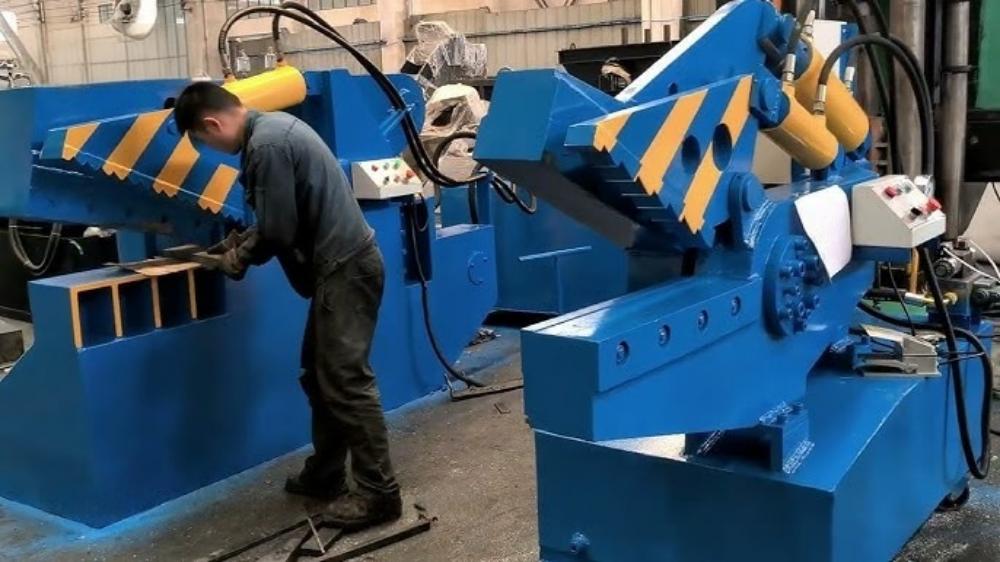
Safety and ergonomics were the next critical factors. Manual torch cutting is inherently dangerous and requires highly skilled labor that is often difficult to retain. By moving to an alligator shear, the plant aimed to simplify the process, allowing operators to feed material into the shear with minimal physical strain. The safety features of modern alligator shears, such as foot-pedal controls, emergency stop buttons, and protective guarding, were non-negotiable requirements for the facility’s safety compliance officers.
Finally, the team evaluated the total cost of ownership. This included not just the initial purchase price, but also energy consumption, spare parts availability, and the ease of routine maintenance. They sought a partner like HARSLE that could provide comprehensive technical support and training. By focusing on these key considerations, the plant moved away from reactive purchasing and toward a strategic investment that addressed the root causes of their bottlenecks.
Technical Details: Why Alligator Shears Excel
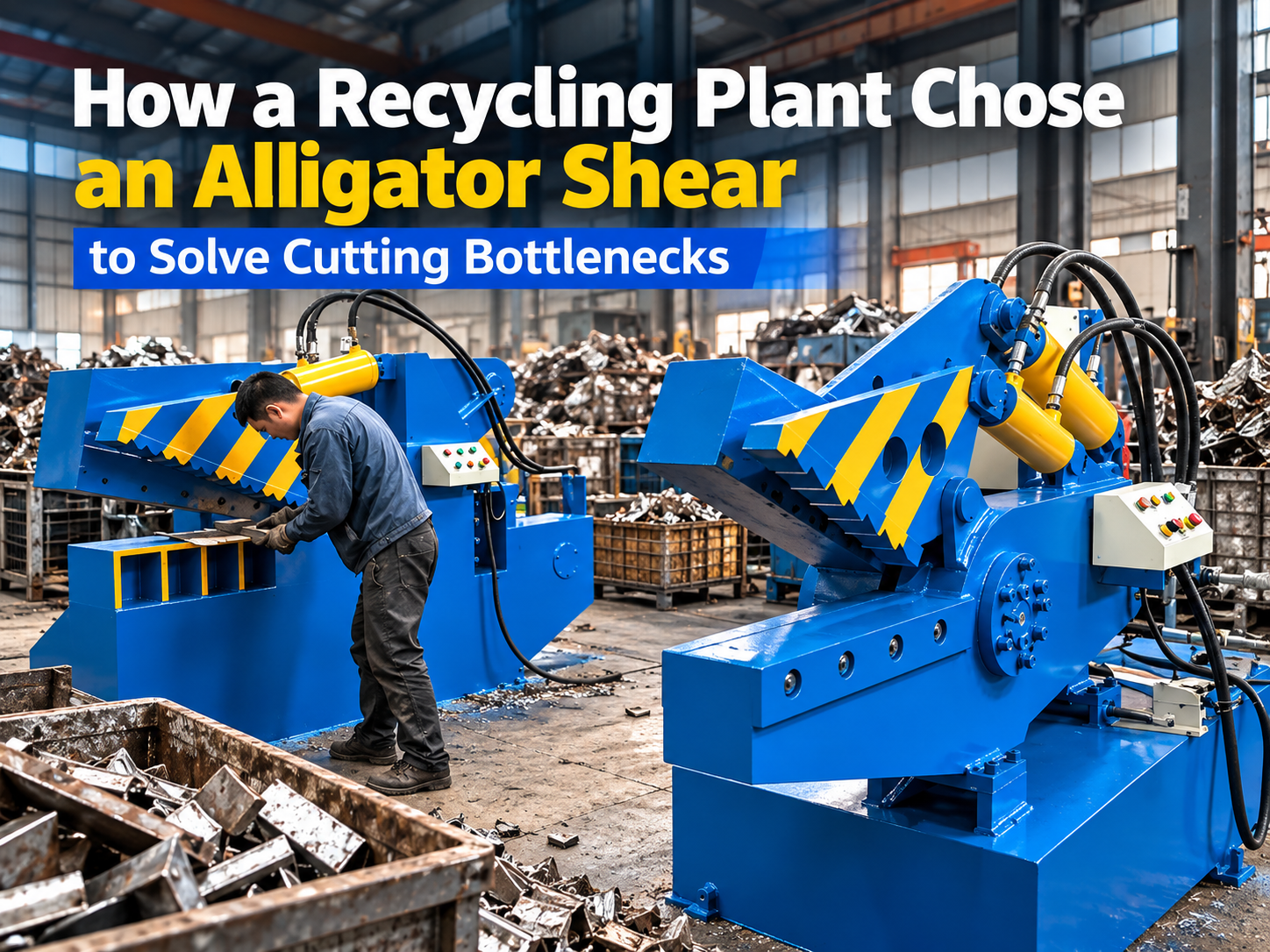
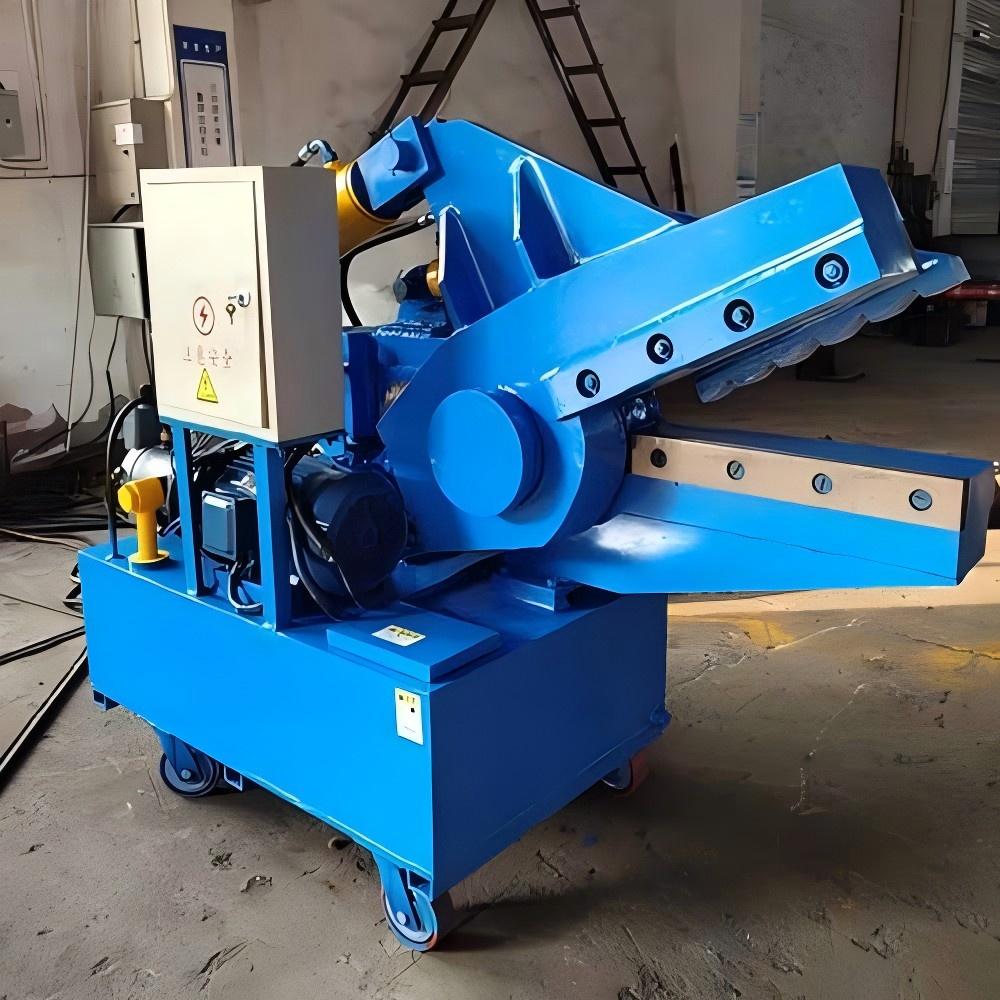
The alligator shear is a specialized piece of metal fabrication equipment designed for high-speed, high-force cutting. Its design is deceptively simple: a fixed lower blade and a moving upper blade that pivots on a heavy-duty pin, mimicking the jaw of an alligator. This design allows for a powerful shearing action that is highly effective at slicing through ferrous and non-ferrous metals. Unlike guillotine shears, which are often used for flat plate, alligator shears are superior for irregular shapes, pipes, and structural profiles.
At the heart of a high-performance alligator shear is a robust hydraulic system. Modern units, such as those manufactured by HARSLE, utilize high-pressure hydraulic cylinders to drive the cutting blade. This provides a consistent, repeatable force that does not degrade as the blade moves through the material. The hydraulic system also allows for precise control over the cutting speed and stroke length, enabling operators to optimize the machine for different material types and sizes.
The blades themselves are a critical technical component. Made from high-carbon, high-chromium tool steel, these blades are heat-treated to withstand the extreme stresses of shearing hardened steel. In the case of the recycling plant, they opted for reversible, four-sided blades. This feature significantly extended the time between blade sharpening cycles, as operators could simply rotate the blade to a fresh edge, reducing downtime and maintenance costs by a significant margin.
Another technical advantage is the machine’s footprint and mobility. Alligator shears are relatively compact compared to massive shredders or balers, making them easy to integrate into existing floor layouts. The plant chose a model with a reinforced base that could be bolted directly to the concrete floor, providing the stability needed for heavy-duty cutting without requiring extensive foundation work. This ease of installation allowed the plant to get the machine up and running within days of delivery.
Selection Advice: Choosing the Right Model
When you are in the market for an alligator shear, the sheer number of options can be overwhelming. The most important piece of advice is to match the machine’s cutting capacity to your maximum material thickness. Many buyers make the mistake of purchasing a machine that is just barely capable of handling their largest scrap, which leads to premature wear and mechanical failure. Always aim for a machine with a 20-30% capacity buffer to ensure longevity.
Consider the throat depth and blade length. If your recycling plant frequently processes long, bulky items, a longer blade and a deeper throat will allow for more efficient feeding and fewer cuts per piece. Conversely, if you are primarily processing short, dense scrap, a smaller, faster-cycling machine may be more productive. HARSLE offers a range of models that cater to these specific needs, and consulting with their technical team can help you determine the exact specifications required for your throughput goals.
Automation features are another area where you can gain a competitive edge. Look for machines that offer automatic lubrication systems, which keep the pivot points and slides moving smoothly without manual intervention. Some advanced models also include material hold-downs, which prevent the scrap from “kicking” or lifting during the cut, significantly improving operator safety and cut quality. These features might increase the initial investment, but they pay for themselves through increased uptime and reduced labor costs.
Finally, prioritize the reputation of the manufacturer. In the recycling industry, downtime is the enemy of profit. You need a partner who provides reliable after-sales support, readily available spare parts, and clear documentation. HARSLE has built a reputation for excellence by focusing on the durability of their machinery and the responsiveness of their service teams. When you choose a brand, you are choosing a long-term partner for your facility’s growth.
Maintenance and Operational Best Practices
To keep an alligator shear running at peak performance, a proactive maintenance schedule is essential. The most common maintenance task is blade adjustment. Over time, the gap between the upper and lower blades will widen due to wear. If this gap becomes too large, the machine will start to “chew” or bend the metal rather than shearing it cleanly. Regularly checking and shimming the blades ensures a crisp cut and prevents unnecessary strain on the hydraulic cylinders.
Hydraulic system health is equally important. The hydraulic fluid should be checked for contamination and temperature levels regularly. Using high-quality, manufacturer-recommended hydraulic oil will extend the life of the pumps and valves. Additionally, ensure that all grease points are lubricated according to the manufacturer’s schedule. A well-lubricated machine runs cooler, quieter, and lasts significantly longer than one that is neglected.
Operator training is the final piece of the maintenance puzzle. Even the best machine will fail if it is operated incorrectly. Ensure that all staff members are trained on the specific limitations of the shear, including the maximum material thickness and the types of materials that should never be cut (such as hardened tool steel or extremely thick alloy shafts). Clear signage and daily pre-shift checklists can help reinforce these habits and prevent accidental damage to the machine.
By treating the alligator shear as a precision instrument rather than a “junk crusher,” the recycling plant was able to maintain high output levels for years. They implemented a digital logbook to track every maintenance task, which also helped them identify patterns in wear and tear. This data-driven approach to maintenance allowed them to perform preventative repairs during scheduled downtime, rather than dealing with costly emergency breakdowns during peak production hours.
FAQ: Common Questions About Alligator Shears
- What is the primary advantage of an alligator shear over a guillotine shear? Alligator shears are generally more versatile for irregular scrap shapes and are easier to feed manually, whereas guillotine shears are better suited for flat, uniform plate metal.
- How do I determine the right cutting force for my recycling plant? You should calculate the cross-sectional area of your thickest, hardest material and multiply it by the shear strength of that material. HARSLE engineers can assist with these calculations to ensure you select the correct tonnage.
- Can an alligator shear cut stainless steel? Yes, but stainless steel is harder than mild steel. You must ensure the machine is rated for the specific tensile strength of the stainless steel you are processing, and you may need to sharpen the blades more frequently.
- How often should I sharpen the blades? This depends on the volume and hardness of the material. A good rule of thumb is to inspect the blades weekly. If you notice burrs on the cut edges, it is time to sharpen or rotate the blades.
- Is it difficult to install an alligator shear? Most alligator shears are relatively easy to install. They typically require a level concrete pad and a standard electrical connection. Some larger models may require professional rigging services.
- Does HARSLE provide training for operators? Yes, HARSLE provides comprehensive manuals and, upon request, can offer remote or on-site training to ensure your team is comfortable and safe operating the equipment.
Conclusion: Transforming Operations with HARSLE
The journey of the recycling plant that chose an alligator shear to solve cutting bottlenecks serves as a powerful example of how the right equipment can revitalize an entire business model. By moving away from inefficient, manual processes and investing in a high-performance, reliable alligator shear, the facility was able to increase its throughput, improve worker safety, and significantly reduce its operational costs. The bottleneck that once threatened their growth became a catalyst for modernization.
Choosing the right machinery is a strategic decision that requires careful analysis of your material stream, your facility’s layout, and your long-term production goals. As demonstrated, the alligator shear is a versatile and durable tool that fits perfectly into the demanding environment of a recycling plant. With the right maintenance, operator training, and a commitment to quality, this equipment can serve as the backbone of your processing operations for many years.
At HARSLE, we understand the challenges faced by the recycling industry. Our alligator shears are engineered to provide the force, precision, and reliability needed to keep your plant running smoothly. We invite you to reach out to our team to discuss your specific cutting needs and discover how our solutions can help you eliminate your bottlenecks and maximize your profitability. Don’t let outdated equipment hold your business back—invest in the future of your recycling operations today.