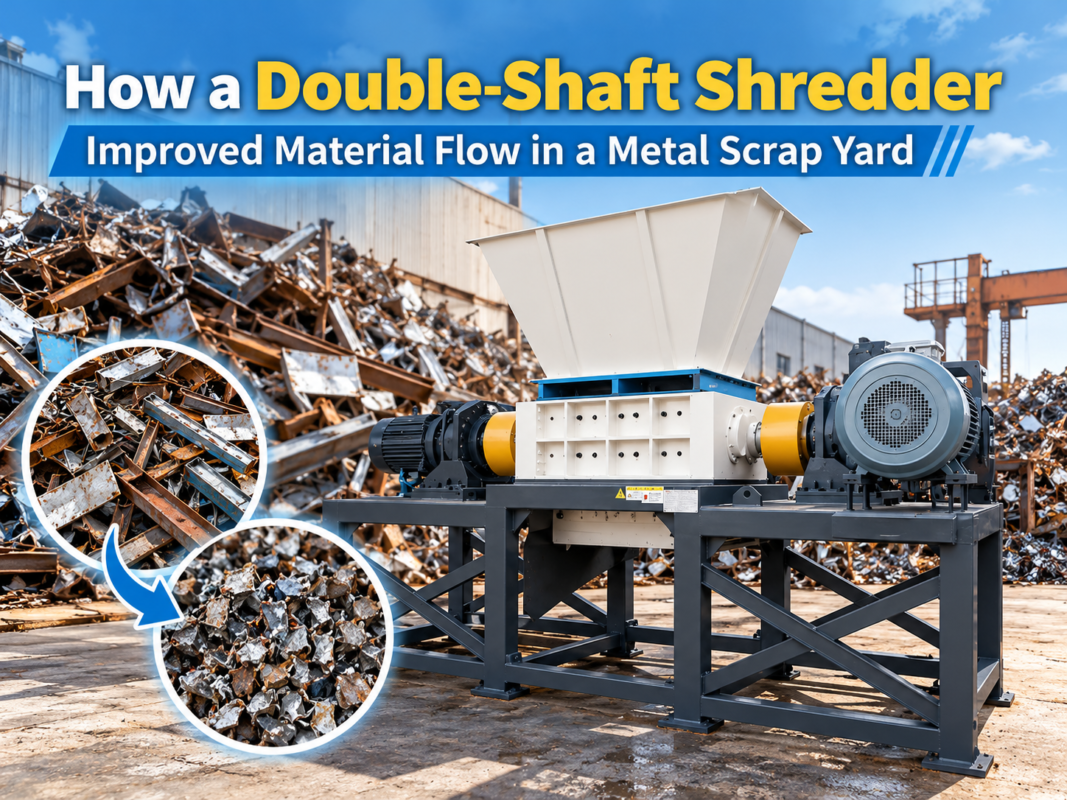
Alligator Shear Case Study: Better Productivity for Heavy-Duty Scrap Cutting

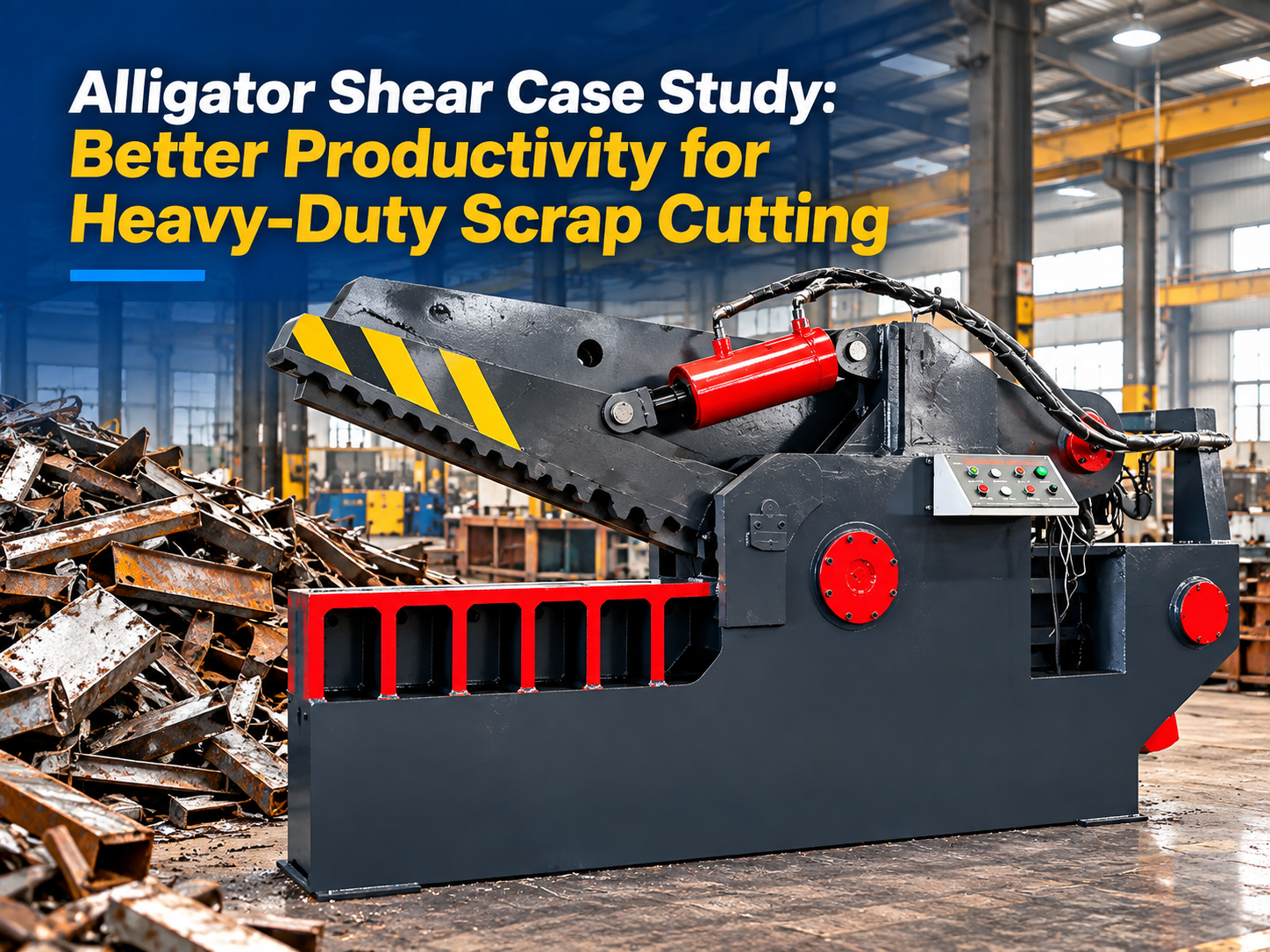
Introduction to High-Efficiency Scrap Processing
In the modern metal recycling and fabrication industry, the ability to process scrap metal quickly and accurately is the difference between profitability and stagnation. The Alligator Shear Case Study: Better Productivity Heavy-Duty Scrap Cutting highlights how HARSLE equipment serves as the backbone for scrap yards and manufacturing facilities worldwide. As global demand for recycled steel and non-ferrous metals rises, the pressure on operators to maintain high throughput while ensuring safety has never been greater.
An alligator shear, named for its jaw-like cutting action, is a specialized piece of metal fabrication equipment designed to cut through structural steel, pipes, rebar, and various scrap profiles. Unlike traditional guillotine shears, the alligator shear offers a unique combination of portability, ease of use, and immense cutting force. This article explores how integrating HARSLE technology can revolutionize your workflow, reduce downtime, and maximize the value of your scrap inventory.
For many businesses, the transition from manual cutting tools or inefficient torch cutting to a hydraulic alligator shear represents a major leap in operational capacity. By analyzing real-world applications, we can see how specific design features—such as blade geometry, hydraulic pressure management, and ergonomic controls—directly impact the bottom line. This guide serves as a comprehensive resource for facility managers and procurement officers looking to optimize their scrap processing operations.
Key Considerations for Scrap Metal Processing
When evaluating the need for an alligator shear, the first step is understanding the specific material profile of your scrap stream. Are you primarily dealing with light-gauge sheet metal, or are you processing heavy structural beams and thick-walled pipes? The material hardness, thickness, and shape dictate the required blade length and the necessary hydraulic force. A common mistake in the industry is underestimating the force required for hardened alloys, which leads to premature blade wear and hydraulic strain.
Operational safety is another critical pillar in any scrap yard. Alligator shears are inherently powerful, and HARSLE prioritizes operator protection through advanced safety features such as foot-pedal controls, emergency stop buttons, and protective blade guards. When conducting an Alligator Shear Case Study: Better Productivity Heavy-Duty Scrap Cutting, it becomes evident that safety features do not hinder productivity; rather, they foster a more confident and efficient work environment. Operators who feel secure are consistently more productive than those working with outdated or poorly guarded machinery.
Space optimization and mobility are also vital. Many scrap yards operate in dynamic environments where machinery needs to be moved to different sections of the yard. HARSLE alligator shears are engineered with a compact footprint and robust frames, allowing for easier integration into existing layouts. Whether you are operating in a fixed indoor facility or a rugged outdoor scrap yard, the versatility of these machines ensures that you can process material exactly where it is collected, minimizing the need for internal logistics and material handling.
Finally, consider the maintenance lifecycle. Scrap processing is a harsh environment characterized by dust, debris, and extreme mechanical stress. Choosing a machine that offers easy access to hydraulic components and blade adjustment points is essential for long-term productivity. HARSLE designs its equipment with the maintenance technician in mind, ensuring that routine inspections and blade sharpening can be performed with minimal downtime, keeping your operation running at peak performance.
Technical Details of HARSLE Alligator Shears
The technical superiority of HARSLE alligator shears lies in their robust hydraulic architecture. These machines utilize high-pressure hydraulic cylinders to deliver consistent, repeatable cutting force. The hydraulic system is designed to handle the shock loads associated with cutting dense scrap, preventing pressure spikes that could damage internal seals or valves. This reliability is a hallmark of HARSLE engineering, ensuring that the machine remains operational even under the most demanding conditions.
Blade design is another critical technical aspect. HARSLE uses high-grade tool steel for its blades, which are heat-treated to maintain a sharp edge even after thousands of cycles. The geometry of the blade is optimized to provide a clean, shearing action rather than a crushing action, which reduces the amount of energy required for each cut and minimizes the stress on the machine frame. This precision is vital for businesses that need to sort scrap by grade, as cleaner cuts allow for better material identification and higher resale value.
The control systems on HARSLE shears are designed for both manual and semi-automatic operation. Advanced models feature programmable logic controllers (PLCs) that allow operators to set stroke lengths and cycle times, ensuring that the machine is not wasting energy on unnecessary blade travel. This level of control is a key factor in the Alligator Shear Case Study: Better Productivity Heavy-Duty Scrap Cutting, as it allows for significant energy savings and increased cycle speeds when processing smaller, uniform scrap pieces.
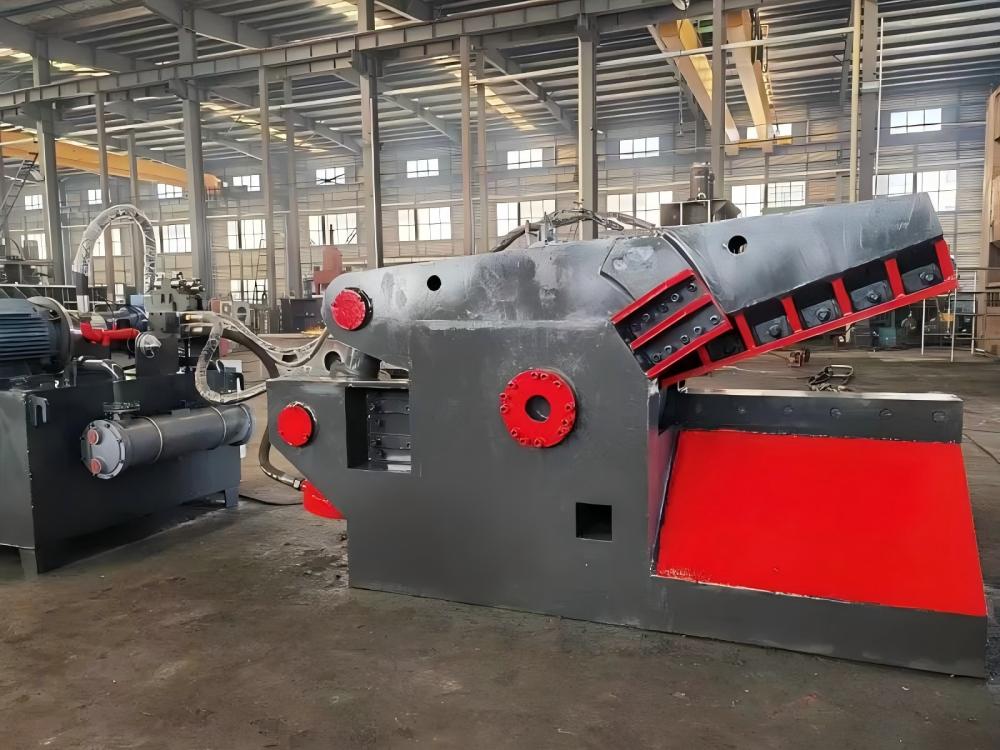
.jpg)
Furthermore, the structural integrity of the frame is paramount. HARSLE uses heavy-duty welded steel plates that are stress-relieved to prevent warping over time. This rigidity ensures that the blades remain perfectly aligned throughout the cutting process, preventing the “gapping” that often leads to material jamming or blade chipping. By maintaining tight tolerances, HARSLE equipment delivers a superior cut quality that is unmatched in the industry.
Selection Advice: Choosing the Right Equipment
Selecting the right alligator shear requires a thorough assessment of your current and future production needs. Start by calculating your daily tonnage requirements. If you are processing more than 5 tons of scrap per day, a heavy-duty hydraulic model with a larger jaw opening is likely necessary. Conversely, for smaller fabrication shops dealing with offcuts, a mid-sized model may offer a better return on investment.
Consider the power source options. While electric-motor-driven hydraulic systems are standard, some remote locations may benefit from diesel-powered units. HARSLE offers a range of configurations to suit different power availability scenarios. It is also important to look at the jaw length. A longer jaw allows for the processing of wider materials, but it may require more hydraulic power to maintain the same cutting force as a shorter, more concentrated jaw. Balancing jaw length with cutting force is the secret to an efficient scrap yard.
Don’t overlook the importance of after-sales support and spare parts availability. When you invest in HARSLE, you are not just buying a machine; you are entering a partnership. Ensure that your supplier provides comprehensive training for your operators and has a readily available stock of replacement blades and hydraulic seals. A machine that is down for two weeks waiting for a part is a machine that is costing you money every single day.
Finally, look for modularity. Can the machine be upgraded with conveyors or sorting tables later? As your business grows, your scrap processing needs will evolve. Investing in a platform that allows for future automation or material handling upgrades is a smart strategic move. HARSLE’s modular design philosophy ensures that your initial investment remains relevant and scalable as your production volumes increase.
Domande frequenti (FAQ)
- What is the primary advantage of an alligator shear over a guillotine shear?
Alligator shears are generally more portable, easier to operate, and better suited for irregular scrap shapes like pipes and rebar, whereas guillotine shears are better for large, flat plates. - How often should I sharpen the blades on my HARSLE shear?
Blade life depends on the material hardness and volume. Generally, we recommend inspecting blades every 500 hours of operation and sharpening them as soon as you notice a decrease in cut quality or an increase in burrs. - Can these shears cut stainless steel?
Yes, HARSLE alligator shears are capable of cutting stainless steel, provided the machine is sized correctly for the thickness and grade of the material. - What maintenance is required for the hydraulic system?
Regular oil changes, filter replacements, and checking for hydraulic leaks are essential. Keeping the hydraulic fluid clean is the most important factor in extending the life of your pump and cylinders. - Is operator training provided with the purchase?
HARSLE provides comprehensive documentation and remote support, and we encourage all new owners to conduct thorough on-site training for their staff to ensure safe and efficient operation.
Conclusione
The Alligator Shear Case Study: Better Productivity Heavy-Duty Scrap Cutting demonstrates that success in the scrap metal industry is not just about having the biggest machine, but about having the right machine for the task. HARSLE has consistently proven that by combining high-quality engineering with user-centric design, businesses can achieve significant gains in productivity and safety. Whether you are a small recycling center or a large-scale industrial manufacturer, the right alligator shear will streamline your operations and improve your bottom line.
Investing in HARSLE equipment means choosing reliability, precision, and long-term value. As you look to optimize your scrap processing, remember that the goal is to create a workflow that is as efficient as it is safe. By focusing on proper maintenance, operator training, and choosing the right specifications for your material stream, you can ensure that your investment pays dividends for years to come. Contact HARSLE today to discuss your specific requirements and take the first step toward a more productive future in metal fabrication.