Come riparare il guasto all'avvio della macchina per bricchettaggio dopo un lungo periodo di inattività: una guida completa alla manutenzione

Introduction
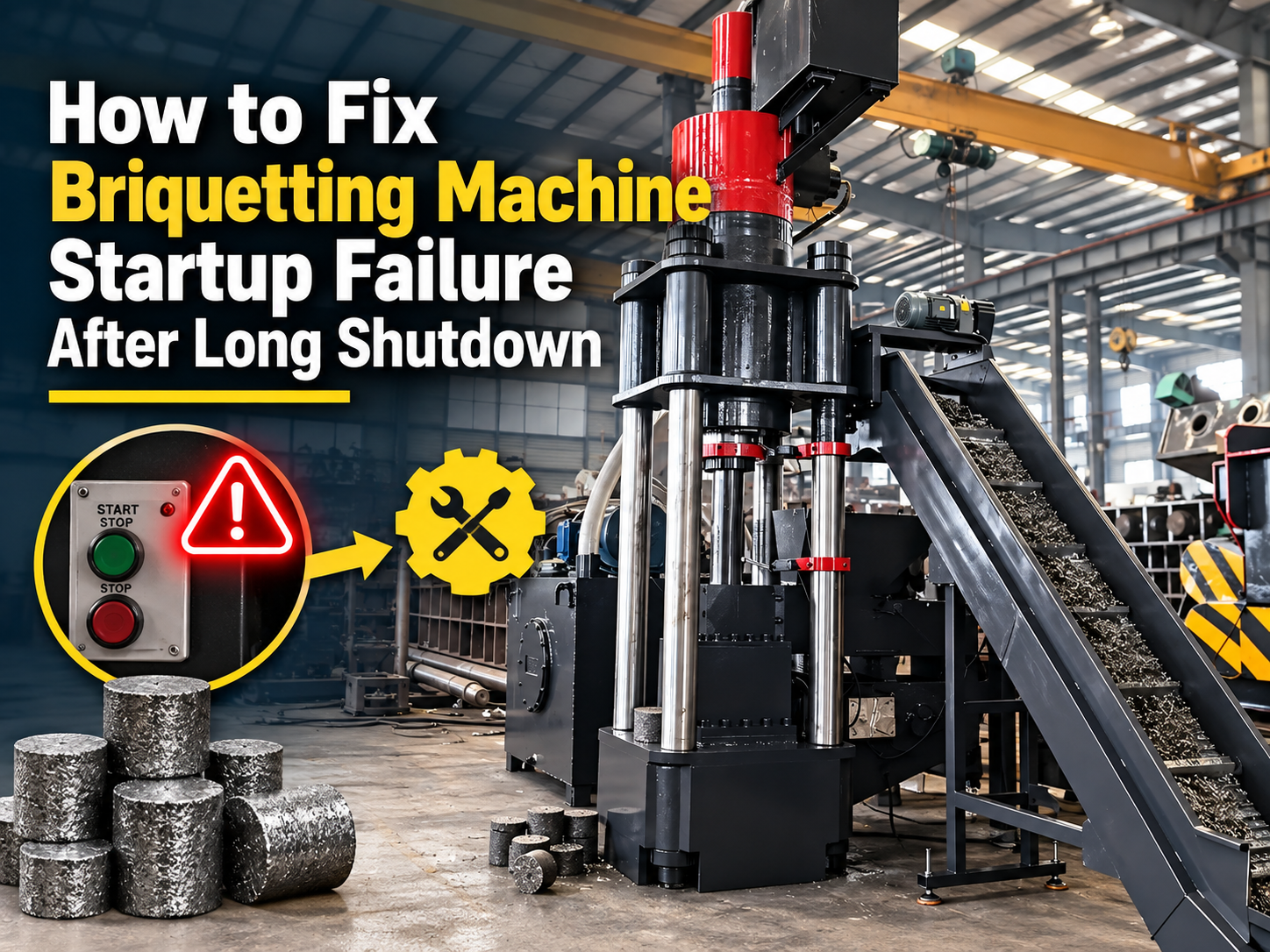
In the high-stakes world of metal fabrication, efficiency is measured by uptime. When your briquetting machine—a critical component for recycling metal chips and reducing waste—fails to start after a long period of inactivity, it can bring your entire production line to a grinding halt. Understanding how to fix briquetting machine startup failure after long shutdown is an essential skill for maintenance teams and plant managers alike.
A briquetting machine is a complex piece of industrial equipment that relies on precise hydraulic pressure, electrical synchronization, and mechanical integrity. When left idle for months, these systems are susceptible to environmental degradation, fluid stagnation, and electrical oxidation. This guide provides a deep dive into the diagnostic steps and corrective measures required to bring your HARSLE equipment back to peak operational status.
Whether you are dealing with a hydraulic pump that refuses to prime or a PLC error code that prevents the cycle from initiating, this article covers the systematic approach to troubleshooting. By following these professional maintenance protocols, you can minimize downtime, prevent permanent component damage, and ensure that your metal recycling operations resume safely and efficiently.
Key Considerations Before Attempting a Restart
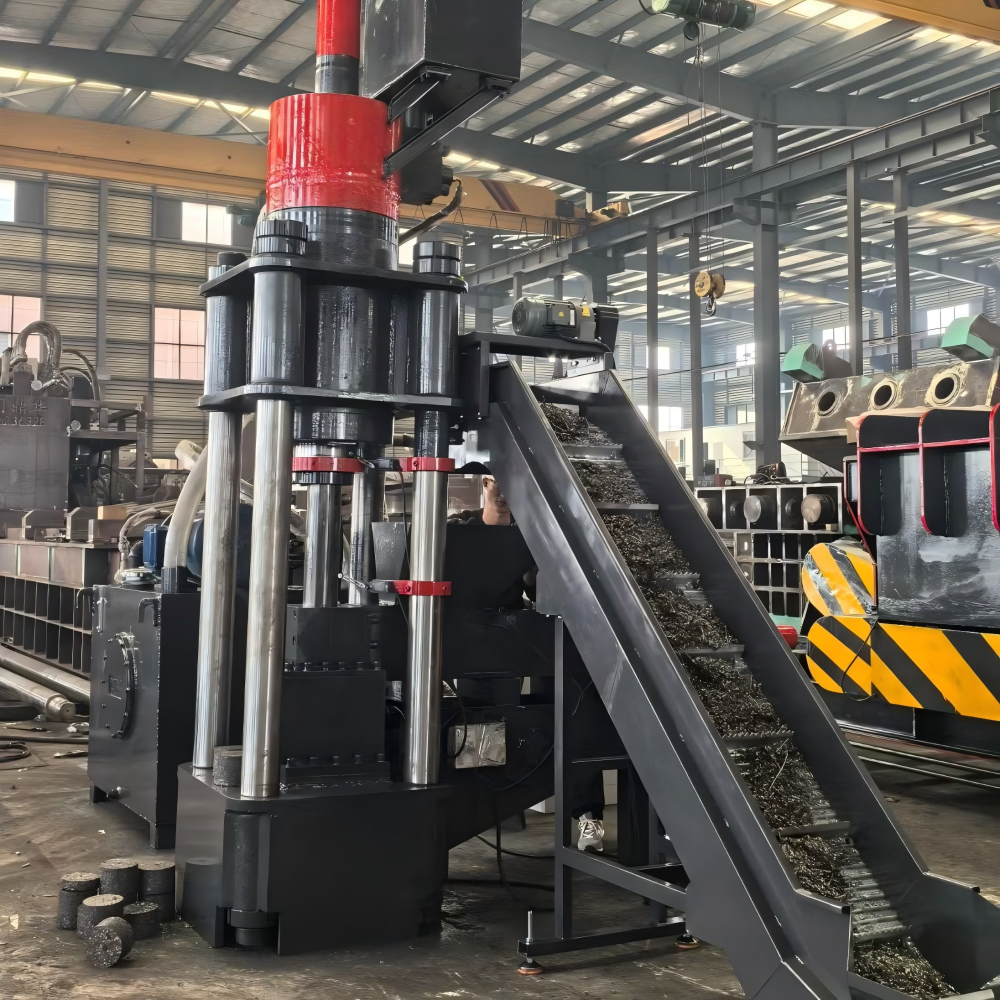
Before you press the ‘Start’ button on a machine that has been dormant for an extended period, you must perform a comprehensive visual and physical inspection. Attempting to force a startup without preparation can lead to catastrophic failure of seals, motors, or hydraulic valves. The first step is to check the environment in which the machine was stored. Humidity and temperature fluctuations can cause significant internal corrosion.
Check the electrical cabinet for signs of moisture or pest intrusion. Over long shutdowns, small insects or rodents can nest in electrical enclosures, leading to short circuits or damaged wiring harnesses. Use a non-conductive cleaner to remove any dust or debris from the PLC and contactors. Ensure that all terminal connections are tight, as thermal expansion and contraction during seasonal changes can loosen screw terminals over time.
The hydraulic system is the heart of your briquetting machine. After a long shutdown, the oil may have separated or accumulated moisture. Inspect the oil reservoir for signs of contamination. If the oil appears milky or cloudy, it indicates water ingress, which can destroy hydraulic pumps and cylinders. Do not attempt to run the machine with contaminated fluid; drain and flush the system if necessary to ensure the longevity of your hydraulic components.
Finally, verify the mechanical lubrication. Moving parts, such as the main ram and the feeding mechanism, require fresh grease. During long periods of inactivity, lubricants can migrate or dry out, leaving metal-on-metal contact points vulnerable to friction-induced damage. Apply fresh, high-quality industrial grease to all designated lubrication points before attempting to cycle the machine.
Technical Details: Troubleshooting Startup Failures
When the machine fails to start, the issue is usually categorized into three areas: electrical, hydraulic, or mechanical. Start by checking the electrical control panel. If the HMI (Human Machine Interface) is blank or displaying a ‘Communication Error,’ check the power supply voltage. Use a multimeter to ensure that the input voltage matches the machine’s specifications. A slight drop in voltage can prevent the PLC from booting correctly.
If the machine powers on but the motor fails to engage, investigate the motor starter or the frequency inverter. Often, the motor contactors can become stuck due to oxidation. Gently tapping the contactor or manually testing the coil can reveal if the component has seized. If the motor hums but does not turn, the issue may be a seized pump or a mechanical obstruction in the compression chamber.
Hydraulic pressure issues are the most common cause of startup failure. If the pump runs but the pressure gauge remains at zero, you are likely dealing with an air lock or a failed suction valve. To fix this, you may need to bleed the hydraulic lines. Carefully loosen the bleed screw on the pump housing to allow trapped air to escape. Ensure that the hydraulic oil level is at the maximum mark to prevent the pump from cavitating.
Check the limit switches and safety sensors. Briquetting machines are equipped with multiple safety interlocks, such as door sensors and emergency stop buttons. If one of these sensors is faulty or misaligned, the machine will refuse to start as a safety precaution. Use a diagnostic tool or the HMI’s I/O status screen to identify which sensor is reporting an ‘Open’ or ‘Fault’ state. Cleaning the sensor faces and ensuring they are properly aligned is often all that is required to restore functionality.
Selection Advice: Preventing Future Failures
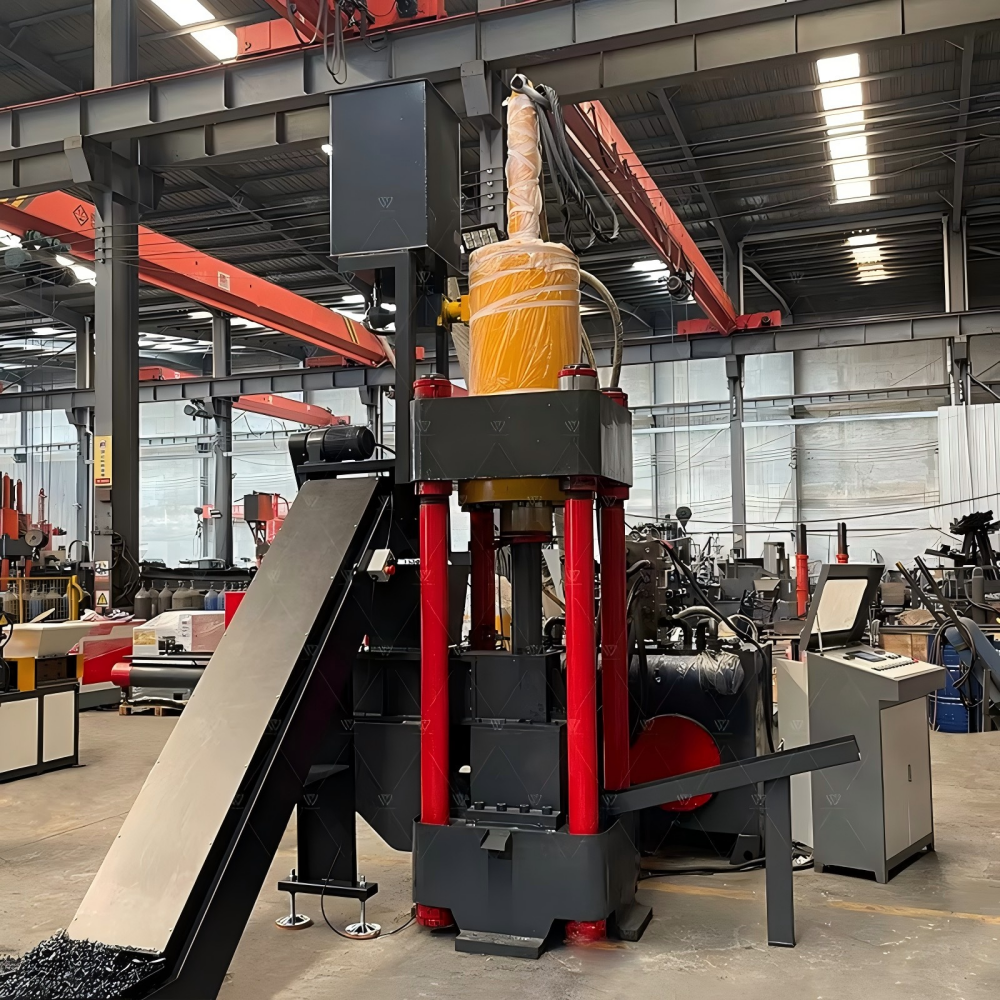
Choosing the right briquetting machine from the start can significantly reduce the likelihood of startup failures after long shutdowns. HARSLE designs its equipment with modularity and ease of maintenance in mind. When selecting a machine, consider the environmental conditions of your facility. If your plant is located in a high-humidity area, opt for machines with IP65-rated electrical enclosures and stainless steel hydraulic fittings to prevent corrosion.
Look for machines that feature advanced diagnostic software. Modern HARSLE briquetting machines come with integrated PLC systems that provide real-time feedback on the status of every sensor and actuator. This allows maintenance teams to pinpoint the exact cause of a startup failure in seconds rather than hours. Investing in a machine with remote monitoring capabilities can also allow HARSLE technicians to assist you in troubleshooting, even if you are located thousands of miles away.
Consider the ease of access to critical components. A machine that requires the removal of heavy panels to access the hydraulic pump or the main motor will inevitably lead to deferred maintenance. Choose a design that offers ‘swing-out’ electrical panels and easy-access lubrication ports. This encourages your team to perform routine checks, which is the best way to prevent the issues that arise during long-term storage.
Finally, establish a ‘Preservation Protocol’ for when you know the machine will be idle for more than 30 days. This includes coating exposed metal surfaces with a rust inhibitor, disconnecting the main battery or PLC backup power to prevent drain, and covering the machine with a breathable, moisture-wicking tarp. These simple steps, combined with a high-quality machine, ensure that your equipment is ready to work the moment you need it.
FAQ: Domande frequenti
Why does my briquetting machine make a loud noise during startup?
Loud noises during startup are typically caused by air in the hydraulic system or a failing pump bearing. If the noise is a high-pitched whine, it is likely cavitation due to low oil or a clogged suction filter. If it is a grinding noise, stop the machine immediately and inspect the pump for internal damage.
How often should I change the hydraulic oil?
For machines that operate regularly, we recommend changing the hydraulic oil every 2,000 to 3,000 operating hours. However, if the machine has been sitting idle for more than six months, the oil should be tested for moisture and acidity, and replaced if it shows signs of degradation.
What should I do if the PLC shows a ‘System Fault’ code?
A ‘System Fault’ usually indicates a loss of communication between the PLC and the I/O modules. Check all communication cables for loose connections or damage. If the cables are intact, try power-cycling the PLC. If the error persists, consult the HARSLE error code manual or contact our technical support team.
Can I use any hydraulic oil for my briquetting machine?
No, you must use the specific viscosity grade recommended in your HARSLE operation manual. Using the wrong oil can lead to seal failure, overheating, and reduced pressure output. Always stick to the manufacturer’s specified ISO viscosity grade.
Conclusione
Learning how to fix briquetting machine startup failure after long shutdown is a vital aspect of industrial asset management. By systematically inspecting the electrical, hydraulic, and mechanical systems, you can overcome the challenges posed by long-term inactivity. Remember that the key to avoiding these failures lies in proactive maintenance and choosing high-quality, reliable equipment from trusted manufacturers like HARSLE.
If you follow the steps outlined in this guide—checking for moisture, verifying electrical connections, bleeding hydraulic lines, and ensuring sensor alignment—you will be well-equipped to handle most startup issues. However, never hesitate to reach out to professional support if you encounter complex faults. Your briquetting machine is a long-term investment; treat it with the care it deserves, and it will continue to provide efficient, high-performance metal recycling for years to come.
For further assistance, spare parts, or technical documentation, contact the HARSLE support team. We are committed to ensuring your metal fabrication equipment remains the backbone of your production success, regardless of how long your machines have been offline.