Errori di manutenzione della pressa per mattonelle che causano frequenti guasti

Introduction
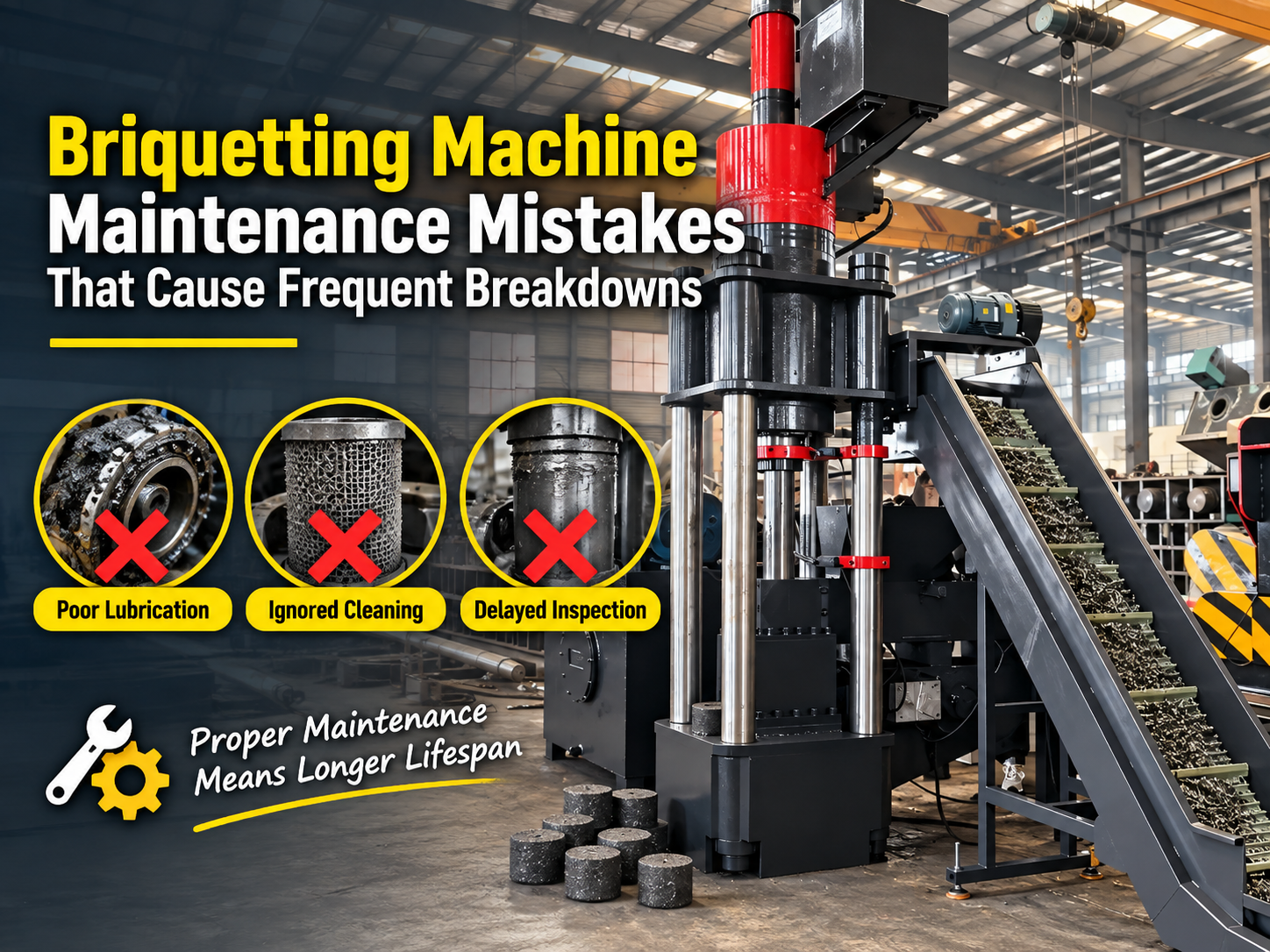
In the modern metal fabrication industry, efficiency is the cornerstone of profitability. Briquetting machines play a vital role in this ecosystem by transforming loose metal chips, swarf, and turnings into dense, high-value briquettes. However, even the most robust HARSLE machinery is susceptible to performance degradation if not cared for correctly. Understanding the Briquetting Machine Maintenance Mistakes That Cause Frequent Breakdowns is the first step toward ensuring a long, productive service life for your equipment.
Many operators view maintenance as a reactive process—something to be addressed only when a machine stops working. This mindset is the primary driver of unplanned downtime, which can cost a facility thousands of dollars in lost production and repair fees. By shifting toward a proactive maintenance strategy, you can identify potential failure points before they manifest as catastrophic breakdowns.
This guide explores the common pitfalls that facility managers and maintenance technicians encounter when servicing briquetting systems. From lubrication oversights to hydraulic system neglect, we will break down the technical nuances that keep your metal fabrication equipment running at peak performance. Whether you are managing a small workshop or a large-scale recycling facility, these insights are essential for operational excellence.
At HARSLE, we believe that knowledge is the best tool in your maintenance kit. By avoiding these common errors, you not only extend the lifespan of your investment but also improve the quality of the briquettes produced, leading to better scrap value and cleaner factory floors. Let us dive into the critical aspects of maintaining your briquetting system effectively.
Key Considerations for Briquetting Machine Longevity
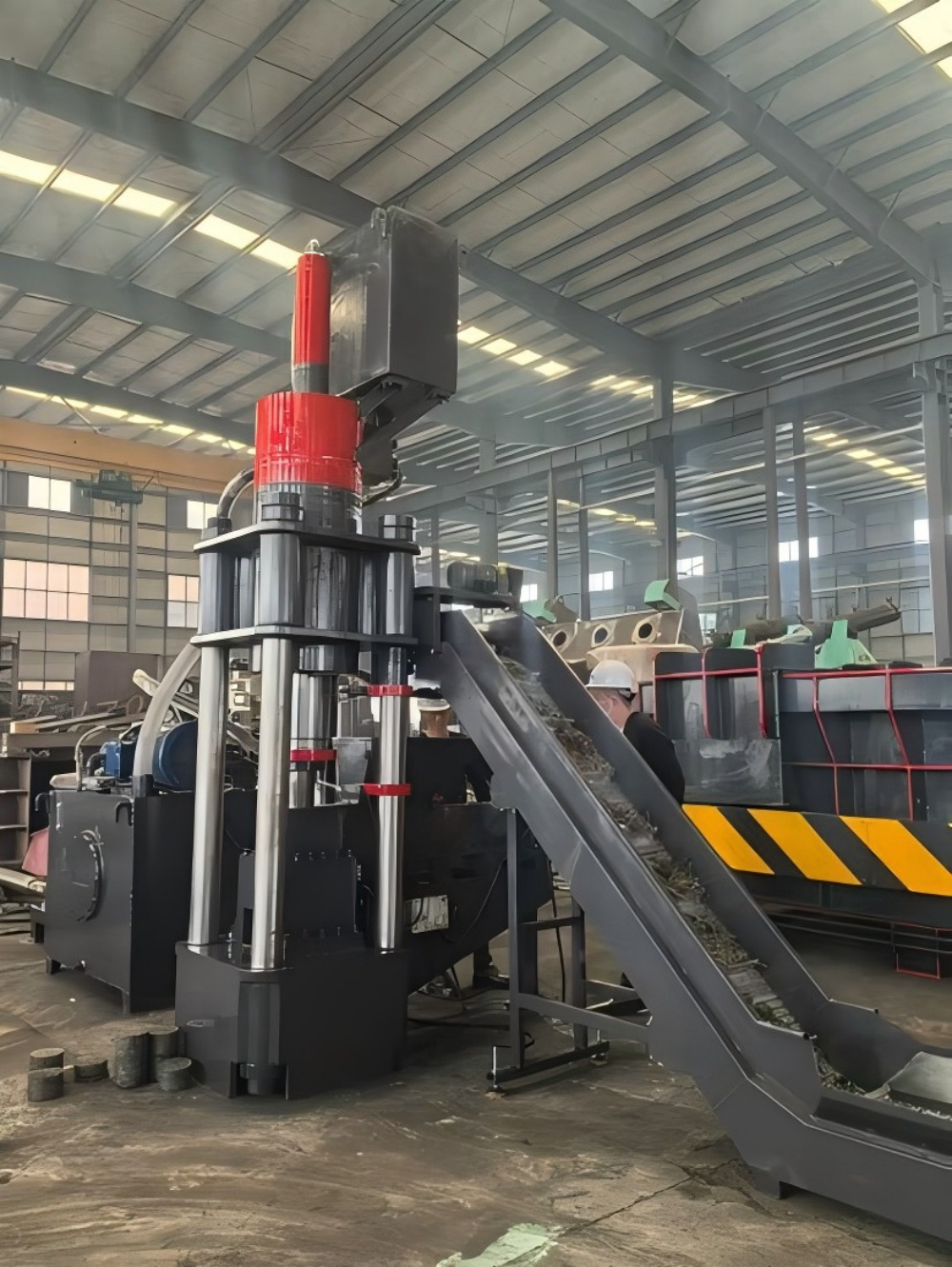
The most significant maintenance mistake is the failure to establish a consistent, documented schedule. Without a logbook or a digital maintenance management system, it is easy to lose track of when filters were changed, oil was analyzed, or moving parts were greased. Consistency is the bedrock of industrial reliability, and skipping intervals—even by a few weeks—can lead to accelerated wear on internal components.
Another critical consideration is the training of your personnel. A machine is only as reliable as the operator running it. If your team does not understand the warning signs of a failing hydraulic pump or the importance of checking the hopper for foreign objects, they may inadvertently push the machine beyond its design limits. Training should be an ongoing process, not a one-time onboarding event.
Environmental factors also play a massive role in machine health. Briquetting machines often operate in environments filled with metal dust, coolant mist, and high temperatures. Failing to keep the machine clean is a major oversight. Dust buildup can insulate electrical components, leading to overheating, while coolant contamination can degrade hydraulic seals and cause premature fluid breakdown.
Finally, consider the quality of the raw materials being processed. Feeding a machine materials that exceed its hardness or size specifications is a recipe for disaster. Always ensure that the chips are properly shredded and free of tramp materials like large steel bolts or carbide inserts, which can shatter the compression chamber or damage the ram face.
Technical Details: Avoiding Common Maintenance Pitfalls
Hydraulic systems are the heart of any briquetting machine. A common mistake is neglecting the hydraulic fluid. Over time, fluid loses its viscosity and accumulates moisture or particulates. If you do not perform regular oil analysis, you may miss the early signs of pump cavitation or valve sticking. Always use the manufacturer-recommended oil grade and ensure that the filtration system is checked and replaced according to the specified duty cycle.
The compression chamber and the die set are subject to immense pressure and friction. Failing to inspect these components for signs of fatigue or scoring is a critical error. If the die surface becomes pitted, the briquettes will not eject smoothly, leading to increased pressure on the ram and potential stalling. Regular polishing and inspection of the die set can prevent these issues from escalating into a full machine seizure.
Electrical systems are often overlooked until a fault occurs. Loose connections, caused by the constant vibration of the machine, can lead to intermittent power issues or sensor failures. A routine maintenance check should include tightening all electrical terminals and inspecting wiring harnesses for signs of abrasion or heat damage. Furthermore, ensure that your PLC (Programmable Logic Controller) is updated and that backups of the machine software are maintained.
Lubrication is perhaps the most neglected aspect of maintenance. Many operators assume that because a machine has an automatic lubrication system, they can ignore it. However, automatic systems can clog, or the reservoir can run dry. Always verify that the lubrication points are actually receiving grease and that the grease quality is appropriate for the operating temperature of your facility. A dry bearing or a seized guide rail will cause the machine to draw excessive current and eventually fail.
Selection Advice: Choosing the Right Equipment
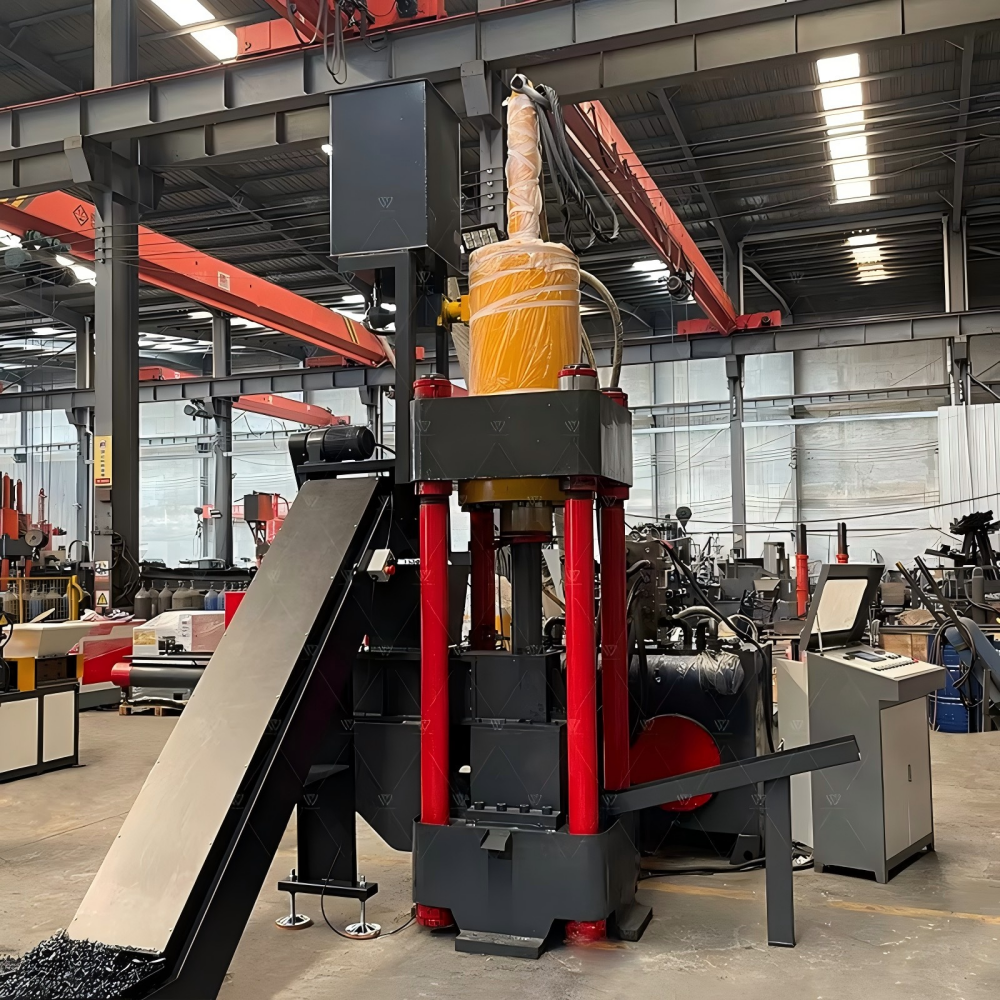
When selecting a briquetting machine, the biggest mistake is choosing a model that does not match your production volume or material type. A machine that is constantly running at 100% capacity will wear out significantly faster than one that is sized correctly for your throughput. Always consult with HARSLE engineers to determine the appropriate tonnage and cycle time for your specific application.
Consider the ease of maintenance when evaluating different models. Look for machines that offer easy access to the hydraulic power unit, clear sight glasses for fluid levels, and modular components that can be swapped out quickly. A machine that requires a complete teardown to replace a simple seal is a poor long-term investment, regardless of the initial purchase price.
Integration with your existing workflow is also key. If the briquetting machine is part of a larger chip processing line, ensure that the control systems are compatible. Automated feeding and discharge systems can reduce the risk of human error, but they also require their own maintenance schedule. Ensure that your chosen equipment comes with comprehensive documentation and a reliable support network.
Finally, prioritize build quality. While it may be tempting to opt for cheaper, lighter-duty machines, these often lack the structural rigidity required for heavy-duty metal fabrication. HARSLE machines are engineered with high-strength steel frames and premium hydraulic components, ensuring they can withstand the rigors of daily operation. Investing in quality upfront is the best way to avoid the maintenance headaches associated with inferior equipment.
FAQ: Domande frequenti
How often should I change the hydraulic oil in my briquetting machine?
Generally, hydraulic oil should be changed every 2,000 to 4,000 operating hours, depending on the environment and the intensity of use. However, we strongly recommend performing oil analysis every 6 months to monitor for contamination and viscosity breakdown.
What are the signs that my briquetting die is worn out?
Signs include increased cycle times, difficulty ejecting the briquette, a noticeable drop in briquette density, or unusual noises during the compression stroke. If you notice these, inspect the die for scoring or dimensional changes.
Can I use any grease for the lubrication points?
No. Always use the grease specified in your HARSLE operation manual. Using the wrong type of grease can lead to incompatibility with existing lubricants, causing them to harden or lose their lubricating properties, which can lead to bearing failure.
Why does my machine stall during the compression cycle?
Stalling is often caused by either an overloaded hopper, material that is too hard for the machine’s capacity, or a drop in hydraulic pressure. Check your material input and ensure your hydraulic system is operating at the correct pressure settings.
How do I prevent electrical faults in my machine?
Keep the control cabinet clean and dry. Regularly check for loose connections caused by vibration and ensure that cooling fans for the electrical components are clean and functioning properly to prevent overheating.
Conclusione
Avoiding the Briquetting Machine Maintenance Mistakes That Cause Frequent Breakdowns is not just about fixing things when they break; it is about cultivating a culture of care and precision. By adhering to a strict maintenance schedule, training your staff, and investing in high-quality HARSLE equipment, you can ensure that your metal fabrication facility remains productive and profitable for years to come.
Remember that every minute spent on preventive maintenance is an hour saved in emergency repairs. Monitor your hydraulic systems, keep your lubrication points clear, and always listen to what your machine is telling you through its performance metrics. When you treat your machinery with the respect it deserves, it will return the favor with consistent, high-quality output.
If you are ever in doubt about a maintenance procedure or notice a change in your machine’s behavior, do not hesitate to reach out to the HARSLE support team. We are committed to helping our clients achieve the highest standards of operational efficiency. Let us work together to keep your production line moving smoothly and your equipment in top-tier condition.