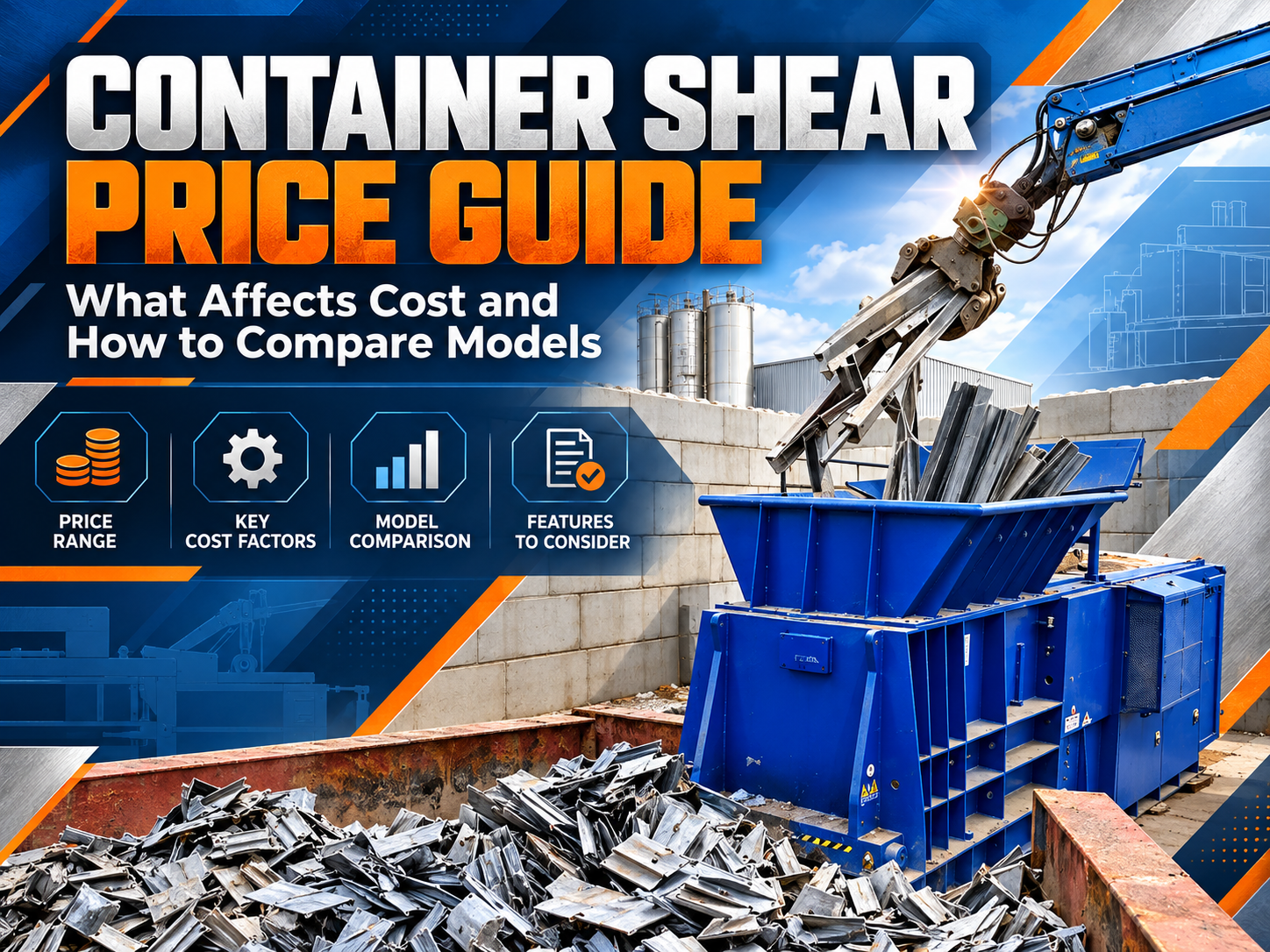
Container Shear Price Guide: What Affects Cost and How to Compare Models

Price Range Overview: Understanding the Investment
Investing in a container shear is a significant capital expenditure for any scrap metal recycling facility or demolition company. When researching the Container Shear Price: Affects Cost Compare Models, it is essential to understand that these machines are not one-size-fits-all. Prices typically range from $80,000 for entry-level, smaller-capacity units to upwards of $350,000 or more for high-performance, fully automated industrial systems. The price variance is largely dictated by the machine’s shearing force, throughput capacity, and the level of automation integrated into the system.
For small-to-medium scrap yards, a mid-range container shear often provides the best balance between initial investment and operational efficiency. These models usually fall in the $150,000 to $220,000 range. At this price point, buyers can expect robust hydraulic systems, reliable PLC controls, and the ability to process a wide variety of ferrous and non-ferrous materials. It is crucial to view this purchase not merely as an expense, but as a long-term asset that directly impacts your facility’s daily throughput and profitability.
Market volatility also plays a role in the pricing of industrial machinery. Steel prices, the cost of hydraulic components, and global shipping logistics can cause fluctuations in the quoted price of a container shear. When comparing models, always ensure that your quotes are current and include the same scope of supply. A lower price tag might seem attractive, but it could indicate the use of lower-grade steel in the frame or less efficient hydraulic pumps, which will inevitably lead to higher maintenance costs down the line.
Finally, consider the geographic location of the manufacturer. HARSLE and other leading manufacturers often provide competitive pricing by leveraging efficient manufacturing processes and global supply chains. However, remember that the total cost of ownership includes import duties, transportation, and installation services. Always request a comprehensive quote that breaks down these costs to ensure you are making an apples-to-apples comparison between different suppliers.
Main Cost Drivers: Why Prices Vary
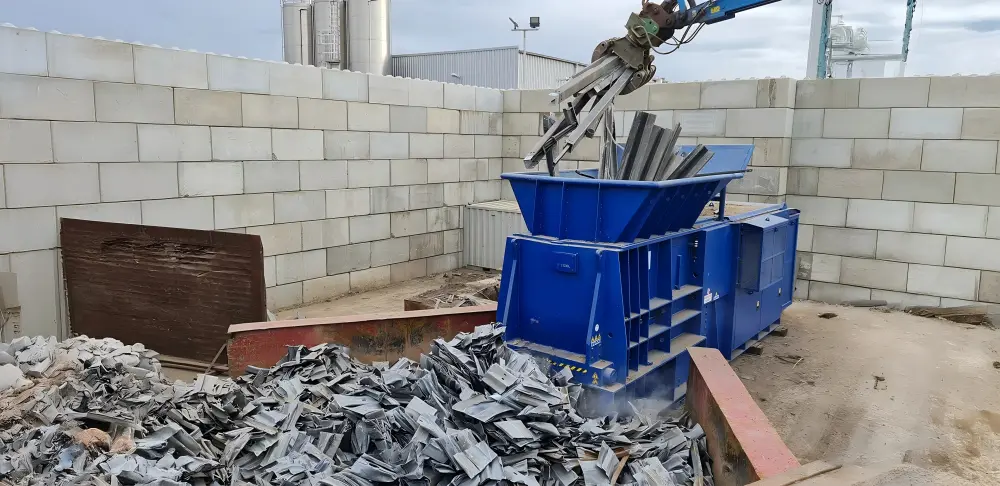
The primary driver behind the Container Shear Price is the shearing force, measured in tons. A machine capable of cutting through thick structural steel beams requires a much more robust hydraulic system and a heavier, reinforced frame than one designed for light sheet metal. The higher the shearing force, the more expensive the hydraulic cylinders, pumps, and structural steel components become. This is the most significant factor in the base price of the machine.
Another critical cost driver is the throughput capacity, often measured in tons per hour. High-speed shears utilize advanced hydraulic circuits and faster cycle times to process more material in less time. These systems require sophisticated cooling units and high-flow valves to prevent overheating during continuous operation. If your business model relies on high-volume processing, investing in a machine with a higher throughput capacity will pay dividends in the long run, even if the initial price is higher.
The quality of the wear plates and blades is another major factor. High-carbon, heat-treated steel blades are essential for longevity and clean cuts. Cheaper blades may cost less upfront but will require frequent sharpening or replacement, leading to significant downtime. When evaluating a Container Shear Price Guide: What Affects Cost and How to Compare Models, always inquire about the material specifications of the blades and the ease of access for maintenance. A machine designed for quick blade changes will save you thousands of dollars in labor costs over its lifespan.
Automation and control systems also influence the final price. Modern container shears often come equipped with PLC (Programmable Logic Controller) systems that allow for automated cutting cycles, remote diagnostics, and real-time performance monitoring. While these features increase the initial cost, they significantly reduce the need for manual intervention and minimize the risk of operator error. Investing in a machine with advanced control systems is a strategic move for facilities looking to optimize their operational efficiency and safety standards.
Configuration Impact: Customizing for Your Needs
The configuration of your container shear can drastically change the price. A standard “container-type” shear is designed for portability and ease of transport, making it an ideal choice for mobile scrap operations. However, if you require a stationary installation, you might opt for a larger, more permanent setup with integrated conveyors and sorting systems. These additional components add to the total cost but can streamline your entire processing workflow.
Consider the power source as well. While most container shears are electric-powered, some models offer diesel engine options for remote locations where grid power is unavailable. Diesel-powered units are generally more expensive due to the cost of the engine and the complexity of the power transmission system. If you have access to reliable electricity, an electric-powered model is almost always the more cost-effective choice in terms of both initial purchase price and ongoing fuel/maintenance costs.
The size of the feed box is another configuration factor. A larger feed box allows for the processing of bulkier materials without the need for pre-cutting, which saves time and labor. However, a larger box requires a larger frame and more powerful hydraulic cylinders to maintain the necessary pressure. When comparing models, ensure that the feed box dimensions align with the typical size of the scrap metal you handle. Paying for a massive feed box that you never fully utilize is an unnecessary expense.
Finally, think about the integration of safety features. Light curtains, emergency stop systems, and protective enclosures are standard on high-quality machines, but some manufacturers offer these as optional upgrades. Never compromise on safety to save money. A well-configured machine with comprehensive safety features not only protects your employees but also reduces the risk of costly accidents and legal liabilities. Always prioritize these features when reviewing your budget.
Hidden Costs: Beyond the Sticker Price
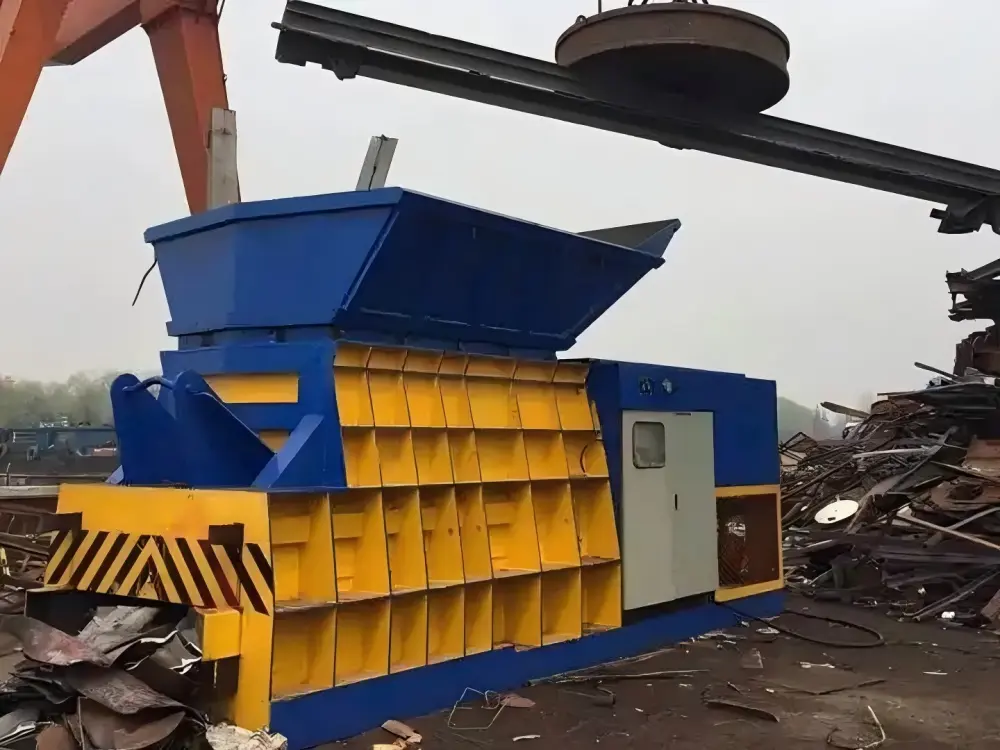
When analyzing the Container Shear Price, it is easy to focus solely on the purchase price. However, there are several hidden costs that every buyer must account for. Installation is the first major hidden cost. Depending on the size of the machine, you may need a concrete foundation, specialized electrical wiring, and heavy-duty lifting equipment to get the shear into position. Always get a detailed installation quote from the manufacturer or a certified local contractor before finalizing your purchase.
Maintenance and spare parts are ongoing costs that are often overlooked. A high-quality container shear will require regular hydraulic oil changes, filter replacements, and blade sharpening. Some manufacturers offer service contracts that include these items, which can help you budget more effectively. When comparing models, ask for a list of recommended spare parts and their typical replacement intervals. A machine that is easy to maintain with readily available parts will have a lower total cost of ownership than one that requires proprietary, hard-to-find components.
Training is another essential, yet often forgotten, cost. Operating a container shear requires specialized knowledge to ensure safety and efficiency. If your team is not properly trained, you risk damaging the machine or causing accidents. Factor in the cost of professional training sessions, either provided by the manufacturer or an external consultant. Investing in your team’s skills is one of the best ways to maximize the return on your investment.
Finally, consider the cost of downtime. If your machine breaks down and you don’t have a backup or a quick repair plan, you lose money every hour the machine is idle. When evaluating different models, look at the manufacturer’s reputation for customer support and their response time for technical issues. A slightly more expensive machine from a manufacturer with excellent local support is often a better value than a cheaper machine with no support network.
ROI Calculation: Justifying the Investment
Calculating the Return on Investment (ROI) for a container shear involves looking at the increase in processing speed, the reduction in labor costs, and the improvement in scrap value. By processing scrap metal into uniform, high-density pieces, you can command higher prices from steel mills and foundries. The ability to shear material to specific dimensions allows you to tap into premium markets that require high-quality, clean scrap.
To calculate your ROI, start by estimating your current processing costs per ton. Include labor, fuel, maintenance, and the time spent manually cutting or sorting material. Then, estimate the cost per ton with the new container shear. The difference, multiplied by your annual tonnage, will give you your annual savings. Don’t forget to factor in the potential increase in revenue from selling higher-grade, sheared scrap.
Consider the time savings as well. A container shear can process in hours what might take days with manual labor. This increased throughput allows you to handle more volume, potentially opening up new business opportunities or allowing you to scale your operations without hiring additional staff. When you present your ROI analysis to stakeholders, be sure to include these qualitative benefits alongside the hard financial data.
Finally, consider the tax implications. In many jurisdictions, industrial machinery is eligible for accelerated depreciation or investment tax credits. Consult with your accountant to understand how these tax benefits can improve your ROI and reduce the net cost of the machine. By taking a holistic view of the financial impact, you can make a compelling case for the investment and ensure that your business remains competitive in the demanding metal recycling industry.
Buying Advice: How to Compare Models Effectively
When you are ready to buy, the first step is to define your specific requirements. What types of metal will you be processing? What is your daily volume? What are the space constraints of your facility? Having clear answers to these questions will help you filter out models that don’t meet your needs and focus on those that do. Use a comparison spreadsheet to track the specs, price, and features of each model you are considering.
Request demonstrations or site visits. Seeing a container shear in action is the best way to evaluate its build quality, speed, and ease of operation. If possible, talk to other business owners who are using the same model. Their real-world experience is invaluable and can reveal potential issues that aren’t apparent in a brochure. Ask them about the machine’s reliability, the quality of the cuts, and the level of support they receive from the manufacturer.
Check the warranty and service terms carefully. A comprehensive warranty is a sign of a manufacturer’s confidence in their product. Pay attention to what is covered and for how long. Also, ask about the availability of remote diagnostics. Many modern machines can be connected to the internet, allowing the manufacturer’s engineers to troubleshoot issues remotely, which can save you significant time and money.
Finally, trust your gut but verify with data. If a deal seems too good to be true, it probably is. A container shear is a heavy-duty piece of industrial equipment; quality matters. Choose a reputable manufacturer like HARSLE that has a proven track record in the industry. By following these steps, you can confidently navigate the Container Shear Price Guide: What Affects Cost and How to Compare Models and make an investment that will serve your business for years to come.
FAQ: Domande frequenti
- What is the average lifespan of a container shear? With proper maintenance, a high-quality container shear can last 15 to 20 years or more.
- Can I process non-ferrous metals with a container shear? Yes, most container shears can handle non-ferrous metals, but you should check the machine’s specifications to ensure it is suitable for the specific material density.
- How often do the blades need to be sharpened? This depends on the volume and type of material processed. Generally, blades should be inspected weekly and sharpened or replaced based on the wear indicators.
- Is it better to buy a new or used container shear? A new machine offers the latest technology, a full warranty, and no hidden wear-and-tear issues. A used machine can be cheaper, but it carries a higher risk of mechanical failure and may lack modern safety features.
- What kind of foundation is required? Most container shears require a reinforced concrete pad of a specific thickness and strength. Always consult the manufacturer’s foundation drawings before beginning site preparation.