Blade Wear Problems In Four-Shaft Shredders And How To Diagnose Them: A Comprehensive Maintenance Guide


Introduction to Four-Shaft Shredder Performance
In the demanding world of industrial waste management and metal fabrication, the four-shaft shredder stands as a powerhouse of efficiency. Designed to handle complex, high-volume materials, these machines rely on a sophisticated arrangement of interlocking blades to achieve precise particle sizing. However, the very nature of this high-torque operation subjects the cutting components to extreme mechanical stress. Understanding Blade Wear Problems In Four-Shaft Shredders And How To Diagnose Them is not merely a maintenance task; it is a critical operational necessity for any facility manager aiming to maximize uptime and equipment longevity.
As HARSLE continues to lead in providing robust metal fabrication equipment, we recognize that the shredder’s performance is intrinsically linked to the integrity of its cutting chamber. When blades begin to degrade, the entire system suffers—energy consumption spikes, throughput drops, and the risk of catastrophic mechanical failure increases. This guide explores the technical nuances of blade degradation, providing a roadmap for operators to identify, diagnose, and mitigate these issues before they escalate into costly downtime.
Key Considerations for Shredder Blade Integrity
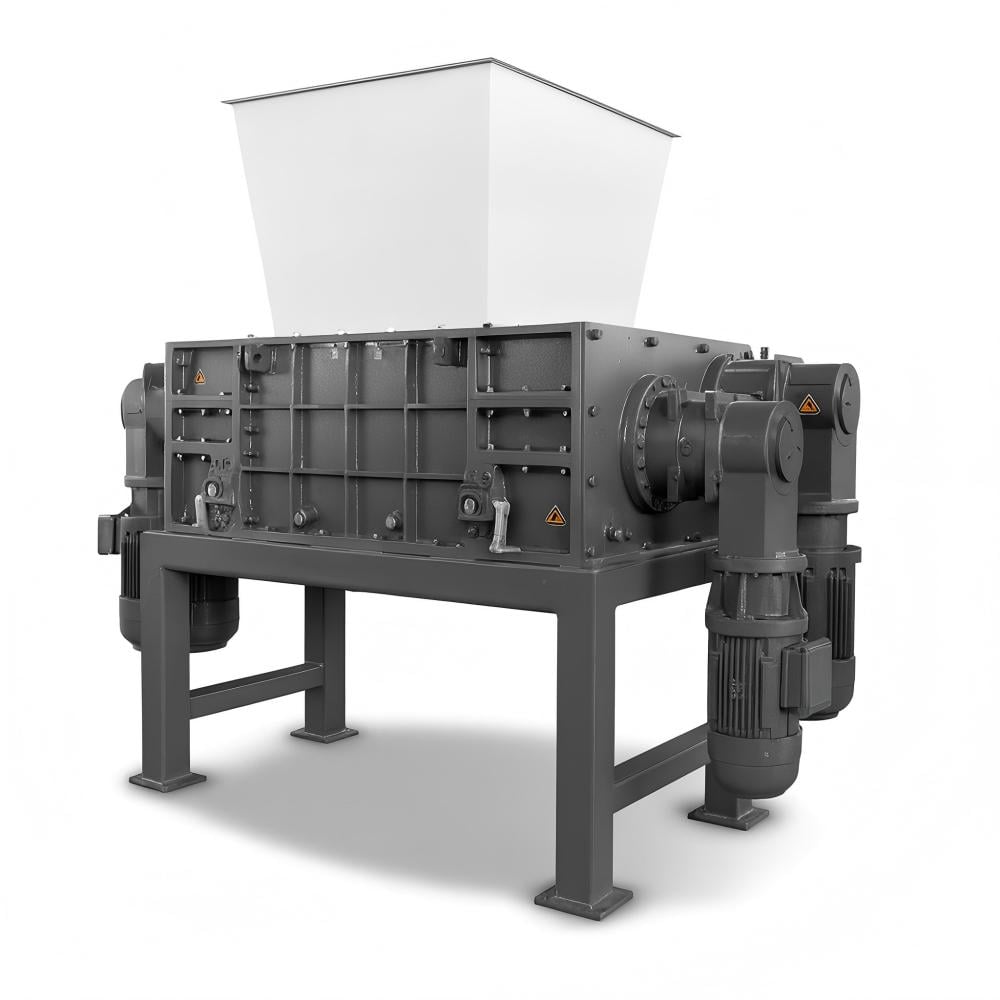
The primary challenge in maintaining a four-shaft shredder lies in the diversity of materials processed. Whether dealing with e-waste, scrap metal, or industrial plastics, the abrasive nature of these materials inevitably leads to wear. The first key consideration is the material composition of the blades themselves. High-alloy steels are standard, but even the most resilient materials succumb to fatigue when exposed to contaminants like hardened steel bolts or non-shreddable debris hidden within the feed stream.
Another critical factor is the operating environment. Dust, moisture, and chemical residues can accelerate corrosion, which acts in tandem with mechanical abrasion to weaken the blade edges. Operators must monitor the shredder’s internal temperature and vibration levels, as these are often the first indicators that the cutting geometry has been compromised. A well-maintained machine should operate with a consistent, rhythmic hum; any deviation into high-pitched screeching or irregular thumping is a red flag that requires immediate investigation.
Furthermore, the synchronization of the four shafts is paramount. If one shaft experiences slightly more wear than the others, it creates an imbalance in the cutting force distribution. This imbalance puts undue stress on the gearboxes and drive motors. Regular inspection schedules should be integrated into the facility’s preventative maintenance program, ensuring that wear patterns are documented and addressed before they lead to uneven shredding results or motor overload.
Finally, consider the impact of throughput speed. Pushing a shredder beyond its rated capacity to meet production quotas is a leading cause of premature blade wear. When the shredder is overfed, the blades are forced to work against excessive material density, leading to heat buildup that softens the metal and accelerates dulling. Balancing production speed with the machine’s mechanical limits is essential for extending the life of your cutting components.
Technical Details: Diagnosing Blade Wear Problems In Four-Shaft Shredders
To effectively Diagnose Blade Wear Problems In Four-Shaft Shredders, one must look beyond the surface. The most common symptom is a noticeable decline in output quality. If the shredded material size becomes inconsistent or if the machine struggles to pull material into the cutting chamber, the blades have likely lost their sharpness. A dull blade does not cut; it tears and crushes, which requires significantly more torque and energy, leading to increased electricity costs and potential damage to the drive train.
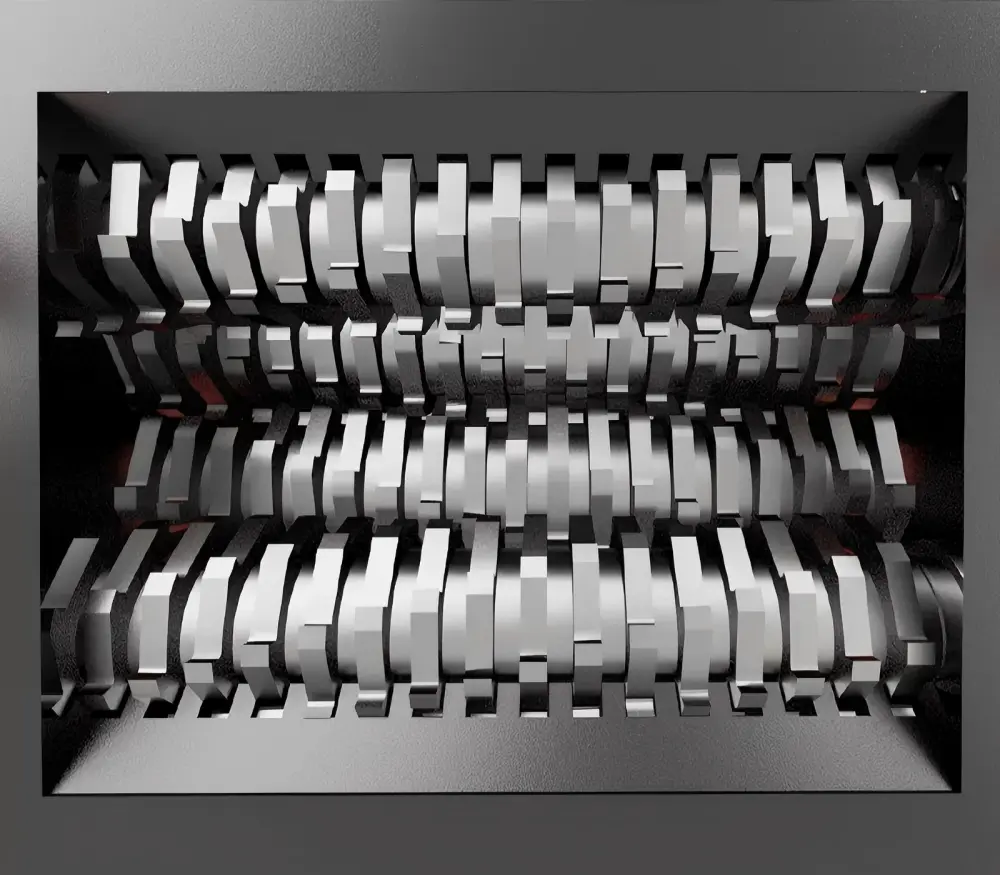
Visual inspection is the most direct diagnostic method. During a scheduled shutdown, operators should inspect the blade profiles for rounding of the cutting edges. A sharp blade has a distinct, crisp edge; a worn blade will appear rounded or chipped. Additionally, look for “gaps” in the interlocking pattern. If the clearance between the blades on adjacent shafts has increased beyond the manufacturer’s specifications, the shredder will fail to effectively shear material, allowing it to pass through the chamber uncut.
Vibration analysis serves as a high-tech diagnostic tool. By installing vibration sensors on the bearing housings, maintenance teams can detect micro-vibrations caused by chipped or broken blade teeth. These vibrations often occur at specific frequencies related to the shaft rotation speed. When these frequencies deviate from the baseline established during commissioning, it is a clear indicator that the cutting geometry is compromised.
Another technical indicator is the motor current draw. A four-shaft shredder operating with sharp blades will maintain a relatively stable amperage draw under a consistent load. As blades dull, the motor must work harder to force the material through the cutting chamber, resulting in a measurable increase in current. Monitoring this data via the machine’s PLC (Programmable Logic Controller) allows for predictive maintenance, where blades are replaced based on performance data rather than arbitrary time intervals.
Diagnostic Checklist for Maintenance Teams
- Output Analysis: Check if the shredded material size exceeds the screen aperture size.
- Amperage Monitoring: Compare current load against historical baseline data.
- Visual Inspection: Check for rounded edges, missing teeth, or excessive gap spacing.
- Noise Assessment: Listen for irregular grinding or metallic clanking during operation.
- Temperature Check: Monitor gearbox and motor temperatures for signs of overwork.
Selection Advice for Replacement Blades
When the time comes to replace your shredder blades, the selection process is just as important as the diagnosis. Not all blades are created equal, and choosing the wrong material or geometry can lead to even faster wear. For heavy-duty metal fabrication applications, HARSLE recommends blades manufactured from high-chromium or high-molybdenum alloy steels, which offer the best balance between hardness and toughness.
Consider the blade geometry carefully. The number of hooks or teeth on the blade dictates the shredding style. A blade with more hooks is generally better for fine shredding and high-volume throughput, while a blade with fewer, larger hooks is better suited for heavy-duty, bulky materials. Matching the blade configuration to your specific waste stream is the most effective way to prevent premature wear and ensure optimal machine performance.
It is also vital to source blades from reputable manufacturers who provide precise heat-treatment specifications. The heat-treatment process determines the depth of the hardened layer on the blade. If the hardening is too shallow, the blade will dull quickly; if it is too deep, the blade may become brittle and prone to cracking under impact. Always request material certifications and hardness test reports when purchasing replacement components.
Finally, consider the cost-benefit ratio of hard-facing. In some extreme applications, applying a layer of wear-resistant material to the blade surface can significantly extend its lifespan. While this increases the initial cost of the blades, the reduction in downtime and replacement frequency often results in a lower total cost of ownership. Discuss these options with your HARSLE representative to determine the best strategy for your specific operational needs.
FAQ: Common Questions Regarding Shredder Maintenance
How often should I inspect the blades on my four-shaft shredder?
For high-volume operations, we recommend a visual inspection every 100 to 200 operating hours. For lighter applications, a monthly inspection is usually sufficient. Always follow the specific maintenance schedule outlined in your HARSLE machine manual.
Can I sharpen my own shredder blades?
While some facilities have the equipment to regrind blades, it is a highly specialized task. If the profile is not ground perfectly to the original specification, the interlocking mechanism will fail, leading to severe damage. We recommend professional regrinding or replacement.
Why does my shredder jam frequently?
Frequent jamming is often a sign of dull blades or incorrect clearance. When blades are dull, they cannot “grab” the material effectively, causing it to build up in the chamber. Check your blade edges and the gap between shafts immediately.
Does the material type affect blade wear?
Absolutely. Processing abrasive materials like glass, concrete, or certain high-tensile metals will wear blades significantly faster than processing plastics or wood. Adjust your maintenance intervals accordingly based on the material you are shredding.
Conclusione
Mastering the diagnosis of Blade Wear Problems In Four-Shaft Shredders is a hallmark of a well-run industrial facility. By staying vigilant, monitoring performance data, and adhering to a strict maintenance schedule, you can ensure that your HARSLE equipment continues to deliver the high-performance results your business depends on. Remember, the goal is to shift from reactive repairs to proactive management, turning your shredder into a reliable asset rather than a maintenance burden. For further assistance with parts, maintenance protocols, or equipment upgrades, our team is always ready to support your metal fabrication needs.