Aluminium Extrusion Press Control System Faults: Common Errors and Remedies


Introduction to Aluminium Extrusion Press Control Systems
In the high-stakes world of metal fabrication, the aluminium extrusion press serves as the backbone of production. At the heart of this massive hydraulic machinery lies the control system—a sophisticated network of PLCs, sensors, and human-machine interfaces (HMI) that dictate the precision, speed, and safety of the extrusion process. When these systems encounter faults, the entire production line can grind to a halt, leading to significant financial losses and missed deadlines.
Understanding Aluminium Extrusion Press Control System Faults: Common Errors Remedies is essential for plant managers and maintenance engineers alike. As HARSLE continues to innovate in the field of metal fabrication equipment, we recognize that even the most robust systems require diligent monitoring. This guide aims to demystify the complex electronic and logic-based errors that plague modern extrusion presses, providing actionable insights to keep your operations running smoothly.
The complexity of modern extrusion presses has increased significantly with the integration of Industry 4.0 standards. While these advancements offer improved efficiency and data tracking, they also introduce new failure points. From signal interference in communication cables to logic errors in the PLC software, the range of potential issues is vast. By mastering the diagnostic process, your team can reduce mean time to repair (MTTR) and extend the lifespan of your heavy-duty machinery.
This article will explore the technical nuances of control system architecture, common failure modes, and the systematic approach required to rectify them. Whether you are dealing with intermittent sensor failures or catastrophic communication losses, the following sections provide a comprehensive roadmap for troubleshooting and maintaining your HARSLE extrusion press investment.
Key Considerations for Control System Integrity
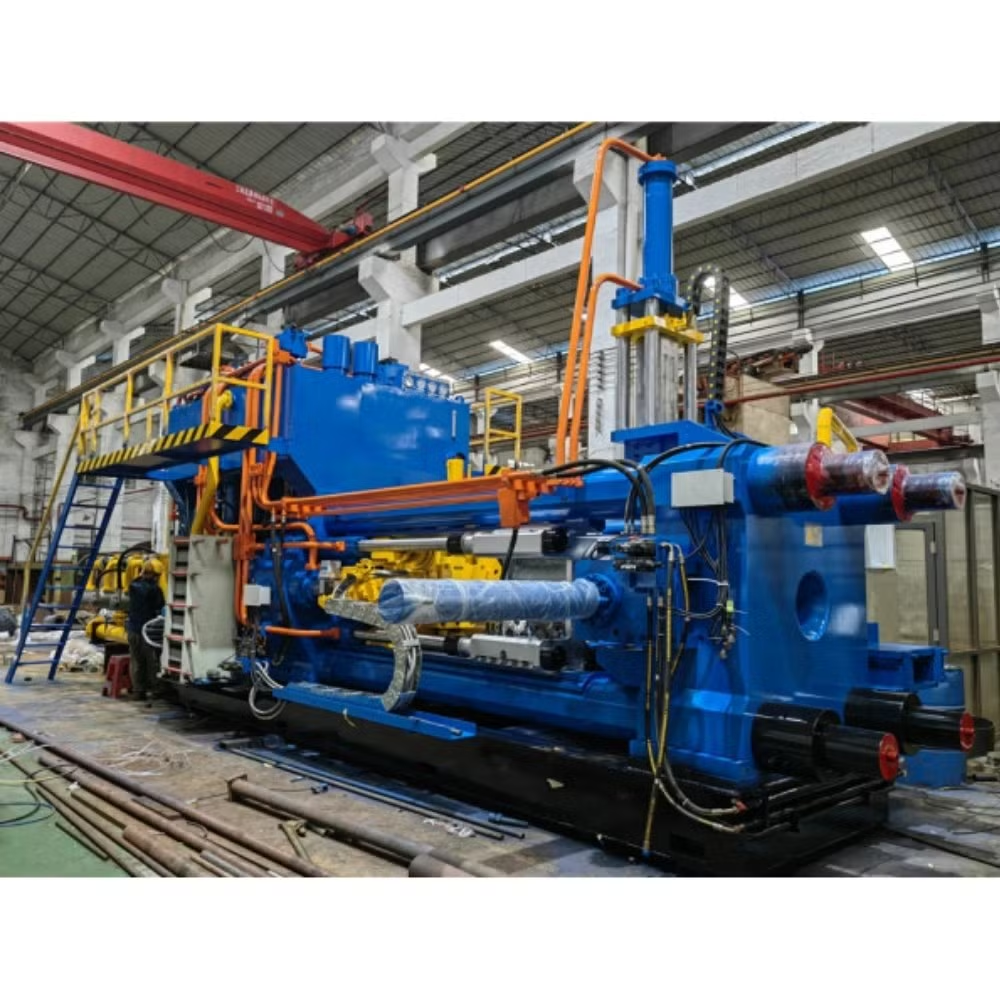
Maintaining the integrity of an aluminium extrusion press control system begins with environmental control. Extrusion facilities are inherently harsh environments, characterized by high temperatures, metallic dust, and intense electromagnetic interference (EMI) from large hydraulic pumps and motors. If the control cabinet is not properly sealed or cooled, electronic components will inevitably degrade, leading to ghost signals and logic errors.
Another critical consideration is the quality of the electrical supply. Voltage spikes, sags, and harmonic distortions can wreak havoc on sensitive PLC inputs. Implementing high-quality surge protection and dedicated power conditioning for the control system is not an optional upgrade; it is a fundamental requirement for long-term reliability. HARSLE recommends periodic audits of the electrical grounding system to ensure that stray currents do not interfere with low-voltage signal loops.
Software version control and backup management are often overlooked until a disaster occurs. Every time a parameter is adjusted or a logic sequence is optimized, a backup of the PLC program and HMI configuration should be stored in a secure, off-site location. Without these backups, a corrupted memory module or a failed CPU can result in weeks of downtime while the original code is reconstructed or re-imported from the manufacturer.
Finally, operator training plays a pivotal role in system longevity. Many control system faults are actually ‘operator-induced errors’ caused by incorrect sequence inputs or forced overrides. By ensuring that your team understands the logic behind the machine’s safety interlocks and operational limits, you can prevent many of the common errors that lead to system lockouts and emergency stops.
Technical Details: Identifying Common Errors
When diagnosing Aluminium Extrusion Press Control System Faults: Common Errors Remedies, it is helpful to categorize issues into three main domains: Input/Output (I/O) failures, Communication errors, and Logic/Software faults. I/O failures are the most frequent, often manifesting as a sensor that fails to report the position of the dummy block or the billet loader. These are typically caused by physical damage to cables or the accumulation of debris on inductive proximity switches.
Communication errors, such as ‘Bus Faults’ or ‘Node Offline’ messages, usually point toward issues in the fieldbus network (e.g., Profibus, EtherCAT, or PROFINET). These are often caused by loose connectors, damaged shielding on communication cables, or interference from high-voltage motor cables running in the same conduit. Troubleshooting these requires an oscilloscope or a specialized network diagnostic tool to identify signal degradation or packet loss.
Logic and software faults are more insidious. These often appear as ‘Sequence Timeouts’ where the machine waits for a signal that never arrives, or ‘Illegal State’ errors where the PLC detects a conflict in the machine’s state machine. These faults require a deep dive into the PLC code using the manufacturer’s programming software. By monitoring the live status of the program, engineers can see exactly which rung of the ladder logic is preventing the next step in the extrusion cycle.
Hydraulic-to-Electronic interface issues represent a unique category. Since the control system must manage proportional valves and pressure transducers, any drift in these analog components can cause the control system to throw an error. For example, if a pressure transducer reports a value outside of the expected range during the extrusion stroke, the PLC will trigger a safety stop to prevent damage to the press or the die. Regular calibration of these analog devices is essential to prevent these false-positive faults.
Selection Advice for Reliable Control Systems
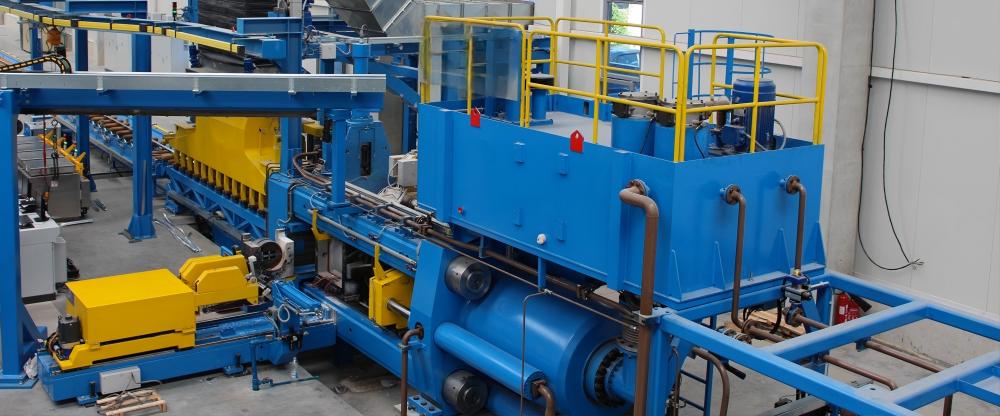
When investing in new metal fabrication equipment, the control system architecture should be a primary selection criterion. Opt for systems that utilize modular, industry-standard hardware. Proprietary, ‘black-box’ control systems may offer initial cost savings, but they often leave the end-user dependent on the manufacturer for even the simplest repairs. A system built on widely supported platforms like Siemens, Allen-Bradley, or Beckhoff ensures that spare parts are readily available and that local technicians can be easily trained.
Consider the diagnostic capabilities of the HMI. A high-quality control system should provide detailed, plain-language error messages rather than obscure error codes. Features like integrated data logging, remote diagnostic ports, and visual troubleshooting guides embedded directly into the HMI can reduce downtime by allowing maintenance staff to identify the root cause of a fault in seconds rather than hours.
Scalability is another factor. As your production needs grow, you may want to integrate automated billet handling, log heaters, or downstream cooling tables. Ensure that the control system has sufficient I/O capacity and processing power to handle future expansions without requiring a complete overhaul of the control architecture. A well-designed system today will save you significant capital expenditure tomorrow.
Finally, evaluate the manufacturer’s support network. HARSLE prides itself on providing comprehensive technical documentation and remote support services. When selecting a press, ask about the availability of remote VPN access for troubleshooting. This allows manufacturer engineers to log into your system, diagnose the fault, and often resolve software-related issues without the need for an on-site visit, drastically reducing your operational downtime.
Troubleshooting Checklist for Maintenance Teams
- Check Power Supply: Verify that all control voltages (24VDC, 110VAC) are stable and within tolerance.
- Inspect Physical Connections: Tighten all terminal blocks and inspect communication cables for signs of wear or crushing.
- Clean Sensors: Remove metallic dust and oil from proximity switches and optical sensors.
- Review HMI Logs: Analyze the error history to identify recurring patterns or specific times of failure.
- Verify Hydraulic Feedback: Ensure that pressure transducers and position encoders are calibrated and providing accurate data.
- Check Safety Interlocks: Confirm that all light curtains, emergency stops, and gate switches are functioning correctly and are not bypassed.
- Update Software Backups: Ensure the current PLC program is saved and documented.
FAQ: Aluminium Extrusion Press Control System Faults
What is the most common cause of extrusion press control system failure?
The most common cause is environmental contamination (dust/heat) affecting electronic components, followed closely by cable damage and loose electrical connections due to machine vibration.
How can I prevent communication errors in my PLC network?
Ensure that all communication cables are shielded and properly grounded. Keep data cables physically separated from high-voltage power lines to prevent electromagnetic interference.
Why does my press stop mid-cycle with a ‘Timeout’ error?
A timeout error usually means the PLC is waiting for a sensor signal that hasn’t arrived within the programmed time limit. Check the specific sensor associated with that step of the sequence for physical damage or misalignment.
Should I attempt to modify the PLC logic myself?
Only if you have the original source code, the necessary software licenses, and proper training. Unauthorized changes can bypass safety interlocks and lead to catastrophic machine failure or injury.
How often should I calibrate my pressure transducers?
For high-precision extrusion, calibration should be performed at least every six months, or whenever the machine exhibits inconsistent pressure readings during the extrusion cycle.
Conclusione
Managing Aluminium Extrusion Press Control System Faults: Common Errors Remedies is a continuous process of vigilance and technical precision. By understanding the interplay between the mechanical hydraulic components and the electronic control logic, your team can transform from reactive repairers to proactive maintenance experts. The reliability of your HARSLE press is not just a matter of hardware quality, but a result of the care and systematic troubleshooting applied to its control system.
Remember that the goal of any maintenance strategy is to minimize the unexpected. By investing in high-quality components, maintaining a clean operating environment, and keeping your staff trained on the latest diagnostic tools, you ensure that your aluminium extrusion press remains a profitable asset for years to come. When in doubt, rely on the technical documentation provided by the manufacturer and do not hesitate to reach out for professional support when complex logic errors arise.
As the industry moves toward greater automation and data-driven manufacturing, the control system will only become more critical. Embrace the technology, keep your systems updated, and prioritize the health of your control architecture to stay ahead of the competition in the metal fabrication sector.