Vertical Baler Price Trends In 2026: Market Overview For Industrial Buyers

Price Range Overview: Navigating the 2026 Market
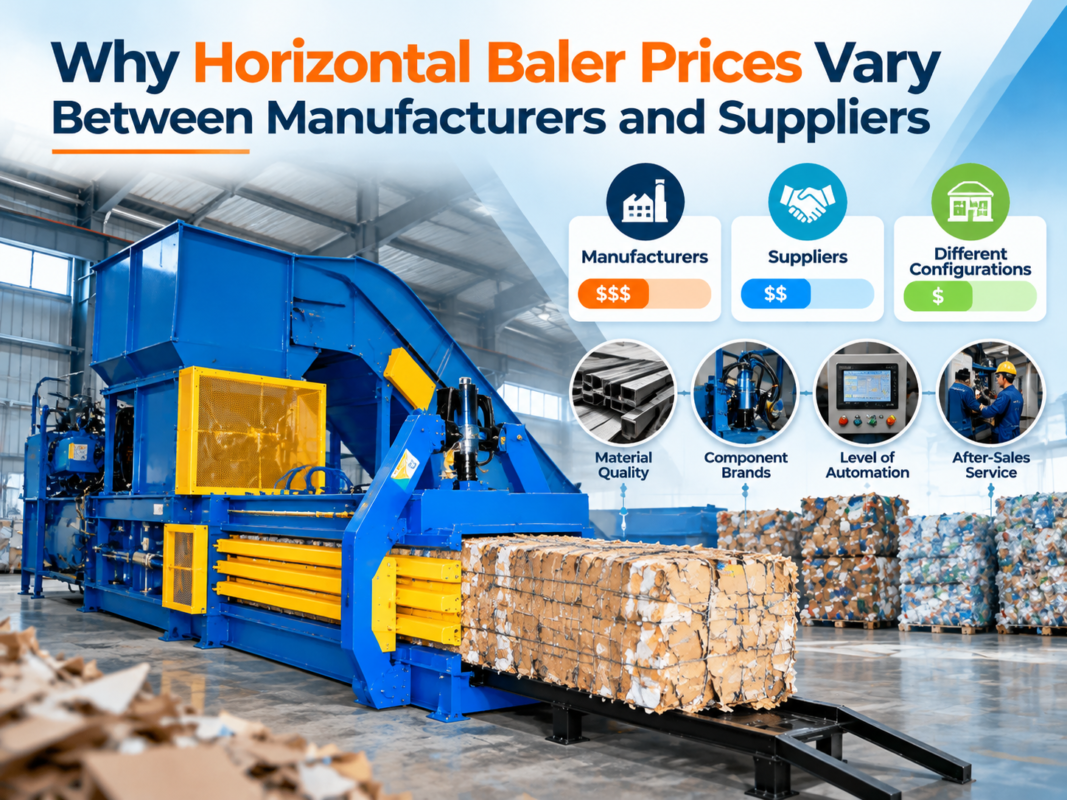
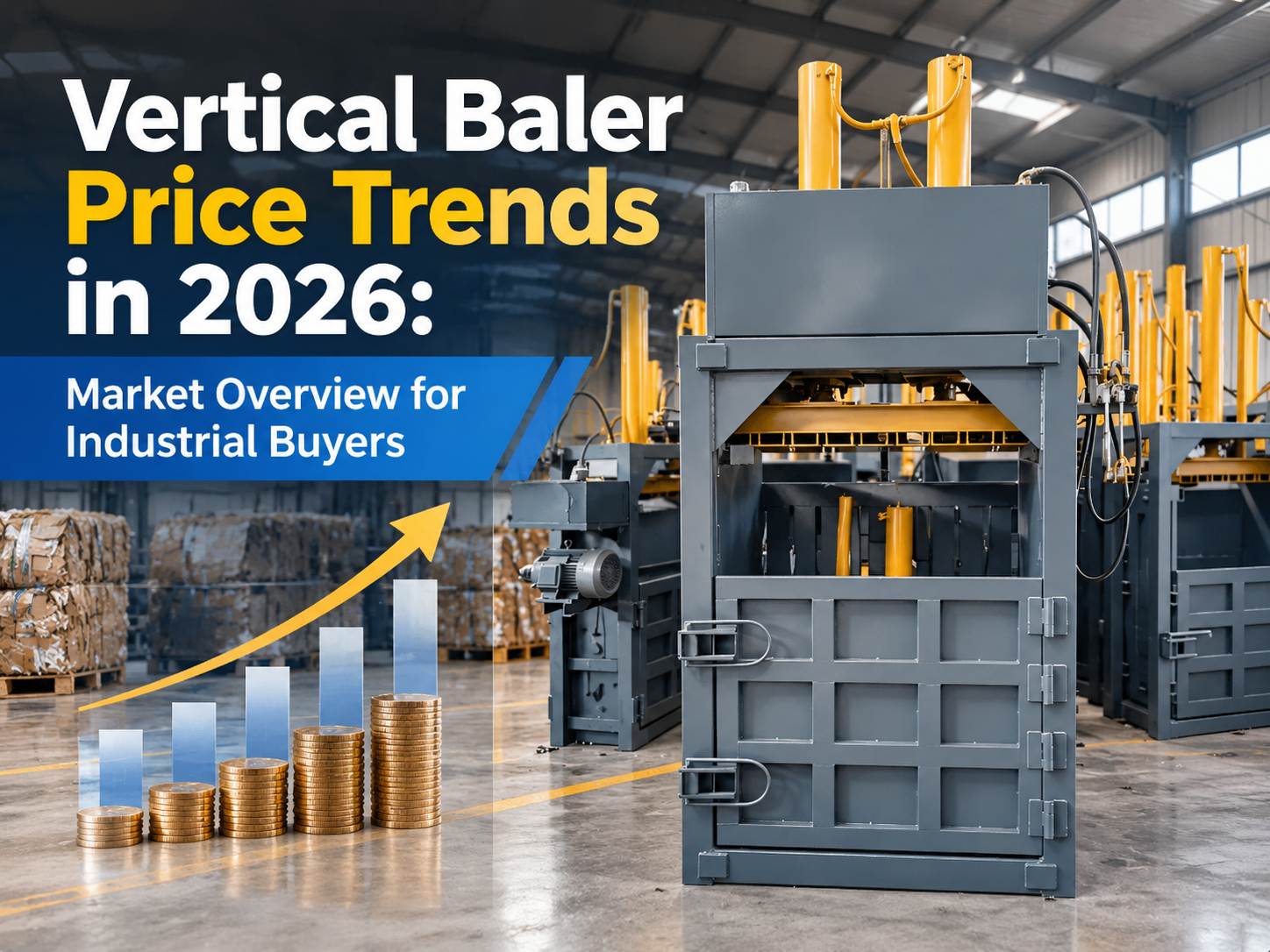
As we move deeper into 2026, the industrial landscape for waste management and material compaction has shifted significantly. For facility managers and procurement officers, understanding Vertical Baler Price Trends In 2026: Market Overview Industrial Buyers is essential for budget planning. Generally, entry-level vertical balers designed for light cardboard and plastic applications currently range from $4,500 to $8,000. These units are typically manual-tie systems suitable for retail environments or small-scale fabrication shops.
Mid-range industrial vertical balers, which represent the bulk of the market for medium-sized manufacturing facilities, are priced between $9,000 and $18,000. These machines often feature semi-automatic tie systems, higher compaction forces, and reinforced structural steel frames designed for continuous duty cycles. They are the workhorses of the industry, balancing cost-efficiency with high-volume throughput requirements.
High-capacity, heavy-duty vertical balers, often used for scrap metal, dense plastics, or high-volume cardboard, command prices ranging from $20,000 to over $45,000. These units incorporate advanced hydraulic systems, automated bale ejection, and sophisticated PLC controls. In 2026, we are seeing a premium on machines that offer IoT connectivity for remote monitoring and predictive maintenance, which adds a 10-15% margin over standard high-end models.
Market volatility in raw steel prices and electronic components has stabilized compared to previous years, but logistics and energy-efficient motor requirements have created a new baseline for pricing. Buyers should expect a 3-5% annual increase in MSRP for premium brands as manufacturers integrate more safety-compliant features and energy-saving hydraulic pumps to meet global sustainability standards.
Principaux facteurs de coût : pourquoi les prix varient
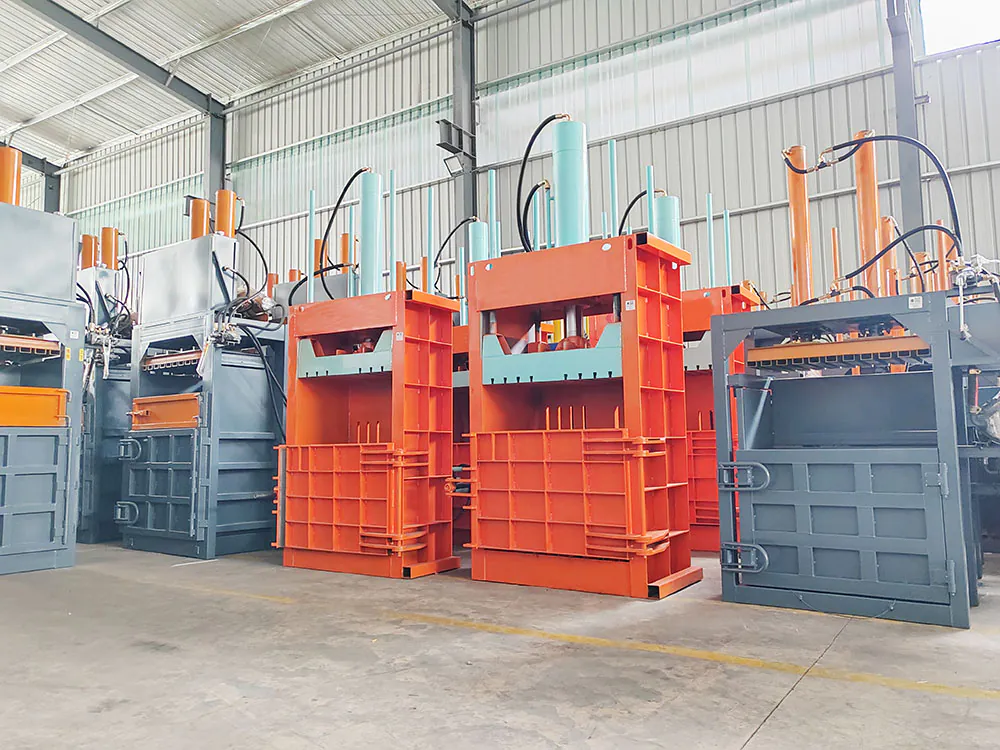
The primary driver of vertical baler pricing is the compaction force, measured in tons. A machine capable of exerting 50 tons of pressure requires significantly more robust steel plating, larger hydraulic cylinders, and a more powerful motor than a 10-ton unit. As the force requirement increases, the material thickness of the chamber walls must also increase to prevent deformation, which directly impacts the manufacturing cost.
Hydraulic system complexity is another major factor. In 2026, the shift toward variable frequency drives (VFDs) has become a standard for energy-conscious buyers. While VFD-equipped balers have a higher upfront cost, they significantly reduce electricity consumption and noise levels. Standard hydraulic systems are cheaper to manufacture but cost more to operate over the machine’s lifecycle, creating a trade-off that buyers must evaluate.
Automation levels dictate the labor cost associated with the machine. Manual-tie balers are the most affordable but require significant operator time to secure the bale. Semi-automatic systems, which use a feed-through wire mechanism, reduce the time per bale by 40-60%. Fully automatic vertical balers, while rare, represent the pinnacle of cost, integrating conveyor feed systems and automated bale tying that can cost double the price of a standard manual unit.
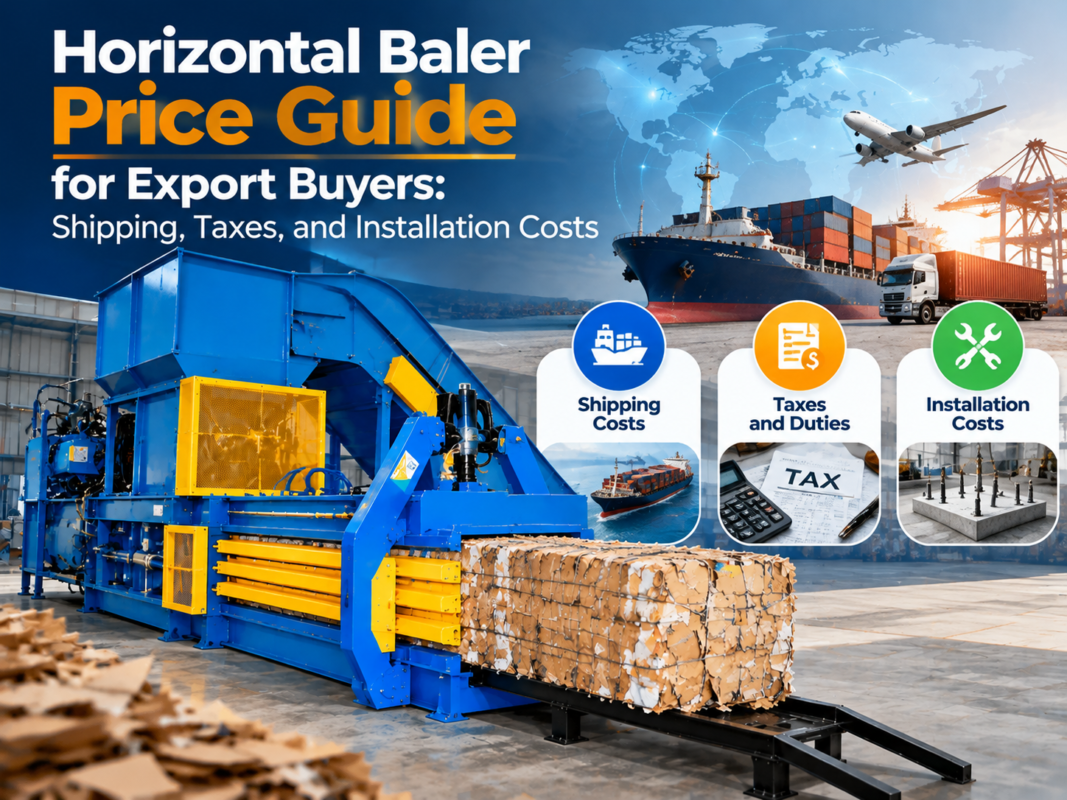
Geopolitical supply chain factors and shipping costs continue to influence regional pricing. For HARSLE customers, the proximity to manufacturing hubs and the availability of local service networks play a role in the total landed cost. Buyers should always request a quote that includes freight and installation, as these can add 5-10% to the total investment depending on the facility’s location and the machine’s weight.
Configuration Impact: Customization and Features
Customization is a double-edged sword in the 2026 market. While standard “off-the-shelf” models are the most cost-effective, many industrial applications require specific modifications. For instance, a baler intended for metal scrap requires a reinforced floor and specialized shear blades to handle the density of the material. These modifications can add $2,000 to $5,000 to the base price of a standard cardboard baler.
Safety features are non-negotiable but vary in sophistication. Basic interlock switches are standard, but advanced light curtains, dual-hand controls, and emergency stop systems that meet the latest ISO safety standards are increasingly common. Investing in these features is not just a cost; it is a risk mitigation strategy that protects the company from liability and ensures compliance with local labor regulations.
The size of the feed opening is another configuration variable. A larger feed opening allows for the processing of bulky items without pre-processing or breaking down materials, which saves significant labor time. However, a larger opening requires a larger, more expensive frame to maintain structural integrity under pressure. Buyers must balance the convenience of a large opening against the increased capital expenditure.
Finally, the integration of data logging and IoT sensors is becoming a standard request. In 2026, industrial buyers are prioritizing machines that can report bale counts, cycle times, and hydraulic pressure health to a central dashboard. While this adds to the initial cost, the ability to optimize workflow and schedule maintenance before a breakdown occurs provides a clear competitive advantage.
Hidden Costs: Beyond the Sticker Price
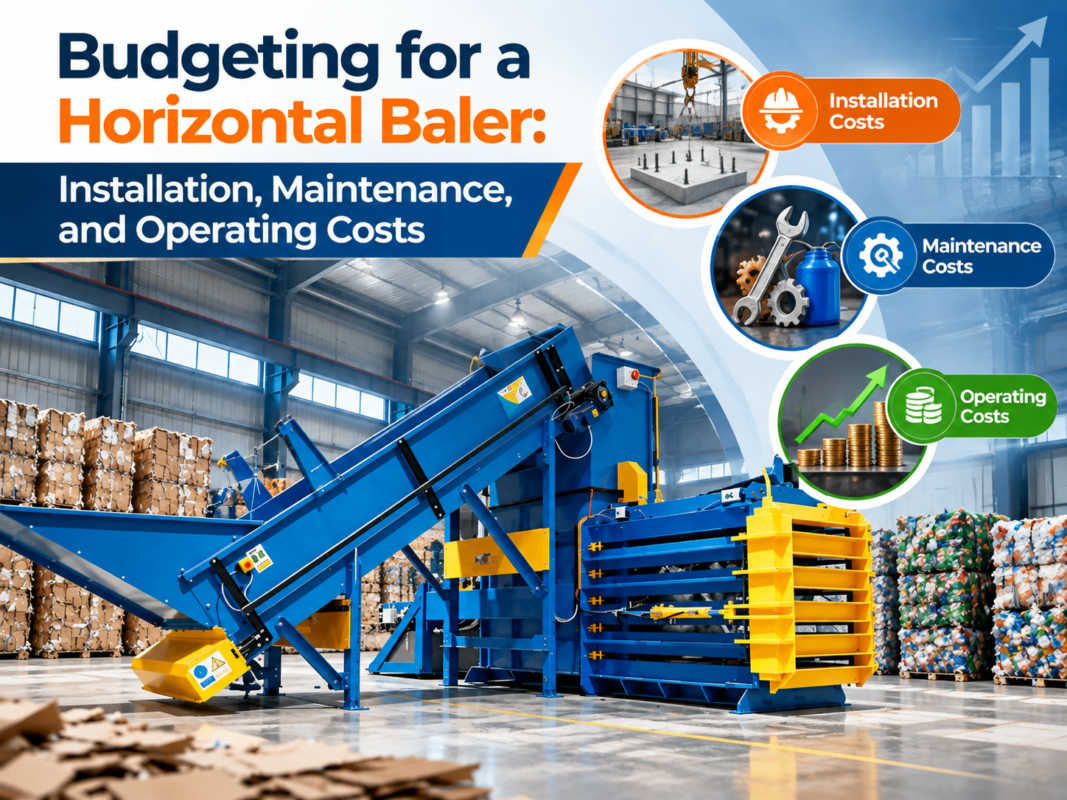
When analyzing Vertical Baler Price Trends In 2026: Market Overview Industrial Buyers, it is crucial to look past the invoice price. Installation is often the most overlooked cost. Depending on the site, you may need to pour a reinforced concrete pad, install a dedicated high-voltage electrical circuit, or modify the facility’s layout to accommodate the machine’s footprint and clearance requirements.
Maintenance and consumables are ongoing expenses that vary by machine quality. High-quality balers from reputable manufacturers like HARSLE use premium seals, hoses, and electrical components that last longer. Cheaper alternatives may have a lower purchase price but will incur higher costs in replacement parts and downtime over a three-year period. Always factor in the cost of baling wire or strapping, which is a recurring operational expense.
Training and safety certification costs should also be included in the budget. Even the most user-friendly machine requires operators to be trained on safe loading procedures and emergency protocols. If the manufacturer or a third-party provider charges for on-site training, this should be factored into the total cost of ownership (TCO) calculation.
Disposal or trade-in of the existing equipment is another factor. If you are replacing an old baler, consider the cost of decommissioning, rigging, and removal. Some suppliers offer trade-in programs that can offset the price of a new unit, but this is rarely a one-for-one swap. Planning for these logistics early in the procurement process prevents budget overruns.
ROI Calculation: Justifying the Investment
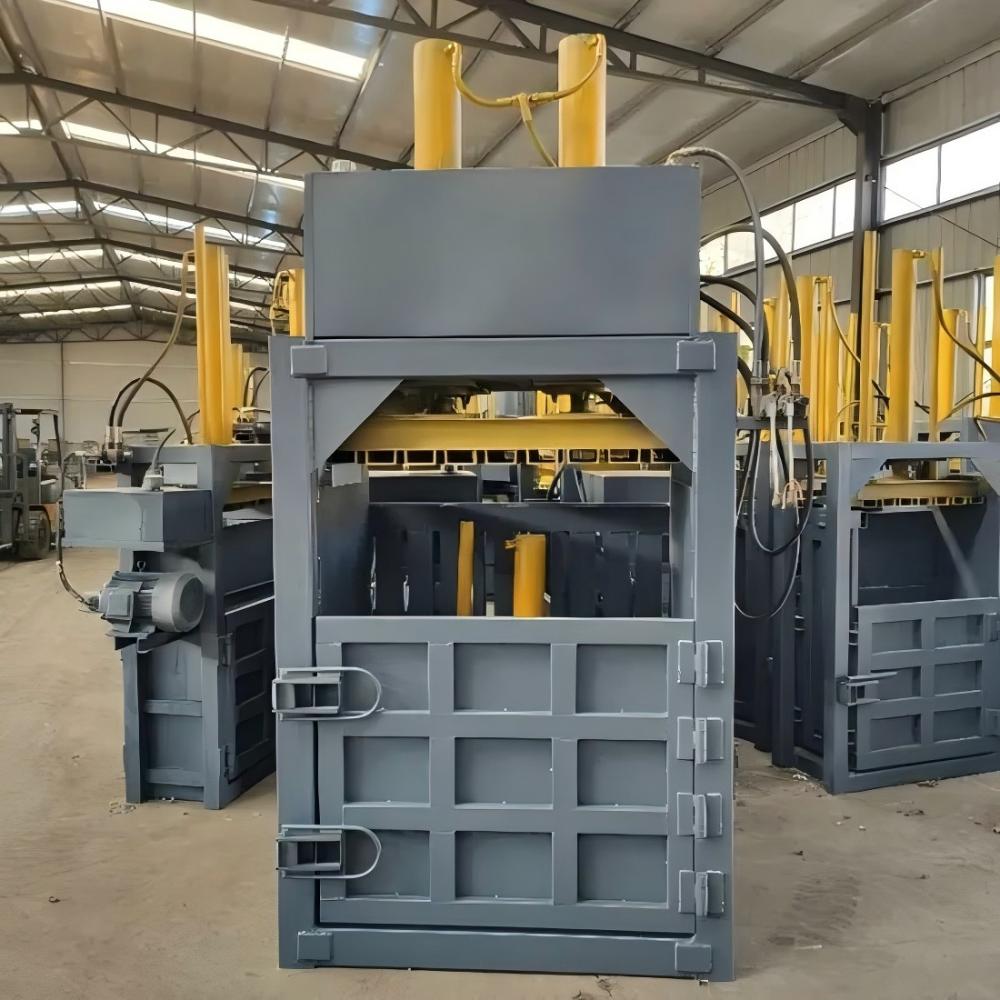
Calculating the Return on Investment (ROI) for a vertical baler involves comparing the cost of the machine against the savings generated by waste reduction and material revenue. The first metric is waste hauling fees. By compacting waste, you reduce the number of dumpster pickups required per month. If a facility currently pays for four pickups a month and a baler reduces that to one, the savings are immediate and substantial.
The second metric is the revenue from baled recyclables. Baled cardboard, plastic, and aluminum have a higher market value than loose waste. In many cases, recycling centers will pay for high-quality, dense bales, turning a waste management cost into a revenue stream. In 2026, as sustainability mandates tighten, the value of clean, baled material is expected to remain stable or increase.
Labor efficiency is the third pillar of ROI. A vertical baler reduces the time spent breaking down boxes or managing loose scrap. If an employee spends two hours a day managing waste, a baler that reduces that time to 30 minutes saves 1.5 hours of labor per day. At an average industrial wage, this adds up to thousands of dollars in annual savings, often paying for the machine within 18 to 24 months.
Finally, consider the floor space savings. Loose waste takes up valuable square footage that could be used for production or storage. By compacting waste into a small footprint, you optimize your facility’s layout, which has an indirect but significant impact on overall operational productivity. When presenting the ROI to management, emphasize these four factors to build a compelling business case.
Buying Advice: How to Choose in 2026
When selecting a vertical baler, start by conducting a waste audit. Determine the volume and type of material you are processing daily. A machine that is too small will be overworked, leading to premature failure, while a machine that is too large is a waste of capital. Consult with HARSLE experts to match your throughput requirements with the correct model specifications.
Always prioritize build quality over the lowest price. Look for heavy-duty structural steel, high-quality hydraulic components, and a reputable brand with a strong service network. A machine is only as good as the support behind it. Ensure that the manufacturer provides a comprehensive warranty and that spare parts are readily available for shipping.
Consider the ease of use and safety features. An intuitive control panel and clear safety signage reduce the learning curve for operators and minimize the risk of accidents. If your facility has high staff turnover, look for machines with simplified operation sequences and robust safety interlocks that prevent the machine from running if the door is not properly secured.
Finally, get multiple quotes but compare them based on the total value, not just the price. Look at the warranty terms, the inclusion of installation support, and the availability of preventative maintenance contracts. A slightly higher upfront cost for a machine with a better service package and higher energy efficiency will almost always result in a lower total cost of ownership over the life of the equipment.
FAQ: Common Questions for Industrial Buyers
- What is the expected lifespan of a vertical baler? With proper maintenance, a high-quality industrial vertical baler should last between 10 and 15 years.
- Can one baler handle multiple types of materials? Yes, but you must ensure the baler is rated for the density of the materials. For example, a baler designed for cardboard might not be suitable for heavy metal scrap.
- How often does a vertical baler need maintenance? Standard maintenance, including hydraulic fluid checks and structural inspections, should be performed quarterly. Heavy-duty usage may require monthly checks.
- Is it better to buy new or used? New machines offer warranties, the latest safety features, and energy efficiency. Used machines are cheaper but carry the risk of hidden mechanical issues and lack of manufacturer support.
- What electrical requirements should I prepare for? Most industrial vertical balers require a 3-phase power supply. Always check the specific voltage and amperage requirements of the model before installation.
- How do I know if I need a semi-automatic or manual baler? If you are producing more than 10 bales per week, the labor savings of a semi-automatic system usually justify the higher initial investment.