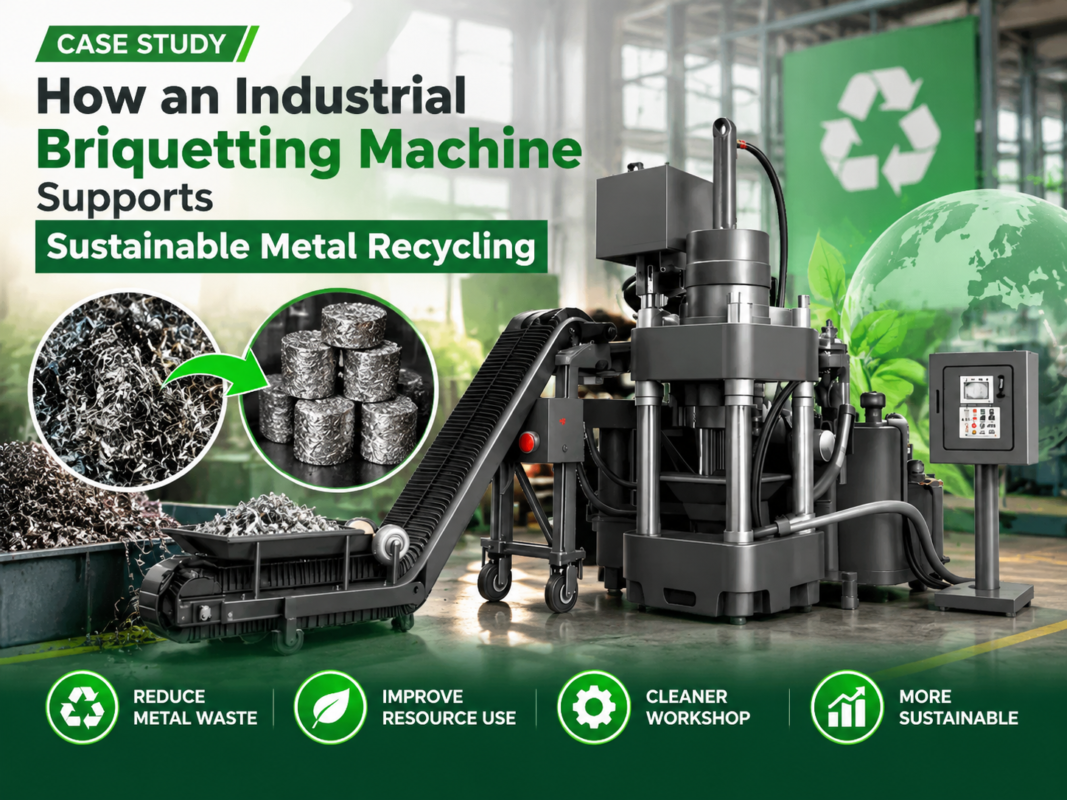
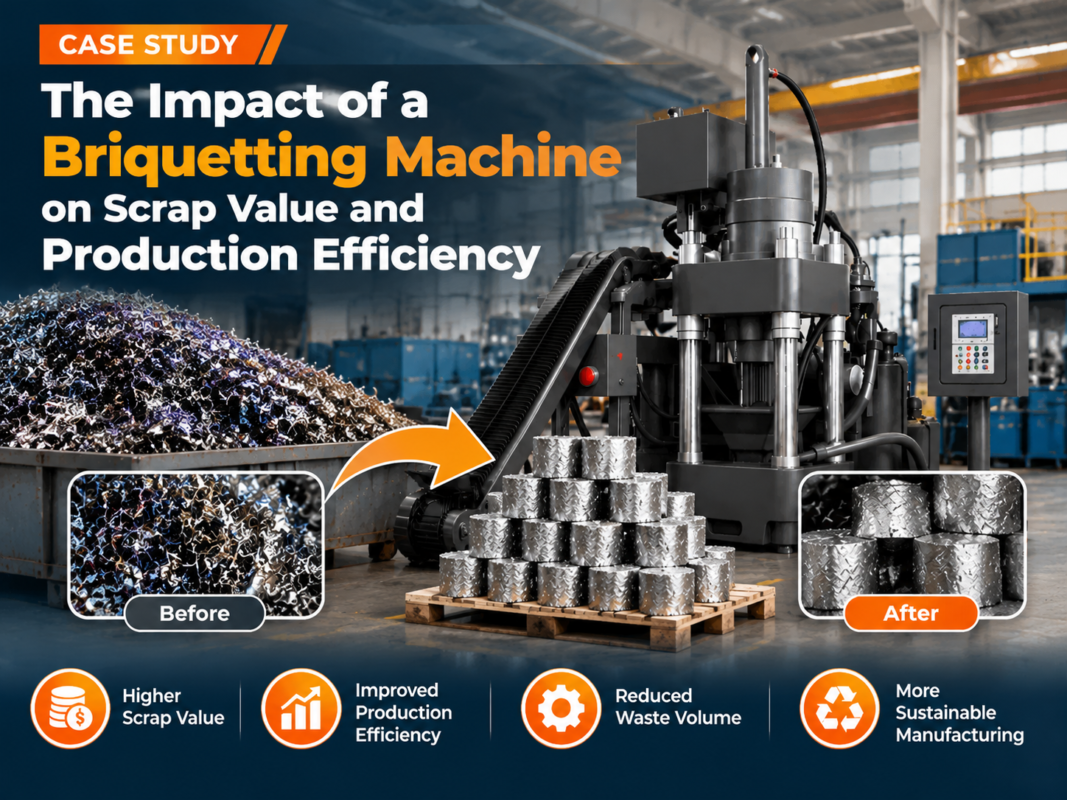
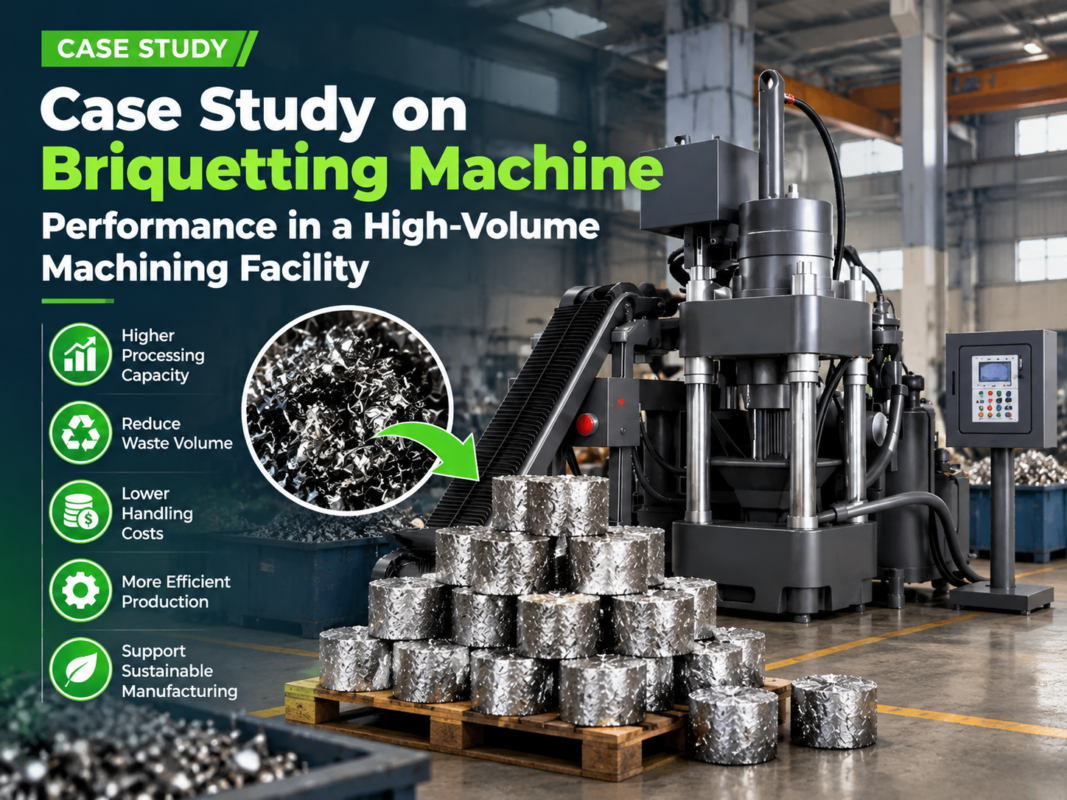
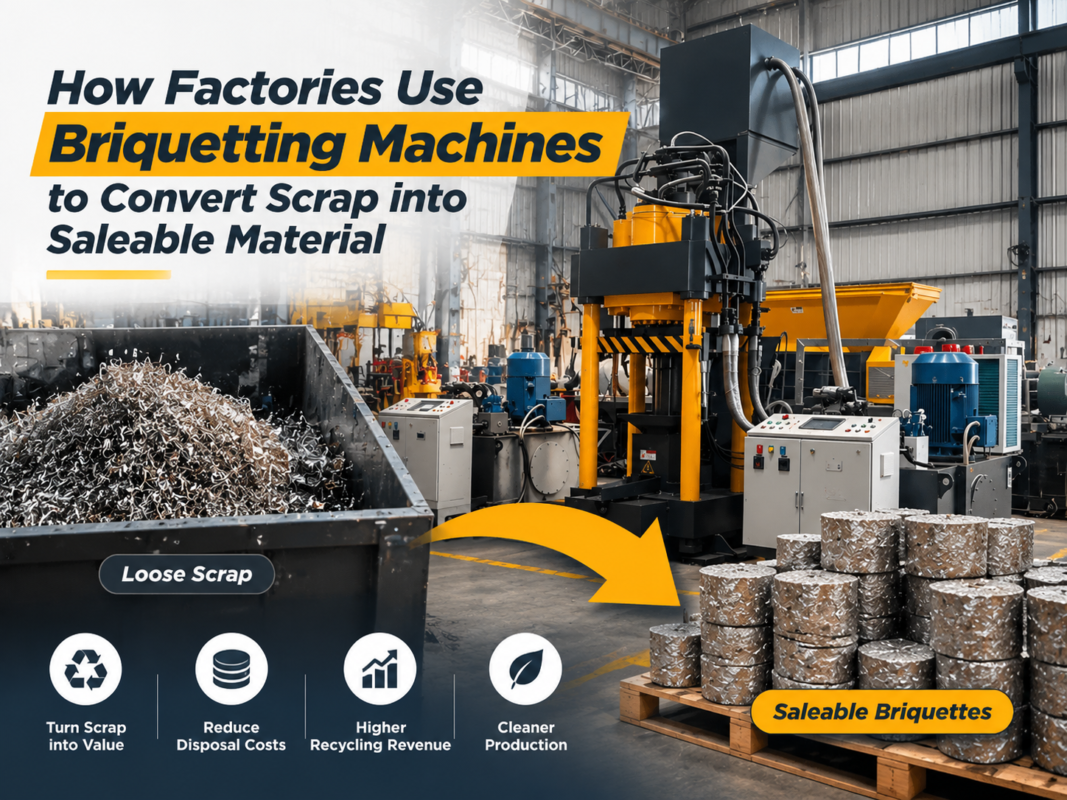
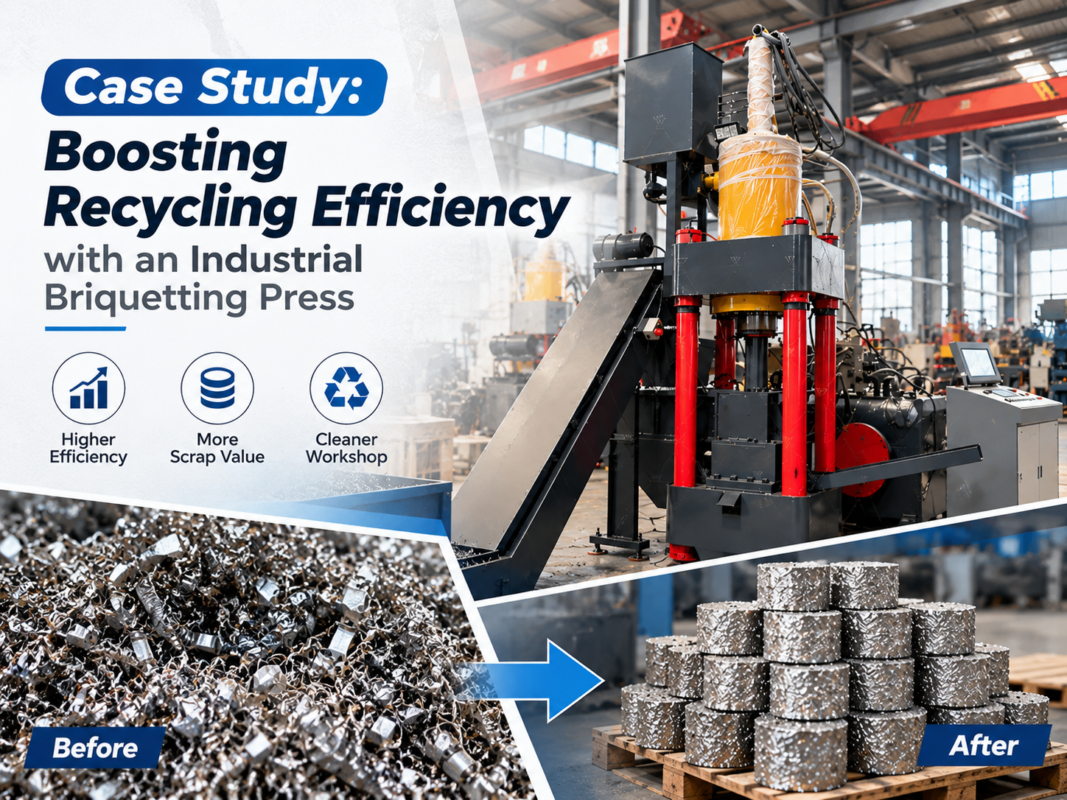
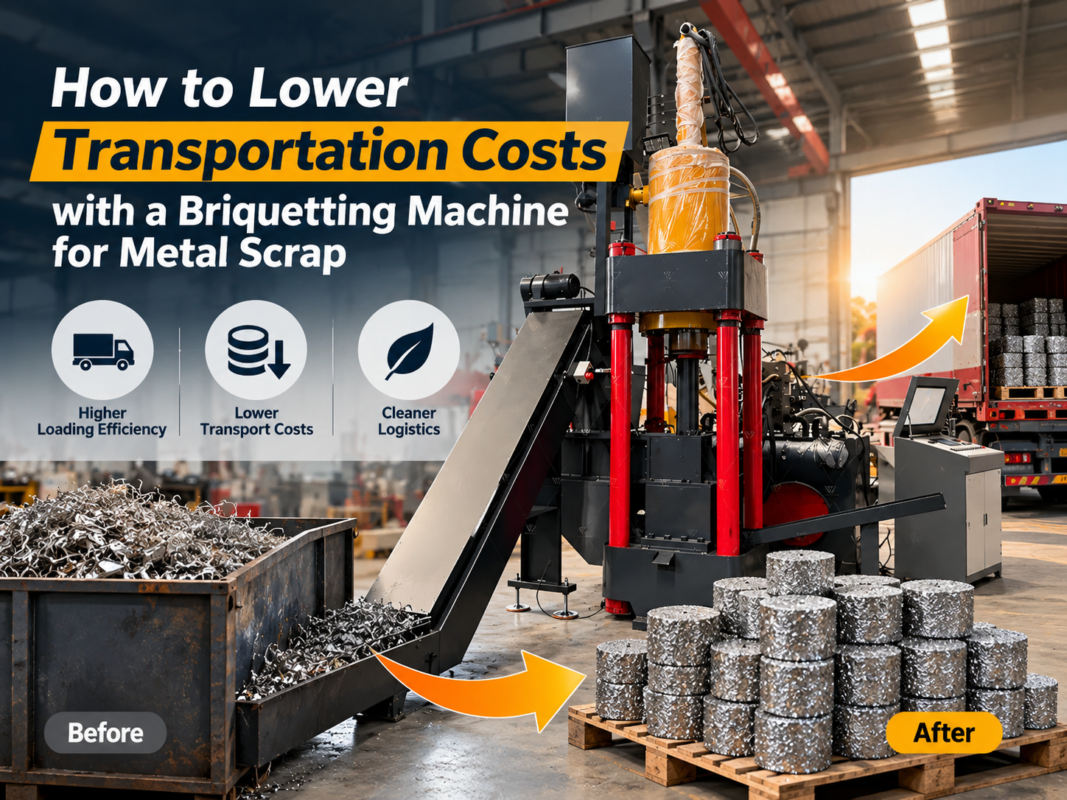
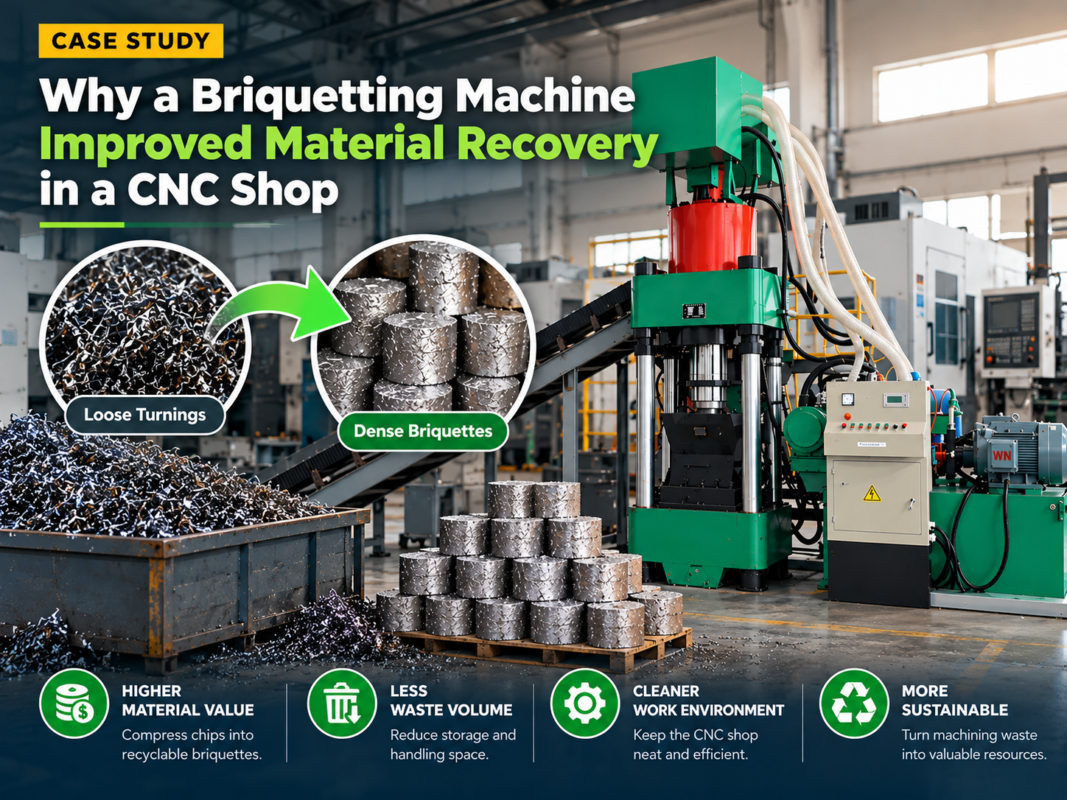
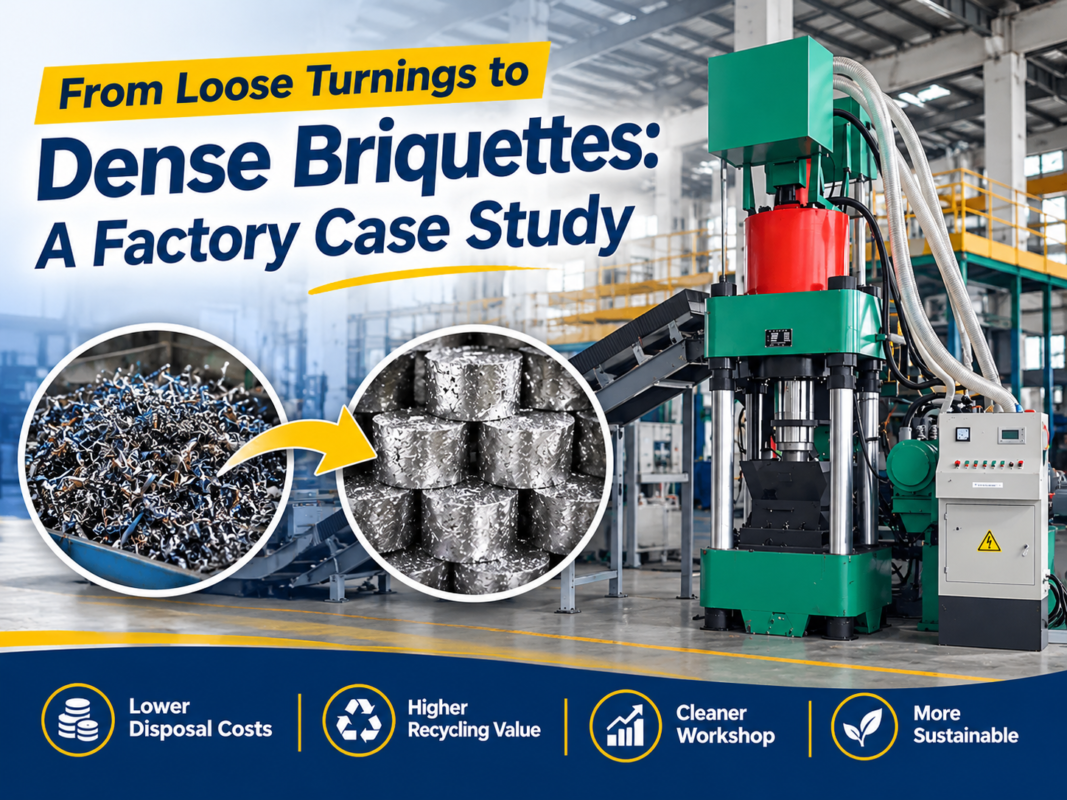
Metal Chip Recycling Success Story: Transforming Waste into Profit with an Automatic Briquetting Machine

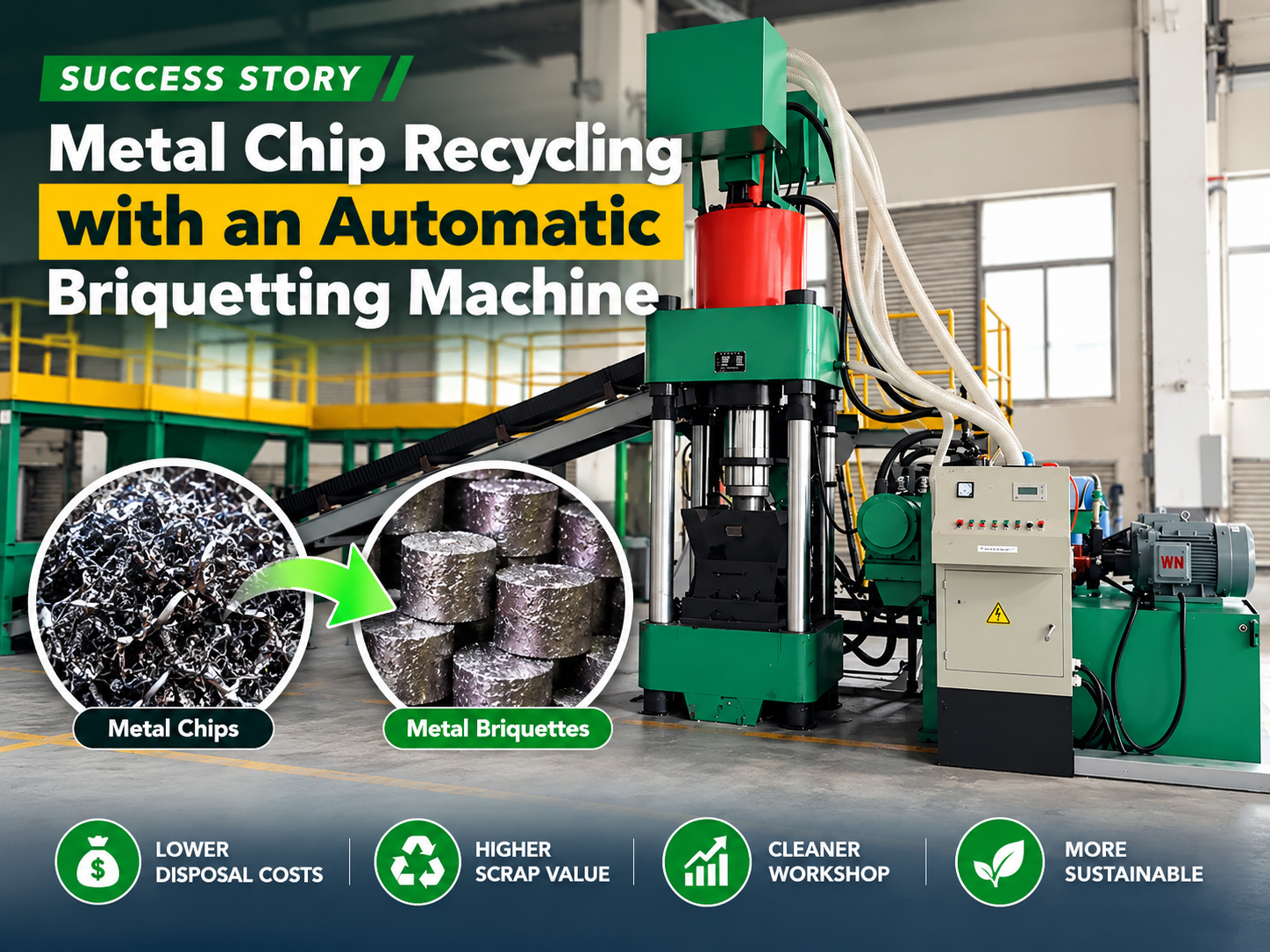
Introduction to Metal Chip Recycling Success Story An Automatic Briquetting Machine
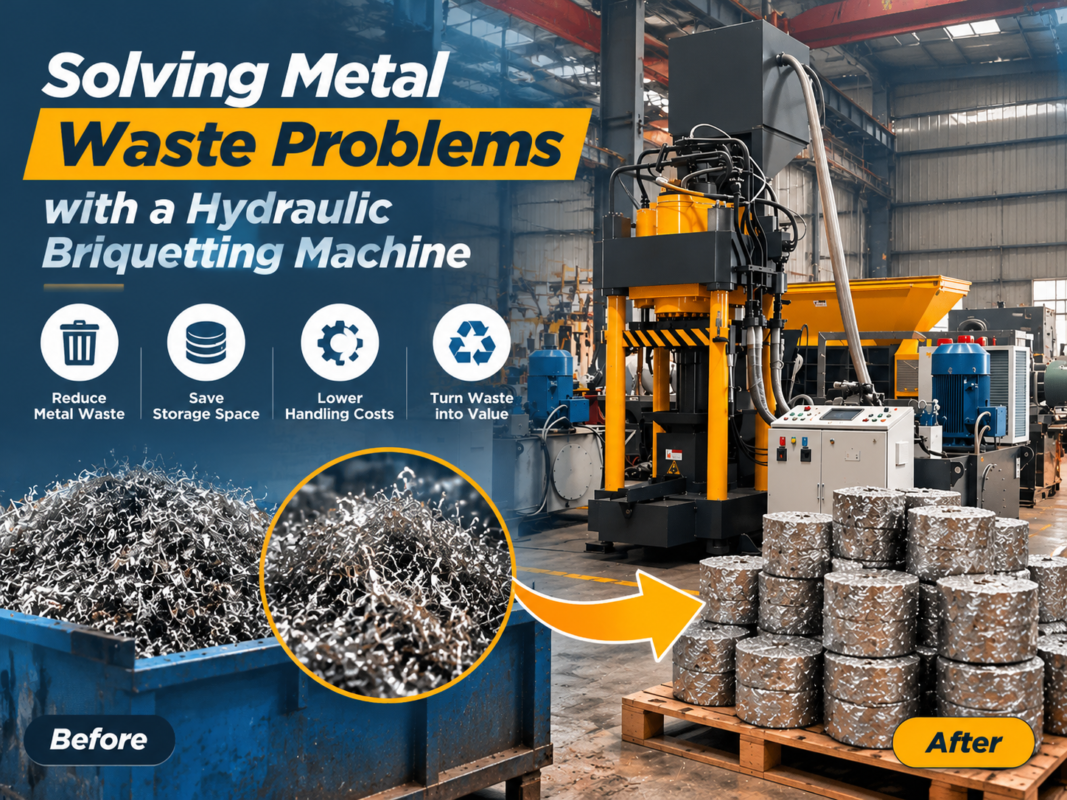
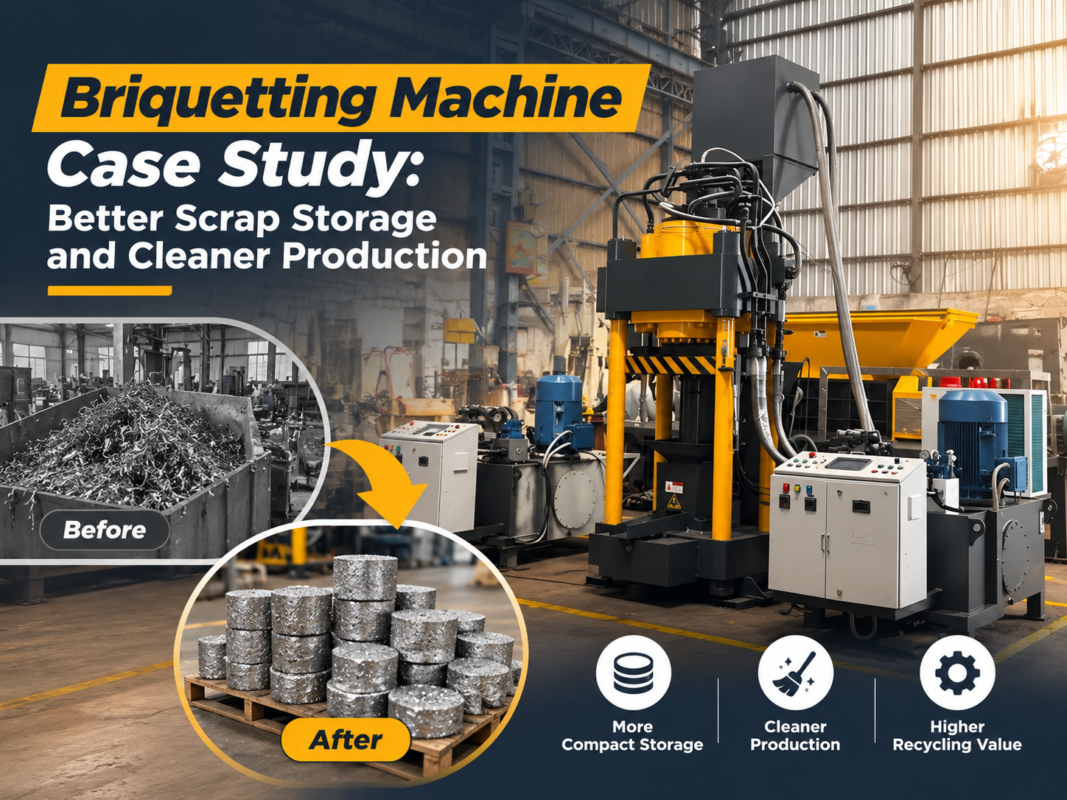
In the modern metal fabrication industry, the management of swarf, turnings, and metal chips has long been viewed as a logistical burden rather than an asset. For many workshops, these byproducts occupy valuable floor space, create safety hazards, and represent a significant loss in potential revenue. However, a transformative shift is occurring as manufacturers adopt advanced processing solutions. This metal chip recycling success story with an automatic briquetting machine highlights how HARSLE technology turns industrial waste into a high-value commodity.
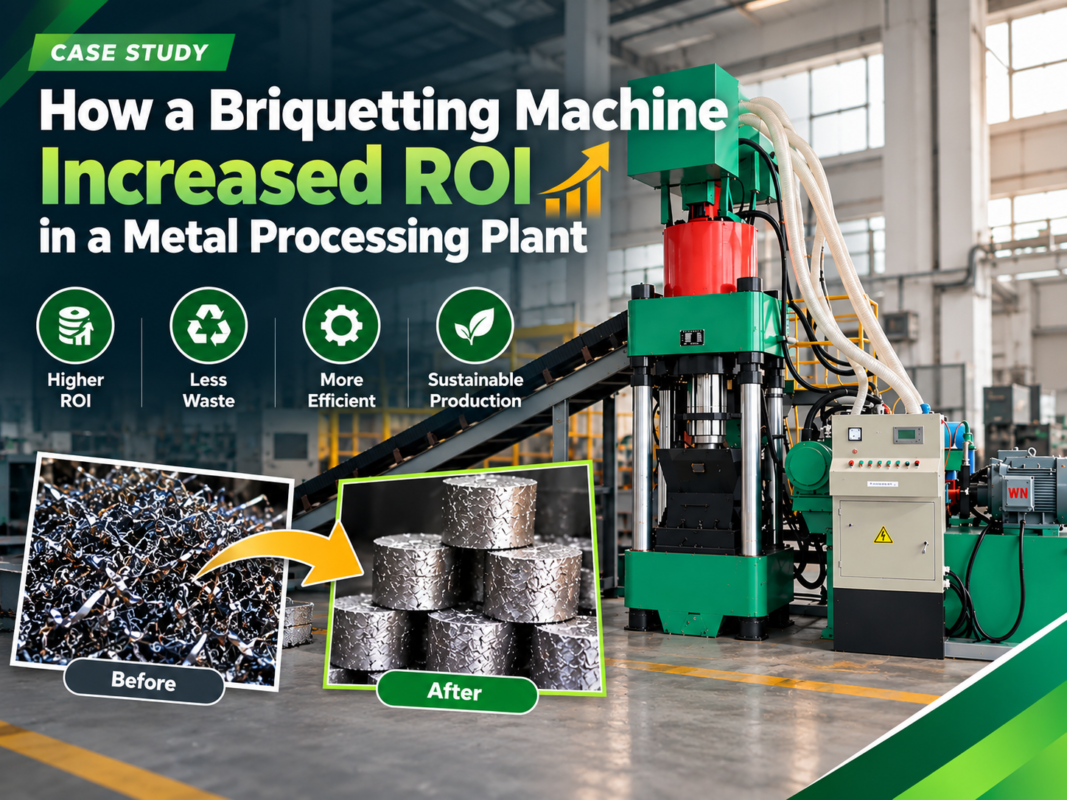
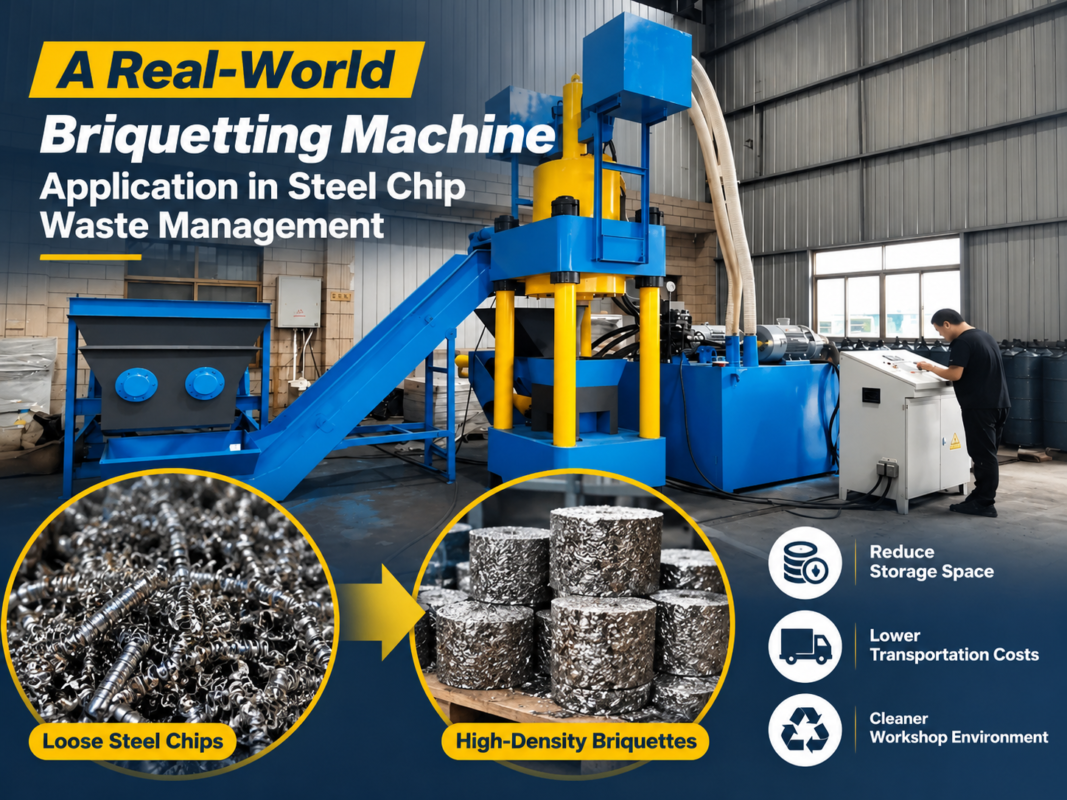
The core challenge for most fabrication shops is the sheer volume of loose metal chips. When left in their raw state, these chips are bulky, difficult to transport, and often saturated with cutting fluids or coolants. This combination makes them expensive to haul and environmentally problematic to dispose of. By integrating an automatic briquetting machine, companies can compress these loose materials into dense, manageable pucks, effectively reclaiming the valuable coolants and increasing the scrap value of the metal.
This article explores the technical journey of a mid-sized machining facility that revolutionized its operations by implementing HARSLE briquetting solutions. We will delve into the operational considerations, technical specifications, and strategic advantages that define a true metal chip recycling success story. Whether you are managing a small job shop or a large-scale production plant, understanding the mechanics of briquetting is essential for modernizing your waste management strategy.
By the end of this guide, you will understand why the transition from loose scrap to briquettes is not just an environmental choice, but a critical financial decision. We will examine how HARSLE equipment provides the durability and precision required to handle various metal types, from aluminum and steel to copper and brass, ensuring that your facility maximizes its return on investment while minimizing its environmental footprint.
Key Considerations for Implementing Briquetting Systems
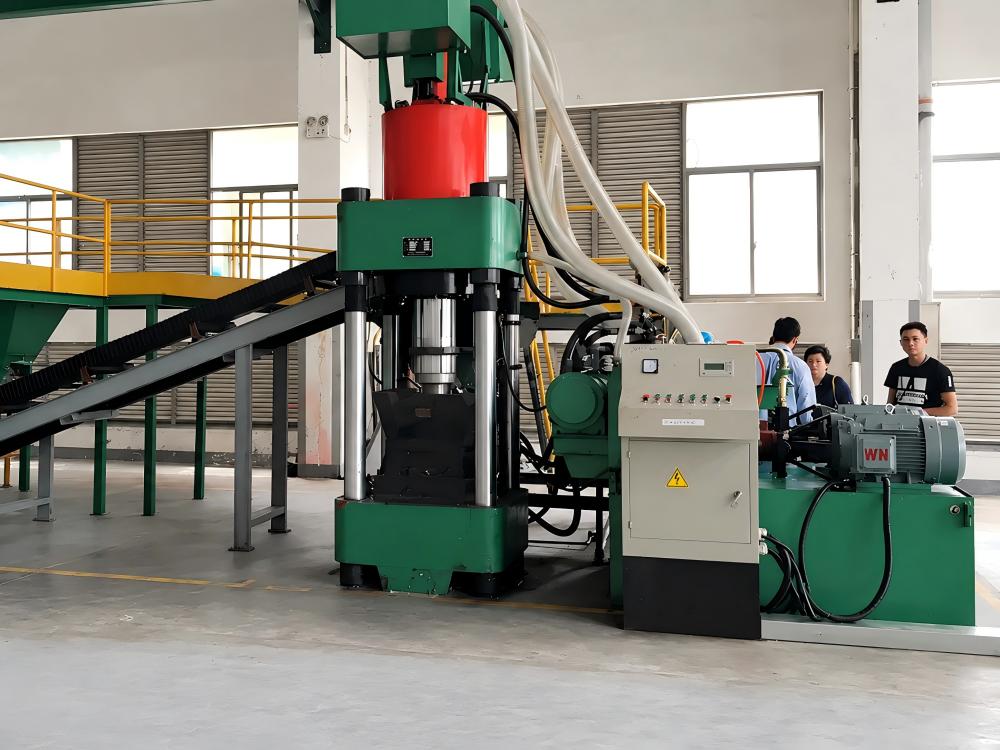
Before investing in an automatic briquetting machine, facility managers must evaluate their current waste stream. The volume of chips produced daily is the primary driver for machine selection. A high-volume facility requires a system capable of continuous operation, whereas a smaller shop might prioritize a compact, energy-efficient model. Understanding your throughput requirements ensures that the machine operates at peak efficiency without creating bottlenecks in your production line.
Another critical consideration is the material composition of your chips. Different metals have varying levels of ductility and hardness, which influence the pressure required for effective briquetting. For instance, aluminum chips are relatively soft and compress easily, while hardened steel or titanium turnings require significantly higher hydraulic force. HARSLE engineers work closely with clients to analyze their specific material mix to ensure the machine’s hydraulic system is perfectly calibrated for the task.
Coolant management is perhaps the most significant factor in the return on investment. Loose metal chips can retain a substantial percentage of their weight in expensive cutting fluids. An automatic briquetting machine acts as a centrifuge and press, squeezing out the coolant so it can be filtered and reused. This not only reduces the cost of purchasing new fluids but also significantly lowers the disposal costs associated with hazardous waste management.
Safety and floor space optimization are also paramount. Loose chips are notorious for causing slips, trips, and fires in manufacturing environments. By compacting these materials at the source, you eliminate the need for large, overflowing scrap bins that clutter aisles and impede forklift traffic. A clean, organized shop floor is a safer, more productive environment, and the implementation of a briquetting system is a major step toward achieving lean manufacturing goals.
Technical Details of HARSLE Briquetting Technology
The technical superiority of HARSLE briquetting machines lies in their robust hydraulic design and intelligent control systems. At the heart of the machine is a high-pressure cylinder that exerts uniform force across the material, ensuring that the resulting briquette is dense and structurally sound. This density is crucial for the smelting process, as it reduces oxidation and melting losses, making the briquettes highly sought after by foundries and recyclers.
HARSLE machines are equipped with advanced PLC (Programmable Logic Controller) systems that monitor the entire briquetting cycle. These controllers allow for precise adjustments to cycle times, pressure levels, and feeding rates. This level of automation ensures that the machine can run unattended for long periods, significantly reducing labor costs. Furthermore, the integration of sensors allows the machine to detect material jams or pressure anomalies, automatically pausing to prevent damage and alerting operators to the issue.
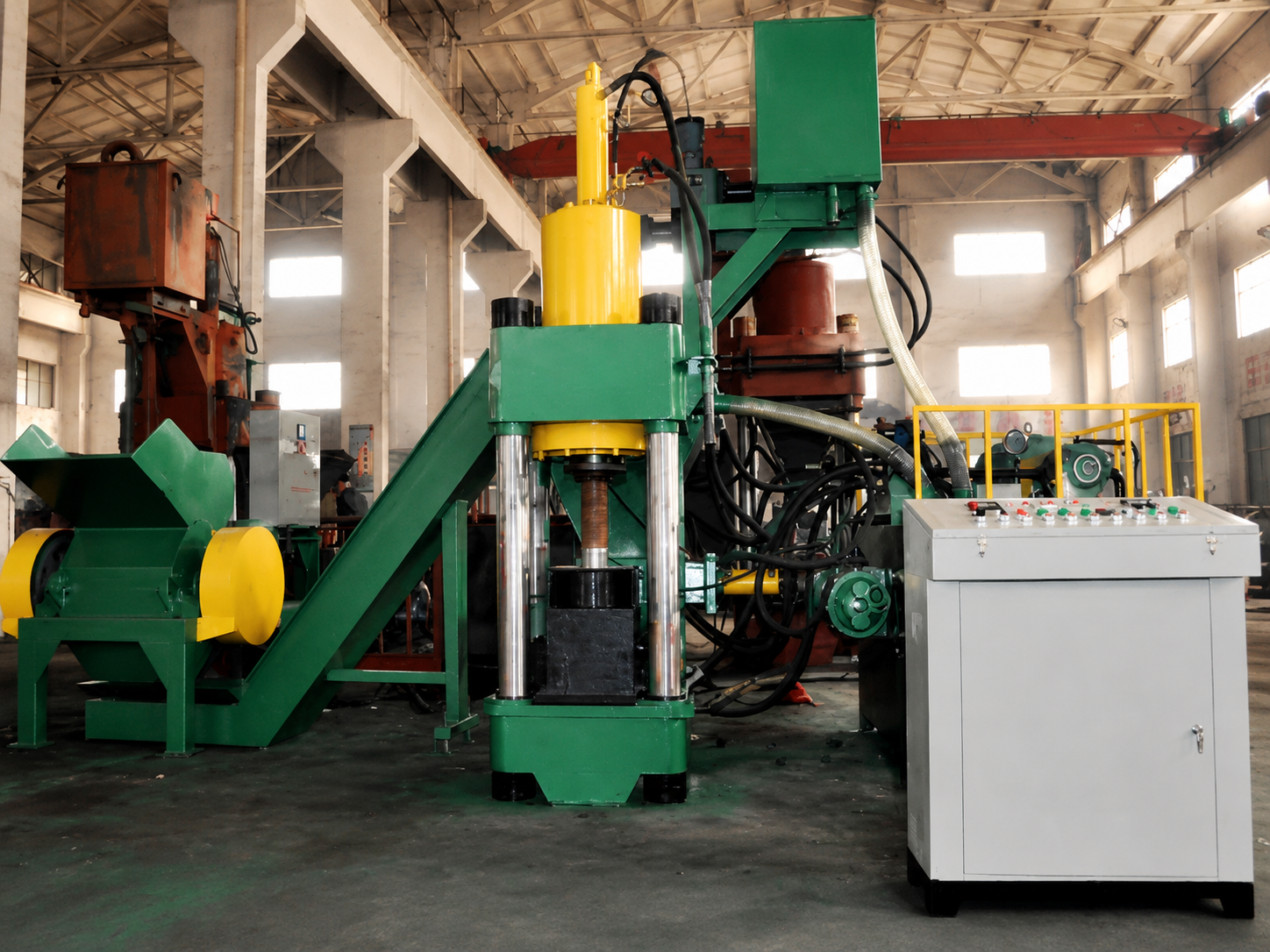
The material feeding system is another area where HARSLE excels. Many briquetting machines struggle with “bird-nesting”—a phenomenon where long, stringy turnings tangle and clog the hopper. HARSLE machines feature specialized shredders or pre-crushers that break down long turnings into uniform chips before they enter the compression chamber. This pre-processing step is vital for maintaining consistent briquette quality and preventing mechanical failures.
Finally, the hydraulic power unit is designed for longevity and energy efficiency. By utilizing variable displacement pumps, the machine only consumes the power necessary for the current compression cycle. This intelligent power management reduces electricity consumption, contributing to the overall sustainability of the facility. The hydraulic components are also easily accessible for routine maintenance, ensuring that downtime is kept to an absolute minimum.
Conseils de sélection : Choisir le bon équipement
Selecting the right automatic briquetting machine requires a partnership with a manufacturer that understands your specific industrial needs. Start by conducting a thorough audit of your scrap output. Measure the weight and volume of your daily chip production and identify the primary metal types. This data will serve as the foundation for your discussions with HARSLE sales engineers, who can recommend the appropriate tonnage and hopper capacity for your facility.
Consider the integration capabilities of the machine. Does it need to be placed directly under a CNC machine, or will it be part of a centralized scrap processing station? If you are planning for future growth, look for modular systems that can be expanded or integrated into automated conveyor lines. A machine that fits your current workflow is good, but a machine that scales with your business is a strategic asset.
Don’t overlook the importance of after-sales support and spare parts availability. Industrial machinery is a long-term investment, and you need a partner who provides comprehensive training for your staff and rapid response times for maintenance. HARSLE prides itself on a global support network, ensuring that your briquetting machine remains operational and productive throughout its entire lifecycle.
Finally, evaluate the total cost of ownership rather than just the initial purchase price. Factor in energy savings, recovered coolant value, increased scrap metal pricing, and reduced labor requirements. When these variables are calculated, the payback period for an automatic briquetting machine is often surprisingly short, frequently ranging from 12 to 24 months depending on the volume of scrap processed.
Foire aux questions (FAQ)
1. How much coolant can I recover with a briquetting machine?
Depending on the material and the initial saturation level, you can typically recover 80% to 95% of the cutting fluid from your metal chips. This represents a massive saving in fluid procurement costs over time.
2. Can one machine handle different types of metal?
Yes, HARSLE briquetting machines are versatile. However, it is recommended to clean the hopper and compression chamber when switching between significantly different metals (e.g., from copper to aluminum) to prevent cross-contamination of the scrap.
3. What is the typical lifespan of a HARSLE briquetting machine?
With proper maintenance and regular servicing, a HARSLE briquetting machine is designed to provide 10 to 15 years of reliable service in an industrial environment.
4. Does the machine require a specialized operator?
No, the machines are designed for ease of use. While basic training is required to understand the control panel and safety protocols, the automated nature of the system means that operators can focus on other tasks while the machine runs.
5. How does briquetting increase the value of my scrap?
Foundries prefer briquettes because they have a lower surface-area-to-volume ratio compared to loose chips, which reduces melting loss and oxidation. Consequently, recyclers are willing to pay a premium price for high-density briquettes compared to loose, contaminated swarf.
Conclusion: The Future of Metal Fabrication
The metal chip recycling success story with an automatic briquetting machine is a testament to the power of efficiency in modern manufacturing. By transforming waste into a clean, compact, and high-value product, companies are not only improving their bottom line but also demonstrating a commitment to sustainable industrial practices. HARSLE remains at the forefront of this movement, providing the robust, intelligent, and reliable equipment necessary to turn the challenges of metal waste into opportunities for growth.
As the industry continues to evolve, the integration of smart, automated waste management systems will become the standard. Those who adopt these technologies early will gain a competitive edge, benefiting from lower operational costs, improved safety, and a more streamlined production process. If you are ready to take the next step in optimizing your metal fabrication facility, consider the long-term advantages of investing in a HARSLE automatic briquetting machine.
Remember that every chip of metal represents a resource that has already been paid for. Allowing it to be discarded as low-value waste is a missed opportunity. By implementing a professional briquetting solution, you ensure that every ounce of material is accounted for and utilized to its fullest potential. Contact HARSLE today to begin your own success story and see how our machinery can transform your workshop operations.