Industrial Vertical Baler Price Guide: Best Options for Cardboard, Plastic, and Textiles

Price Range Overview: Understanding the Investment
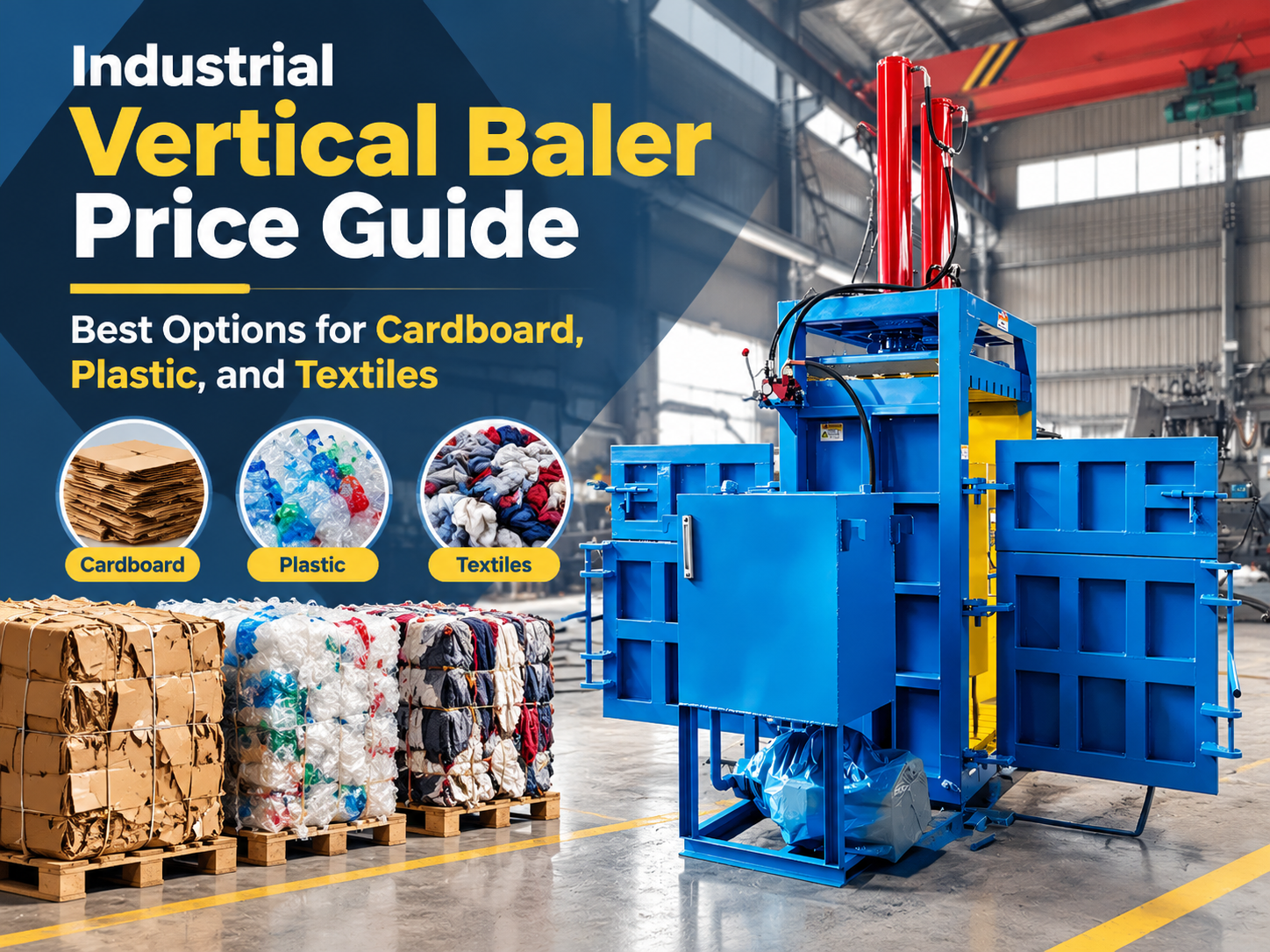
Investing in waste management infrastructure is a critical step for modern manufacturing and logistics facilities. When researching the Industrial Vertical Baler Price: Best Options Cardboard, Plastic, Textiles, it is essential to understand that pricing is not a one-size-fits-all metric. Generally, entry-level vertical balers designed for light-duty cardboard recycling start in the range of $4,000 to $7,000. These units are typically manual-tie systems suitable for small retail environments or low-volume warehouses.
Moving into the mid-range category, which is the most common choice for medium-sized industrial facilities, prices typically fall between $8,000 and $15,000. These machines offer higher compaction forces, often ranging from 20 to 50 tons, and are engineered to handle denser materials like PET plastics and heavy-duty textiles. They often feature semi-automatic ejection systems and more robust hydraulic components.
For high-capacity, heavy-duty industrial vertical balers, the investment can range from $16,000 to over $30,000. These machines are built for 24/7 operation, featuring reinforced steel chambers, high-speed hydraulic pumps, and advanced safety interlocks. When evaluating the Industrial Vertical Baler Price Guide: Best Options for Cardboard, Plastic, and Textiles, buyers must weigh the initial capital expenditure against the long-term durability required for their specific waste stream.
It is also important to consider that the price of a vertical baler is heavily influenced by the manufacturer’s reputation and the availability of local service support. HARSLE, for instance, provides a balance of industrial-grade engineering and competitive pricing, ensuring that facilities do not overpay for features they do not need while avoiding the pitfalls of under-specifying equipment that will fail under heavy loads.
Main Cost Drivers: What Influences the Price Tag?
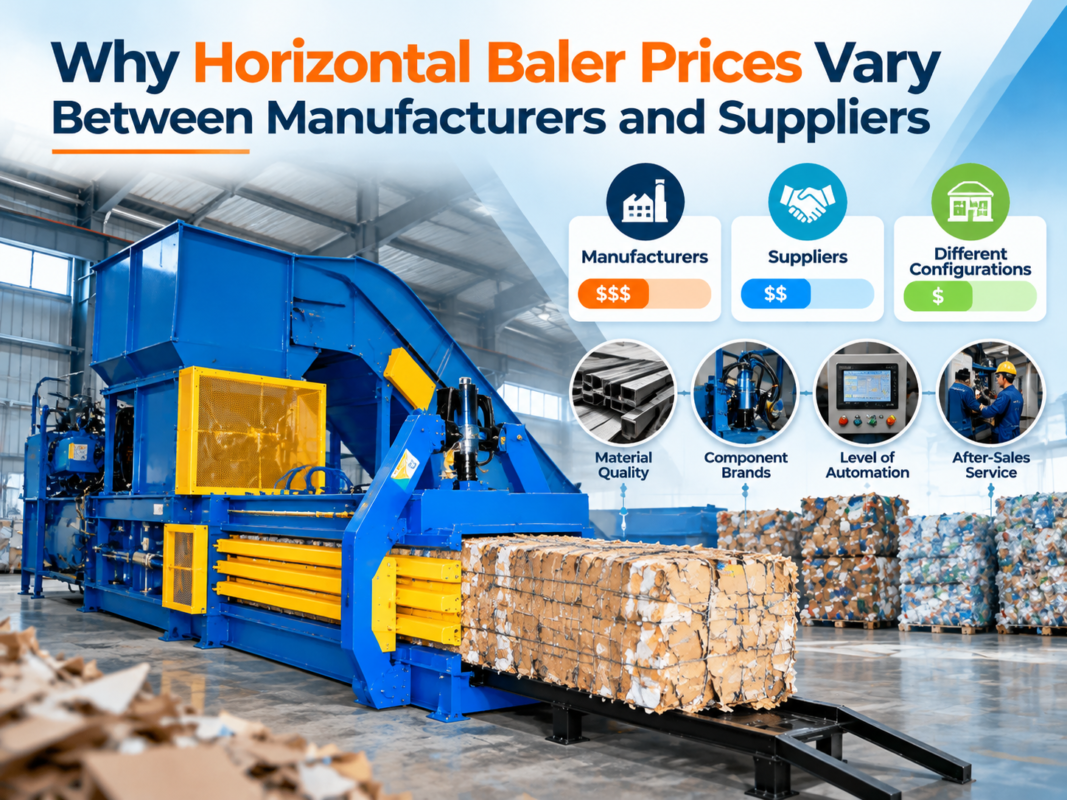
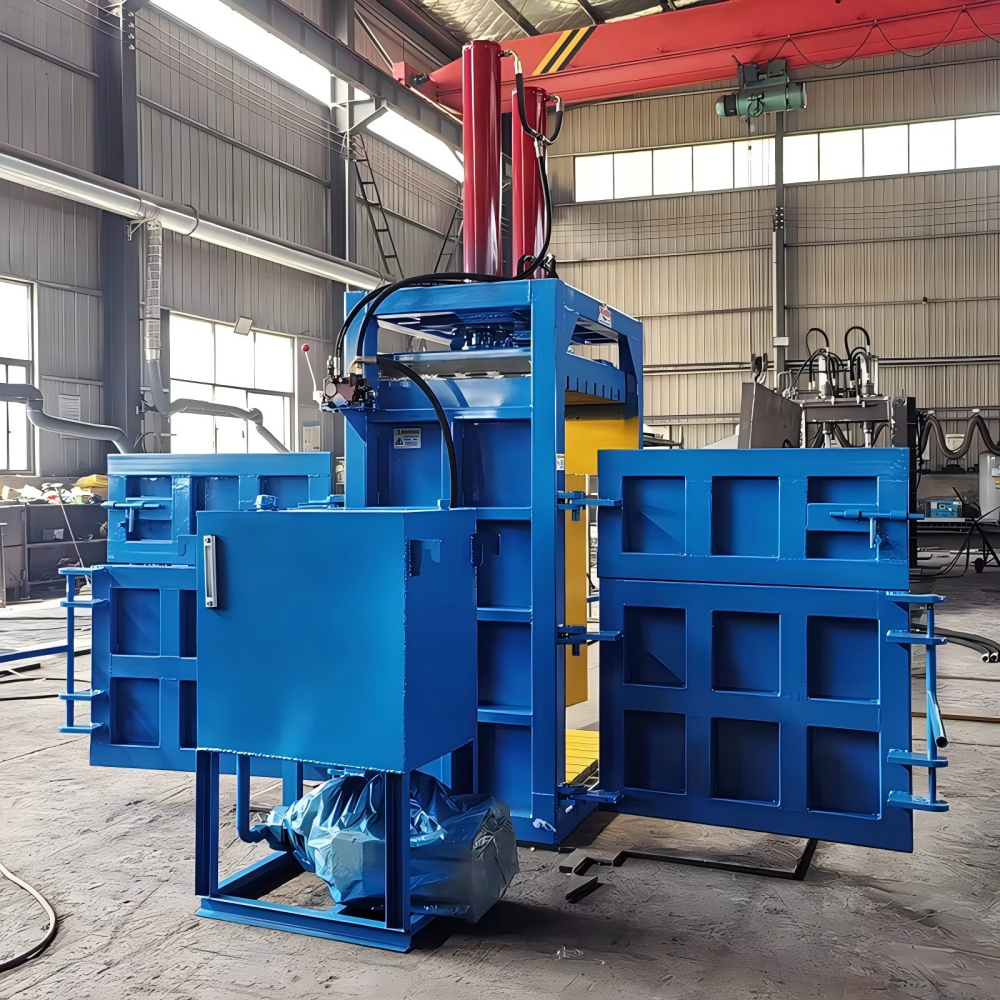
The primary driver of an industrial vertical baler’s price is the compaction force, measured in tons. A machine designed to crush heavy textiles or dense plastic requires a much more powerful hydraulic cylinder and a thicker steel frame than one designed for simple cardboard boxes. The structural integrity of the chamber is paramount; lower-cost machines may use thinner gauge steel, which can lead to bulging or structural failure when processing high-density materials over time.
Hydraulic system complexity is another significant cost factor. High-end balers utilize multi-stage pumps and sophisticated pressure-relief valves that allow for faster cycle times and more efficient energy consumption. While these components increase the upfront cost, they significantly reduce the cost per bale by decreasing labor time and electricity usage. When looking for the best options for cardboard, plastic, and textiles, prioritize systems that offer adjustable pressure settings.
Automation features also play a major role in the final price. Manual-tie balers are the most affordable but require more labor. Semi-automatic balers, which feature hydraulic bale ejection systems, significantly reduce the physical strain on operators and increase throughput. Fully automated features, such as automatic door opening or integrated bale weight sensors, add to the price but provide a faster return on investment through labor savings.
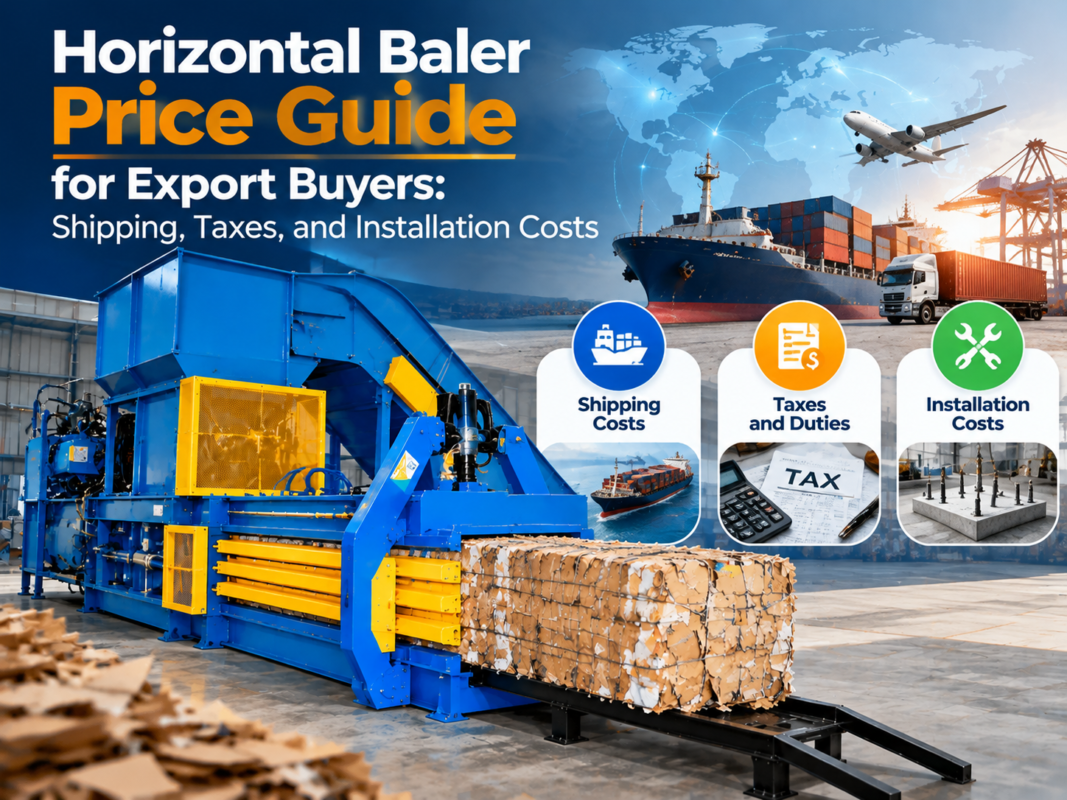
Finally, the geographic origin and shipping logistics impact the total cost. Industrial machinery is heavy and requires specialized freight. When comparing quotes, ensure that the price includes delivery, offloading, and basic commissioning. Hidden costs like rigging and electrical installation can add thousands to the project, so it is vital to have a clear understanding of the ‘delivered and installed’ price rather than just the FOB factory price.
Configuration Impact: Matching the Machine to the Material
Selecting the right configuration is critical when considering the Industrial Vertical Baler Price: Best Options Cardboard, Plastic, Textiles. Cardboard, for example, is relatively easy to compress but requires a large feed opening to accommodate bulky boxes. A baler designed specifically for cardboard will prioritize chamber size and ease of loading over extreme compaction force.
Plastic recycling, particularly PET bottles or HDPE containers, requires a baler with a high compaction ratio and a ‘retention claw’ system. Without these claws, plastic materials tend to expand back into the chamber once the ram retracts, making it impossible to create a dense, stackable bale. If your facility processes plastic, you must ensure the baler configuration includes these specialized retention features, which will naturally increase the price compared to a standard cardboard-only unit.
Textiles present a unique challenge due to their elasticity. Baling textiles requires a machine with a very high hydraulic pressure and a long stroke length. Because textiles are often heavy and moisture-absorbent, the baler must also be constructed with corrosion-resistant materials to prevent rust from affecting the internal hydraulic components. Investing in a specialized textile baler is a higher initial cost, but it prevents the frequent maintenance issues associated with using a standard cardboard baler for heavy fabric waste.
HARSLE offers modular configurations that allow businesses to customize their baler based on the primary waste stream. By choosing a machine with a configurable ram head or interchangeable door systems, you can future-proof your investment. If your waste stream changes from cardboard to plastic in the future, a modular baler can be adapted rather than replaced, providing significant long-term value.
Coûts cachés : au-delà du prix d'achat
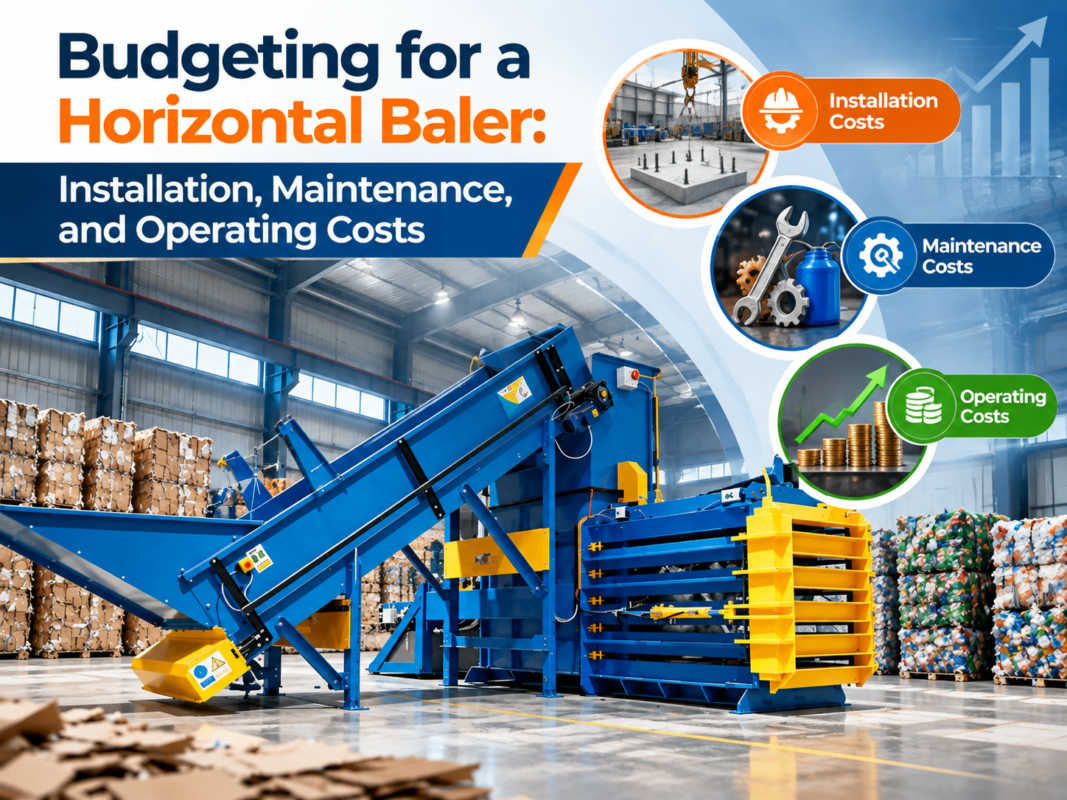
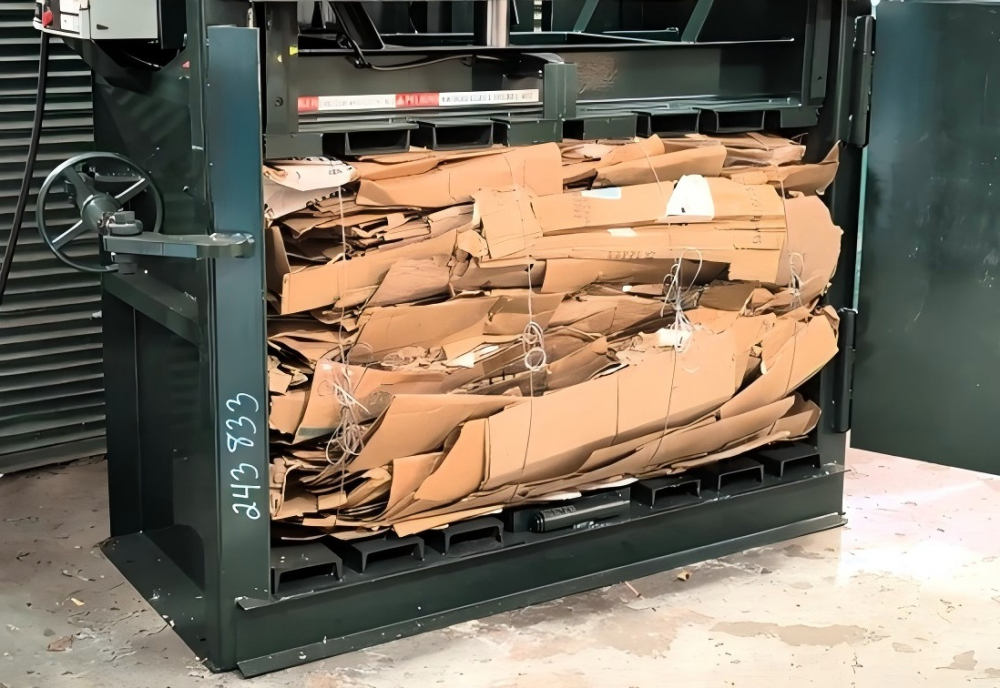
When budgeting for an industrial vertical baler, many buyers overlook the ‘total cost of ownership.’ The most significant hidden cost is the electrical installation. Industrial balers often require three-phase power, and if your facility does not have a drop in the desired location, the cost of an electrician to run new lines can be substantial. Always consult with a certified electrician before finalizing your purchase.
Maintenance and consumables are another recurring expense. Baling wire or strapping tape is a constant requirement. High-quality balers use specific gauges of wire that ensure the bale stays intact during transport. Using inferior wire to save money can lead to bale failure, which is a major safety hazard and a logistical nightmare. Factor in the cost of wire per bale when calculating your operational budget.
Safety compliance and training are often underestimated. In many jurisdictions, OSHA or local equivalent bodies require specific safety training for operators of hydraulic machinery. You may need to budget for professional training sessions or the installation of additional safety guarding if your facility layout requires it. Ignoring these requirements can lead to heavy fines that far exceed the cost of the baler itself.
Finally, consider the cost of floor space and site preparation. A vertical baler requires a reinforced concrete pad to ensure stability during the compaction cycle. If your floor is not level or lacks the required thickness, you may need to pour a new pad. Additionally, ensure there is enough overhead clearance for the ram to fully extend during the maintenance or ejection process. These site-specific requirements are essential to include in your initial budget planning.
ROI Calculation: Justifying the Investment
To calculate the ROI of an industrial vertical baler, start by analyzing your current waste disposal costs. If you are currently paying for multiple dumpster pickups per week, you are likely paying for the transport of ‘air’—the empty space inside loose cardboard boxes. By baling this waste, you can reduce your dumpster pickups by 70% to 90%, leading to immediate monthly savings on waste hauling fees.
Next, consider the potential revenue from baled recyclables. Baled cardboard, plastic, and textiles are commodities. Recycling centers pay significantly more for sorted, baled material than they do for loose, contaminated waste. By keeping your waste streams clean and baled, you transform a cost center into a revenue stream. Contact local recycling brokers to get current market rates for mill-sized bales to estimate your monthly income potential.
Labor savings are the third pillar of ROI. A manual-tie baler takes longer to operate, but it still saves hours of labor compared to breaking down boxes by hand. When you factor in the time saved by employees who no longer have to manually flatten boxes, the productivity gains are substantial. For many businesses, the labor savings alone can pay for the machine within 18 to 24 months.
Finally, consider the ‘hidden’ ROI of improved facility safety and cleanliness. A cluttered warehouse is a fire hazard and a safety risk. By centralizing waste management with a vertical baler, you improve floor space utilization and reduce the risk of workplace accidents. These intangible benefits contribute to a more efficient and professional operation, which is a critical component of long-term business growth.
Buying Advice: Selecting the Right Partner
When searching for the best Industrial Vertical Baler Price: Best Options Cardboard, Plastic, Textiles, the manufacturer’s support network is just as important as the machine’s specifications. Look for a partner like HARSLE that offers comprehensive documentation, clear installation guides, and responsive technical support. A machine is only as good as the support behind it; if a hydraulic seal fails, you need to know that parts are readily available.
Always request a site assessment before purchasing. A reputable supplier will ask about your daily waste volume, the type of material, and your available floor space. They should be able to recommend a specific model that matches your needs without pushing you toward an oversized, overpriced unit. If a supplier is not asking these questions, they are likely just trying to move inventory rather than providing a solution.
Check for safety certifications. Ensure the baler meets all relevant international safety standards, such as CE or ISO certifications. These standards ensure that the machine has proper emergency stops, interlocked doors, and pressure-relief systems. Never compromise on safety to save a few dollars; the cost of a workplace accident is immeasurable.
Finally, ask for references from other businesses in your industry. Talking to a current owner of the machine you are considering can provide invaluable insights into the real-world performance, maintenance requirements, and overall satisfaction. A transparent manufacturer will be happy to connect you with existing customers who can vouch for the quality of their equipment and the reliability of their service.
FAQ : Foire aux questions
- What is the typical lifespan of an industrial vertical baler? With proper maintenance, a high-quality industrial vertical baler can last 10 to 15 years or more. Regular hydraulic fluid changes and structural inspections are key to longevity.
- Can one baler handle cardboard, plastic, and textiles? Yes, but you must ensure the baler has the appropriate pressure settings and retention features. Some materials are denser than others, so the machine must be capable of handling the highest-density material in your waste stream.
- Do I need a special electrical connection? Most industrial balers require 3-phase power. Always check the machine’s technical specifications and consult with your facility’s electrician before purchase.
- How much space do I need for a vertical baler? While the footprint is usually small (often 5×5 feet), you must account for the height of the machine when the ram is fully extended, as well as space for the operator to work and for a pallet jack to remove the finished bale.
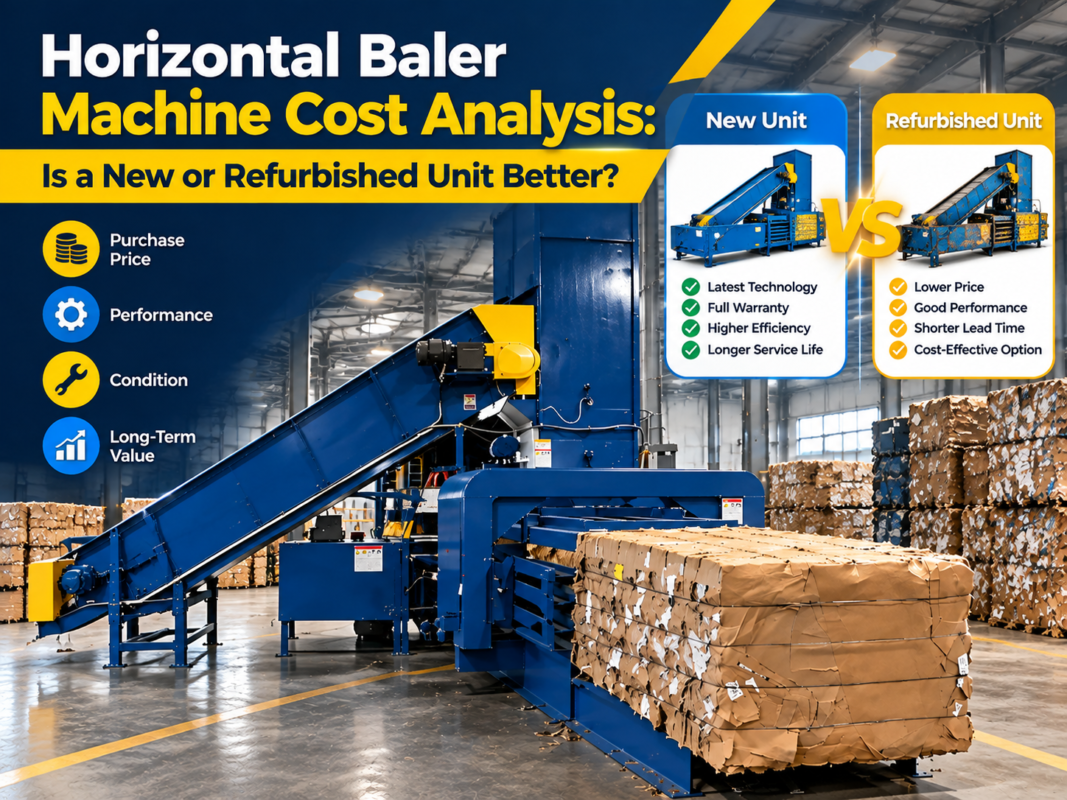
- Is it better to buy new or used? While used balers are cheaper, they often lack warranties and may have hidden hydraulic issues. For critical industrial operations, a new machine from a reputable manufacturer like HARSLE is generally the safer, more cost-effective choice in the long run.