How to Fix Low Output in a Hammer Shredder Machine: A Comprehensive Maintenance Guide


Introduction to Hammer Shredder Efficiency
In the world of metal fabrication and recycling, the hammer shredder stands as a cornerstone of productivity. However, even the most robust industrial machinery can face performance bottlenecks. When you notice a decline in throughput, it is essential to understand how to fix low output in a hammer shredder machine to maintain operational profitability. A drop in output is rarely a single-point failure; rather, it is often a symptom of cumulative wear, improper material feeding, or mechanical misalignment.
HARSLE understands that downtime is the enemy of production. Whether you are processing scrap metal, aluminum profiles, or industrial waste, the efficiency of your shredder dictates your bottom line. This guide provides a deep dive into the technical aspects of diagnosing and resolving output issues, ensuring your equipment operates at peak capacity.
Addressing low output requires a systematic approach. By examining the rotor assembly, screen integrity, and material characteristics, operators can identify the root cause of sluggish performance. This article serves as a comprehensive manual for maintenance teams and plant managers looking to restore their shredder’s performance to factory specifications.
Consistency is key in industrial shredding. When output drops, it often leads to a backlog in the production line, causing ripple effects that impact downstream sorting and processing equipment. By following the troubleshooting steps outlined below, you can minimize downtime and extend the service life of your HARSLE hammer shredder.
Key Considerations for Shredder Performance
The first step to fix low output in a hammer shredder machine is to evaluate the material feed rate and characteristics. If the material being fed is too dense or contains contaminants that the machine is not rated for, the hammers will struggle to impact the material effectively. Overloading the shredder can cause the motor to bog down, leading to a significant decrease in throughput as the system attempts to prevent a stall.
Moisture content and material size also play critical roles. If you are processing scrap that is excessively wet or oily, it can lead to clogging within the discharge area. Similarly, if the input material is too large for the specific hammer configuration, the shredder will spend more time ‘bouncing’ the material rather than shearing it. Ensuring that your pre-processing stage is optimized is the first line of defense against low output.
Another key consideration is the power supply and motor health. If the drive belts are slipping or the motor is failing to reach its rated RPM under load, the kinetic energy required for effective shredding will be insufficient. Regular inspection of the drive system, including tension checks and electrical load monitoring, is vital for maintaining consistent output levels.
Finally, consider the environmental factors of your facility. Dust accumulation and heat buildup can trigger thermal protection sensors, causing the machine to throttle its performance. Keeping the shredder environment clean and well-ventilated is a simple yet often overlooked aspect of maintaining high output. Always ensure that the operator is trained to recognize the signs of an overloaded machine before it reaches a critical failure point.
Technical Details: Diagnosing Mechanical Bottlenecks
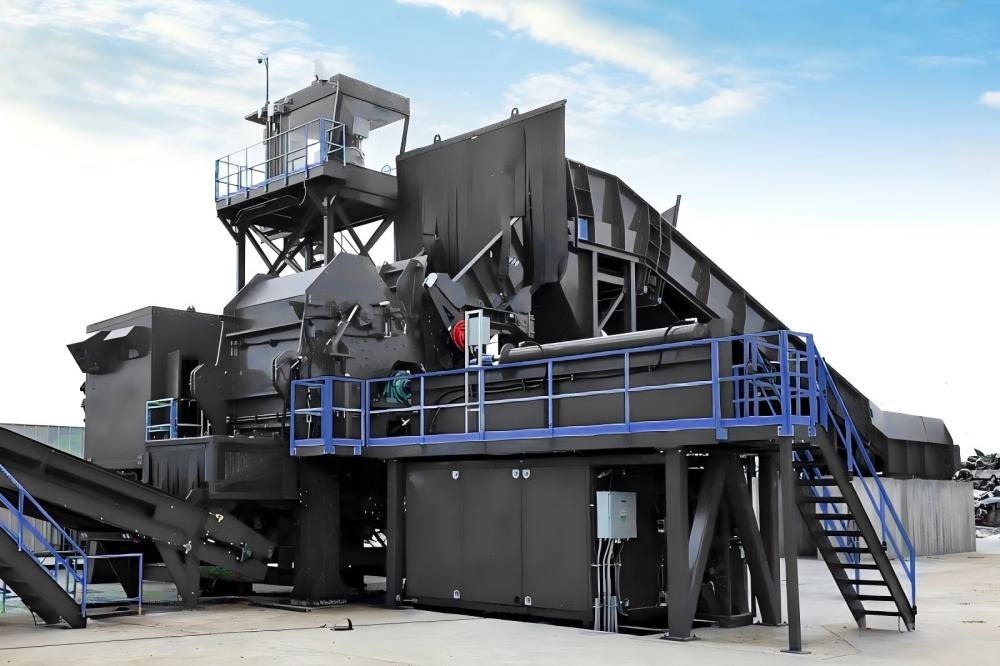
To effectively fix low output in a hammer shredder machine, you must look inside the grinding chamber. The most common culprit is worn-out hammers. As hammers lose their sharp edges and mass, their ability to impact and shear material diminishes. A worn hammer acts more like a blunt object, requiring more energy to achieve the same shredding result, which inevitably leads to slower throughput.
The screen or grate assembly is the second major technical area to inspect. If the screen holes are blocked by debris or if the screen itself is worn thin, the material will circulate within the chamber for too long before it is small enough to exit. This ‘over-grinding’ consumes excessive power and reduces the total volume of material processed per hour. Replacing or cleaning the screen is often the fastest way to see an immediate jump in output.
Rotor balance is another critical technical factor. If the rotor is out of balance due to uneven hammer wear or debris buildup, the machine will experience excessive vibration. Modern HARSLE shredders are equipped with sensors to detect these vibrations, and the control system may automatically reduce the feed rate to protect the bearings. Balancing the rotor and ensuring all hammers are of equal weight is essential for smooth operation.
Bearing health should also be monitored. If the main shaft bearings are failing, they create internal friction that saps power from the motor. This energy loss is directly reflected in the shredder’s inability to maintain speed under load. Regular lubrication and vibration analysis of the bearing housings can prevent these issues from escalating into catastrophic failures.
Selection Advice: Matching Equipment to Material
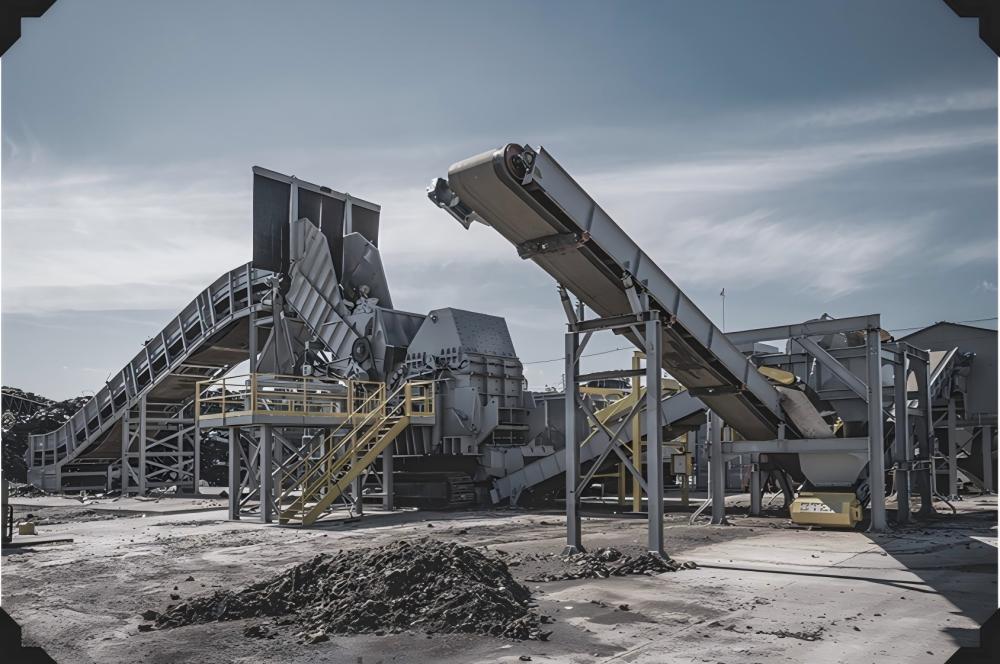
Choosing the right hammer shredder for your specific application is the best way to avoid output issues before they start. If you are processing thin-gauge sheet metal, you need a different hammer configuration than if you are shredding heavy-duty automotive scrap. HARSLE offers various hammer profiles, including swing-type and fixed-type, each designed for specific material densities.
When selecting your machine, consider the ‘throughput-to-power’ ratio. A machine that is underpowered for your expected volume will always struggle to meet output targets. It is often more cost-effective in the long run to invest in a slightly higher-capacity shredder than to push a smaller machine to its absolute limit, which accelerates wear and tear.
Consider the modularity of the shredder. Can the screens be changed easily? Is the hammer access door designed for quick maintenance? A machine that is difficult to service will inevitably be neglected, leading to the very low output issues you are trying to avoid. Look for equipment that prioritizes ‘maintainability’ as a core design feature.
Finally, consult with HARSLE engineers regarding your specific material stream. We can provide guidance on the optimal screen hole size and hammer alloy to maximize your specific output. Using the wrong material for your hammers—such as using standard steel for abrasive high-carbon scrap—will lead to rapid degradation and constant output drops. Proper selection is the foundation of long-term efficiency.
FAQ: Troubleshooting Common Shredder Issues
- Q: How often should I inspect the hammers?
A: Depending on the abrasiveness of the material, we recommend a visual inspection every 50-100 operating hours. - Q: Why is my shredder vibrating excessively?
A: Vibration is usually caused by uneven hammer wear or material buildup on the rotor. Clean the rotor and check that all hammers are replaced in sets to maintain balance. - Q: Can I increase output by increasing the screen hole size?
A: Yes, larger holes allow material to exit faster, but it will result in a coarser output. Ensure this meets your downstream requirements. - Q: What is the most common cause of sudden output drops?
A: Usually, it is a clogged discharge chute or a screen that has become blinded by fine material. Check these areas first. - Q: Does motor temperature affect output?
A: Yes, if the motor overheats, the control system may limit power. Ensure the cooling system is free of dust and debris.
Conclusion: Sustaining High Performance
Learning how to fix low output in a hammer shredder machine is an essential skill for any metal fabrication professional. By maintaining a rigorous schedule of hammer inspection, screen cleaning, and rotor balancing, you can ensure that your HARSLE equipment remains a high-performing asset in your facility. Remember that the goal is not just to fix problems as they arise, but to create a culture of preventative maintenance that stops these issues from occurring in the first place.
Investing in quality parts and following the manufacturer’s guidelines for material feeding will pay dividends in the form of consistent, high-volume output. If you find that your shredder is still underperforming despite following these steps, do not hesitate to reach out to the HARSLE technical support team. We are dedicated to ensuring your metal fabrication equipment operates at the highest possible standard of efficiency.
Ultimately, the longevity of your hammer shredder depends on your commitment to its care. By understanding the mechanical nuances of your machine and responding quickly to performance dips, you secure your production line against costly downtime. Keep your shredder sharp, your screens clear, and your output high.