
How a Hammer Shredder Enhanced Material Separation in an Industrial Plant: A Comprehensive Case Study

Introduction
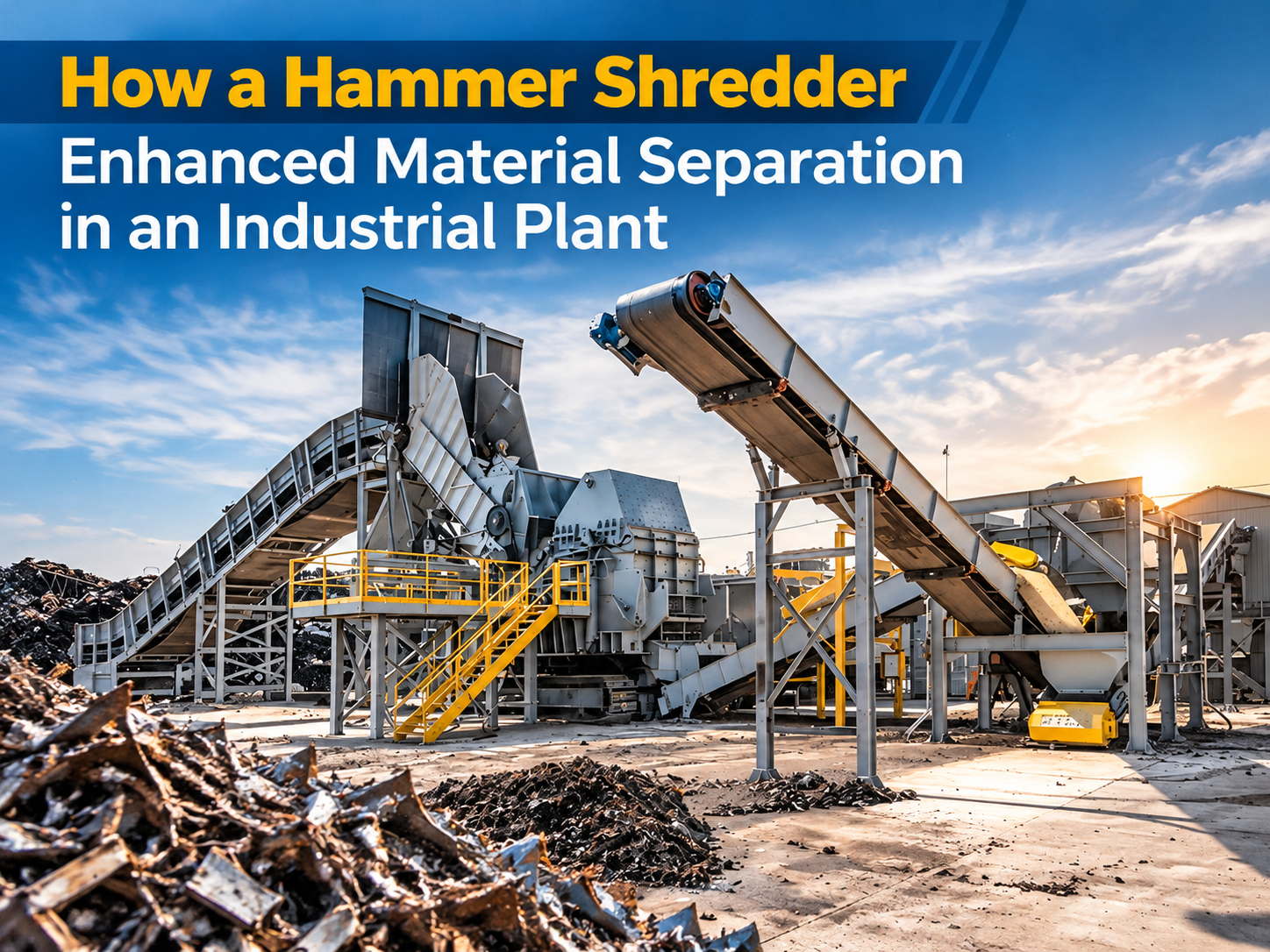
In the modern landscape of industrial manufacturing and waste management, the efficiency of material processing is a critical determinant of profitability and sustainability. One of the most significant challenges faced by large-scale facilities is the effective separation of mixed waste streams. When a facility integrates advanced technology, the results can be transformative. This article explores how a hammer shredder enhanced material separation in an industrial plant, providing a deep dive into the mechanics, operational advantages, and strategic implementation of this essential metal fabrication equipment.
Material separation is the backbone of the circular economy. Whether dealing with scrap metal, electronic waste, or complex industrial byproducts, the ability to liberate valuable materials from contaminants is paramount. Traditional methods often fall short, leading to high labor costs and low-purity output. By deploying a high-performance hammer shredder, plants can achieve a level of granular control that was previously unattainable, turning mixed waste into high-value commodities.
HARSLE has consistently been at the forefront of providing robust industrial machinery designed to withstand the rigors of heavy-duty processing. In this case study, we examine a facility that struggled with throughput bottlenecks and low separation purity. By upgrading their line with a specialized hammer shredder, the plant not only streamlined its operations but also significantly increased its return on investment through improved material recovery rates.
Understanding the transition from manual or primitive mechanical separation to automated hammer shredding requires an appreciation of the physics involved. The hammer shredder utilizes high-speed rotating hammers to impact, shear, and crush materials against a grate or anvil. This process is not merely about size reduction; it is about the liberation of materials, which is the first step toward effective separation.
Key Considerations for Industrial Material Separation
Before implementing a hammer shredder, plant managers must evaluate the specific characteristics of their waste stream. Material density, moisture content, and the presence of non-shreddable contaminants are primary factors. A hammer shredder is highly effective for brittle and semi-ductile materials, but it requires careful calibration to handle mixed loads without excessive wear or jamming.
The first consideration is the throughput requirement. Industrial plants often operate on a 24/7 basis, meaning the machinery must be capable of continuous duty cycles. The integration of a hammer shredder requires a balanced feed system—usually a conveyor belt equipped with magnetic separators—to ensure that the shredder receives a consistent flow of material. If the feed is inconsistent, the shredder may experience power surges or, conversely, underutilization.
Another critical factor is the desired output size. The grate size within the hammer shredder determines the maximum particle size of the output. For effective downstream separation, such as eddy current separation or air classification, the material must be liberated to a specific size range. If the particles are too large, contaminants remain trapped; if they are too small, energy is wasted, and dust generation increases.
Safety and environmental compliance cannot be overlooked. Hammer shredders generate significant noise, vibration, and dust. Modern industrial plants must invest in sound-dampening enclosures, dust extraction systems, and vibration-dampening foundations. These additions are not just regulatory requirements; they are essential for maintaining a safe working environment and extending the lifespan of the equipment.
Finally, the cost-benefit analysis must include long-term maintenance. Hammer shredders are subject to extreme mechanical stress. The hammers themselves are wear parts that require periodic hard-facing or replacement. A successful implementation strategy includes a robust inventory management system for spare parts and a scheduled maintenance program to prevent catastrophic downtime.
Technical Details: How the Process Works
The core mechanism of a hammer shredder involves a rotor assembly equipped with swinging hammers. As the rotor spins at high velocity, the hammers strike the incoming material, shattering it against the internal liners and the discharge grate. This high-impact energy is what makes the hammer shredder so effective at separating dissimilar materials that are physically bonded together.
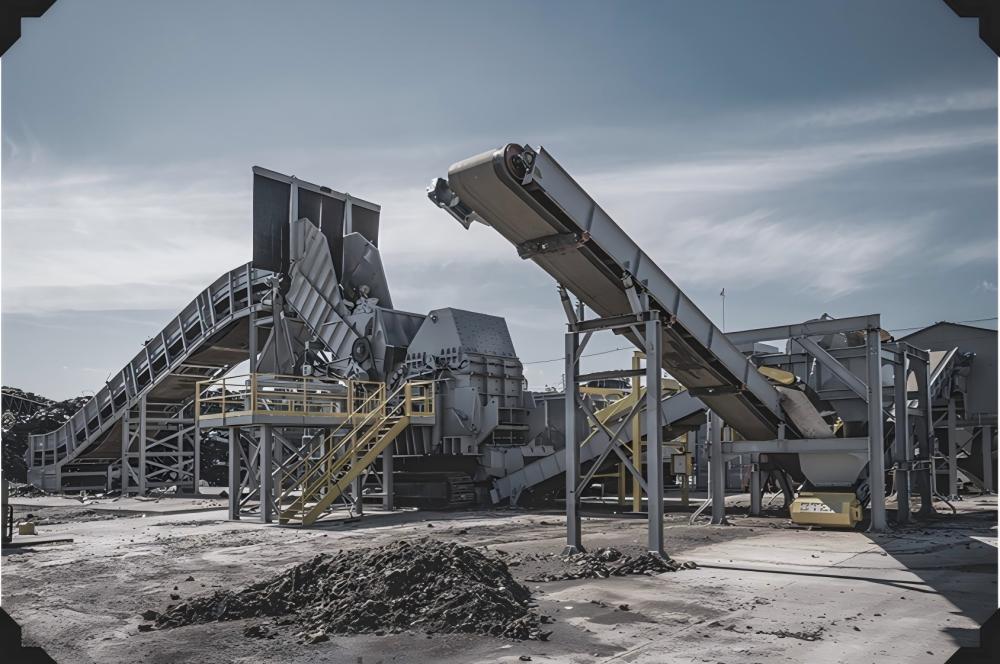
In the context of the case study, the plant utilized a multi-stage separation process. The hammer shredder acted as the primary liberation unit. By breaking down complex assemblies—such as electric motors or composite metal components—the shredder exposed the internal copper, aluminum, and steel. This liberation is the secret to how a hammer shredder enhanced material separation in an industrial plant.
Once the material passes through the grate, it enters the separation phase. Because the hammer shredder produces a relatively uniform particle size, downstream equipment like magnetic drums can easily pull out ferrous metals, while eddy current separators can effectively eject non-ferrous metals like aluminum and copper. The uniformity of the shredded output is the key variable that dictates the efficiency of these downstream processes.
The technical specifications of the HARSLE hammer shredder series include heavy-duty rotor shafts, reinforced housing, and replaceable wear liners. These components are engineered to handle the high torque required to process dense metal scrap. The rotor design is balanced to minimize vibration, which is crucial when the machine is mounted on a concrete pad in a high-traffic industrial zone.
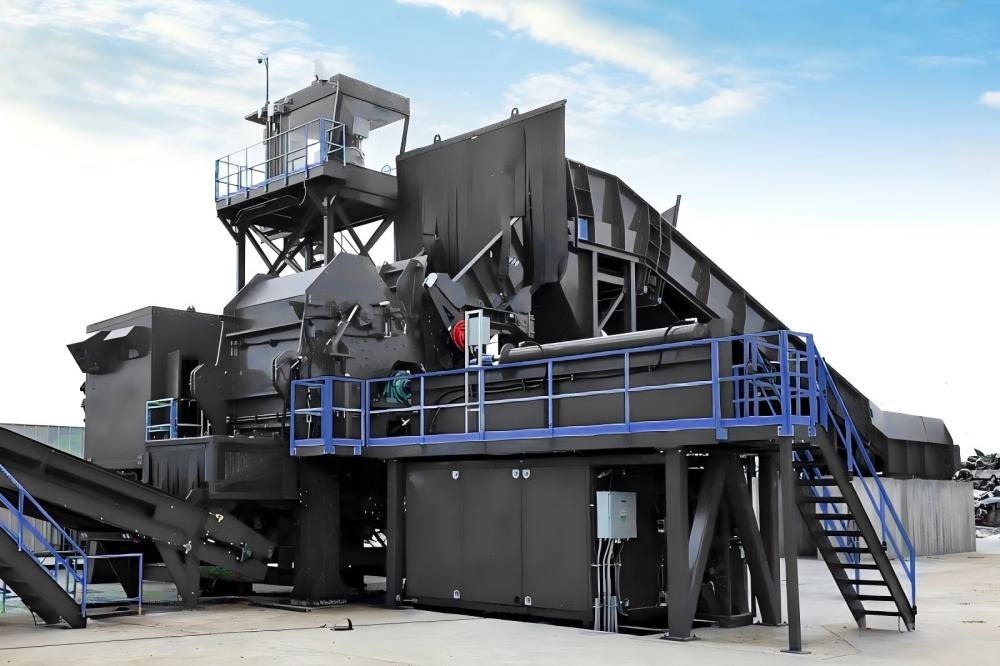
Furthermore, the control systems integrated into modern shredders allow for real-time monitoring of motor load and temperature. If the shredder detects an un-shreddable object, such as a large piece of hardened tool steel, the system can automatically reverse the rotor or trigger an alarm to prevent damage. This level of automation is what separates modern industrial shredding from legacy equipment.
Conseils de sélection : Choisir le bon équipement
Selecting the right hammer shredder is a decision that impacts the plant’s bottom line for years. The first step is to conduct a material audit. Collect samples of the waste stream and perform a composition analysis. If your waste is primarily thin-gauge sheet metal, a different shredder configuration is required compared to a plant processing heavy engine blocks or thick industrial piping.
Capacity planning is the second step. Always size the shredder for your peak load, not your average load. If your plant processes 10 tons per hour on average but has spikes of 15 tons, a shredder rated for 10 tons will eventually fail due to fatigue. It is better to have a machine that runs at 70% capacity than one that is constantly pushed to its limit.
Consider the power source. Electric motors are standard, but for remote locations or specific industrial setups, diesel-powered units may be considered. However, in most indoor industrial plants, electric motors are preferred due to lower maintenance, zero emissions, and easier integration into the plant’s electrical grid. Ensure that your facility’s power supply can handle the startup current (inrush current) of the shredder motor.
Look for modularity in the design. A hammer shredder that allows for easy access to the rotor and grate is a significant advantage. Maintenance teams should be able to change hammers or inspect the grate without needing to disassemble the entire machine. HARSLE designs prioritize this accessibility, recognizing that downtime is the enemy of productivity.
Finally, evaluate the manufacturer’s support network. A hammer shredder is a long-term investment. You need a partner who provides not only the machine but also technical support, spare parts availability, and training for your operators. A machine is only as good as the support behind it, especially when dealing with heavy-duty industrial equipment.
Maintenance and Operational Best Practices
To ensure that a hammer shredder continues to enhance material separation, a rigorous maintenance schedule is non-negotiable. The most critical component is the hammer. Depending on the abrasiveness of the material, hammers may need to be rotated or replaced every few hundred hours of operation. Using high-quality, wear-resistant alloys is a cost-effective way to extend the interval between maintenance cycles.
Lubrication of the main rotor bearings is another vital task. These bearings operate under high load and heat; using the correct grade of high-temperature grease is essential. Automated lubrication systems can be installed to ensure that the bearings receive a consistent supply of lubricant, reducing the risk of human error.
The grate and liners should be inspected weekly for signs of thinning or cracking. If the grate holes become enlarged due to wear, the output size will increase, which will negatively impact the efficiency of downstream separation equipment. Keeping a spare set of grates on hand allows for quick changeovers during scheduled downtime.
Operator training is equally important. Operators should be trained to recognize the sounds of a healthy machine versus one that is struggling. They should also be proficient in the use of the control interface to optimize throughput based on the material being processed. A well-trained operator can often prevent a jam before it happens by adjusting the feed rate.
Finally, maintain a clean environment around the shredder. Dust buildup can lead to overheating of the motor and electrical components. Regular cleaning and the use of compressed air to blow out the motor housing will significantly extend the electrical life of the shredder. By treating the hammer shredder as a precision instrument rather than just a “crusher,” you ensure its longevity and performance.
FAQ: Common Questions About Hammer Shredders
- What materials can a hammer shredder process? Hammer shredders are versatile and can process scrap metal, e-waste, wood, plastics, and various industrial composites. However, they are not suitable for high-tensile, non-shreddable materials like large solid steel shafts.
- How often should hammers be replaced? This depends entirely on the material being processed. Abrasive materials like concrete or contaminated scrap will wear hammers faster than clean aluminum or wood. Regular inspections are the best way to determine the replacement schedule.
- Can a hammer shredder handle mixed waste? Yes, that is one of its primary advantages. It is designed to break down mixed materials, which allows for easier separation of the individual components later in the process.
- What is the difference between a hammer shredder and a granulator? A hammer shredder is designed for high-impact, high-throughput reduction of bulky materials. A granulator is typically used for finer, more precise size reduction of plastics or specific materials where a uniform, small particle size is required.
- How do I improve separation efficiency after shredding? After the hammer shredder, use a combination of magnetic separators (for ferrous metals), eddy current separators (for non-ferrous metals), and air classifiers (for light materials like paper or plastic) to achieve high-purity output.
Conclusion
The case of how a hammer shredder enhanced material separation in an industrial plant serves as a powerful testament to the impact of modern engineering on industrial efficiency. By transforming chaotic, mixed waste streams into uniform, liberated material, the hammer shredder acts as the catalyst for high-value recycling and recovery. For plants looking to optimize their operations, reduce waste, and increase their bottom line, investing in a high-quality hammer shredder from a trusted manufacturer like HARSLE is a strategic move that pays dividends.
As the industrial sector continues to move toward more sustainable practices, the role of effective material separation will only grow in importance. The ability to reclaim valuable metals and materials from the waste stream is not just an environmental imperative; it is a competitive advantage. By understanding the technical requirements, selecting the right equipment, and committing to a rigorous maintenance program, industrial plants can ensure that their shredding operations remain a cornerstone of their success for years to come.
Whether you are upgrading an existing line or designing a new facility, the lessons learned from successful implementations of hammer shredders are clear: precision, power, and proper maintenance are the keys to unlocking the full potential of your material processing capabilities. HARSLE remains dedicated to providing the machinery and expertise necessary to help your plant achieve these goals, ensuring that your investment in metal fabrication equipment leads to tangible, long-term improvements in your operational efficiency.












