
How a Four-Shaft Shredder Helped a Production Plant Cut Waste Processing Costs

Introduction: The Challenge of Industrial Waste
In the modern metal fabrication and manufacturing landscape, waste management is no longer just an environmental concern—it is a critical financial pillar. For many production plants, the sheer volume of scrap, offcuts, and bulky industrial waste creates a logistical bottleneck that inflates operational expenses. When a facility is forced to pay for the transport of low-density, high-volume waste, the profit margins on finished goods begin to erode rapidly. This is where advanced size-reduction technology becomes a game-changer.
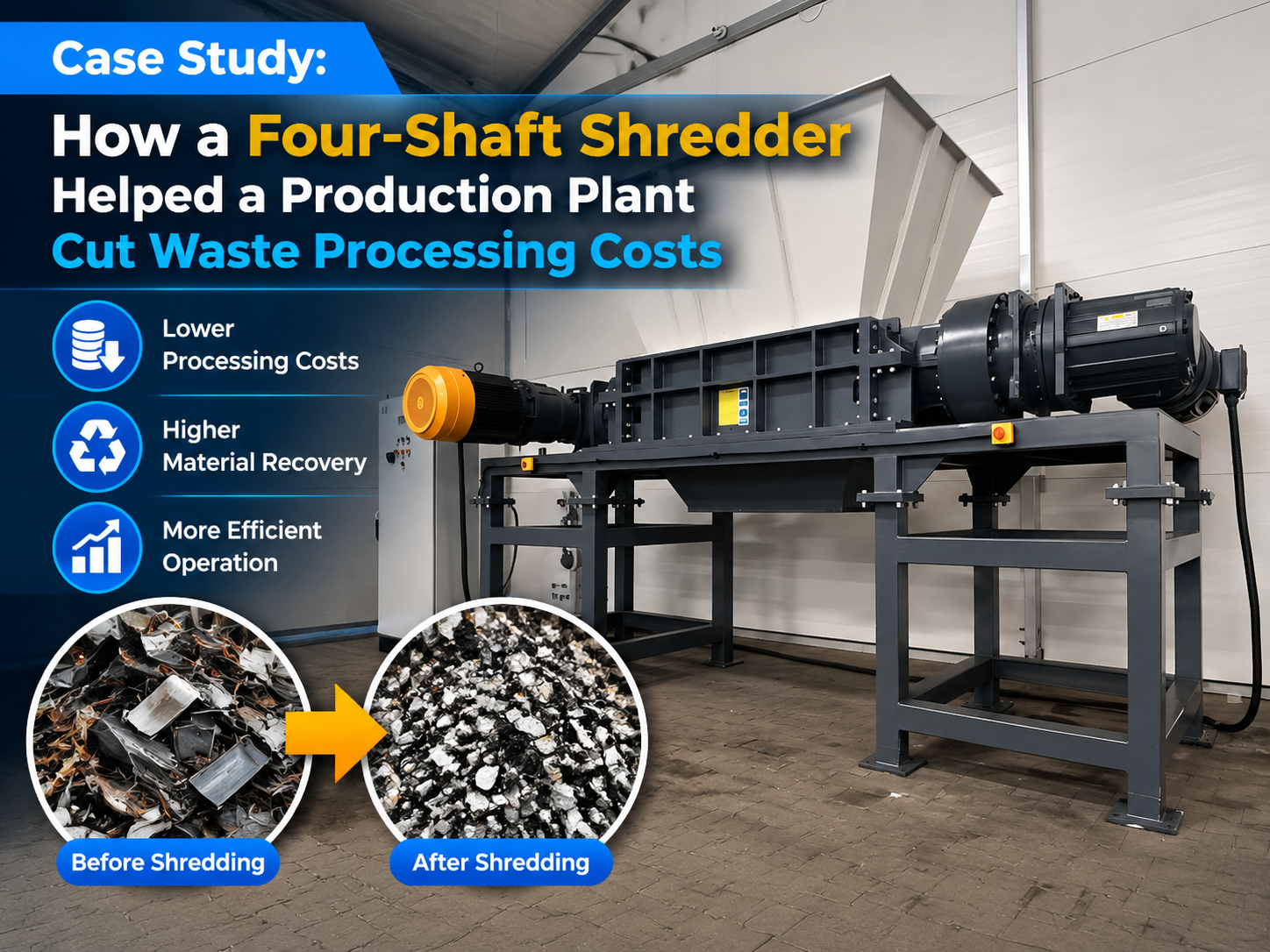
We recently analyzed a case study where a mid-sized production plant was struggling with rising disposal fees and inefficient material handling. By integrating a high-performance industrial shredding solution, the facility transformed its waste stream into a manageable, high-density resource. This article explores how a four-shaft shredder helped a production plant cut waste processing costs, providing a blueprint for other manufacturers looking to optimize their bottom line.
The transition from traditional disposal methods to on-site shredding represents a shift toward circular manufacturing. By reducing the physical footprint of waste, plants can lower transportation frequency, increase the value of scrap for recycling centers, and reclaim valuable floor space. Throughout this guide, we will examine the technical mechanics, the economic benefits, and the strategic selection criteria for implementing this technology.
HARSLE has been at the forefront of providing robust metal fabrication equipment, and our experience with four-shaft shredders highlights a clear trend: companies that invest in high-torque, low-speed shredding technology see a return on investment (ROI) within 12 to 18 months. This article serves as a comprehensive resource for plant managers and procurement officers aiming to streamline their waste processing operations.
Key Considerations for Waste Management Efficiency
Before selecting a shredding solution, plant managers must conduct a thorough audit of their waste stream. Not all waste is created equal; the density, hardness, and volume of the material dictate the type of machinery required. A four-shaft shredder is specifically engineered for materials that require high torque and precise cutting, such as thick metal sheets, electronic waste, or bulky industrial components that would stall a standard two-shaft unit.
One of the primary considerations is the reduction ratio. The goal is to achieve a uniform output size that maximizes the bulk density of the material. When waste is shredded into consistent, small pieces, it occupies significantly less space in collection bins. This directly translates to fewer trips for waste disposal trucks, which is often the largest variable cost in waste management. By optimizing the load per container, plants can reduce their logistics costs by up to 60%.
Another critical factor is the integration of the shredder into the existing production workflow. A well-designed system should be placed near the source of the waste to minimize internal handling. If the shredder is located too far from the fabrication line, the labor cost associated with moving scrap can negate the savings gained from the shredding process itself. HARSLE recommends a modular layout where conveyors feed directly into the shredder hopper.
Safety and maintenance are also paramount. Industrial shredders operate under immense pressure, and the blades are subject to significant wear. A four-shaft system offers the advantage of secondary cutting shafts that ensure the material is processed thoroughly, reducing the risk of jams. However, this complexity requires a proactive maintenance schedule. Operators must be trained to recognize the signs of blade wear, such as increased noise or decreased throughput, to prevent costly downtime.
Technical Details: Why Four-Shaft Technology Excels
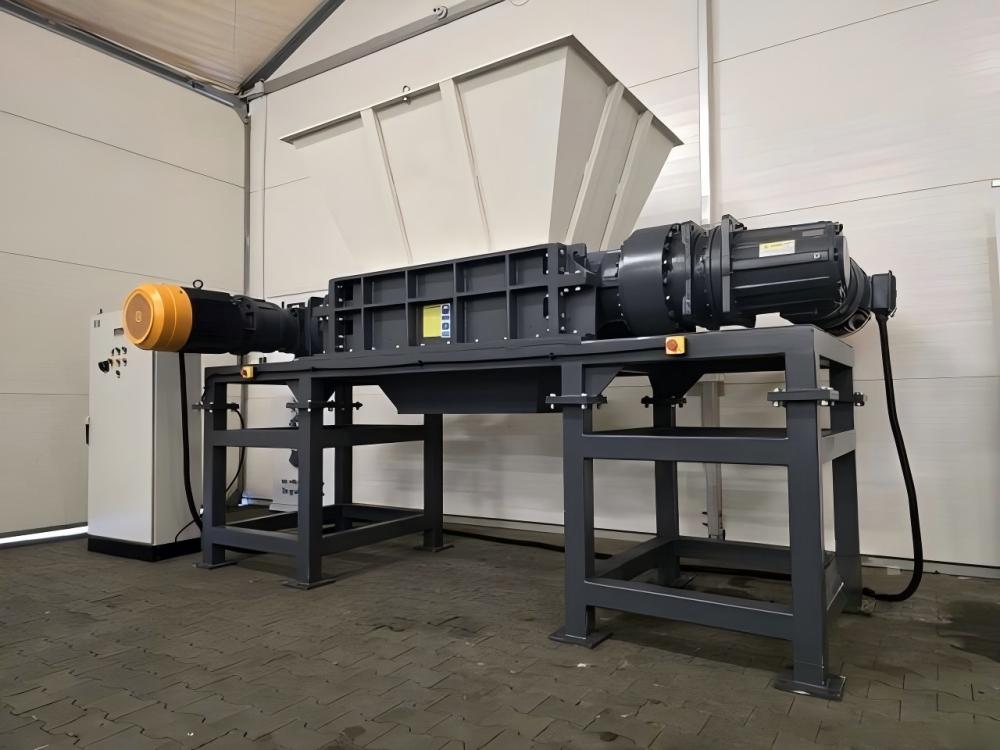
The core advantage of a four-shaft shredder lies in its mechanical design. Unlike two-shaft shredders, which rely on a shearing action between two sets of blades, a four-shaft shredder utilizes two primary shafts for initial shredding and two secondary shafts for sizing and discharge. This configuration provides a controlled, consistent output size that is essential for downstream recycling processes.
The low-speed, high-torque operation is the secret to its efficiency. By operating at lower RPMs, the machine generates less heat and dust, which is crucial for safety in a metal fabrication environment. The high torque allows the machine to process tough materials—such as hardened steel offcuts or aluminum bundles—without stalling. This reliability ensures that the production line remains fluid, preventing the accumulation of scrap that often leads to workplace accidents.
Furthermore, the screen system in a four-shaft shredder acts as a gatekeeper. Material is only discharged once it has been reduced to a size that can pass through the screen apertures. This ensures that the output is uniform, which is highly desirable for scrap metal buyers. High-density, uniform scrap is often classified as “premium” material, allowing the plant to command a higher price per ton when selling to recycling facilities.
The control systems on modern HARSLE shredders are also highly advanced. They feature automated reversal cycles that detect when a piece of material is too hard or jammed, preventing damage to the motor or the blades. This “smart” operation allows the machine to run with minimal human intervention, freeing up staff to focus on core production tasks rather than managing waste disposal.

Selection Advice: Choosing the Right Shredder for Your Plant
When evaluating how a four-shaft shredder helped a production plant cut waste processing costs, it becomes clear that the selection process is the most critical step. You must first define the throughput requirements. Does your plant generate 500kg of scrap per day, or 5 tons? A machine that is undersized will suffer from premature wear, while an oversized machine represents an unnecessary capital expenditure.
Material composition is the second major filter. If your waste stream includes a high percentage of non-ferrous metals mixed with plastics or wood, you need a shredder with adjustable blade configurations. HARSLE offers customizable blade profiles that can be tailored to the specific hardness of your scrap. This customization ensures that the machine operates at peak efficiency, reducing energy consumption per ton of processed material.
Consider the footprint of the equipment. In many fabrication plants, floor space is at a premium. Look for compact designs that offer high throughput without requiring a massive installation area. Additionally, consider the ease of maintenance. Can the blades be removed and sharpened without disassembling the entire machine? Are the hydraulic components easily accessible? These are questions that will save your maintenance team hundreds of hours over the life of the machine.
Finally, look for a partner, not just a supplier. The implementation of a four-shaft shredder is a significant operational change. You need a manufacturer that provides comprehensive training, readily available spare parts, and responsive technical support. HARSLE prides itself on supporting our clients from the initial site assessment through to the final commissioning of the shredding system.
Foire aux questions (FAQ)
1. How does a four-shaft shredder differ from a two-shaft shredder?
A four-shaft shredder includes two additional shafts that act as a sizing screen, ensuring a uniform output size. This makes it superior for applications where consistent particle size is required for recycling or further processing.
2. Can a four-shaft shredder handle mixed industrial waste?
Yes, these machines are designed to handle a variety of materials, including metal, plastic, and electronic waste. However, it is important to consult with the manufacturer to ensure the blade configuration is suitable for the specific mix of materials in your facility.
3. What is the typical ROI for this equipment?
Most production plants see an ROI within 12 to 18 months. This is achieved through reduced waste disposal fees, increased revenue from high-quality scrap, and lower labor costs associated with waste handling.
4. How often does the shredder require maintenance?
Maintenance frequency depends on the volume and type of material processed. Generally, a daily inspection of the blades and a monthly check of the hydraulic and electrical systems are recommended to ensure longevity.
5. Is it difficult to integrate a shredder into an existing production line?
With proper planning, integration is straightforward. HARSLE provides modular solutions that can be easily connected to existing conveyor systems, minimizing the need for major facility modifications.
Conclusion: Investing in Future Efficiency
The case study of how a four-shaft shredder helped a production plant cut waste processing costs is a testament to the power of industrial automation. By shifting the focus from “waste disposal” to “material processing,” manufacturers can turn a liability into an asset. The combination of reduced logistics costs, higher scrap value, and improved workplace safety makes the four-shaft shredder an essential piece of equipment for any modern fabrication facility.
As the industry moves toward more sustainable practices, the ability to process waste on-site will become a competitive advantage. Companies that act now to optimize their waste streams will be better positioned to handle rising disposal costs and stricter environmental regulations. HARSLE remains committed to providing the high-quality metal fabrication equipment necessary to drive this efficiency.
If you are ready to evaluate your own waste management strategy, we encourage you to conduct a waste audit and reach out to our technical team. By understanding the specific needs of your production environment, we can help you select a shredding solution that delivers measurable results. The path to lower costs and higher efficiency starts with the right technology, and a four-shaft shredder is the perfect place to begin that journey.
In summary, the investment in a four-shaft shredder is not merely an equipment purchase; it is a strategic decision to streamline operations and enhance profitability. As demonstrated, the benefits extend far beyond simple waste reduction, impacting every facet of the production cycle. Whether you are a small workshop or a large-scale manufacturing plant, the principles of efficient shredding remain the same: reduce volume, increase density, and maximize value.












