Hammer Shredder Screen Blockage: Troubleshooting and Maintenance Tips


Introduction to Hammer Shredder Efficiency
In the demanding world of metal fabrication and recycling, the hammer shredder stands as a cornerstone of material reduction. Whether you are processing scrap metal, automotive components, or industrial waste, the efficiency of your operation relies heavily on the internal components of the machine. Among these, the screen—or grate—plays a pivotal role in determining the output size and throughput capacity. However, operators frequently encounter the challenge of Hammer Shredder Screen Blockage: Troubleshooting Maintenance Tips, which is essential for maintaining a profitable and safe production line.
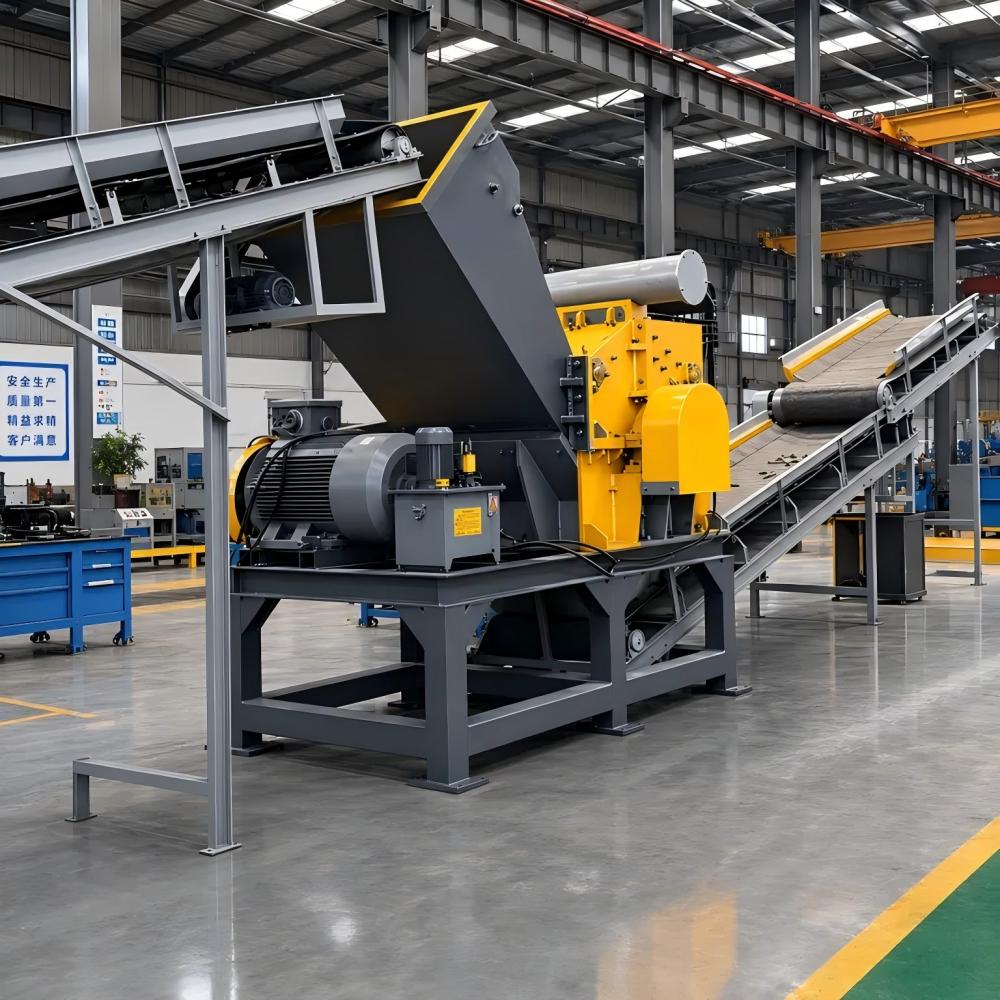
A hammer shredder operates by utilizing high-speed rotating hammers to impact and pulverize material until it is small enough to pass through the screen openings. When this process is interrupted by blockages, the machine’s efficiency drops, energy consumption spikes, and the risk of mechanical failure increases significantly. Understanding the root causes of these blockages is the first step toward implementing a robust maintenance strategy that keeps your HARSLE equipment running at peak performance.
At HARSLE, we emphasize that proactive maintenance is always more cost-effective than reactive repair. By monitoring the discharge flow and listening to the machine’s acoustic profile, operators can often detect the early signs of screen blinding or clogging. This article serves as a comprehensive guide to identifying, resolving, and preventing screen blockages, ensuring that your metal fabrication equipment remains a reliable asset in your facility.
Key Considerations for Shredder Performance
The primary factor influencing screen blockage is the nature of the feed material. Metal fabrication facilities often deal with a heterogeneous mix of materials, including ductile metals, alloys, and occasionally, non-metallic contaminants. If the feed material contains high levels of moisture, oil, or sticky residues, these substances can act as a binding agent, causing fine particles to adhere to the screen surface rather than passing through. This phenomenon, known as ‘blinding,’ is a common culprit in screen blockage.
Another critical consideration is the moisture content of the scrap. While metal itself does not absorb water, the debris, dust, and organic matter often found in scrap metal piles can become a sludge-like paste when wet. This paste quickly fills the screen apertures, creating a solid barrier that prevents the shredded metal from exiting the chamber. Maintaining a dry storage area for your feedstock is a simple yet highly effective way to mitigate this risk.
Furthermore, the physical dimensions of the feed material must be compatible with the shredder’s design. Overloading the chamber with oversized pieces forces the hammers to work harder, leading to uneven wear and potential jamming. When the hammers are worn down, they lose their ability to effectively ‘sweep’ the screen surface, allowing material to accumulate in the corners and dead zones of the shredding chamber. Regular inspection of hammer wear patterns is therefore intrinsically linked to screen health.
Finally, the operational speed of the rotor must be calibrated to the material density. If the rotor speed is too low, the centrifugal force required to push material through the screen is insufficient, leading to a buildup of material inside the chamber. Conversely, excessive speed can lead to premature wear of the screen plates themselves. Balancing these variables requires a deep understanding of your specific HARSLE machine’s technical specifications and the material characteristics you are processing daily.
Technical Details: Troubleshooting Screen Blockage
When a blockage occurs, the first step is to perform a systematic diagnostic check. Start by observing the discharge conveyor. If the output volume has significantly decreased while the motor load remains high or fluctuates wildly, it is a clear indicator of a screen issue. Before attempting any physical inspection, ensure the machine is completely powered down and locked out according to standard safety protocols. Never attempt to clear a blockage while the rotor is in motion.
Once the machine is safe, inspect the screen for ‘peening.’ Peening occurs when ductile metal is hammered into the screen holes, effectively cold-welding it into the aperture. This is common when processing soft aluminum or copper scrap. To resolve this, you may need to use a pneumatic punch or a specialized cleaning tool to clear the holes. In severe cases, the screen segments may need to be removed and cleaned in a dedicated workshop area using heat or mechanical vibration.
Another technical issue involves the gap between the hammer tips and the screen. As hammers wear, this gap increases, reducing the ‘wiping’ action that keeps the screen clear. If your maintenance logs indicate that the hammers are nearing the end of their service life, they should be replaced or hard-faced to restore the original clearance. A tight clearance is essential for maintaining the high-velocity air and material flow that prevents particles from settling on the screen surface.
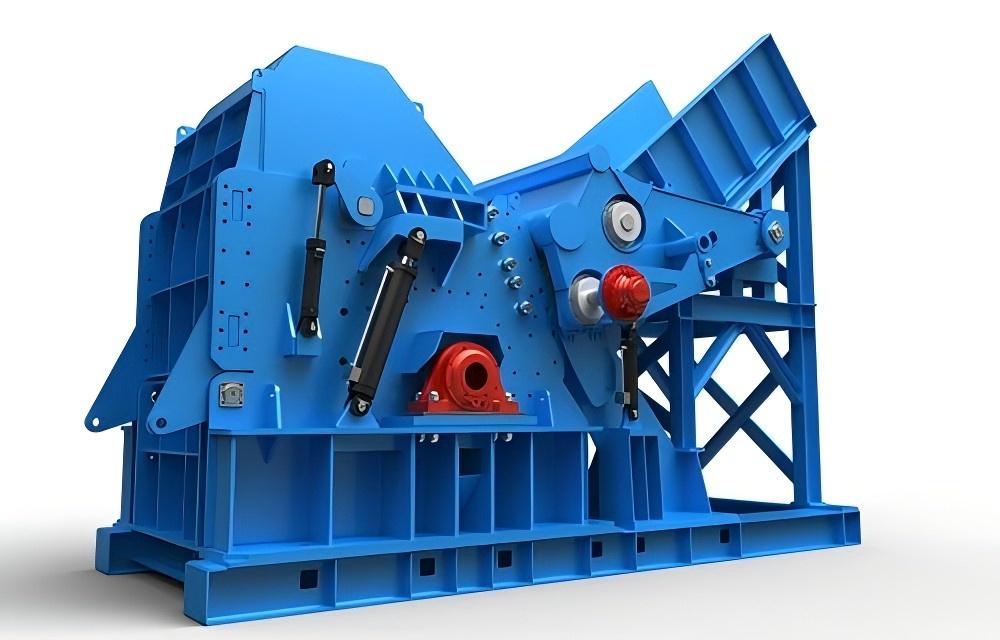
Check the screen support structure for signs of deformation. If the screen has been subjected to heavy impact from tramp metal (non-shreddable items like large steel bolts or hardened alloy chunks), the screen may have bowed or cracked. A deformed screen will never seat properly against the housing, creating gaps where material can bypass the shredding zone or become wedged, leading to further blockages. Replacing damaged screen segments immediately is vital to prevent cascading damage to the rotor and housing.
Selection Advice for Optimal Shredding
Choosing the right screen configuration is just as important as maintaining it. HARSLE offers various screen designs, including different hole shapes (round, square, or slotted) and thicknesses. For high-throughput applications involving light scrap, thinner screens with larger apertures may be appropriate. However, for heavy-duty metal fabrication waste, thicker, reinforced screens are necessary to withstand the impact forces and prevent premature deformation.
Consider the material of the screen itself. High-manganese steel is often preferred for its work-hardening properties, which allow the screen to become tougher as it is impacted by the material. For abrasive materials, alloy steels with high chromium content provide superior wear resistance. Selecting the right material based on your specific feedstock will significantly extend the time between maintenance intervals and reduce the frequency of blockages.
When purchasing replacement screens, always prioritize OEM parts. While third-party alternatives may seem cheaper, they often lack the precise tolerances required for a perfect fit within the HARSLE shredder housing. A poorly fitting screen creates uneven gaps, which are prime locations for material buildup and eventual blockage. Investing in quality components ensures that the internal geometry of the shredder remains consistent with the manufacturer’s design intent.
Finally, consider the integration of an automated discharge system. Modern shredders can be equipped with sensors that monitor the discharge rate and automatically adjust the feed rate if a potential blockage is detected. This ‘smart’ approach to shredding not only prevents screen blinding but also protects the motor and drive train from the stress of a stalled rotor. Discussing these options with your HARSLE representative can help you tailor your equipment to your specific operational needs.
Maintenance Best Practices
A structured maintenance schedule is the backbone of any successful metal fabrication operation. Daily inspections should include a visual check of the discharge area and a review of the motor’s amperage draw. Any unexplained increase in power consumption should be investigated immediately, as it is often the first sign that the shredder is working harder than it should, potentially due to a partially blocked screen.
Weekly maintenance should involve a more thorough inspection of the shredding chamber. Use a flashlight to examine the screen surface for signs of material buildup or peening. If you notice a pattern of blockage, consider adjusting your feed material mix. For example, if you are processing a high volume of oily scrap, you might need to implement a pre-cleaning or de-oiling step before the material enters the shredder.
Monthly maintenance should focus on the mechanical integrity of the screen and hammers. Measure the hammer-to-screen gap and record the findings in your maintenance log. This data is invaluable for predicting when parts will need replacement, allowing you to schedule downtime during planned maintenance windows rather than during peak production hours. This proactive approach is the essence of effective Hammer Shredder Screen Blockage: Troubleshooting Maintenance Tips.
Finally, keep a detailed log of all maintenance activities. Note the type of material processed, the condition of the screens, and any adjustments made to the machine settings. Over time, this data will reveal trends that can help you optimize your process. For instance, you might discover that certain types of scrap consistently lead to blockages, prompting you to adjust your sorting process or change your screen configuration for those specific batches.
FAQ: Common Questions About Shredder Maintenance
Q: How often should I clean the hammer shredder screen?
A: The frequency depends on the material being processed. For clean, dry scrap, a weekly inspection may suffice. For oily or high-moisture materials, daily cleaning or the use of a pre-treatment system is recommended.
Q: Can I use a torch to clear a blocked screen?
A: While heat can help loosen material, it is generally discouraged as it can alter the metallurgical properties of the screen, leading to brittleness and premature failure. Mechanical cleaning methods are preferred.
Q: What are the signs of a worn-out screen?
A: Signs include increased motor load, decreased throughput, inconsistent output size, and visible deformation or thinning of the screen material.
Q: Does the hammer type affect screen blockage?
A: Yes. Hammers that are worn or improperly balanced will not effectively clear the screen surface. Always ensure your hammers are in good condition and correctly oriented.
Q: Why does my shredder vibrate excessively?
A: Excessive vibration can be caused by uneven hammer wear, a damaged rotor, or a buildup of material on the screen that creates an unbalanced load. Inspect the screen and hammers immediately if vibration increases.
Conclusion
Mastering the art of Hammer Shredder Screen Blockage: Troubleshooting Maintenance Tips is essential for any metal fabrication facility aiming for efficiency and longevity. By understanding the interplay between feed material, hammer condition, and screen integrity, you can transform your maintenance routine from a reactive chore into a strategic advantage. HARSLE is committed to providing not only the highest quality metal fabrication equipment but also the knowledge required to keep your operations running smoothly.
Remember that the health of your shredder is a reflection of your maintenance culture. By prioritizing regular inspections, using high-quality OEM parts, and staying attuned to the operational nuances of your machine, you can minimize downtime and maximize your return on investment. Whether you are dealing with minor screen blinding or major mechanical issues, the principles outlined in this guide will help you navigate the challenges of industrial shredding with confidence and precision.
For further assistance or to explore our range of high-performance shredding solutions, contact the HARSLE support team. We are here to help you optimize your production line and ensure that your metal fabrication equipment remains a reliable, high-output component of your business for years to come.