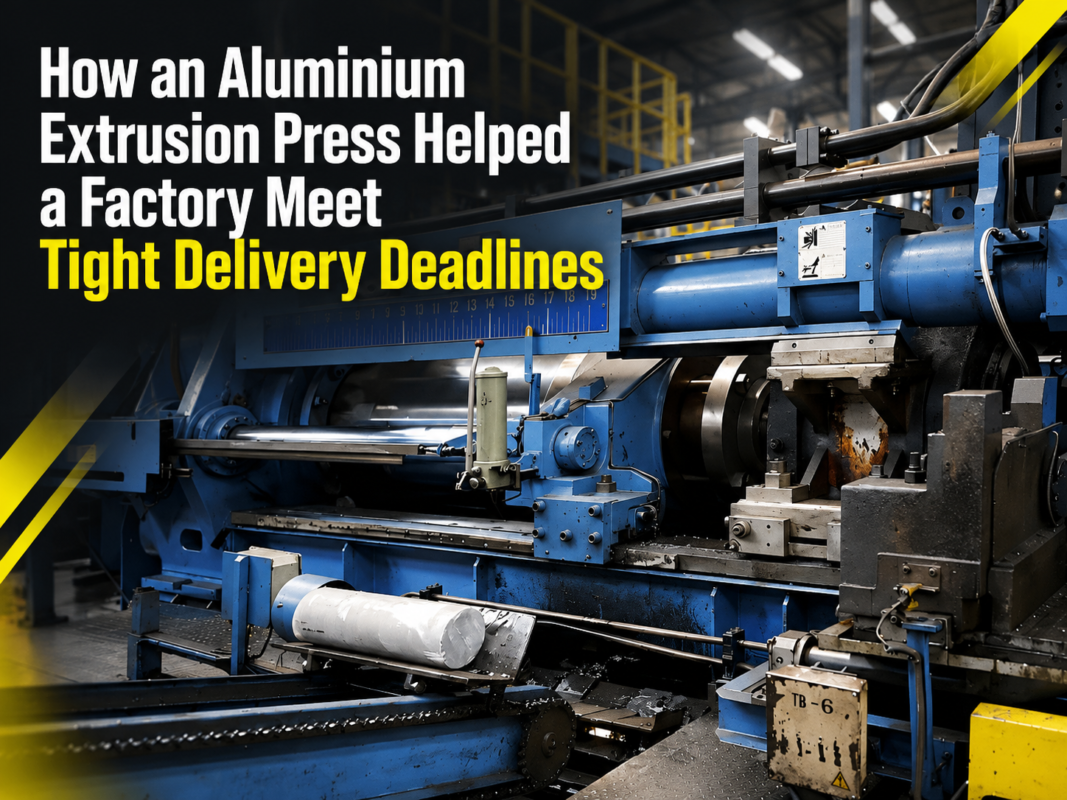
Hammer Shredder Case Study: Achieving Cost-Effective Metal Size Reduction

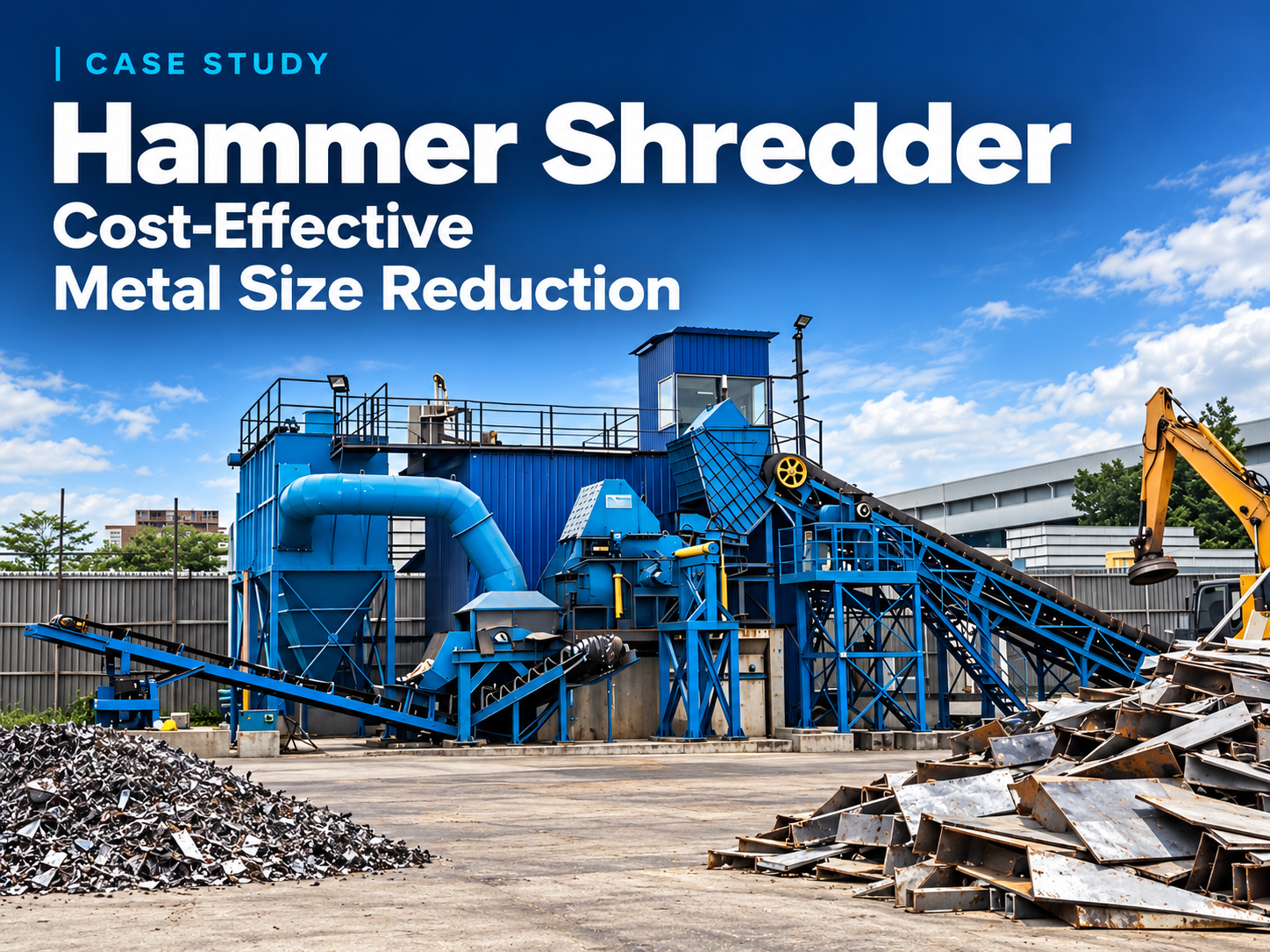
Introduction to Industrial Metal Size Reduction
In the modern landscape of metal fabrication and recycling, the ability to process scrap efficiently is not just an operational advantage—it is a financial necessity. As raw material costs fluctuate and environmental regulations tighten, companies are increasingly looking for ways to maximize the value of their metal waste. This is where the Hammer Shredder Case Study for Cost-Effective Metal Size Reduction becomes a critical resource for plant managers and business owners alike.
HARSLE has long been at the forefront of providing robust industrial machinery designed to handle the rigors of heavy-duty metal processing. A hammer shredder serves as the backbone of many scrap yards and fabrication facilities, transforming bulky, low-density metal waste into high-density, uniform fragments. This process not only facilitates easier transport but also significantly increases the purity and market value of the scrap material.
The primary objective of this article is to dissect the operational mechanics and economic benefits of utilizing high-performance shredding technology. By examining a real-world application scenario, we will demonstrate how choosing the right equipment can lead to substantial long-term savings. Whether you are dealing with aluminum extrusions, steel offcuts, or mixed metal waste, understanding the nuances of size reduction is the first step toward optimizing your bottom line.
As we delve into this comprehensive guide, we will explore the technical specifications that define a superior hammer shredder, the selection criteria for different industrial scales, and the maintenance practices that ensure longevity. Through this HARSLE-focused analysis, you will gain the insights needed to make an informed investment in your facility’s processing capabilities.
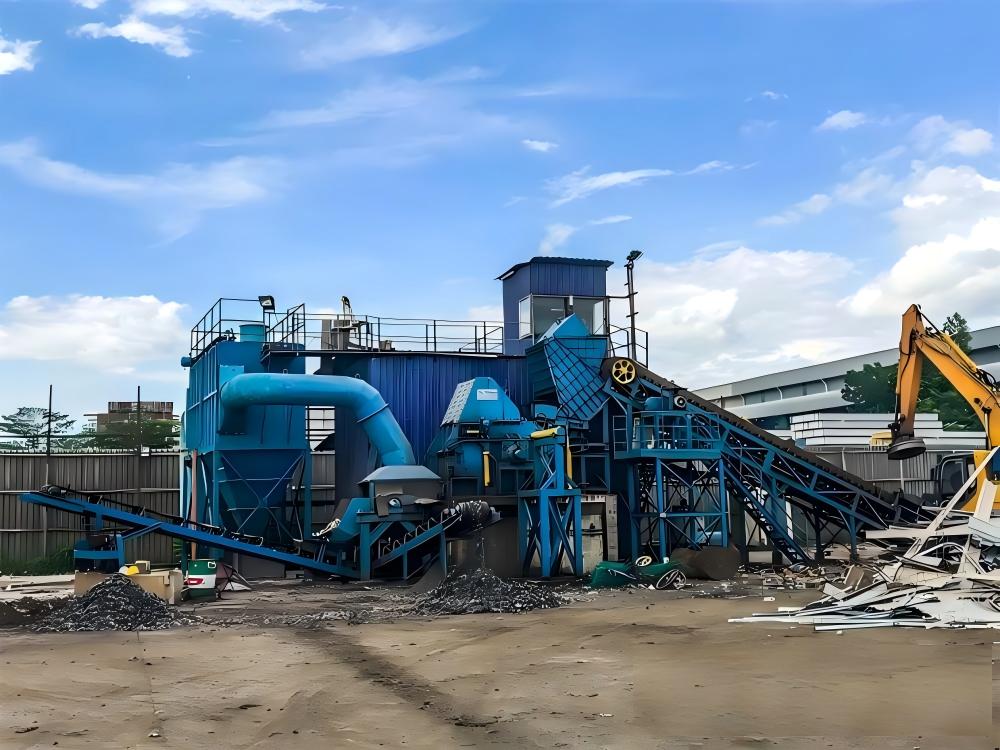
Key Considerations for Metal Shredding Efficiency
When evaluating the effectiveness of a metal shredding operation, several key factors must be considered to ensure that the process remains cost-effective. The first consideration is the throughput requirement. A facility processing five tons of scrap per day has vastly different needs than a large-scale recycling center processing fifty tons. HARSLE emphasizes the importance of matching the shredder’s motor power and rotor design to the expected volume of material to avoid bottlenecks.
Material composition is another critical factor. Different metals possess varying degrees of hardness, ductility, and abrasiveness. For instance, shredding high-tensile steel requires a different hammer configuration and rotor speed compared to processing aluminum or copper. Failing to account for these material properties can lead to premature wear of the hammers, increased energy consumption, and frequent downtime, all of which erode the cost-effectiveness of the operation.
Energy efficiency is perhaps the most significant operational cost in the long run. Modern hammer shredders are designed with advanced drive systems that optimize torque and power consumption. By utilizing variable frequency drives (VFDs) and high-efficiency motors, operators can significantly reduce their electricity bills. A successful Hammer Shredder Case Study for Cost-Effective Metal Size Reduction often highlights how a slight increase in initial capital expenditure for a more efficient motor pays for itself within the first two years of operation.
Finally, the output quality—often referred to as the ‘shred size’—is paramount. Downstream processes, such as magnetic separation or eddy current sorting, rely on consistent particle size to function effectively. If the shredder produces irregular pieces, the efficiency of the entire recycling line drops. Therefore, selecting a machine with adjustable screen sizes and precise hammer geometry is essential for maintaining a high-value output stream.
Technical Details of HARSLE Hammer Shredders
HARSLE hammer shredders are engineered with a focus on durability and precision. The core of the machine is the rotor assembly, which features a series of heavy-duty, hardened steel hammers. These hammers are designed to swing freely, allowing them to retract upon impact with non-shreddable materials, thereby protecting the rotor and the drive shaft from catastrophic damage. This design feature is a hallmark of HARSLE’s commitment to machine longevity.
The housing of the shredder is constructed from reinforced, wear-resistant steel plates. Inside the chamber, replaceable liners are installed to protect the main structure from the abrasive nature of metal scrap. These liners are easily accessible, allowing for quick maintenance cycles that minimize downtime. The internal geometry of the shredding chamber is specifically engineered to create a ‘cascading’ effect, ensuring that material is repeatedly struck until it reaches the desired size for discharge through the bottom screen.
Another technical highlight is the integrated hydraulic system. HARSLE shredders often feature hydraulic opening mechanisms for the top housing, providing easy access to the rotor and hammers for inspection and replacement. This design choice significantly reduces the labor hours required for routine maintenance, which is a key component in the cost-effectiveness equation. Furthermore, the discharge system can be customized with conveyor belts or magnetic separators to create a fully automated processing line.
Safety is integrated into every technical aspect of the machine. From emergency stop buttons and vibration sensors to overload protection systems, HARSLE ensures that the equipment operates within safe parameters. These sensors provide real-time feedback to the control panel, allowing operators to adjust feed rates or stop the machine before a jam occurs, thereby preventing damage and ensuring a consistent, high-quality output.
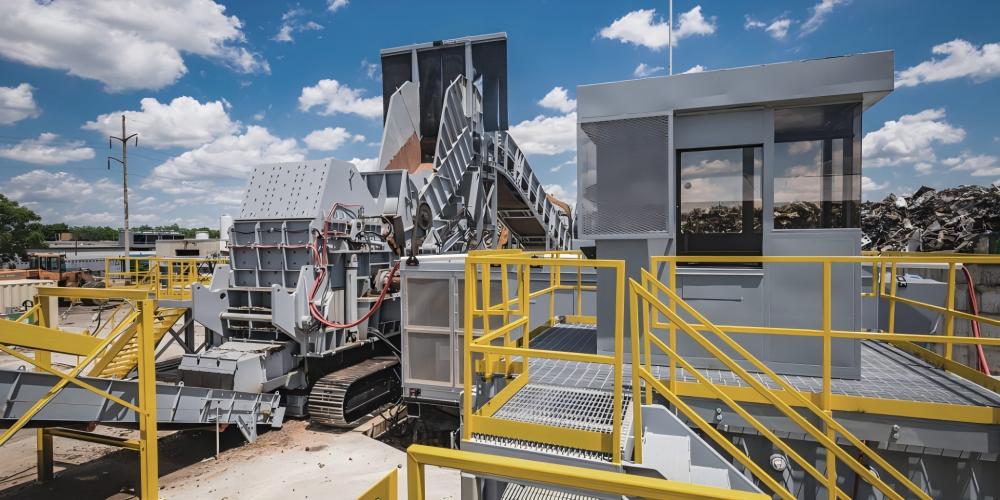
Conseils de sélection : Choisir le bon équipement
Selecting the right hammer shredder requires a thorough assessment of your current and future production needs. Start by conducting a waste audit to determine the average density, volume, and type of metal you process. If your scrap stream is highly variable, look for a shredder with a wide feed opening and a robust, high-torque motor that can handle occasional surges in material density without stalling.
Consider the footprint of the equipment. In many fabrication shops, space is at a premium. HARSLE offers compact shredder designs that do not sacrifice power for size. If your facility is mobile or requires processing at different locations, a trailer-mounted or mobile hammer shredder might be the ideal solution. These units offer the same performance as stationary models but provide the flexibility to move between job sites, reducing transportation costs for bulky scrap.
Budgeting for the total cost of ownership (TCO) is essential. Do not focus solely on the purchase price. Factor in the cost of replacement parts, such as hammers and screens, as well as the expected energy consumption and maintenance labor. A cheaper machine that requires frequent repairs and consumes excessive power will ultimately be more expensive than a premium, high-efficiency HARSLE shredder. Always request a performance guarantee or a trial run if possible, to ensure the machine meets your specific throughput and output quality requirements.
Finally, consider the support and service network. Industrial machinery is a long-term investment. Choosing a manufacturer like HARSLE, which provides comprehensive technical support, readily available spare parts, and expert guidance on machine setup, ensures that your shredder remains operational for years. A reliable partner in the machinery industry is just as important as the machine itself when it comes to maintaining a cost-effective operation.
Maintenance and Operational Best Practices
To maintain the cost-effectiveness of your metal size reduction operation, a proactive maintenance schedule is non-negotiable. The most critical component to monitor is the hammer wear. As hammers wear down, their impact efficiency decreases, leading to longer processing times and higher energy consumption. Implementing a regular inspection schedule—weekly or monthly depending on usage—allows you to rotate or replace hammers before they significantly impact performance.
The screen assembly also requires regular attention. Over time, the holes in the screen can become enlarged or clogged, affecting the consistency of the output. Keeping a set of spare screens on hand and cleaning them regularly will ensure that your shredder continues to produce the uniform material required for high-value scrap sales. Additionally, check the drive belts and couplings for signs of wear or misalignment, as these can lead to vibration and energy loss.
Lubrication is the lifeblood of any industrial machine. Ensure that all bearings and moving parts are lubricated according to the manufacturer’s specifications. Using high-quality lubricants can extend the life of your shredder’s components and reduce the risk of unexpected failures. Keep a detailed log of all maintenance activities, including dates, parts replaced, and hours of operation, to help identify patterns and predict when major components will need servicing.
Operator training is another often-overlooked aspect of maintenance. A well-trained operator knows how to feed the machine correctly, how to listen for signs of trouble, and how to perform basic troubleshooting. By investing in training, you reduce the likelihood of operator-induced damage and ensure that the machine is always running at its peak efficiency. A culture of maintenance is the foundation of a successful Hammer Shredder Case Study for Cost-Effective Metal Size Reduction.
Foire aux questions (FAQ)
What is the primary benefit of using a hammer shredder for metal?
The primary benefit is the significant increase in material density. By shredding bulky scrap into uniform pieces, you reduce transportation costs, increase storage efficiency, and improve the market value of the metal by making it easier to sort and melt down.
How often should I replace the hammers in my shredder?
The frequency of hammer replacement depends on the type of metal being processed and the volume of throughput. Abrasive materials like steel will wear hammers faster than softer metals like aluminum. Regular inspections are the best way to determine the optimal replacement interval.
Can a hammer shredder handle mixed metal waste?
Yes, HARSLE hammer shredders are designed to handle a variety of metals. However, it is important to ensure that the feed is consistent and that non-shreddable materials (like large, solid steel blocks or concrete) are removed beforehand to prevent damage to the rotor.
How does a hammer shredder improve the value of my scrap?
Shredding allows for better separation of different metal types using magnetic or eddy current separators. Clean, uniform, and sorted scrap fetches a significantly higher price from smelters and recyclers than mixed, bulky scrap.
What should I look for in a Hammer Shredder Case Study?
Look for data on throughput rates, energy consumption per ton, maintenance costs, and the time taken to achieve a return on investment (ROI). A good case study will provide transparent figures that help you benchmark your own potential performance.
Conclusion
Achieving cost-effective metal size reduction is a multifaceted challenge that requires the right equipment, proper maintenance, and a strategic approach to operations. As demonstrated throughout this article, the HARSLE hammer shredder is a powerful tool that can transform your scrap processing capabilities, turning waste into a valuable revenue stream. By focusing on energy efficiency, material-specific configurations, and proactive maintenance, you can ensure that your investment delivers consistent returns.
The Hammer Shredder Case Study for Cost-Effective Metal Size Reduction serves as a reminder that industrial success is built on the foundation of reliable machinery. Whether you are looking to upgrade your existing line or are setting up a new facility, HARSLE provides the expertise and the technology to help you reach your goals. Remember that the true cost of your shredder is not just the purchase price, but the total value it generates over its entire operational lifespan.
We encourage you to assess your current metal processing workflows and identify areas where efficiency can be improved. By integrating high-performance shredding technology, you are not only optimizing your production but also contributing to a more sustainable and circular economy. Contact HARSLE today to discuss your specific requirements and take the first step toward a more profitable and efficient metal fabrication future.