Alligator Shear Back Gauge Issues: How to Identify and Resolve Them


Introduction to Alligator Shear Back Gauge Issues: Identify Resolve Them
In the high-stakes environment of metal fabrication, precision is the difference between a profitable project and wasted material. For operators of HARSLE alligator shears, the back gauge system serves as the critical reference point for consistent, repeatable cuts. When this system falters, productivity grinds to a halt. Understanding Alligator Shear Back Gauge Issues: Identify Resolve Them is not merely a maintenance task; it is a fundamental requirement for any shop floor manager aiming to maintain operational excellence.
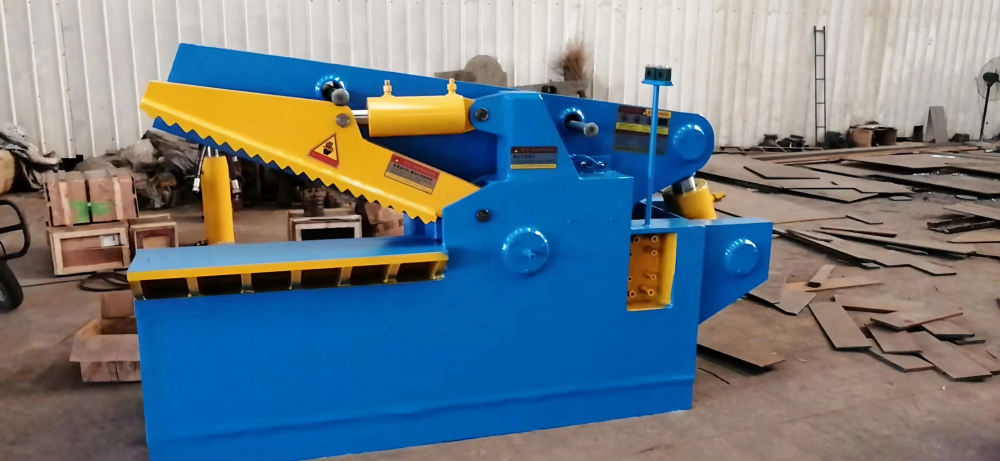
The back gauge on an alligator shear is designed to provide a physical stop that ensures every piece of scrap or structural steel is cut to the exact same length. However, due to the intense vibration, heavy impact, and abrasive dust inherent in metal recycling and fabrication, these components are subject to significant wear. Identifying the root cause of a gauge malfunction requires a systematic approach, moving from simple mechanical checks to complex electrical diagnostics.
This guide provides a deep dive into the common failure points of back gauge systems. Whether you are dealing with inconsistent cut lengths, unresponsive motors, or physical deformation of the gauge bar, this article will walk you through the diagnostic process. By mastering these troubleshooting steps, you can minimize downtime and extend the lifespan of your HARSLE machinery.
Key Considerations for Back Gauge Performance
Before diving into repairs, it is vital to understand the environmental factors that contribute to back gauge degradation. Alligator shears operate in some of the harshest industrial conditions. Metal shards, fine dust, and heavy vibrations are constant enemies of precision components. If your back gauge is failing, the first consideration should always be the cleanliness and lubrication of the guide rails and lead screws.
Another key consideration is the impact load. Alligator shears are designed to cut heavy structural steel, but if the material is not properly supported or if the operator allows the material to slam against the back gauge, the gauge assembly will eventually lose its calibration. Over time, this repeated impact can lead to bent brackets, stripped threads, or even damage to the motor coupling that drives the gauge movement.
Electrical stability is equally important. Many modern HARSLE shears utilize CNC-controlled back gauges. These systems rely on encoders and limit switches to determine position. If the electrical cabinet is exposed to metallic dust, or if the grounding of the machine is inadequate, the control system may receive “ghost” signals, causing the gauge to drift or stop unexpectedly. Always ensure that your control environment is sealed and that all electrical connections are tight and free of oxidation.
Finally, consider the operator’s role in system longevity. Training is the best preventative maintenance. Operators must understand that the back gauge is a positioning tool, not a structural stop for heavy, falling scrap. When operators use the gauge as a “catch-all” for heavy steel, the mechanical stress is transferred directly to the drive mechanism, leading to premature failure of the gearboxes and positioning sensors.
Technical Details: Identifying Mechanical and Electrical Faults
When you encounter Alligator Shear Back Gauge Issues: Identify Resolve Them, the first step is to isolate the problem. Is the issue mechanical, or is it electrical? A mechanical issue usually manifests as physical resistance, grinding noises, or visible misalignment. An electrical issue, conversely, often presents as an error code on the HMI, a failure to move, or inaccurate positioning despite the motor running.
For mechanical issues, start by inspecting the lead screw and the linear bearings. If the gauge moves jerkily, it is likely that the lubricant has become contaminated with metal dust, creating a grinding paste that wears down the threads. Clean the assembly thoroughly with a degreaser, inspect for burrs or chips, and re-apply a high-quality lithium-based grease. If the gauge bar itself is bent, it must be replaced; attempting to straighten a hardened steel gauge bar rarely yields the precision required for high-quality fabrication.
Electrical diagnostics require a multimeter and a clear understanding of the machine’s wiring diagram. Begin by checking the limit switches. These switches prevent the gauge from traveling beyond its safe range. If a switch is stuck in the “open” position due to debris, the controller will assume the gauge has reached its limit and will refuse to move. Use compressed air to clear the switch housing and verify continuity with your multimeter.
If the motor is humming but the gauge is not moving, the issue is likely in the drive coupling. This is a common failure point designed to act as a “fuse” to protect the motor. If the coupling has sheared, the motor will spin freely without engaging the lead screw. Replacing this coupling is a standard maintenance procedure that can save you from a much more expensive motor replacement. Always keep a spare coupling in your inventory for such emergencies.
Selection Advice: Choosing the Right Back Gauge for Your Needs
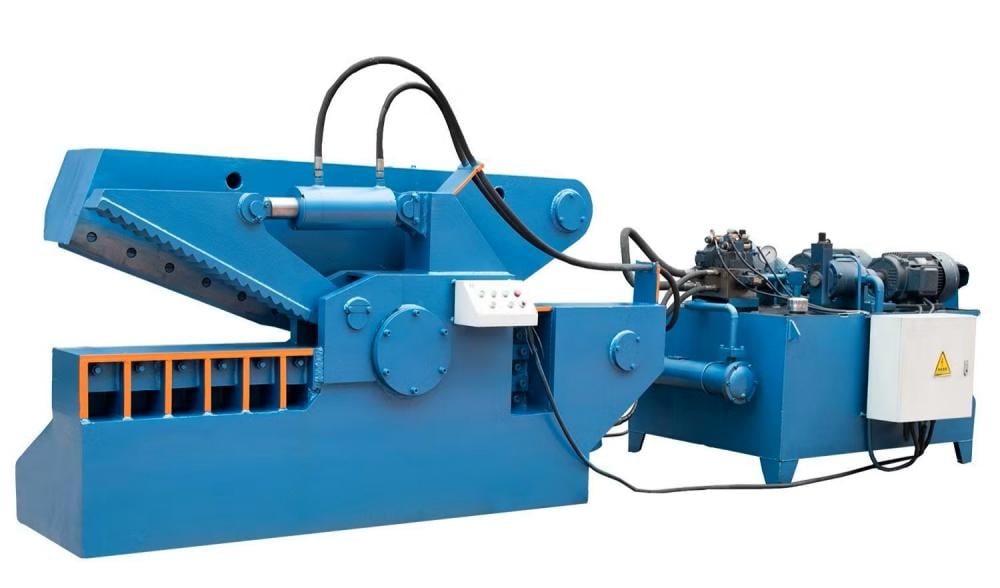
When purchasing a new HARSLE alligator shear, the back gauge configuration should be tailored to your specific application. Not all back gauges are created equal. For shops processing light-gauge sheet metal, a manual, hand-cranked gauge may suffice. However, for high-volume recycling centers or structural steel fabricators, a motorized, CNC-controlled back gauge is an absolute necessity for efficiency.
Consider the material handling requirements. If you are cutting long, heavy bars, you need a back gauge with a robust, reinforced frame. A flimsy gauge will deflect under the weight of the material, leading to inaccurate cuts. Look for systems that feature hardened steel contact surfaces, as these will resist the inevitable wear caused by the constant impact of heavy steel sections.
Integration with your existing workflow is another critical factor. If your shop uses a centralized ERP system or requires specific cut lengths for downstream processes, ensure that the back gauge controller is compatible with your data input methods. Modern HARSLE shears offer programmable memory, allowing operators to save common cut lengths, which significantly reduces setup time and human error.
Finally, prioritize ease of maintenance. When evaluating a machine, look at the accessibility of the back gauge components. Are the limit switches easy to reach? Is the lead screw shielded from falling debris? A machine that is designed with maintenance in mind will always have a lower total cost of ownership than one where simple repairs require hours of disassembly. Always ask the manufacturer for a list of recommended spare parts to keep on hand.
FAQ: Common Questions Regarding Alligator Shear Back Gauges
- Q: Why is my back gauge showing an inaccurate position on the screen?
A: This is often caused by a calibration error or a loose encoder coupling. Perform a “home” or “zero” calibration procedure as outlined in your HARSLE manual. If the error persists, check the encoder for loose mounting bolts. - Q: How often should I lubricate the back gauge lead screw?
A: In a high-volume environment, we recommend weekly cleaning and lubrication. If the machine is used in a dusty environment, increase this frequency to daily. - Q: Can I weld a repair onto a bent back gauge bar?
A: We strongly advise against this. Welding introduces heat that can warp the steel and change its temper, leading to further inaccuracies. It is always better to replace the component with an OEM part. - Q: What should I do if the back gauge makes a loud grinding noise?
A: Stop the machine immediately. Grinding indicates metal-on-metal contact, usually caused by a failure of the linear bearings or a lack of lubrication. Inspect the rails for debris and check the bearings for signs of seizure. - Q: Is it possible to upgrade a manual back gauge to a CNC version?
A: While possible, it is often cost-prohibitive due to the need for new motors, controllers, and mounting brackets. It is usually more economical to purchase a machine that includes the desired features from the start.
Conclusion
Mastering Alligator Shear Back Gauge Issues: Identify Resolve Them is a journey of continuous improvement. By understanding the mechanical and electrical components of your HARSLE shear, you can transform your maintenance strategy from reactive to proactive. Remember that the back gauge is the heart of your machine’s precision; treating it with the care it deserves will pay dividends in the form of reduced waste, higher throughput, and a safer shop floor.
Always prioritize safety when performing maintenance. Ensure the machine is locked out and tagged out before reaching into the cutting area or the back gauge assembly. Keep your documentation organized, maintain a stock of critical spare parts, and never hesitate to reach out to HARSLE technical support if you encounter a problem that falls outside your team’s expertise. With the right approach, your alligator shear will remain a reliable workhorse for years to come.
As you continue to refine your metal fabrication processes, remember that the quality of your output is directly tied to the health of your equipment. By implementing the diagnostic steps outlined in this guide, you are not just fixing a machine; you are investing in the long-term success of your business. Stay vigilant, keep your equipment clean, and always strive for the highest standards of precision in every cut.