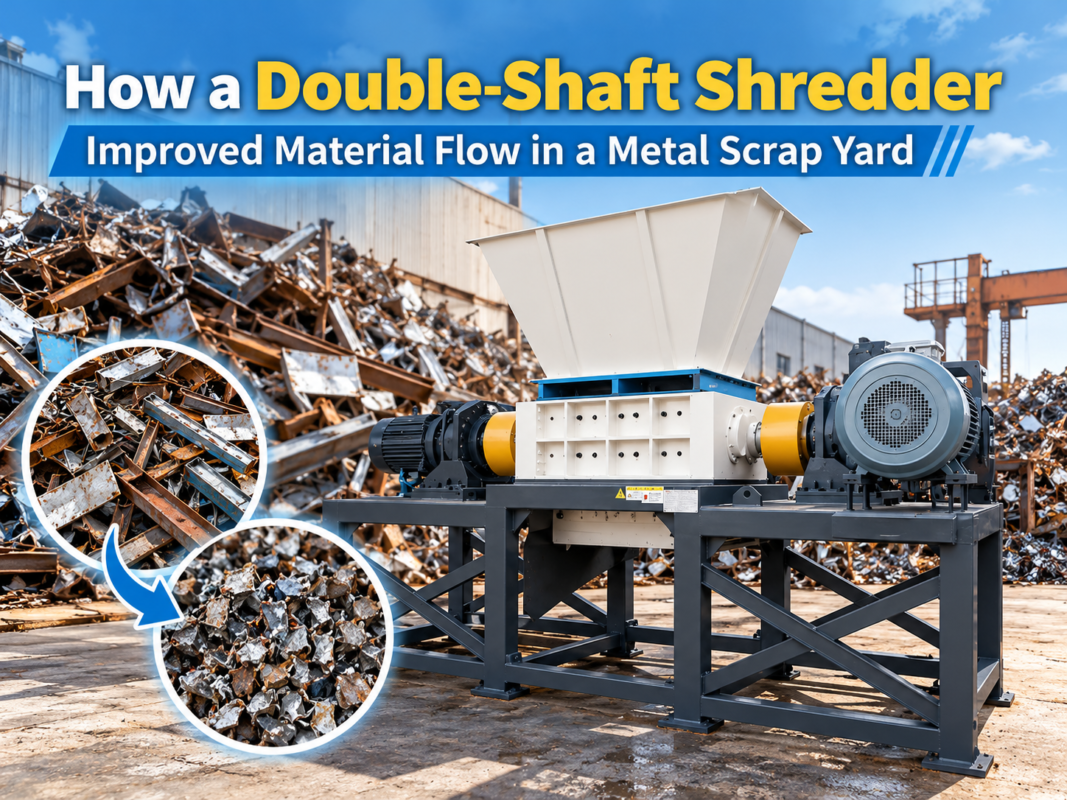
Double-Shaft Shredder Case Study: Improving Metal Scrap Separation Before Recycling

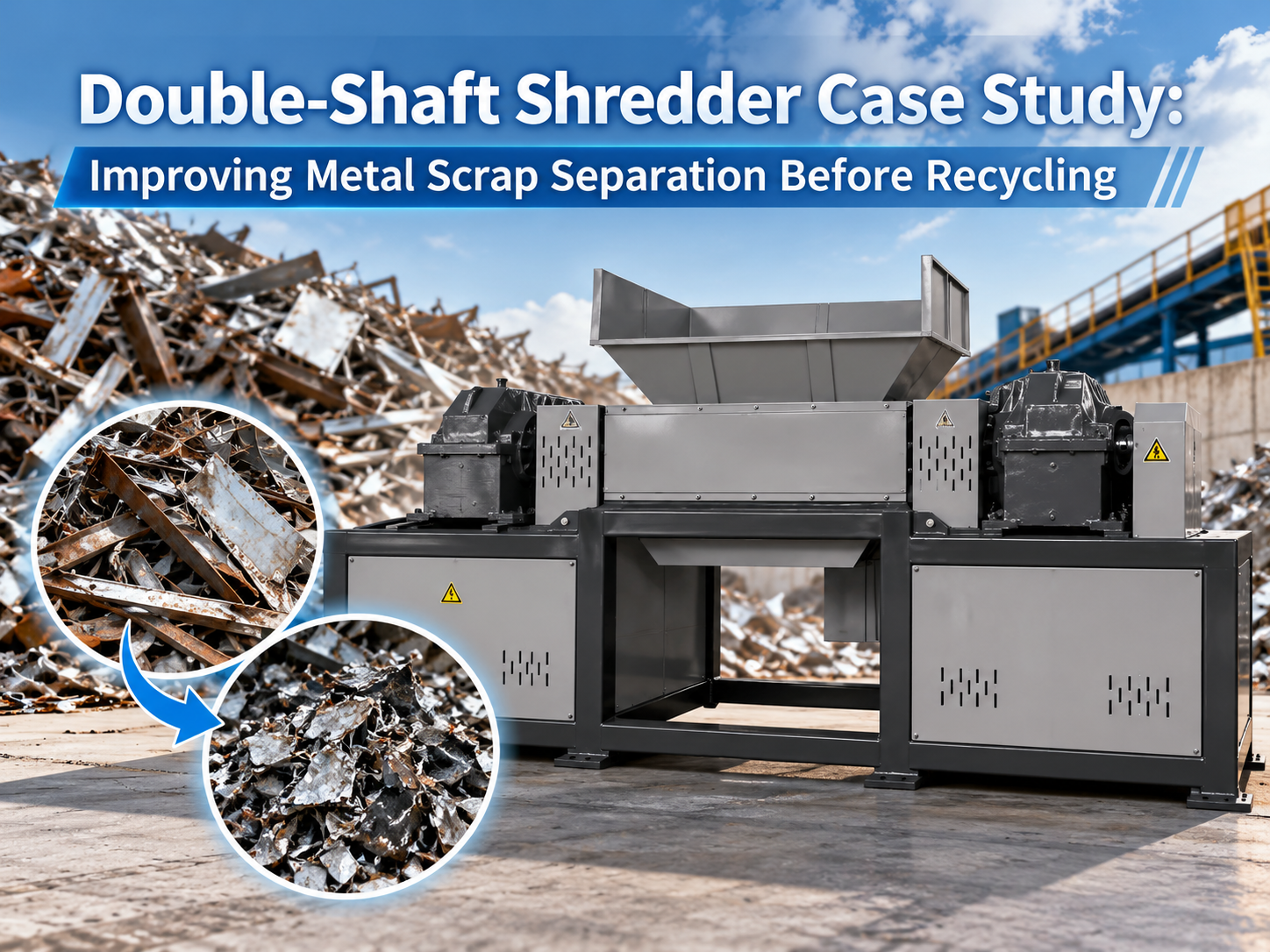
Introduction: The Critical Role of Pre-Processing in Metal Recycling
In the modern metal fabrication industry, the efficiency of recycling programs is directly tied to the quality of pre-processing. As raw material costs fluctuate and environmental regulations tighten, fabricators are increasingly turning to advanced machinery to maximize the value of their scrap. A Double-Shaft Shredder Case Study: Improving Metal Scrap Separation Before Recycling reveals that the initial reduction of scrap volume is not merely a logistical convenience but a fundamental requirement for high-purity material recovery.
HARSLE has observed that many facilities struggle with bulky, tangled, or contaminated scrap metal that is difficult to sort and transport. By implementing a robust double-shaft shredder, these facilities can transform chaotic piles of metal waste into uniform, manageable fragments. This process is the cornerstone of effective separation, allowing downstream magnetic separators and eddy current systems to function at peak performance.
This article explores the technical nuances of double-shaft shredding, the operational benefits observed in real-world case studies, and the strategic advantages of integrating this technology into your metal fabrication workflow. Whether you are dealing with aluminum offcuts, steel shavings, or complex composite scraps, understanding the shredding process is essential for modern industrial success.
Key Considerations for Metal Scrap Management
Before investing in shredding technology, facility managers must evaluate the specific nature of their scrap stream. Not all metal is created equal; the density, hardness, and shape of the material dictate the torque and blade configuration required for the shredder. A primary consideration is the volume of throughput; high-volume facilities require continuous-feed systems that can handle heavy-duty cycles without overheating or mechanical fatigue.
Another critical factor is the level of contamination. Metal scrap often arrives mixed with non-metallic materials such as plastics, rubber, or wood. A double-shaft shredder acts as a primary liberation tool, breaking apart these composite structures so that subsequent separation technologies can isolate the valuable metal components. Without this initial shredding, contaminants often remain trapped within the scrap, significantly lowering the market value of the recycled material.
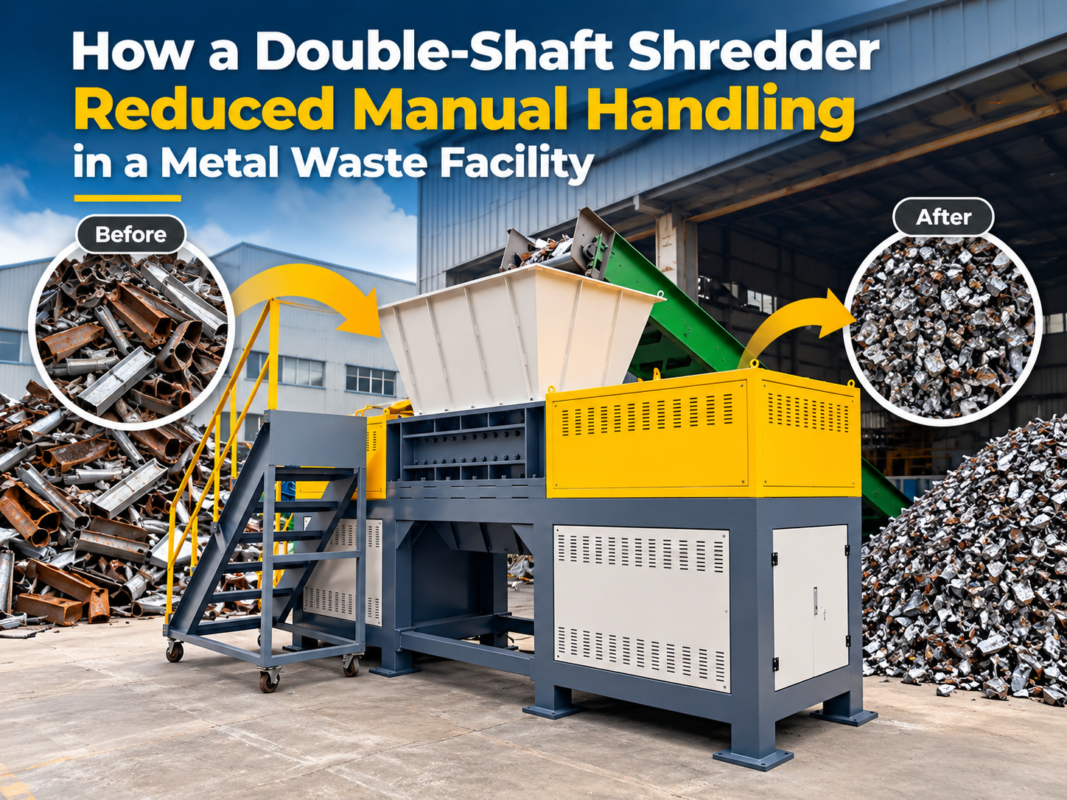
Safety and environmental compliance also play a major role. Shredding reduces the physical footprint of scrap, which lowers transportation costs and carbon emissions associated with hauling waste. Furthermore, by creating a uniform output, the shredder minimizes the risk of sharp, protruding edges that pose hazards to workers during manual handling or sorting processes. Investing in the right equipment is therefore a multi-faceted decision that impacts safety, logistics, and profitability.
Technical Details: How Double-Shaft Shredders Function
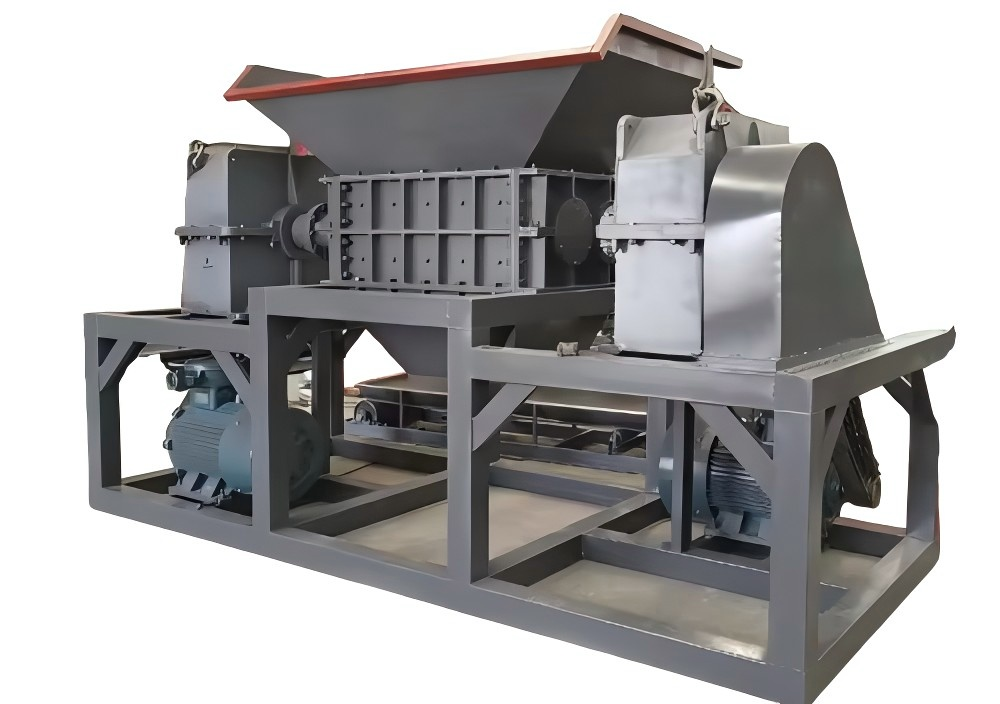
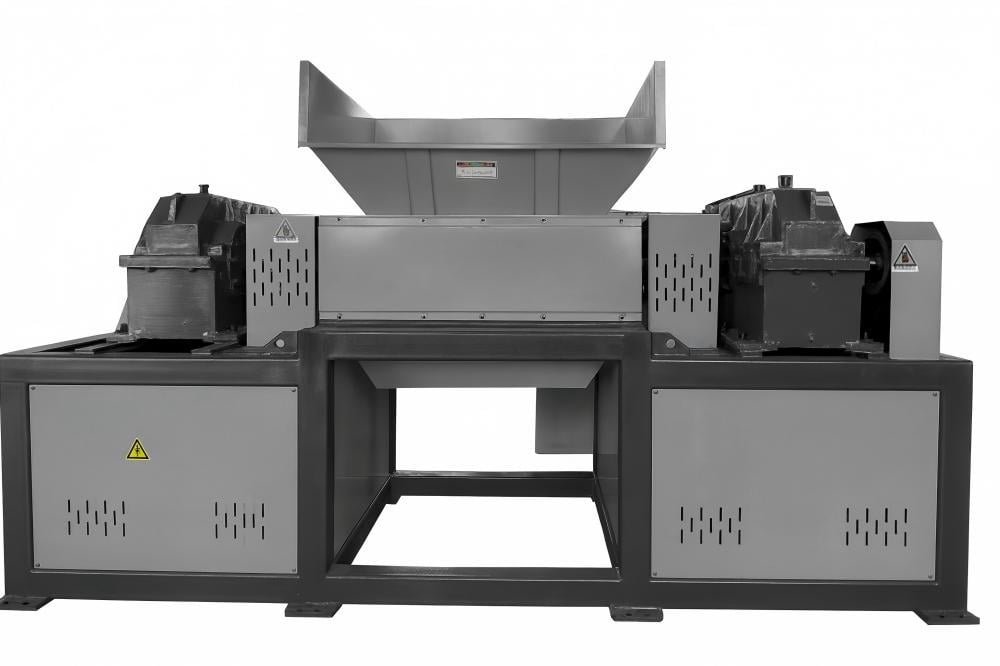
The core of the double-shaft shredder lies in its low-speed, high-torque design. Unlike high-speed granulators that rely on impact, double-shaft shredders utilize a shearing action. Two parallel shafts equipped with hardened steel blades rotate in opposite directions, interlocking to pull material into the cutting chamber. This design is particularly effective for thick, bulky metal pieces that would otherwise jam a high-speed machine.
The cutting blades are engineered from specialized alloy steels, often featuring wear-resistant coatings to withstand the abrasive nature of metal. The gap between the blades is precision-engineered to ensure that the material is shredded to a specific size range. This uniformity is vital for downstream processes; when metal pieces are of a consistent size, magnetic separators can more accurately distinguish between ferrous and non-ferrous metals, leading to higher purity levels.
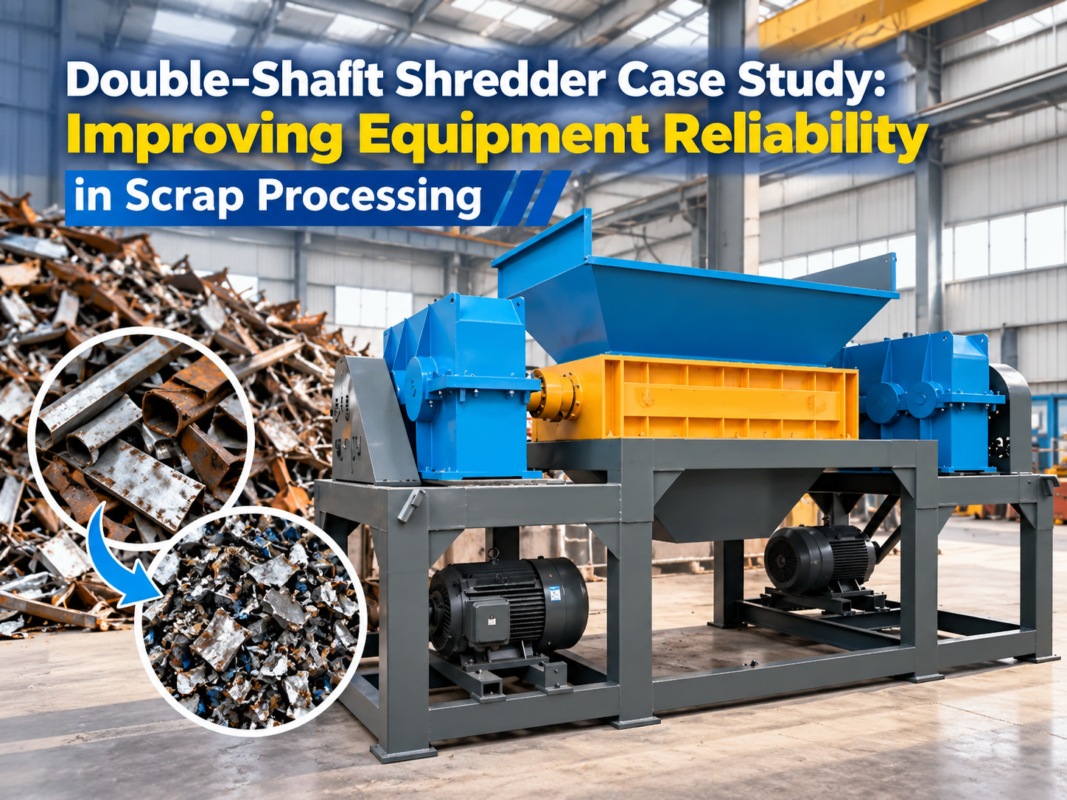
HARSLE’s shredders incorporate advanced PLC control systems that monitor the load on the motors. If the machine encounters an exceptionally hard object, the shafts automatically reverse to clear the obstruction, preventing damage to the drive train. This intelligent automation ensures that the machine can operate reliably with minimal human intervention, making it an ideal solution for 24/7 industrial environments.
Case Study: Improving Metal Scrap Separation Before Recycling
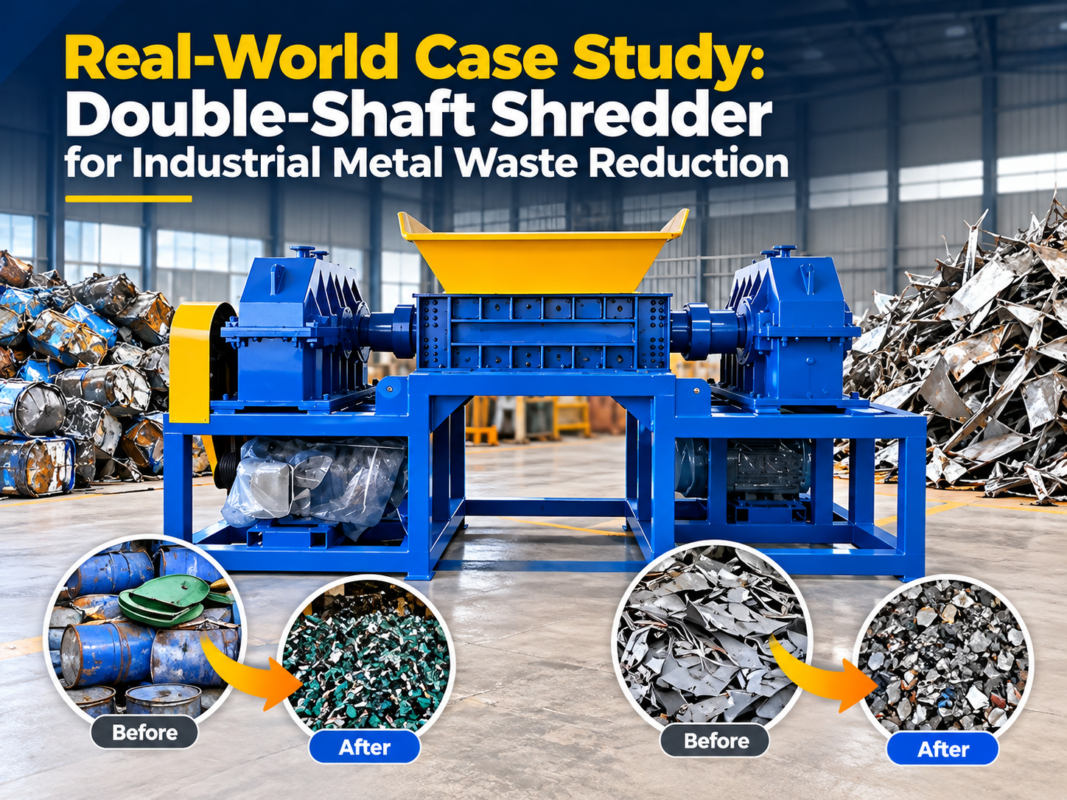
In a recent case study involving a mid-sized automotive parts manufacturer, the facility was losing significant revenue due to poor scrap sorting. Their scrap was being sold as ‘mixed grade’ because the aluminum and steel components were tangled together, making manual separation impossible. The facility installed a HARSLE double-shaft shredder to process their waste stream before it reached the sorting floor.
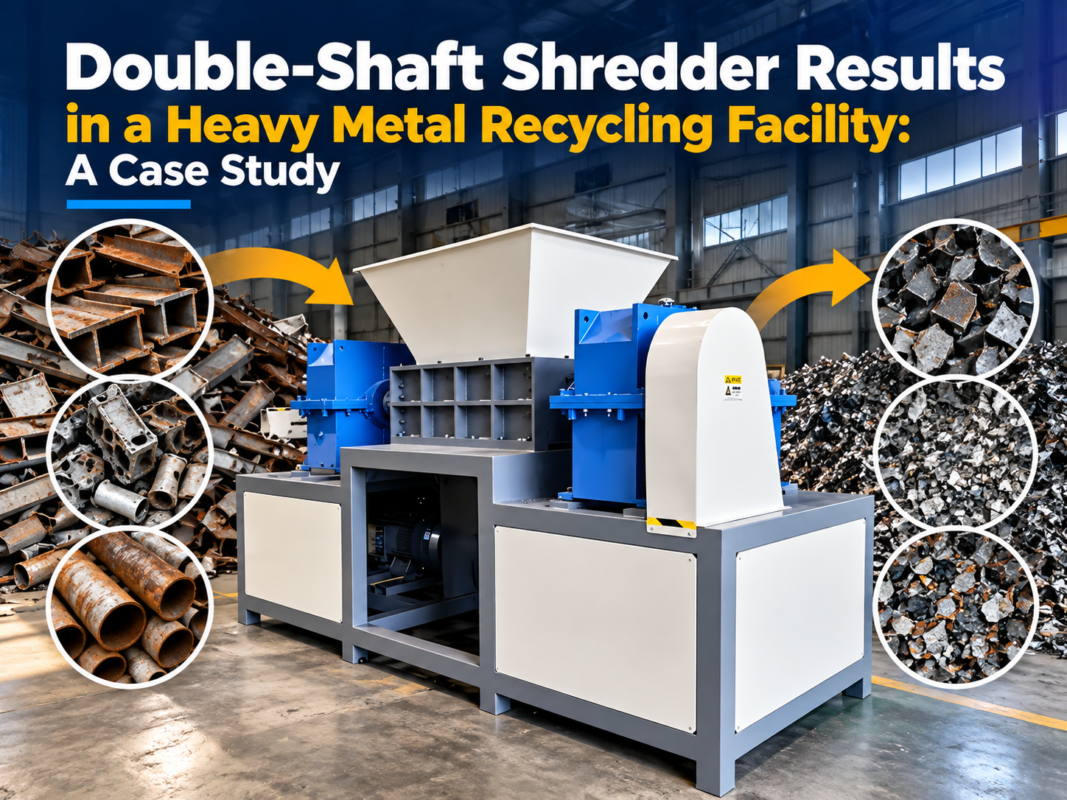
The results were immediate and transformative. By shredding the mixed scrap into 50mm pieces, the facility was able to pass the material over a magnetic belt. The shredder effectively liberated the steel components from the aluminum frames. The purity of the aluminum scrap increased by 35%, allowing the manufacturer to sell it at a premium ‘clean grade’ price rather than a ‘mixed’ price.
Furthermore, the volume of the scrap was reduced by nearly 70%. This meant that the facility required fewer truck trips to transport the scrap to the recycling center, resulting in a significant reduction in logistics costs. The payback period for the shredder investment was calculated at just 14 months, proving that the technology pays for itself through improved material value and operational efficiency.
Selection Advice: Choosing the Right Shredder for Your Facility
Selecting the appropriate double-shaft shredder requires a thorough audit of your current scrap output. Start by analyzing the material composition—are you primarily processing sheet metal, heavy plate, or turnings? Each material requires a different blade thickness and hook configuration. For example, thin sheet metal requires a higher number of teeth for effective gripping, while heavy plate requires fewer, more robust teeth to handle the high torque.
Consider the power requirements of your facility. HARSLE offers a range of motor capacities to suit different throughput needs. It is always advisable to choose a shredder with a slightly higher capacity than your current peak volume to allow for future growth. Additionally, look for modular designs that allow for easy maintenance. The ability to replace individual blades or shafts without dismantling the entire machine can save thousands of dollars in downtime costs.
Finally, consult with the manufacturer regarding the integration of the shredder into your existing production line. A well-designed system should include conveyors for feeding and discharge, as well as dust suppression systems if the shredding process generates fine particles. A holistic approach to system design ensures that the shredder works in harmony with your existing metal fabrication equipment rather than creating a bottleneck.
FAQ: Common Questions About Industrial Shredding
1. How often do the blades need to be sharpened or replaced?
The lifespan of the blades depends on the hardness of the material being shredded. In a standard metal fabrication environment, blades typically require inspection every 500-1000 operating hours. HARSLE provides wear-resistant blade options that significantly extend this interval.
2. Can a double-shaft shredder handle mixed materials like plastic and metal?
Yes, double-shaft shredders are excellent for mixed waste. The shearing action is effective at breaking down composite materials, which facilitates the separation of plastic and metal in downstream processes.
3. What is the main advantage of low-speed, high-torque shredding?
Low-speed operation reduces noise, dust, and vibration compared to high-speed shredders. The high torque allows the machine to process heavy-duty metal scrap without stalling, ensuring consistent throughput.
4. Does the shredder require a specialized power supply?
Most industrial shredders require a standard three-phase power supply. HARSLE engineers can provide specific electrical requirements based on the model and motor size selected for your facility.
5. How does shredding improve the value of my scrap?
Shredding increases the purity of your scrap by liberating different materials from each other. Recyclers pay significantly more for clean, sorted material than for mixed, bulky, or contaminated scrap.
Conclusion: Investing in Future-Proof Recycling
The transition toward a circular economy in metal fabrication is no longer optional; it is a competitive necessity. As demonstrated in this Double-Shaft Shredder Case Study: Improving Metal Scrap Separation Before Recycling, the integration of high-performance shredding technology provides a clear path to higher material purity, lower logistics costs, and increased profitability. By transforming scrap from a waste liability into a valuable commodity, fabricators can secure their bottom line while contributing to more sustainable industrial practices.
HARSLE remains committed to providing the metal fabrication industry with the tools necessary to optimize every stage of production. From precision press brakes to advanced shredding solutions, our equipment is designed to meet the rigorous demands of modern manufacturing. If you are ready to improve your scrap management and maximize your recycling efficiency, our team of experts is available to conduct a site assessment and recommend the ideal shredding solution for your unique operational needs.
Investing in a double-shaft shredder is an investment in the longevity and efficiency of your business. By choosing robust, reliable, and intelligent machinery, you ensure that your facility remains at the forefront of the industry, capable of handling the challenges of today and the opportunities of tomorrow.