Why This Fabrication Plant Chose a Gantry Shear for High-Volume Scrap Plate Processing

Introduction: The Challenge of High-Volume Scrap Management
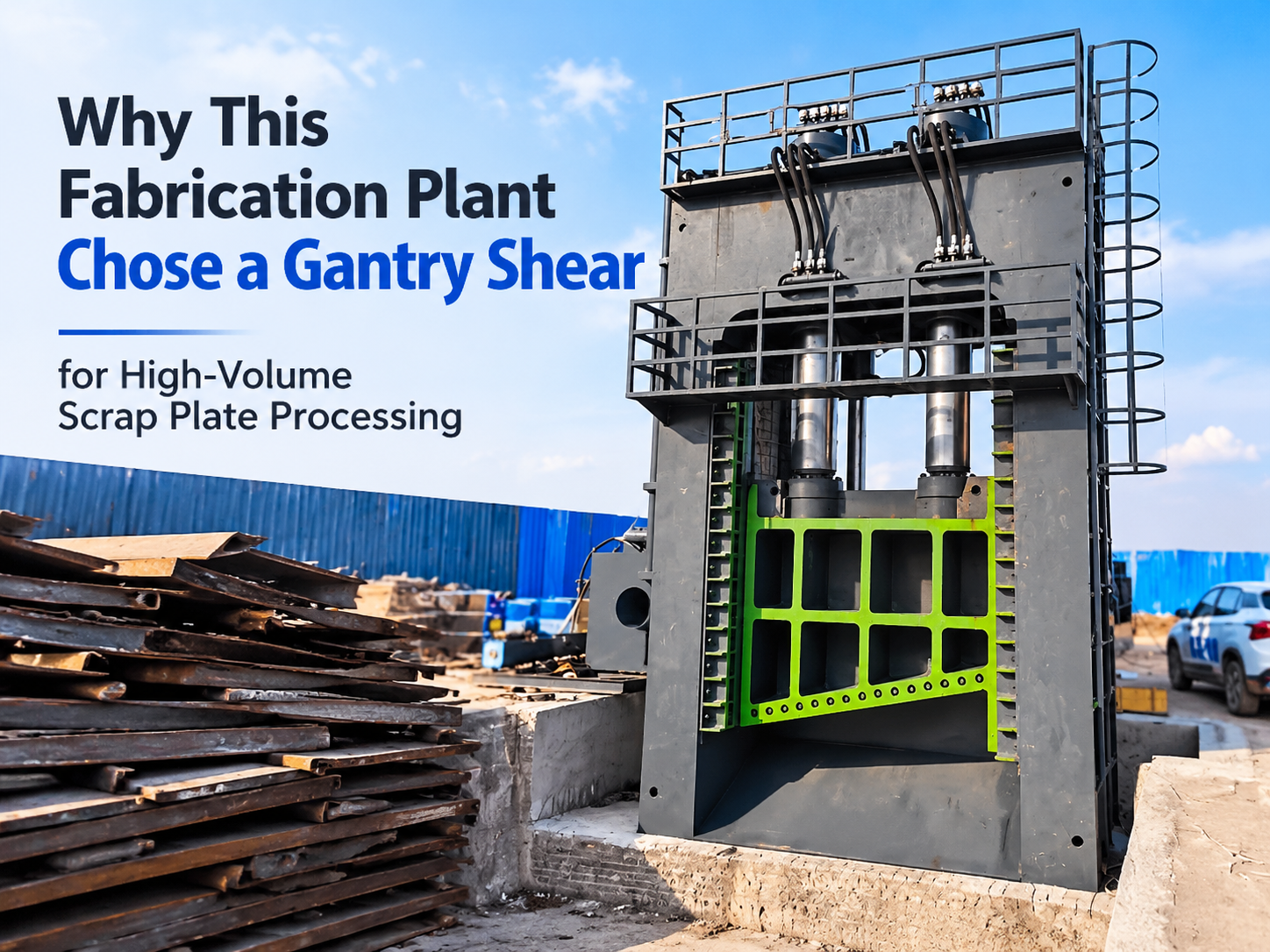
In the modern metal fabrication landscape, the efficiency of a facility is often measured not just by its output of finished goods, but by its ability to manage the byproduct of production. For many large-scale fabrication plants, scrap plate management represents a significant operational bottleneck. When a facility generates tons of off-cuts, heavy-gauge remnants, and oversized structural steel daily, the traditional methods of manual cutting or torching become prohibitively expensive and time-consuming. This is exactly why this fabrication plant chose a gantry shear for high-volume scrap plate processing.
The decision to integrate a heavy-duty gantry shear into a production line is rarely made lightly. It requires a deep analysis of throughput requirements, material hardness, and the long-term ROI associated with scrap reclamation. As fabrication plants strive for leaner operations, the transition from labor-intensive cutting methods to automated, high-force shearing has become a competitive necessity. By choosing a gantry shear, plants can transform bulky, low-value scrap into high-density, furnace-ready material, significantly increasing the resale value of their waste streams.
HARSLE has observed a growing trend among industry leaders who are moving away from legacy cutting equipment. The shift is driven by the need for speed, safety, and precision. In this article, we will explore the technical, economic, and operational factors that lead a modern fabrication plant to invest in a gantry shear. We will analyze the specific advantages of this equipment and provide a comprehensive guide for plant managers considering this critical upgrade.
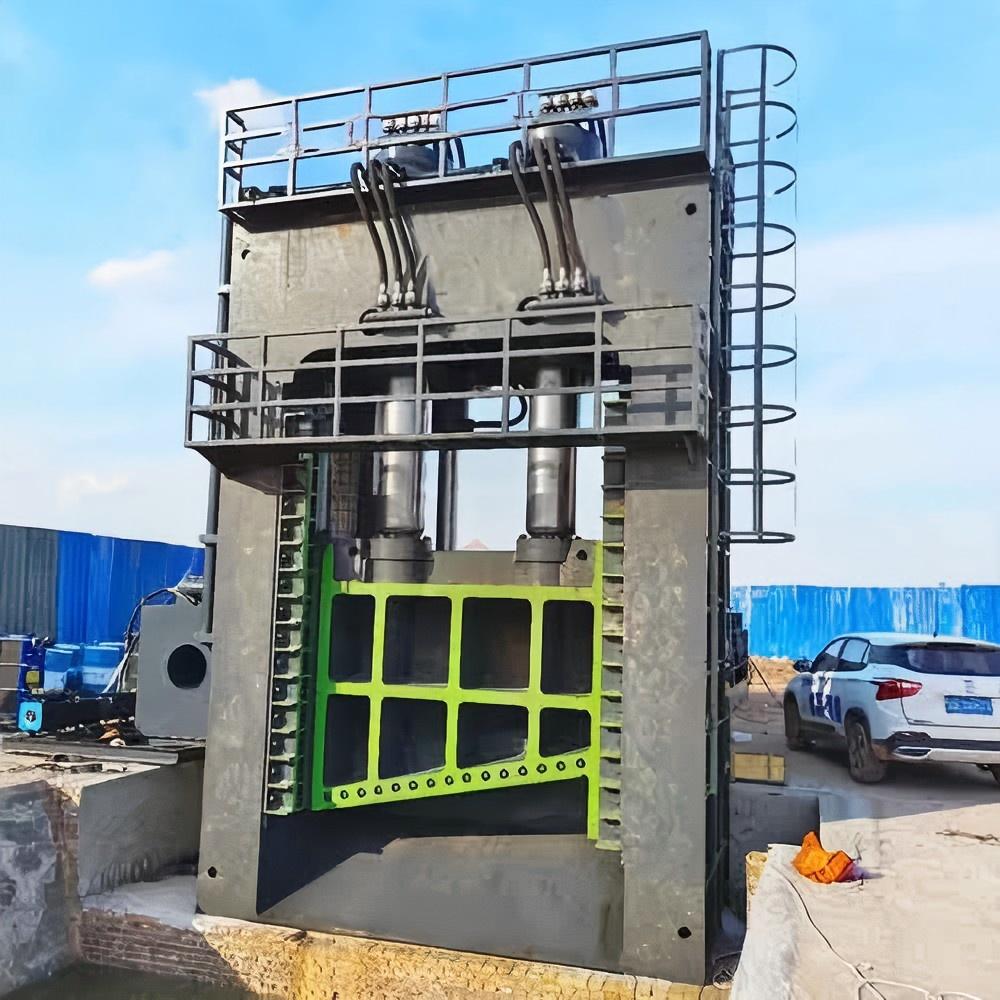
Key Considerations for Selecting Heavy-Duty Shearing Equipment
When a facility manager evaluates the necessity of a gantry shear, the primary consideration is the volume and geometry of the scrap material. Standard hydraulic shears are often limited by throat depth and blade length, making them unsuitable for large, irregular plates. A gantry shear, by contrast, offers an open-frame design that allows for the processing of oversized plates that would otherwise require secondary cutting or manual torching. This capability is the cornerstone of why this fabrication plant chose a gantry shear for high-volume scrap plate processing.
Another critical factor is the material composition. Fabrication plants dealing with high-strength steel, stainless steel, or thick carbon plates require equipment with immense shearing force. The hydraulic system must be robust enough to handle continuous duty cycles without overheating or losing pressure. HARSLE gantry shears are engineered with high-pressure hydraulic circuits that ensure consistent cutting force, even when dealing with the most stubborn industrial scrap.
Safety and labor costs also play a pivotal role in the decision-making process. Manual torch cutting is not only slow but also poses significant health and safety risks, including exposure to fumes and the danger of handling heavy, jagged metal. By automating the shearing process, plants can significantly reduce the number of man-hours dedicated to scrap preparation. This shift allows skilled labor to be redirected toward high-value fabrication tasks, thereby improving the overall productivity of the plant.
Finally, the integration of the shear into the existing material flow is essential. A gantry shear is not just a standalone machine; it is part of a larger ecosystem. The plant must consider how the scrap will be fed into the shear—whether via conveyor systems, cranes, or automated loaders. A well-integrated system minimizes downtime and ensures that the shear is constantly fed, maximizing the return on the capital investment.
Technical Details and Engineering Excellence
The engineering behind a modern gantry shear is a testament to industrial precision. At the heart of the HARSLE gantry shear is a heavy-duty, stress-relieved steel frame designed to withstand the massive shock loads generated during the shearing process. The blade assembly is typically manufactured from high-alloy tool steel, heat-treated to maintain edge sharpness over thousands of cycles. This durability is essential for plants that process high-volume scrap, as frequent blade changes would negate the efficiency gains of the machine.
The hydraulic system is the powerhouse of the gantry shear. HARSLE utilizes advanced proportional valve technology to control the shearing speed and force with extreme accuracy. This allows the operator to adjust the machine settings based on the thickness and hardness of the material being processed. For example, when shearing thinner plates, the machine can operate at higher speeds, while thicker, high-tensile plates require a slower, more controlled stroke to prevent blade damage and ensure a clean cut.
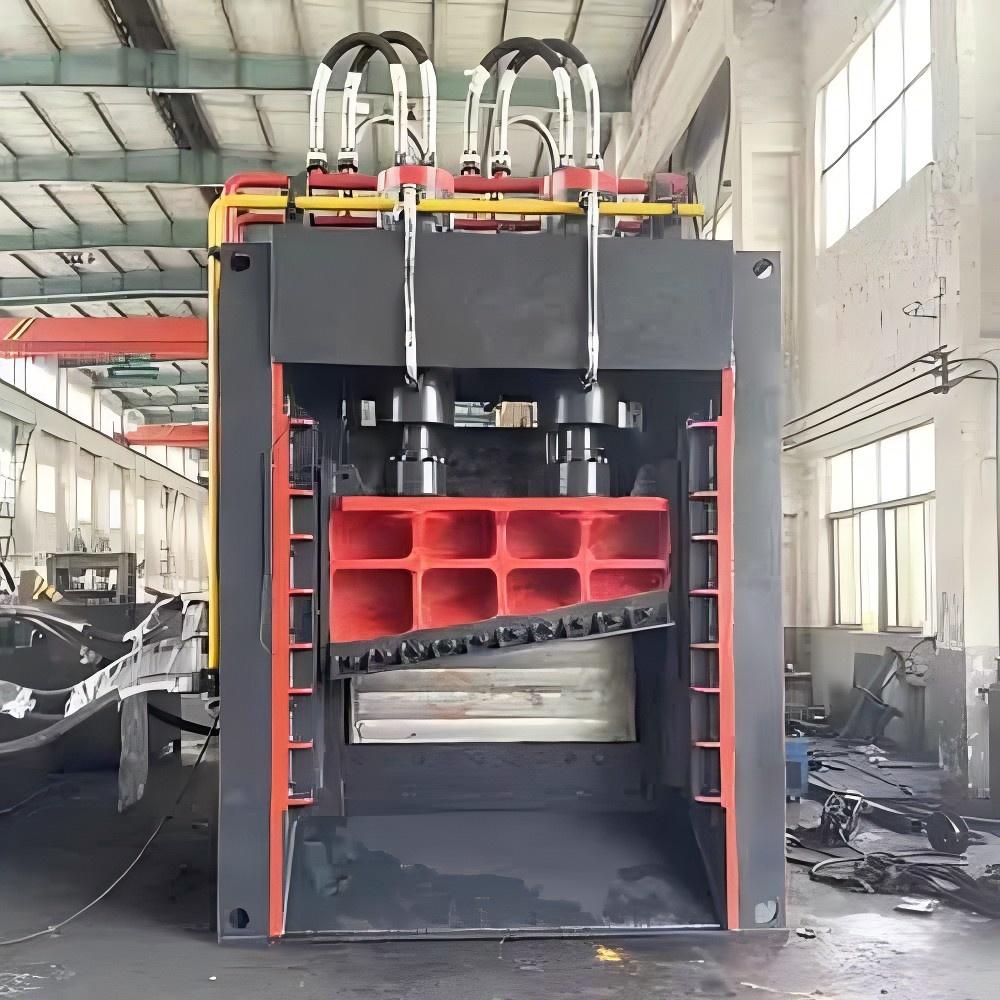
Control systems have also seen significant advancements. Modern gantry shears are equipped with PLC-based controllers that allow for programmable cutting sequences. This means that if a plant frequently processes specific sizes of scrap, the machine can be set to repeat these cuts automatically. This level of automation reduces the margin for error and ensures that the output is consistent, which is a major advantage for plants that sell their scrap to steel mills based on strict size specifications.
Maintenance accessibility is another technical hallmark of a well-designed gantry shear. HARSLE machines are designed with modular components, allowing for easier inspection and replacement of wear parts. The lubrication systems are often automated, ensuring that critical pivot points and sliding surfaces are always protected from friction. This focus on maintainability ensures that the machine remains operational for years, providing a stable foundation for the plant’s scrap management strategy.
Selection Advice: Matching the Machine to Your Needs
Choosing the right gantry shear involves a careful assessment of your current and future scrap volume. It is tempting to purchase the largest machine available, but this can lead to unnecessary capital expenditure and higher energy costs. Conversely, undersizing the machine will lead to bottlenecks and potential mechanical failure. When considering why this fabrication plant chose a gantry shear for high-volume scrap plate processing, it is clear they performed a thorough capacity analysis before finalizing their purchase.
Start by auditing your scrap output. What is the maximum thickness of the plates you process? What is the average width? Are you dealing with long, structural beams or flat, wide plates? These questions will dictate the required blade length and the throat opening of the gantry shear. HARSLE offers a range of models, each tailored to specific material handling requirements, ensuring that you can find a machine that fits your specific operational profile.
Consider the footprint of the machine. A gantry shear requires a significant amount of floor space, not just for the machine itself, but for the in-feed and out-feed systems. You must ensure that your facility layout can accommodate the machine without disrupting the flow of your primary production lines. Working with HARSLE engineers during the planning phase can help you optimize the layout, ensuring that the shear is positioned for maximum efficiency.
Finally, look beyond the initial purchase price. Total Cost of Ownership (TCO) is the most important metric. This includes energy consumption, maintenance costs, spare parts availability, and the resale value of the machine. A high-quality machine from a reputable manufacturer like HARSLE may have a higher upfront cost, but it will almost always offer a lower TCO due to its reliability and the longevity of its components. Always prioritize machines that come with comprehensive support and training for your operators.
FAQ: Common Questions About Gantry Shears
- What is the primary advantage of a gantry shear over a standard guillotine shear? The primary advantage is the open-frame design, which allows for the processing of oversized, irregular scrap plates that cannot fit into the throat of a standard guillotine shear.
- How often do the blades on a gantry shear need to be sharpened? This depends on the material hardness and the volume of scrap processed. However, HARSLE blades are made from high-grade tool steel designed for long intervals between sharpening.
- Can a gantry shear process non-ferrous metals? Yes, gantry shears are versatile and can process a variety of metals, including aluminum, copper, and stainless steel, provided the machine settings are adjusted accordingly.
- What kind of foundation is required for a gantry shear? Due to the high forces involved, a reinforced concrete foundation is typically required to absorb the vibrations and ensure the stability of the machine.
- How does a gantry shear improve scrap resale value? By shearing scrap into uniform, high-density pieces, the material becomes more attractive to steel mills, which often pay a premium for “prepared” scrap that is easier to melt.
Conclusion: Investing in Long-Term Efficiency
The decision of why this fabrication plant chose a gantry shear for high-volume scrap plate processing ultimately comes down to a commitment to operational excellence. By replacing inefficient, manual scrap management processes with a high-performance gantry shear, the plant has not only reduced its labor costs and improved safety but has also turned a waste stream into a more profitable asset. The ability to process heavy-gauge plates quickly and accurately is a competitive advantage that pays dividends for years to come.
HARSLE remains dedicated to providing the metal fabrication industry with the tools necessary to thrive in an increasingly demanding market. Our gantry shears are more than just machines; they are solutions designed to solve the complex challenges of modern scrap management. Whether you are a small fabrication shop or a large-scale industrial plant, the right equipment can transform your operations, streamline your workflow, and boost your bottom line.
As you evaluate your own scrap processing needs, remember that the goal is to create a system that is sustainable, efficient, and scalable. By partnering with a trusted manufacturer and investing in high-quality, reliable machinery, you are laying the groundwork for long-term success. If you are ready to take the next step in optimizing your fabrication plant, contact HARSLE today to discuss how our gantry shear solutions can be tailored to your specific requirements.