Container Shear Helps a Heavy Industry Plant Meet Growing Processing Demand

Introduction: The Evolution of Scrap Processing in Heavy Industry
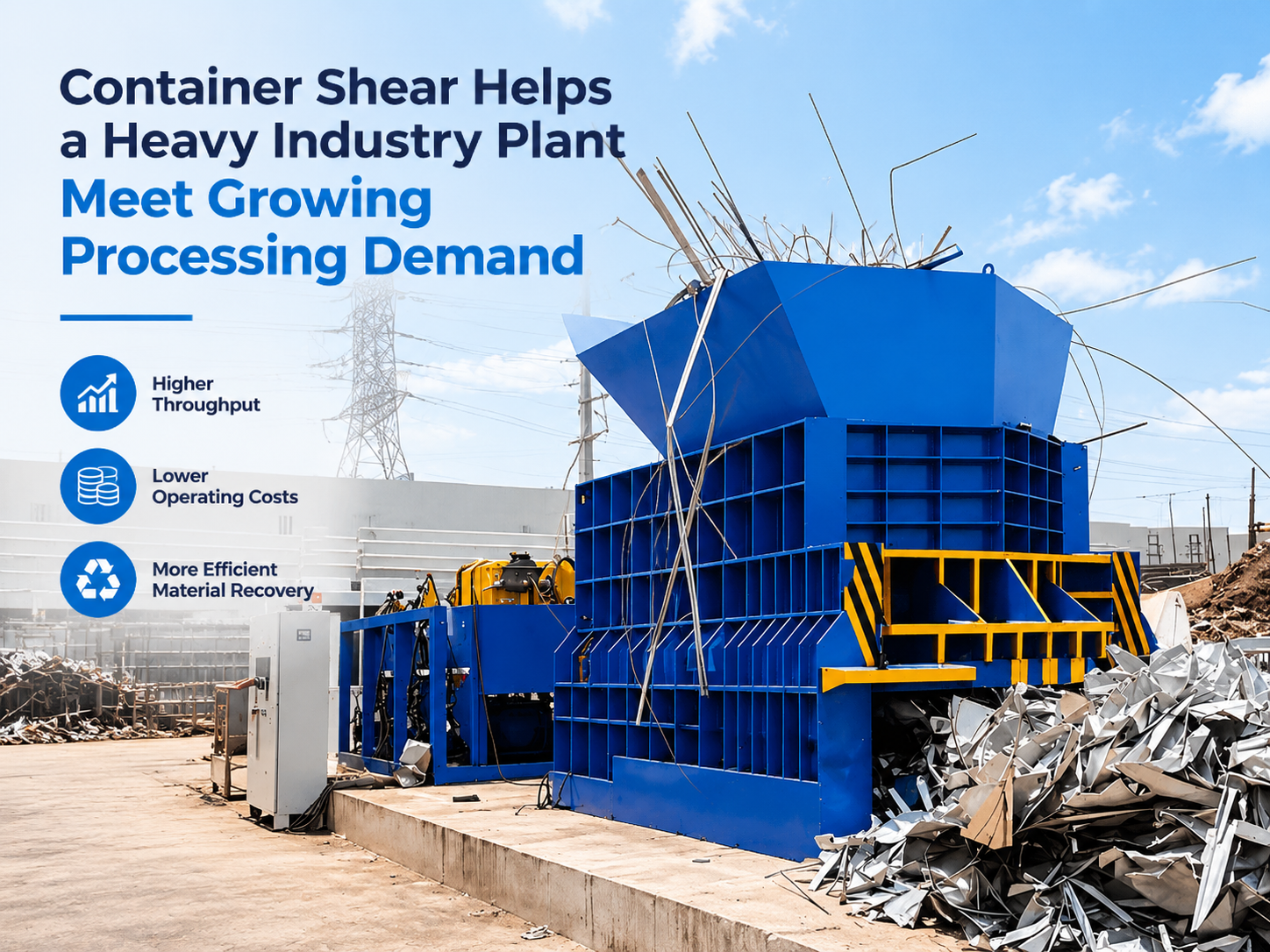
In the modern landscape of heavy industry, the ability to process scrap metal efficiently is no longer just an operational preference—it is a competitive necessity. As manufacturing plants and recycling facilities face mounting pressure to increase throughput while managing rising labor costs, the integration of advanced machinery has become the primary driver of growth. This is where the HARSLE container shear enters the narrative. When we examine how a container shear helps a heavy industry plant meet growing processing demand, we see a shift from manual, labor-intensive cutting processes to streamlined, automated, and high-capacity workflows.
The challenge for many heavy industry plants is the sheer volume and diversity of scrap metal. From structural steel beams and heavy plate sections to complex industrial components, the material profile is often unpredictable. Traditional shearing methods, such as alligator shears or manual torch cutting, often fail to keep pace with the rapid output of modern production lines. By deploying a container shear, plants can consolidate their processing capabilities into a single, mobile, and highly robust unit that handles oversized materials with ease.
HARSLE has engineered its container shear series to address the specific pain points of high-volume scrap yards and industrial manufacturing plants. By combining the structural integrity of a heavy-duty shear with the convenience of a containerized design, these machines offer a plug-and-play solution that minimizes installation time and maximizes operational uptime. This article explores the technical advantages, strategic benefits, and operational considerations that make the container shear an indispensable asset for plants looking to scale their processing capabilities.
Key Considerations for Scaling Scrap Processing Operations
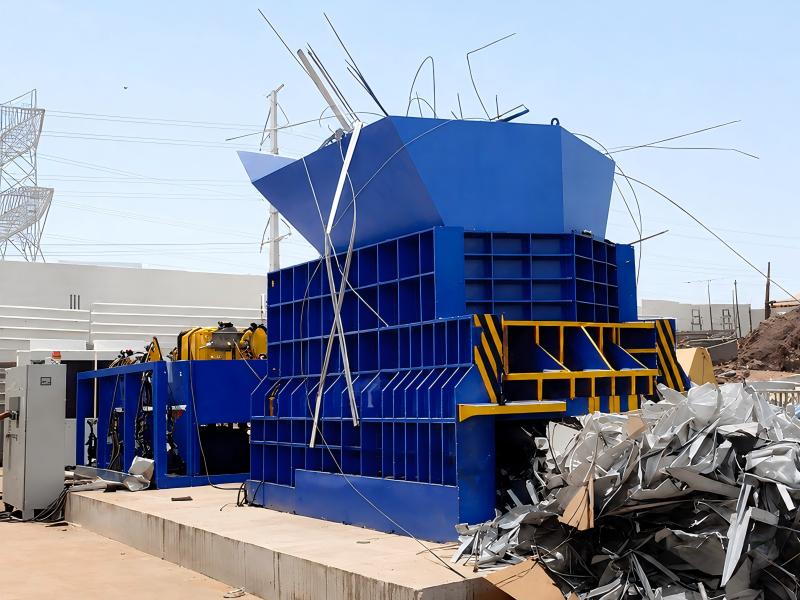
When a heavy industry plant decides to scale its processing operations, the primary concern is the bottleneck created by existing equipment. If the shear cannot process the incoming volume of scrap, the entire logistics chain suffers. A container shear helps a heavy industry plant meet growing processing demand by acting as a centralized hub that can be positioned strategically within the facility. Unlike stationary shears that require extensive foundation work, container shears are designed for flexibility, allowing plants to reconfigure their floor plans as production needs evolve.
Another critical consideration is the safety and environmental impact of scrap processing. Manual torch cutting is not only slow but also poses significant fire risks and releases hazardous fumes. By transitioning to a hydraulic container shear, plants can significantly reduce their carbon footprint and improve workplace safety. The enclosed nature of the shear mechanism protects operators from flying debris, while the automated feeding systems reduce the need for manual handling of heavy, sharp materials.
Operational cost is the third pillar of scaling. The cost of labor, maintenance, and energy consumption must be balanced against the throughput capacity. HARSLE’s container shears are designed with energy-efficient hydraulic systems that provide high cutting force without excessive power draw. This efficiency is crucial for plants operating on tight margins, where every kilowatt-hour and man-hour counts toward the bottom line. By reducing the time required to process each ton of scrap, the plant can effectively lower its cost per unit, leading to higher profitability.
Finally, the reliability of the equipment is paramount. In heavy industry, downtime is the enemy of productivity. A container shear must be built to withstand 24/7 operation in harsh environments. HARSLE utilizes high-grade wear-resistant steel for the shear blades and reinforced structural components to ensure that the machine remains operational even when processing high-tensile materials. This durability ensures that the plant can meet its processing targets consistently, month after month, without the fear of catastrophic equipment failure.
Technical Details: Engineering Excellence in HARSLE Container Shears
The technical superiority of the HARSLE container shear lies in its integrated design. The entire system—including the hydraulic power unit, the shearing head, the feeding box, and the control system—is housed within a standard shipping container frame. This design not only facilitates easy transportation but also protects the sensitive hydraulic and electrical components from dust, moisture, and extreme temperatures, which are common in industrial scrap yards.
At the heart of the machine is a high-pressure hydraulic system that delivers immense cutting force. This force is essential for shearing thick-walled steel pipes, heavy structural steel, and other dense materials that would stall lesser machines. The hydraulic cylinders are precision-engineered to provide smooth, consistent movement, reducing the wear and tear on the shear blades and the main frame. This precision also allows for cleaner cuts, which is vital for downstream processing such as smelting or recycling.
The feeding mechanism is another area where HARSLE excels. The container shear features a robust compression box that pre-compresses the scrap before it reaches the shear blades. This pre-compression ensures that the material is dense and uniform, which maximizes the efficiency of each cut. By optimizing the density of the scrap, the machine can process more material in less time, directly addressing the demand for higher throughput. The feeding system is fully automated, allowing the operator to control the entire process from a safe, remote console.
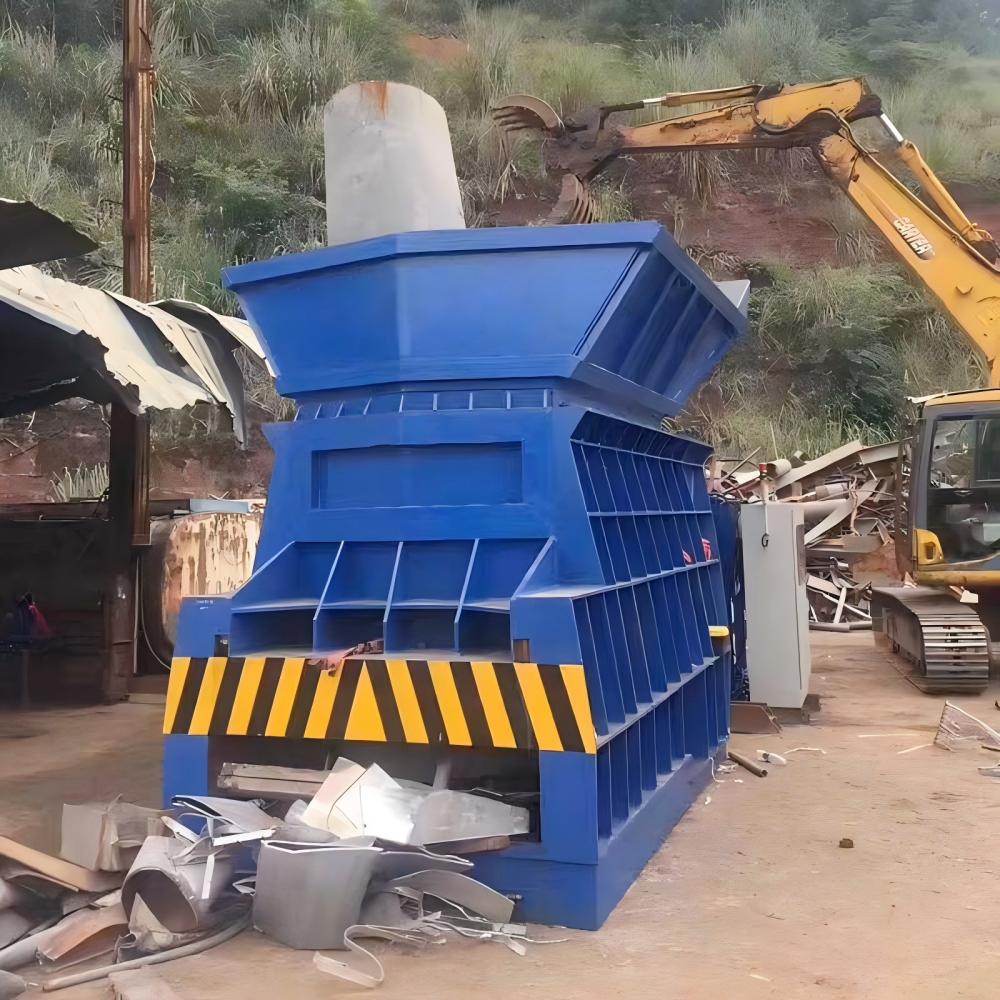
Control systems in modern HARSLE shears are equipped with PLC (Programmable Logic Controller) technology. This allows for customizable cutting cycles, real-time monitoring of hydraulic pressure, and automated fault detection. If a blockage occurs, the system can automatically reverse the feed to clear the obstruction, minimizing downtime. Furthermore, the PLC interface provides detailed data on production rates, which helps plant managers track performance and identify areas for further optimization.
Technical Specifications Table
| Fonctionnalité | Specification |
|---|---|
| Effort de coupe | 600 – 1200 Tons |
| Blade Material | High-Carbon Wear-Resistant Alloy |
| Temps de cycle | 3 – 6 Cycles per Minute |
| Power Source | Electric Hydraulic Motor |
| Control System | PLC Automated Interface |
| Mobility | Standard Containerized Frame |
Selection Advice: Choosing the Right Shear for Your Facility
Selecting the right container shear is a strategic investment that requires a thorough assessment of your current and future scrap profile. The first step is to analyze the type of material you are processing. If your plant primarily handles light-gauge sheet metal, a smaller shear might suffice. However, if you are dealing with heavy structural steel, rail tracks, or thick plate, you will need a machine with a higher tonnage rating and a larger opening size. HARSLE offers a range of models to accommodate these varying needs, and consulting with their technical team is the best way to ensure you select the right capacity.
Consider the space constraints of your facility. While container shears are compact, you must account for the space required for loading the scrap and unloading the processed material. A well-designed layout will include a clear path for material handling equipment, such as excavators or conveyors, to feed the shear continuously. The mobility of the container shear is a significant advantage here; if your scrap collection points change, the machine can be relocated with minimal effort, unlike fixed-base industrial shears.
Maintenance requirements should also be a key factor in your decision-making process. Look for machines that offer easy access to critical components like hydraulic filters, valves, and blade adjustment points. HARSLE’s design philosophy emphasizes accessibility, ensuring that routine maintenance can be performed quickly without requiring specialized tools or extensive disassembly. Additionally, consider the availability of spare parts and technical support. Choosing a reputable manufacturer like HARSLE ensures that you have access to a global support network, which is vital for maintaining long-term operational continuity.
Finally, do not overlook the importance of training. Even the most advanced container shear is only as effective as the operator running it. Ensure that your team receives comprehensive training on the machine’s operation, safety protocols, and basic troubleshooting. HARSLE provides detailed manuals and training resources to help your staff get up to speed quickly. Investing in operator knowledge is just as important as the hardware itself when it comes to meeting growing processing demands.
FAQ: Common Questions About Container Shears
Q: How does a container shear differ from a stationary shear?
A: A container shear is built into a standard shipping container frame, making it portable and easy to install. Stationary shears require deep concrete foundations and permanent installation, whereas container shears can be placed on any level, stable surface.
Q: Can a container shear process all types of scrap metal?
A: While container shears are highly versatile and can process most steel and non-ferrous scrap, they are specifically optimized for heavy industrial scrap. It is important to consult the machine’s specifications regarding maximum material thickness and hardness to ensure compatibility with your specific scrap stream.
Q: How often do the shear blades need to be replaced?
A: Blade life depends on the volume and type of material being processed. HARSLE uses high-grade, wear-resistant alloys to maximize blade longevity. Regular maintenance, such as checking blade clearance and ensuring proper lubrication, can significantly extend the time between replacements.
Q: Is the container shear energy-efficient?
A: Yes, HARSLE container shears are designed with modern hydraulic systems that optimize power consumption based on the load. This ensures that the machine only uses the energy required for the specific cut, making it more efficient than older, less sophisticated shearing equipment.
Q: What kind of maintenance is required for the hydraulic system?
A: Routine maintenance includes checking hydraulic fluid levels, monitoring for leaks, and replacing filters at recommended intervals. The PLC system also provides alerts for pressure irregularities, which helps in proactive maintenance to prevent major failures.
Conclusion: Future-Proofing Your Plant with HARSLE
The ability to adapt to changing market demands is the hallmark of a successful heavy industry plant. As the volume of scrap metal continues to grow, the need for efficient, reliable, and scalable processing solutions becomes increasingly critical. A container shear helps a heavy industry plant meet growing processing demand by providing a robust, flexible, and high-performance solution that integrates seamlessly into existing workflows. By choosing HARSLE, plants are not just buying a machine; they are investing in a partnership that prioritizes technical excellence, operational efficiency, and long-term growth.
The transition to containerized shearing technology represents a significant step forward in industrial modernization. With the benefits of reduced labor costs, improved safety, and increased throughput, the return on investment is clear. Whether you are looking to replace aging equipment or expand your current processing capacity, the HARSLE container shear offers the versatility and power required to stay ahead in a competitive market. As you evaluate your options, remember that the right equipment is the foundation upon which your future success is built. Embrace the efficiency of HARSLE and transform your scrap processing operations into a streamlined, profitable engine of growth.