What Happened After a Metal Plant Replaced Manual Cutting with a Container Shear: A Performance Transformation

Introduction: The Evolution of Scrap Processing
In the competitive landscape of metal recycling and fabrication, the transition from manual labor to automated machinery is not just an upgrade; it is a survival strategy. For many mid-sized metal plants, the reliance on manual cutting torches and labor-intensive sorting processes represents a significant bottleneck. When we analyze what happened after a metal plant replaced manual cutting with a container shear, we uncover a narrative of radical transformation in throughput, safety, and profitability.
Manual cutting, while flexible, is inherently slow, dangerous, and prone to human error. It requires skilled operators to handle torches in hazardous environments, leading to inconsistent output and high operational costs. The introduction of a container shear—a robust, high-capacity hydraulic machine—changes the fundamental economics of the plant. This article explores the technical, operational, and financial shifts that occur during this transition, providing a blueprint for plant managers looking to modernize their facilities.
HARSLE has observed that plants making this switch often experience a “productivity shock” within the first quarter of implementation. By moving from a fragmented, manual workflow to a centralized, automated shearing process, plants can handle larger volumes of scrap metal with a fraction of the workforce. This article serves as a comprehensive guide to understanding the impact of this technology and how to select the right equipment for your specific needs.
Key Considerations: Why Manual Cutting Fails at Scale
The primary reason plants seek to replace manual cutting is the ceiling on scalability. Manual cutting is limited by the physical endurance of the operator and the speed at which a torch can penetrate thick steel. As a plant grows, the volume of incoming scrap metal quickly outpaces the capacity of a manual team, leading to backlogs, increased lead times, and missed revenue opportunities. When a plant relies on manual methods, the cost per ton of processed metal remains high due to labor wages, gas consumption, and downtime.
Safety is another critical consideration. Manual cutting involves open flames, high-pressure gases, and the constant risk of fire or explosion when dealing with unknown scrap materials. Furthermore, the ergonomic strain on workers—constantly bending, lifting, and maneuvering heavy torches—leads to high turnover rates and potential workers’ compensation claims. Replacing this with a container shear removes the operator from the immediate danger zone, as the process is controlled from a safe, remote station.
Environmental and regulatory compliance also plays a role. Manual cutting produces significant amounts of smoke, fumes, and hazardous particulate matter that require expensive ventilation systems to manage. A container shear, being a mechanical process, produces no combustion fumes. This makes it easier for plants to meet local air quality standards and reduces the overhead associated with environmental compliance monitoring.
Finally, the consistency of output is a major factor. Manual cutting often results in irregular scrap sizes, which can be difficult to sell to steel mills that have strict requirements for charge dimensions. A container shear provides uniform, clean-cut pieces that command a higher market price. This consistency is the difference between selling “mixed scrap” and “premium processed scrap,” directly impacting the bottom line.
Technical Details: How a Container Shear Transforms Operations
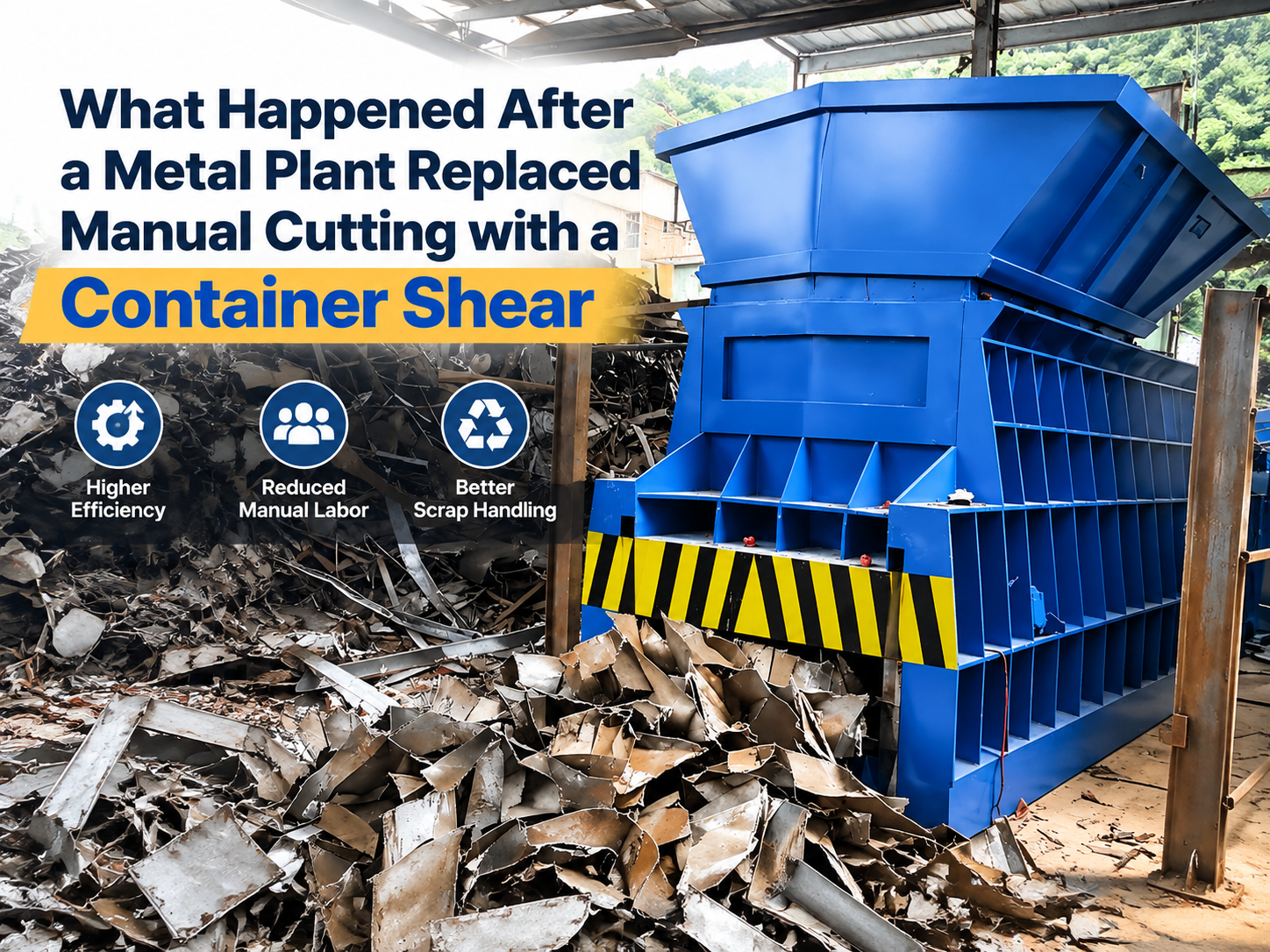
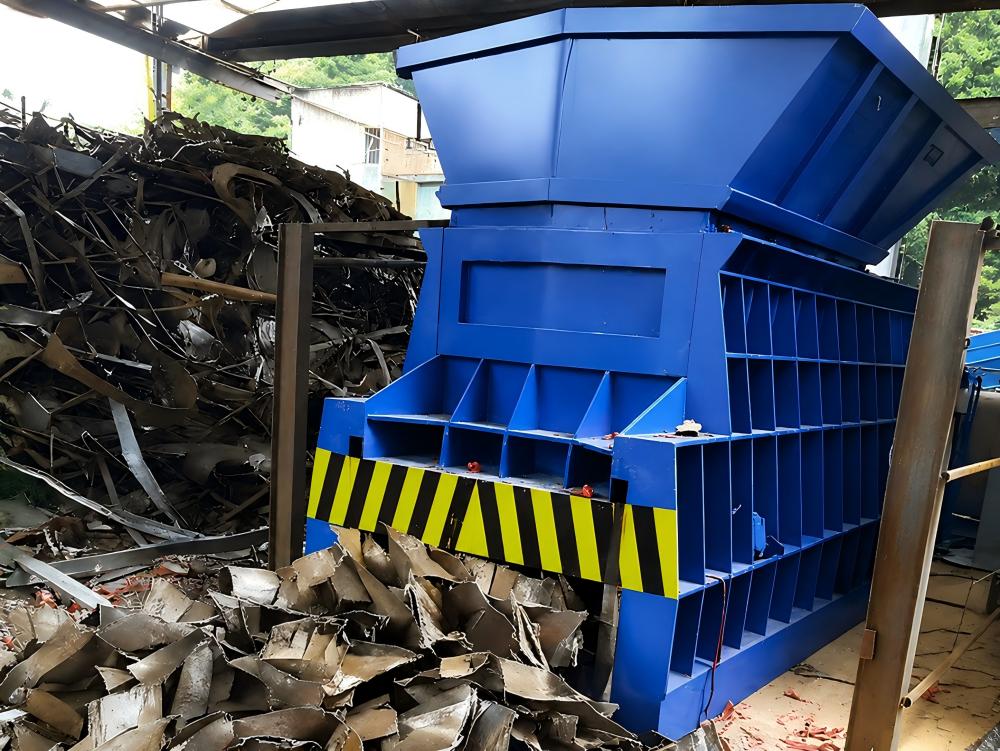
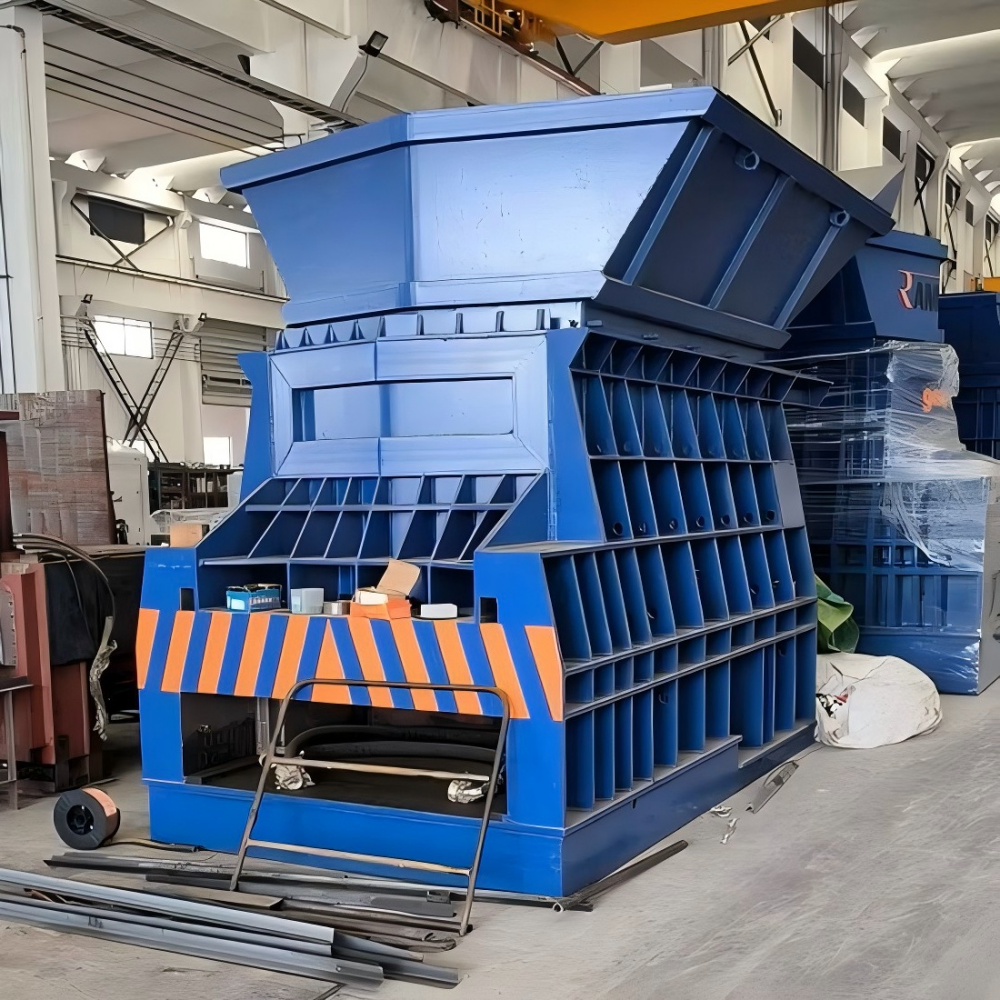
The technical superiority of a container shear lies in its hydraulic force and integrated design. Unlike stationary shears that require extensive material handling, a container shear is often designed as a self-contained unit. It features a large hopper where scrap is loaded, a compression chamber that compacts the material, and a heavy-duty shear blade that cuts the material to the desired length. This “all-in-one” approach eliminates the need for pre-sorting or pre-cutting.
When a metal plant replaces manual cutting with a container shear, they are essentially moving from a serial process to a parallel one. In a manual setup, the operator must cut, move, and stack. In a container shear setup, the machine handles the compression and shearing simultaneously. The hydraulic systems in modern HARSLE container shears are engineered for high-cycle operation, meaning they can run continuously throughout the shift without the fatigue associated with human labor.
The shear force is the most critical technical specification. These machines are rated by their cutting force, typically measured in tons. A high-quality container shear can slice through I-beams, heavy plate steel, and automotive frames with ease. The integration of PLC (Programmable Logic Controller) systems allows operators to set specific cut lengths, ensuring that every piece of scrap meets the exact specifications of the end-user. This level of precision is impossible to achieve consistently with manual torches.
Maintenance is also simplified. While manual torches require constant maintenance of hoses, regulators, and tips, a container shear requires a structured, scheduled maintenance program. This includes hydraulic fluid analysis, blade sharpening or replacement, and lubrication of moving parts. Because the machine is designed for industrial use, these maintenance intervals are predictable, allowing the plant to schedule downtime during off-peak hours rather than suffering from the unpredictable breakdowns of manual equipment.
Conseils de sélection : Choisir le bon équipement
Selecting the right container shear is a significant capital investment that requires careful analysis of your current and projected scrap volume. The first step is to conduct a thorough audit of the types of metal you process. Are you dealing primarily with light-gauge sheet metal, or are you processing heavy structural steel? The shear force required for these two materials is vastly different, and over-specifying or under-specifying can lead to operational inefficiencies.
Consider the footprint of the machine. A container shear is a large piece of equipment that requires a stable foundation and adequate space for material handling equipment like excavators or loaders. You must ensure that your facility layout allows for a smooth flow of material—from the scrap pile to the hopper, and then to the processed material storage area. HARSLE recommends a site visit to evaluate your current logistics before finalizing a purchase.
Another factor is the power source. While most container shears are electric-hydraulic, some remote locations may require diesel-powered units. Evaluate your local energy costs and the availability of high-voltage power at your site. Additionally, look for machines with advanced diagnostic features. Modern shears often come with remote monitoring capabilities, allowing technicians to troubleshoot issues via the internet, which significantly reduces downtime.
Finally, consider the manufacturer’s support network. A container shear is a long-term asset. You need a partner who provides comprehensive training for your operators, readily available spare parts, and responsive technical support. Do not base your decision solely on the initial purchase price; consider the total cost of ownership, including energy consumption, maintenance costs, and the expected lifespan of the machine.
FAQ: Common Questions About the Transition
How long does it take to see a return on investment?
Most plants see a return on investment within 18 to 36 months, depending on the volume of scrap processed and the price differential between raw and processed scrap. The reduction in labor costs and the increase in scrap value are the primary drivers of this ROI.
What kind of training do my operators need?
Operators need to be trained on the specific control interface of the shear, safety protocols, and basic daily maintenance checks. HARSLE provides comprehensive training programs to ensure your team is proficient and safe.
Can a container shear handle mixed materials?
Yes, container shears are designed to handle a wide variety of scrap, including mixed metals. However, for the best results and to prolong blade life, it is recommended to avoid processing non-metallic contaminants like concrete or excessive dirt.
How often do the shear blades need to be changed?
Blade life depends on the hardness and volume of the material processed. With proper maintenance and regular sharpening, blades can last for thousands of cycles. We recommend keeping a spare set of blades on-site to minimize downtime.
Conclusion: Embracing the Future of Metal Fabrication
What happened after a metal plant replaced manual cutting with a container shear is a story of modernization and growth. The transition is not merely about replacing a tool; it is about upgrading the entire operational philosophy of the plant. By prioritizing safety, efficiency, and consistency, plants can move away from the limitations of manual labor and position themselves as leaders in the metal recycling industry.
The investment in a container shear pays dividends in the form of higher-quality output, lower operational risks, and a more predictable business model. As the industry continues to evolve, the ability to process scrap metal quickly and accurately will become even more critical. For those ready to take the next step, HARSLE offers the expertise and the machinery to make this transition seamless and successful. Contact our team today to discuss how a container shear can revolutionize your metal plant’s performance.