Horizontal Baler Case Study: Streamlining Aluminum Scrap Collection and Storage

Introduction
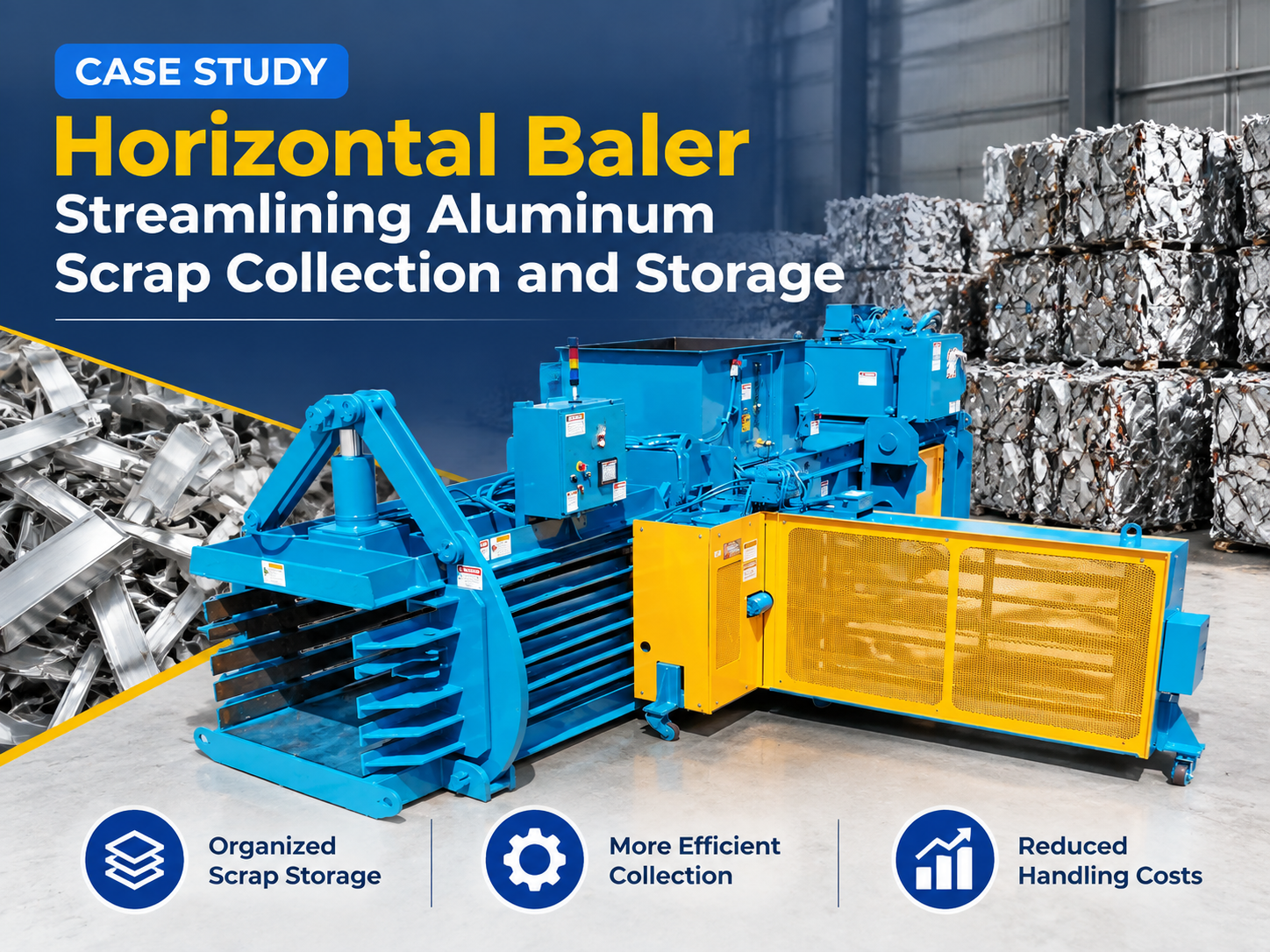
In the modern landscape of metal fabrication, the efficient management of byproduct materials is not merely a matter of housekeeping; it is a critical component of operational profitability. Aluminum, being a highly valuable and infinitely recyclable metal, presents a unique set of challenges for fabrication facilities. Without a structured system for collection and storage, aluminum scrap can quickly consume valuable floor space, create safety hazards, and diminish the potential resale value of the material. This Horizontal Baler Case Study: Streamlining Aluminum Scrap Collection Storage explores how HARSLE machinery transforms chaotic scrap piles into high-density, marketable commodities.
For many mid-to-large scale fabrication shops, the accumulation of aluminum offcuts, shavings, and skeleton sheets is an inevitable byproduct of production. When left loose, this scrap is voluminous and difficult to transport, often requiring multiple trips to a recycling center or incurring high logistics costs due to the low density of the material. By implementing a horizontal baler, companies can compress these materials into uniform, stackable bales that are significantly easier to store, transport, and sell to secondary aluminum smelters.
This article serves as a comprehensive guide for facility managers and production engineers looking to optimize their waste management workflows. We will examine the technical requirements for processing aluminum, the operational benefits of automated baling systems, and the specific selection criteria that ensure a HARSLE horizontal baler meets the rigorous demands of your fabrication environment. Through this analysis, we aim to demonstrate how the right investment in recycling technology can turn a waste management burden into a consistent revenue stream.
The transition from manual scrap handling to automated baling represents a significant leap in industrial maturity. It shifts the focus from ‘disposal’ to ‘resource recovery.’ As we delve into the technical details and case-specific outcomes, consider how your current floor layout and scrap volume might benefit from the integration of a high-performance horizontal baler. HARSLE remains committed to providing the robust engineering necessary to handle the abrasive and high-tensile nature of aluminum scrap, ensuring longevity and consistent performance in demanding industrial settings.

Key Considerations for Aluminum Scrap Management
When evaluating the need for a horizontal baler, the first consideration is the physical nature of the aluminum scrap being generated. Aluminum is not a monolithic waste product; it ranges from thin, light-gauge sheets and foils to heavy, rigid extrusions and thick plate offcuts. Each of these forms requires different compression forces and feeding mechanisms to ensure the baler operates at peak efficiency without risking damage to the hydraulic cylinders or the chamber walls.
Space optimization is another primary driver for adopting baling technology. In a busy fabrication shop, every square foot of floor space is dedicated to production machinery, raw material storage, or finished goods staging. Loose aluminum scrap is notoriously inefficient in terms of ‘air-to-metal’ ratio. By utilizing a horizontal baler, a facility can reduce the volume of its scrap by up to 90%, effectively reclaiming floor space that was previously occupied by overflowing bins or disorganized piles of metal.
Safety and regulatory compliance form the third pillar of scrap management. Loose aluminum scrap, particularly sharp offcuts, poses significant risks to personnel, including lacerations and tripping hazards. Furthermore, many regions have strict environmental regulations regarding the storage of industrial waste. A baled product is contained, stable, and significantly less likely to cause environmental contamination or safety incidents. Implementing a baler is a proactive step toward achieving ISO 14001 certification and improving the overall safety culture of the workplace.
Finally, the economic impact of scrap density cannot be overstated. Recycling centers and smelters pay a premium for high-density, clean, and uniform bales. Loose scrap is often subject to lower pricing due to the high costs associated with transportation and the additional processing required at the recycling facility. By delivering a high-quality, dense bale, a fabrication shop can command better market rates, effectively turning the baler into a profit center rather than just a waste management expense.
Technical Details of HARSLE Horizontal Balers
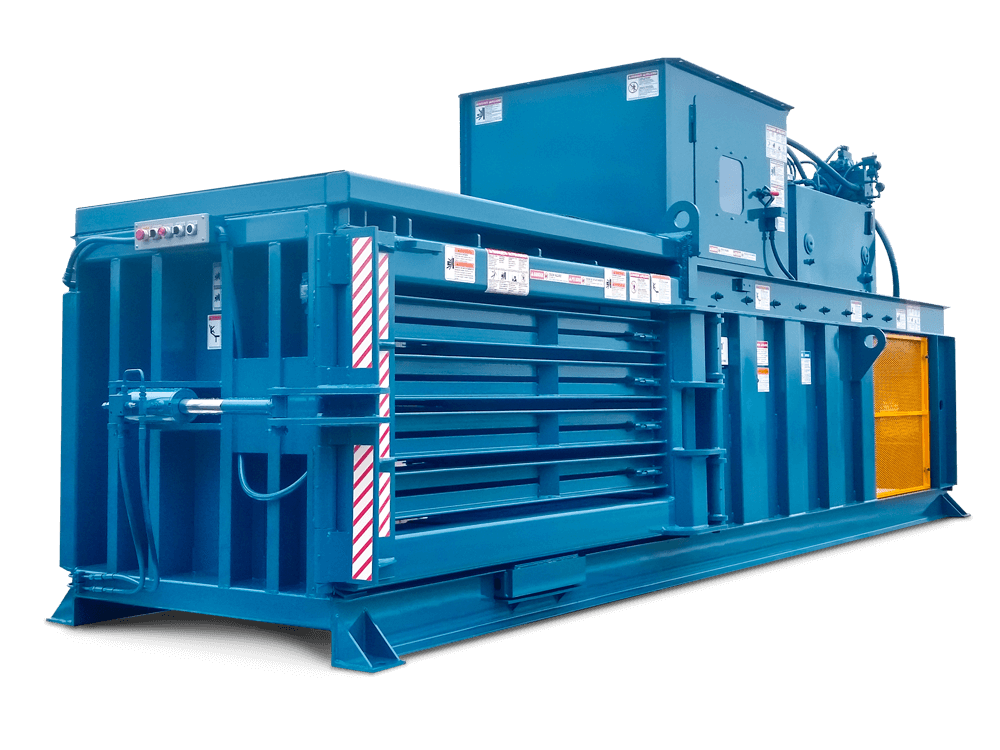
HARSLE horizontal balers are engineered with a focus on durability and high-throughput performance. At the heart of these machines is a multi-stage hydraulic system designed to exert consistent pressure across the entire surface area of the bale. This ensures that even the most resilient aluminum alloys are compressed into a stable, interlocking mass that maintains its shape during storage and transit. The hydraulic power units are equipped with advanced cooling systems to prevent overheating during continuous, multi-shift operations.
The feeding mechanism is a critical technical component, especially when dealing with aluminum. HARSLE balers utilize heavy-duty, wear-resistant steel liners in the compression chamber to withstand the abrasive nature of aluminum edges. These liners are replaceable, ensuring that the machine’s core structure remains protected over years of service. Additionally, the automated feeding systems—often integrated with conveyor belts or pneumatic scrap collection systems—allow for a ‘hands-off’ approach, minimizing the need for manual intervention and increasing overall throughput.
Control systems in HARSLE balers are designed for precision and ease of use. Programmable Logic Controllers (PLCs) monitor the compression cycle, adjusting the pressure and stroke length based on the density of the material being fed. This ‘smart’ baling capability ensures that the machine does not overwork itself when processing lighter materials, while providing maximum force for denser aluminum scrap. Operators can easily adjust bale size and weight settings through an intuitive touchscreen interface, allowing for customization based on specific logistics requirements.
The tying system is the final, crucial technical element. For aluminum, which has a high ‘spring-back’ factor, a robust tying mechanism is essential. HARSLE offers both manual and automatic wire-tying options. The automatic systems use high-tensile steel wire to secure the bale, ensuring it remains intact even under the significant expansion forces exerted by compressed aluminum. This reliability is what distinguishes industrial-grade balers from lighter-duty alternatives, providing the peace of mind that bales will not burst during handling or shipping.
Conseils de sélection : Choisir la bonne presse à balles
Selecting the appropriate horizontal baler requires a thorough audit of your facility’s scrap output. Start by calculating the daily or weekly volume of aluminum scrap in cubic yards or tons. It is important to account for peak production periods, as the baler must be sized to handle the maximum expected load without becoming a bottleneck in your production line. A machine that is too small will require constant attention, while one that is too large may be an unnecessary capital expenditure.
Consider the physical dimensions of your scrap. If your fabrication process involves large skeleton sheets, you will need a baler with a wide feed opening to prevent bridging and jamming. Conversely, if you are processing small shavings or chips, a baler with a high-density compression chamber and a specialized filtration system for cutting fluids is necessary. HARSLE consultants often recommend a site visit to analyze the specific scrap geometry and flow, ensuring the chosen model integrates seamlessly with your existing material handling equipment.
Maintenance requirements should also influence your decision. Look for machines that offer easy access to hydraulic components, electrical panels, and wear parts. A baler that is difficult to service will inevitably lead to increased downtime. HARSLE designs its equipment with modularity in mind, allowing for quick part replacements and routine inspections. Furthermore, consider the availability of local technical support and spare parts, as these factors are just as important as the initial purchase price in determining the long-term total cost of ownership.
Finally, evaluate the integration potential of the baler. Does it need to be connected to a centralized dust collection or scrap conveyance system? Can it be equipped with sensors to automatically start and stop based on the level of scrap in the hopper? These features, while adding to the initial cost, significantly reduce labor requirements and improve the overall efficiency of the scrap collection process. A well-integrated system is the hallmark of a modern, lean-manufacturing facility.
FAQ: Horizontal Baler Operations
- How much space does a horizontal baler typically require? A horizontal baler’s footprint varies by model, but you must account for the machine itself, the feed conveyor, and the staging area for finished bales. Generally, allow for a 20×30 foot area to ensure safe operation and material flow.
- What is the difference between an auto-tie and a manual-tie baler? Auto-tie balers are designed for high-volume, continuous operations where labor costs must be minimized. Manual-tie balers are more cost-effective for lower-volume facilities where the operator can safely tie the bales during natural production pauses.
- Can a horizontal baler handle other metals besides aluminum? Yes, HARSLE horizontal balers are versatile and can process copper, brass, and steel scrap. However, the compression settings must be adjusted, and the wear liners should be monitored more closely when processing harder metals like steel.
- How often should the hydraulic oil be changed? Under normal operating conditions, hydraulic oil should be checked every 500 hours and changed annually. Regular oil analysis can help identify potential pump or seal issues before they lead to catastrophic failure.
- Does the baler require a specialized electrical setup? Most industrial horizontal balers require a 3-phase power supply. It is essential to consult with a certified electrician to ensure your facility’s power capacity matches the motor requirements of the baler.
Conclusion
The implementation of a horizontal baler is a transformative step for any metal fabrication facility dealing with significant aluminum scrap. As demonstrated in this Horizontal Baler Case Study: Streamlining Aluminum Scrap Collection Storage, the benefits extend far beyond simple waste reduction. By investing in HARSLE technology, fabricators can achieve superior space utilization, enhanced workplace safety, and improved profitability through the sale of high-density, premium-grade aluminum bales. The transition to automated baling is not just an operational upgrade; it is a strategic move toward a more sustainable and efficient manufacturing future.
When choosing the right equipment, remember that the goal is to create a seamless flow from the production floor to the recycling center. By carefully considering your scrap volume, material characteristics, and facility layout, you can select a HARSLE horizontal baler that serves as a reliable workhorse for years to come. The initial investment is quickly offset by reduced logistics costs, higher scrap resale values, and the reclamation of valuable floor space. In an industry where efficiency is the primary differentiator, effective scrap management is a competitive advantage that cannot be ignored.
HARSLE remains dedicated to supporting the metal fabrication industry with robust, innovative, and reliable machinery. Whether you are a small job shop or a large-scale manufacturing plant, our team is equipped to provide the technical expertise and equipment necessary to optimize your scrap management processes. We invite you to reach out to our engineering department to discuss your specific requirements and take the first step toward a cleaner, more profitable, and more efficient production environment.