Étude de cas sur les presses à balles pour carrosseries automobiles : Réduction du volume de transport et augmentation des marges bénéficiaires

Introduction
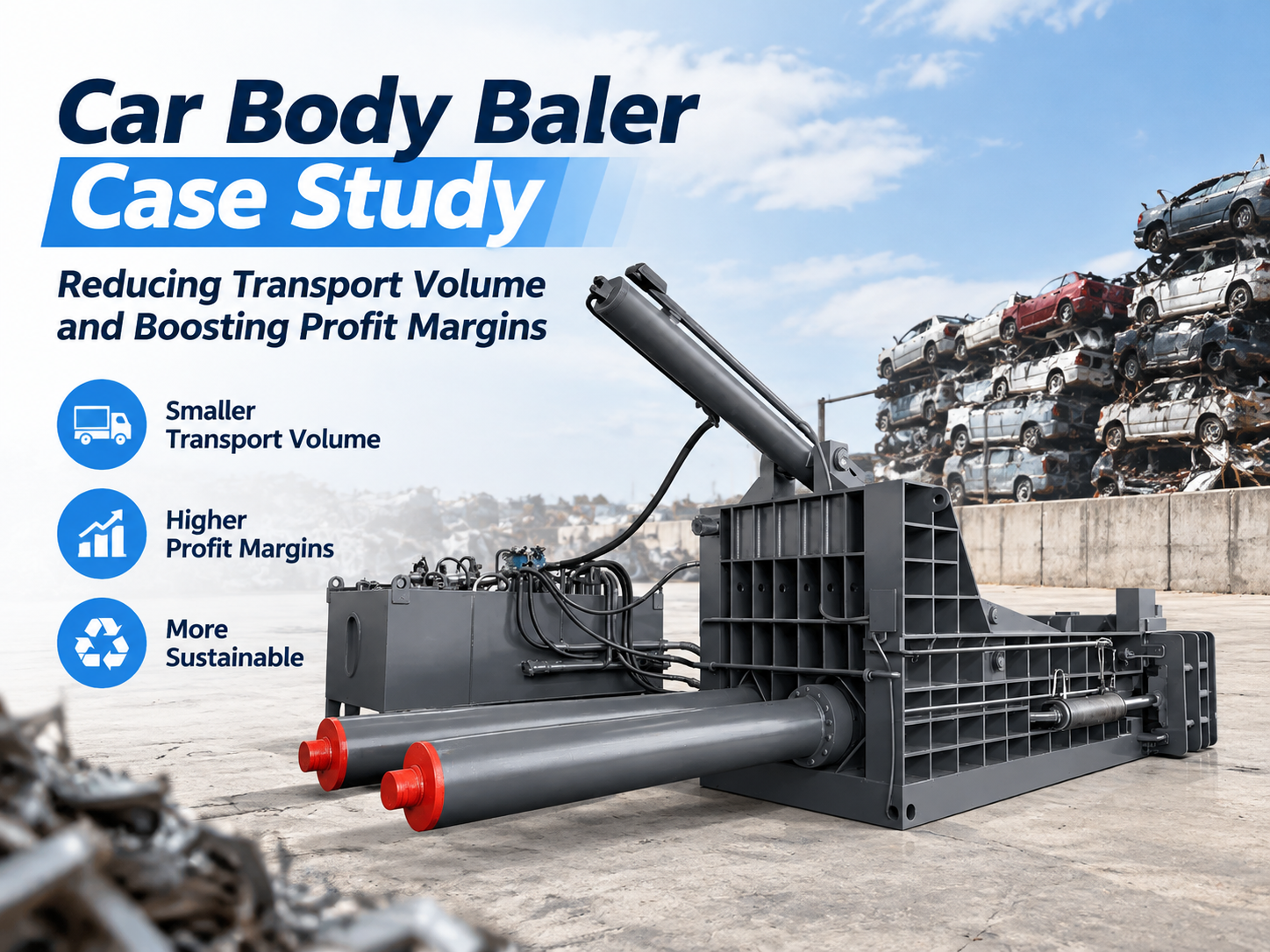
In the competitive landscape of metal recycling and automotive dismantling, the efficiency of scrap processing is the primary determinant of profitability. For facilities handling end-of-life vehicles (ELVs), the challenge is rarely the availability of raw material, but rather the logistics of handling bulky, irregularly shaped car bodies. This Car Body Baler Case Study: Reducing Transport Volume Boosting Profit Margins explores how HARSLE’s advanced hydraulic baling technology transforms operational overhead into a streamlined revenue stream.
The traditional method of transporting uncompressed car bodies is inherently inefficient. Shipping air—the empty space inside a vehicle shell—drives up fuel costs, requires more frequent trips, and limits the total tonnage per load. By integrating a high-force car body baler, recycling centers can achieve density levels that maximize the capacity of standard shipping containers and flatbed trailers. This transition is not merely a mechanical upgrade; it is a fundamental shift in business strategy.
Throughout this article, we will examine the technical requirements, the economic impact of density, and the strategic advantages of choosing the right equipment. Whether you are a small-scale scrap yard or a large-scale automotive recycling facility, understanding the physics and economics of baling is essential for scaling your operations in an increasingly regulated and cost-sensitive market.
HARSLE has consistently pushed the boundaries of industrial metal fabrication equipment, ensuring that our balers provide the necessary force to handle modern vehicle alloys while maintaining energy efficiency. As we delve into this case study, we will highlight how specific operational changes lead to measurable improvements in bottom-line performance.
Key Considerations for Scrap Processing Efficiency
When evaluating the efficiency of a scrap yard, the first metric to analyze is the ‘density-to-transport’ ratio. Unprocessed car bodies occupy significant volume, often resulting in loads that reach volume capacity long before they reach weight capacity. This is a critical inefficiency that directly eats into profit margins. A car body baler addresses this by compressing the vehicle into a dense, uniform bale that is easy to stack and transport.
Another key consideration is the labor cost associated with manual preparation. Older methods of dismantling often require extensive manual labor to remove non-ferrous components or to cut vehicles into smaller pieces. Modern car body balers are designed to handle complete or near-complete vehicle shells, significantly reducing the man-hours required for preparation. This shift allows staff to focus on higher-value tasks, such as hazardous material removal or component recovery.
Safety and environmental compliance also play a major role in the selection of baling equipment. A well-designed baler minimizes the risk of fluid leakage during the compression process by incorporating integrated drainage systems. Furthermore, the stability of baled scrap is significantly higher than loose scrap, reducing the risk of accidents during loading, unloading, and transit. For modern facilities, safety is not just a regulatory requirement; it is a core component of operational excellence.
Finally, the long-term maintenance and reliability of the equipment must be considered. Downtime in a recycling facility is costly. HARSLE equipment is engineered with modular components and robust hydraulic systems to ensure that maintenance is predictable and straightforward. By reducing the frequency of unscheduled repairs, facilities can maintain a consistent throughput, which is essential for meeting contractual obligations with steel mills and smelters.
Détails techniques des systèmes de mise en balles HARSLE
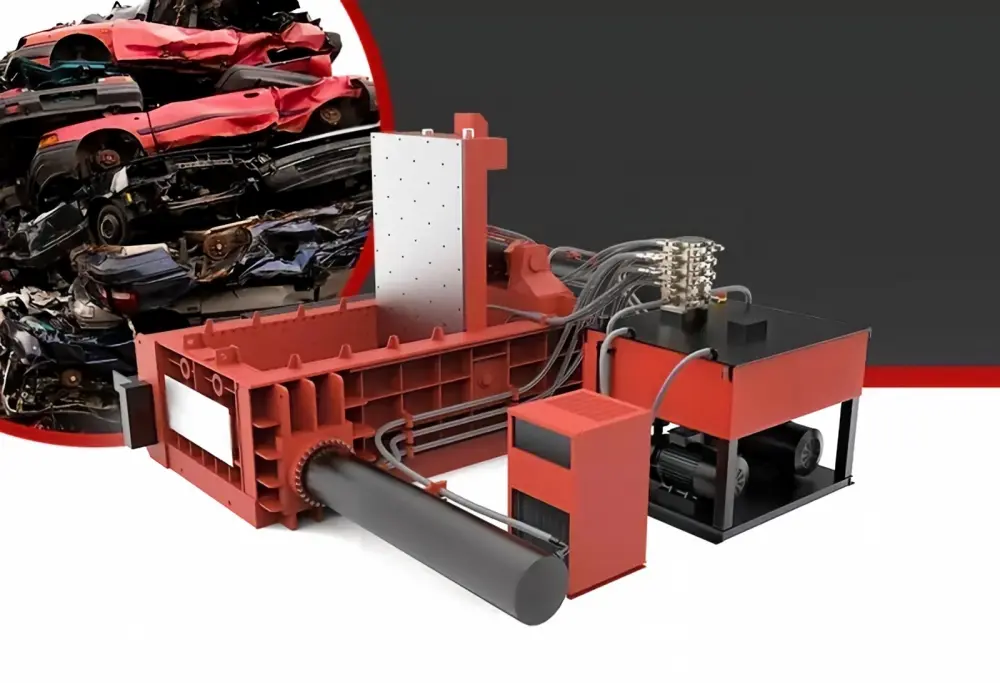
The core of any effective car body baler is its hydraulic system. HARSLE balers utilize high-pressure cylinders that deliver consistent force across the entire compression chamber. This ensures that even the most resilient vehicle frames are compressed into a uniform, high-density bale. The hydraulic power units are designed for continuous duty, allowing for high-cycle operations without overheating or loss of pressure.
The structural integrity of the baling chamber is equally important. HARSLE uses wear-resistant steel plates that can withstand the abrasive nature of scrap metal. These liners are replaceable, ensuring that the machine remains in peak condition for years. The design of the chamber also includes reinforced doors and locking mechanisms that can withstand the immense internal pressure generated during the final stages of the baling cycle.
Automation is a defining feature of modern HARSLE balers. Programmable Logic Controllers (PLCs) allow operators to customize the baling cycle based on the type of material being processed. Whether dealing with light passenger vehicles or heavier commercial frames, the system automatically adjusts the compression force and cycle time to optimize energy consumption. This level of control is vital for achieving the specific bale dimensions required by different transport logistics.
Connectivity and monitoring are the latest additions to our technical suite. By integrating IoT sensors, HARSLE balers provide real-time data on hydraulic pressure, oil temperature, and cycle counts. This data allows facility managers to monitor performance remotely and schedule preventative maintenance before a failure occurs. This proactive approach to machine health is a cornerstone of the modern, data-driven recycling facility.
Conseils de sélection : Choisir le bon équipement
Selecting the right car body baler requires a thorough assessment of your current and projected throughput. A common mistake is purchasing a machine that is either too small, leading to bottlenecks, or too large, resulting in unnecessary energy and capital expenditure. Start by calculating your daily volume of scrap vehicles and the desired density of the final bales. This will help determine the required force (measured in tons) and the chamber size.
Consider the footprint of the machine within your facility. A car body baler is a significant piece of metal fabrication equipment that requires adequate space for loading, operation, and bale removal. Ensure that your site layout allows for efficient material flow, with clear paths for forklifts or cranes to feed the baler and remove the finished product. If space is limited, look for compact designs that do not sacrifice compression force.
The power source is another critical factor. While electric-hydraulic systems are standard, some remote locations may require diesel-powered units. HARSLE offers both configurations to ensure that our equipment can operate effectively regardless of the local infrastructure. Additionally, consider the ease of installation; our modular designs are intended to minimize site preparation and speed up the commissioning process.
Finally, look for a partner, not just a supplier. The purchase of a car body baler is a long-term investment. Evaluate the manufacturer’s support network, the availability of spare parts, and the quality of technical documentation. At HARSLE, we provide comprehensive training for operators and maintenance staff, ensuring that your team is fully equipped to maximize the return on your investment from day one.
Economic Impact: Boosting Profit Margins
The economic impact of implementing a car body baler is immediate and measurable. By increasing the density of scrap, you directly reduce the cost per ton of transportation. In many cases, a facility can double or even triple the amount of scrap loaded onto a single truck. This reduction in the number of trips required to move the same volume of material leads to significant savings in fuel, driver wages, and vehicle maintenance.
Furthermore, steel mills and smelters often offer premium pricing for high-density, uniform bales. Because these bales are easier to handle and process in the furnace, they are more valuable than loose or poorly compressed scrap. By delivering a superior product, your facility can negotiate better contracts and establish itself as a preferred supplier in the recycling supply chain.
Operational efficiency also translates to lower labor costs. With a high-capacity baler, the time spent handling each vehicle is reduced. This allows for a higher throughput, meaning your facility can process more vehicles in the same amount of time. When you combine reduced transport costs, higher product value, and increased throughput, the return on investment for a car body baler is often achieved within 12 to 24 months.
Finally, consider the environmental and regulatory benefits. As governments tighten regulations on waste management and carbon emissions, the ability to process scrap efficiently is becoming a competitive advantage. Facilities that can demonstrate a commitment to sustainable and efficient recycling practices are better positioned to secure permits and attract investment. The car body baler is not just a tool; it is a strategic asset for long-term growth.
FAQ: Common Questions About Car Body Balers
What is the typical lifespan of a HARSLE car body baler?
With proper maintenance and regular replacement of wear parts, a HARSLE car body baler is designed to provide 15 to 20 years of reliable service in an industrial environment.
How much space do I need to install a car body baler?
The required footprint varies by model, but generally, you should allocate at least 50-100 square meters for the machine, loading area, and finished bale storage. We provide detailed layout drawings for every installation.
Can the baler handle vehicles with engines and transmissions?
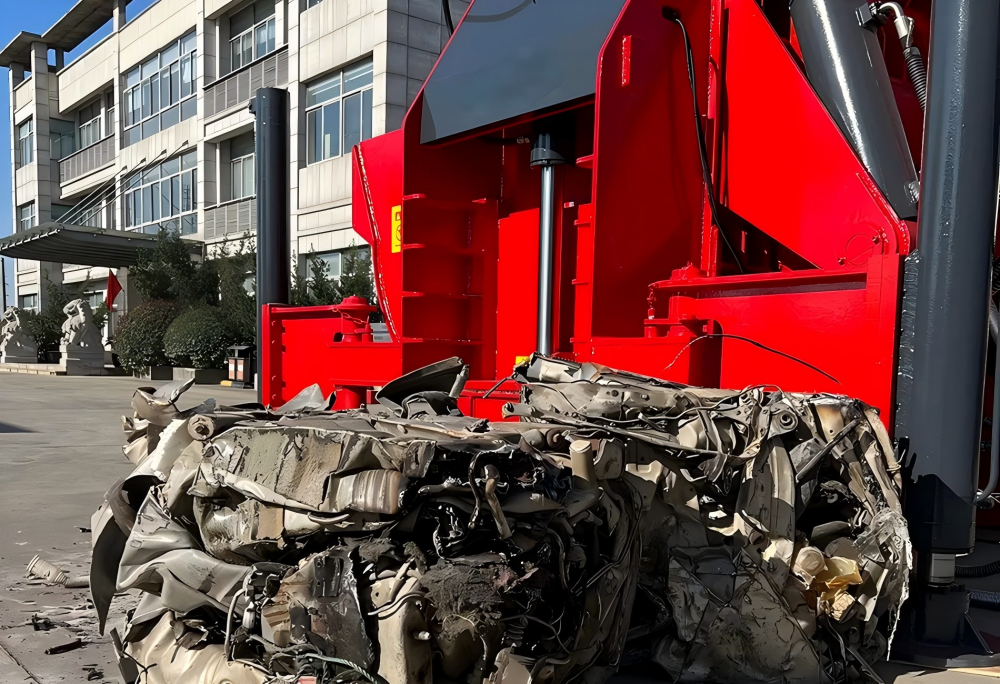
While most facilities prefer to remove high-value components, HARSLE balers are engineered with sufficient force to compress vehicles with engines and transmissions if necessary. However, we recommend removing hazardous fluids first for environmental safety.
How often does the hydraulic oil need to be changed?
We recommend checking the hydraulic oil quality every 500 operating hours. A full change is typically required annually, depending on the intensity of use and the environmental conditions of your facility.
Does HARSLE provide training for my staff?
Yes, we offer comprehensive on-site or remote training programs for operators and maintenance technicians to ensure safe and efficient machine operation.
Conclusion
The transition to automated scrap processing is a defining step for any metal recycling business. As demonstrated in this Car Body Baler Case Study: Reducing Transport Volume Boosting Profit Margins, the integration of high-force hydraulic baling technology is the most effective way to optimize logistics and enhance profitability. By reducing the volume of scrap, facilities can unlock significant savings in transportation while simultaneously increasing the market value of their output.
HARSLE remains committed to providing the metal fabrication industry with the tools necessary to succeed in a demanding market. Our car body balers are built on a foundation of technical precision, durability, and operational efficiency. We understand that your success is tied to the reliability of your equipment, which is why we prioritize quality in every component we manufacture.
If you are ready to take the next step in optimizing your scrap processing operations, we invite you to consult with our engineering team. Together, we can assess your specific needs, evaluate your current workflow, and design a solution that drives your business forward. Investing in the right machinery today is the surest way to secure your competitive edge for the future.