Étude de cas : Amélioration de l'efficacité du traitement des ferrailles automobiles grâce à une presse à balles pour carrosseries

Introduction to Modern Scrap Management
In the rapidly evolving landscape of the metal recycling industry, efficiency is the primary driver of profitability. As global demand for recycled steel and aluminum continues to climb, scrap yards and metal fabrication facilities are under immense pressure to process end-of-life vehicles (ELVs) faster and more cost-effectively. The traditional methods of manual cutting or inefficient shearing are no longer sufficient to meet the throughput requirements of modern industrial operations. This is where the implementation of a high-performance car body baler becomes a game-changer.
This article serves as a comprehensive Case Study: Improving Auto Scrap Processing Efficiency A Car Body Baler, exploring how HARSLE’s advanced hydraulic solutions have revolutionized the workflow for mid-to-large scale recycling centers. By transitioning from disorganized scrap piles to dense, uniform bales, facilities can significantly reduce logistics costs, optimize storage space, and increase the market value of their processed materials.
The integration of a car body baler is not merely an equipment upgrade; it is a strategic operational shift. By automating the compression of bulky vehicle frames, businesses can minimize labor hazards, reduce the carbon footprint associated with transport, and ensure a consistent supply of high-density scrap for steel mills. Throughout this guide, we will analyze the technical advantages, operational benefits, and long-term ROI associated with these robust machines.
HARSLE has spent decades refining the engineering behind these balers, focusing on cycle time, structural integrity, and ease of maintenance. As we delve into this case study, we will highlight how specific operational bottlenecks—such as high transport costs and slow processing speeds—were systematically eliminated through the deployment of HARSLE’s specialized baling technology.
Key Considerations for Scrap Yard Optimization
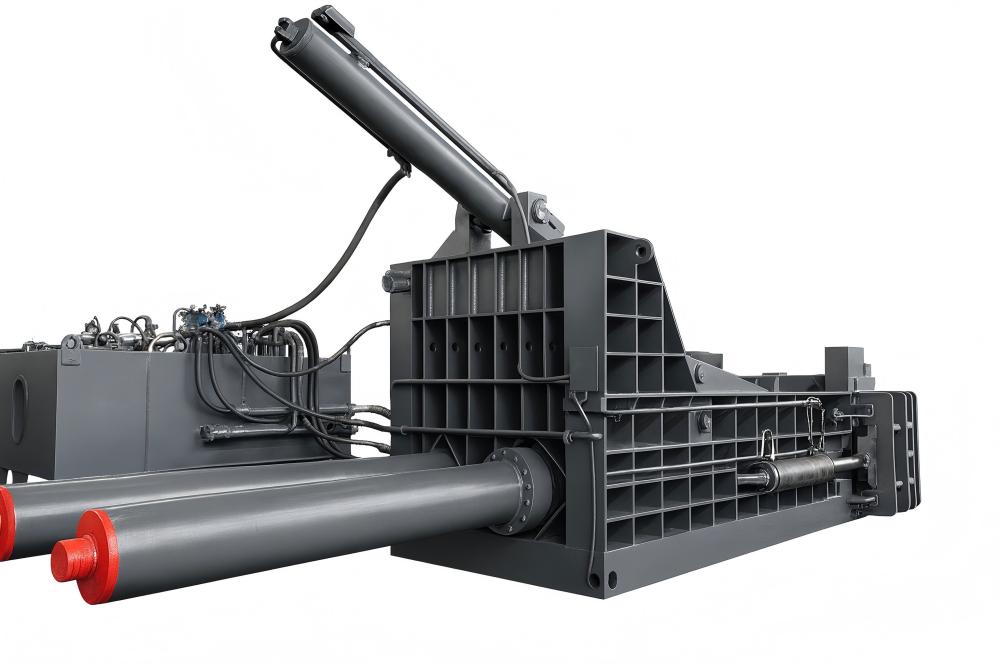
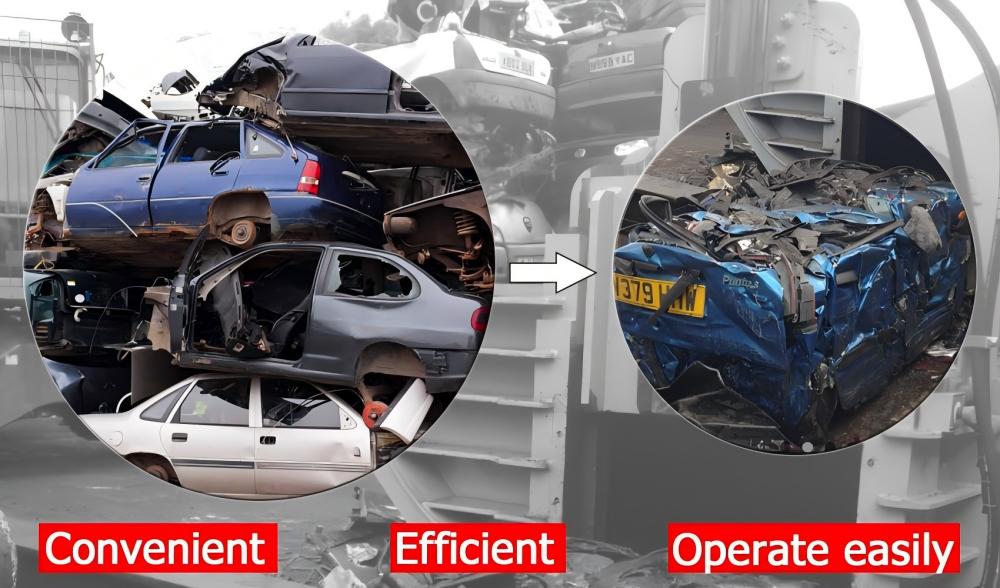
When evaluating the need for a car body baler, facility managers must first conduct a thorough audit of their current processing workflow. The primary challenge in auto scrap management is the sheer volume-to-weight ratio of vehicle bodies. Without compression, a standard flatbed truck can only transport a fraction of its weight capacity, leading to exorbitant shipping costs. A car body baler addresses this by transforming bulky, air-filled vehicle frames into compact, high-density blocks that maximize the payload of every transport vehicle.
Another critical consideration is the safety and environmental impact of scrap processing. Manual dismantling and cutting processes often involve hazardous sparks, sharp edges, and the risk of fluid spills. A hydraulic car body baler centralizes the processing area, allowing for better containment of residual fluids and reducing the need for workers to be in close proximity to unstable scrap piles. This shift toward automation is a cornerstone of modern safety protocols in the metal fabrication equipment sector.
Space management is equally vital. In urban or high-rent industrial zones, the footprint of a scrap yard is a significant overhead cost. By baling scrap, facilities can stack processed units vertically and organize their inventory with precision. This not only improves the aesthetic and safety profile of the yard but also allows for better inventory tracking and faster loading times when orders are placed by steel mills or foundries.
Finally, the quality of the output is a major factor in market competitiveness. Steel mills prefer dense, clean, and uniform bales because they are easier to feed into electric arc furnaces. By using a HARSLE car body baler, recyclers can guarantee a consistent bale size and density, which often leads to premium pricing in the scrap market. This case study demonstrates that the investment in high-quality machinery pays for itself through improved material quality and reduced operational overhead.
Détails techniques des systèmes de mise en balles HARSLE
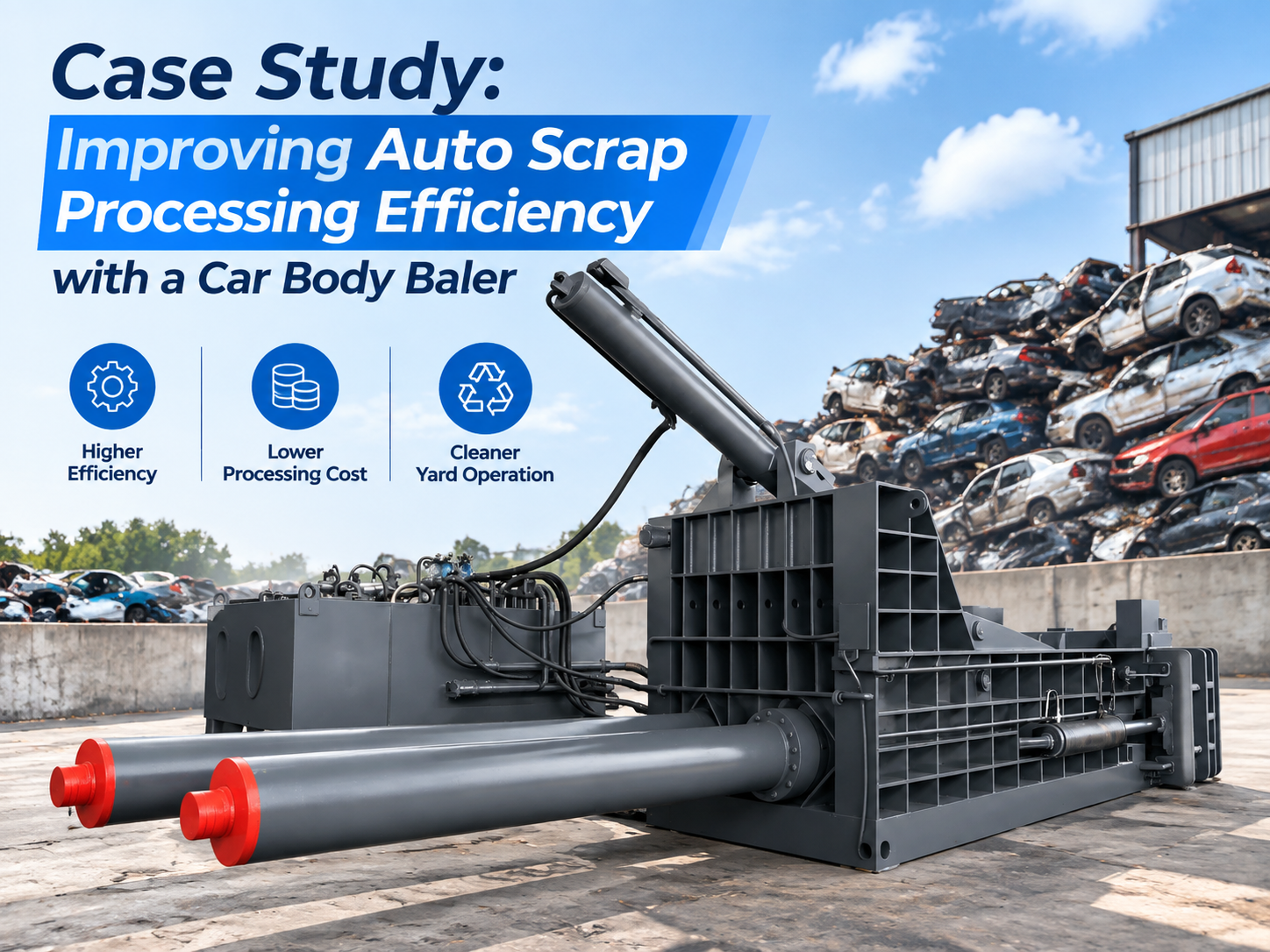
HARSLE’s car body balers are engineered with a focus on hydraulic power and structural durability. The core of the system is a high-pressure hydraulic circuit that provides the force necessary to compress entire vehicle bodies, including engines and transmissions, into manageable bales. These machines feature reinforced steel chambers designed to withstand the immense stress of repeated compression cycles without deformation or fatigue.
The control systems integrated into HARSLE balers are designed for user-friendliness and precision. Operators can adjust the bale size and density settings via an intuitive PLC interface, allowing the machine to adapt to different types of scrap, from light-gauge passenger cars to heavier commercial vehicle frames. This versatility is essential for facilities that handle a diverse range of incoming scrap materials.
Maintenance is a critical aspect of industrial machinery, and HARSLE has prioritized accessibility in its design. The hydraulic power units are housed in a protected yet easily reachable cabinet, and the wear-resistant liners inside the baling chamber are modular, allowing for quick replacement during scheduled maintenance intervals. This design philosophy minimizes downtime, ensuring that the baler remains a productive asset rather than a maintenance burden.
Furthermore, the energy efficiency of these balers is a significant technical advantage. HARSLE utilizes variable-frequency drive (VFD) technology in its hydraulic pumps, which adjusts power consumption based on the load. During periods of lower activity or when processing lighter materials, the machine consumes significantly less electricity, contributing to lower operational costs and a more sustainable business model for the recycling plant.
Conseils de sélection : Choisir la bonne presse à balles
Selecting the right car body baler requires a careful analysis of your facility’s daily throughput and the specific types of scrap you process. A common mistake is purchasing a machine that is either underpowered for the volume or unnecessarily large for the facility’s needs. HARSLE recommends starting with a detailed assessment of your average daily tonnage and the physical dimensions of the vehicles you typically handle.
Consider the cycle time of the machine. If your facility processes hundreds of vehicles per week, a high-speed baler with automated bale ejection is essential to prevent bottlenecks. Conversely, if your operation is smaller, a semi-automatic model may offer a better balance between initial investment and operational efficiency. Always look for machines that offer modular upgrades, allowing you to scale your equipment as your business grows.
The build quality of the chamber is non-negotiable. Ensure that the baler you choose uses high-tensile steel and has a reinforced floor. Since car bodies contain heavy components like engine blocks, the floor of the baler will experience the most wear. HARSLE’s machines are equipped with replaceable wear plates, which significantly extend the lifespan of the main structure and reduce long-term repair costs.
Finally, consider the after-sales support and availability of spare parts. A car body baler is a long-term investment. Partnering with a manufacturer like HARSLE, which provides comprehensive technical documentation, remote troubleshooting support, and a reliable supply chain for replacement parts, ensures that your machine remains operational for years to come. Always request a demonstration or a site visit to see the machine in action before making a final decision.
Foire aux questions (FAQ)
1. How does a car body baler improve scrap yard profitability?
By compressing bulky vehicles into dense, uniform bales, you significantly reduce transportation costs, as more weight can be loaded onto a single truck. Additionally, processed bales command higher prices from steel mills due to their consistent quality and ease of handling.
2. What maintenance is required for a HARSLE car body baler?
Routine maintenance includes checking hydraulic fluid levels, inspecting hoses for leaks, cleaning the chamber of debris, and replacing wear plates as they thin over time. HARSLE provides a detailed maintenance schedule to ensure peak performance.
3. Can these balers handle engines and transmissions?
Yes, HARSLE car body balers are designed with high-pressure hydraulic systems capable of compressing entire vehicle bodies, including heavy components like engines and transmissions, into compact bales.
4. How long does it take to bale a single car?
Cycle times vary depending on the model and the density of the scrap, but most HARSLE balers are designed to complete a full compression cycle in just a few minutes, ensuring high throughput for busy scrap yards.
5. Is specialized training required to operate the baler?
While the machines are designed for ease of use, HARSLE recommends that operators undergo basic training to understand the safety protocols, control interface, and daily maintenance checks to ensure safe and efficient operation.
Conclusion
The transition to automated scrap processing is no longer an option but a necessity for facilities aiming to remain competitive in the metal recycling industry. As highlighted in this Case Study: Improving Auto Scrap Processing Efficiency A Car Body Baler, the implementation of HARSLE’s hydraulic baling technology provides a clear path toward higher throughput, reduced logistics costs, and improved safety standards. By focusing on high-density output and durable, energy-efficient design, HARSLE empowers scrap yard operators to maximize their return on investment.
Choosing the right equipment involves a careful balance of technical capability, operational needs, and long-term support. With HARSLE, you are not just purchasing a piece of metal fabrication equipment; you are investing in a partnership dedicated to the efficiency and growth of your recycling business. As the industry continues to evolve, having the right machinery in place will ensure that your facility remains at the forefront of the scrap processing market, turning end-of-life vehicles into valuable industrial resources with precision and speed.
We encourage facility managers to evaluate their current workflows and consider how a HARSLE car body baler can transform their operations. Whether you are looking to scale your production or simply optimize your existing yard space, the benefits of professional-grade baling are undeniable. Contact our team today to learn more about our range of solutions and how we can help you achieve your efficiency goals.