Case Study: Improving Housekeeping Standards with a Vertical Baler in Manufacturing

Introduction
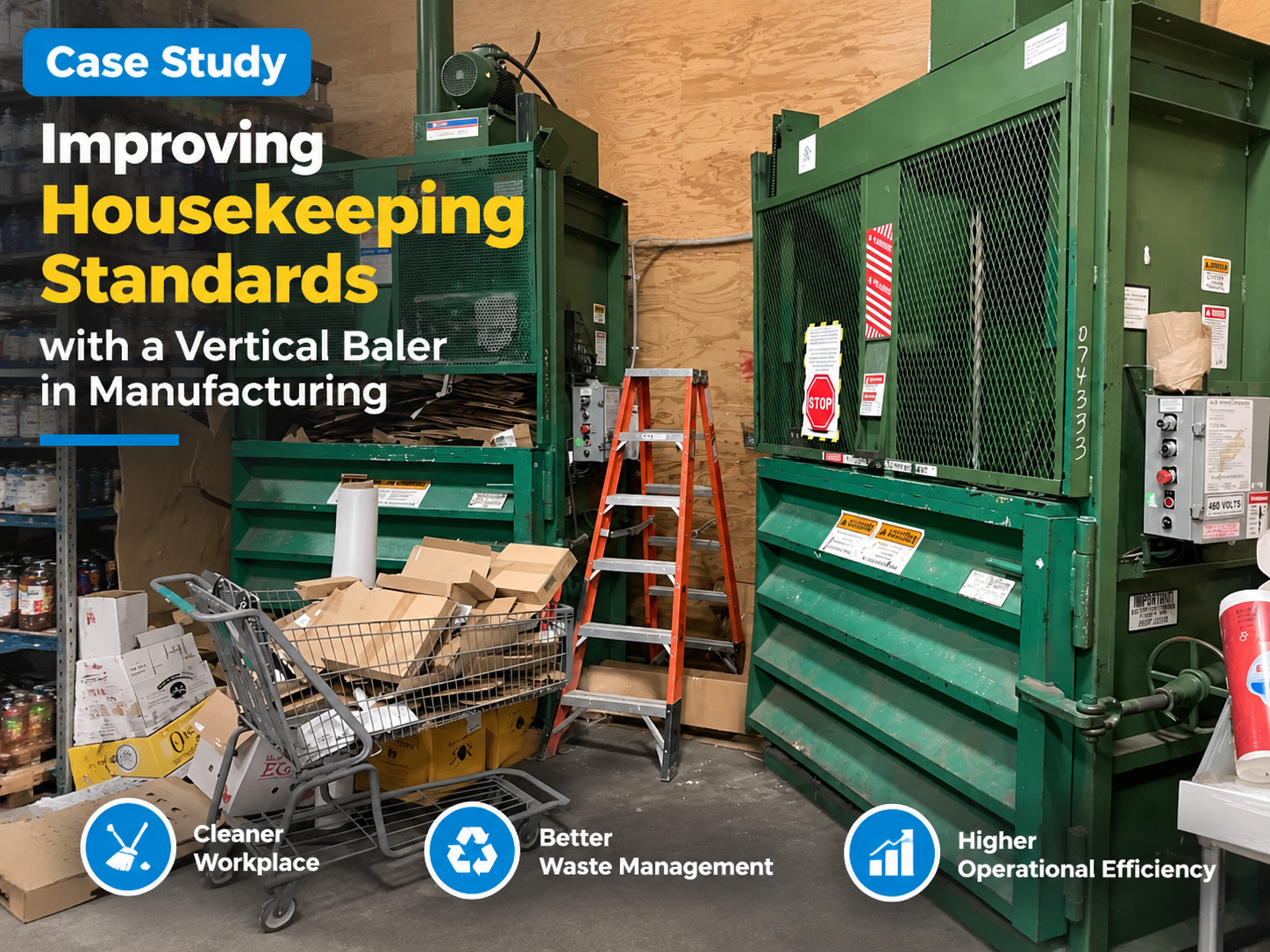
In the modern manufacturing landscape, the efficiency of a production line is often measured by more than just output speed; it is defined by the organization and safety of the workspace. For many metal fabrication facilities, the accumulation of scrap metal, cardboard packaging, and plastic film creates significant operational bottlenecks. This article explores a comprehensive Case Study: Improving Housekeeping Standards A Vertical Baler In Manufacturing, demonstrating how HARSLE machinery transforms cluttered, hazardous environments into streamlined, productive hubs.
Housekeeping is frequently overlooked as a strategic pillar of lean manufacturing. However, when waste materials are allowed to pile up, they obstruct walkways, hide potential safety hazards, and consume valuable floor space that could be utilized for high-value production equipment. By integrating a vertical baler, manufacturers can consolidate waste at the source, significantly reducing the footprint of discarded materials and fostering a culture of cleanliness and safety.
This case study examines a mid-sized metal fabrication plant that struggled with overflowing waste bins and frequent safety violations related to “trip and fall” hazards. By transitioning to a systematic baling process, the facility not only improved its housekeeping standards but also turned a waste management cost center into a potential revenue stream through the sale of high-density, recyclable bales.
Throughout this guide, we will analyze the technical requirements, the selection process, and the long-term benefits of adopting vertical baling technology. Whether you are managing a small workshop or a large-scale fabrication plant, the principles outlined here provide a roadmap for optimizing your facility’s waste management strategy.
Key Considerations for Waste Management
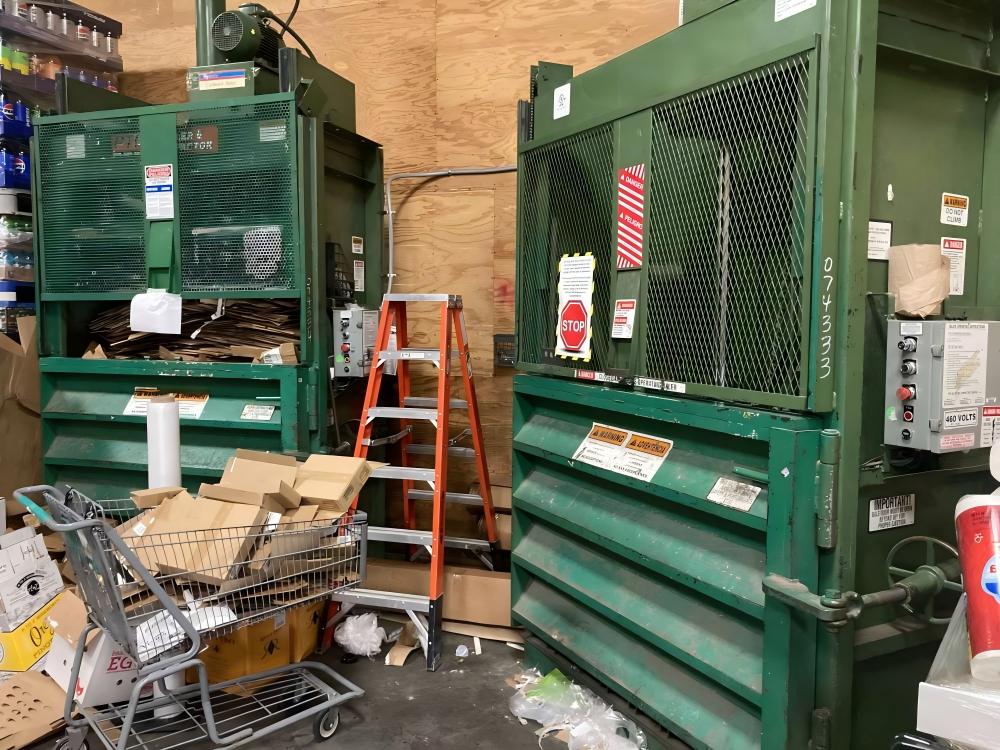
Before investing in a vertical baler, facility managers must conduct a thorough waste audit. Understanding the volume, type, and frequency of waste generation is critical to selecting the right equipment. In our case study, the facility initially underestimated the sheer volume of cardboard and thin-gauge metal scrap generated during the packaging and assembly phases of their production cycle.
Space constraints are another primary consideration. In a metal fabrication shop, every square foot of floor space is premium real estate. A vertical baler is specifically designed to minimize the footprint of waste processing. Unlike horizontal balers, which require extensive conveyor systems and large floor areas, vertical balers are compact and can be placed directly adjacent to the production line, minimizing the distance employees must travel to dispose of waste.
Safety compliance is the third pillar of effective housekeeping. OSHA and other regulatory bodies emphasize the importance of clear aisles and fire hazard mitigation. Loose piles of cardboard and plastic are highly combustible and represent a significant fire risk. By compressing these materials into dense, manageable bales, the facility drastically reduces the fuel load on the factory floor, thereby improving overall fire safety ratings.
Finally, consider the labor impact. Manual waste handling—breaking down boxes, hauling loose trash to dumpsters, and managing overflowing bins—is labor-intensive and ergonomically taxing. A vertical baler streamlines this process. Employees can feed waste directly into the chamber, and the machine handles the compaction, allowing staff to focus on core fabrication tasks rather than janitorial duties.
Technical Details of Vertical Balers
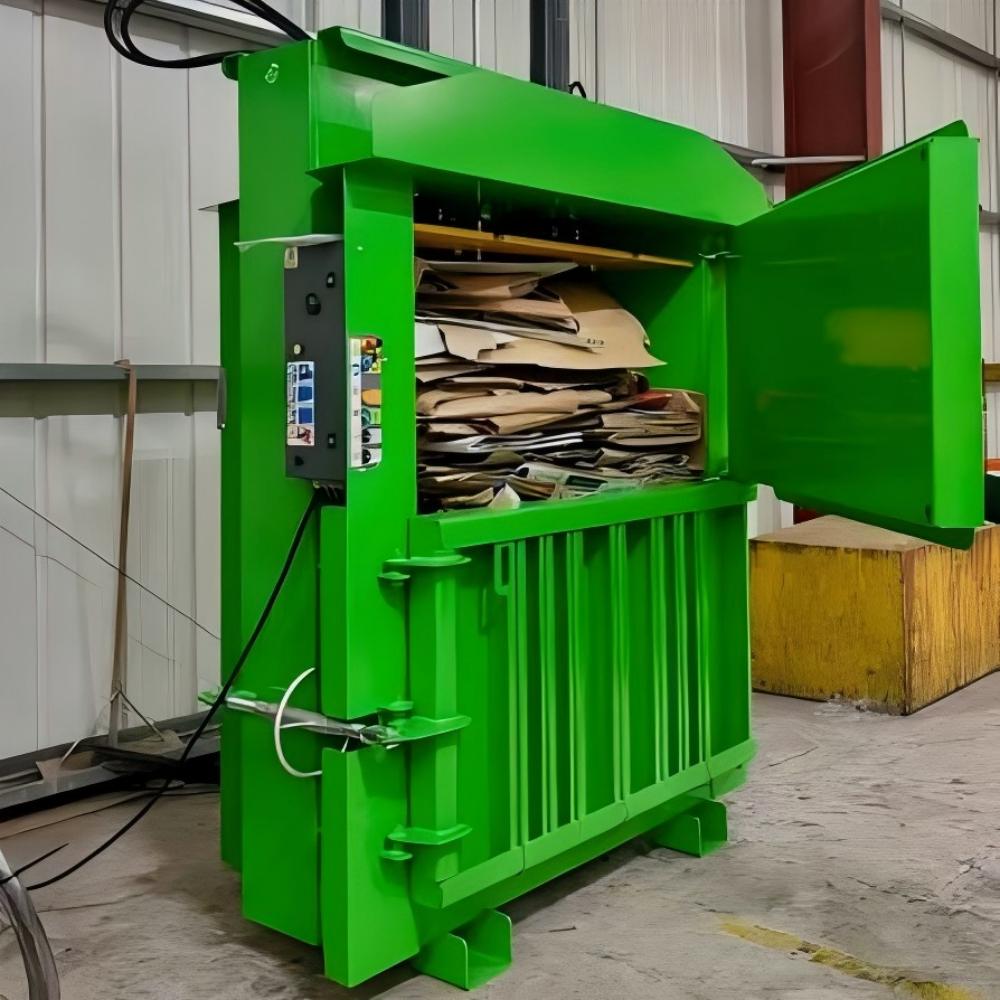
The technical architecture of a HARSLE vertical baler is engineered for durability and high-pressure performance. At the core of the system is a heavy-duty hydraulic cylinder that exerts significant force to compress materials. This force is essential for achieving the high-density bales required for efficient transport and recycling. The structural integrity of the baler frame is equally important, as it must withstand the immense internal pressure generated during the compaction cycle.
Modern vertical balers feature user-friendly control panels that allow operators to adjust cycle times and pressure settings based on the material being processed. For instance, compressing aluminum scrap requires different pressure profiles than compressing corrugated cardboard. HARSLE units are equipped with safety interlocks that prevent the machine from operating if the loading door is open, ensuring operator safety at all times.
The ejection system is another critical technical component. Once a bale reaches its desired density, the machine must be able to eject it safely and efficiently. Many HARSLE models utilize a hydraulic or mechanical bale ejection system that pushes the finished bale onto a pallet or a waiting forklift, eliminating the need for manual lifting. This feature is vital for preventing workplace injuries and maintaining a smooth workflow.
Maintenance requirements for these machines are relatively straightforward but essential for longevity. Regular inspection of hydraulic hoses, seals, and electrical connections ensures that the baler remains operational during peak production hours. Lubrication of the guide rails and door hinges prevents mechanical wear, while routine cleaning of the chamber prevents debris buildup that could interfere with the compaction plate.
Selection Advice for Your Facility
Selecting the right vertical baler requires balancing your current waste output with future growth projections. Start by measuring the dimensions of your available floor space and the height of your ceiling. Vertical balers come in various heights, and while they are space-efficient, you must ensure there is enough clearance for the loading door to open fully and for the operator to work safely.
Consider the material throughput. If your facility generates a high volume of waste daily, you may need a baler with a larger feed opening and a faster cycle time. Conversely, for smaller shops, a standard-duty baler will suffice. It is also important to consider the bale size. Standard bale sizes are often preferred by recycling centers, as they fit perfectly onto standard shipping pallets, making logistics and transport much easier.
Look for machines that offer “plug-and-play” installation. HARSLE balers are designed to be easily integrated into existing workflows with minimal disruption. Check the power requirements—most vertical balers operate on standard industrial voltage, but it is wise to verify your facility’s electrical capacity before purchase. Additionally, consider the noise level of the machine; while hydraulic systems are generally quiet, choosing a unit with noise-dampening features can improve the overall work environment.
Finally, evaluate the support and warranty offered by the manufacturer. A vertical baler is a long-term investment. Partnering with a reputable supplier like HARSLE ensures that you have access to spare parts, technical support, and expert advice throughout the lifespan of the machine. Do not base your decision solely on the initial purchase price; consider the total cost of ownership, including energy consumption, maintenance, and the potential revenue generated from selling baled recyclables.
FAQ: Vertical Baler Implementation
How much space does a vertical baler typically require?
Most vertical balers require a footprint of approximately 4 to 8 square feet, depending on the model. However, you must also account for the space required for the operator to stand and for the bale to be ejected.
Can a vertical baler handle metal scrap?
Yes, specific models are designed to handle thin-gauge metal scrap. It is important to consult with your HARSLE representative to ensure the baler’s hydraulic force is sufficient for the specific type of metal you are processing.
How often does a vertical baler need maintenance?
Routine maintenance should be performed every 3 to 6 months, depending on usage. This includes checking hydraulic fluid levels, inspecting hoses for leaks, and cleaning the compaction chamber.
Is it difficult to train employees to use a vertical baler?
No, vertical balers are designed for ease of use. Most operators can be trained in under an hour, provided they follow all safety protocols and understand the machine’s interlock systems.
Can baled waste be sold?
Yes, many recycling centers pay a premium for high-density, sorted bales of cardboard, plastic, and aluminum. This can turn a waste management expense into a revenue stream.
Conclusion
Le Case Study: Improving Housekeeping Standards A Vertical Baler In Manufacturing highlights a clear path toward operational excellence. By addressing the root causes of clutter and inefficiency, manufacturers can create a safer, more organized, and ultimately more profitable environment. HARSLE vertical balers provide the robust, reliable, and efficient solution needed to manage modern industrial waste streams effectively.
Implementing a vertical baler is not just about cleaning up the shop floor; it is about embracing a culture of continuous improvement. When waste is managed systematically, the entire production process benefits. From reduced fire hazards and improved floor space utilization to the potential for recycling revenue, the advantages are multifaceted. As you look to optimize your manufacturing facility, consider how a HARSLE vertical baler can serve as the cornerstone of your housekeeping and waste management strategy. Invest in the right equipment today to secure a cleaner, safer, and more efficient tomorrow.