Étude de cas sur le choix d'une presse à briqueter la ferraille pour le traitement à haut volume : un guide HARSLE

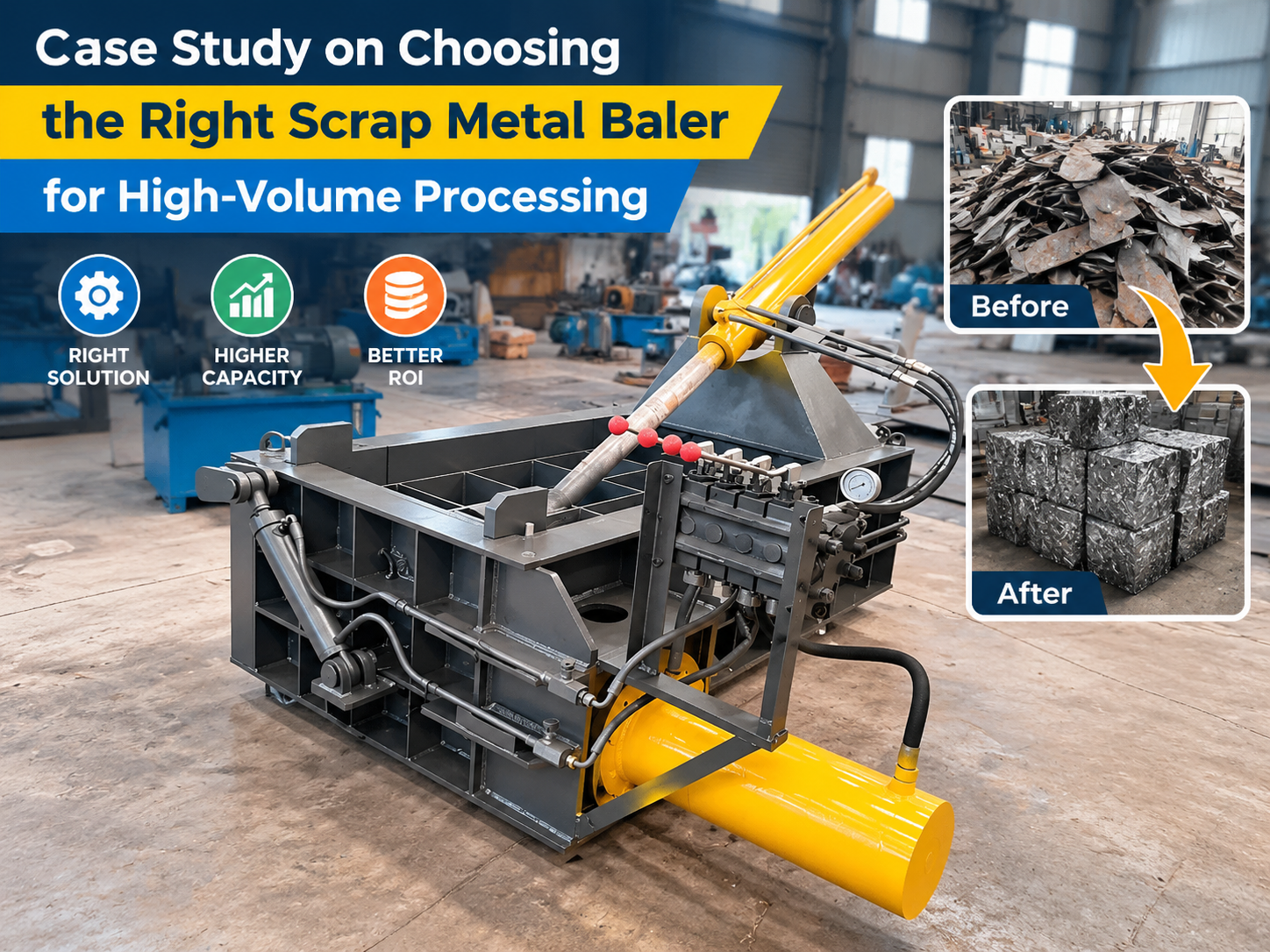
Introduction: The Critical Role of Scrap Management
In the modern metal fabrication landscape, efficiency is not merely about production speed; it is about the holistic management of material flow. For high-volume facilities, the accumulation of scrap metal represents a significant logistical challenge and a potential revenue stream that is often overlooked. A Case Study On Choosing Scrap Metal Baler High-Volume Processing reveals that the difference between a profitable recycling program and a costly waste disposal operation lies entirely in the selection of the right machinery.
HARSLE has observed that many fabrication plants struggle with “scrap congestion,” where the sheer volume of offcuts, shavings, and rejected parts slows down primary production lines. By integrating a high-performance scrap metal baler, facilities can transform loose, unmanageable waste into dense, transportable bales. This transition not only clears floor space but also significantly increases the market value of the scrap, as recyclers pay a premium for high-density, sorted materials.
This article serves as an in-depth guide and case study analysis for facility managers and procurement officers tasked with scaling their metal processing capabilities. We will explore the technical nuances, operational requirements, and strategic decision-making processes necessary to select a baler that aligns with high-volume industrial demands. Whether you are dealing with aluminum, copper, or steel, the principles of effective baling remain the same: consistency, density, and throughput.
As we delve into the specifics, we will look at how HARSLE machinery addresses common pain points such as cycle time, maintenance downtime, and energy consumption. By understanding the interplay between material type and machine specifications, your facility can move from reactive waste management to a proactive, revenue-generating recycling strategy.
Key Considerations for High-Volume Processing
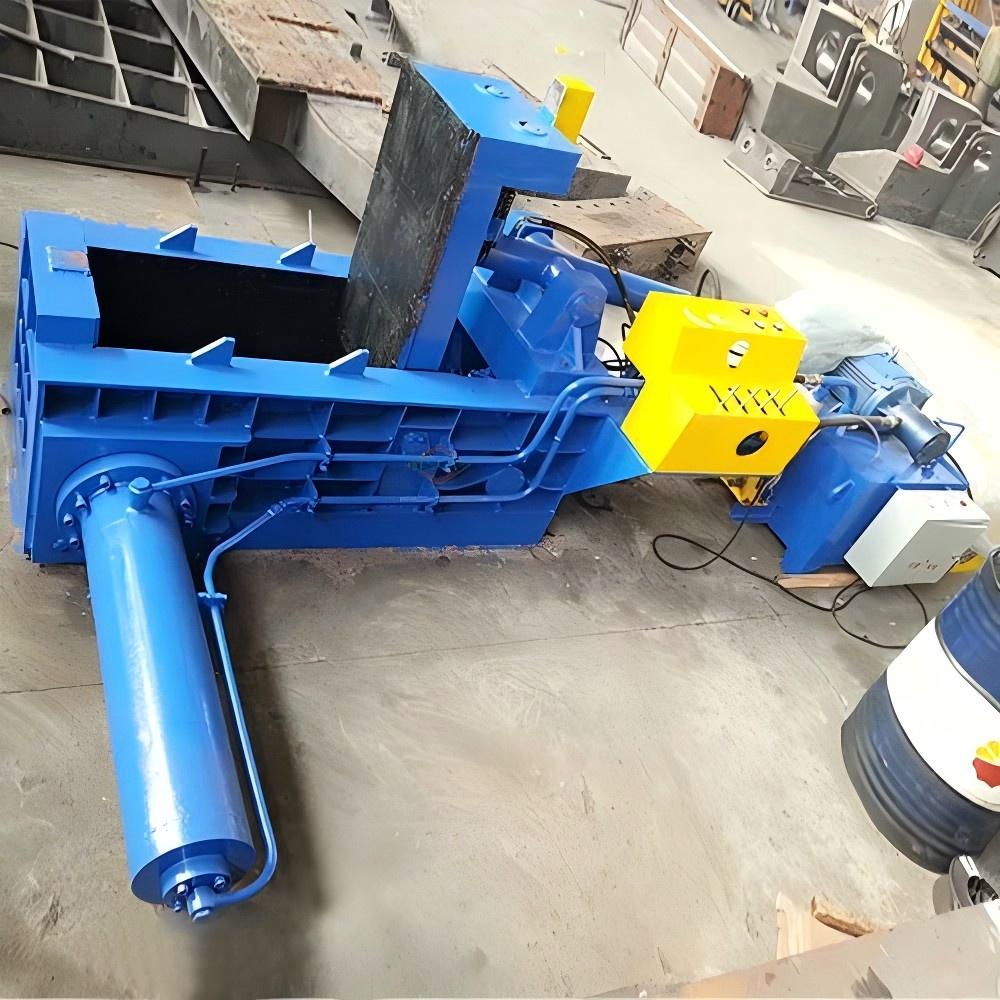
When conducting a Case Study On Choosing Scrap Metal Baler High-Volume Processing, the first variable to analyze is the volume and nature of the material. High-volume facilities often deal with a heterogeneous mix of scrap, ranging from thin-gauge sheet metal offcuts to heavy-duty structural steel remnants. The baler must be robust enough to handle the most demanding material in your stream without suffering from premature structural fatigue.
Throughput requirements are the second pillar of selection. It is not enough to simply have a machine that can crush metal; you need a system that can keep pace with your production line. If your fabrication shop produces two tons of scrap per hour, a baler with a one-ton-per-hour capacity will inevitably create a bottleneck. We recommend calculating your peak scrap generation rates and selecting a baler that operates at 70-80% of its maximum capacity to allow for surges and maintenance buffers.
Space constraints and material handling logistics also play a vital role. In many high-volume environments, the baler is integrated into a conveyor system. You must consider the footprint of the machine, the orientation of the loading hopper, and the ease of bale ejection. A poorly placed baler can disrupt the flow of raw materials or finished goods, negating the efficiency gains the machine was intended to provide.
Finally, consider the long-term total cost of ownership (TCO). This includes energy consumption, spare parts availability, and the cost of labor required to operate the machine. A cheaper, lower-quality baler may seem attractive initially, but frequent breakdowns and high energy bills will quickly erode your ROI. Investing in a high-quality, industrial-grade HARSLE baler ensures reliability and consistent performance over years of continuous operation.
Technical Details and Engineering Excellence
The engineering behind a high-volume scrap metal baler is centered on hydraulic force and structural integrity. At HARSLE, our balers utilize high-pressure hydraulic cylinders that provide the necessary force to compress metal into dense, uniform blocks. The structural frame is reinforced with wear-resistant steel plates, ensuring that the machine can withstand the abrasive nature of metal scrap without warping or cracking.
Cycle time is a critical technical metric. In high-volume environments, every second counts. Our advanced hydraulic systems are designed for rapid compression and retraction, minimizing the time the machine spends in an idle state. This is achieved through high-flow hydraulic pumps and optimized valve configurations that ensure smooth, responsive operation even under maximum load.
Automation features are increasingly important in modern fabrication. Many of our high-volume balers come equipped with PLC (Programmable Logic Controller) systems that monitor pressure, cycle counts, and diagnostic data in real-time. This allows operators to track performance metrics and identify potential maintenance issues before they result in a system failure. Automated bale ejection and strapping systems further reduce the need for manual intervention, significantly improving safety and efficiency.
Material density is the ultimate goal of the baling process. A high-quality baler must be capable of achieving a density that meets the requirements of metal smelters and recyclers. By using a multi-stage compression process, HARSLE balers ensure that the air is removed from the scrap, resulting in a dense bale that maximizes shipping container space and reduces transportation costs. This density is the primary factor in determining the market price you can command for your scrap.
Selection Advice for Industrial Managers
Choosing the right equipment requires a systematic approach. Start by conducting a thorough audit of your scrap stream. Classify your scrap by material type, size, and volume. This data will be the foundation of your conversation with equipment manufacturers. A Case Study On Choosing Scrap Metal Baler High-Volume Processing often highlights that companies fail because they purchase a “one-size-fits-all” machine that is ill-suited for their specific material mix.
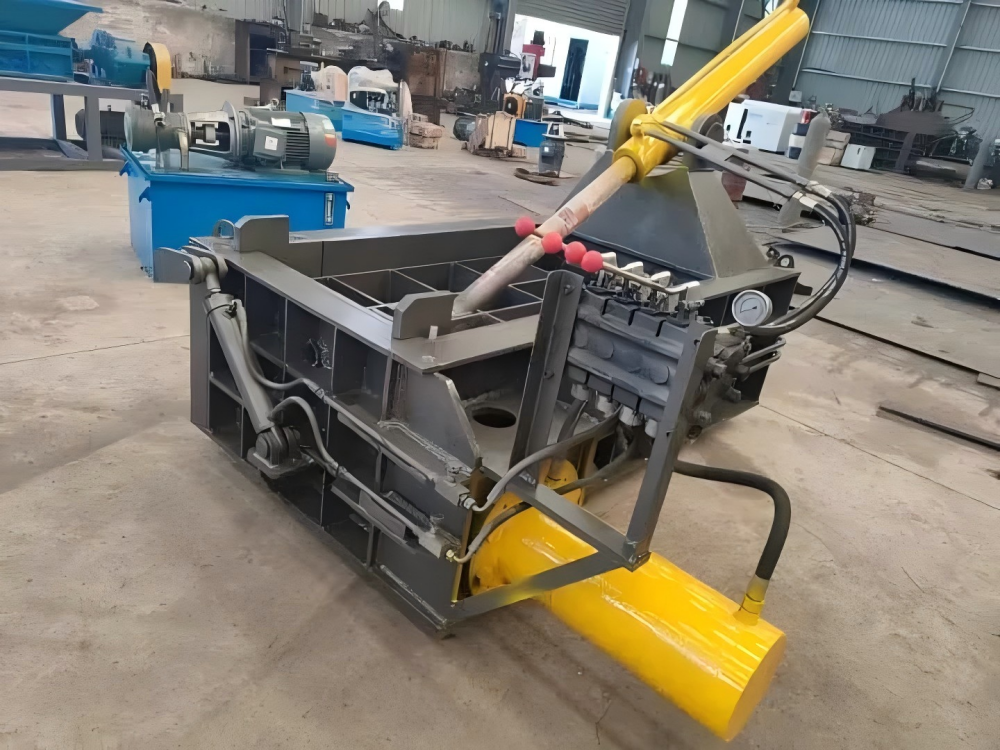
Consult with HARSLE engineers to discuss your specific site requirements. We often recommend a site visit or a detailed review of your facility layout to ensure that the baler integrates seamlessly with your existing material handling infrastructure. Consider whether you need a horizontal or vertical baler; while vertical balers are space-efficient, horizontal balers are generally superior for high-volume, continuous-feed applications.
Evaluate the manufacturer’s support network. In a high-volume environment, downtime is expensive. You need a partner who provides prompt technical support, readily available spare parts, and comprehensive training for your operators. HARSLE prides itself on a robust service network that ensures our clients can maintain peak production levels without extended interruptions.
Finally, look for flexibility in the machine’s settings. As your business grows or your product line changes, your scrap stream may evolve. A baler with adjustable pressure settings and customizable cycle programs will provide the longevity and adaptability needed to support your business for years to come. Do not just buy for today; buy for the future of your fabrication operations.
Foire aux questions (FAQ)
What is the primary benefit of using a scrap metal baler?
The primary benefit is the significant reduction in volume, which lowers transportation costs and increases the market value of your scrap metal by creating dense, high-quality bales that are preferred by recyclers.
How do I determine the right size baler for my facility?
You should calculate your total daily scrap output in tons and compare it against the throughput capacity of various models. Always choose a machine that can handle your peak volume with a 20-30% buffer for future growth.
What maintenance is required for a high-volume baler?
Routine maintenance includes checking hydraulic fluid levels, inspecting seals and hoses for leaks, cleaning the hopper and compression chamber, and ensuring that the PLC sensors are calibrated correctly. Regular lubrication of moving parts is also essential.
Une seule presse à balles peut-elle traiter différents types de métaux ?
Yes, most industrial balers can handle various metals, but you must adjust the pressure settings accordingly. It is generally recommended to bale similar metals together to maximize the resale value.
How does HARSLE support its customers after the sale?
HARSLE provides comprehensive technical support, including remote diagnostics, on-site maintenance training, and a global supply chain for spare parts to ensure minimal downtime for your operations.
Conclusion : Investir dans l'efficacité
The decision to invest in a high-volume scrap metal baler is a strategic move that pays dividends in operational efficiency, waste reduction, and revenue generation. As demonstrated in this Case Study On Choosing Scrap Metal Baler High-Volume Processing, the key to success lies in matching the machine’s technical capabilities with the specific demands of your fabrication facility. By prioritizing throughput, density, and long-term reliability, you can transform your scrap management from a logistical burden into a streamlined, profitable process.
HARSLE remains committed to providing the metal fabrication industry with the tools necessary to excel in a competitive market. Our range of scrap metal balers is engineered to meet the rigorous demands of high-volume processing, ensuring that your facility remains productive, safe, and environmentally responsible. We invite you to contact our team to discuss your specific requirements and take the first step toward optimizing your scrap metal operations.
Remember that the right equipment is an investment in your company’s future. By choosing a partner like HARSLE, you are not just purchasing a machine; you are gaining access to years of industrial expertise and a commitment to excellence that will support your growth for years to come. Let us help you turn your scrap into a valuable asset today.