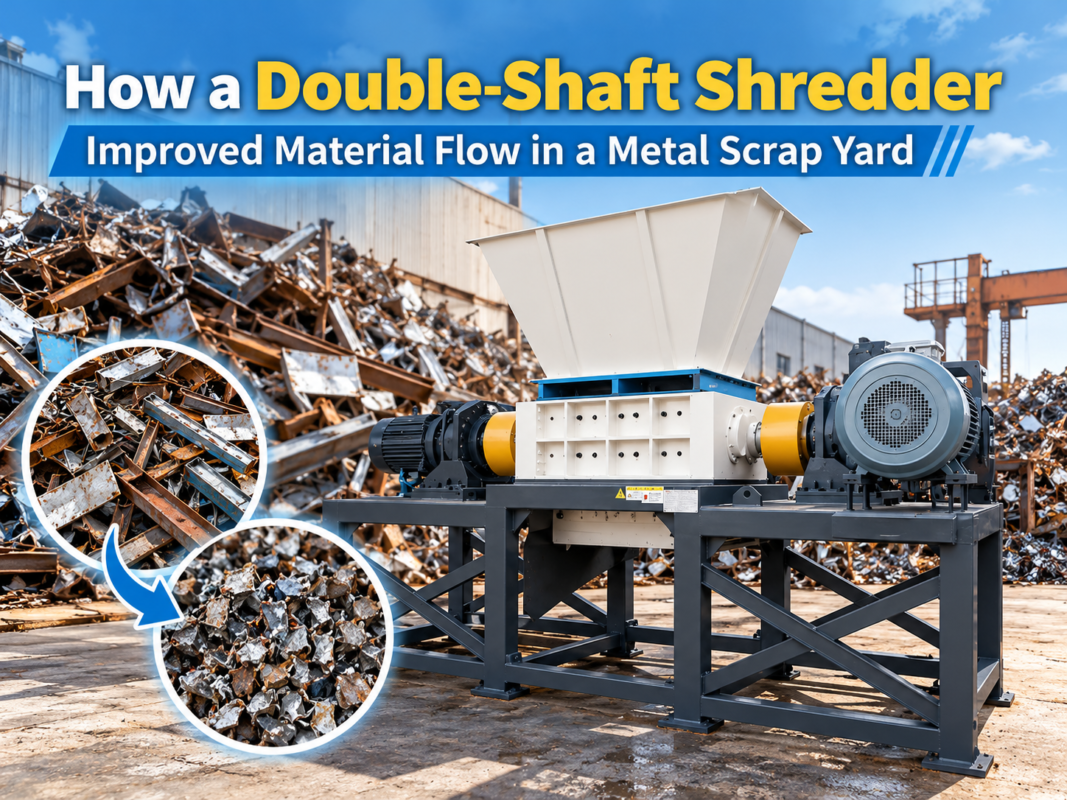
Résultats concrets de l'installation d'une balayeuse de ferraille robuste : Une analyse industrielle complète

Introduction
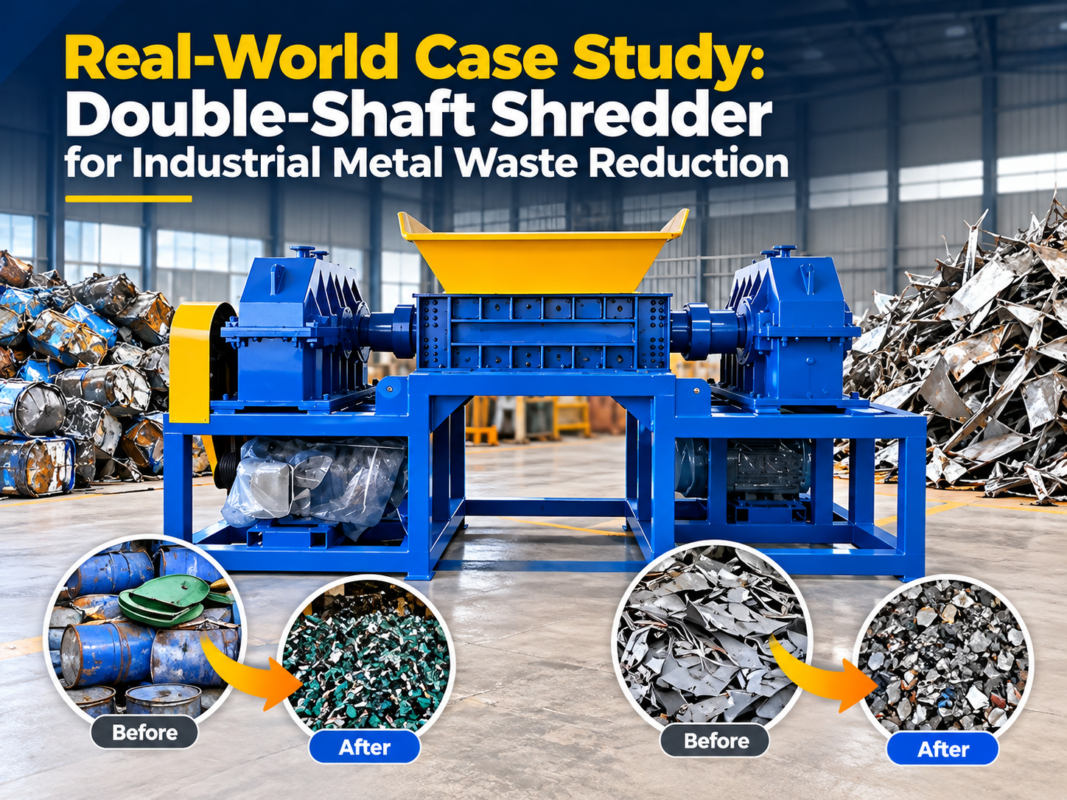
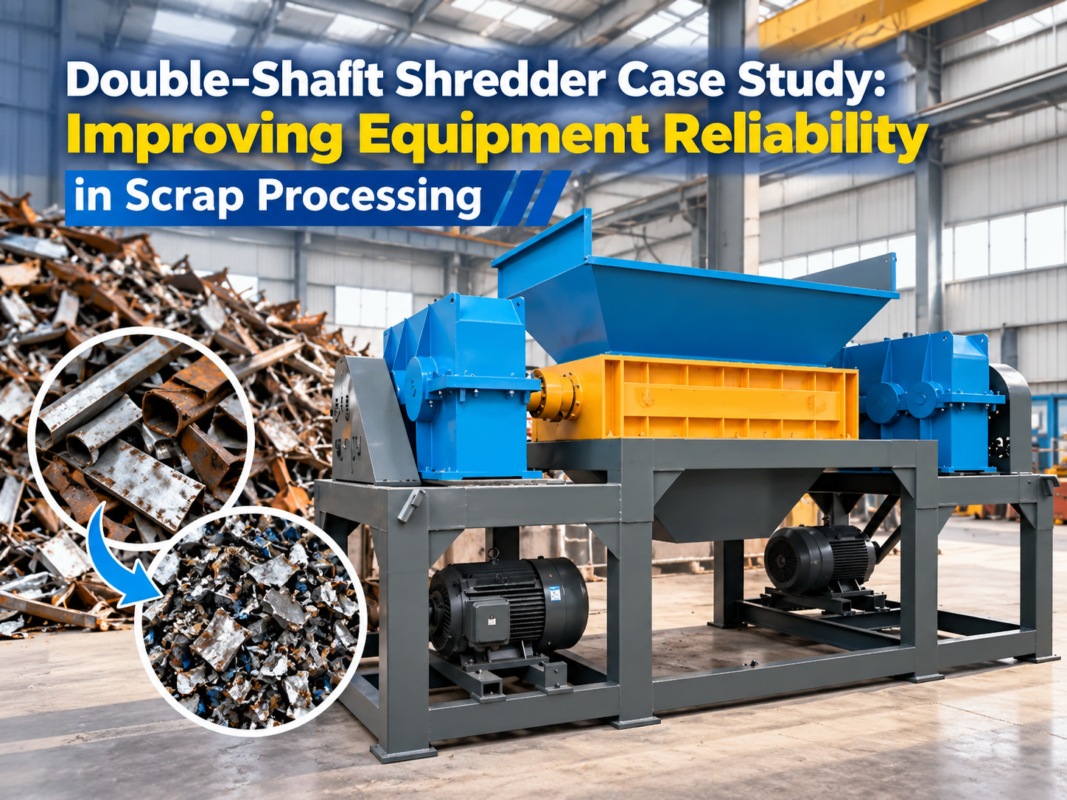
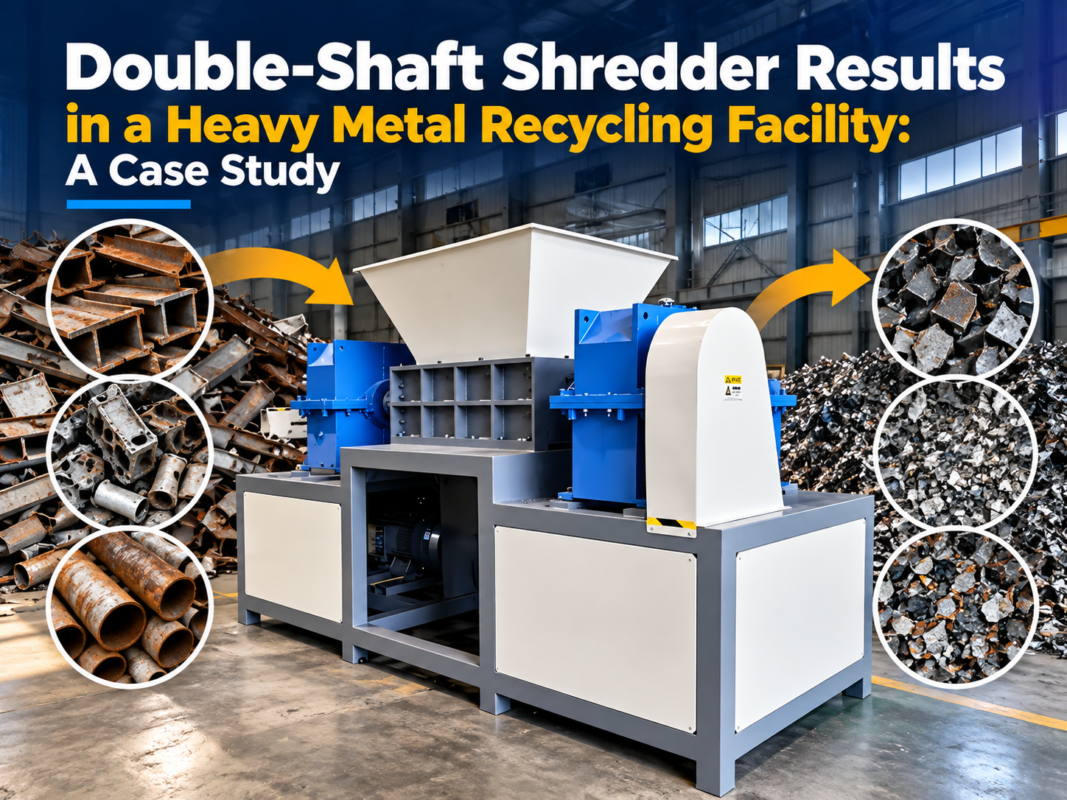
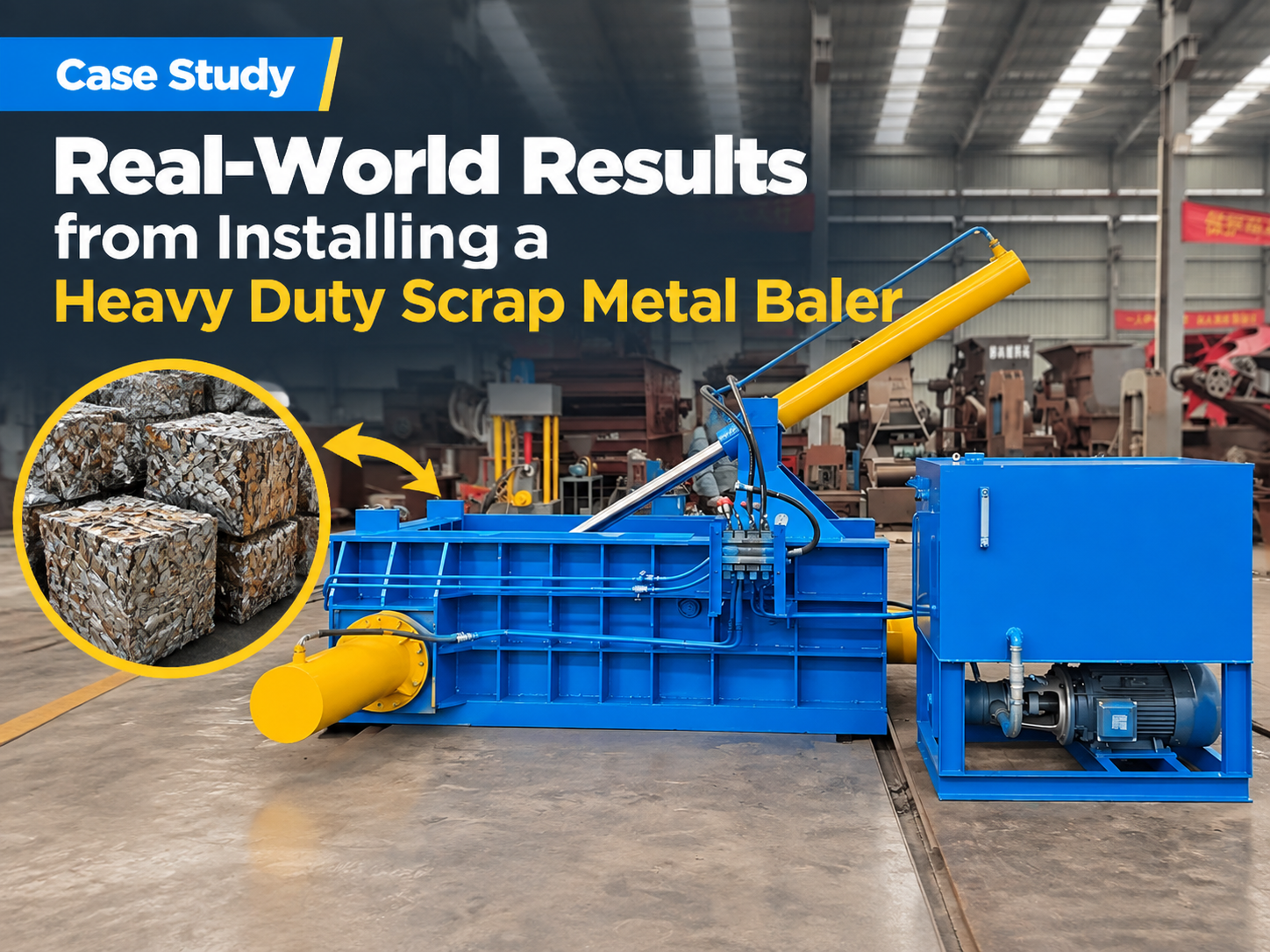
In the modern landscape of metal fabrication and industrial manufacturing, waste management is no longer just a logistical necessity—it is a critical profit center. Many facilities struggle with the sheer volume of scrap metal generated during daily operations, leading to cluttered floor space, inefficient material handling, and diminished returns from scrap dealers. The implementation of a high-performance baling solution changes this dynamic entirely. By focusing on Real-World Results From Installing A Heavy Duty Scrap Metal Baler, facility managers can better understand how to transform waste into a high-density, marketable commodity.
HARSLE has observed that companies transitioning from manual scrap handling to automated baling systems experience a paradigm shift in their operational efficiency. A heavy-duty scrap metal baler does more than just compress metal; it streamlines the entire supply chain, from the moment a piece of offcut hits the floor to the final sale of the processed bale. This article explores the tangible benefits, technical considerations, and strategic advantages of integrating industrial-grade baling technology into your fabrication workflow.
The decision to invest in a heavy-duty baler is often driven by the need to reduce logistics costs. When scrap is loose, you are essentially paying to transport air. By densifying metal scraps into uniform, stackable blocks, manufacturers can maximize the payload of every truckload, significantly reducing the frequency of pickups and the associated carbon footprint. This transition is not merely an equipment upgrade; it is a fundamental improvement in how a business manages its secondary raw materials.
Throughout this guide, we will analyze the specific metrics that define success after installation. We will look at labor reduction, safety improvements, and the increased revenue potential that comes with selling high-density bales. Whether you are a small-scale workshop or a large-scale automotive stamping plant, the principles of efficient scrap management remain the same. Let us delve into the technical and practical realities of upgrading your scrap processing capabilities.
Key Considerations for Implementation
Before installing a heavy-duty scrap metal baler, it is essential to conduct a thorough audit of your current waste stream. Not all scrap is created equal; the density, material type, and volume of your waste will dictate the specifications of the machine you require. For instance, a facility processing thin aluminum offcuts will have vastly different requirements than one handling thick steel plate remnants. Understanding these variables is the first step toward achieving optimal real-world results.
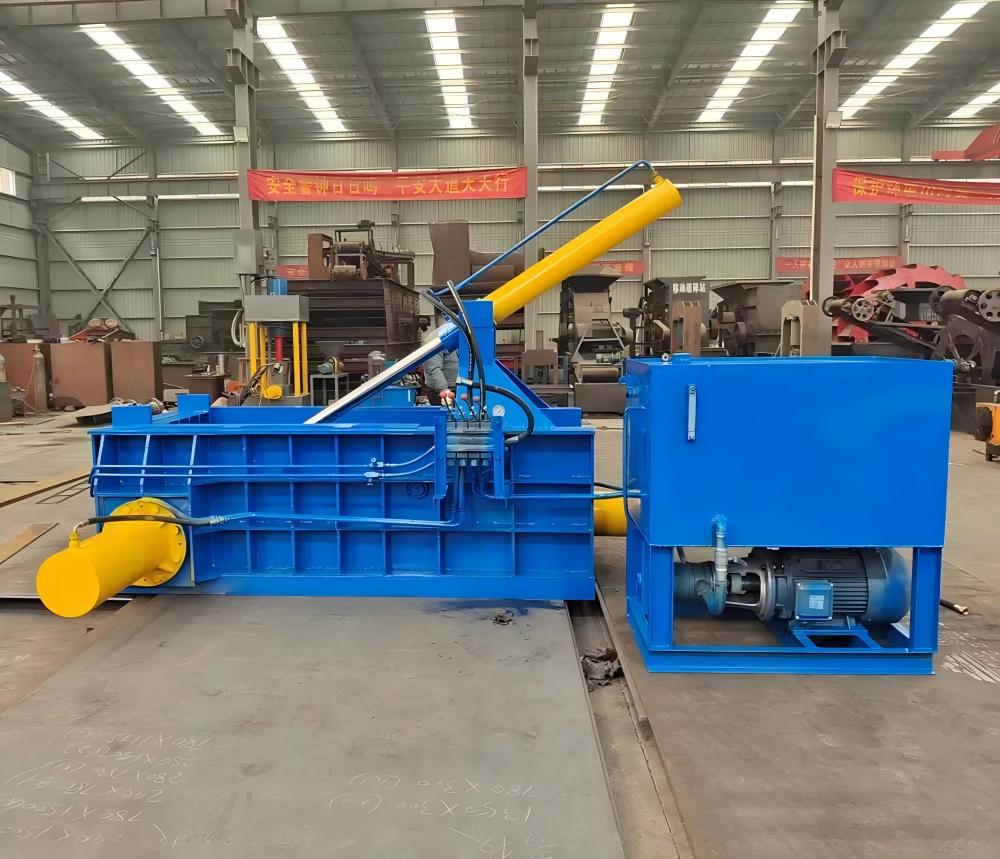
Space allocation is another critical factor. A heavy-duty baler requires a dedicated footprint, not just for the machine itself, but for the material handling systems that feed it. Conveyor belts, sorting bins, and forklift access paths must be integrated into the floor plan to ensure a seamless flow. HARSLE recommends a site survey to determine the most efficient placement that minimizes travel time for operators while maximizing safety and accessibility.
Operational safety is paramount when dealing with high-pressure hydraulic equipment. Installing a baler involves more than just bolting it to the floor; it requires comprehensive operator training and the implementation of safety protocols. Modern balers come equipped with advanced sensors, emergency stop systems, and automated cycles that minimize human intervention. However, the human element remains, and ensuring that staff are trained to handle the machine safely is a key component of a successful installation.
Finally, consider the long-term maintenance requirements. A heavy-duty baler is a workhorse that operates under immense pressure. Regular maintenance, including hydraulic fluid checks, seal inspections, and structural integrity assessments, is necessary to prevent downtime. Choosing a partner like HARSLE ensures that you have access to technical support and spare parts, which is vital for maintaining the high uptime required to justify the capital expenditure of the equipment.
Technical Details and Engineering Excellence
The core of a heavy-duty scrap metal baler lies in its hydraulic system. HARSLE utilizes high-pressure cylinders capable of exerting hundreds of tons of force, ensuring that even the most resilient metals are compressed into tight, uniform bales. The engineering behind these machines focuses on structural rigidity; the frame must be able to withstand the repeated stress of the compression cycle without warping or fatiguing over time. This durability is what separates industrial-grade equipment from lighter, commercial-duty alternatives.
Advanced control systems are another hallmark of modern baling technology. Programmable Logic Controllers (PLCs) allow operators to customize compression cycles based on the material type. Whether you are baling copper, brass, stainless steel, or aluminum, the machine can adjust its pressure and cycle time to achieve the ideal bale density. This precision not only improves the quality of the output but also optimizes energy consumption, making the operation more cost-effective.
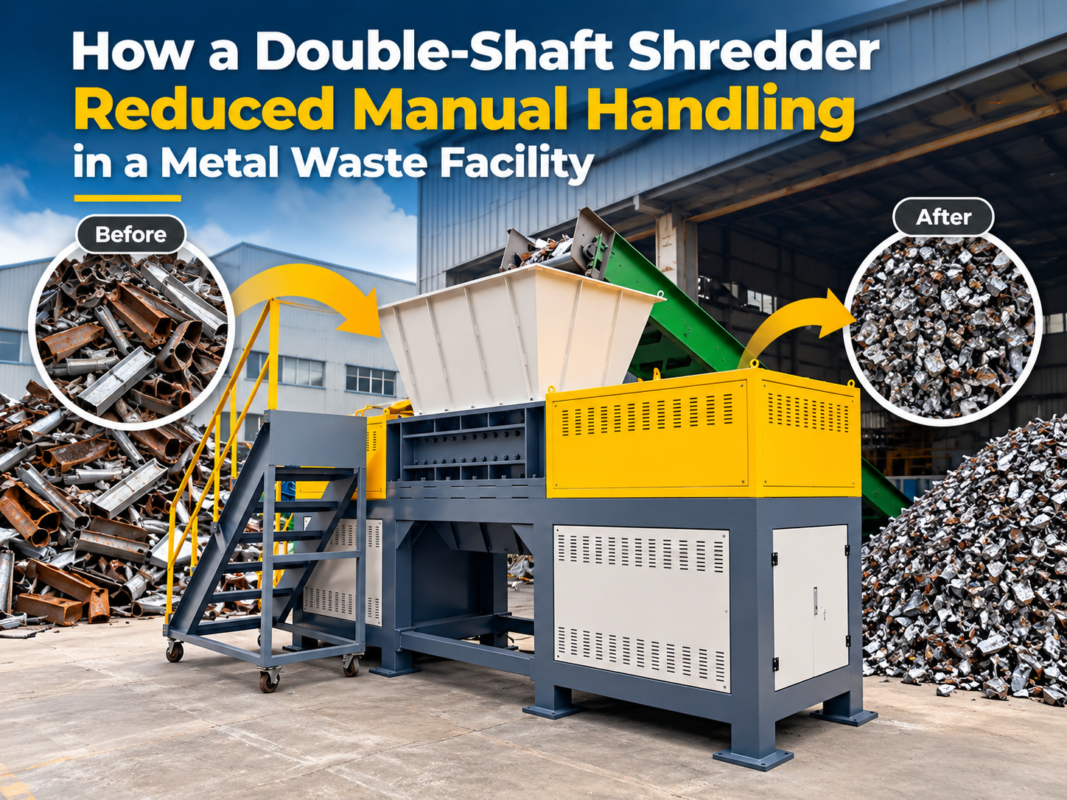
The integration of automated feeding systems significantly enhances the throughput of the baler. By using magnetic conveyors or vibratory feeders, facilities can ensure a constant stream of material into the compression chamber. This eliminates the need for manual loading, which is both labor-intensive and hazardous. The result is a continuous, automated process that can run throughout the shift, drastically increasing the volume of scrap processed compared to manual methods.
Furthermore, the discharge mechanism is engineered for efficiency. Once the bale is formed and tied, it must be ejected smoothly to make room for the next cycle. HARSLE balers feature robust ejection systems that ensure the bale is pushed out cleanly, preventing jams and minimizing the risk of damage to the machine. These technical features, when combined, create a reliable system that delivers consistent, high-quality results day after day.
Conseils de sélection : Choisir le bon équipement
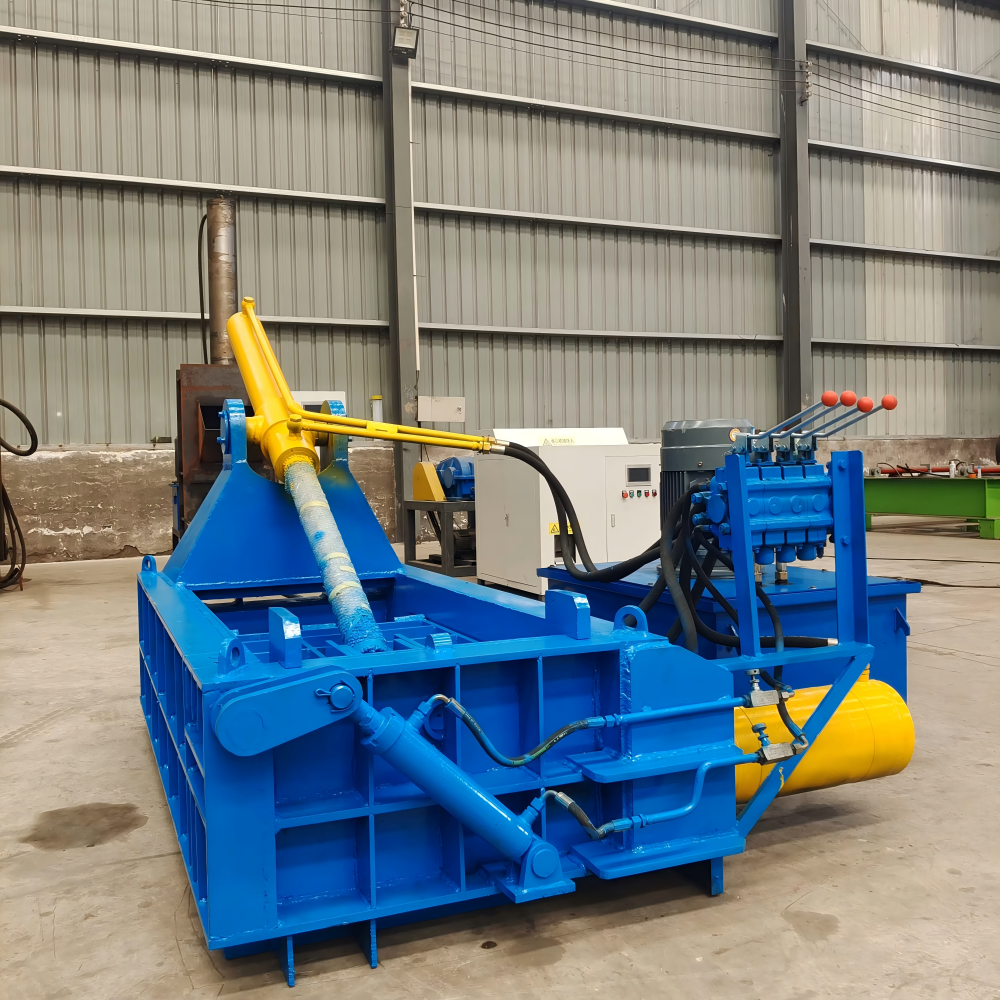
Selecting the right scrap metal baler is a strategic decision that impacts your bottom line for years. The first step is to analyze your scrap volume. If your facility generates a moderate amount of scrap, a semi-automatic baler might suffice. However, for high-volume operations, a fully automatic, continuous-feed baler is the only way to ensure that your scrap processing keeps pace with your production line. Under-sizing your equipment leads to bottlenecks, while over-sizing leads to unnecessary capital expenditure.
Material compatibility is equally important. Some balers are designed specifically for non-ferrous metals, which are often lighter and require different compression ratios. Others are built to handle the heavy, jagged edges of ferrous scrap. Always consult with the manufacturer regarding the specific alloys and shapes you intend to process. HARSLE provides detailed consultations to match the machine’s specifications—such as chamber size, ram force, and cycle time—to your specific material profile.
Consider the ease of integration with your existing infrastructure. Does the baler need to be installed in a pit, or can it sit on the factory floor? Does it require specialized electrical power or hydraulic cooling systems? These installation requirements can significantly impact the total cost of ownership. A well-planned installation accounts for these factors upfront, preventing costly modifications later on.
Finally, look for a manufacturer that offers comprehensive after-sales support. A scrap metal baler is a long-term investment, and you need a partner who can provide timely maintenance, troubleshooting, and parts availability. HARSLE prides itself on its commitment to customer success, providing not just the machinery, but the expertise to ensure that your investment continues to deliver high-performance results throughout its service life.
FAQ : Questions fréquentes sur les presses à métaux
- How much space does a heavy-duty scrap metal baler typically require?
The footprint varies based on the model, but you should account for the machine dimensions plus at least 2-3 meters of clearance on all sides for maintenance and material loading. - What is the primary benefit of baling scrap metal?
The primary benefit is increased revenue from scrap sales due to higher density, combined with significantly reduced transportation and storage costs. - How often does a heavy-duty baler require maintenance?
Routine maintenance should be performed according to the manufacturer’s schedule, typically every 500 to 1,000 operating hours, focusing on hydraulic fluids, filters, and structural checks. - Can one baler handle different types of metal?
Yes, most industrial balers are versatile, but you must adjust the pressure settings and cycle times to accommodate the different densities and properties of various metals. - Is it better to buy a new or used baler?
While used equipment may have a lower upfront cost, new machines from HARSLE offer the latest safety features, higher energy efficiency, and full warranty support, which usually results in a better long-term ROI. - How does a baler improve workplace safety?
By automating the compression of loose, sharp metal scraps, the baler removes the need for manual handling, reducing the risk of cuts, punctures, and repetitive strain injuries.
Conclusion
Le Real-World Results From Installing A Heavy Duty Scrap Metal Baler are clear: businesses that invest in high-quality, automated baling technology see immediate improvements in operational efficiency, safety, and profitability. By transforming loose, unmanageable waste into dense, high-value bales, companies can optimize their logistics, reduce their environmental impact, and turn a cost center into a revenue stream. HARSLE remains dedicated to providing the robust, reliable machinery necessary to achieve these results.
As the metal fabrication industry continues to evolve, the demand for sustainable and efficient waste management will only grow. Implementing a heavy-duty baler is a proactive step toward future-proofing your facility. Whether you are looking to save on floor space, lower your shipping costs, or increase the market value of your scrap, the right baling solution is a cornerstone of modern industrial success. We invite you to explore our range of equipment and discover how HARSLE can help you achieve your production goals.
Ultimately, the success of your scrap management program depends on the quality of the equipment and the strategic approach to its implementation. By focusing on the technical requirements, safety standards, and long-term maintenance, you can ensure that your investment provides consistent, high-performance results for years to come. Contact HARSLE today to discuss your specific needs and take the first step toward a more efficient, profitable, and sustainable future.