Vertical Baler Buying Guide: Budget, Mid-Range, and High-Capacity Price Ranges

Vertical Baler Buying Guide: Budget, Mid-Range, and High-Capacity Price Ranges
Investing in a vertical baler is a strategic decision that directly impacts your facility’s operational efficiency, waste management costs, and environmental footprint. Whether you are a small retail outlet or a large-scale metal fabrication plant, understanding the market landscape is crucial. This Vertical Baler Buying Guide: Budget, Mid-Range, and High-Capacity Price Ranges provides a comprehensive breakdown of what to expect when navigating the procurement process for HARSLE industrial machinery.
The market for vertical balers has evolved significantly, with manufacturers now offering specialized solutions tailored to specific material types, throughput requirements, and spatial constraints. By categorizing these machines into budget, mid-range, and high-capacity tiers, businesses can better align their capital expenditure with their long-term sustainability goals. This guide aims to demystify the pricing structures and technical specifications that define these categories.
Choosing the right equipment is not merely about the initial purchase price; it is about total cost of ownership (TCO). A machine that is too small for your volume will lead to excessive labor costs and downtime, while an oversized machine represents wasted capital. HARSLE emphasizes the importance of analyzing your waste stream—specifically the volume, density, and frequency of material generation—before committing to a specific model.
Price Range Overview
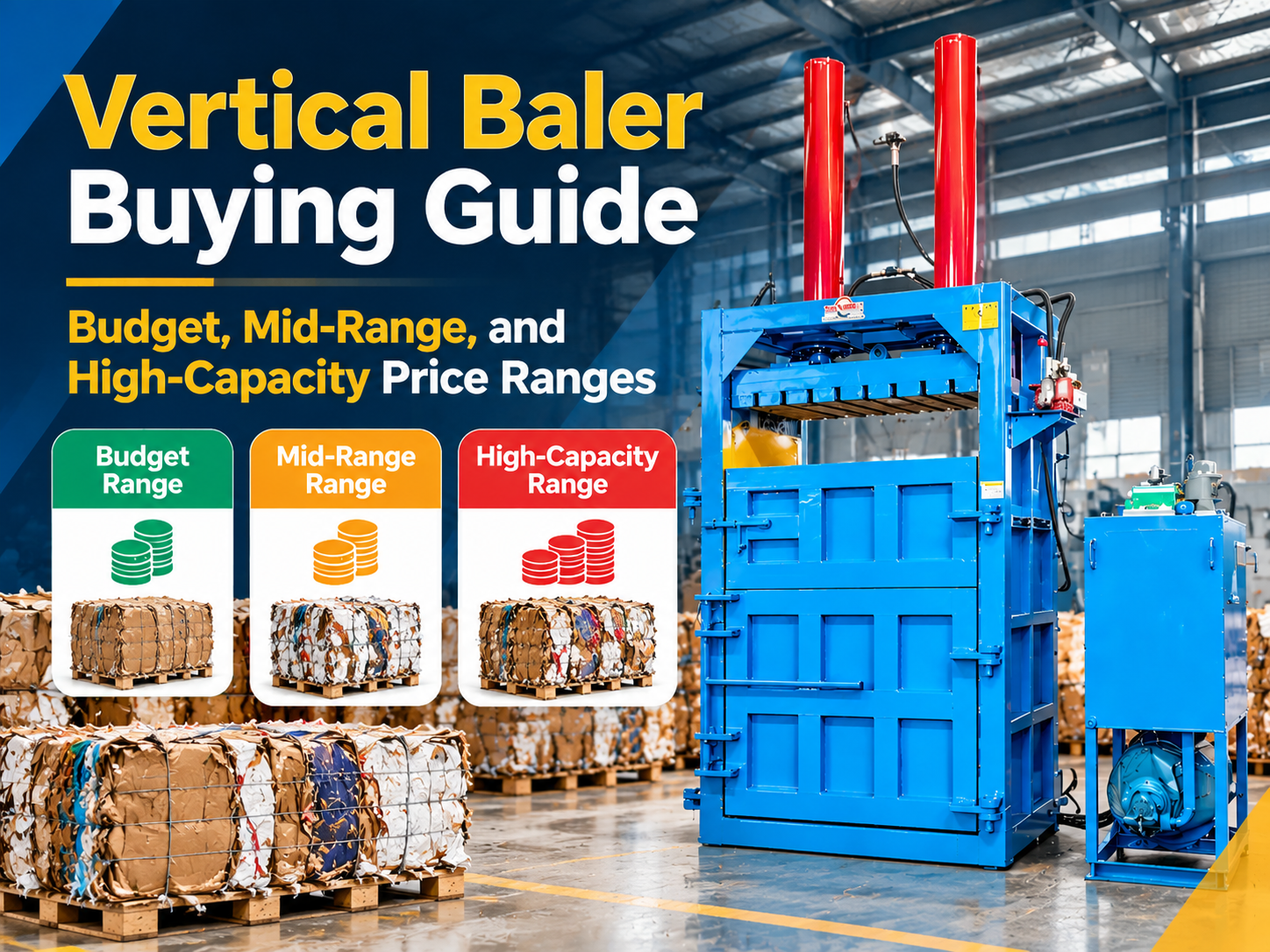
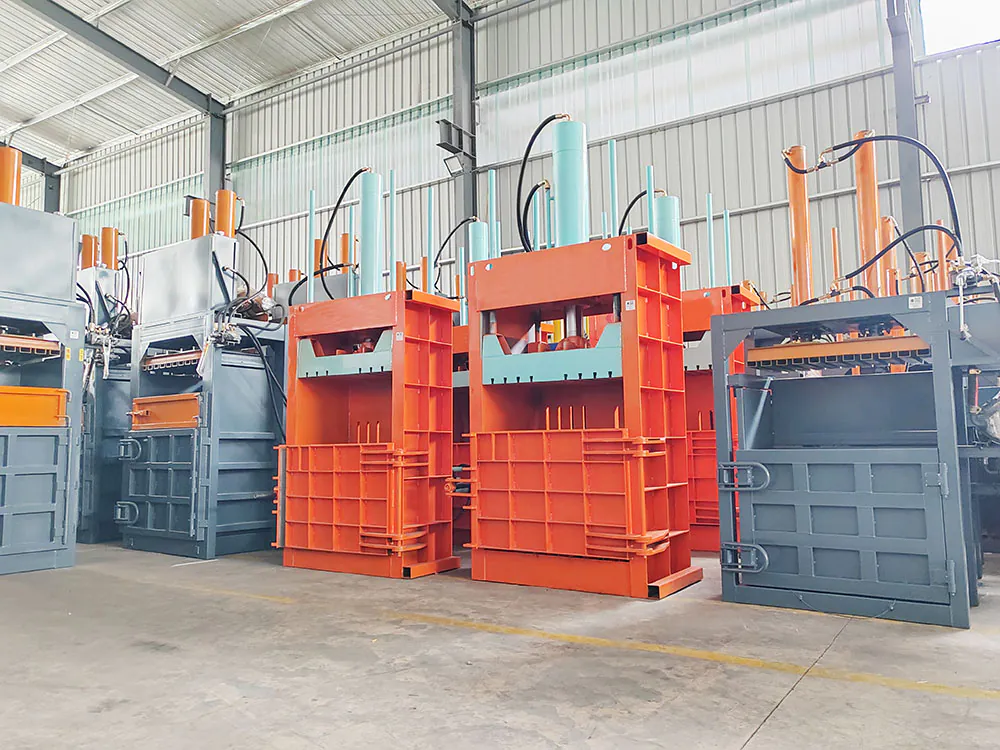
The pricing for vertical balers is highly variable, influenced by force capacity, automation level, and build quality. Budget-friendly models, often used for cardboard or light plastic, typically range from $3,000 to $8,000. These machines are designed for low-volume operations where space is at a premium and the primary goal is simple volume reduction rather than high-density bale production.
Mid-range vertical balers, which represent the workhorses of the recycling industry, generally fall between $9,000 and $20,000. These units are built for durability and higher throughput, often featuring reinforced structural steel, faster cycle times, and enhanced safety features. They are ideal for medium-sized distribution centers, retail chains, and light manufacturing facilities that need to process consistent daily volumes of recyclables.
High-capacity or heavy-duty vertical balers can range from $25,000 to over $60,000. These machines are engineered for demanding environments, such as metal fabrication plants dealing with scrap metal, large-scale logistics hubs, or facilities requiring high-density bales for maximum transport efficiency. They often include advanced hydraulic systems, automated bale ejection, and programmable logic controllers (PLCs) for seamless integration into industrial workflows.
Main Cost Drivers
The primary driver of cost in any vertical baler is the hydraulic force, measured in tons. Higher force capabilities require more robust structural steel, larger hydraulic cylinders, and more powerful motors. When you move from a 10-ton baler to a 50-ton baler, you are paying for the engineering required to handle the increased stress and pressure without compromising the machine’s integrity over thousands of cycles.
Automation level is another significant factor. Entry-level machines often require manual operation for every stage of the cycle, including door locking and bale tying. Mid-range and high-capacity models incorporate features like automatic bale ejection, hydraulic door locks, and touch-screen interfaces. These features reduce labor intensity and improve safety, but they add complexity and cost to the manufacturing process.
Material compatibility also dictates price. A baler designed for standard cardboard will be significantly cheaper than one designed for scrap metal or hazardous waste. Metal-ready balers require hardened steel liners, reinforced platens, and specialized hydraulic seals to prevent damage from sharp edges and high-density materials. Investing in the correct material-specific configuration is essential to avoid premature failure.
Configuration Impact
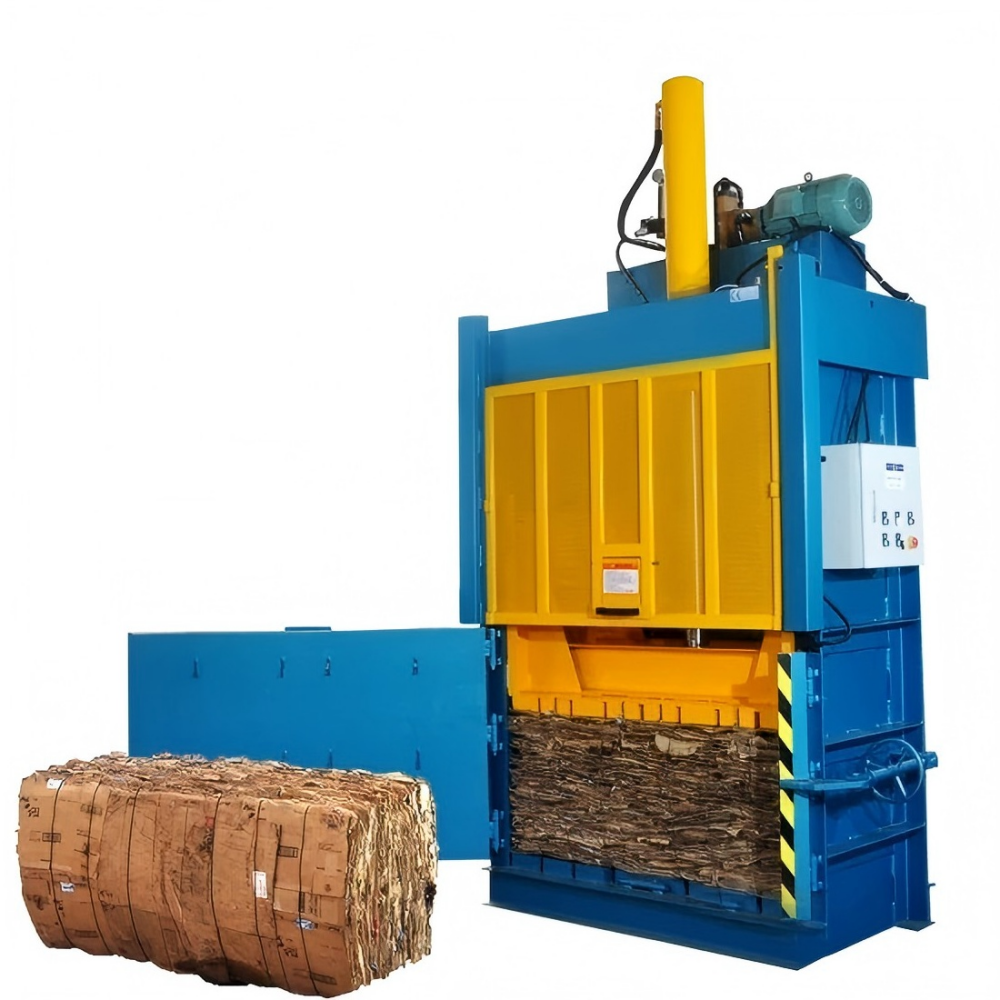
The configuration of your vertical baler—such as the feed opening size, chamber dimensions, and bale weight—directly affects your operational workflow. A larger feed opening allows for the processing of bulky items without the need for pre-processing or breaking down materials, which saves significant labor time. However, larger openings require more robust structural support, increasing the overall cost.
Chamber dimensions determine the size of the resulting bale. If your logistics partner requires specific bale dimensions to fit into standard shipping containers or trailers, you must select a baler that produces these exact dimensions. Custom chamber sizes are available but often come with a premium price tag due to the engineering and fabrication adjustments required.
Safety configurations are non-negotiable in modern industrial settings. Features such as light curtains, dual-hand controls, and emergency stop systems are standard on high-end HARSLE machines. While these features add to the initial cost, they are critical for compliance with OSHA and international safety standards, protecting your workforce and reducing liability risks.
Hidden Costs
When budgeting for a vertical baler, many buyers overlook the “hidden” costs associated with installation and site preparation. You may need to reinforce your concrete floor to handle the weight of a heavy-duty baler, or you might require specialized electrical upgrades, such as three-phase power installation, to support the motor requirements of larger units.
Shipping and logistics can also be substantial, especially for heavy industrial machinery. Depending on your location and the size of the unit, freight costs can add several thousand dollars to the total project budget. It is vital to obtain a comprehensive quote that includes delivery, offloading, and positioning of the machine within your facility.
Maintenance and consumables are ongoing costs that must be factored into your long-term financial planning. Hydraulic oil, replacement seals, wire for tying bales, and periodic professional inspections are necessary to keep the machine running efficiently. Neglecting these costs can lead to expensive emergency repairs and unplanned downtime, which can quickly erode the ROI of your investment.
ROI Calculation
Calculating the Return on Investment (ROI) for a vertical baler involves looking at three main areas: labor savings, waste disposal cost reduction, and potential revenue from recyclables. By compacting waste, you reduce the number of dumpster pickups required, which directly lowers your monthly waste management fees. In many cases, the savings on hauling fees alone can pay for the machine within 18 to 36 months.
Labor savings are realized through the reduction of time spent handling loose waste. Instead of multiple trips to the dumpster, employees can process waste at the source, creating dense, stackable bales. This streamlined process allows for better space utilization within the facility, freeing up valuable floor space that can be repurposed for production activities.
Revenue generation is a significant factor for companies dealing with high-value scrap, such as aluminum or copper. Baled scrap metal commands a higher price from recyclers than loose scrap because it is easier to transport and process. By producing high-density bales, you can maximize your revenue per ton, turning a waste management expense into a potential profit center.
Buying Advice
Before finalizing your purchase, conduct a thorough audit of your waste stream. Measure the volume of waste generated daily and identify the types of materials. If you are dealing with a mix of materials, ensure the baler you choose is versatile enough to handle them all, or consider a multi-chamber baler if segregation is required at the source.
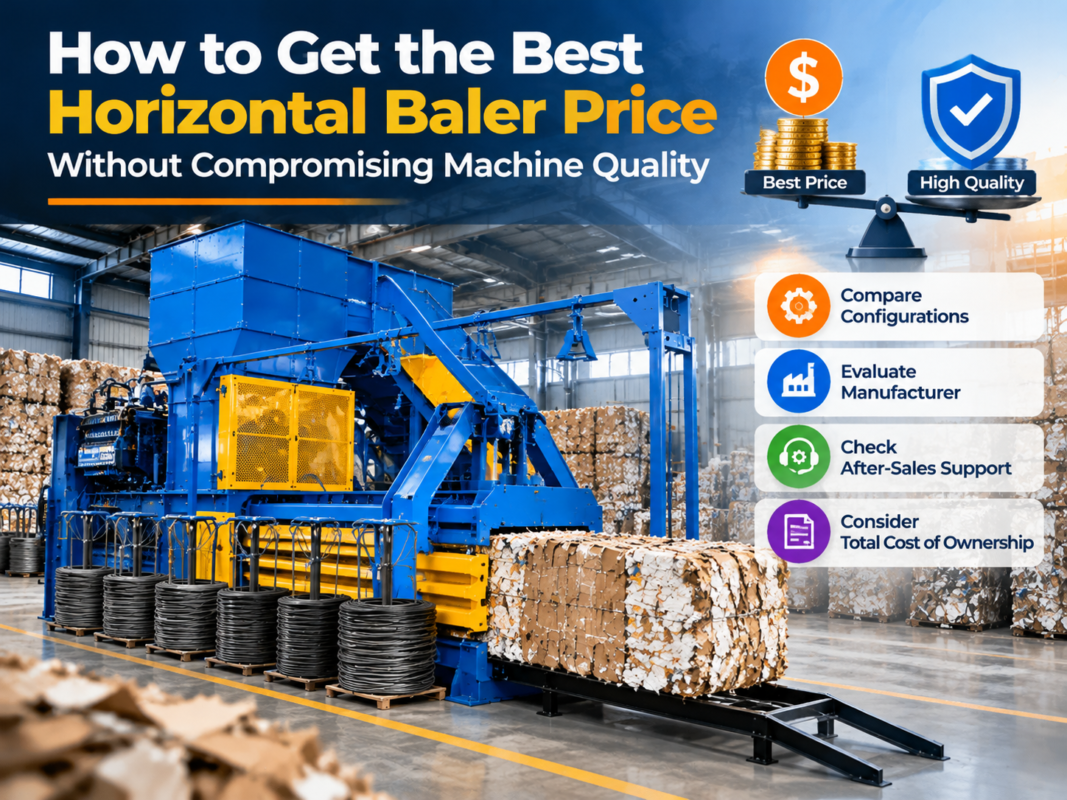
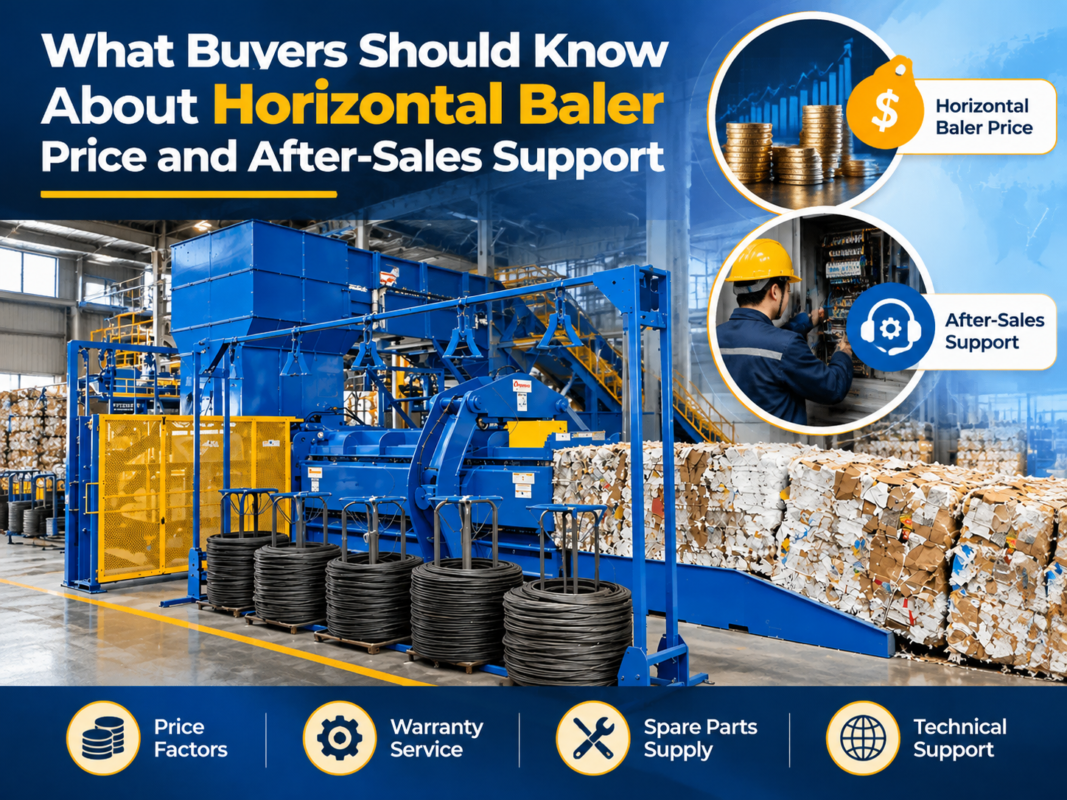
Always prioritize build quality over the lowest price. A cheap machine that breaks down after six months is far more expensive than a high-quality machine that lasts for a decade. Look for manufacturers like HARSLE that offer comprehensive warranties, readily available spare parts, and responsive technical support. A machine is only as good as the support behind it.
Finally, involve your operations team in the selection process. The people who will be using the machine daily have the best insight into the practical challenges of your facility. Their feedback on ease of use, safety, and workflow integration will ensure that the chosen equipment is not just a capital asset, but a functional tool that improves daily operations.
FAQ
- What is the typical lifespan of a vertical baler? With proper maintenance, a well-built industrial vertical baler can last between 10 to 20 years.
- Do I need special training to operate a vertical baler? Yes, all operators should be trained on the specific safety features and operating procedures of the machine to prevent accidents.
- Can one baler handle both cardboard and metal? While some machines are versatile, it is generally recommended to use specific balers for metal to avoid damage to the platen and chamber.
- How often should I perform maintenance? Routine inspections should be performed monthly, with a comprehensive professional service conducted at least once or twice a year depending on usage.
- Is it better to buy new or used? New machines offer warranties and the latest safety features, while used machines can be cost-effective if they have been refurbished and certified by a reputable dealer.