Horizontal Baler Price Guide for Export Buyers: Shipping, Taxes, and Installation Costs

Price Range Overview: Understanding the Investment
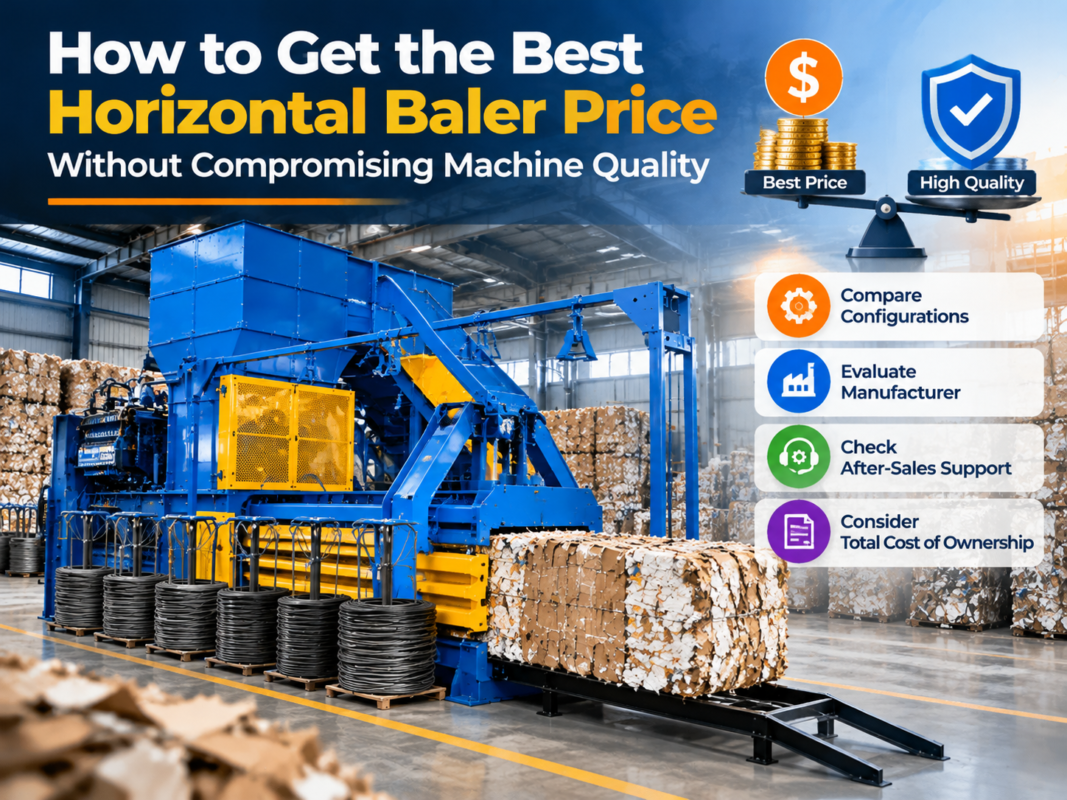
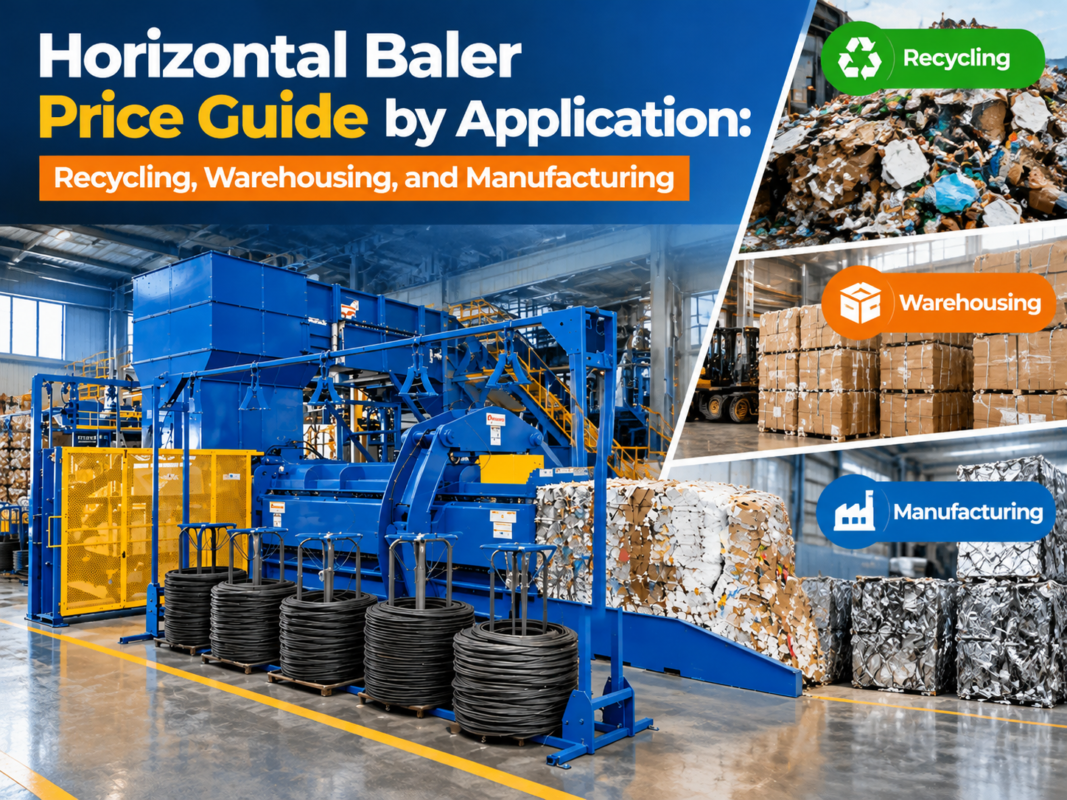
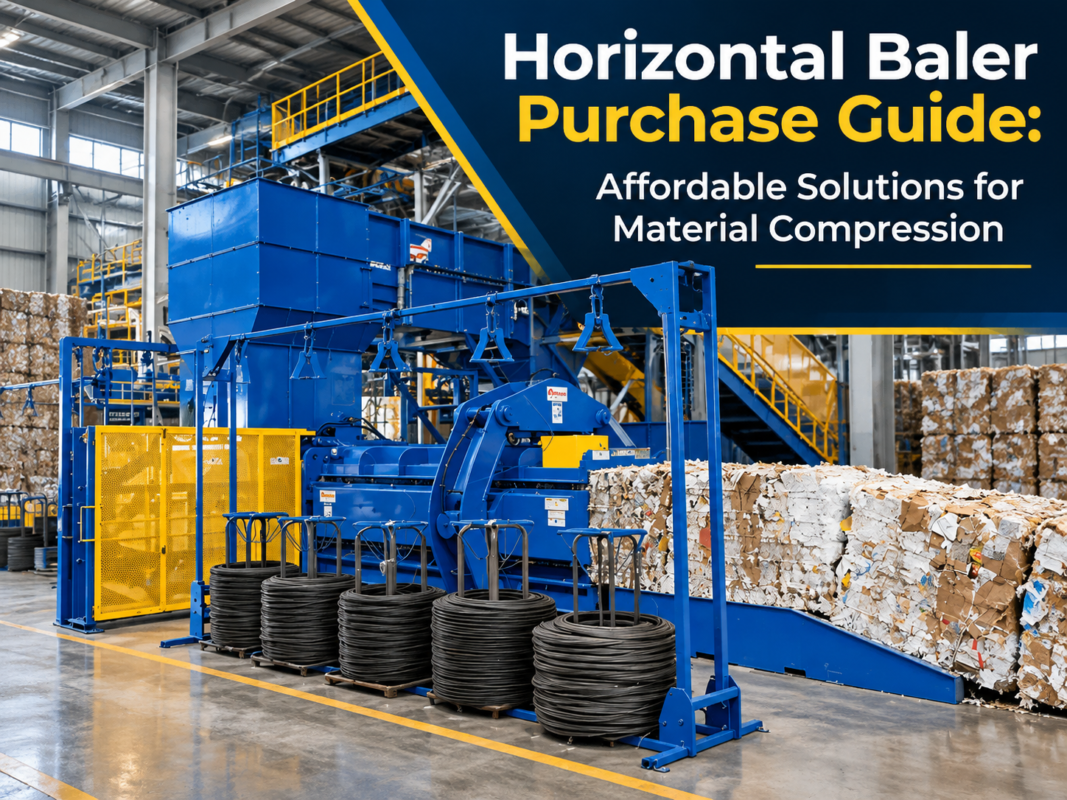
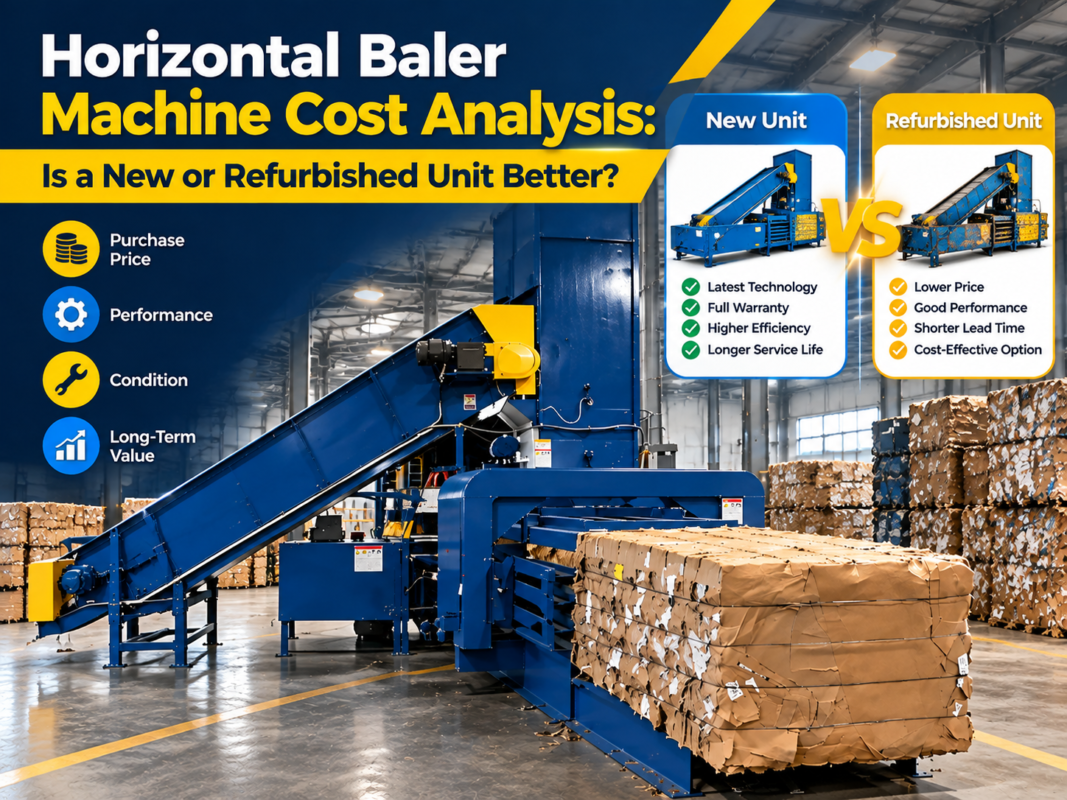
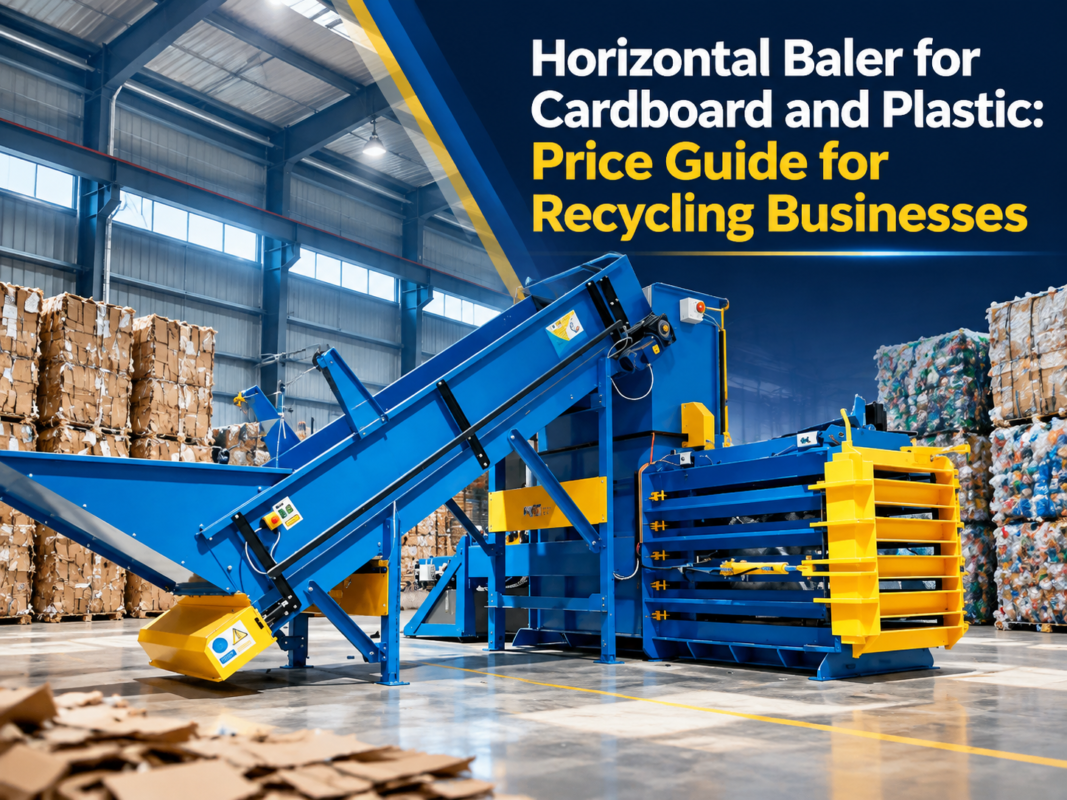
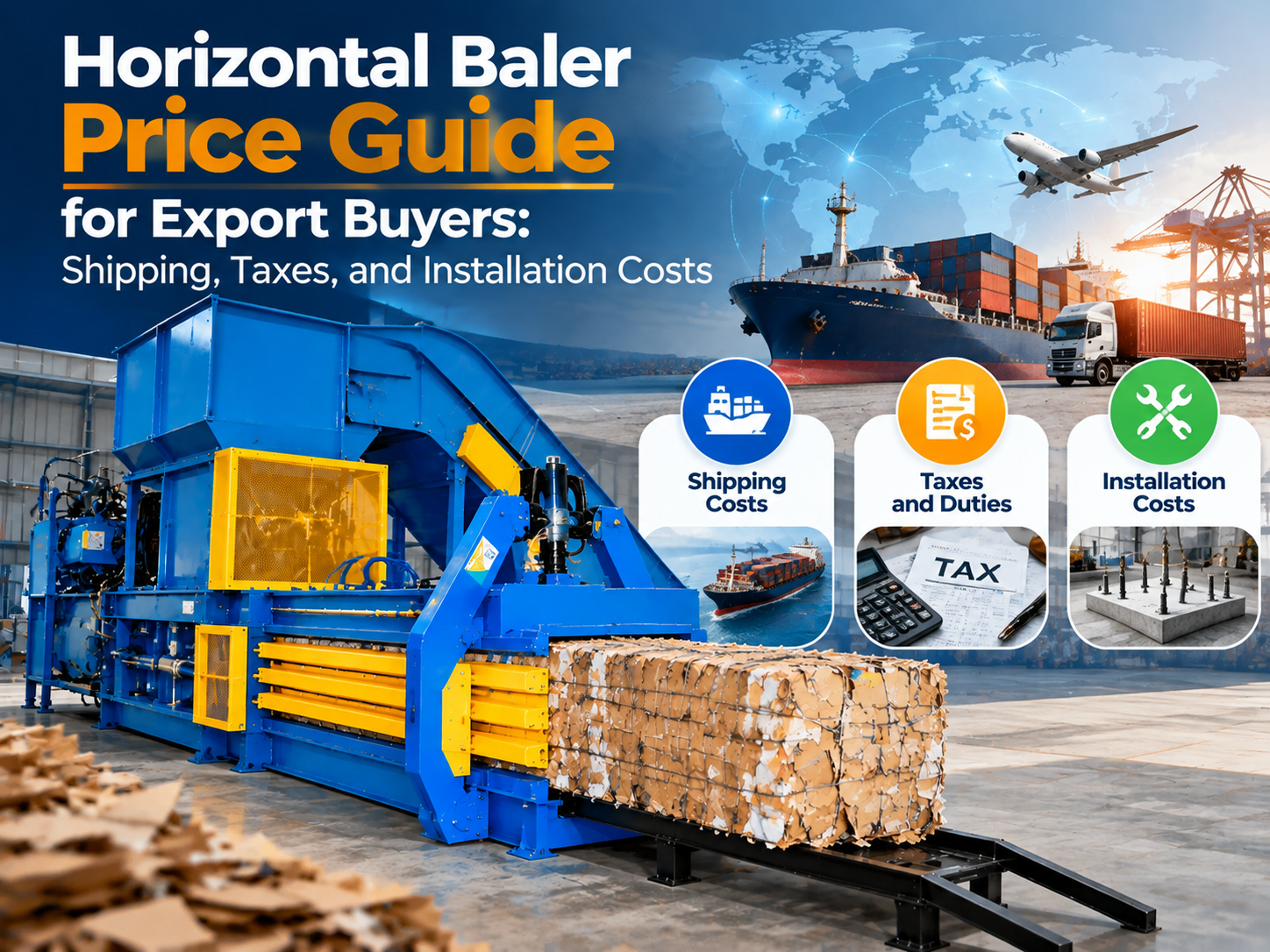
For industrial buyers looking to optimize waste management, investing in a horizontal baler is a significant capital expenditure. When researching the Horizontal Baler Price Export Buyers: Shipping, Taxes, Installation Costs, it is essential to understand that pricing is rarely a flat rate. Entry-level semi-automatic horizontal balers typically range from $15,000 to $35,000, depending on the throughput capacity and motor power. These machines are ideal for medium-sized facilities looking to streamline their recycling operations.
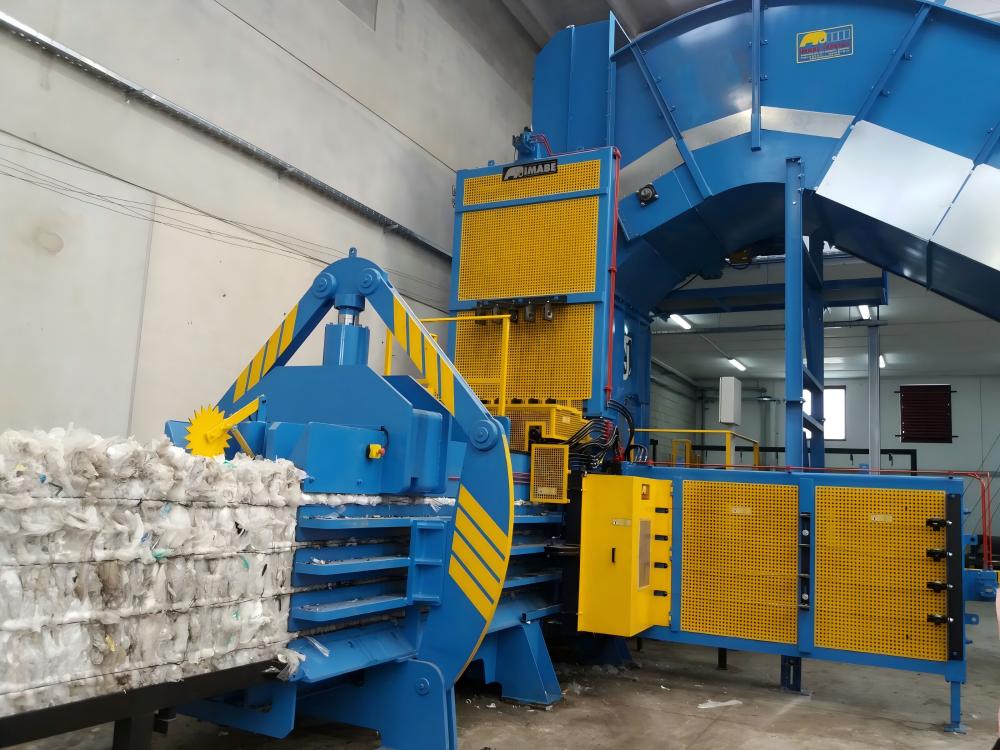
Moving into the mid-range category, fully automatic horizontal balers designed for high-volume industrial applications generally fall between $40,000 and $85,000. These units feature advanced PLC controls, automated tying systems, and reinforced structural steel frames. The price variation here is largely driven by the compression force, which can range from 60 to 120 tons, and the specific material handling requirements of the facility.
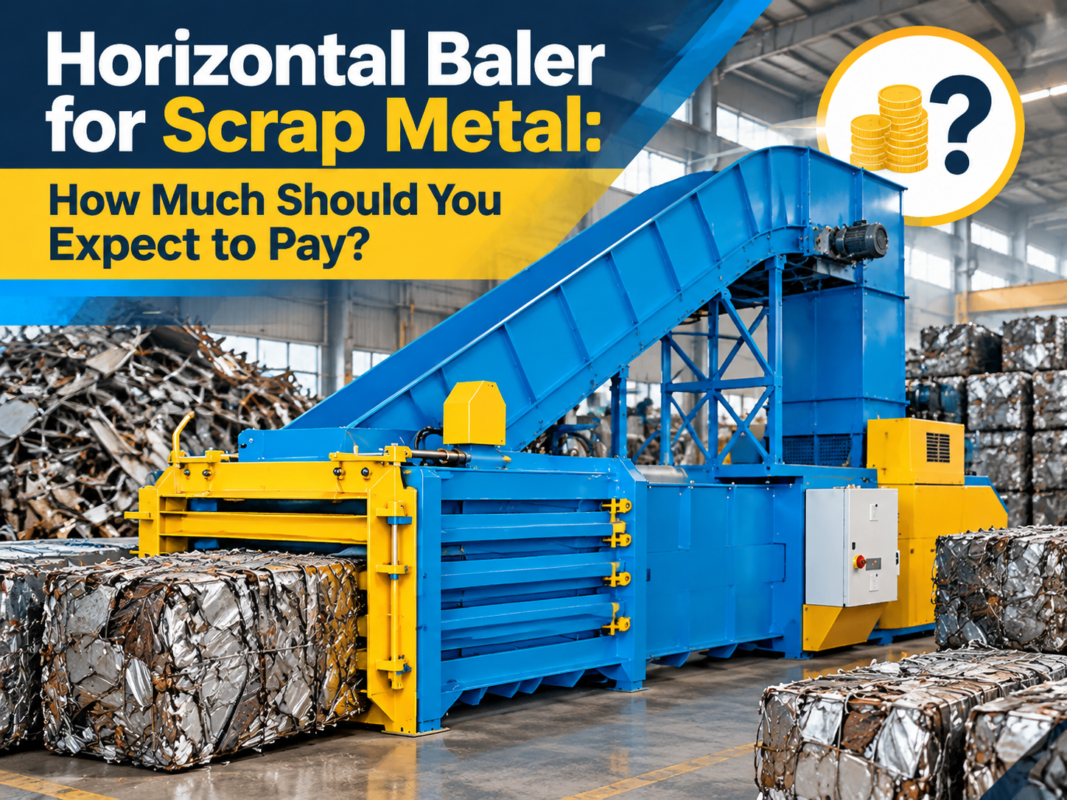
For heavy-duty, high-capacity industrial systems—often used in large-scale recycling centers or manufacturing plants—prices can exceed $120,000. These systems are custom-engineered to handle massive volumes of cardboard, plastic, or non-ferrous metals. Buyers must account for the fact that these prices are usually quoted as EXW (Ex Works) or FOB (Free on Board), meaning the cost of moving the machine from the factory to the destination is an additional layer of financial planning.
It is also important to note that currency fluctuations and raw material costs for steel significantly impact the final quote. HARSLE and other leading manufacturers often adjust pricing quarterly based on the global steel market. Therefore, when requesting a quote, ensure that the validity period of the price is clearly stated to avoid unexpected increases during the procurement process.
Main Cost Drivers: What Influences the Bottom Line
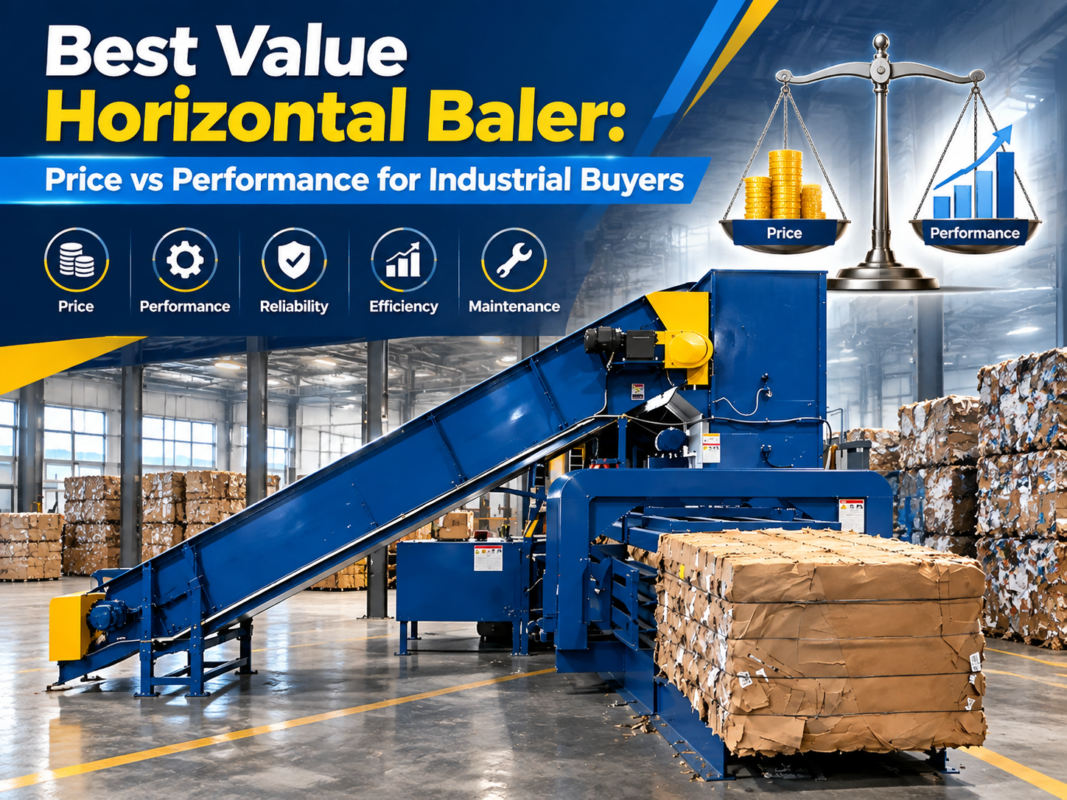
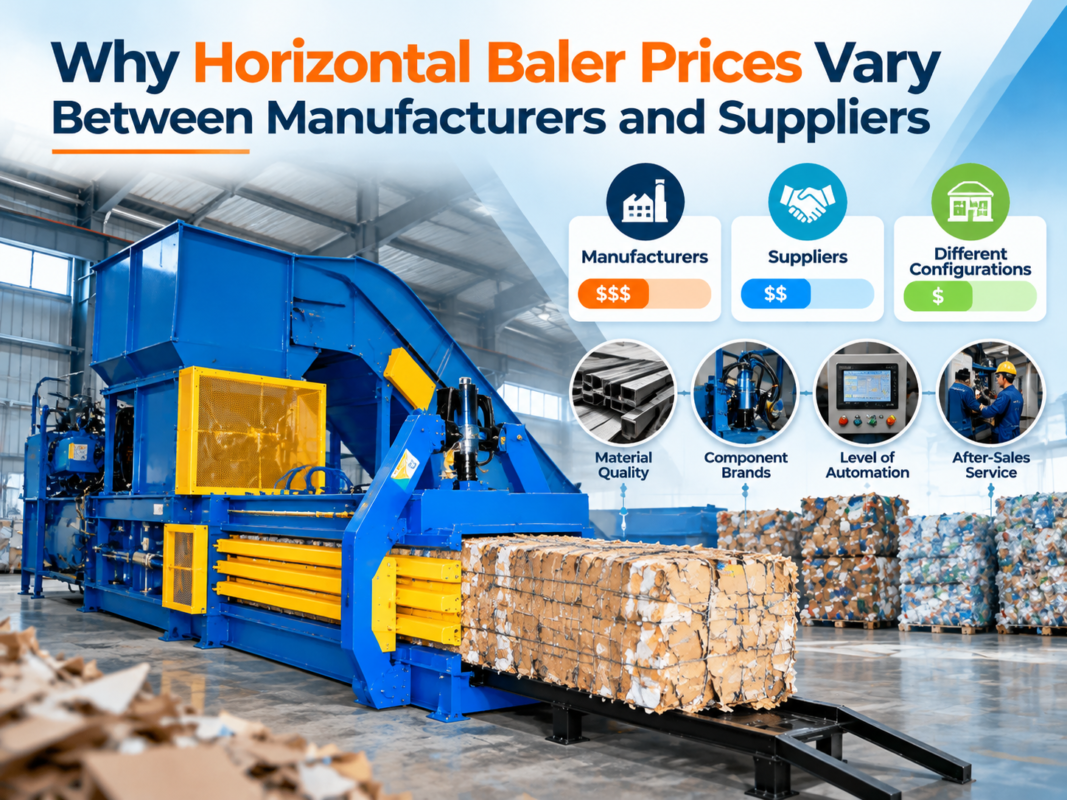
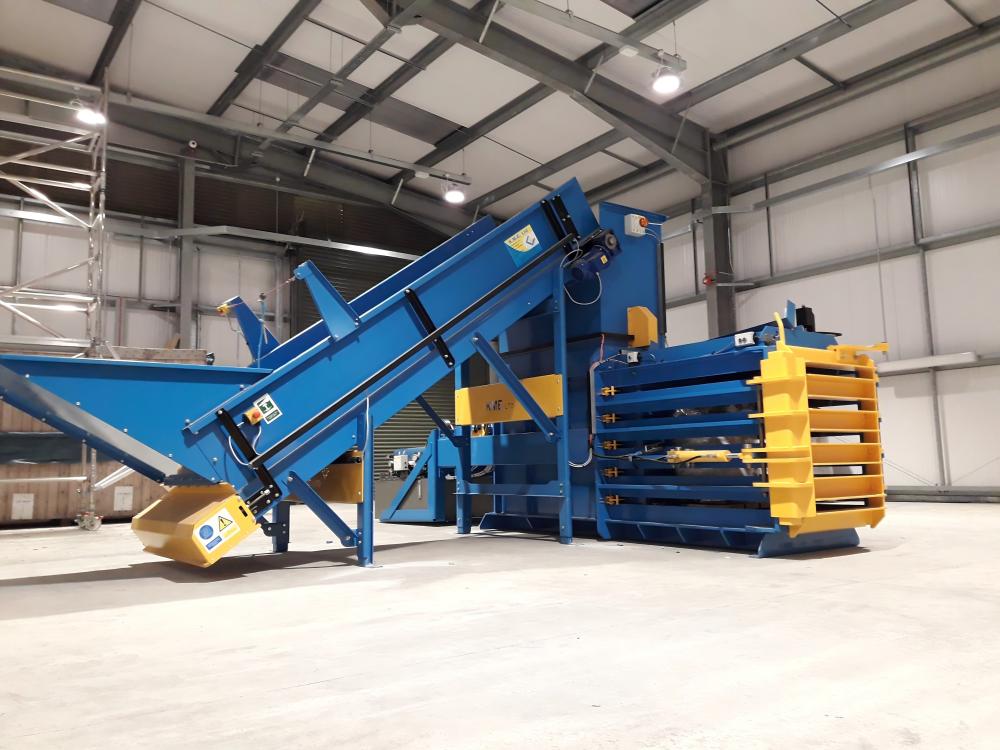
The primary driver of a horizontal baler’s price is the hydraulic system’s power and the structural integrity of the compression chamber. A machine built with thicker wear-resistant steel plates will naturally command a higher price than a lighter-duty model. Buyers should prioritize the quality of the hydraulic cylinders and the pump system, as these are the heart of the machine and dictate its longevity and performance under heavy loads.
Automation levels represent another major cost factor. A manual-tie baler is significantly cheaper than an automatic-tie system. However, the labor costs associated with manual tying over the machine’s lifespan often outweigh the initial savings. Export buyers must weigh the cost of local labor against the upfront investment in automation. In regions with high labor costs, a fully automatic system provides a much faster return on investment.
The throughput capacity, measured in tons per hour, is a critical technical specification that dictates the price. Higher throughput requires more powerful motors and larger feed openings. If your facility processes 5 tons of material per hour, purchasing a machine rated for 2 tons will lead to premature wear and excessive downtime. Conversely, over-specifying a machine leads to unnecessary capital expenditure.
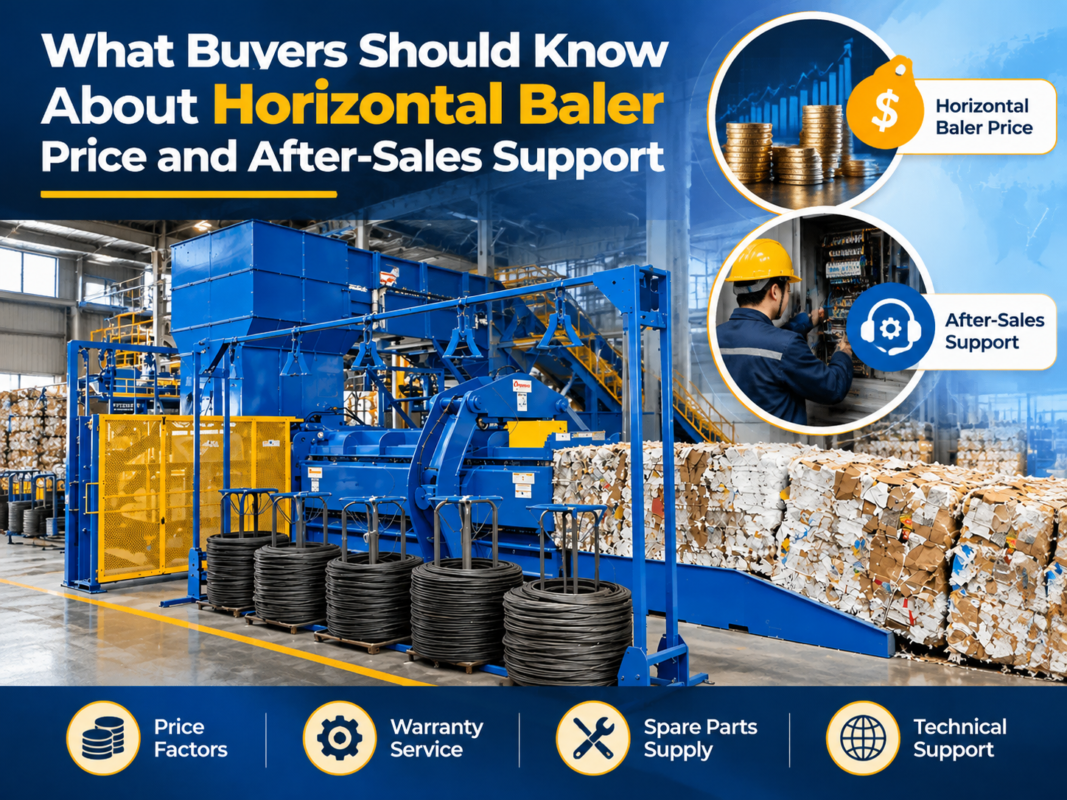
Finally, the brand reputation and the level of after-sales support included in the package influence the final price. HARSLE, for instance, includes comprehensive technical documentation and remote support, which adds value beyond the physical hardware. When comparing quotes, ensure you are comparing “apples to apples” regarding the included warranty, spare parts kits, and technical support hours.
Configuration Impact: Customization and Efficiency
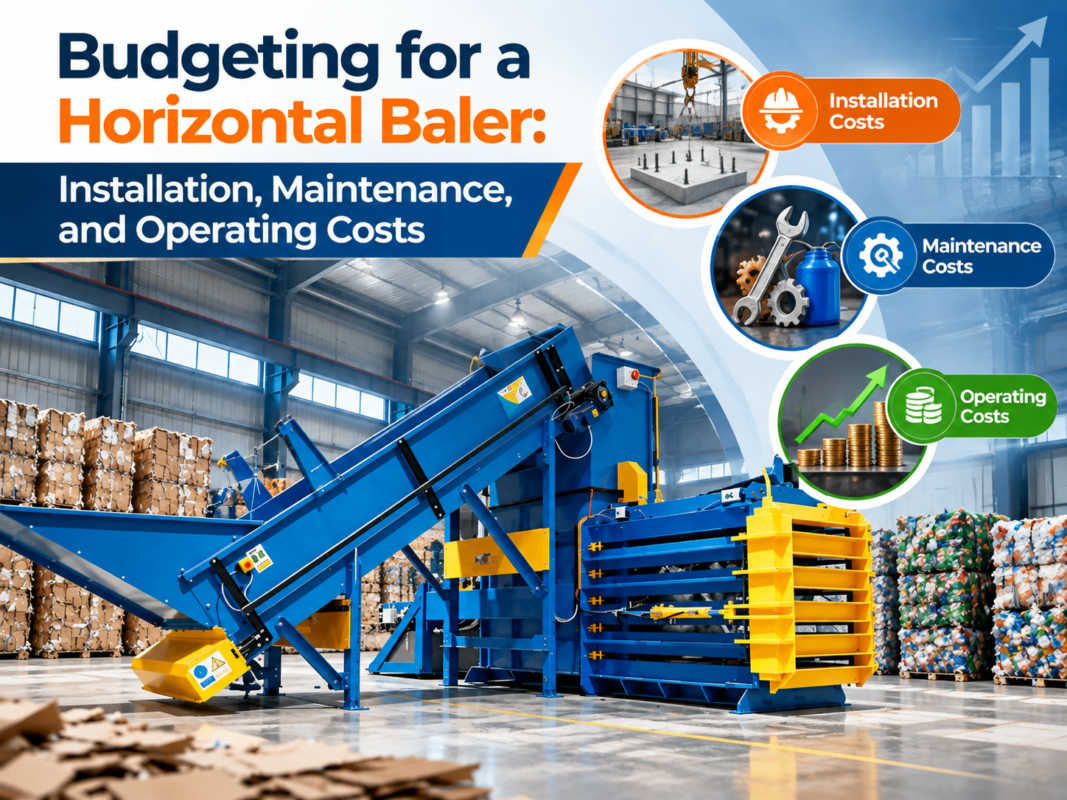
Customization is often necessary to integrate a horizontal baler into an existing production line. Conveyor belt systems, for example, are rarely included in the base price of a baler. Adding a custom-length infeed conveyor can add $5,000 to $15,000 to the total cost. These conveyors are essential for high-volume facilities to ensure a steady, controlled flow of material into the compression chamber.
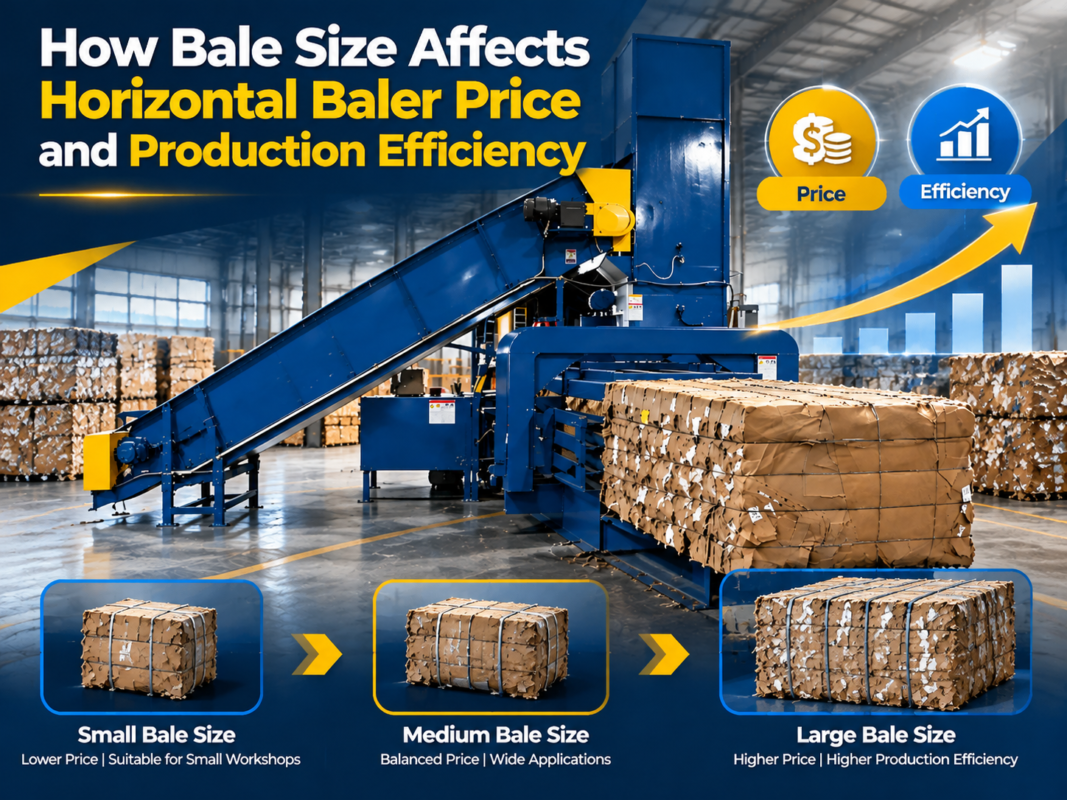
The type of tying system—horizontal vs. vertical—also impacts the configuration and price. Horizontal tying is generally preferred for high-density bales, as it provides better structural integrity for materials like PET bottles or heavy cardboard. This system requires more complex mechanical components, which increases the initial purchase price but reduces the risk of bale expansion during storage and transport.
Safety features and control interfaces are another area where configuration impacts cost. Modern balers are equipped with advanced HMI (Human-Machine Interface) touchscreens that allow for real-time monitoring of bale weight, cycle times, and maintenance alerts. While these features increase the upfront cost, they provide invaluable data for operational efficiency and predictive maintenance, ultimately lowering the total cost of ownership.
Environmental considerations, such as noise reduction packages or energy-efficient hydraulic pumps, are becoming standard requirements in many jurisdictions. If your facility is located in a noise-sensitive area, investing in sound-dampening enclosures is a necessary expense. These configurations ensure compliance with local regulations and improve the working environment for your staff.
Hidden Costs: Shipping, Taxes, and Logistics
For international buyers, the “hidden” costs of importing industrial machinery can often reach 20-30% of the machine’s base price. Shipping costs are the most volatile component. Ocean freight rates fluctuate based on container availability, fuel surcharges, and seasonal demand. It is crucial to obtain a DDP (Delivered Duty Paid) quote if you want to avoid the complexities of customs brokerage and inland transportation management.
Import duties and taxes are non-negotiable and vary significantly by country. Many nations impose specific tariffs on industrial machinery imported from abroad. Before finalizing your purchase, consult with a local customs broker to determine the HS Code (Harmonized System Code) for your specific baler model. This code will dictate the exact tariff rate you will be required to pay upon arrival at your port of entry.
Inland transportation from the port to your facility is another often-overlooked expense. Horizontal balers are heavy and oversized, often requiring specialized flatbed trucks or low-boy trailers. If your facility does not have a loading dock or a heavy-duty crane, you will need to hire a rigging company to offload and position the machine. These services can cost several thousand dollars depending on the complexity of the site access.
Insurance during transit is a mandatory expense that should not be skipped. While manufacturers like HARSLE ensure the machine is properly crated and secured, accidents during maritime transport or road haulage can occur. Ensure your shipping contract includes comprehensive insurance coverage that protects the full value of the equipment until it is safely installed at your site.
ROI Calculation: Justifying the Investment
Calculating the Return on Investment (ROI) for a horizontal baler involves more than just looking at the purchase price. You must factor in the revenue generated from selling high-density bales. Baled material commands a significantly higher price per ton than loose, uncompressed waste. By reducing the volume of your waste, you also drastically cut down on transportation costs, as you can fit more material into a single truckload.
Labor savings are a major component of the ROI. A horizontal baler automates the most labor-intensive parts of waste management—sorting, compacting, and tying. If your current process requires three employees to manage waste, a fully automatic baler might reduce that requirement to one operator. Calculate the annual salary savings and factor this into your payback period analysis.
Maintenance costs should be estimated at 3-5% of the machine’s value annually. While this is an expense, it is a necessary one to ensure the machine remains operational. A well-maintained baler will have a service life of 10 to 15 years. When calculating ROI, spread the initial capital expenditure over the expected lifespan of the machine to get a clear picture of the annual cost of operation.
Finally, consider the environmental impact and potential government incentives. Many regions offer tax credits or grants for businesses that invest in recycling technology. Check with your local environmental agency to see if your purchase qualifies for any sustainability subsidies. These can significantly shorten your payback period and improve the overall financial viability of the project.
Buying Advice: Navigating the Procurement Process
When purchasing a horizontal baler from an international manufacturer, communication is key. Start by providing a detailed material analysis to the manufacturer. Tell them exactly what you are baling—cardboard, plastic, aluminum, or mixed waste. The density and moisture content of your material will dictate the required compression force and the type of wear-resistant liners needed.
Request a video demonstration of the specific model you are considering. Seeing the machine in operation, especially the tying mechanism and the bale ejection process, provides peace of mind. If possible, ask for references from other customers in your region who have purchased the same model. Their feedback on the machine’s reliability and the manufacturer’s support will be more valuable than any marketing brochure.
Always negotiate a comprehensive spare parts package as part of the initial purchase. Having a stock of critical components—such as limit switches, hydraulic seals, and tying needles—on-site will prevent weeks of downtime while waiting for parts to be shipped from overseas. A small investment in a spare parts kit at the time of purchase can save you thousands in lost production later.
Lastly, ensure that the electrical requirements of the machine match your facility’s power supply. Industrial balers often require high-voltage, three-phase power. If your facility needs an electrical upgrade to accommodate the machine, this cost must be included in your budget. Discuss these technical specifications with your local electrician before finalizing the order to ensure a smooth installation process.
FAQ: Frequently Asked Questions
- What is the typical lead time for a horizontal baler? Lead times generally range from 8 to 16 weeks, depending on the level of customization and current factory production schedules.
- Do I need a concrete foundation for a horizontal baler? Yes, most horizontal balers require a reinforced concrete pad to handle the weight and the vibration of the compression cycle.
- How often does a horizontal baler need maintenance? Routine maintenance should be performed every 500 to 1,000 operating hours, including oil changes, filter replacements, and structural inspections.
- Can I use a horizontal baler for different types of materials? Yes, but you must ensure the machine is configured with the correct pressure settings and, in some cases, different bale sizes to accommodate the specific density of the material.
- What happens if the machine breaks down? HARSLE provides remote technical support via video call and can ship replacement parts globally. We recommend having a local technician on standby for mechanical repairs.
- Is installation included in the price? Usually, installation is an additional service. You can choose to have a technician from the manufacturer visit your site, or you can use a local rigging and installation team following the manufacturer’s provided manual.