How to Troubleshoot Poor Feeding in a Hammer Shredder System: A Comprehensive Industrial Guide


Introduction to Hammer Shredder Efficiency
In the demanding world of metal fabrication and recycling, the hammer shredder stands as a cornerstone of production efficiency. However, even the most robust HARSLE machinery can encounter operational bottlenecks. When operators ask how to troubleshoot poor feeding in a hammer shredder system, they are often addressing a multifaceted issue that impacts throughput, energy consumption, and overall equipment longevity. Poor feeding is not merely a nuisance; it is a symptom of underlying mechanical, electrical, or material-related inconsistencies that require a structured diagnostic approach.
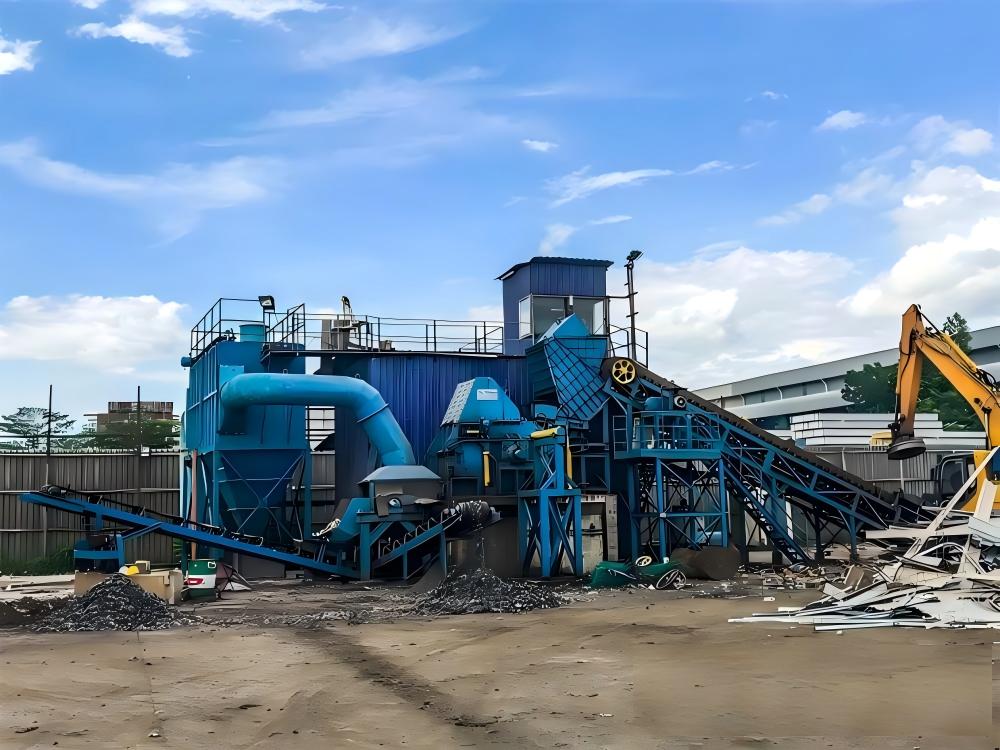
A hammer shredder operates on the principle of high-speed impact, where rotating hammers strike material against an anvil or grate. If the material does not enter the crushing chamber at a consistent rate, the machine cannot operate at its peak capacity. This leads to “surging,” where the motor experiences erratic load spikes, or “starving,” where the shredder runs idle, wasting energy. Understanding the root causes of these feeding issues is essential for any facility manager looking to optimize their metal fabrication equipment.
This guide provides a deep dive into the technical aspects of material flow, diagnostic procedures, and preventive maintenance strategies. By systematically addressing the feeding mechanism, you can ensure that your hammer shredder remains a high-performance asset in your production line. Whether you are dealing with light gauge scrap or heavy industrial waste, the principles of consistent feeding remain the same.
Key Considerations for Material Flow
Before diving into complex mechanical repairs, it is vital to evaluate the material characteristics. The physical properties of the input scrap—such as density, size, moisture content, and shape—play a significant role in how the material moves through the feed hopper. If the material is too bulky or “bridging” occurs, the feed mechanism will struggle to push it into the rotor path, regardless of how well the machine is maintained.
Bridging is a common phenomenon where material interlocks and forms a physical arch above the shredder inlet. This is particularly prevalent with long, stringy, or tangled metal scrap. To troubleshoot poor feeding in a hammer shredder system caused by bridging, operators should first inspect the hopper geometry. If the hopper walls are too steep or have rough surfaces, material friction increases, leading to blockages. Installing vibratory aids or modifying the hopper angle can often resolve these issues without requiring extensive mechanical intervention.
Another critical consideration is the moisture and contamination level of the feed. Wet or oily scrap can become sticky, adhering to the sides of the feed chute or the conveyor belt. This accumulation reduces the effective cross-sectional area of the feed path, leading to a restricted flow. Regular cleaning of the feed chute and the implementation of pre-sorting protocols are essential steps in maintaining a steady stream of material into the shredder chamber.
Finally, consider the feed rate control. Many modern hammer shredders utilize variable frequency drives (VFDs) or automated conveyor systems to regulate input. If the control logic is not calibrated to the motor load, the system may overfeed, causing the shredder to choke, or underfeed, leading to inefficient operation. Ensuring that the feed rate is synchronized with the rotor’s current draw is a fundamental step in optimizing the entire shredding process.
Technical Details: Diagnosing Mechanical Impediments
When the material is physically reaching the chamber but the shredder is still struggling, the issue often lies within the mechanical components of the feed system. The feed rollers, if equipped, are the primary drivers of material intake. If these rollers are worn, have lost their teeth, or are not applying sufficient downward pressure, they will slip against the material rather than forcing it into the hammers. Inspecting the hydraulic pressure of the feed roller cylinders is a priority task when you troubleshoot poor feeding in a hammer shredder system.
The rotor speed and hammer condition also dictate how effectively the machine “pulls” material into the crushing zone. If the hammers are severely worn, they lose their ability to grab and pull the material downward. Instead, the material may bounce off the hammers, creating a back-pressure that prevents new material from entering. Regularly checking the hammer wear patterns and rotating or replacing them according to the manufacturer’s schedule is critical for maintaining the “pull” force of the shredder.
Internal obstructions within the shredding chamber can also cause feeding issues. If the discharge grate is partially clogged, the processed material cannot exit the chamber quickly enough. This creates a “full chamber” scenario where new material cannot enter because there is no room for it. This is often misdiagnosed as a feed problem, but it is actually a discharge problem. Always inspect the grate openings and the discharge conveyor to ensure that processed material is being cleared away efficiently.
Electrical and sensor-based diagnostics should not be overlooked. Modern hammer shredders are equipped with load sensors that monitor the motor’s amperage. If these sensors are faulty or miscalibrated, the control system might incorrectly throttle the feed rate. Testing the current transducers and verifying the PLC (Programmable Logic Controller) logic can reveal hidden software-based feeding restrictions that are not immediately obvious to the naked eye.
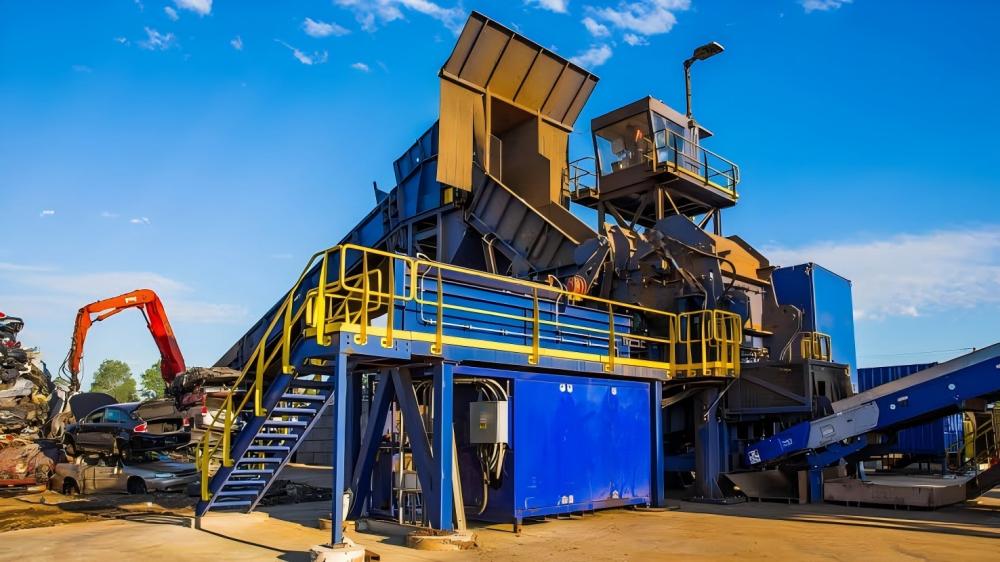
Selection Advice for Optimal Performance
Choosing the right equipment is the first step in avoiding feeding issues. When selecting a hammer shredder, it is essential to match the machine’s specifications to your specific material profile. A shredder designed for aluminum cans will not perform well with heavy steel plate. HARSLE offers a variety of configurations, and selecting the correct rotor design, hammer weight, and hopper size is paramount to long-term success.
Consider the feed system type. For high-volume, consistent material, a heavy-duty chain conveyor with a hydraulic feed roller is often the best choice. For smaller, batch-fed operations, a vibratory feeder might be more appropriate. The goal is to ensure that the feed system can provide a constant, uniform layer of material to the shredder inlet. Avoid “slug feeding,” where large amounts of material are dumped into the machine at once, as this is the most common cause of motor stalls and feed system damage.
When purchasing, look for machines that offer easy access to the shredding chamber. Maintenance-friendly designs allow for quick inspection of hammers, anvils, and grates. If a machine is difficult to open or clean, operators are less likely to perform the necessary daily checks, leading to a gradual decline in performance. Prioritize equipment that features modular components, allowing you to swap out wear parts without dismantling the entire drive train.
Finally, invest in a robust control system. A high-quality HARSLE shredder should come with an intelligent control panel that provides real-time feedback on motor load, feed rate, and system temperature. This data is invaluable when you need to troubleshoot poor feeding in a hammer shredder system, as it allows you to pinpoint exactly when and why the feeding process is being interrupted.
Maintenance Checklist for Consistent Feeding
To keep your hammer shredder running at peak efficiency, implement a rigorous maintenance schedule. Below is a checklist to help you maintain optimal material flow:
- Daily: Inspect the feed hopper for bridging or material buildup. Clear any debris from the feed rollers.
- Weekly: Check the hydraulic pressure in the feed system. Ensure all sensors are clean and free of dust.
- Monthly: Inspect hammer wear. Rotate or replace hammers that have lost their sharp edges.
- Quarterly: Clean the discharge grate and inspect the discharge conveyor for signs of wear or misalignment.
- Annually: Perform a full calibration of the motor load sensors and the PLC control logic.
By following this maintenance routine, you can prevent the majority of feeding issues before they impact your production line. Remember that a well-maintained machine is not only more efficient but also safer for your operators.
Frequently Asked Questions (FAQ)
Why does my hammer shredder surge during operation?
Surging is typically caused by inconsistent feed rates or material bridging. Ensure that your feed system is providing a steady, uniform flow and that the hopper is designed to prevent material from interlocking.
How often should I replace the hammers?
Hammer replacement frequency depends on the type of material being shredded and the volume of production. Monitor the wear patterns and replace them when the impact efficiency drops significantly, typically every 500 to 1,000 operating hours.
Can a clogged discharge grate affect feeding?
Yes. If the processed material cannot exit the chamber, the shredder becomes full, preventing new material from entering. This is a common cause of poor feeding that is often mistaken for a feed system failure.
What is the role of the VFD in the shredder system?
The Variable Frequency Drive (VFD) allows the system to adjust the feed rate based on the motor’s load. It prevents the motor from stalling during heavy loads and ensures the machine runs at optimal efficiency during lighter loads.
Conclusión
Learning how to troubleshoot poor feeding in a hammer shredder system is a vital skill for any professional in the metal fabrication industry. By understanding the interplay between material characteristics, mechanical components, and control systems, you can effectively diagnose and resolve feeding issues. Whether it is clearing a bridge in the hopper, adjusting the hydraulic pressure on the feed rollers, or recalibrating the motor load sensors, a systematic approach will always yield the best results.
At HARSLE, we are committed to providing high-quality metal fabrication equipment and the knowledge required to keep it running at peak performance. If you find that your feeding issues persist despite following these troubleshooting steps, do not hesitate to contact our technical support team. With the right maintenance, the right equipment, and a proactive mindset, your hammer shredder will continue to be a reliable and productive asset for years to come.