Single-Shaft Shredder Drive Belt Slippage: Causes and Solutions


Introduction to Single-Shaft Shredder Drive Belt Slippage
In the demanding world of industrial recycling and metal fabrication, the single-shaft shredder stands as a cornerstone of efficiency. However, even the most robust machinery can encounter operational hurdles. One of the most frequent issues reported by operators is drive belt slippage. Understanding the Single-Shaft Shredder Drive Belt Slippage Causes Solutions is vital for maintaining high throughput and preventing premature equipment failure.
When a drive belt slips, the shredder loses its ability to transfer torque effectively from the motor to the cutting shaft. This results in decreased shredding capacity, increased heat generation, and potential damage to the drive components. As a leading manufacturer of industrial machinery, HARSLE emphasizes that proactive maintenance is the key to avoiding these costly interruptions.
This comprehensive guide explores the mechanical intricacies of belt-driven shredder systems. By identifying the root causes of slippage—ranging from environmental factors to improper tensioning—operators can implement effective solutions that extend the lifespan of their equipment. Whether you are managing a scrap metal facility or a plastic recycling plant, mastering these maintenance protocols is essential for operational excellence.

Key Considerations for Shredder Drive Systems
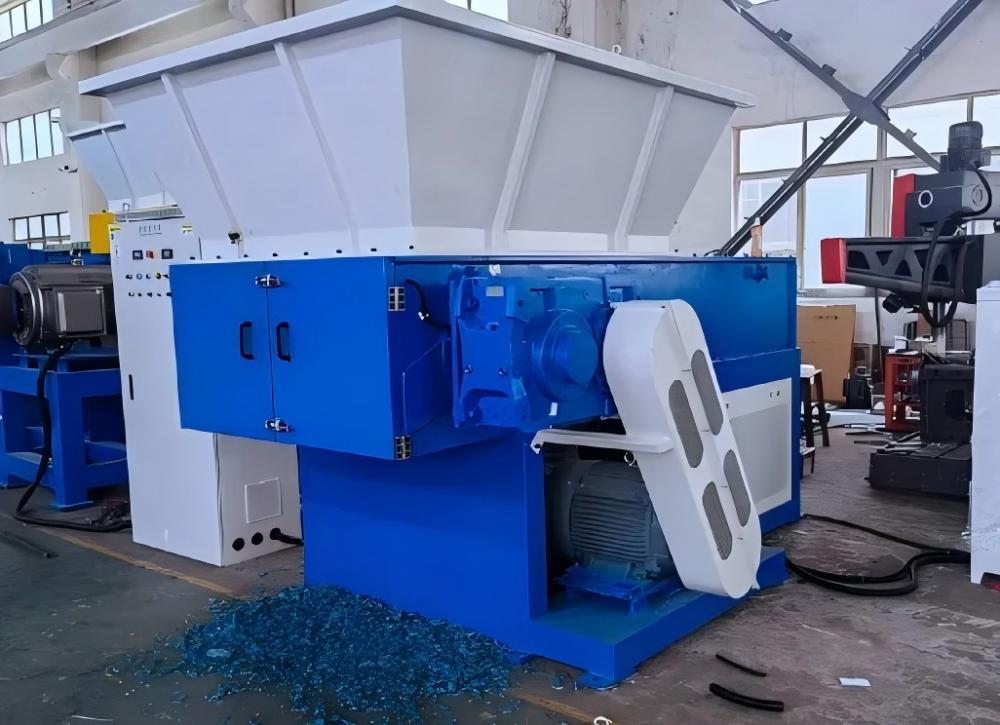
The drive system of a single-shaft shredder is designed to handle high-torque, low-speed applications. Unlike high-speed grinders, shredders require significant force to break down dense materials. The drive belt acts as the primary power transmission medium, and its health is directly linked to the overall performance of the shredder.
Environmental conditions play a significant role in belt performance. Industrial environments are often filled with dust, metal shavings, and moisture. When these contaminants settle on the pulleys or the belt surface, the coefficient of friction decreases, leading to slippage. Regular cleaning schedules are not just a suggestion; they are a fundamental requirement for industrial machinery maintenance. Operators should utilize compressed air or specialized cleaning agents to ensure the pulley grooves remain free of debris.
Another key consideration is the load profile of the material being processed. Feeding the shredder beyond its rated capacity or introducing non-shreddable materials (such as hardened steel or oversized blocks) can cause the shaft to stall. If the belt is not properly tensioned, it will slip under this sudden load, causing glazing on the belt surface and permanent damage to the belt’s internal structure. Understanding the material density and feed rate is crucial for preventing these mechanical stresses.
Finally, the age and quality of the belts must be considered. Over time, rubber compounds degrade due to heat and ozone exposure. Even if a belt appears intact, its elasticity may be compromised, preventing it from maintaining the necessary grip on the pulley grooves. Investing in high-quality, reinforced belts is a critical step in preventing recurring slippage issues. Always opt for belts that meet the specific heat and oil resistance ratings required for your specific industrial application.
Technical Details: Why Slippage Occurs
To address Single-Shaft Shredder Drive Belt Slippage Causes Solutions, one must understand the physics of power transmission. Slippage occurs when the tension force is insufficient to overcome the load torque. This is often exacerbated by pulley misalignment, where the motor pulley and the shaft pulley are not perfectly parallel, causing uneven wear on the belt sidewalls. Misalignment can be detected using laser alignment tools, which provide precision that visual inspection cannot match.
Pulley wear is a silent killer of drive belts. Over time, the V-grooves in the pulleys can become rounded or uneven due to abrasive dust and constant friction. When the groove profile is compromised, the belt cannot seat properly, reducing the contact surface area. Even with high tension, a worn pulley will allow the belt to slip, leading to rapid overheating of the belt material. If you notice the belt is bottoming out in the groove, the pulley must be replaced immediately to restore the mechanical advantage.
Thermal expansion also plays a role. As the shredder operates, the motor and the drive components generate heat. If the belt tension was set while the machine was cold, the expansion of the components during operation can lead to a loss of tension. This is why HARSLE recommends checking tension after the machine has reached its normal operating temperature. Furthermore, the presence of lubricants or oil on the drive system is a major cause of failure. If a bearing seal leaks, oil can migrate onto the pulley surfaces. Even a small amount of oil acts as a lubricant, drastically reducing the friction required for the belt to grip the pulley. In such cases, simply tightening the belt will not solve the problem; the source of the leak must be identified and repaired immediately.
Selection Advice and Maintenance Best Practices
When selecting a replacement belt for your single-shaft shredder, always adhere to the manufacturer’s specifications. Using a belt with the wrong cross-section or length will inevitably lead to slippage. Ensure that you are using matched sets of belts if your shredder utilizes a multi-belt drive system; mixing old and new belts will cause the new belt to carry the entire load, leading to rapid failure. Always purchase belts from reputable suppliers to ensure the rubber compound is rated for high-torque industrial use.
Tensioning is the most critical maintenance task. Use a belt tension gauge to ensure the deflection falls within the manufacturer’s recommended range. A common mistake is over-tightening the belt in an attempt to stop slippage. Over-tightening places excessive stress on the motor bearings and the shredder shaft bearings, which can lead to catastrophic mechanical failure of the bearing housings. Proper tensioning ensures the belt has enough grip to transmit power without placing undue stress on the drive train.
Implement a preventative maintenance schedule that includes a weekly inspection of the belt condition. Look for signs of glazing (a shiny, smooth appearance on the belt sides), cracking, or fraying. If any of these signs are present, the belt should be replaced immediately. Do not wait for the belt to snap, as this can cause damage to the belt guard and surrounding components. Additionally, keep a log of belt replacement dates and operating hours to predict when a belt is nearing the end of its service life.
Consider installing an automatic tensioning system if your shredder is used in high-volume applications. These systems maintain constant tension regardless of belt stretch or thermal expansion, significantly reducing the frequency of manual adjustments. Additionally, ensure that the belt guard is properly ventilated to prevent heat buildup, which accelerates the degradation of the rubber compounds. Proper ventilation can extend the life of your drive belts by up to 30% in high-heat environments.
Advanced Troubleshooting: Beyond the Basics
If you have addressed tension, alignment, and cleanliness but still experience slippage, consider the following advanced factors. First, check the motor mount integrity. If the motor base is loose or the mounting bolts have stretched, the motor may shift under load, causing the belt to lose tension momentarily. Second, evaluate the shredder’s flywheel. A properly balanced flywheel helps smooth out the torque spikes during the shredding process; if the flywheel is damaged or unbalanced, it can induce vibrations that cause the belt to oscillate and slip.
Third, examine the electrical system. If the soft-start or variable frequency drive (VFD) is not configured correctly, the motor may apply too much torque too quickly during startup, causing the belt to slip before the shaft reaches operating speed. Adjusting the ramp-up time on your VFD can significantly reduce the stress on your drive system and prevent startup slippage.
Frequently Asked Questions (FAQ)
How often should I check the tension of my shredder drive belt?
For heavy-duty industrial shredders, we recommend checking the belt tension every 200 operating hours. If the machine is used in a high-dust environment, check it more frequently, as dust can act as a lubricant and mask tension issues.
Can I use belt dressing to stop slippage?
No. Belt dressing is a temporary fix that can actually attract more dust and contaminants to the pulley, eventually making the slippage worse. Always address the root cause, such as tension or pulley wear, rather than applying chemical additives.
What are the signs that my pulleys need replacement?
If you notice the belt is bottoming out in the pulley groove, or if the groove walls are shiny and rounded, it is time to replace the pulleys. A properly seated belt should only make contact with the sides of the groove, not the bottom.
Why does my shredder belt squeal during startup?
Squealing is a classic sign of slippage. It usually indicates that the belt is too loose or that the load is too high for the current tension setting. Check your tension immediately to prevent glazing, which can permanently ruin the belt’s grip.
Is it necessary to replace all belts in a set?
Yes. If your shredder uses a multi-belt drive, you must replace them as a matched set. Mixing a new belt with an old, stretched belt will result in the new belt carrying the entire load, leading to premature failure of the new component.
Conclusión
Addressing Single-Shaft Shredder Drive Belt Slippage Causes Solutions is a fundamental aspect of industrial equipment management. By understanding the mechanical relationship between tension, friction, and environmental factors, operators can ensure their HARSLE shredders continue to perform at peak efficiency. Remember that the drive system is the heart of your machine; treating it with regular, professional maintenance will pay dividends in reduced downtime and extended equipment life. For further technical support, troubleshooting assistance, or to source genuine replacement parts, contact the HARSLE service team today. Investing in the health of your drive system today prevents the costly repairs of tomorrow.