How to Fix Uneven Baling in a Car Body Baler: Common Causes and Solutions


Introducción
In the high-stakes world of scrap metal recycling, efficiency is measured by the density and uniformity of the finished product. A car body baler is the backbone of any serious recycling operation, designed to compress bulky automotive shells into manageable, high-density cubes. However, operators often encounter the frustrating issue of uneven baling. When a bale comes out lopsided, loose on one side, or structurally unsound, it not only compromises transport efficiency but can also lead to significant revenue loss at the mill.
Understanding how to fix uneven baling in a car body baler: common causes and solutions is essential for maintaining operational uptime and maximizing the value of your scrap. Whether you are dealing with hydraulic imbalances, mechanical wear, or improper loading techniques, this guide provides a comprehensive look at the technical nuances of baler performance. By addressing these issues systematically, you can ensure that your HARSLE equipment continues to deliver consistent, high-quality output day after day.
Uneven baling is rarely the result of a single catastrophic failure. Instead, it is usually a symptom of cumulative wear or subtle calibration drifts. As we explore the technical details, we will look at how hydraulic pressure distribution, ram alignment, and material preparation interact to create the perfect bale. This article serves as a technical manual for maintenance teams and plant managers looking to optimize their metal fabrication equipment performance.
Key Considerations for Consistent Baling
Before diving into mechanical repairs, it is vital to understand the environmental and operational factors that influence bale quality. The most common cause of uneven baling is often found in the loading process. If a vehicle shell is placed off-center or if the weight distribution is heavily skewed toward one side of the compression chamber, the hydraulic rams will encounter unequal resistance. This resistance can cause the ram to tilt slightly, leading to a bale that is compressed more on one side than the other.
Material preparation is another critical factor. Modern car body balers are designed to handle the structural steel of automotive frames, but they are not magic. If the vehicle is not properly stripped of non-compressible components—such as heavy engine blocks or thick cast iron parts—these items can act as fulcrums, forcing the ram to compress unevenly. Ensuring that the material is distributed as evenly as possible across the floor of the baling chamber is the first step in troubleshooting.
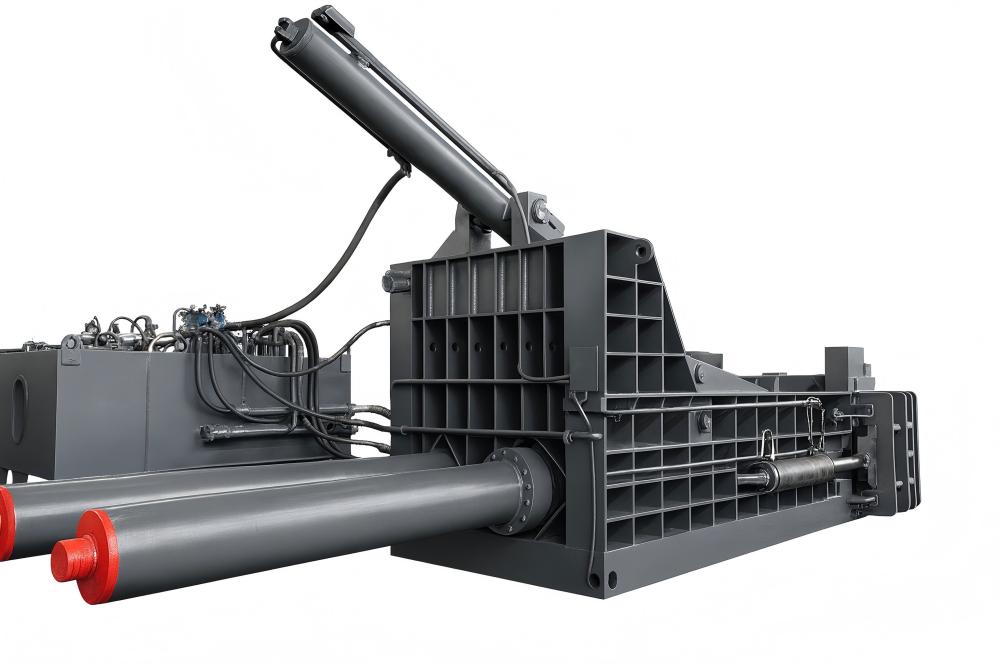
Hydraulic system health is the third pillar of consistent baling. A car body baler relies on synchronized hydraulic cylinders to apply force from multiple directions. If one cylinder is lagging due to internal bypass, air in the lines, or a failing pump, the pressure will not be uniform. Regular monitoring of hydraulic gauges during the compression cycle can reveal these discrepancies before they result in a deformed bale.
Finally, consider the structural integrity of the baler box itself. Over time, the wear liners inside the chamber can become grooved or warped. If the liners are uneven, the material will catch on the high spots, preventing it from sliding smoothly into a compact shape. Inspecting these liners during routine maintenance is a non-negotiable task for any facility aiming for high-quality output.
Technical Details: Diagnosing the Root Cause
To effectively fix uneven baling in a car body baler: common causes and solutions, one must look at the interaction between the hydraulic pressure and the mechanical structure. When a bale is uneven, the first technical step is to check the pressure relief valves. If the valves are not set to the same pressure, or if one is sticking, the force applied to the left side of the ram may differ from the right. This creates a “corkscrew” effect during the final compression stage.
Another technical culprit is the guide rail system. The ram is held in place by guide shoes that slide along the chamber walls. If these shoes are worn down, the ram gains “play” or lateral movement. This movement allows the ram to shift under load, resulting in a bale that is thicker on one side. Replacing these guide shoes and ensuring the ram is perfectly square to the chamber floor is a standard procedure that often resolves persistent unevenness.
Hydraulic fluid contamination can also play a role. If the fluid is aerated or contains debris, the response time of the cylinders can become erratic. A sluggish cylinder will always lose the race against a healthy one, leading to an uneven compression stroke. Implementing a strict hydraulic filtration schedule and using high-quality anti-wear hydraulic oil is essential for the longevity of your HARSLE machinery.
Furthermore, the electrical sensors that monitor ram position must be calibrated. If the PLC (Programmable Logic Controller) receives incorrect data regarding the ram’s position, it may prematurely stop the compression cycle on one side. Regularly calibrating the limit switches and proximity sensors ensures that the machine “knows” exactly where the ram is, allowing for a perfectly balanced stroke every time.
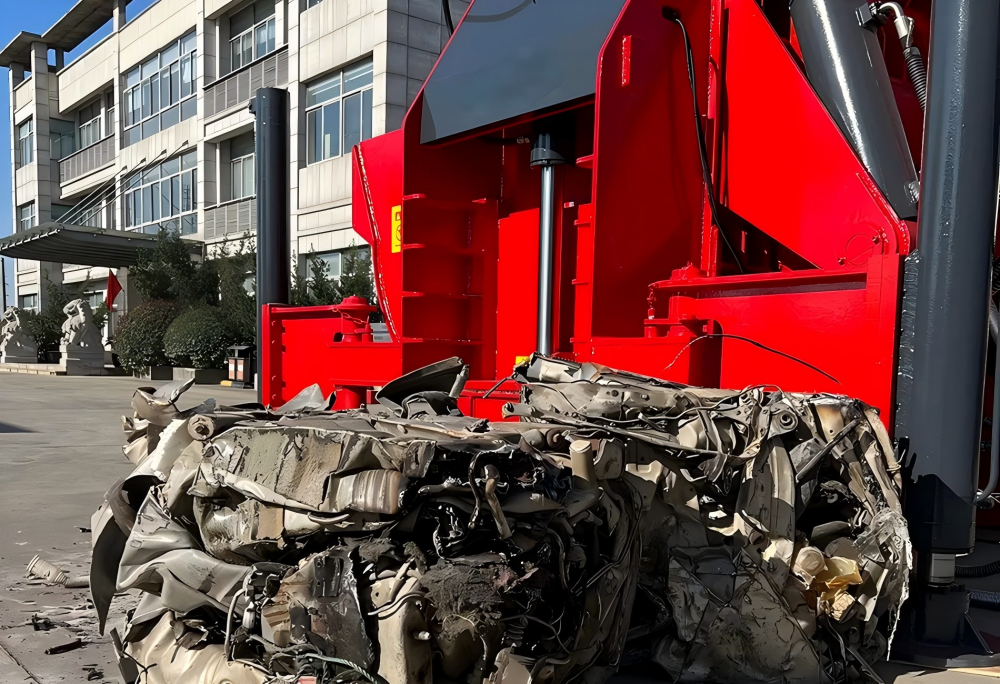
Selection Advice: Choosing the Right Equipment
When selecting a car body baler, the primary consideration should be the structural rigidity of the frame and the sophistication of the hydraulic control system. A machine that is under-engineered for the volume of scrap you process will inevitably develop uneven baling issues as the frame flexes under the immense pressure required to crush automotive steel. Always opt for equipment that features reinforced side walls and high-tensile steel liners.
Look for balers that offer multi-stage compression. A single-stage baler is more prone to uneven output because it relies on a single, massive force to do all the work. Multi-stage systems, which compress the material from the sides before the final vertical crush, naturally center the material and ensure a more uniform density. This design feature is a major advantage for facilities that need to meet strict mill specifications.
Consider the ease of maintenance when evaluating potential purchases. A baler that requires a complete teardown to replace a guide shoe or adjust a valve is a liability. HARSLE equipment is designed with accessibility in mind, featuring modular components that allow maintenance teams to perform adjustments without excessive downtime. When you are comparing models, ask the manufacturer about the ease of access to the hydraulic manifold and the ram guide system.
Finally, ensure that the baler’s hydraulic capacity matches your throughput requirements. If you are constantly pushing the machine to its absolute limit, the hydraulic oil will overheat, leading to viscosity changes and inconsistent pressure. A baler that operates at 80% of its rated capacity will always produce a more consistent bale than one that is red-lined during every cycle. Investing in a slightly larger machine than you currently need is a strategic move that pays off in bale quality and machine longevity.
FAQ: Preguntas frecuentes sobre el mantenimiento de enfardadoras
- Q: How often should I check the hydraulic pressure on my car body baler?
A: You should check the hydraulic pressure at the start of every shift. If you notice a drop in pressure or a change in the cycle time, perform a more detailed inspection immediately. - Q: Can worn liners cause uneven bales?
A: Yes. Worn or grooved liners create friction points that prevent the material from compressing evenly, often leading to lopsided bales. - Q: What is the most common cause of a ram tilting during compression?
A: Worn guide shoes or uneven hydraulic pressure between the cylinders are the most frequent causes of ram tilting. - Q: How do I know if my hydraulic fluid is the problem?
A: If the fluid appears milky or has a burnt smell, it is likely contaminated or degraded, which can cause erratic cylinder performance. - Q: Is it necessary to remove all non-metal parts from the car body?
A: While modern balers are powerful, removing heavy non-compressible items like engine blocks significantly improves bale uniformity and protects the machine from unnecessary stress.
Conclusión
Fixing uneven baling in a car body baler is a process of elimination that starts with the basics of material loading and extends to the complexities of hydraulic synchronization. By maintaining a clean, well-lubricated, and properly calibrated machine, you can eliminate the inconsistencies that plague many recycling operations. Remember that the quality of your output is a direct reflection of the care you put into your metal fabrication equipment.
If you find that your baler is consistently producing uneven bales despite your best efforts, it may be time to consult with the manufacturer or a certified technician to perform a deep-dive diagnostic. HARSLE is committed to providing the support and technical expertise necessary to keep your operations running at peak efficiency. By following the guidelines outlined in this article, you can ensure that your car body baler remains a reliable, high-performing asset for years to come.
Ultimately, the goal is to achieve a uniform, high-density bale that meets the highest industry standards. Whether you are a small scrap yard or a large-scale recycling facility, the principles of maintenance and operational discipline remain the same. Keep your equipment in top shape, monitor your hydraulic systems, and never underestimate the impact of proper material preparation on your bottom line.