Hammer Shredder Foundation Loosening: Causes of Shaking and How to Repair


Hammer Shredder Foundation Loosening: Causes of Shaking and How to Repair
In the high-stakes world of metal fabrication and recycling, the hammer shredder stands as a cornerstone of productivity. However, even the most robust industrial machinery is susceptible to mechanical fatigue. One of the most critical issues operators face is Hammer Shredder Foundation Loosening: Causes Of Shaking Repair. When a shredder begins to vibrate excessively, it is not merely a nuisance; it is a warning sign of structural failure that can lead to catastrophic downtime if left unaddressed.
At HARSLE, we understand that precision and stability are the bedrock of efficient metal processing. A shredder that shakes is a shredder that is losing efficiency, damaging its internal components, and posing a significant safety risk to the facility. This comprehensive guide explores the root causes of foundation instability and provides actionable repair strategies to restore your equipment to peak performance.
Key Considerations for Shredder Stability
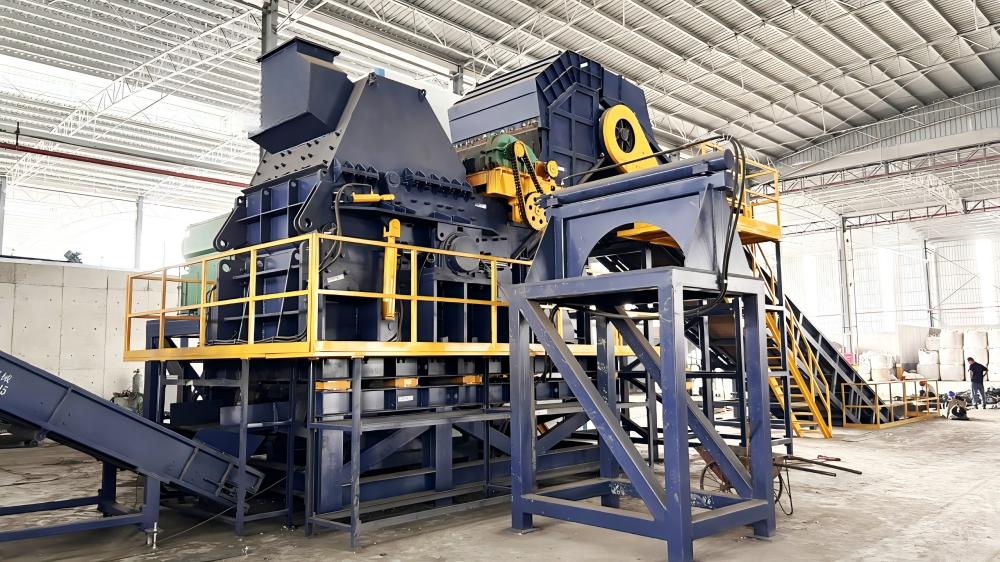
The foundation of a hammer shredder is designed to absorb the massive kinetic energy generated during the shredding process. When this foundation begins to loosen, the energy is no longer dissipated into the ground but is instead reflected back into the machine frame. This creates a feedback loop of vibration that accelerates wear on bearings, shafts, and the hammer assembly itself.
First, operators must distinguish between normal operational vibration and abnormal shaking. Every shredder has a specific harmonic frequency. When the foundation loosens, the natural frequency of the machine-foundation system shifts, often leading to resonance. This resonance can amplify minor imbalances in the rotor into violent shaking that threatens the integrity of the anchor bolts and the concrete base.
Environmental factors also play a significant role. Over time, moisture ingress, chemical exposure from scrap metal, and thermal cycling can degrade the grout between the machine base and the concrete foundation. Once this grout loses its compressive strength, the machine begins to ‘walk’ or ‘rock’ on its mounting points, leading to the rapid failure of the anchoring system.
Furthermore, the dynamic load of the material being processed cannot be ignored. Feeding oversized or non-shreddable materials into the chamber creates shock loads that exceed the design parameters of the foundation. These shock loads act like a hammer striking the foundation, gradually loosening the connection points. Regular monitoring of the feed material is just as important as monitoring the mechanical health of the machine.
Technical Details: Diagnosing the Causes of Shaking
To effectively address Hammer Shredder Foundation Loosening: Causes Of Shaking Repair, one must first perform a rigorous diagnostic process. The most common cause is the failure of the anchor bolts. Over time, the constant vibration causes the nuts to back off or the bolts themselves to stretch. If the bolts are not properly tensioned, the machine base will lift slightly during high-torque operations, creating a gap that allows for lateral movement.
Another technical culprit is the degradation of the foundation grout. High-strength epoxy or cementitious grout is used to ensure a uniform load distribution across the concrete pad. If the grout cracks or crumbles, the machine base is no longer supported across its entire surface area. This creates ‘soft feet’—a condition where the machine is supported by only a few points, causing the frame to twist and vibrate under load.
Rotor imbalance is a secondary cause that often manifests as foundation loosening. If the hammers are worn unevenly or if debris has accumulated on the rotor, the resulting centrifugal force becomes erratic. This erratic force puts uneven stress on the foundation. If the foundation is already slightly loose, this imbalance will rapidly accelerate the destruction of the mounting hardware.
Finally, consider the structural integrity of the concrete foundation itself. Concrete is excellent in compression but weak in tension. If the foundation was not designed with sufficient steel reinforcement or if the concrete mix was substandard, the constant vibration can lead to micro-cracking within the concrete block. Once these cracks propagate, the anchor bolts lose their ‘bite,’ and the foundation essentially becomes a loose, vibrating mass of debris.
Repair Strategies and Maintenance Procedures
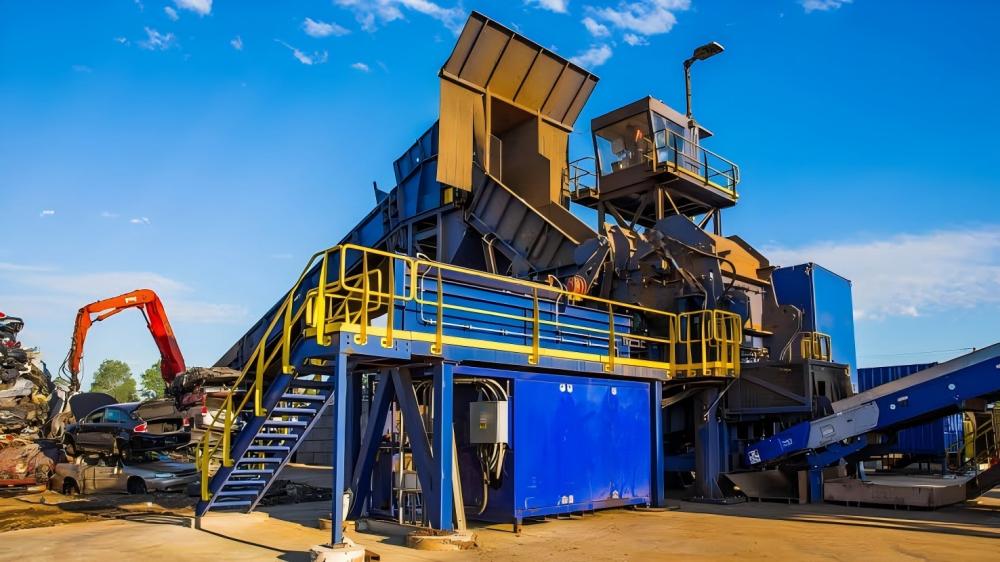
When you have identified that the foundation is the source of the shaking, immediate action is required. The first step in the repair process is a full inspection of the anchor bolts. Use a calibrated torque wrench to check the tension on every bolt. If a bolt spins freely or cannot reach the specified torque, it must be removed and inspected for thread damage or fatigue-induced necking.
If the grout has failed, the only professional solution is a re-grouting procedure. This involves lifting the shredder, removing the old, damaged grout, and preparing the concrete surface. The surface must be clean, dry, and roughened to ensure a mechanical bond. Using a high-performance, vibration-resistant epoxy grout is highly recommended for industrial shredders, as these materials offer superior compressive strength and chemical resistance compared to standard cement.
For cases where the concrete foundation itself has cracked, structural reinforcement is necessary. This may involve drilling new holes and installing chemical anchors or, in severe cases, pouring a new concrete ‘cap’ over the existing foundation. This cap should be reinforced with rebar and tied into the original structure to create a monolithic base that can withstand the high-frequency vibrations of the shredder.
Regular maintenance schedules should include a ‘vibration audit.’ By using accelerometers at the base of the machine, maintenance teams can track the vibration signature over time. A sudden shift in the frequency spectrum is a clear indicator that the foundation is beginning to loosen, allowing for preventative maintenance before a total failure occurs. Always keep a log of torque values and grout condition to identify trends early.
Selection Advice: Choosing the Right Equipment
When investing in new metal fabrication equipment, the foundation requirements should be a primary consideration. HARSLE recommends that clients consult with civil engineers to ensure that the foundation design matches the dynamic load requirements of the specific shredder model. A ‘one-size-fits-all’ foundation is a recipe for future maintenance headaches.
Look for shredders that feature integrated vibration-damping systems. Modern industrial shredders often come with heavy-duty base frames that include vibration-isolation pads. These pads act as a buffer between the machine and the foundation, absorbing the high-frequency vibrations that typically lead to bolt loosening. While these add to the initial cost, they significantly reduce the long-term maintenance burden.
Consider the accessibility of the anchor bolts. A well-designed machine allows for easy inspection and re-tightening of bolts without requiring a full teardown of the shredder housing. If the bolts are buried under internal components, they are likely to be neglected, leading to the very foundation issues we are discussing. Prioritize machines with modular designs that facilitate easy maintenance access.
Finally, evaluate the manufacturer’s support and documentation. A reputable supplier will provide detailed foundation drawings, including concrete specifications, reinforcement patterns, and recommended grout types. At HARSLE, we provide comprehensive installation guides to ensure that your equipment starts its life on a solid footing, minimizing the risk of future foundation loosening and shaking.
Frequently Asked Questions (FAQ)
- How often should I check my shredder’s anchor bolts? We recommend a visual inspection weekly and a torque check every three months, or more frequently if the machine is running at high capacity.
- Can I use standard concrete for a shredder foundation? No, industrial shredders require high-strength, reinforced concrete designed to handle dynamic loads. Consult your machine’s manual for specific PSI requirements.
- What are the signs of ‘soft feet’ in a shredder? If you notice the machine frame flexing or see gaps appearing between the base plate and the grout, you likely have a soft foot condition.
- Is vibration always caused by the foundation? Not necessarily. Rotor imbalance, bearing wear, and motor misalignment can also cause shaking. Always rule out internal mechanical issues before assuming a foundation problem.
- What is the best type of grout for heavy machinery? Epoxy-based grouts are generally preferred for their high compressive strength, low shrinkage, and excellent vibration damping properties.
Conclusión
Addressing Hammer Shredder Foundation Loosening: Causes Of Shaking Repair is a critical aspect of maintaining a productive and safe metal fabrication facility. By understanding the relationship between dynamic loads, foundation integrity, and mechanical vibration, operators can prevent the costly downtime associated with structural failure. Remember that a stable foundation is not just a static base; it is a dynamic component of the machine itself.
Whether you are performing routine maintenance or planning a major repair, the key is consistency and attention to detail. From regular torque checks to the use of high-performance epoxy grouts, every step taken to secure your shredder is an investment in the longevity of your equipment. At HARSLE, we are committed to providing the tools and knowledge necessary to keep your operations running smoothly. If you are experiencing persistent shaking, do not wait for a catastrophic failure—inspect your foundation today and ensure your shredder remains the reliable workhorse your business depends on.