How to Fix Extrusion Line Stop-and-Go Problems in Aluminium Pressing: A Comprehensive HARSLE Guide


Introducción
In the high-stakes world of aluminium fabrication, efficiency is the lifeblood of profitability. When an extrusion line experiences intermittent pauses—commonly referred to as ‘stop-and-go’ problems—it doesn’t just disrupt the production schedule; it compromises the structural integrity of the aluminium profiles and increases scrap rates significantly. For operators and plant managers, understanding how to fix extrusion line stop-and-go problems in aluminium pressing is essential to maintaining a competitive edge in the metal fabrication industry.
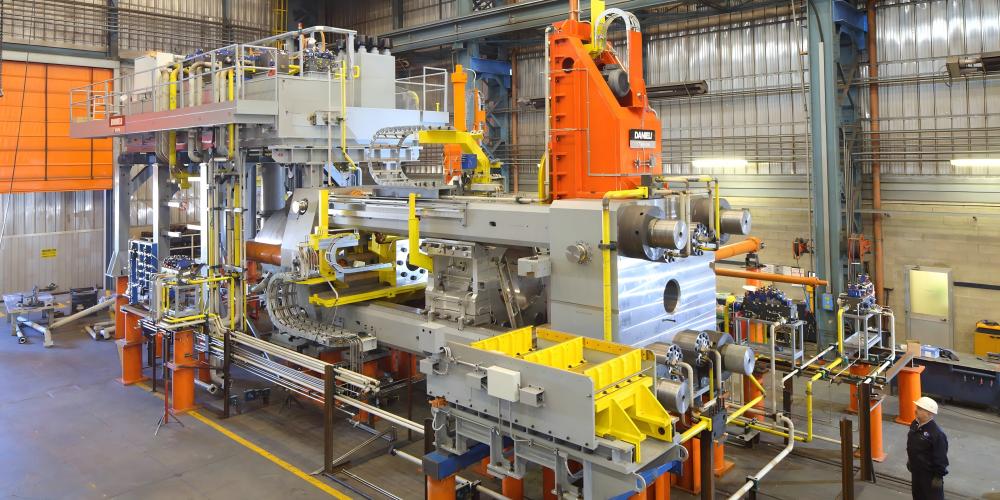
HARSLE has spent decades engineering high-performance machinery, and we recognize that the ‘stop-and-go’ phenomenon is rarely caused by a single factor. Instead, it is often a symptom of deeper issues within the hydraulic system, the billet heating process, or the synchronization of the puller and saw systems. This guide aims to provide a deep dive into the root causes of these interruptions and offer actionable technical solutions to stabilize your production line.
Whether you are operating a legacy system or a state-of-the-art HARSLE aluminium extrusion press, the principles of fluid dynamics, thermal management, and PLC synchronization remain the same. By systematically addressing these areas, you can transition from reactive troubleshooting to proactive maintenance, ensuring that your extrusion line runs with the smooth, continuous motion required for high-quality output.
This article will explore the technical nuances of extrusion line stability, provide selection advice for upgrading your equipment, and offer a comprehensive FAQ section to address the most common hurdles faced by modern fabrication facilities. Let us begin by examining the key considerations that dictate the flow of your aluminium pressing operation.
Key Considerations for Extrusion Line Stability
The first step in resolving intermittent production issues is to evaluate the environment in which your aluminium extrusion press operates. Stability begins with the billet. If the billet temperature is inconsistent, the resistance against the ram changes constantly, forcing the hydraulic system to compensate in ways that lead to jerky, stop-and-go motion. Ensuring that your induction furnace or gas-fired oven is calibrated correctly is the foundational step in this process.
Secondly, consider the hydraulic fluid integrity. Aluminium extrusion presses rely on high-pressure hydraulic systems to exert the force necessary to push aluminium through the die. If the hydraulic oil is contaminated, or if the viscosity has changed due to overheating, the valves may not respond with the necessary precision. This leads to ‘hunting’—where the system constantly adjusts pressure to maintain speed, resulting in the stuttering motion that plagues many lines.
Thirdly, the synchronization between the press ram and the puller is a frequent culprit. In a modern extrusion line, the puller must move in perfect harmony with the speed of the aluminium exiting the die. If the puller’s encoder is sending jittery signals, or if the drive motor is struggling with torque fluctuations, the entire line will experience a stop-and-go effect. This is often a software or sensor-related issue that requires a deep look at the PLC logic.
Finally, the die condition itself plays a critical role. A worn or improperly designed die can cause uneven friction, leading to ‘stick-slip’ phenomena. When the aluminium profile sticks to the die bearing surface and then releases, the press experiences a momentary surge in pressure followed by a drop. This cycle repeats, creating the stop-and-go motion that operators often mistake for a mechanical failure of the press itself.
Technical Details: Troubleshooting the Hydraulic and Mechanical Systems
To effectively fix extrusion line stop-and-go problems in aluminium pressing, you must perform a systematic audit of your hydraulic circuit. Start by checking the proportional valves. These valves are responsible for controlling the flow rate and pressure of the hydraulic fluid. If the spool inside the valve is sticking due to varnish buildup or debris, the valve will not open or close smoothly, causing the ram to move in pulses rather than a continuous, fluid motion.
Next, examine the pressure transducers and feedback loops. Modern HARSLE presses utilize advanced sensors to monitor pressure in real-time. If a transducer is failing, it may send erratic signals to the PLC, causing the control system to ‘panic’ and cycle the pressure rapidly. Use an oscilloscope or the diagnostic interface on your HARSLE controller to monitor the signal stability during a production run. If you see spikes or drops that don’t correlate with the actual press load, the sensor is likely the culprit.
The mechanical alignment of the press is another technical area that cannot be overlooked. If the main ram is not perfectly aligned with the container, the friction against the container walls will vary as the ram moves forward. This creates a variable load on the hydraulic system. Check the alignment of the crosshead and the container holder. Even a few millimeters of misalignment can cause significant resistance fluctuations that manifest as stop-and-go motion.
Furthermore, consider the electrical noise in your facility. Aluminium extrusion lines are high-power environments. If your control cables are not properly shielded, or if they are running parallel to high-voltage power lines, electromagnetic interference (EMI) can corrupt the signals sent to the drive motors. This is a common, yet often overlooked, cause of erratic behavior in the puller and saw synchronization. Ensure all signal cables are shielded and grounded according to industrial standards.
Selection Advice: Upgrading for Consistent Production
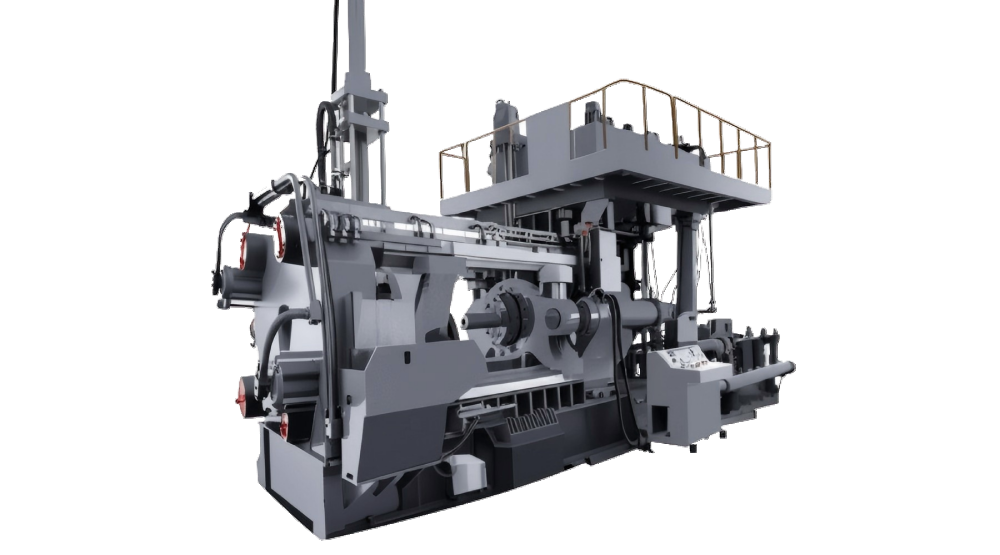
When the cost of troubleshooting exceeds the value of the machine, it is time to consider an upgrade. When selecting a new aluminium extrusion press, prioritize systems that feature closed-loop control. A closed-loop system continuously monitors the ram speed and pressure, making micro-adjustments thousands of times per second. This level of precision is the most effective way to eliminate stop-and-go problems at the source.
Look for presses that offer advanced hydraulic manifold designs. HARSLE’s latest generation of presses utilizes modular manifold blocks that reduce the distance fluid must travel, minimizing pressure drops and turbulence. This design significantly improves the responsiveness of the hydraulic system, allowing for smoother acceleration and deceleration of the ram, which is critical for maintaining consistent profile quality.
Another factor to consider is the integration of the auxiliary equipment. A press is only as good as the line it is connected to. When purchasing, opt for a ‘turnkey’ solution where the press, puller, saw, and cooling table are integrated by a single manufacturer. This ensures that the communication protocols between the machines are optimized, preventing the synchronization issues that often lead to stop-and-go motion.
Finally, evaluate the maintenance support and diagnostic capabilities of the manufacturer. A machine that provides detailed, real-time data logging allows your maintenance team to identify the root cause of a problem before it leads to a full production halt. HARSLE provides comprehensive training and remote diagnostic support, ensuring that your team has the tools to keep the line running at peak efficiency for years to come.
FAQ: Frequently Asked Questions
Why does my aluminium extrusion press stutter during the cycle?
Stuttering is usually caused by hydraulic valve instability, inconsistent billet temperature, or friction issues within the die. It is recommended to check your proportional valve spools and ensure your billet heating furnace is providing uniform temperatures.
How can I tell if my stop-and-go problem is electrical or mechanical?
If the problem occurs at the same point in the stroke every time, it is likely mechanical (e.g., alignment or die wear). If the problem is random or occurs when other heavy machinery starts up, it is likely electrical noise or a sensor issue.
Does hydraulic oil quality affect extrusion speed?
Absolutely. Hydraulic oil that has degraded or contains moisture will have inconsistent viscosity. This prevents the hydraulic system from maintaining the precise pressure required for smooth extrusion, leading to jerky motion.
What is the role of the puller in preventing stop-and-go issues?
The puller must maintain constant tension on the profile. If the puller’s speed control is not perfectly synchronized with the press ram, it will either push back against the press or pull too hard, both of which cause the extrusion line to stutter.
How often should I calibrate my pressure transducers?
For high-volume production, we recommend checking your pressure transducers every six months. If you notice any drift in your pressure readings, calibrate them immediately to ensure the PLC is receiving accurate data.
Conclusión
Fixing extrusion line stop-and-go problems in aluminium pressing is a process of elimination that requires a deep understanding of both the mechanical and electronic systems at play. By focusing on hydraulic integrity, sensor accuracy, and system synchronization, you can restore the smooth, continuous flow that is essential for high-quality aluminium production. Remember that the goal is not just to fix the immediate issue, but to implement a maintenance strategy that prevents these problems from recurring.
At HARSLE, we are committed to providing the metal fabrication industry with the tools and knowledge necessary to succeed. Whether you are looking to troubleshoot an existing line or invest in a new, high-efficiency aluminium extrusion press, our team is here to support your goals. By prioritizing precision and proactive maintenance, you can ensure that your facility remains a leader in the competitive world of aluminium extrusion.
We encourage you to review your current maintenance logs and perform a diagnostic audit of your press today. If you find that your equipment is reaching the end of its reliable service life, reach out to our experts to discuss how a modern HARSLE solution can help you eliminate stop-and-go problems once and for all, boosting your output and your bottom line.