How to Fix Excessive Dust and Fines from a Four-Shaft Shredder: A Comprehensive Industrial Guide


Introducción
In the world of industrial waste management and metal fabrication, the four-shaft shredder stands as a powerhouse of efficiency. Designed to handle complex materials ranging from electronic waste to bulky scrap metal, these machines are essential for volume reduction and material recovery. However, operators often face a common operational hurdle: the generation of excessive dust and fine particles. When a shredder produces too many fines, it not only creates a hazardous working environment but also reduces the quality of the output material and increases wear on the machine’s internal components.
Understanding how to fix excessive dust and fines from a four-shaft shredder is critical for facility managers looking to optimize their production lines. Excessive dust is often a symptom of improper blade configuration, incorrect feed rates, or inadequate material handling protocols. By addressing these root causes, businesses can improve their environmental compliance, reduce fire risks associated with combustible dust, and extend the lifespan of their HARSLE industrial machinery.
This guide explores the technical intricacies of four-shaft shredding systems, providing actionable strategies to mitigate dust generation. Whether you are processing plastics, wood, or metal scrap, the principles of particle size control remain consistent. We will delve into the mechanical adjustments, maintenance schedules, and operational best practices required to maintain a clean, efficient, and high-performing shredding operation.

Key Considerations for Dust and Fine Particle Management
The first step in addressing dust generation is identifying where the fines are being created. In a four-shaft shredder, the primary cutting action occurs between the interlocking blades of the four shafts. If the clearance between these blades is too wide or if the blades are worn, the machine may tear material rather than shear it cleanly. This tearing action is a primary contributor to the creation of unwanted dust and fine particles.
Material moisture content also plays a significant role. Dry, brittle materials are far more likely to shatter into dust when subjected to the high-torque forces of a four-shaft shredder. Conversely, materials that are too wet may clog the screen, leading to a recirculating load where material is shredded repeatedly, further breaking down into fines. Balancing the moisture content of the input stream is a simple yet effective way to manage output quality.
Another key consideration is the screen size and discharge system. The screen acts as the final gatekeeper for particle size. If the screen holes are too small for the specific material being processed, the material remains in the cutting chamber for too long. This over-processing is a common culprit for excessive fines. Operators must ensure that the screen size is matched to the desired output specification and the physical properties of the feedstock.
Finally, consider the airflow within the shredding chamber. High-speed shredders can create a vacuum effect that pulls dust into the air. Implementing dust extraction systems or negative pressure enclosures around the discharge point can help contain the dust that is inevitably produced, even when the shredding process is optimized. This holistic approach ensures that the environment remains safe while the machine operates at peak efficiency.
Technical Details: Optimizing Blade Geometry and Speed
To effectively fix excessive dust and fines from a four-shaft shredder, one must look at the heart of the machine: the blade assembly. The geometry of the blades determines how the material is gripped, torn, or cut. For materials prone to dust generation, blades with a more aggressive hook angle may be counterproductive. Switching to a blade profile with a shallower angle can promote a cleaner shear, reducing the shattering effect that leads to fines.
Shaft speed is another critical technical variable. While higher speeds increase throughput, they also increase the kinetic energy imparted to the material. When material is struck at high velocity, it is more likely to fracture into smaller, dust-like particles. Reducing the RPM of the shafts can significantly decrease the amount of fines produced. Many modern HARSLE shredders feature variable frequency drives (VFDs) that allow operators to fine-tune the shaft speed based on the specific material being processed.
Blade clearance is perhaps the most important mechanical factor. As blades wear down, the gap between them increases. This gap allows material to pass through without being properly sheared, leading to the machine working harder and the material being crushed rather than cut. Regular inspection and sharpening of the blades are non-negotiable. Maintaining a tight, uniform clearance across all four shafts ensures that every piece of material is processed with precision, minimizing the creation of dust.
Furthermore, the arrangement of the blades on the shafts can be customized. By alternating the blade thickness and tooth count, operators can create a shredding pattern that is better suited to the material’s density. For example, using thicker blades for tougher materials prevents the material from being pulverized, while a specific tooth pattern can help pull material through the chamber more efficiently, reducing the residence time and the subsequent breakdown into fines.
Selection Advice: Choosing the Right Shredder for Your Application
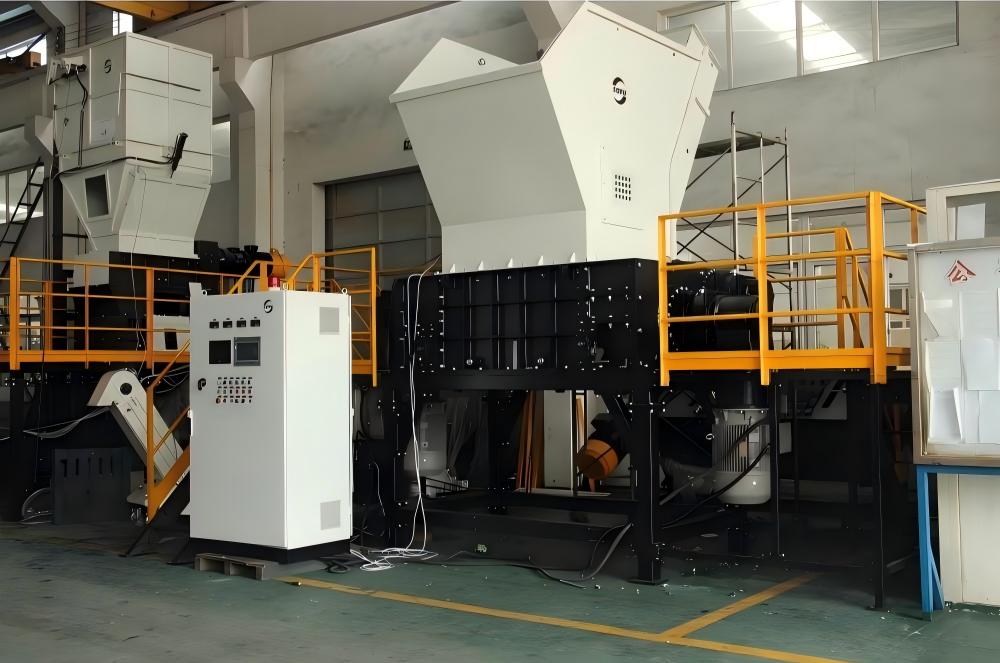
When selecting a four-shaft shredder, the initial choice of equipment can dictate your dust management success. It is vital to choose a machine that is appropriately sized for your throughput requirements. An undersized machine will be pushed to its limits, leading to overheating and excessive material breakdown, while an oversized machine may be inefficient. HARSLE provides comprehensive consultations to ensure that the shredder’s torque, power, and cutting chamber dimensions align with your specific material stream.
Consider the integration of auxiliary equipment. If your process inherently produces dust, look for shredders that come equipped with integrated dust suppression systems, such as water misting or localized vacuum extraction ports. These features are much more effective when designed into the machine from the start rather than added as an afterthought. Additionally, look for machines with modular screen designs that allow for quick changes when switching between different material types.
The quality of the steel used in the blades is another factor that impacts dust generation over time. High-grade, wear-resistant alloy steels maintain their edge longer, ensuring that the shredding action remains clean throughout the life of the blade. Investing in premium blades may have a higher upfront cost, but it pays dividends by reducing the frequency of maintenance and the amount of fines produced due to dull cutting edges.
Finally, evaluate the control system. A sophisticated PLC (Programmable Logic Controller) can monitor motor load and automatically adjust the feed rate or reverse the shafts if a jam is detected. By preventing jams and maintaining a consistent feed, the control system helps prevent the erratic shredding cycles that often lead to excessive fines. Always prioritize equipment that offers real-time data monitoring and diagnostic capabilities.
Maintenance Best Practices for Dust Reduction
Consistent maintenance is the most effective way to fix excessive dust and fines from a four-shaft shredder over the long term. A proactive maintenance schedule should include daily inspections of the cutting chamber. Look for signs of uneven wear on the blades, which can indicate that the material is not being fed uniformly. If one side of the shaft is wearing faster, it may be time to adjust the feed hopper or the material distribution system.
Lubrication and cooling are also vital. Friction generates heat, and heat can change the physical properties of certain materials, making them more brittle and prone to dusting. Ensure that the shredder’s cooling system is functioning correctly and that the bearings are properly lubricated to prevent vibration. Excessive vibration in the shaft assembly can lead to erratic blade movement, which contributes to the creation of fine particles.
Screen maintenance is often overlooked. Over time, the holes in the screen can become rounded or enlarged due to abrasion. A worn screen will allow smaller particles to pass through that should have been retained for further shredding, or conversely, it may trap material that should have been discharged. Regularly inspect the screen for structural integrity and replace it as soon as signs of wear appear to maintain consistent output quality.
Finally, keep a detailed log of your shredding parameters. Document the material type, moisture content, shaft speed, and screen size for every production run. Over time, this data will reveal patterns that help you optimize your settings. If you notice a spike in dust production, you can refer to your logs to see if a particular material or setting change is the cause. This data-driven approach is the hallmark of a professional metal fabrication operation.
FAQ: Common Questions About Shredder Dust
Why does my shredder produce more dust when processing dry materials?
Dry materials lack the internal cohesion provided by moisture, making them more susceptible to brittle fracture. When the high-torque blades of a four-shaft shredder strike dry material, it shatters into smaller pieces rather than tearing, which results in a higher volume of fines and dust.
How often should I sharpen the blades to prevent dust?
The frequency of sharpening depends on the abrasiveness of the material being processed. For heavy metal scrap, inspection should occur weekly. If you notice a decrease in throughput or an increase in dust, it is a clear indicator that the blades have lost their edge and require sharpening or replacement.
Can a VFD help reduce dust?
Yes, a Variable Frequency Drive (VFD) allows you to reduce the rotational speed of the shafts. By slowing down the shredding process, you reduce the impact force on the material, which helps maintain larger particle sizes and minimizes the creation of fine dust.
Is it better to use a screen or not?
Using a screen is essential for controlling particle size. Without a screen, material may pass through the shredder too quickly or be over-processed, both of which lead to inconsistent output and increased dust. A properly sized screen ensures that material is only discharged once it meets your specific size requirements.
Conclusión
Fixing excessive dust and fines from a four-shaft shredder is a multifaceted challenge that requires a combination of mechanical precision, operational discipline, and the right equipment. By focusing on blade geometry, shaft speed, and consistent maintenance, you can significantly improve the quality of your output and create a safer, more efficient work environment. HARSLE remains committed to providing the industrial machinery and technical support necessary to help your facility achieve these goals.
Remember that the goal is not just to eliminate dust, but to optimize the entire shredding process. When your machine is running at its ideal parameters, you will see improvements in energy efficiency, blade longevity, and overall productivity. Use the strategies outlined in this guide to audit your current operations, and do not hesitate to reach out to our technical team for specific advice tailored to your unique material stream. With the right approach, your four-shaft shredder will continue to be a reliable and high-performing asset for years to come.