Container Shear Price Guide for Export Buyers: Factors That Change the Final Quote

Price Range Overview: Understanding the Investment
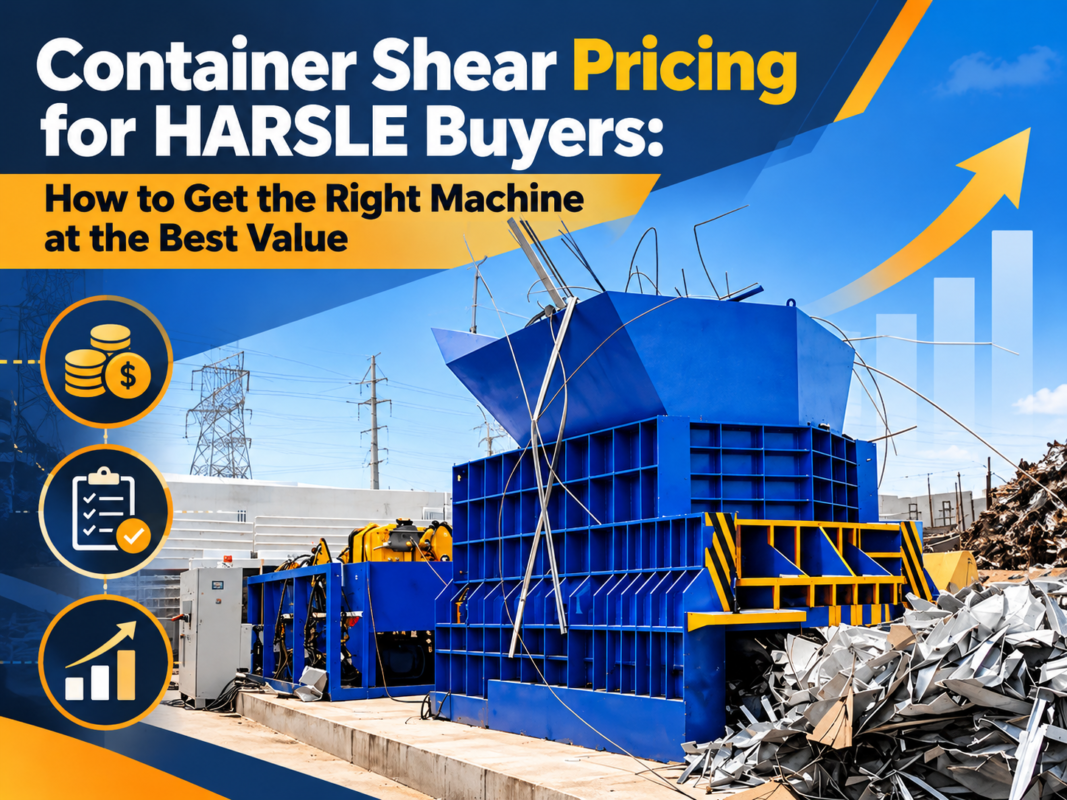
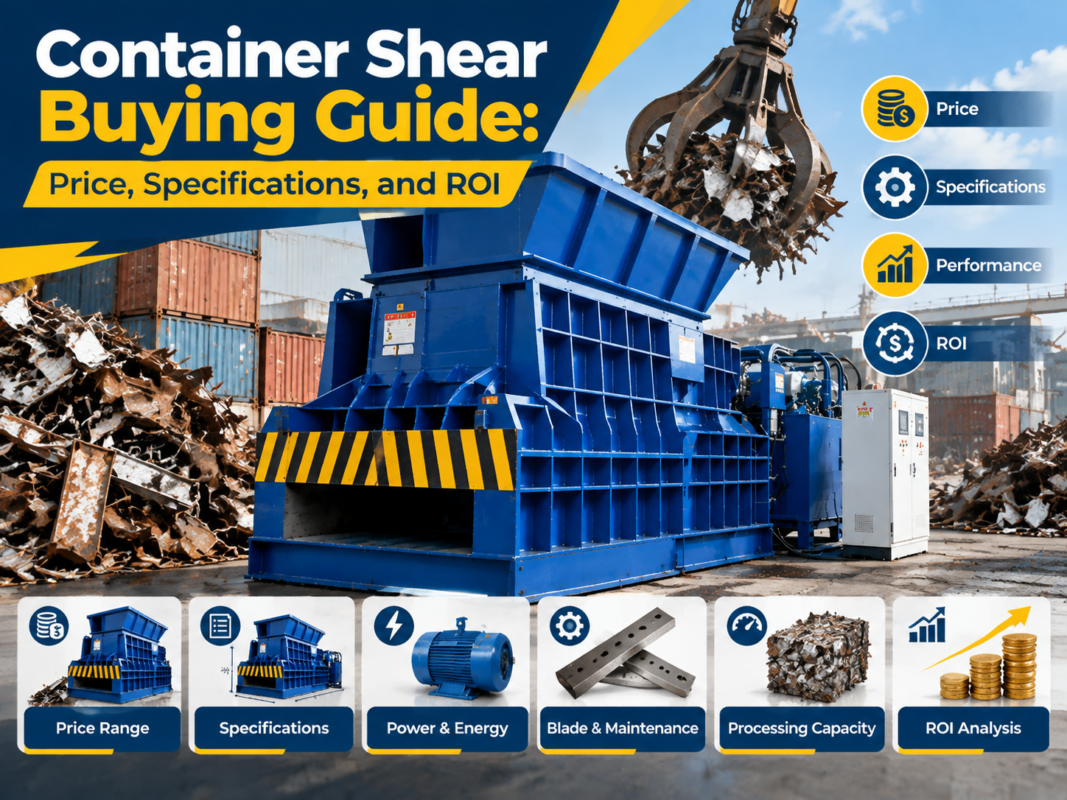
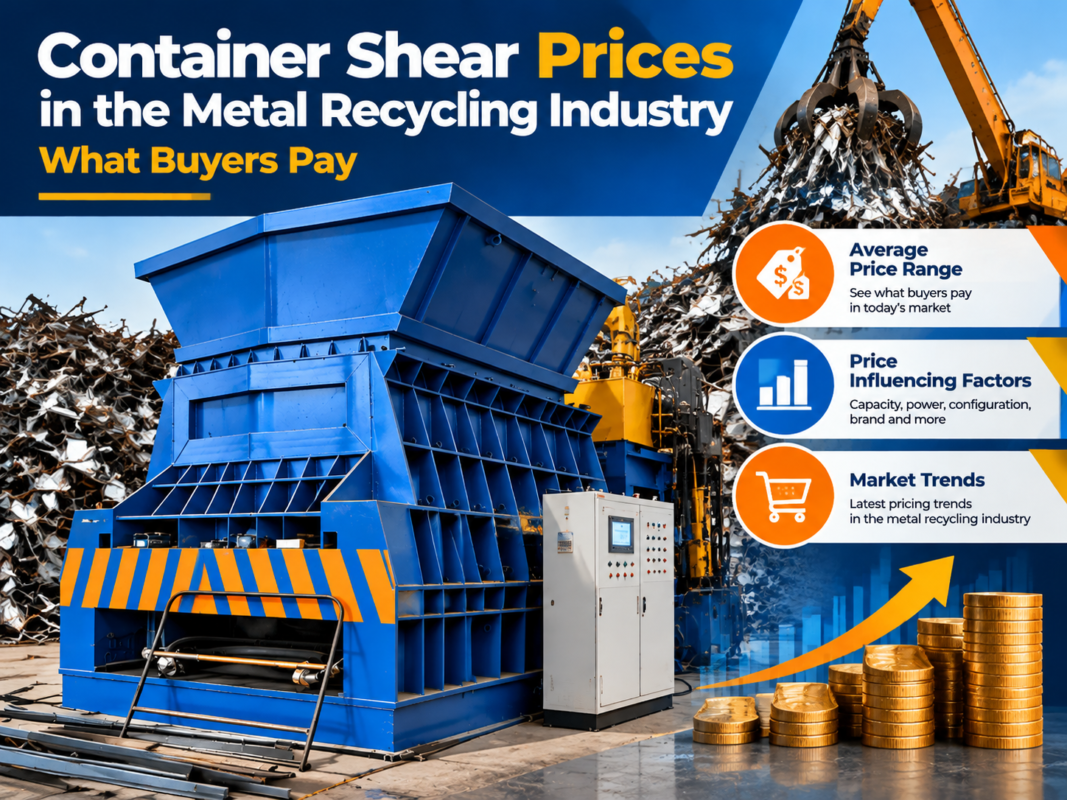
For industrial export buyers, the container shear represents a significant capital investment. Unlike standard shearing equipment, container shears are designed for high-volume scrap metal processing, offering mobility and efficiency that traditional stationary shears cannot match. Generally, the price range for a high-quality industrial container shear can span from $80,000 to over $350,000, depending on the cutting force, throughput capacity, and automation level required for your specific operation.
The market for these machines is highly segmented. Entry-level models, often used for smaller scrap yards or light-duty metal recycling, sit at the lower end of the spectrum. These machines prioritize portability and ease of use. Conversely, heavy-duty, high-tonnage shears designed for processing thick structural steel and industrial-grade scrap command premium pricing due to the reinforced materials and advanced hydraulic systems required to handle such stress.
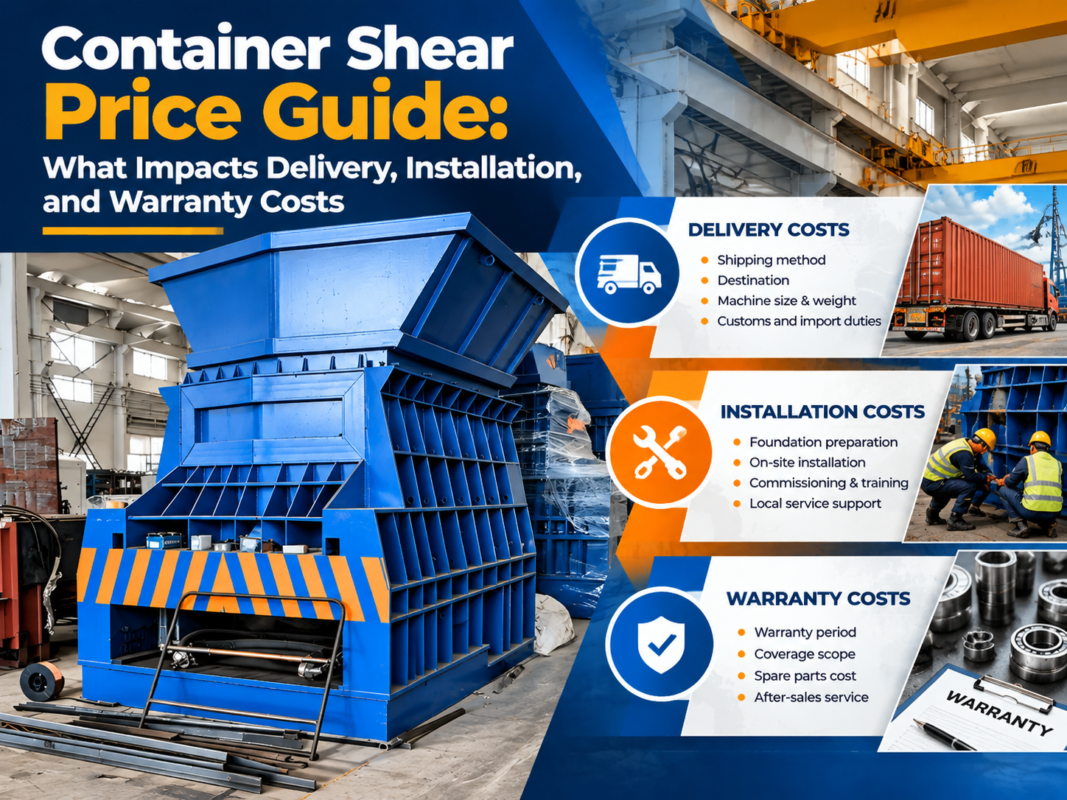
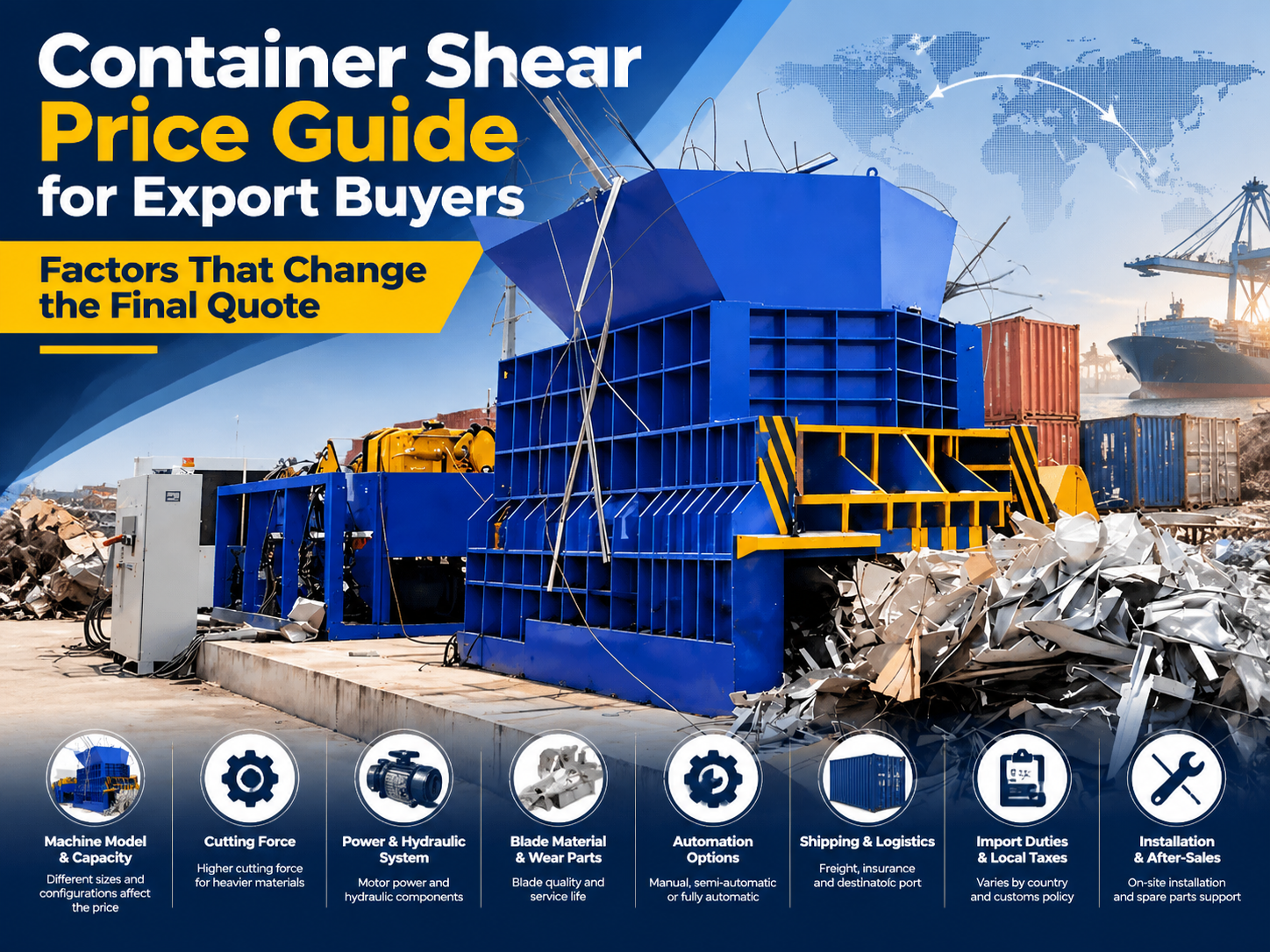
When evaluating the price, it is essential to distinguish between the base machine cost and the total landed cost. Export buyers must account for international shipping, customs duties, and local installation support. HARSLE provides transparent pricing structures, but buyers should always request a detailed quote that breaks down the machine specifications versus the logistics costs to ensure they are comparing apples to apples.
Market volatility in steel prices also plays a role in the final quote. Because container shears are constructed from high-grade, wear-resistant steel, fluctuations in raw material costs directly impact manufacturing expenses. When requesting a quote, confirm the validity period of the price, as industrial machinery manufacturers often adjust quotes based on current steel market indices.
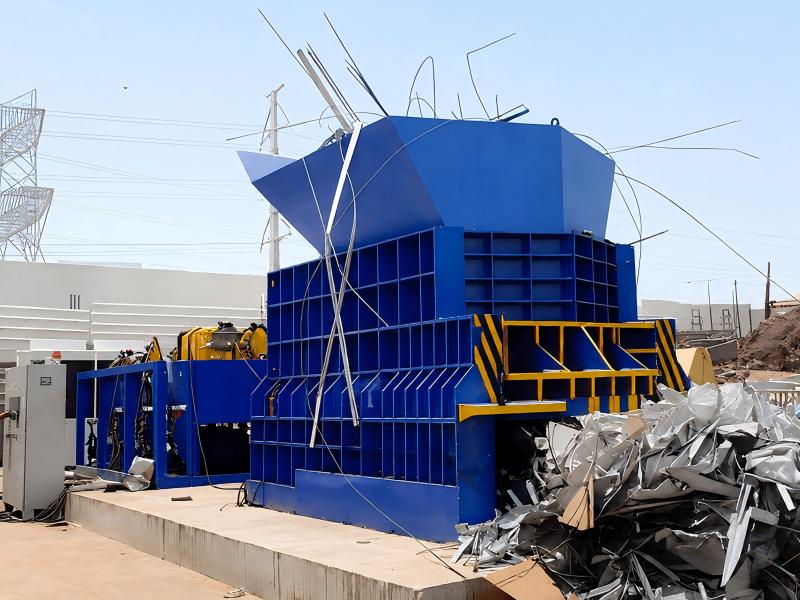
Main Cost Drivers: What Influences the Final Quote
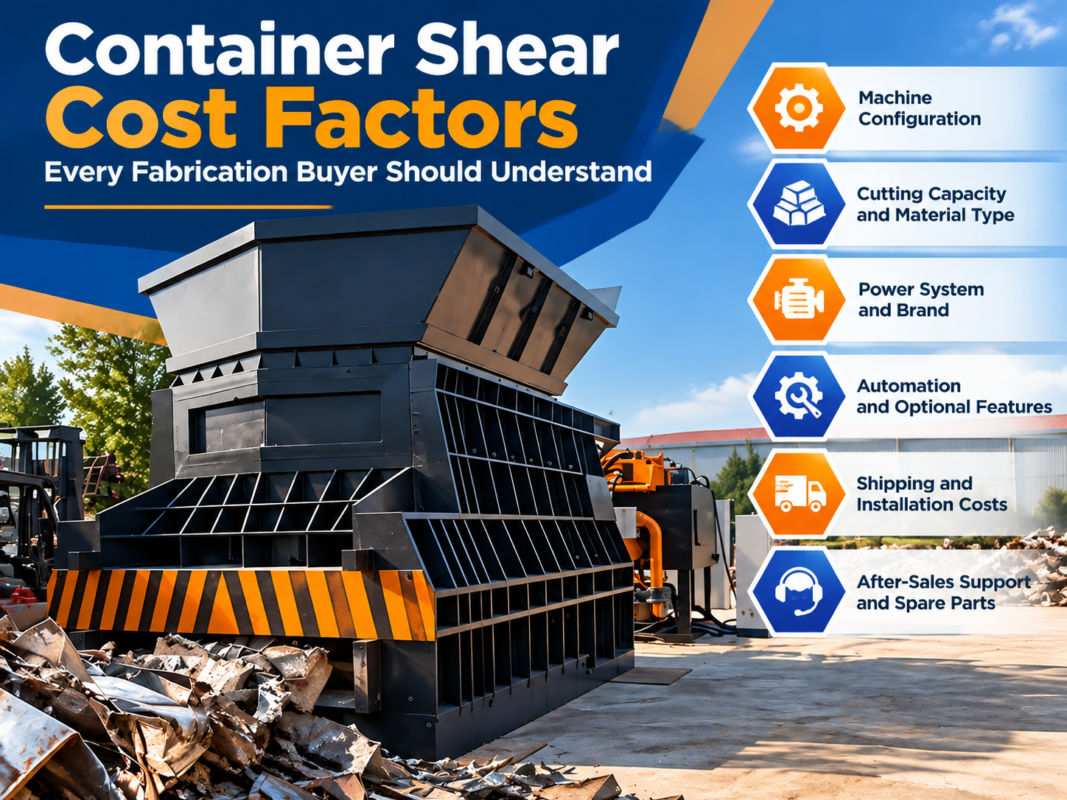
The primary driver of any container shear price is the cutting force, measured in tons. A machine capable of shearing 600 tons of force will naturally be priced higher than a 400-ton model. This force determines the thickness and type of material the machine can process. For export buyers, selecting the right tonnage is a balance between current needs and future scalability. Over-specifying leads to unnecessary capital expenditure, while under-specifying leads to machine fatigue and increased maintenance costs.
Hydraulic system quality is another major cost factor. HARSLE utilizes premium-grade hydraulic pumps, valves, and seals to ensure longevity and consistent performance. Cheaper alternatives may offer a lower initial price tag but often fail under the extreme pressure cycles required for continuous scrap processing. Investing in a robust hydraulic system reduces downtime, which is the most expensive hidden cost in any recycling operation.
The structural integrity of the shear box is equally critical. Container shears are subjected to immense internal pressure as material is compressed and fed into the cutting blade. Manufacturers that use high-tensile, wear-resistant steel plates for the shear box lining provide a more durable product. The quality of the welding and the thickness of the steel frame are non-negotiable cost drivers that ensure the machine can withstand years of heavy-duty operation without structural failure.
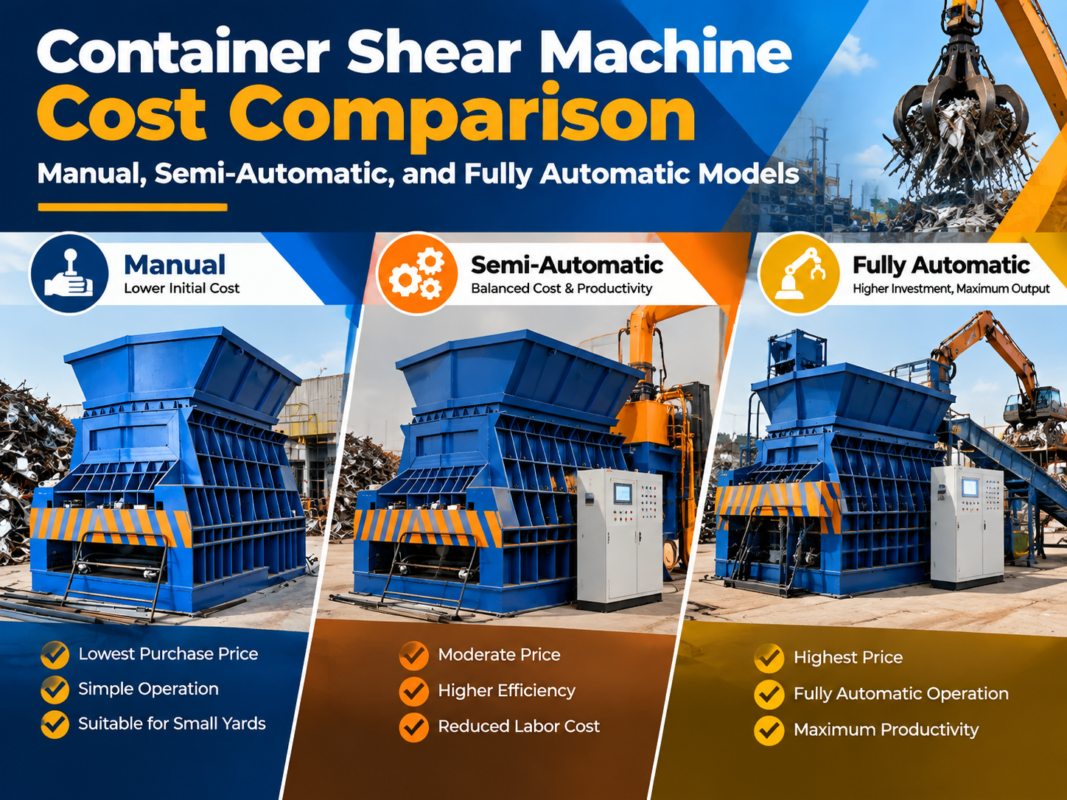
Finally, the control system and automation level significantly influence the final quote. Modern container shears are equipped with PLC (Programmable Logic Controller) systems that allow for automated shearing cycles, remote diagnostics, and real-time performance monitoring. While these features increase the upfront price, they drastically improve operational efficiency and safety, providing a faster return on investment through reduced labor costs and optimized cycle times.
Configuration Impact: Customizing for Your Needs
Customization is a hallmark of HARSLE’s approach to industrial machinery. Export buyers often require specific configurations to meet local power standards, environmental regulations, or site-specific space constraints. For instance, the choice between an electric motor and a diesel engine can change the price significantly. Electric motors are generally more efficient and cheaper to maintain, but they require a stable, high-voltage power supply, which may not be available in remote scrap yard locations.
The feeding mechanism is another area where configuration impacts cost. Some buyers require a side-loading hopper, while others need a crane-fed system. The complexity of the loading mechanism, combined with the integration of conveyor belts or sorting systems, adds to the total cost. A fully integrated processing line, where the container shear is part of a larger system, will always command a higher price than a standalone unit.
Blade design and material are also customizable. Depending on the type of scrap you are processing—whether it is light sheet metal, automotive scrap, or heavy structural beams—the blade geometry and hardness must be adjusted. Using specialized alloys for the blades increases the initial cost but extends the time between sharpening cycles, which is a critical factor for high-volume operations.
Lastly, consider the mobility configuration. While “container shear” implies a portable design, the level of mobility varies. Some units are mounted on heavy-duty trailers for frequent relocation, while others are designed for semi-permanent installation. The inclusion of hydraulic leveling jacks, specialized tires, and road-legal lighting systems adds complexity and cost to the manufacturing process.
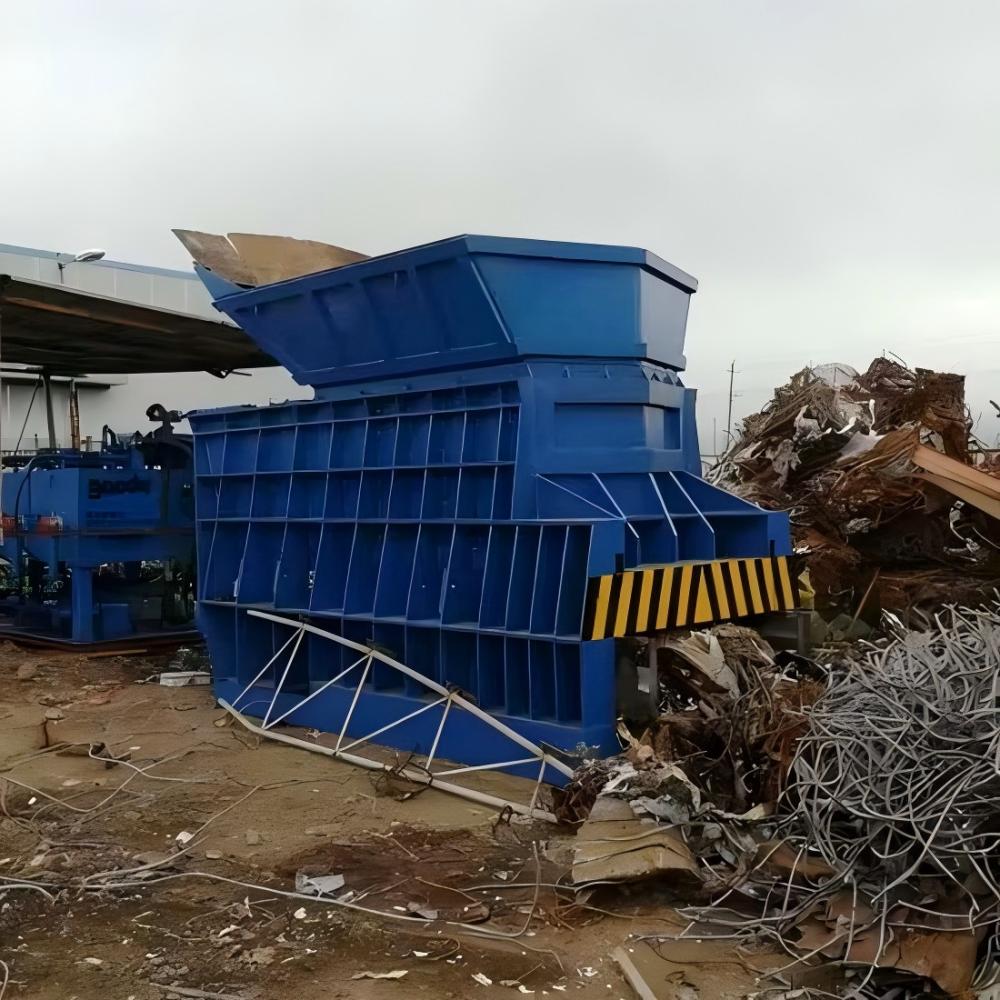
Hidden Costs: Beyond the Sticker Price
When analyzing the Container Shear Price Export Buyers Factors That Change The Final Quote, it is vital to look beyond the invoice. One of the most significant hidden costs is the installation and commissioning phase. While some manufacturers provide remote support, others require on-site technicians to calibrate the machine and train local operators. Ensure your quote specifies whether installation support is included or if it is an additional service fee.
Spare parts inventory is another often-overlooked cost. A container shear is a high-wear machine. You will eventually need replacement blades, hydraulic seals, and filters. Export buyers should negotiate a “startup spare parts kit” as part of the initial purchase. Relying on air-freighted parts later can be prohibitively expensive and lead to weeks of downtime. Having a local stock of critical components is a strategic necessity.
Training and certification costs should also be factored in. Operating a high-tonnage shear requires skilled personnel. If your team is not familiar with the specific PLC interface or the maintenance protocols of the machine, you may need to budget for professional training sessions. Some manufacturers offer virtual training, while others provide on-site workshops, both of which have different cost implications.
Finally, consider the cost of compliance. Depending on the destination country, your machine may need specific safety certifications or environmental modifications to meet local regulations. For example, noise reduction enclosures or specific safety interlocks might be mandatory. Failing to account for these requirements can lead to customs delays or the need for expensive retrofitting after the machine arrives.
ROI Calculation: Justifying the Investment
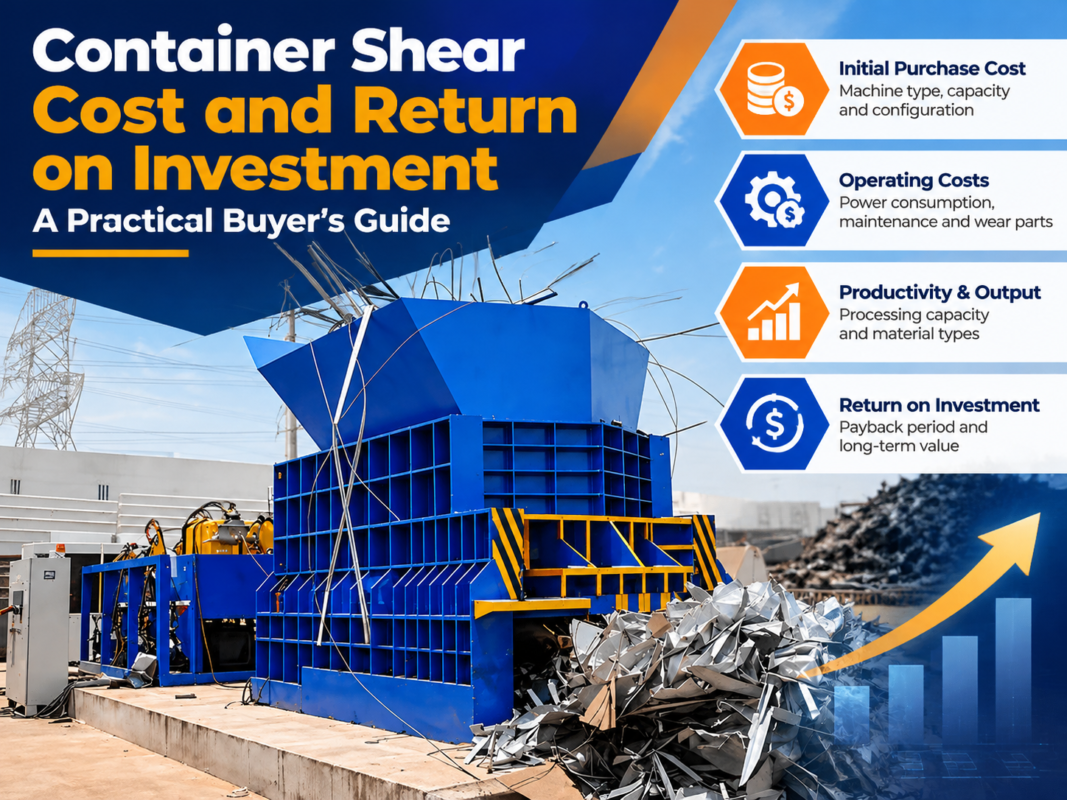
Calculating the Return on Investment (ROI) for a container shear involves looking at the increase in scrap density and the reduction in transportation costs. By shearing scrap into uniform, dense pieces, you can load significantly more weight into a standard shipping container or truck. This directly reduces the cost per ton for logistics, which is often the largest expense in the scrap metal supply chain.
To calculate your ROI, start by determining your current transportation costs per ton. Then, estimate the density increase provided by the container shear. If you can increase the weight of a 20-foot container by 20-30%, the savings on shipping alone can often pay for the machine within 18 to 24 months. This is the most compelling argument for justifying the purchase to stakeholders or financial institutions.
Labor savings are another key component of the ROI. A modern, automated container shear requires fewer operators than manual cutting or sorting methods. By reducing the man-hours required to process a ton of scrap, you lower your operational overhead. When calculating this, include the cost of benefits, insurance, and the potential for human error, which is significantly higher in manual processing environments.
Finally, consider the value-add of the processed scrap. High-quality, sheared scrap is more desirable to steel mills and foundries. It is easier to melt, requires less energy to process, and often commands a higher market price than unsorted or oversized scrap. By upgrading your processing capabilities, you move up the value chain, allowing you to negotiate better contracts with your end-buyers.
Buying Advice: A Checklist for Export Buyers
When you are ready to move forward, follow this checklist to ensure you are getting the best value for your investment:
- Define your throughput requirements: Be realistic about how many tons per hour you need to process. Don’t pay for capacity you won’t use.
- Request a detailed technical specification: Ensure the quote includes the motor power, hydraulic pressure, blade material, and PLC brand.
- Ask for a reference list: Speak to other export buyers who have purchased the same model. Their experience with maintenance and support is invaluable.
- Verify shipping terms: Use Incoterms (like CIF or DDP) to clearly define who is responsible for the machine during transit.
- Negotiate a service contract: If you don’t have an in-house maintenance team, negotiate a long-term service agreement with the manufacturer.
- Check for local support: Does the manufacturer have a local distributor or service partner in your region?
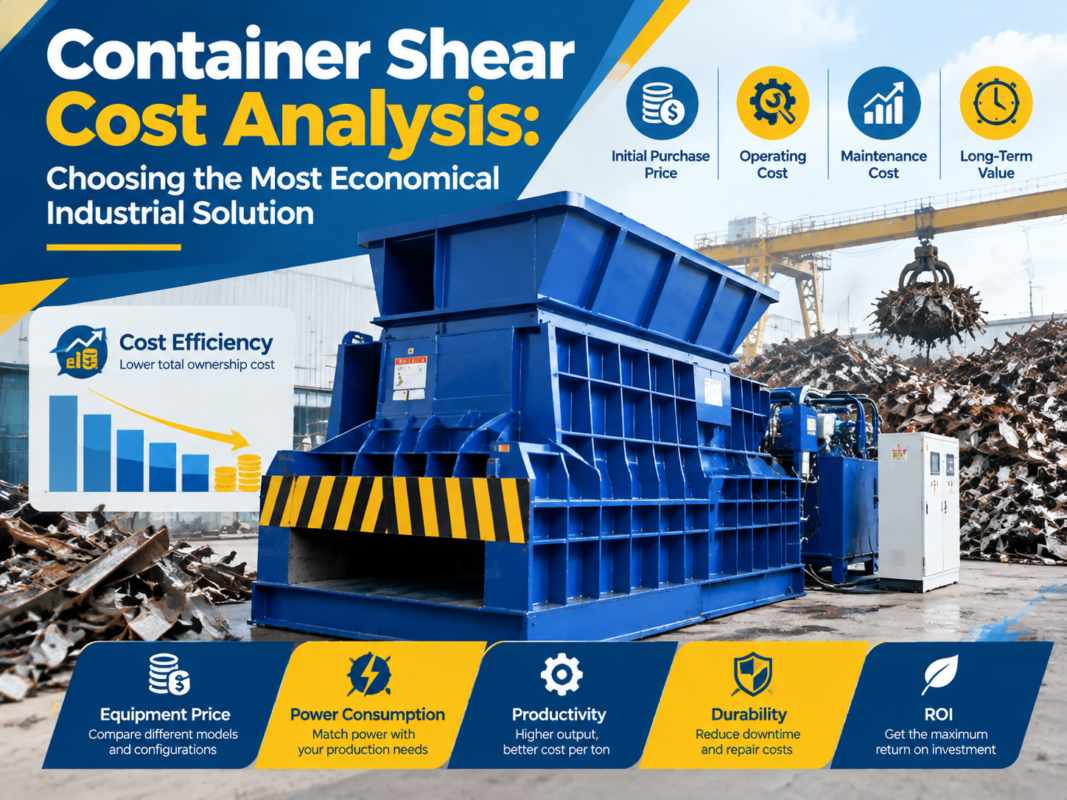
By following these steps, you can navigate the complexities of the international machinery market with confidence. HARSLE is committed to providing transparent, high-quality solutions that empower your business to grow. Remember that the cheapest machine is rarely the most profitable; focus on the total cost of ownership and the long-term reliability of the equipment.
FAQ: Frequently Asked Questions
How long does it take to manufacture a container shear?
Typically, manufacturing takes between 45 to 90 days, depending on the level of customization and current factory lead times. Always confirm the production schedule before finalizing your purchase.
What is the most common maintenance issue?
Blade wear is the most common issue. Regular inspection and timely sharpening or replacement of blades are essential to maintain cutting efficiency and prevent damage to the shear box.
Can I use a container shear for non-ferrous metals?
Yes, but the machine configuration must be adjusted. Non-ferrous metals have different shearing characteristics, and the blade clearance and hydraulic pressure settings will need to be optimized for the specific material type.
What power supply is required?
Most industrial container shears require a 3-phase industrial power supply. Ensure your facility meets the voltage and frequency requirements specified in the machine’s technical manual before delivery.
Does HARSLE provide remote diagnostics?
Yes, many of our modern models are equipped with IoT-enabled control systems that allow our engineers to perform remote diagnostics and software updates, significantly reducing the need for on-site visits.