Container Shear Prices In The Metal Recycling Industry: What Buyers Pay

Price Range Overview: Understanding the Market
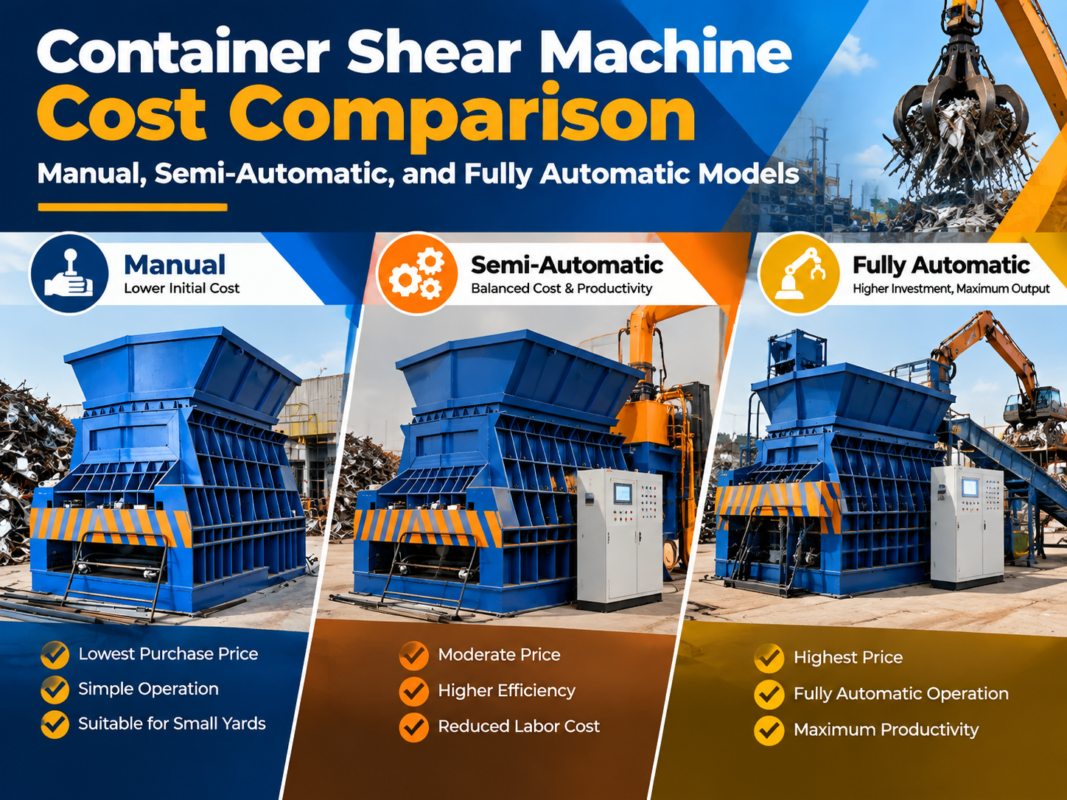
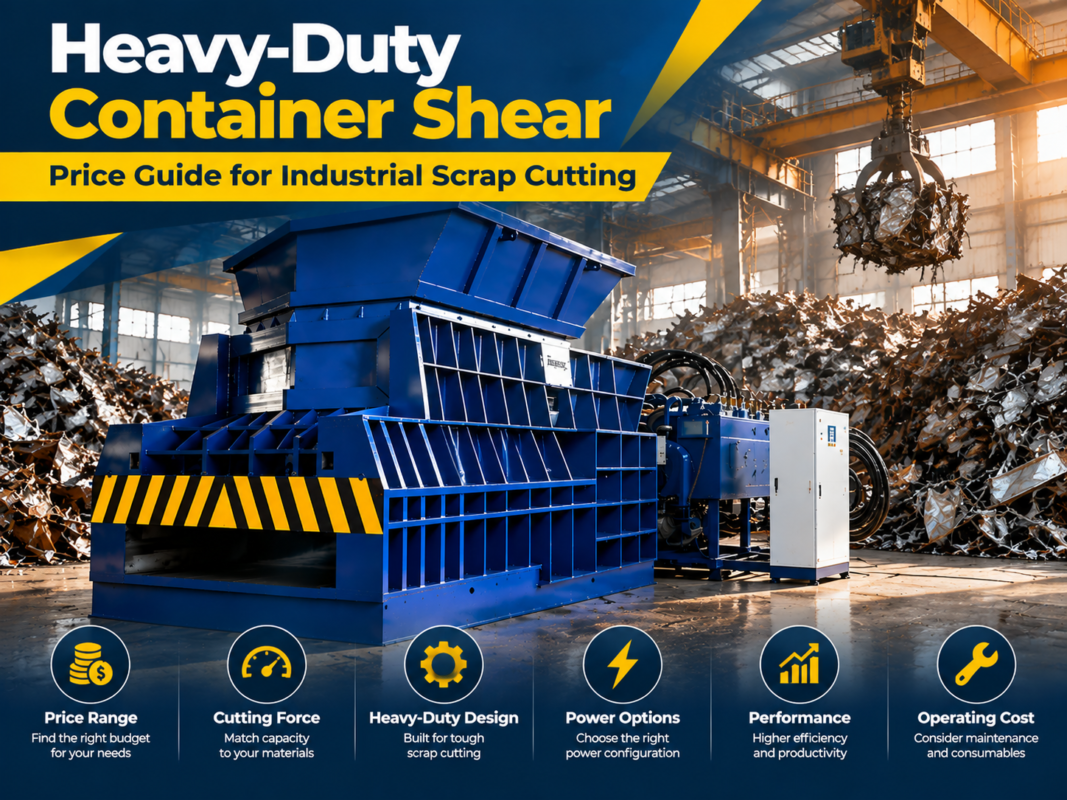
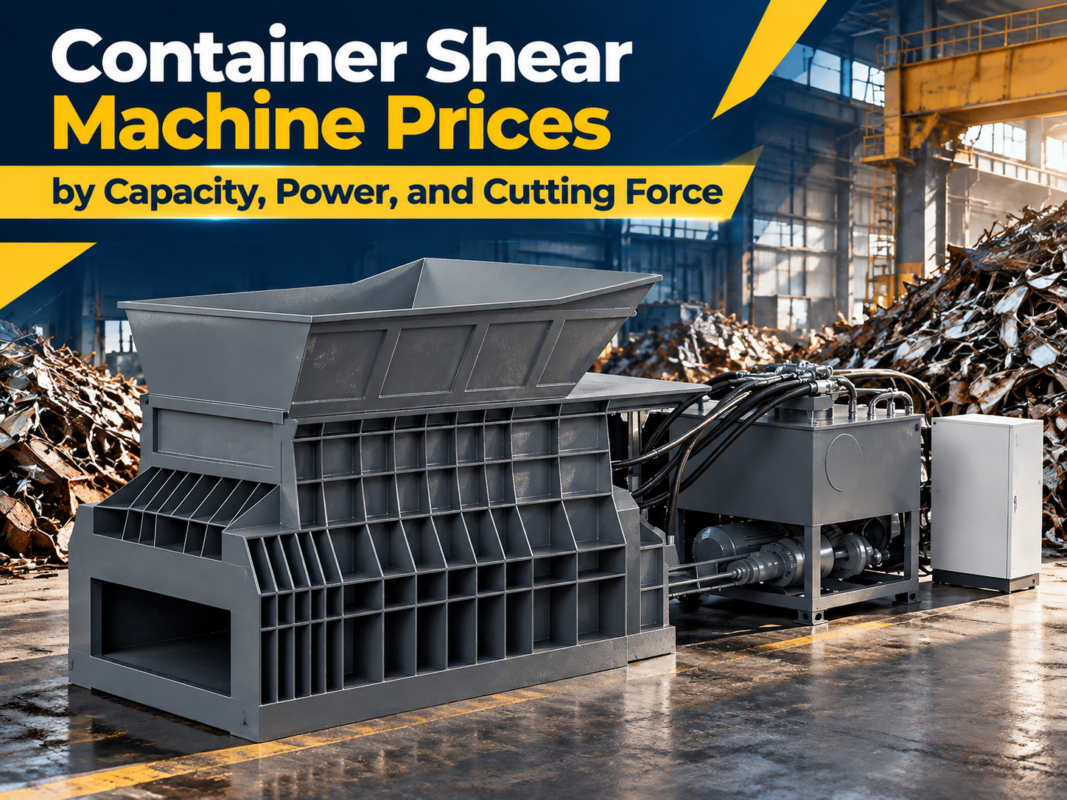
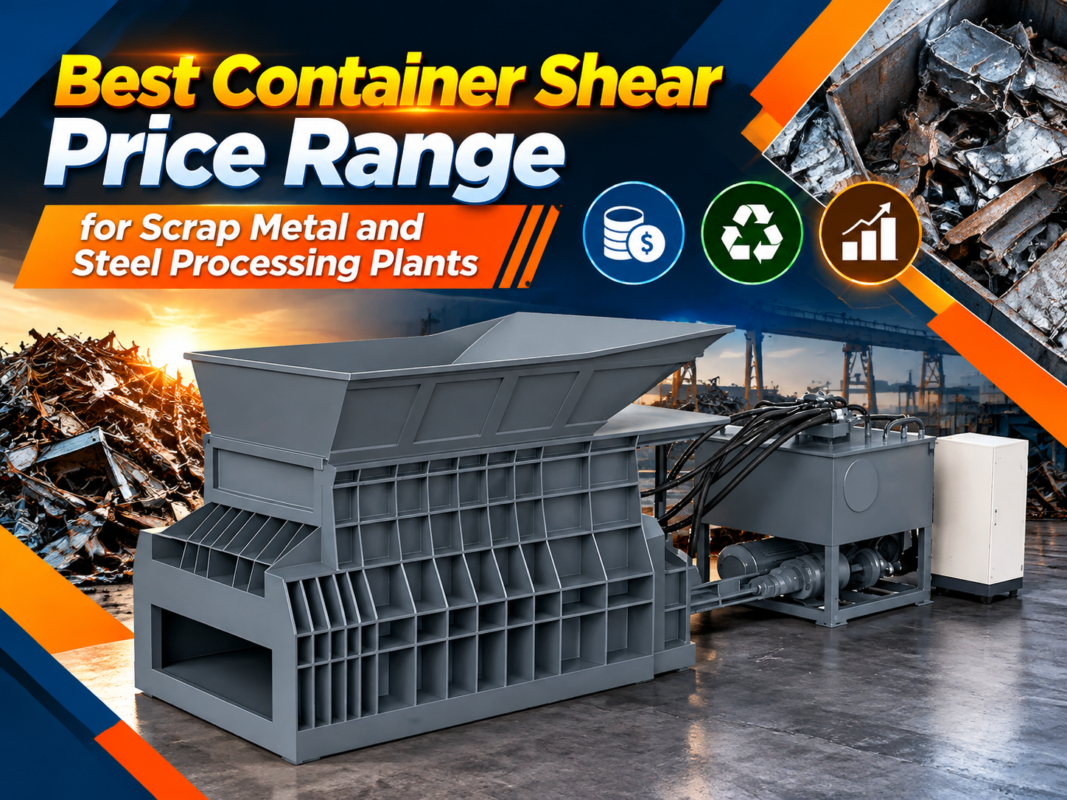
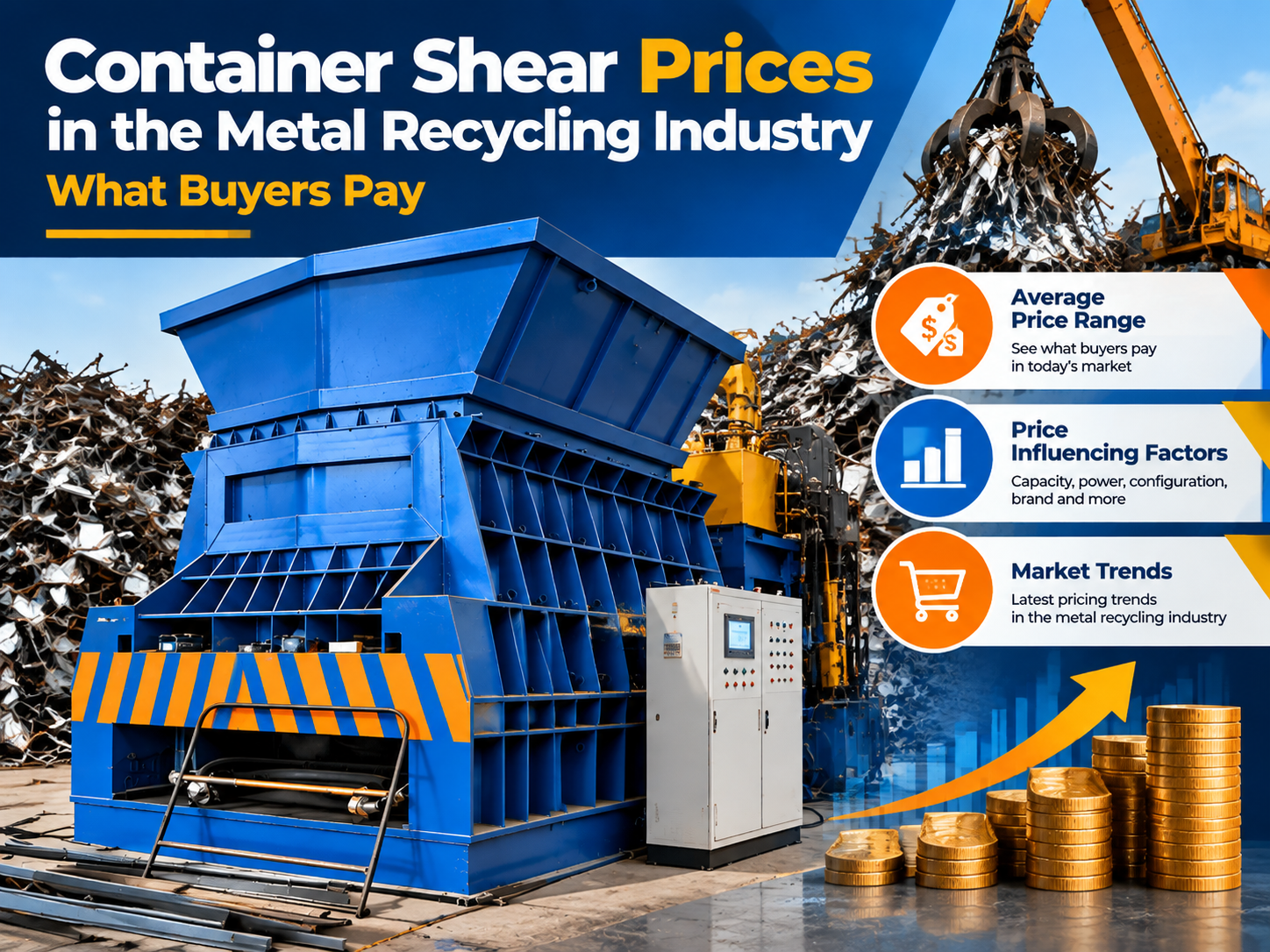
When evaluating container shear prices in the metal recycling industry, buyers must first understand that these machines are not off-the-shelf commodities. They are high-capacity industrial assets designed for extreme durability. Generally, the market for container shears ranges from $80,000 for entry-level, smaller-capacity units to upwards of $500,000 for fully automated, high-tonnage systems. The price variance is dictated by the shear force, the size of the feed opening, and the level of automation integrated into the system.
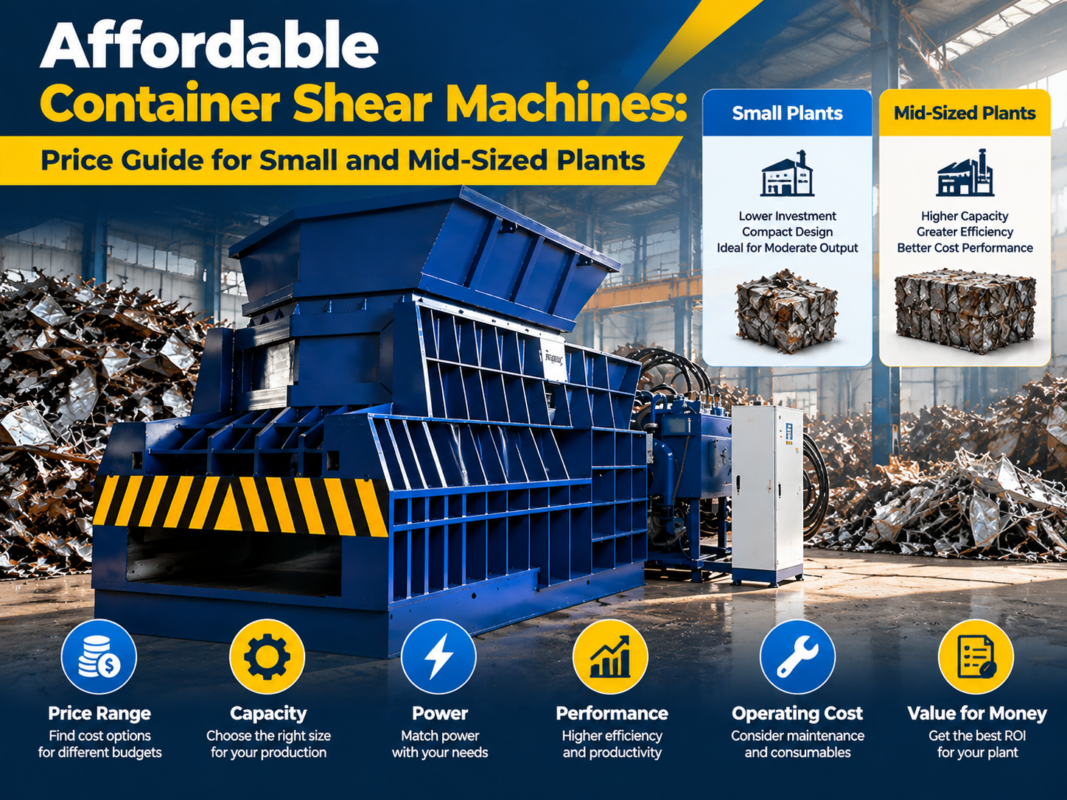
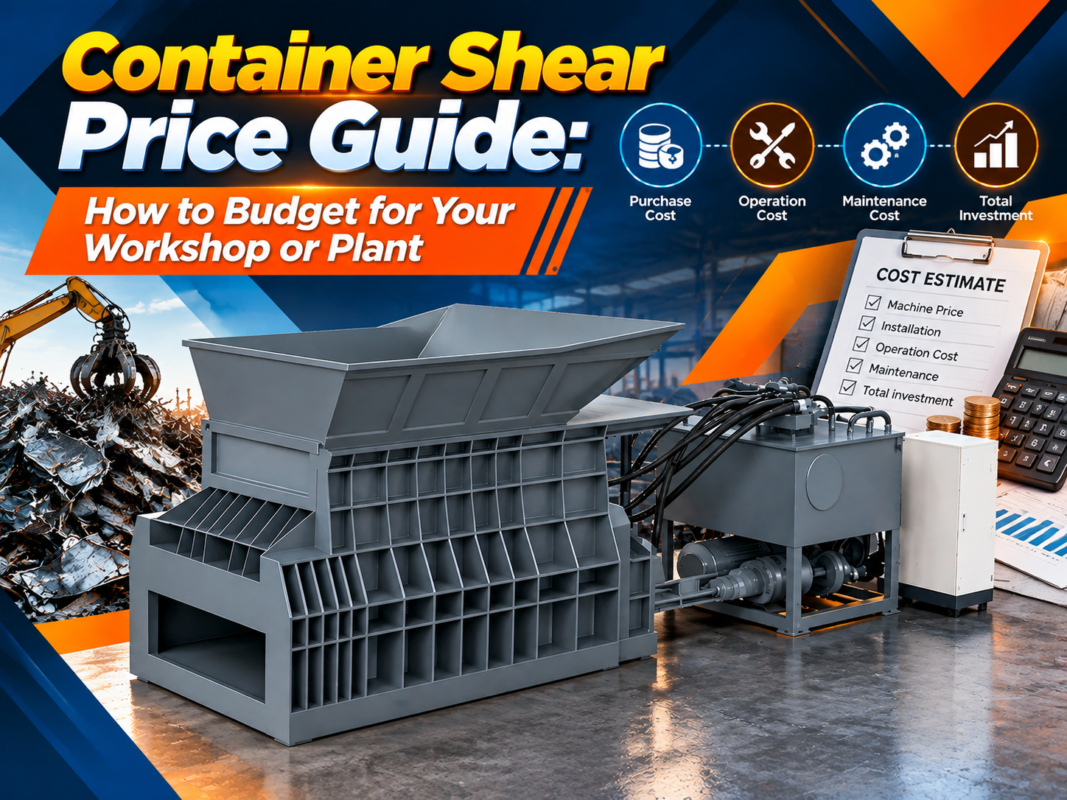
For small to medium-sized scrap yards, a mid-range container shear typically falls between $150,000 and $280,000. These machines are designed to handle standard scrap volumes while maintaining a balance between initial capital expenditure and operational throughput. It is crucial for buyers to look beyond the sticker price and consider the total cost of ownership, including power consumption, maintenance schedules, and the expected lifespan of the cutting blades.
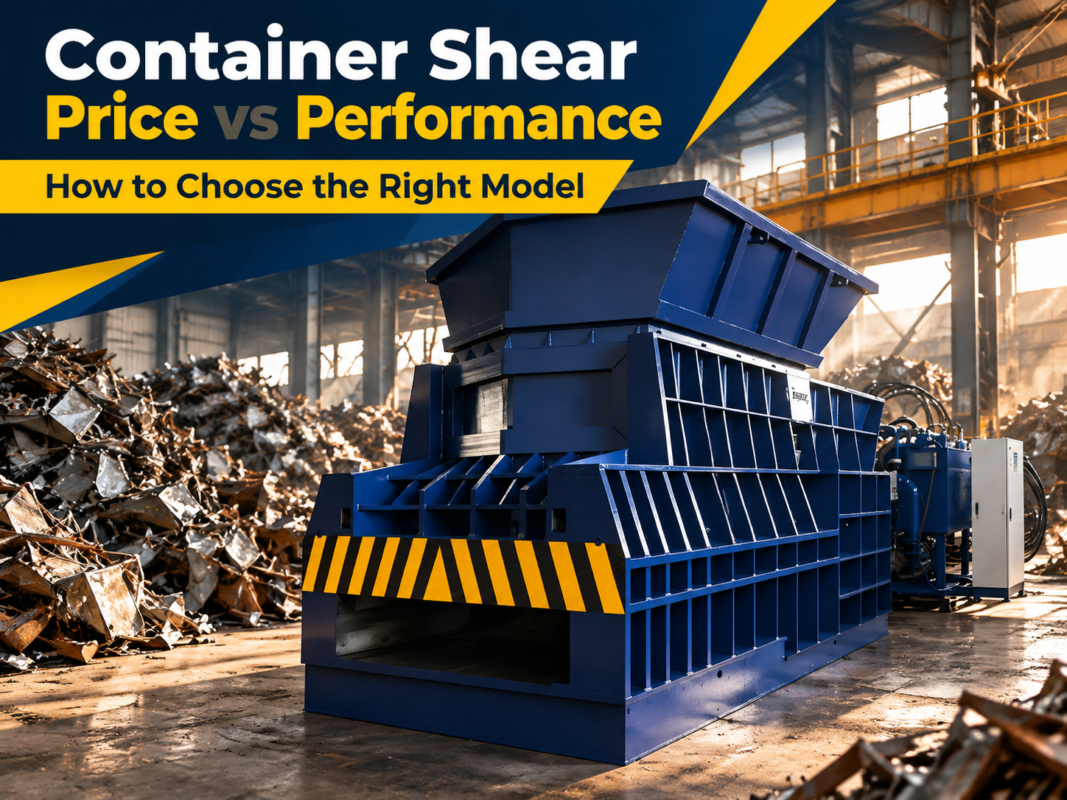
HARSLE provides a diverse range of configurations to ensure that recycling facilities can find a machine that aligns with their specific volume requirements. When analyzing container shear prices in the metal recycling industry: buyers pay for engineering precision. A machine that is built with high-grade steel and reinforced hydraulic systems will command a higher price but will offer significantly lower downtime over a five-year period compared to cheaper, lighter alternatives.
Market fluctuations in steel prices and hydraulic components also influence the final cost. Buyers should be aware that lead times and shipping logistics can add a significant percentage to the final invoice. It is recommended to request a detailed quote that breaks down the machine cost, shipping, installation, and commissioning services to get a clear picture of the total investment required for your facility.
Main Cost Drivers: What Influences the Price Tag
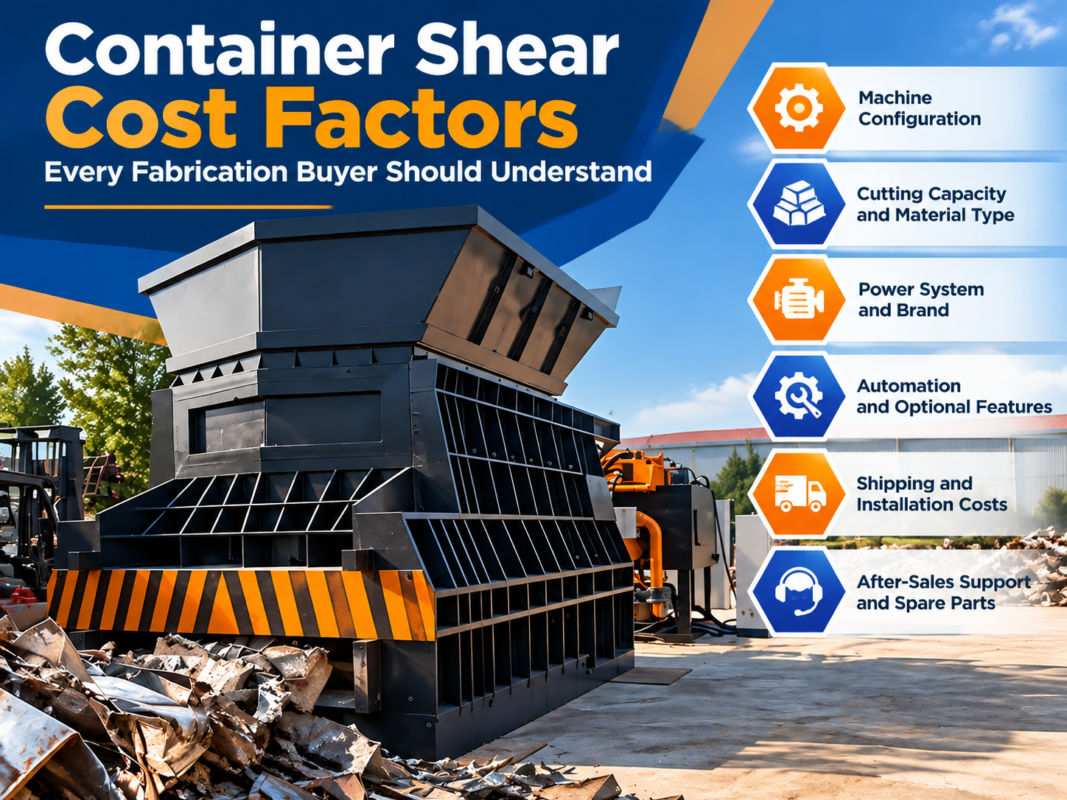
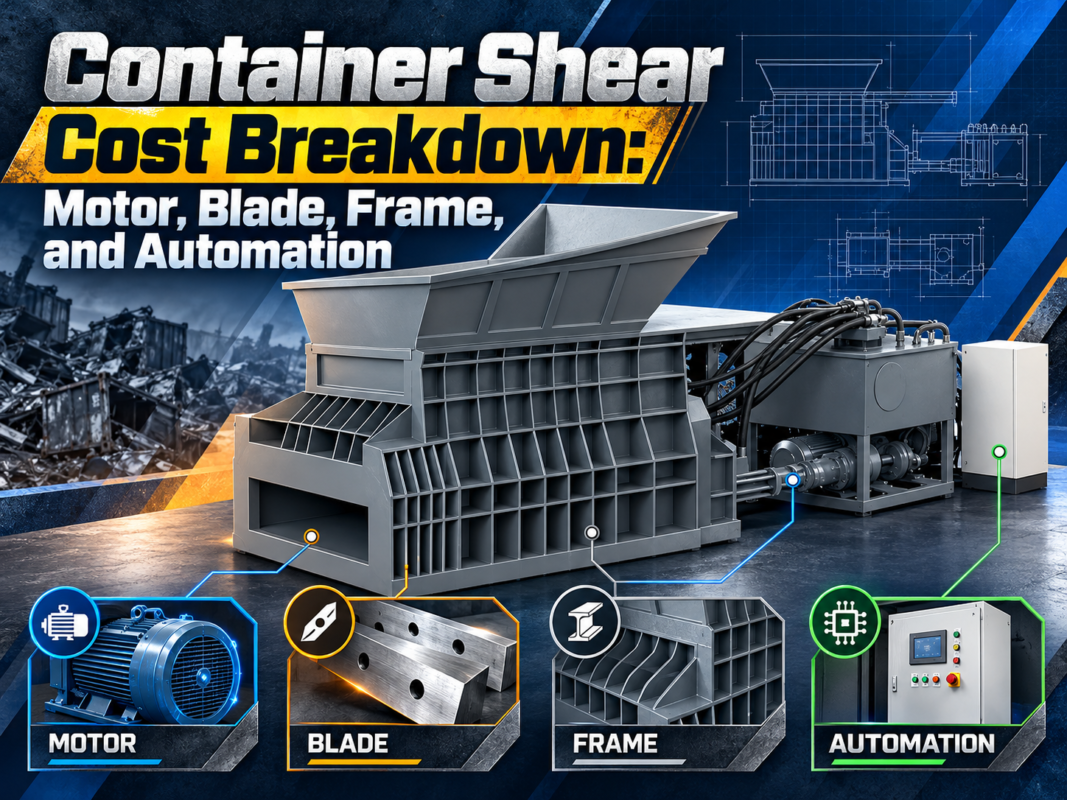
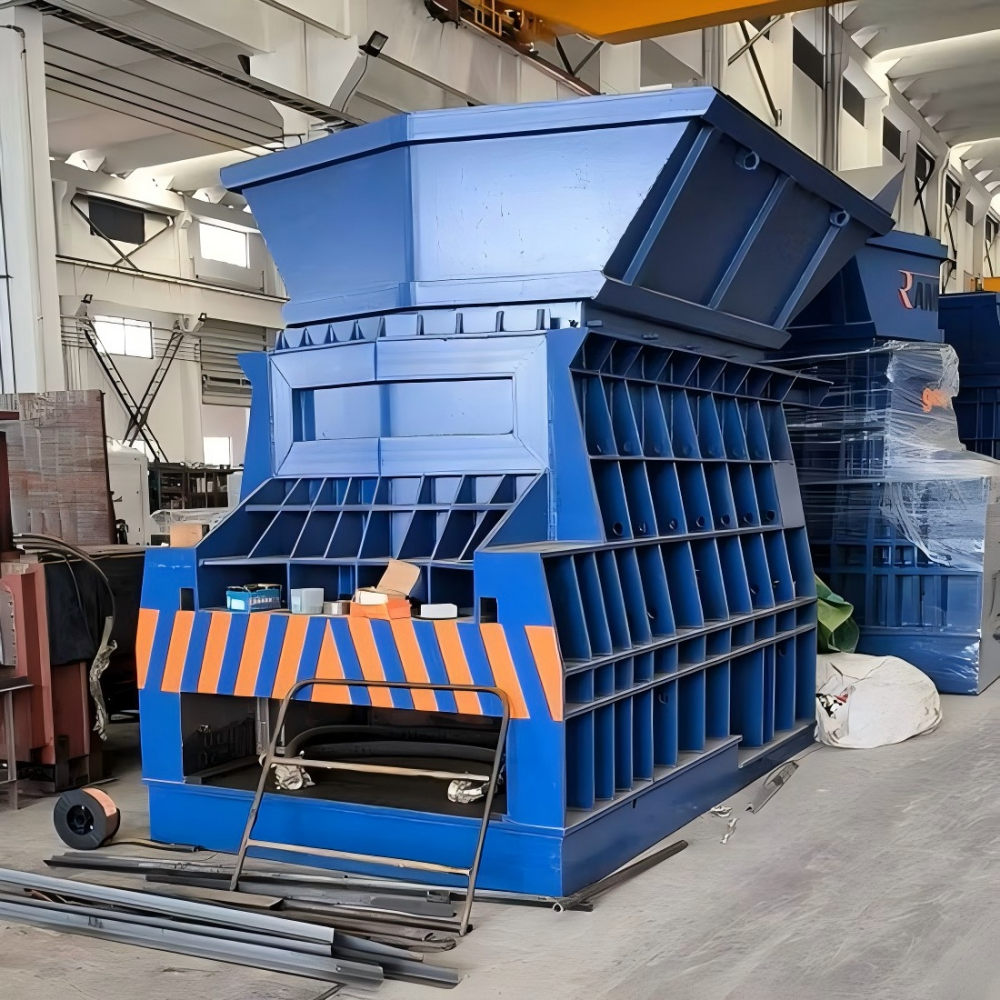
The primary driver of container shear prices is the cutting force, measured in tons. Higher tonnage allows the machine to process thicker, denser materials like heavy structural steel, I-beams, and thick plate scrap. As the required force increases, the hydraulic cylinders, structural frame, and motor power must all be upscaled, which drives the price upward exponentially. A machine capable of shearing 1000 tons of force is significantly more expensive than a 400-ton unit due to the sheer volume of high-tensile steel required for the frame.
Another critical factor is the size of the shear box. The dimensions of the feed opening determine the size of the scrap that can be processed without pre-cutting. Larger boxes allow for faster loading and less manual labor, which increases operational efficiency. However, a larger box requires a more robust hydraulic system to ensure the compression and shearing cycles remain efficient. Buyers often find that investing in a larger box size pays off in reduced labor costs over the machine’s lifetime.
The quality of the hydraulic system and the PLC (Programmable Logic Controller) integration also play a major role in pricing. Modern container shears from HARSLE utilize advanced hydraulic pumps and valves that optimize energy consumption. While these high-efficiency systems might have a higher upfront cost, they provide substantial savings in electricity bills and reduce the heat generated during operation, which in turn extends the life of the hydraulic oil and seals.
Finally, the brand reputation and support infrastructure are significant cost drivers. When you purchase from an established manufacturer like HARSLE, you are paying for the assurance of spare parts availability, technical support, and a proven track record of reliability. Opting for unproven, low-cost machinery often leads to hidden costs in the form of frequent breakdowns and the inability to source proprietary replacement parts, which can halt production for weeks.
Configuration Impact: Customizing for Efficiency
Customization is a key aspect of the buying process. Many recycling facilities require specific configurations to handle unique scrap streams. For instance, if your facility processes a high volume of aluminum extrusions versus heavy steel, the shear blade geometry and the compression cycle timing may need to be adjusted. These modifications require engineering time and specialized manufacturing, which will be reflected in the final price.
Automated feeding systems are another configuration choice that impacts the budget. Conveyor systems, pre-load hoppers, and automatic lubrication systems add to the initial investment but drastically improve throughput. A fully automated system can operate with fewer personnel, reducing the long-term labor costs associated with scrap processing. Buyers should evaluate their current labor costs against the cost of these automated features to determine the break-even point.
The choice of blade material is also a configuration detail that affects price. High-wear-resistant alloys are more expensive than standard tool steels but offer longer intervals between blade changes. In a high-volume environment, the cost of downtime for blade replacement can be massive. Therefore, investing in premium, long-lasting blades is often a strategic financial decision rather than just an equipment upgrade.
Safety features and environmental compliance configurations are non-negotiable in modern industrial settings. Noise reduction enclosures, advanced safety light curtains, and oil filtration systems that prevent leaks are essential. While these features increase the price, they are vital for regulatory compliance and worker safety, protecting the business from potential fines and liability issues.
Hidden Costs: Beyond the Initial Purchase
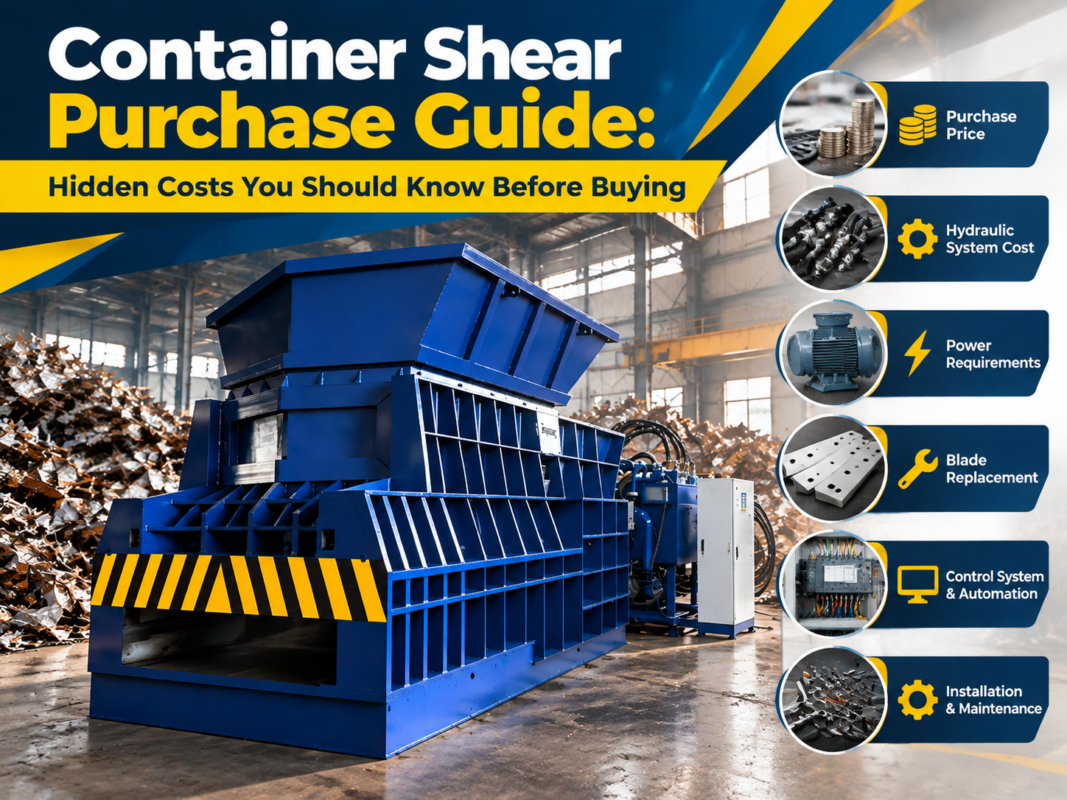
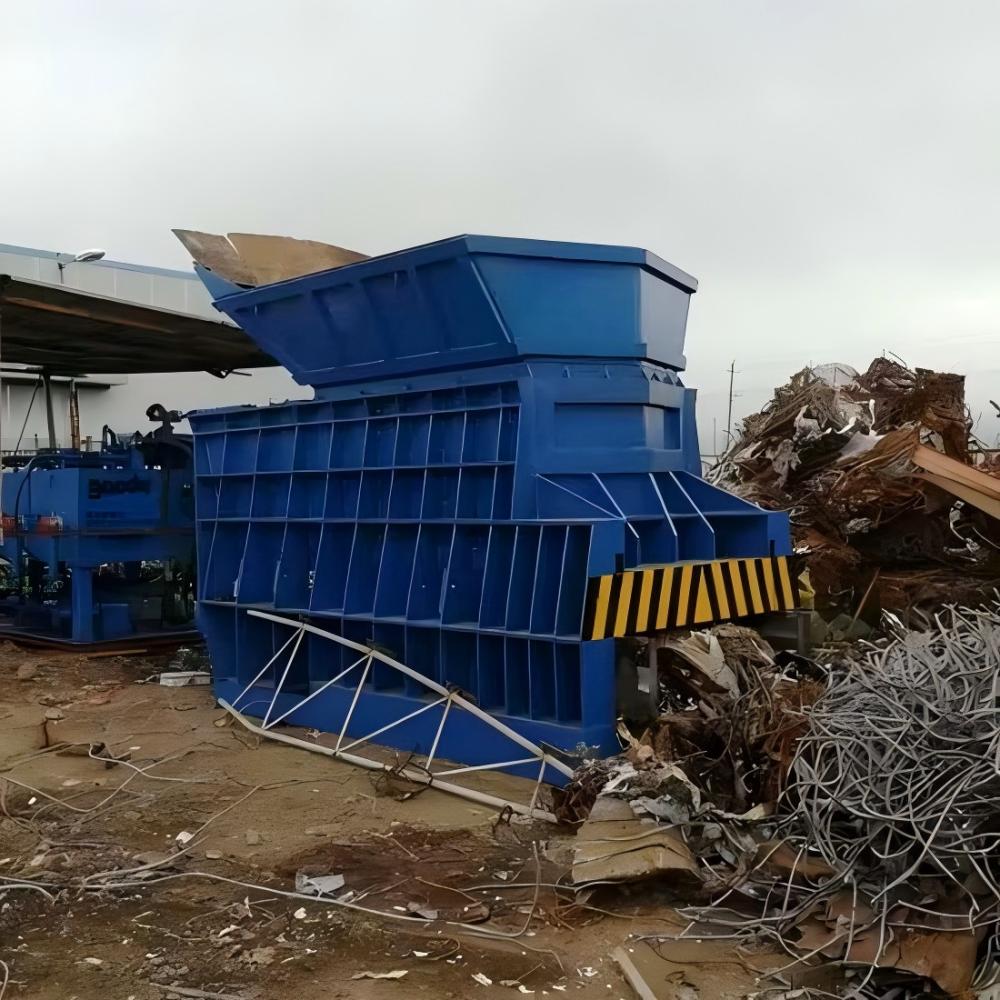
When calculating container shear prices in the metal recycling industry, buyers pay for more than just the machine. Installation is a major hidden cost. These machines are heavy and require a reinforced concrete foundation to handle the vibrations and the weight of the scrap. Site preparation, including electrical upgrades to accommodate high-voltage motors and the installation of hydraulic cooling systems, can add thousands to the project budget.
Maintenance is another ongoing expense that is often underestimated. Regular servicing of hydraulic pumps, replacement of filters, and the periodic sharpening or replacement of shear blades are necessary to keep the machine running at peak performance. Buyers should request a maintenance schedule and a list of recommended spare parts from the manufacturer to estimate these annual costs accurately.
Training costs should also be factored in. Operating a high-capacity container shear requires skilled personnel who understand the machine’s limitations and safety protocols. If your current staff is not familiar with the specific model, you may need to budget for professional training sessions provided by the manufacturer. Proper training ensures that the machine is operated efficiently, which prevents premature wear and tear.
Logistics and shipping are often overlooked until the final stages. Because container shears are large and heavy, they often require specialized transport and heavy-duty cranes for offloading and positioning. Depending on the distance from the factory to your facility, shipping costs can be substantial. Always ensure that your quote includes the cost of delivery to your specific site, including any necessary permits for oversized loads.
ROI Calculation: Justifying the Investment
To justify the investment, buyers must perform a thorough ROI calculation. The primary benefit of a container shear is the ability to process scrap into high-density, uniform pieces that fetch a higher price at the foundry. By increasing the density of the scrap, you reduce transportation costs, as you can fit more weight into a single truckload. This efficiency gain alone can often pay for the machine within two to three years.
Labor savings are another major component of the ROI. A container shear replaces manual labor that would otherwise be spent cutting scrap with torches or smaller, less efficient tools. By automating the shearing process, you can reallocate your workforce to other value-added tasks within the recycling facility. Calculate the hourly rate of the labor saved and multiply it by the number of hours the machine will operate per year to see the direct impact on your bottom line.
Energy efficiency is a long-term ROI factor. Modern HARSLE container shears are designed to minimize power consumption during idle periods. By comparing the energy usage of a new, efficient machine against an older, outdated model, you can estimate the monthly savings on your utility bills. Over a ten-year lifespan, these savings can be significant.
Finally, consider the increased throughput capacity. A faster, more reliable machine allows you to process more scrap in the same amount of time. If your facility is currently limited by the speed of your processing equipment, a new container shear can unlock new revenue streams by allowing you to accept larger contracts and process higher volumes of material. This growth potential is often the most significant factor in the long-term ROI.
Buying Advice: A Checklist for Success
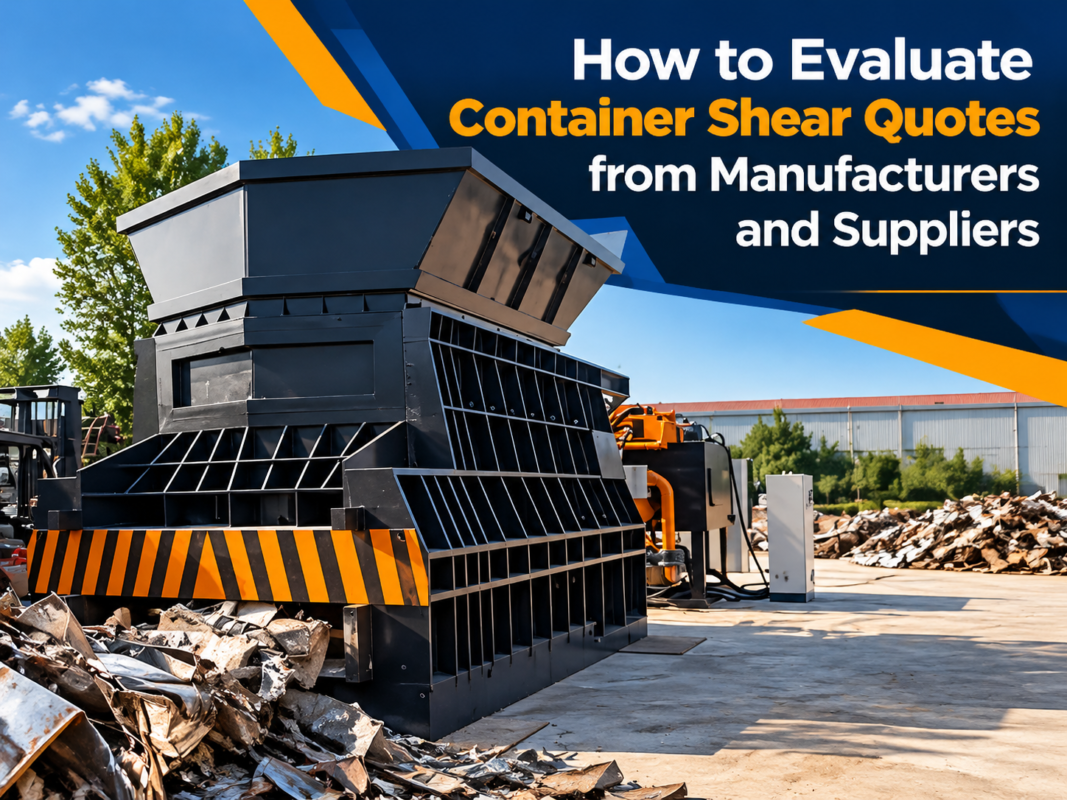
Before finalizing your purchase, conduct a thorough assessment of your scrap volume and material types. Do not buy a machine that is significantly larger than what you need, as the excess capacity will sit idle and cost you money in maintenance and space. Conversely, do not undersize your machine, as it will be prone to frequent breakdowns and will struggle to keep up with your growth.
Always request a demonstration or a site visit to see the machine in operation. Seeing the shear in action allows you to evaluate its build quality, noise levels, and ease of use. Ask the operator about their experience with the machine and inquire about the frequency of maintenance. This firsthand information is invaluable and often reveals details that are not present in the sales brochure.
Check the manufacturer’s warranty and support policy. A comprehensive warranty that covers both parts and labor is a sign of a manufacturer’s confidence in their product. Furthermore, ensure that the manufacturer has a local or regional service team that can provide quick assistance in the event of a breakdown. A machine is only as good as the support behind it.
Finally, negotiate the terms of the sale. Ask about bundled deals that include spare parts kits, extended warranties, or on-site training. Many manufacturers are willing to include these items to close a deal. By being prepared and asking the right questions, you can ensure that you get the best value for your investment in a container shear.
FAQ: Frequently Asked Questions
- What is the typical lifespan of a container shear? With proper maintenance, a high-quality container shear from HARSLE can last 15 to 20 years or more.
- How often should the shear blades be sharpened? This depends on the volume and type of scrap processed. Typically, blades should be inspected weekly and sharpened or replaced every few months in a high-volume environment.
- Can a container shear process non-ferrous metals? Yes, but the settings and blade clearance may need to be adjusted to ensure clean cuts and prevent damage to the machine.
- What kind of foundation is required? Most container shears require a reinforced concrete slab of a specific thickness and strength, as specified by the manufacturer’s installation manual.
- Is it better to buy new or used? While used machines are cheaper, they come with significant risks regarding wear and tear and lack of warranty. For critical production lines, new equipment is almost always the better long-term investment.