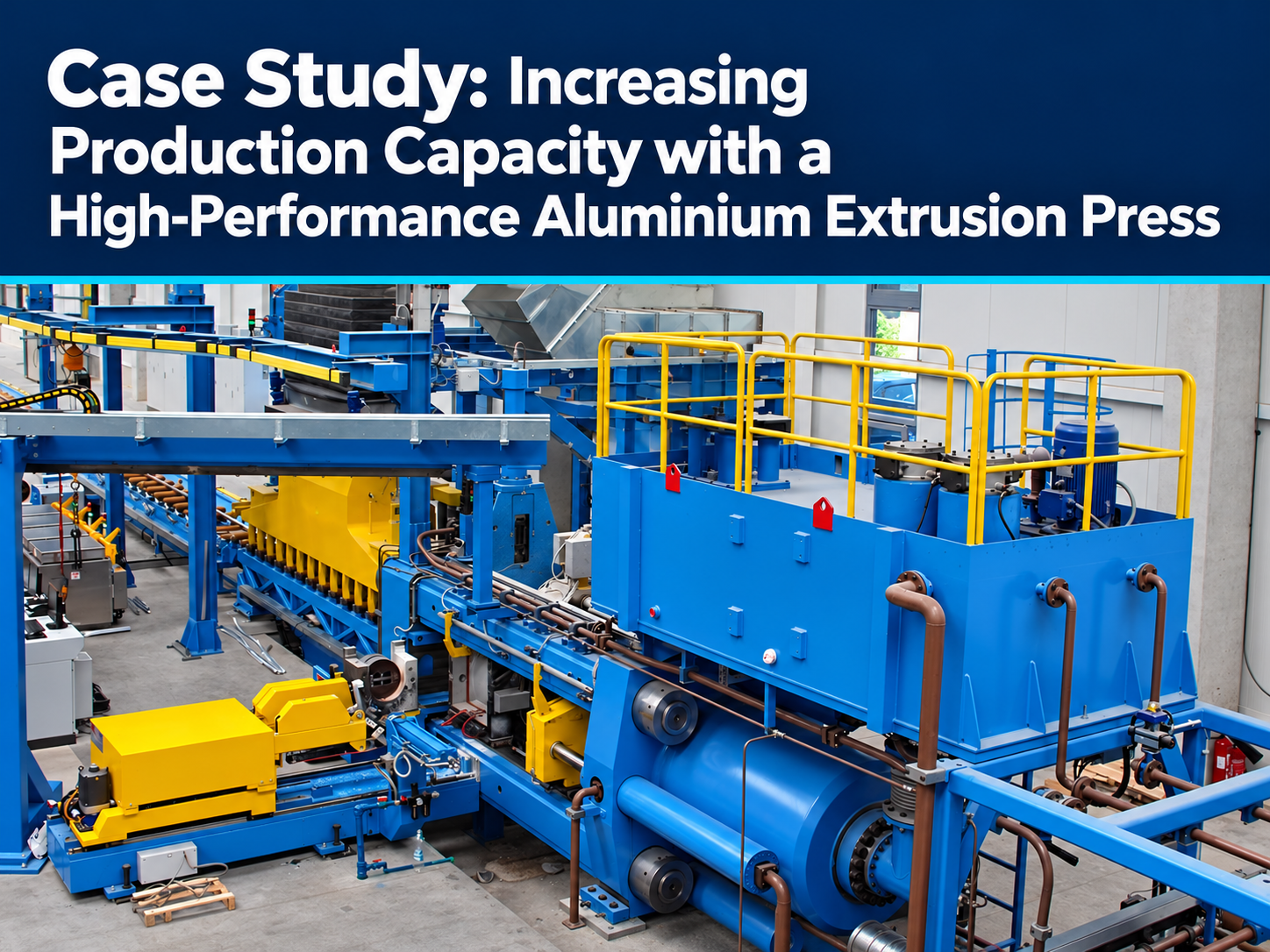
Case Study: Increasing Production Capacity with a High-Performance Aluminium Extrusion Press

Introducción
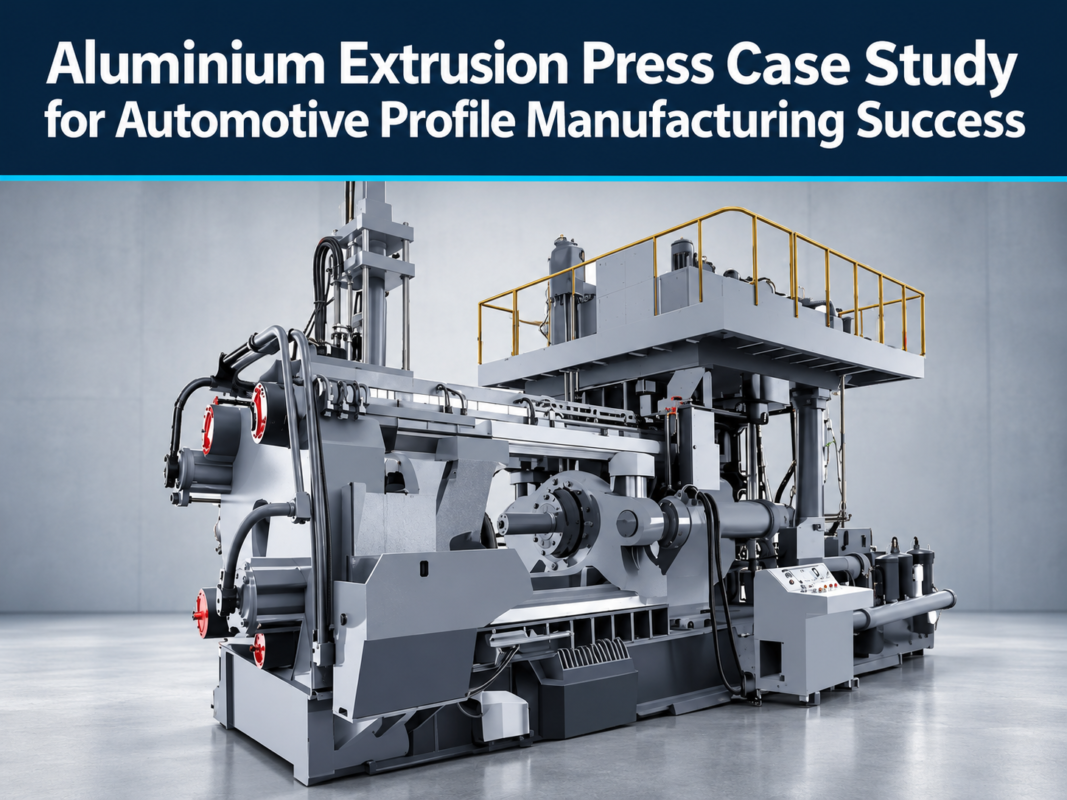
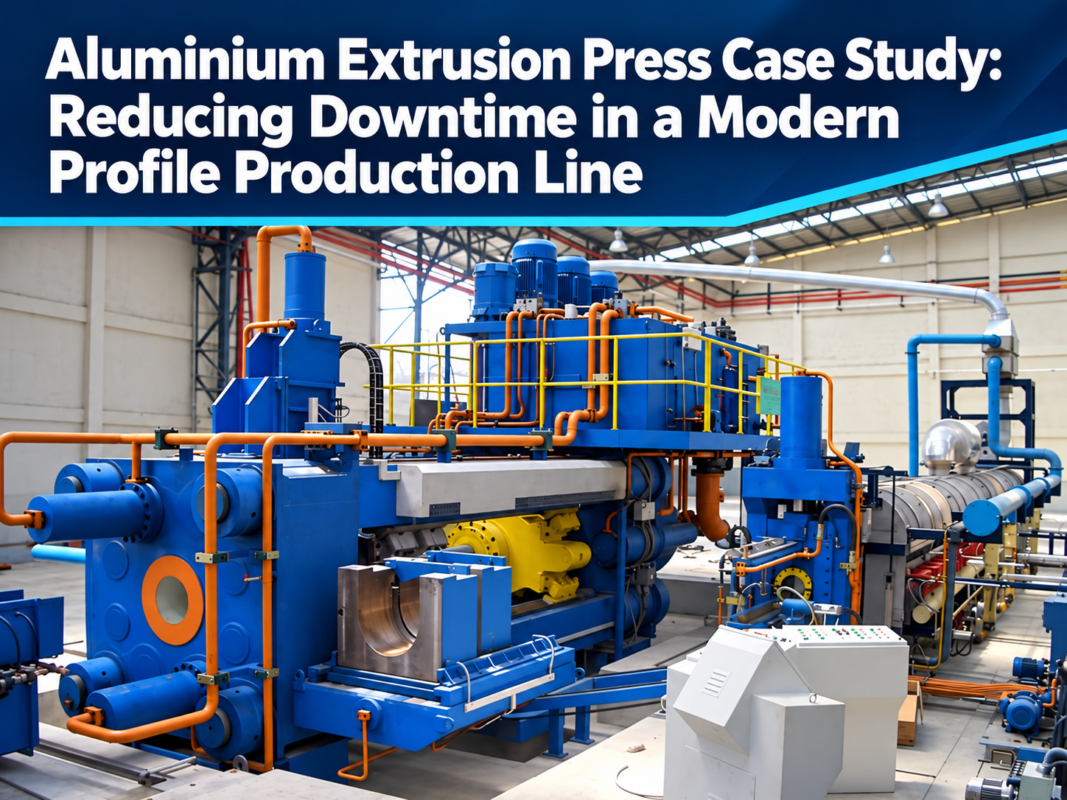
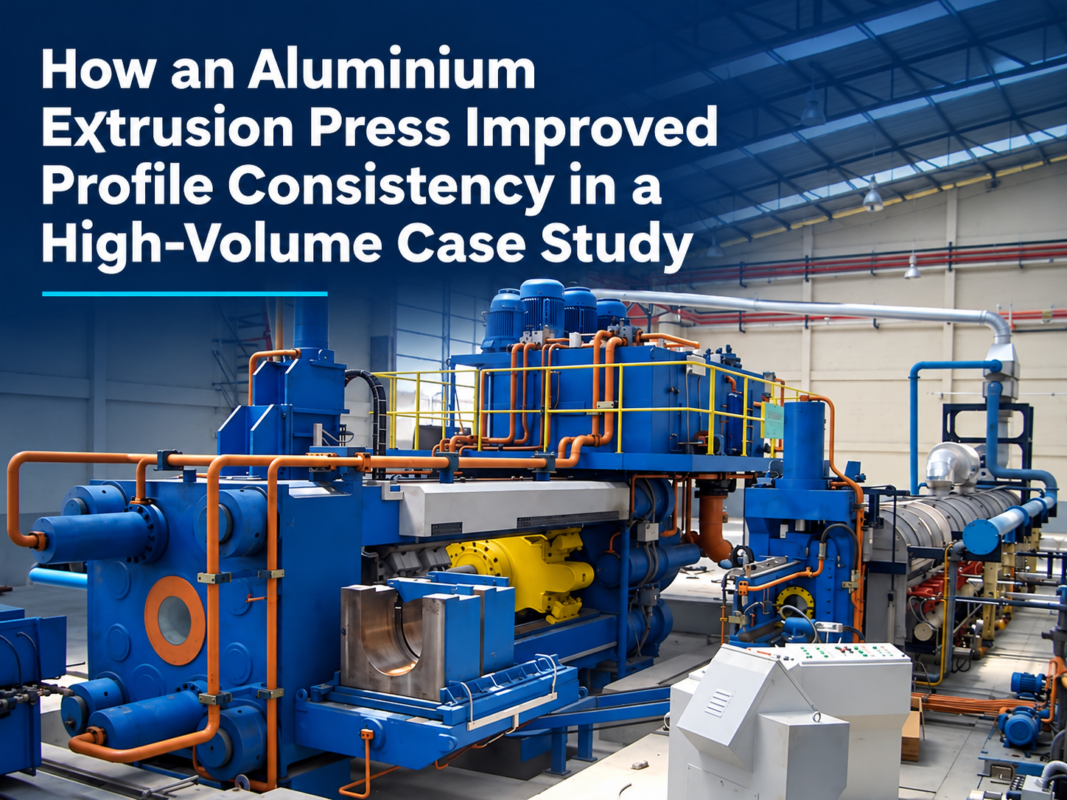
In the competitive landscape of modern metal fabrication, the ability to scale production while maintaining stringent quality standards is the primary differentiator between market leaders and those struggling to keep pace. For many manufacturers specializing in aluminium profiles, the bottleneck often lies in outdated or inefficient extrusion technology. This article explores a comprehensive Case Study: Increasing Production Capacity A High-Performance Aluminium Extrusion Press, highlighting how HARSLE’s advanced machinery solutions empower businesses to overcome operational limitations and achieve unprecedented growth.
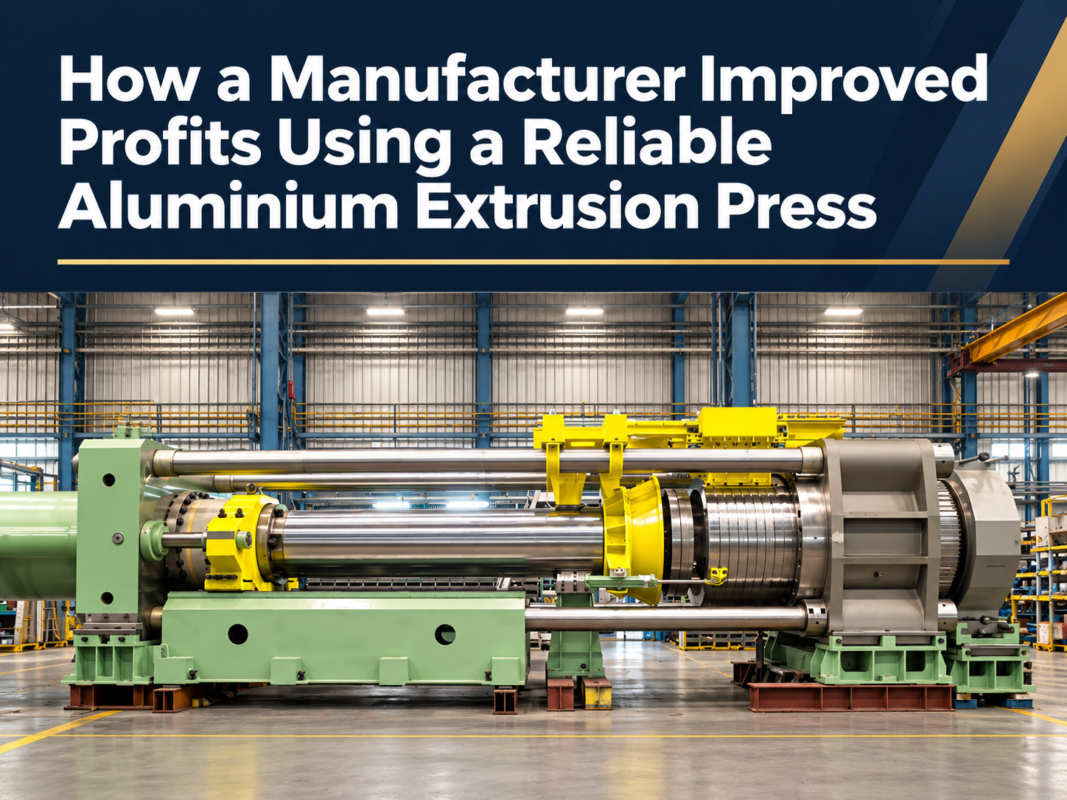
Aluminium extrusion is a complex process that requires precision, consistent pressure, and thermal stability. When a manufacturer experiences high scrap rates, inconsistent profile dimensions, or excessive downtime, it is often a sign that their existing equipment can no longer handle the demands of high-volume production. By upgrading to a high-performance HARSLE aluminium extrusion press, companies can transform their output capabilities, reduce energy consumption, and significantly improve their bottom line.
This case study examines a mid-sized fabrication facility that faced a critical turning point. With demand for custom aluminium extrusions rising in the automotive and construction sectors, their legacy equipment was failing to meet delivery timelines. By integrating a HARSLE high-performance press, the facility not only doubled its output but also achieved a level of surface finish quality that opened doors to new, high-margin market segments.
Throughout this guide, we will dissect the technical requirements, the decision-making process, and the long-term operational benefits of investing in modern extrusion technology. Whether you are a plant manager looking to optimize your current line or an investor planning a new facility, understanding the mechanics of high-performance extrusion is essential for long-term industrial success.
Key Considerations for Scaling Production
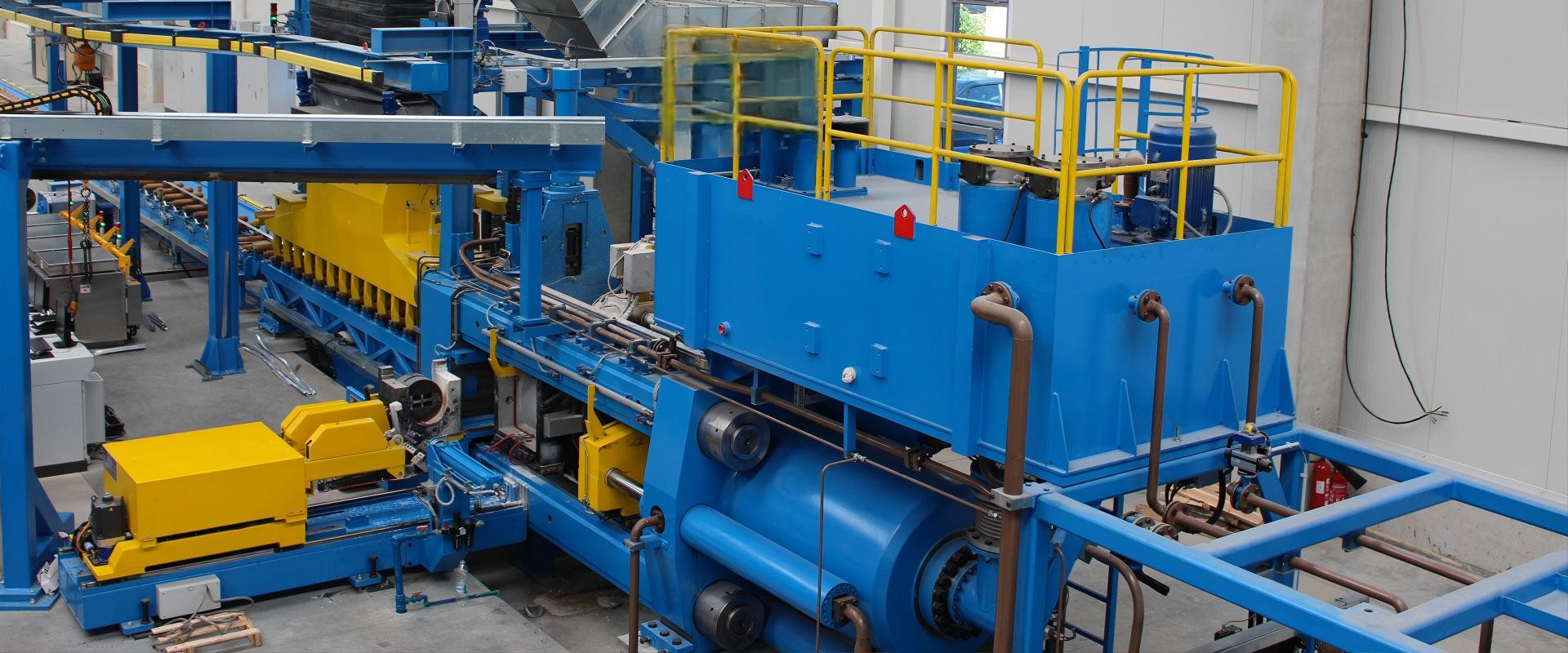
When evaluating the need for a new extrusion press, manufacturers must look beyond simple tonnage. Scaling production is a holistic challenge that involves material flow, heating cycles, cooling rates, and downstream handling. The first consideration is the cycle time; a high-performance press must offer rapid billet loading and optimized ram speeds to ensure that the extrusion process remains continuous and fluid.
Another critical factor is the integration of automation. In a high-capacity environment, manual handling of billets and profiles is a significant source of inefficiency and safety risk. HARSLE’s modern systems incorporate automated billet loaders, shear systems, and profile pullers that synchronize perfectly with the press cycle. This reduction in human intervention not only speeds up the process but also ensures that every profile is handled with the same level of care, reducing surface defects.
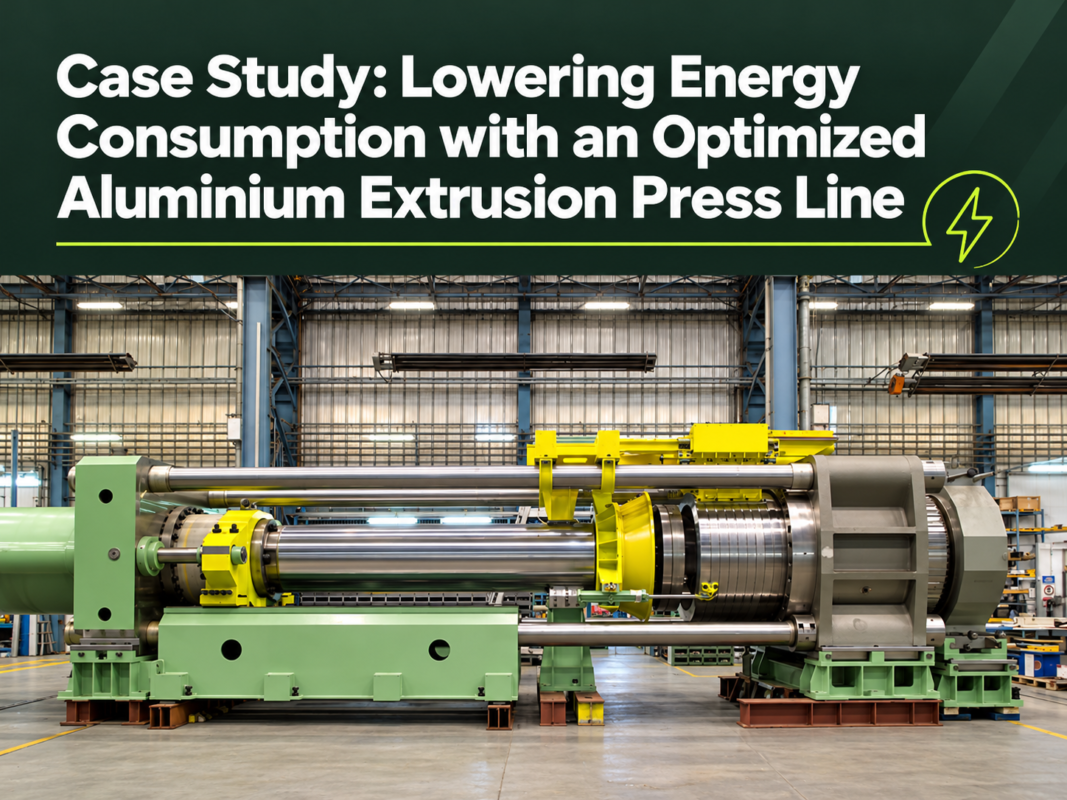
Energy efficiency is no longer an optional consideration; it is a financial necessity. High-performance presses utilize advanced hydraulic systems, such as servo-driven pumps, which adjust power consumption based on the actual load requirements. In our case study, the transition to a servo-hydraulic system resulted in a 30% reduction in energy costs, proving that increased capacity does not necessarily mean increased overhead.
Finally, maintenance and reliability must be at the forefront of the selection process. A press that is down for repairs is a press that is losing money. High-performance equipment from HARSLE is built with modular components and advanced diagnostic interfaces, allowing maintenance teams to identify potential issues before they lead to catastrophic failure. This proactive approach to maintenance is the backbone of any high-capacity production strategy.
Technical Details of HARSLE Extrusion Systems
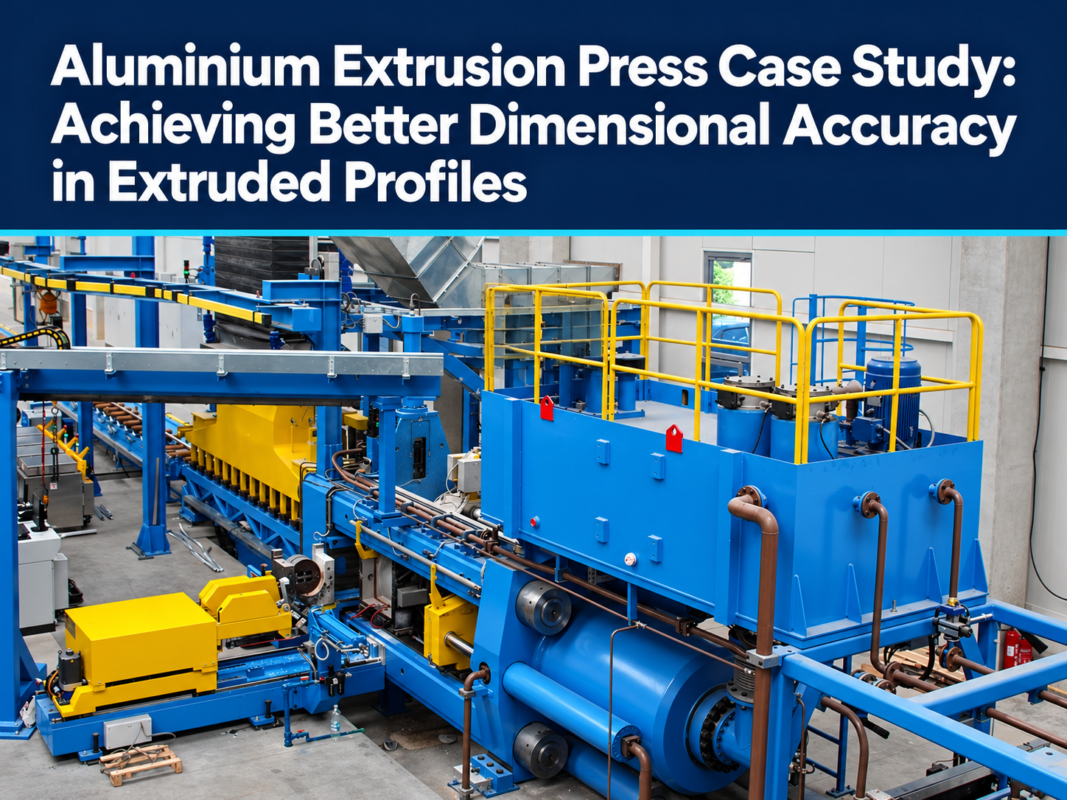
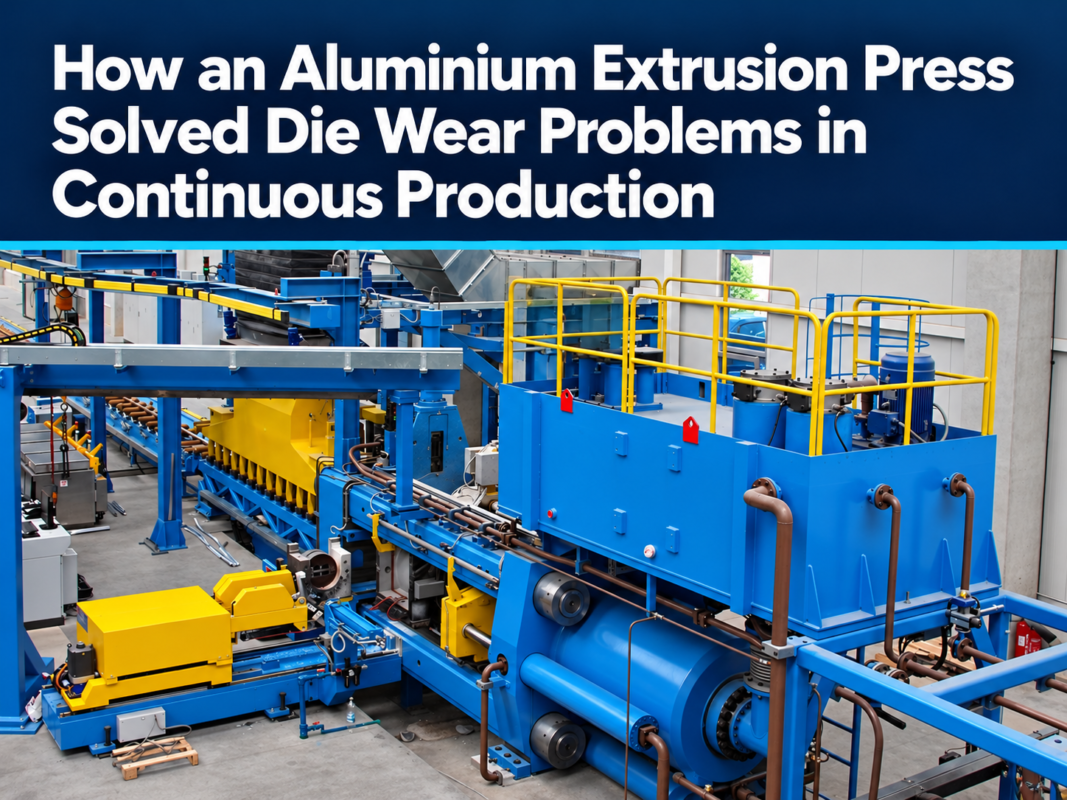
The technical superiority of a HARSLE aluminium extrusion press lies in its robust design and precision engineering. At the heart of the system is a high-rigidity frame, designed to withstand the immense pressures required for extruding complex aluminium alloys. This rigidity ensures that the alignment of the container, die, and ram remains perfect throughout the entire stroke, which is essential for maintaining tight tolerances in the final product.
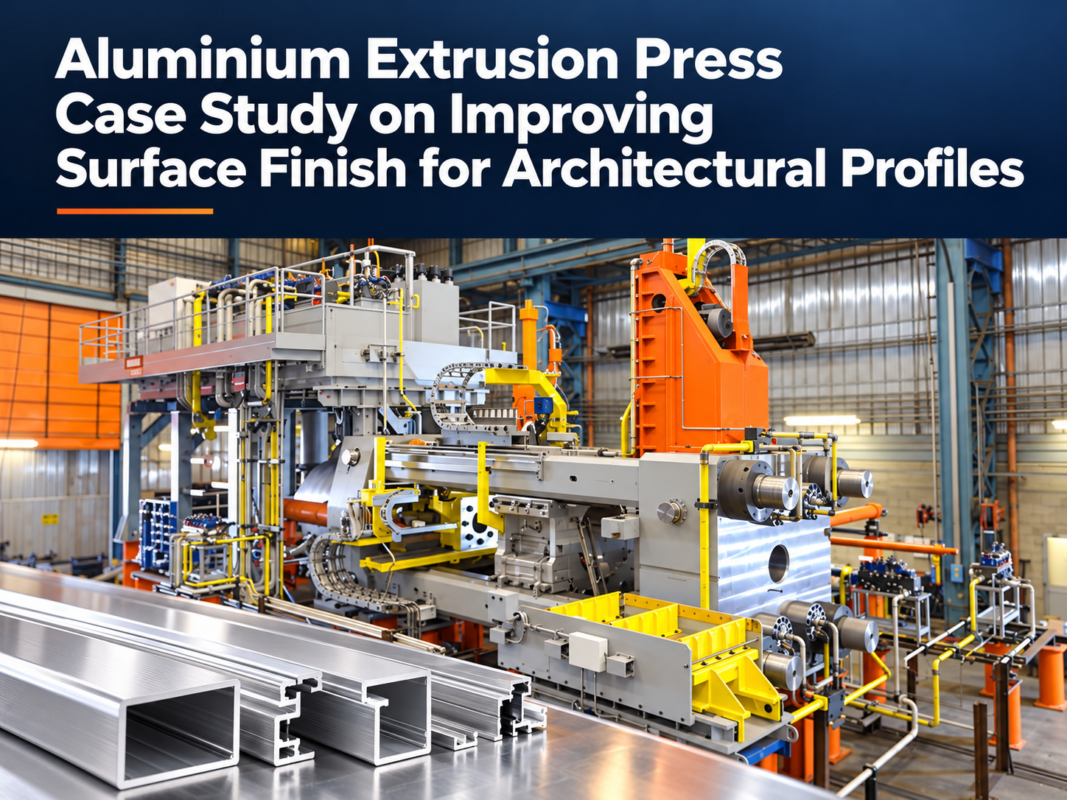
The hydraulic system is the engine of the press. HARSLE utilizes high-response proportional valves that allow for precise control over the ram speed and pressure. This is particularly important when extruding thin-walled or complex profiles that require varying speeds to prevent tearing or surface imperfections. By fine-tuning these parameters, operators can achieve a consistent finish that meets the most demanding architectural and industrial specifications.
Temperature control is another technical pillar of high-performance extrusion. The billet heating furnace and the container heating system must work in tandem to ensure that the aluminium reaches the optimal plastic state. HARSLE systems feature integrated thermal sensors and PID controllers that maintain precise temperature zones, preventing the billet from overheating or cooling too quickly, which can lead to structural inconsistencies.
Furthermore, the control interface provides operators with real-time data visualization. From pressure curves to billet temperature logs, the HARSLE PLC system records every aspect of the production run. This data is invaluable for quality control and process optimization. If a specific profile batch shows a deviation, the system allows engineers to trace the exact parameters used, facilitating rapid troubleshooting and continuous improvement.
Selection Advice: Choosing the Right Press
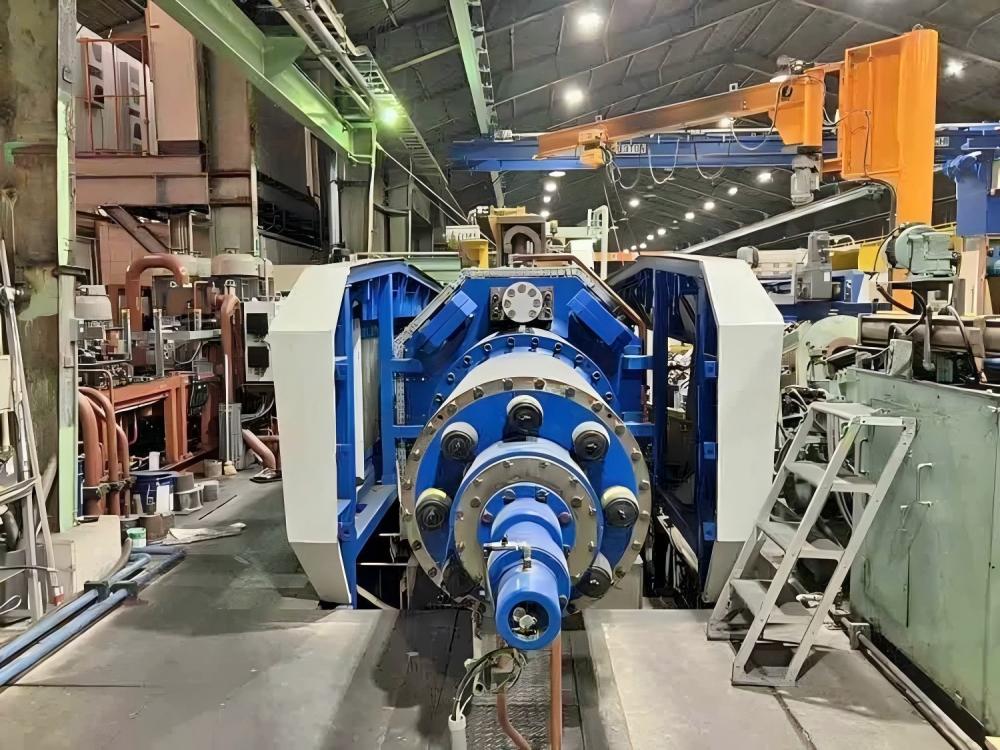
Selecting the right aluminium extrusion press is a significant capital investment that requires careful planning. The first step is to define your product mix. Are you producing large structural beams or small, intricate electronic housings? The tonnage of the press should be matched to the cross-sectional area of your profiles and the alloy hardness. A press that is too small will struggle with high-strength alloys, while one that is too large may be inefficient for smaller, high-volume runs.
Consider the container size and the billet diameter. These factors dictate the maximum width of the profiles you can produce. It is often wise to select a press with a slightly larger capacity than your current needs to allow for future product diversification. HARSLE offers a range of configurations, and our technical team works closely with clients to perform a feasibility study based on their specific extrusion requirements.
Another vital aspect is the die-changing system. If your production involves frequent product switches, a manual die change can be a major bottleneck. Investing in a quick-change die system can reduce downtime by hours per week, significantly increasing your overall equipment effectiveness (OEE). HARSLE’s designs prioritize rapid changeovers, ensuring that your press spends more time extruding and less time idling.
Finally, do not overlook the importance of after-sales support. When you purchase a HARSLE press, you are entering a long-term partnership. Ensure that the manufacturer provides comprehensive training for your operators, access to spare parts, and remote technical support. A high-performance machine is only as good as the support structure behind it, and HARSLE is committed to ensuring your production line remains operational 24/7.
FAQ: Frequently Asked Questions
1. How does a high-performance press improve surface quality?
High-performance presses use advanced hydraulic control and precise temperature management to ensure the aluminium flows through the die at a constant speed and temperature. This prevents surface defects like pick-up or tearing, resulting in a superior finish.
2. What is the typical ROI for an aluminium extrusion press upgrade?
While ROI varies based on production volume and energy costs, most manufacturers see a return on investment within 18 to 36 months due to increased throughput, reduced scrap rates, and lower energy consumption.
3. Can HARSLE presses handle different aluminium alloys?
Yes, HARSLE presses are designed to be versatile. By adjusting the pressure, speed, and temperature settings via the PLC, you can easily switch between various aluminium alloys, from soft 1000 series to high-strength 7000 series.
4. How often does the press require maintenance?
Routine maintenance should be performed according to the manufacturer’s schedule, typically involving hydraulic fluid checks, filter replacements, and sensor calibration. HARSLE’s diagnostic systems provide alerts when maintenance is due, preventing unexpected downtime.
5. Is automation necessary for all extrusion lines?
While not strictly necessary for low-volume operations, automation is highly recommended for any facility looking to scale. It improves safety, consistency, and speed, which are critical for maintaining a competitive edge in the market.
Conclusión
The journey toward higher production capacity is paved with strategic decisions and the right technological partners. As demonstrated in this Case Study: Increasing Production Capacity A High-Performance Aluminium Extrusion Press, the transition to modern, high-performance equipment is not merely an upgrade—it is a fundamental shift in how a business operates. By leveraging the precision, speed, and efficiency of HARSLE’s extrusion technology, manufacturers can overcome the limitations of legacy systems and unlock new levels of profitability.
Investing in a HARSLE aluminium extrusion press means investing in the future of your fabrication business. With robust construction, intelligent control systems, and a commitment to long-term support, HARSLE provides the tools necessary to thrive in an increasingly demanding global market. Whether you are aiming to reduce scrap, increase output, or expand your product range, our team is ready to help you design the perfect solution for your facility.
We invite you to reach out to our technical consultants to discuss your specific production goals. Together, we can analyze your current workflows, identify opportunities for improvement, and implement a high-performance solution that will serve your business for years to come. The path to industrial excellence starts with the right equipment; let HARSLE be your partner in that success.