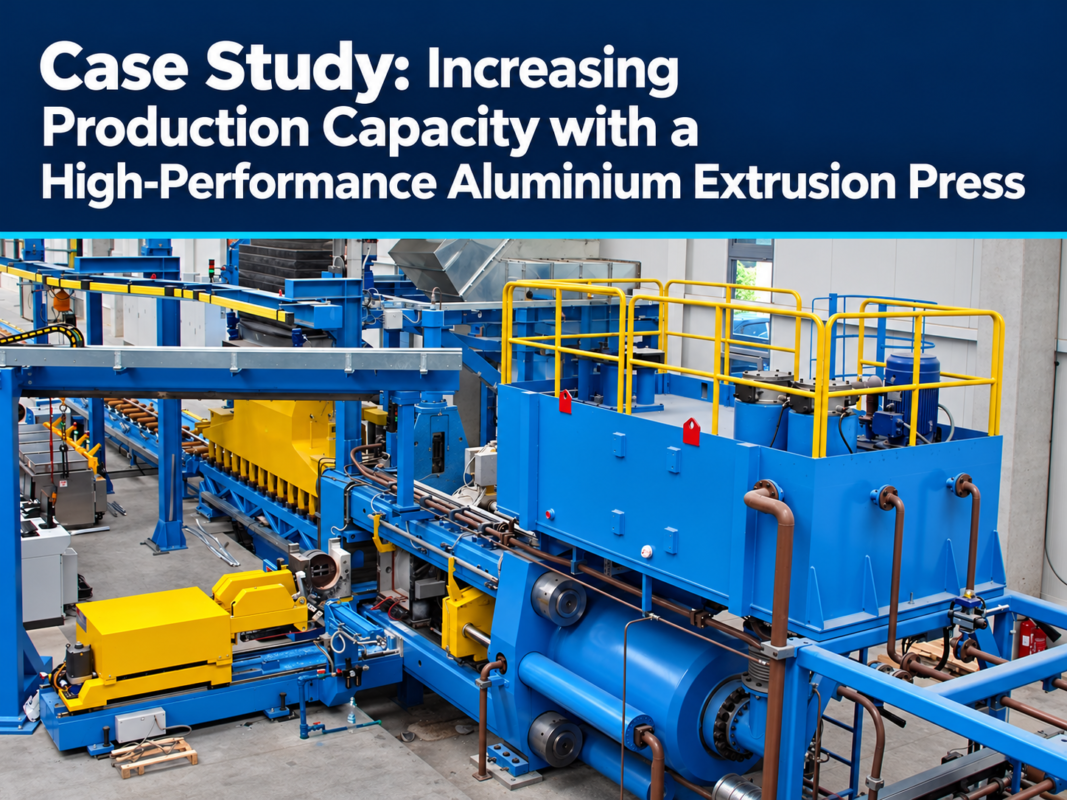
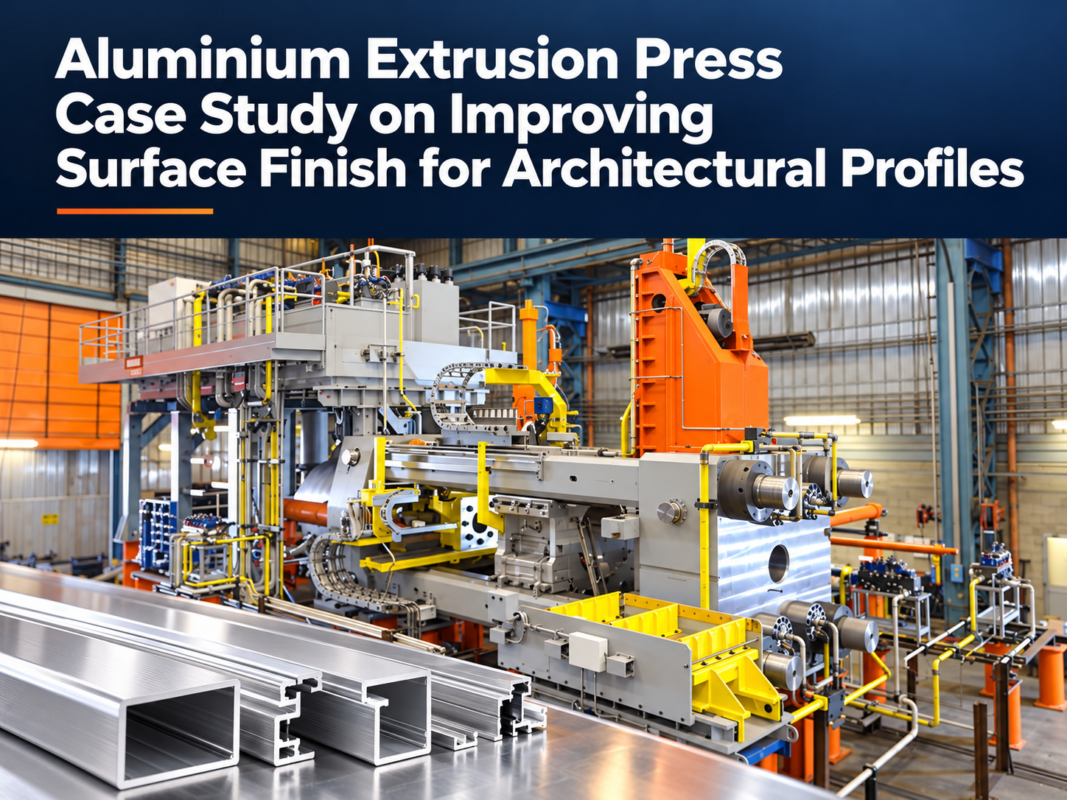
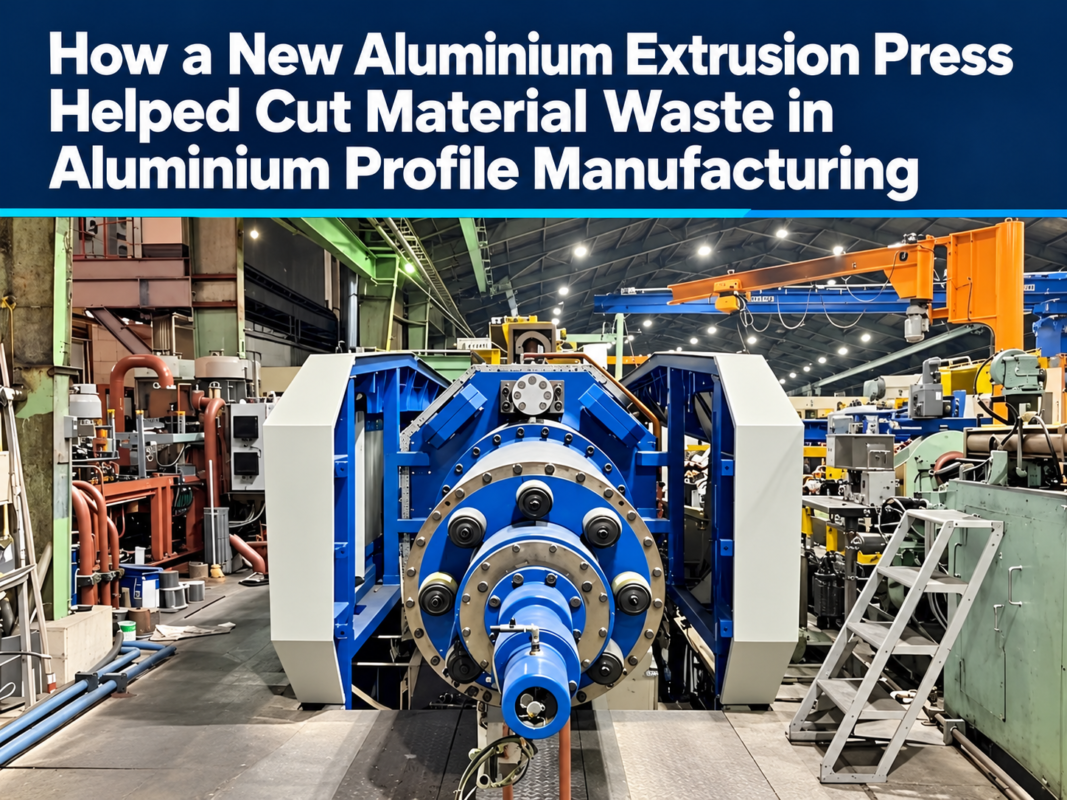
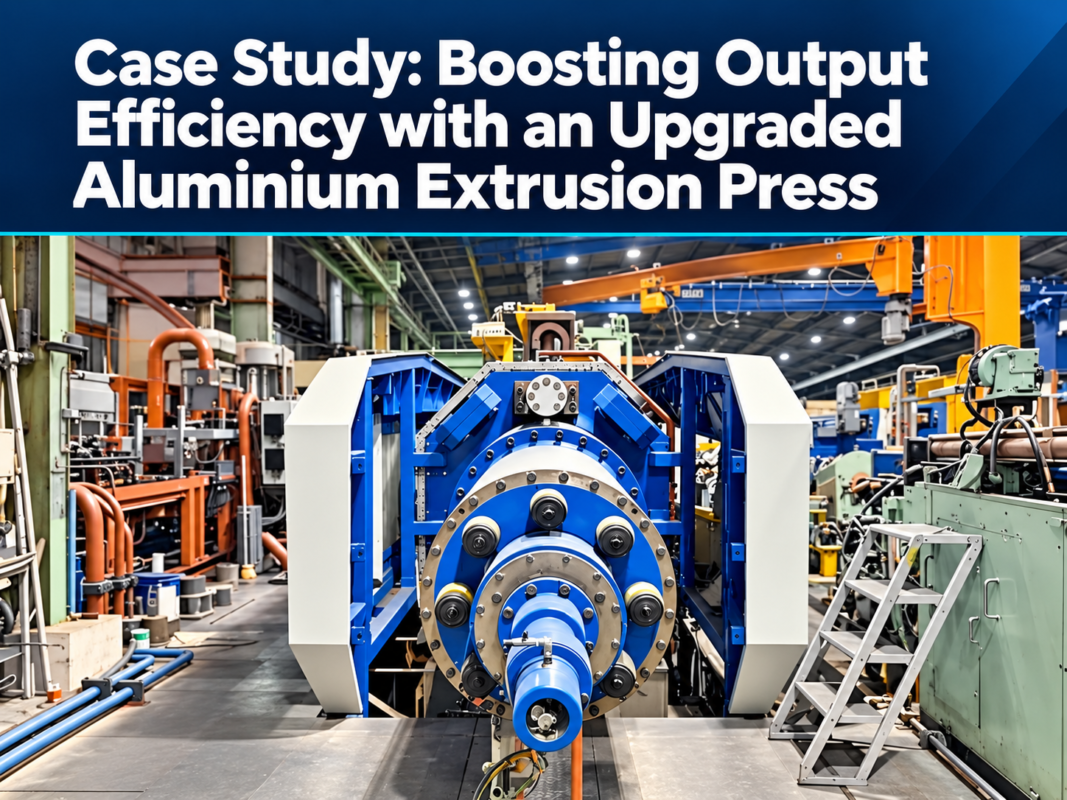
Aluminium Extrusion Press Case Study for Automotive Profile Manufacturing Success

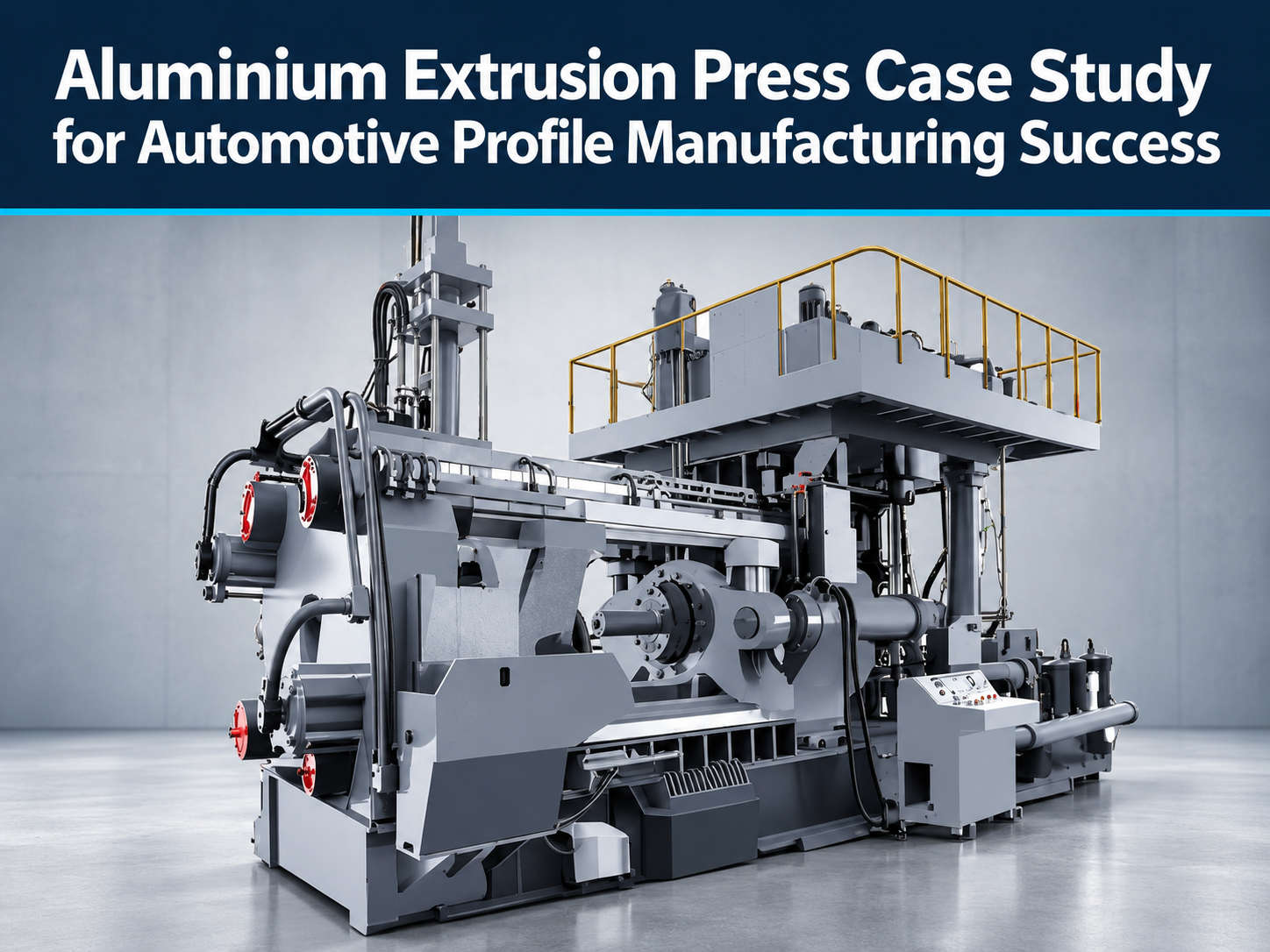
Introduction to Aluminium Extrusion in the Automotive Sector
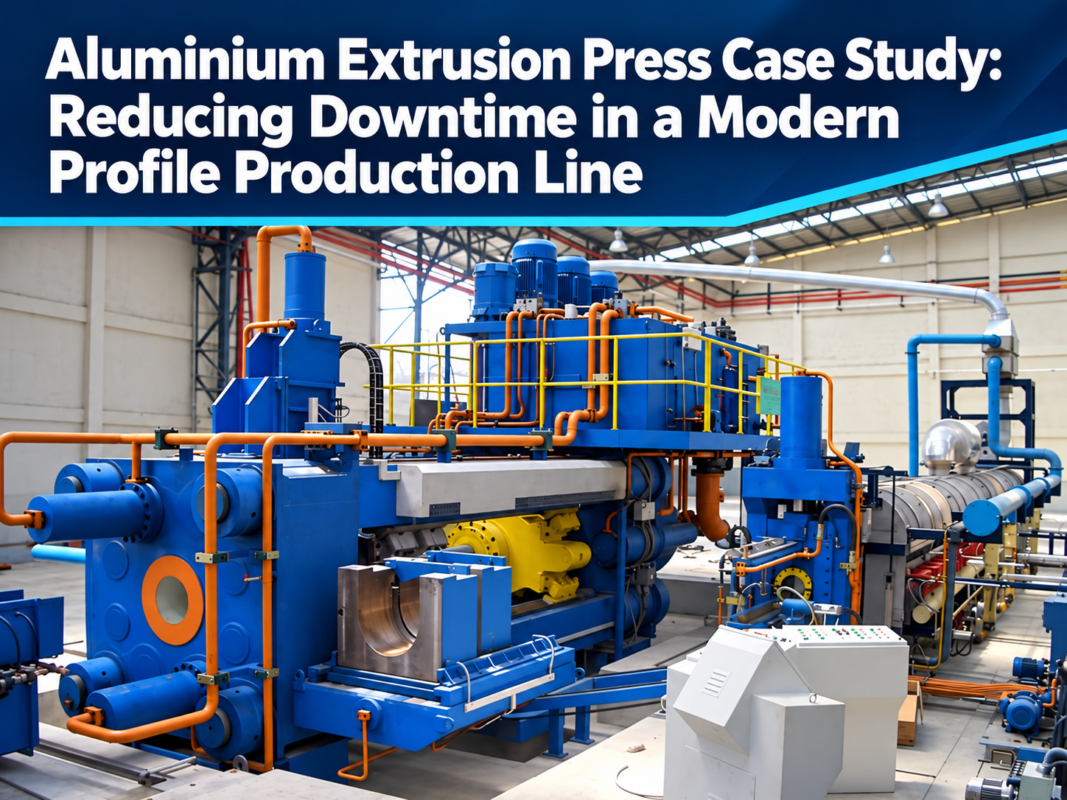
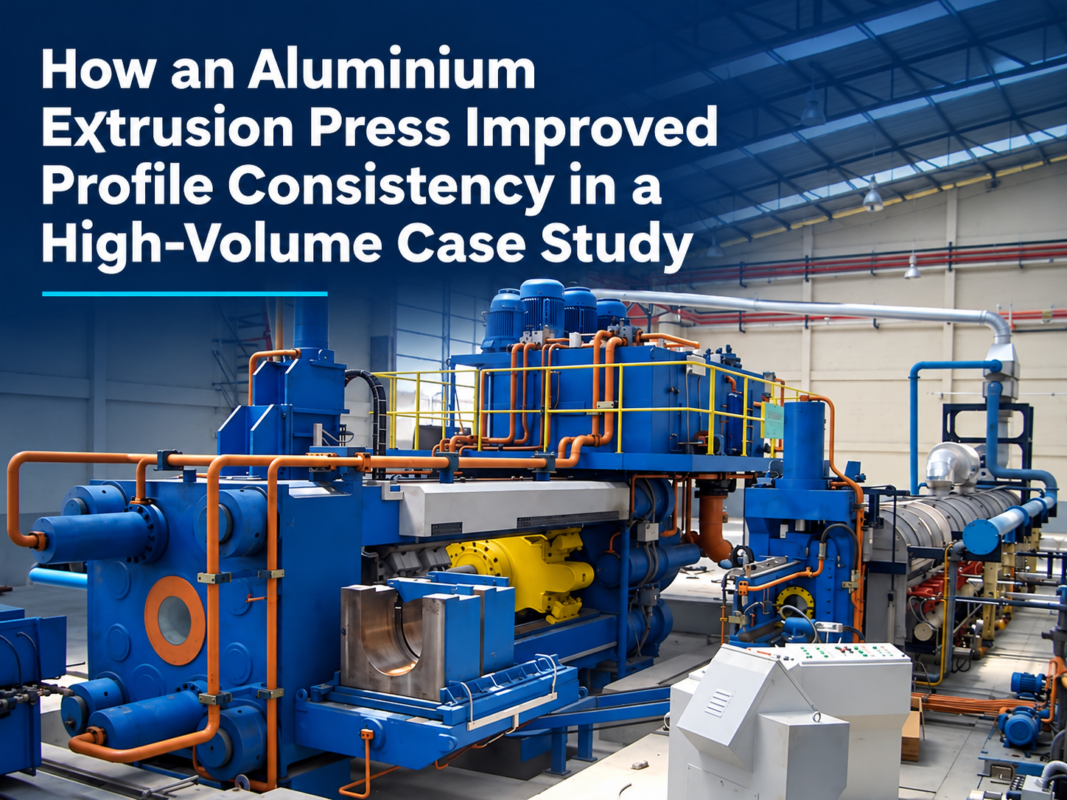
The automotive industry is currently undergoing a massive transformation, driven by the need for lightweight materials to increase fuel efficiency and extend the range of electric vehicles (EVs). Aluminium has emerged as the material of choice for structural components, battery housings, and chassis parts. This shift has placed immense pressure on manufacturers to adopt high-precision metal fabrication equipment capable of meeting stringent tolerances. This Aluminium Extrusion Press Case Study for Automotive Profile Manufacturing Success highlights how HARSLE machinery enables manufacturers to bridge the gap between complex design requirements and high-volume production.
For many automotive suppliers, the transition to aluminium involves moving away from traditional steel stamping toward sophisticated extrusion processes. An Aluminium Extrusion Press Case Study for Automotive Profile Manufacturing Success is not merely about the machine itself; it is about the integration of hydraulic power, thermal management, and automated handling systems. HARSLE has consistently provided the backbone for these operations, ensuring that the structural integrity of automotive profiles remains uncompromised during the high-pressure extrusion process.
In this article, we will explore the technical nuances that define a successful extrusion line. We will analyze the specific challenges faced by automotive manufacturers, such as surface finish requirements, dimensional accuracy, and the need for rapid alloy changeovers. By examining real-world operational data, we provide a comprehensive look at how modern extrusion technology serves as a catalyst for industrial growth and competitive advantage in the global automotive supply chain.
Ultimately, the goal of this guide is to provide plant managers and engineers with the knowledge required to select the right equipment. Whether you are scaling up a new production line or retrofitting an existing facility, understanding the mechanics of an Aluminium Extrusion Press Case Study for Automotive Profile Manufacturing Success is essential for long-term operational excellence.
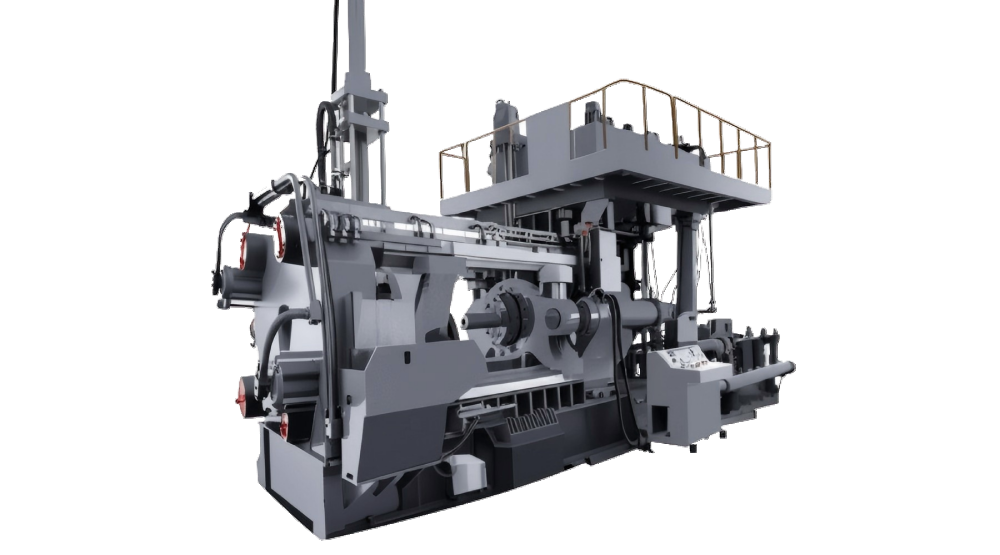
Key Considerations for Automotive Profile Manufacturing
When evaluating an Aluminium Extrusion Press Case Study for Automotive Profile Manufacturing Success, the first factor to consider is the alloy composition. Automotive profiles often utilize 6000-series alloys, which offer an excellent balance of strength, formability, and corrosion resistance. However, these alloys require precise temperature control during the billet heating phase. If the billet is too cold, the extrusion pressure spikes, potentially damaging the die; if it is too hot, the surface finish of the profile degrades, leading to high scrap rates.
Another critical consideration is the complexity of the profile cross-section. Modern automotive designs often feature hollow profiles with thin walls to save weight. Extruding these shapes requires a press with superior alignment capabilities and advanced die-locking mechanisms. A successful case study often reveals that the manufacturer invested in a press with high-rigidity frames to prevent deflection under load, which is a hallmark of HARSLE’s engineering philosophy.
Production speed versus quality is a constant tug-of-war in automotive manufacturing. While high-speed extrusion increases throughput, it can introduce internal stresses that lead to warping during subsequent heat treatment. The most successful operations utilize integrated cooling systems at the press exit. By controlling the quench rate immediately after the profile leaves the die, manufacturers can achieve the desired mechanical properties without sacrificing production speed.
Finally, the integration of Industry 4.0 features cannot be overlooked. Modern extrusion presses must communicate with downstream equipment, such as pullers, saws, and aging ovens. Data logging of extrusion pressure, ram speed, and billet temperature allows for predictive maintenance and quality assurance. In our Aluminium Extrusion Press Case Study for Automotive Profile Manufacturing Success, we found that facilities utilizing real-time monitoring reduced their downtime by nearly 25% compared to those relying on manual adjustments.
Technical Details of High-Performance Extrusion Systems
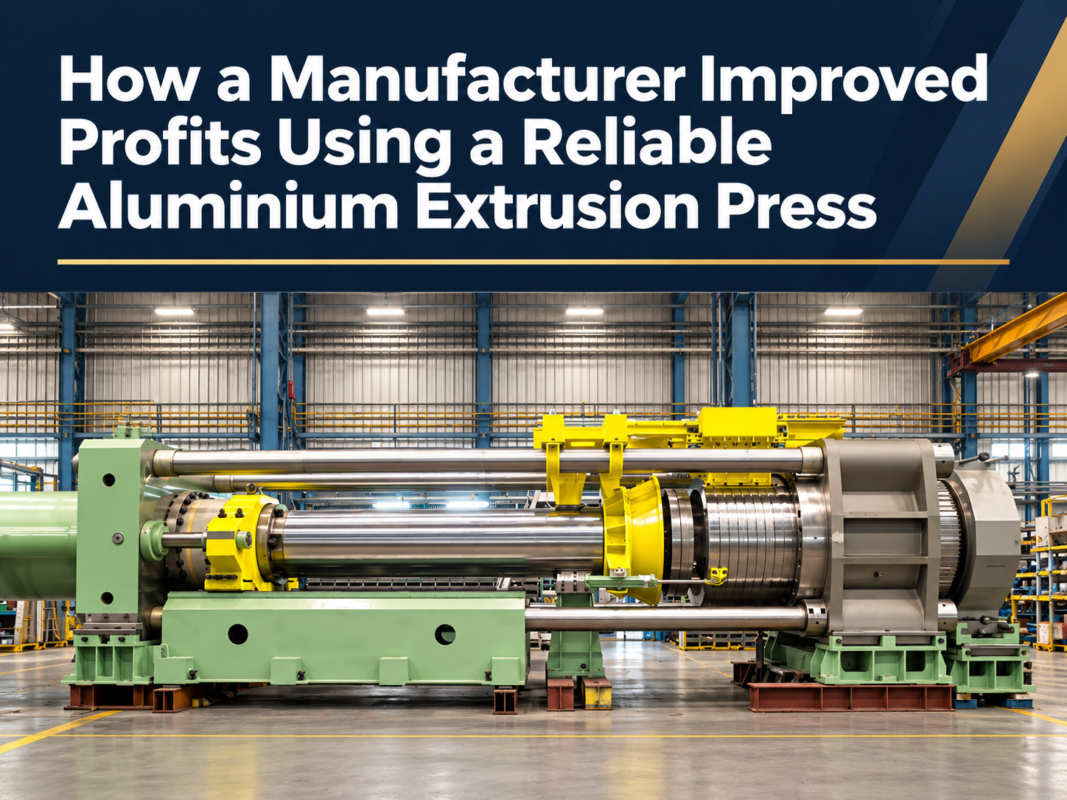
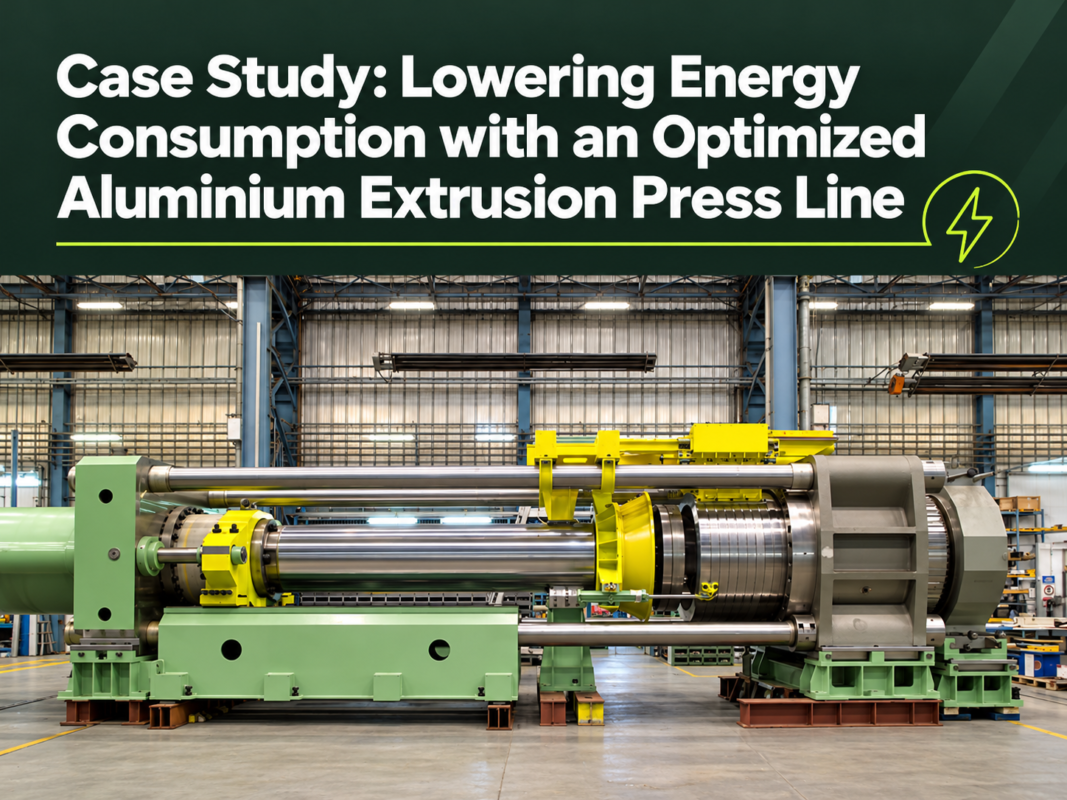
The core of any successful extrusion operation is the hydraulic system. HARSLE presses utilize high-efficiency variable displacement pumps that adjust flow based on the specific phase of the extrusion cycle. During the initial piercing phase, the system provides high force at lower speeds, while during the steady-state extrusion phase, it optimizes flow to maintain a constant ram speed. This precision is vital for maintaining consistent wall thickness across long automotive profiles.
Die management is another technical pillar. The die is the heart of the extrusion process, and its design dictates the flow of the aluminium alloy. In a successful Aluminium Extrusion Press Case Study for Automotive Profile Manufacturing Success, we observe that the use of multi-cavity dies requires a press with excellent centering capabilities. HARSLE presses feature advanced guide systems that ensure the ram remains perfectly aligned with the container, minimizing the risk of die deflection and ensuring uniform metal flow.
Thermal management systems are equally important. The container heating system must be capable of maintaining a uniform temperature profile across the entire length of the billet. Any temperature gradient within the container can lead to uneven extrusion speeds, resulting in twisted or bowed profiles. Advanced HARSLE presses incorporate multi-zone induction heaters that allow operators to fine-tune the temperature profile, ensuring that the metal flows predictably through the die orifice.
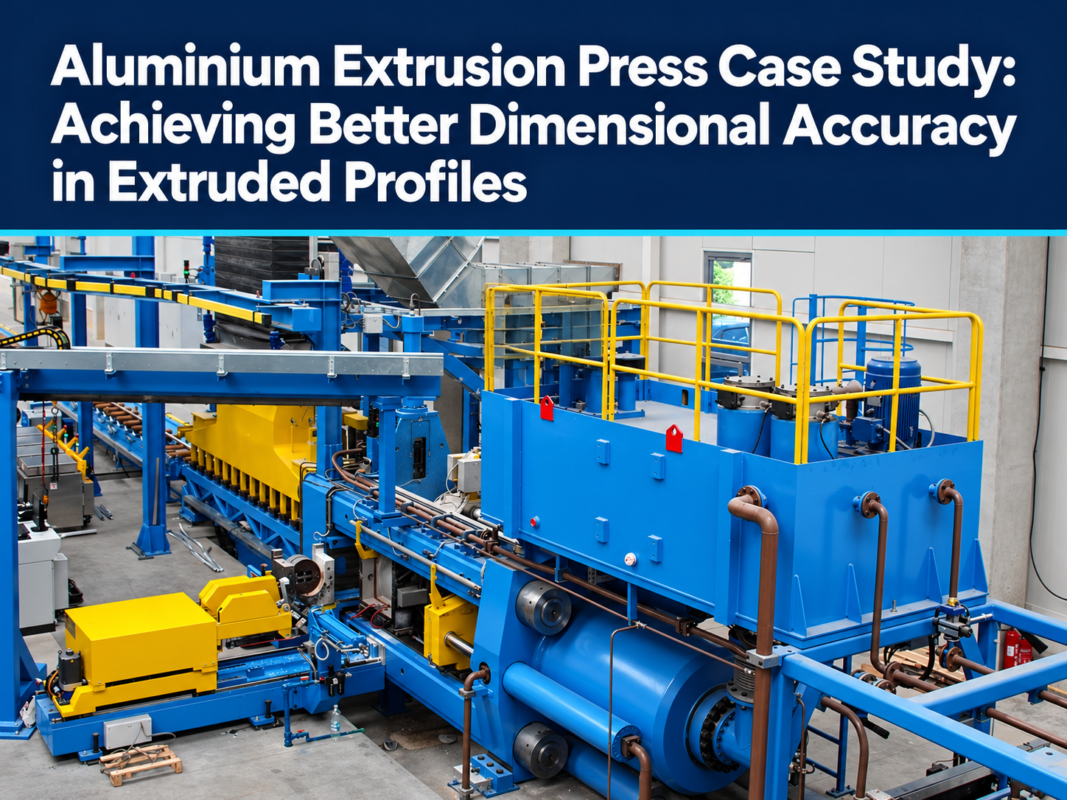
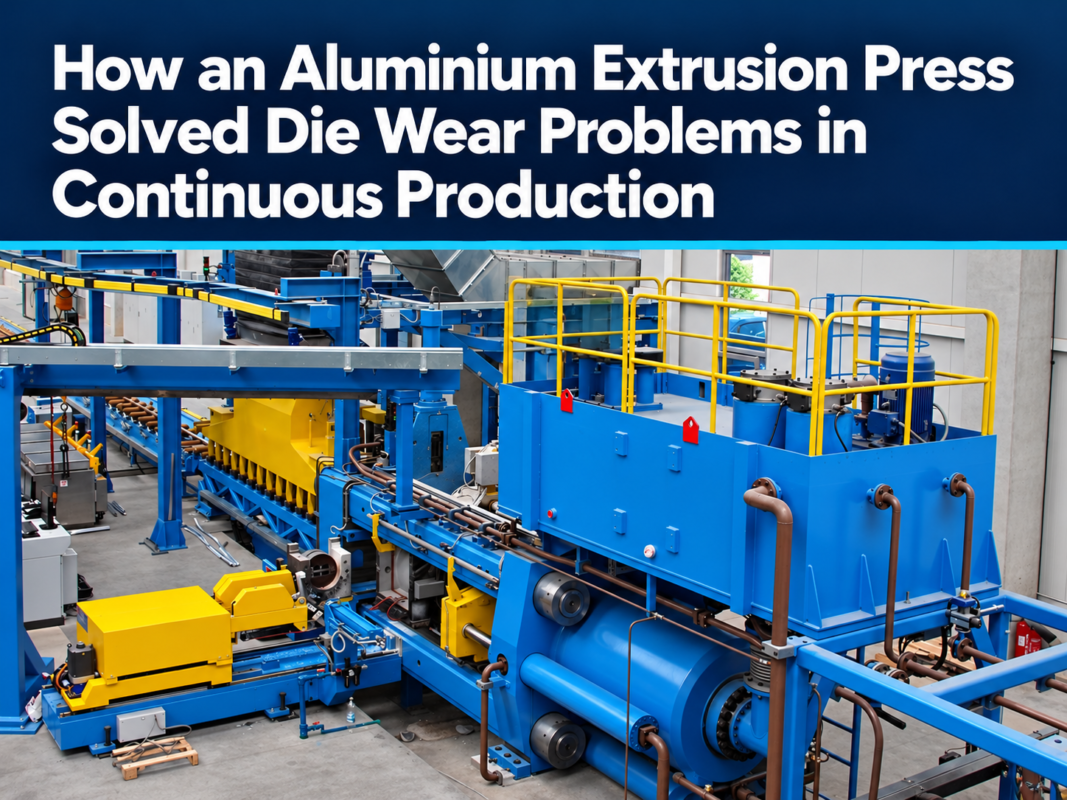
Automation in the handling of the extruded profile is the final technical hurdle. Once the profile exits the press, it must be handled with care to prevent surface scratches or deformation. Automated pullers, synchronized with the ram speed, maintain constant tension on the profile. This synchronization is critical for maintaining dimensional stability. Our research shows that the integration of servo-driven pullers significantly improves the consistency of automotive profiles, making them easier to assemble in the final vehicle chassis.
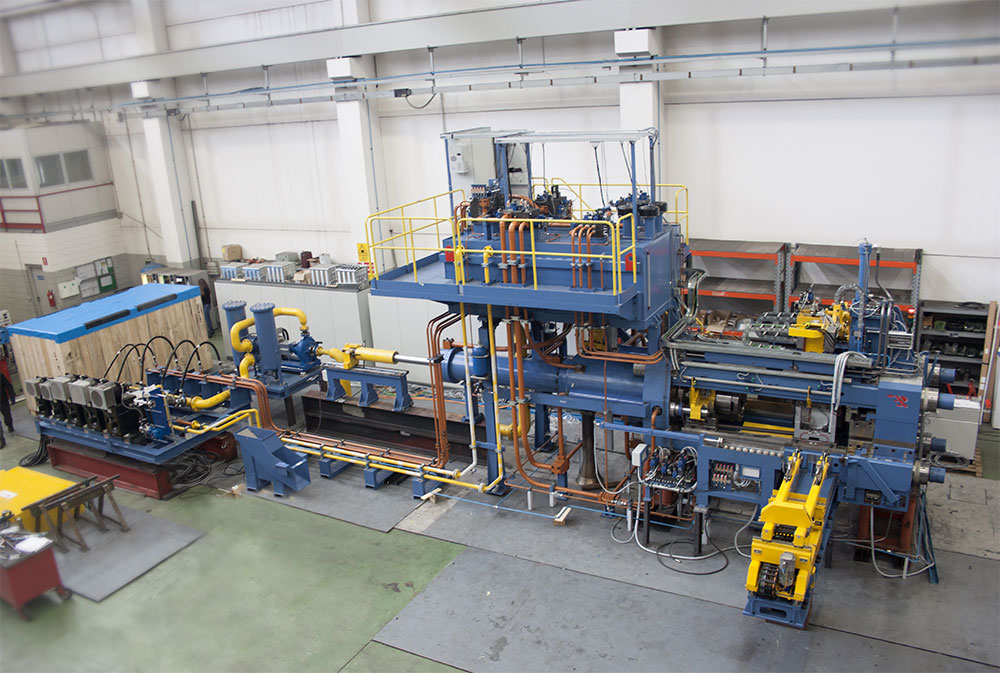
Selection Advice: Choosing the Right Equipment
Selecting the right aluminium extrusion press is a long-term capital investment. The first step is to define your maximum extrusion force requirements. This is calculated based on the cross-sectional area of the profile, the extrusion ratio, and the alloy flow stress. It is always advisable to select a press with a 15-20% buffer in force capacity to handle future, more complex profile designs. An Aluminium Extrusion Press Case Study for Automotive Profile Manufacturing Success often features a press that was slightly oversized for the initial project, allowing the manufacturer to expand their product range without needing a new machine.
Consider the container size and the billet diameter. While larger billets allow for longer production runs, they also require more energy and longer heating times. For automotive parts, which often require frequent alloy changes or specific temper requirements, a medium-sized press with a quick-change container system is often more efficient than a massive, inflexible machine. HARSLE offers modular designs that allow for rapid container swaps, minimizing downtime during product transitions.
Maintenance accessibility is a frequently overlooked factor. The extrusion environment is harsh, involving high temperatures, hydraulic fluids, and abrasive aluminium dust. A well-designed press should have clear access to the hydraulic manifold, the main cylinder, and the electrical control cabinet. HARSLE prioritizes ergonomic design, ensuring that routine maintenance tasks can be performed quickly, which is a key factor in the success of any high-volume automotive supplier.
Finally, look for a partner, not just a vendor. The success of your extrusion line depends on the support you receive after the installation. This includes operator training, spare parts availability, and remote diagnostic capabilities. When reviewing an Aluminium Extrusion Press Case Study for Automotive Profile Manufacturing Success, pay close attention to the after-sales support provided by the manufacturer. A responsive support team can be the difference between a minor hiccup and a multi-day production stoppage.
FAQ: Common Questions on Aluminium Extrusion
- What is the typical lifespan of a HARSLE aluminium extrusion press? With proper maintenance and regular hydraulic system servicing, these presses are designed to operate for 20+ years in demanding industrial environments.
- How does the extrusion process affect the mechanical properties of the aluminium? The extrusion process, combined with subsequent heat treatment (aging), aligns the grain structure of the aluminium, significantly increasing its tensile strength and hardness, which is essential for automotive structural integrity.
- Can these presses handle different aluminium alloys? Yes, HARSLE presses are designed for versatility. By adjusting the temperature profiles and ram speeds, the same press can handle various 6000-series and 7000-series alloys.
- What is the importance of the extrusion ratio? The extrusion ratio (the ratio of the cross-sectional area of the billet to the cross-sectional area of the profile) determines the amount of work done on the metal. A higher ratio generally results in better mechanical properties but requires higher extrusion forces.
- How do I reduce scrap rates in automotive profile manufacturing? Scrap rates are minimized through precise temperature control, high-quality die design, and the use of automated handling systems that prevent surface damage during the cooling process.
Conclusión
Achieving success in the automotive sector requires more than just raw material; it requires precision, reliability, and the ability to adapt to changing design trends. As demonstrated in this Aluminium Extrusion Press Case Study for Automotive Profile Manufacturing Success, the choice of machinery is the most critical factor in determining the quality and profitability of your production line. HARSLE remains committed to providing the metal fabrication equipment that empowers manufacturers to meet these challenges head-on.
By focusing on the technical integration of hydraulic systems, thermal management, and automated handling, automotive suppliers can ensure that their profiles meet the highest standards of the industry. Whether you are producing complex structural components for EVs or standard trim profiles, the principles outlined in this guide remain the same: invest in quality, prioritize maintenance, and choose a partner who understands the intricacies of the extrusion process.
We invite you to explore our full range of metal fabrication equipment and see how HARSLE can help you achieve your production goals. The future of automotive manufacturing is lightweight, strong, and efficient—and it starts with the right extrusion press. Contact our engineering team today to discuss your specific requirements and start your own success story.