Alligator Shear Not Holding Pressure? Hydraulic Troubleshooting Tips


Introduction: Understanding Pressure Loss in Alligator Shears
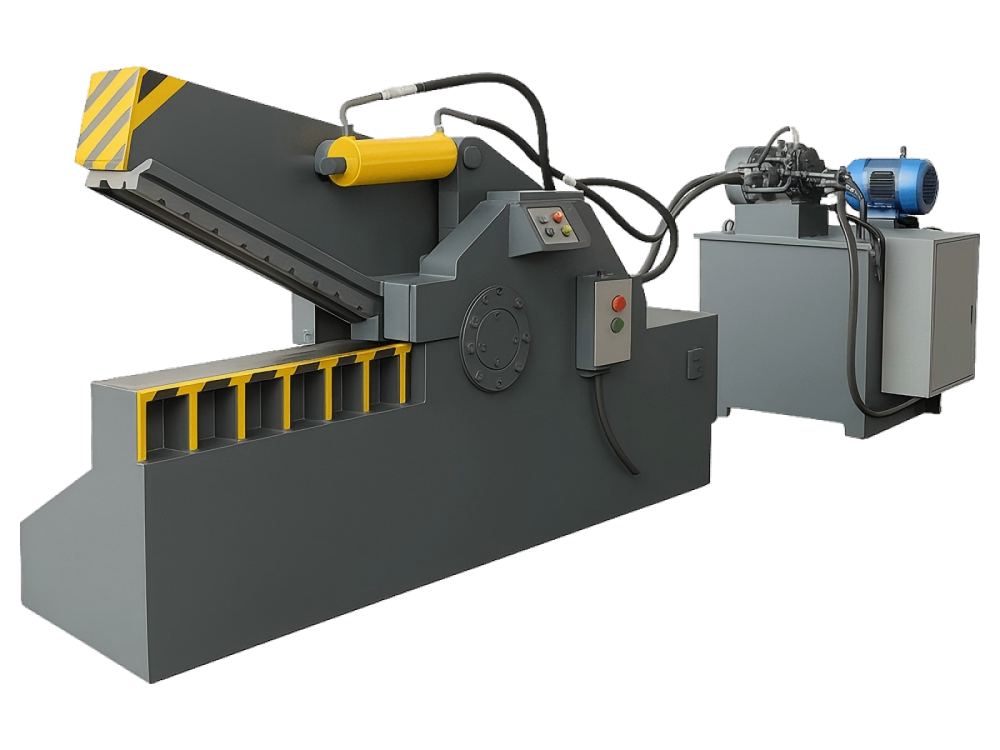
For metal fabrication facilities, the alligator shear is a workhorse designed for high-volume cutting of scrap metal, rebar, and structural profiles. However, when an operator notices that their alligator shear is not holding pressure, it signals a critical breakdown in the hydraulic system that can halt production and compromise safety. Understanding why your machine loses pressure is the first step toward restoring efficiency and preventing long-term mechanical damage.
Hydraulic systems in alligator shears rely on a precise balance of fluid pressure, flow control, and mechanical seals. When this balance is disrupted, the machine may struggle to complete a cut, experience sluggish blade movement, or fail to maintain the clamping force required to hold material securely. This guide explores the common culprits behind pressure loss and provides actionable troubleshooting steps for maintenance teams.
At HARSLE, we emphasize that consistent pressure is the lifeblood of industrial shearing. Whether you are processing heavy-duty steel or lighter gauge alloys, the hydraulic circuit must remain sealed and pressurized to deliver the necessary force. Ignoring minor pressure drops often leads to catastrophic pump failure or internal valve damage, which are significantly more expensive to repair than a simple seal replacement or fluid adjustment.
This article serves as a comprehensive resource for technicians and shop managers. We will break down the hydraulic architecture of alligator shears, identify the most frequent failure points, and provide a systematic approach to diagnosing and resolving pressure-related issues. By following these professional maintenance protocols, you can extend the lifespan of your HARSLE equipment and ensure peak performance in your fabrication workflow.
Key Considerations: Identifying the Symptoms of Pressure Loss
Before diving into the hydraulic components, it is essential to observe the specific symptoms of the pressure loss. Is the machine failing to hold pressure during the idle phase, or does it lose force only when the blade engages with the material? Distinguishing between these scenarios helps narrow down the search area significantly. If the pressure drops while the machine is idle, the issue is likely internal leakage or a faulty check valve.
Another key consideration is the condition of the hydraulic fluid. Contaminated oil, characterized by a milky appearance or a burnt odor, can wreak havoc on seals and pump internals. When fluid viscosity breaks down due to overheating or contamination, the hydraulic system loses its ability to maintain pressure under load. Always check the fluid reservoir levels and the condition of the filters as a primary diagnostic step.
Temperature fluctuations also play a major role in pressure stability. If the machine performs well when cold but loses pressure as it reaches operating temperature, you are likely dealing with internal bypass leakage. As oil heats up, it thins out; if there is a worn seal or a slightly open valve, the thinner oil will bypass the piston more easily, leading to a noticeable drop in shearing force.
Finally, consider the electrical and control interface. Sometimes, the issue is not hydraulic at all, but rather a faulty pressure transducer or a solenoid valve that is not receiving the correct signal to stay energized. Ensure that your control panel is reporting accurate pressure readings and that the electrical connections to the hydraulic manifold are secure and free of corrosion.
Technical Details: Hydraulic Troubleshooting Steps
When you have confirmed that your alligator shear is not holding pressure, the troubleshooting process should follow a logical sequence. Start by inspecting the external hydraulic circuit. Look for visible leaks around hoses, fittings, and cylinder glands. Even a small pinhole leak can cause a significant drop in system pressure over time, especially under high-load conditions.
Next, examine the hydraulic pump. The pump is the heart of the system, and internal wear can prevent it from reaching the required PSI. Use a calibrated pressure gauge to test the output directly at the pump port. If the pump cannot reach the rated pressure even when the system is isolated, it is likely time for a pump rebuild or replacement. Ensure that the pump intake is not restricted by a clogged suction strainer.
The relief valve is another common point of failure. If the relief valve is stuck in a partially open position, hydraulic fluid will be diverted back to the reservoir instead of being directed to the shearing cylinder. This results in a machine that runs but lacks the power to cut through metal. Inspect the relief valve for debris or spring fatigue. Often, cleaning the valve seat or adjusting the pressure setting can resolve the issue.
Internal cylinder bypass is a more complex issue. If the piston seals inside the main shearing cylinder are worn, fluid will leak from the high-pressure side to the low-pressure side of the piston. To test for this, you can perform a drift test: extend the cylinder, shut off the machine, and observe if the blade drifts back or if the pressure gauge drops rapidly. If it does, the cylinder seals require replacement.

Troubleshooting Checklist for Maintenance Teams
- Check Fluid Levels: Ensure the reservoir is filled to the manufacturer’s specification.
- Inspect Filters: Replace clogged return and suction filters to prevent cavitation.
- Test Relief Valves: Verify that the relief valve is not bypassing fluid prematurely.
- Monitor Temperature: Check for overheating, which indicates internal leakage or pump strain.
- Verify Electrical Signals: Ensure solenoid valves are receiving constant power during the cutting cycle.
- Check Cylinder Seals: Perform a drift test to identify internal bypass leakage.
Selection Advice: Choosing the Right Alligator Shear
When selecting an alligator shear for your facility, it is important to consider the hydraulic capacity relative to your typical workload. A machine that is constantly pushed to its maximum pressure rating will experience faster seal wear and more frequent hydraulic failures. Always opt for a machine with a slightly higher capacity than your maximum requirement to ensure the hydraulic system operates within its optimal range.
Look for manufacturers that prioritize high-quality hydraulic components. HARSLE machines, for instance, utilize robust, industry-standard valves and pumps that are easier to source and maintain. When evaluating a machine, ask about the accessibility of the hydraulic manifold. A well-designed machine allows for easy maintenance access, which reduces downtime when troubleshooting becomes necessary.
Consider the type of material you are processing. If you are cutting high-tensile steel, the hydraulic system will be subjected to higher shock loads. In these cases, look for shears equipped with shock-absorbing valves or accumulators that can dampen the pressure spikes, thereby protecting the seals and the pump from premature failure.
Finally, evaluate the availability of technical support and spare parts. A machine is only as good as the support behind it. Ensure that the manufacturer provides detailed hydraulic schematics and a clear maintenance schedule. Investing in a machine with a strong reputation for reliability, like those offered by HARSLE, will save you significant time and money in the long run.
FAQ: Frequently Asked Questions
Why does my alligator shear lose pressure only when cutting thick steel?
This is typically a sign of internal bypass leakage or a relief valve that is set too low. When the machine encounters high resistance, the pressure spikes; if there is a weak seal, the fluid will bypass the piston, causing a loss of force.
How often should I change the hydraulic oil in my shear?
Generally, hydraulic oil should be changed every 2,000 to 4,000 operating hours, or annually. However, if you operate in a dusty environment or run the machine at high temperatures, you should perform oil analysis more frequently to check for degradation.
Can a faulty pressure gauge cause the machine to stop working?
While a faulty gauge won’t stop the machine, it can lead to incorrect adjustments. If the gauge reads low, you might be tempted to increase the pressure, which could lead to over-pressurization and damage to the hydraulic lines or cylinder.
What are the signs of hydraulic pump cavitation?
Cavitation often sounds like gravel rattling inside the pump. It is caused by air bubbles in the fluid, usually due to a restricted suction line or low oil levels. If left unaddressed, it will destroy the pump internals very quickly.
Conclusion: Maintaining Your Hydraulic Edge
An alligator shear that is not holding pressure is a manageable problem if addressed with a systematic approach. By focusing on the health of your hydraulic fluid, the integrity of your seals, and the proper function of your valves and pumps, you can maintain the high performance required for modern metal fabrication. Remember that preventative maintenance is always more cost-effective than emergency repairs.
At HARSLE, we are committed to providing not just the machinery, but the knowledge required to keep your operations running smoothly. Use this guide as a reference during your routine inspections, and do not hesitate to consult your machine’s manual or our technical support team if you encounter persistent issues. With the right care, your alligator shear will remain a reliable asset in your workshop for years to come.
By staying proactive about hydraulic health, you ensure that your team can work safely and efficiently. Whether you are troubleshooting a pressure drop or planning your next equipment upgrade, prioritize quality, maintenance, and expert guidance to keep your production lines moving at full capacity.