What Is the Average Vertical Baler Price? A Buyer’s Cost Guide for 2026

Price Range Overview: Understanding the 2026 Market
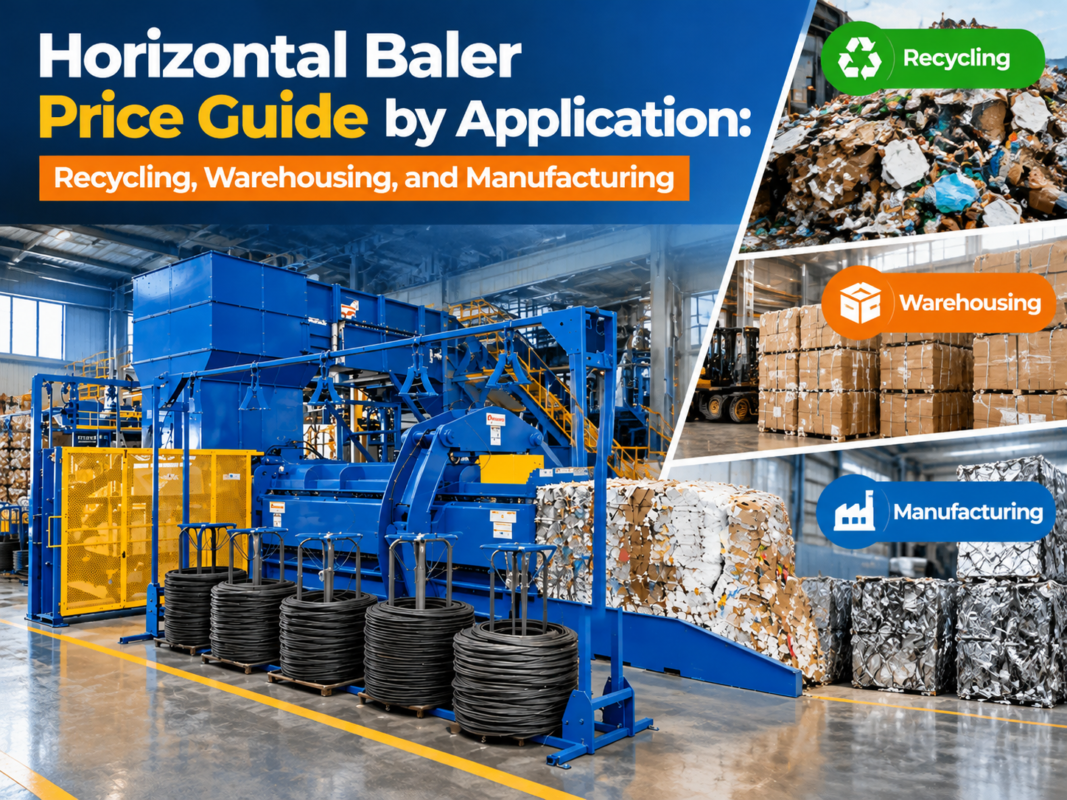
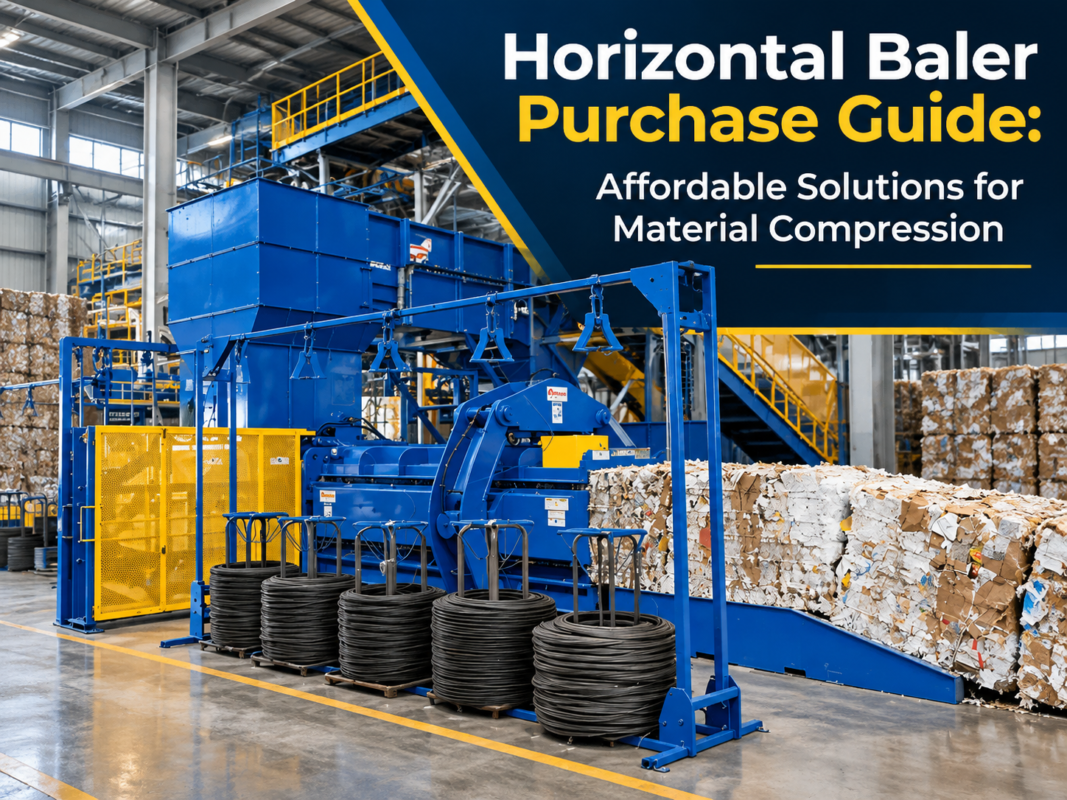
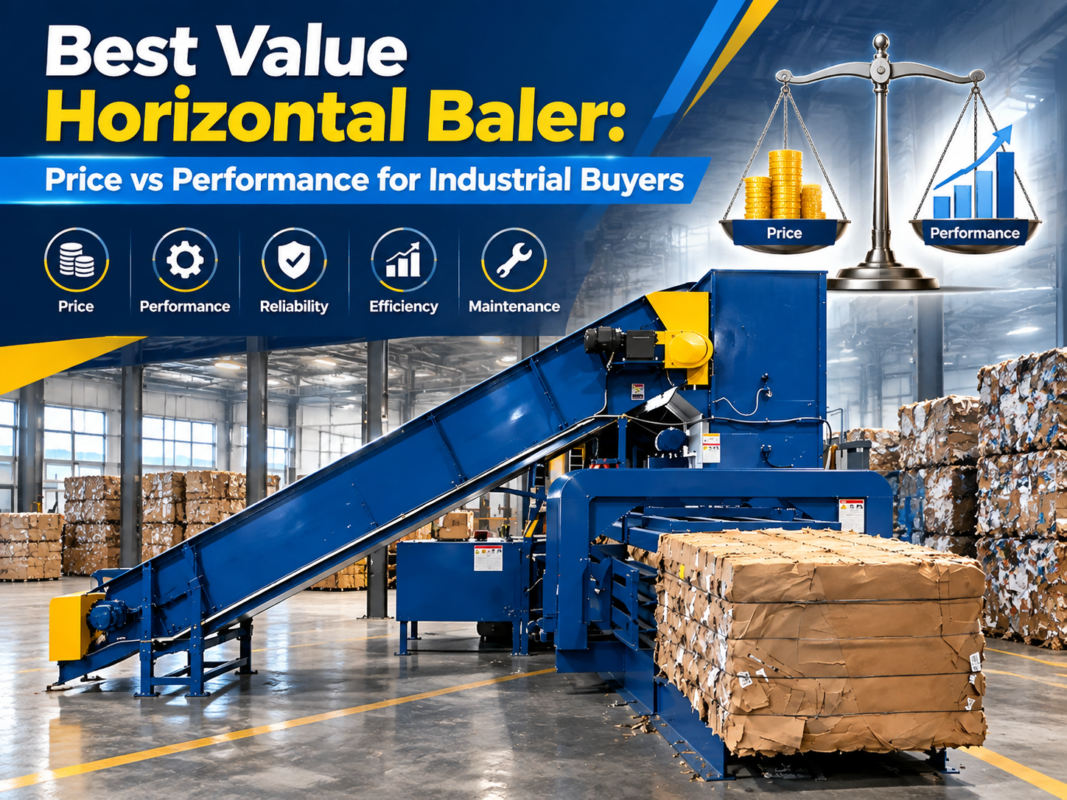
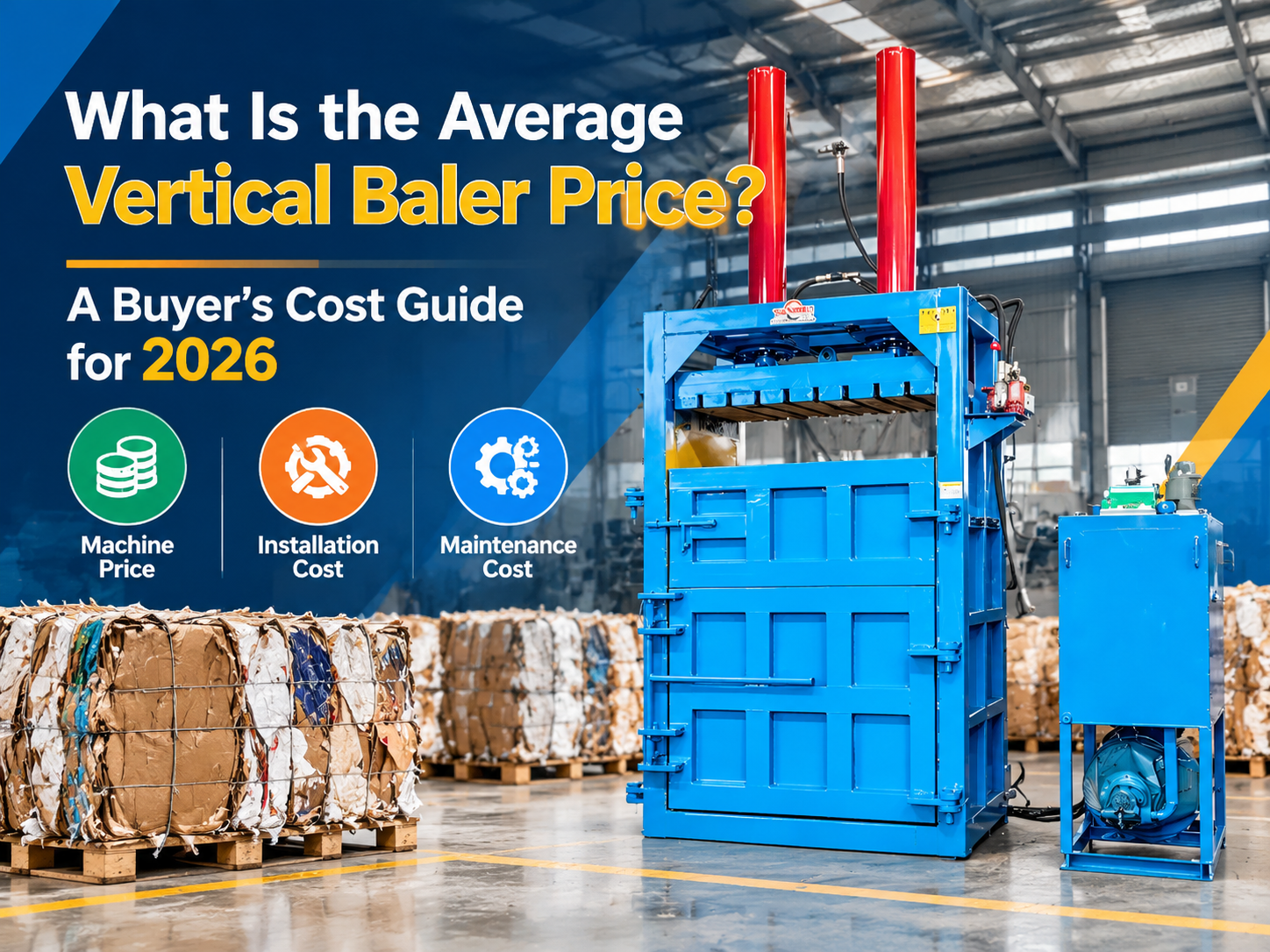
When businesses begin researching waste management solutions, the most common question is: What is the average vertical baler price? A buyer’s cost guide for 2026 reveals that the market is highly segmented based on capacity, automation levels, and structural integrity. For entry-level, low-volume vertical balers, prices typically start around $4,500 to $7,000. These machines are ideal for small retail shops or businesses with minimal cardboard output.
Moving into the mid-range sector, which serves the majority of manufacturing facilities and distribution centers, you can expect to pay between $8,500 and $18,000. These units offer higher compaction forces, larger feed openings, and more robust hydraulic systems designed for daily, multi-shift operations. The investment here is justified by the reduction in labor hours and the increased value of baled recyclables.
For heavy-duty, industrial-grade vertical balers, the price point often climbs to $20,000 and beyond. These machines are engineered for high-density materials, including non-ferrous metals, plastics, and high-volume corrugated cardboard. In 2026, the integration of smart sensors and IoT connectivity has added a premium to these high-end models, providing real-time data on bale weight and machine health.
It is important to note that the average vertical baler price is not a static figure. It fluctuates based on raw material costs—specifically steel prices—and global logistics expenses. As we move through 2026, manufacturers like HARSLE are focusing on energy-efficient designs that, while potentially carrying a higher upfront cost, significantly lower the total cost of ownership over the machine’s lifespan.
Main Cost Drivers: What Influences the Price Tag?
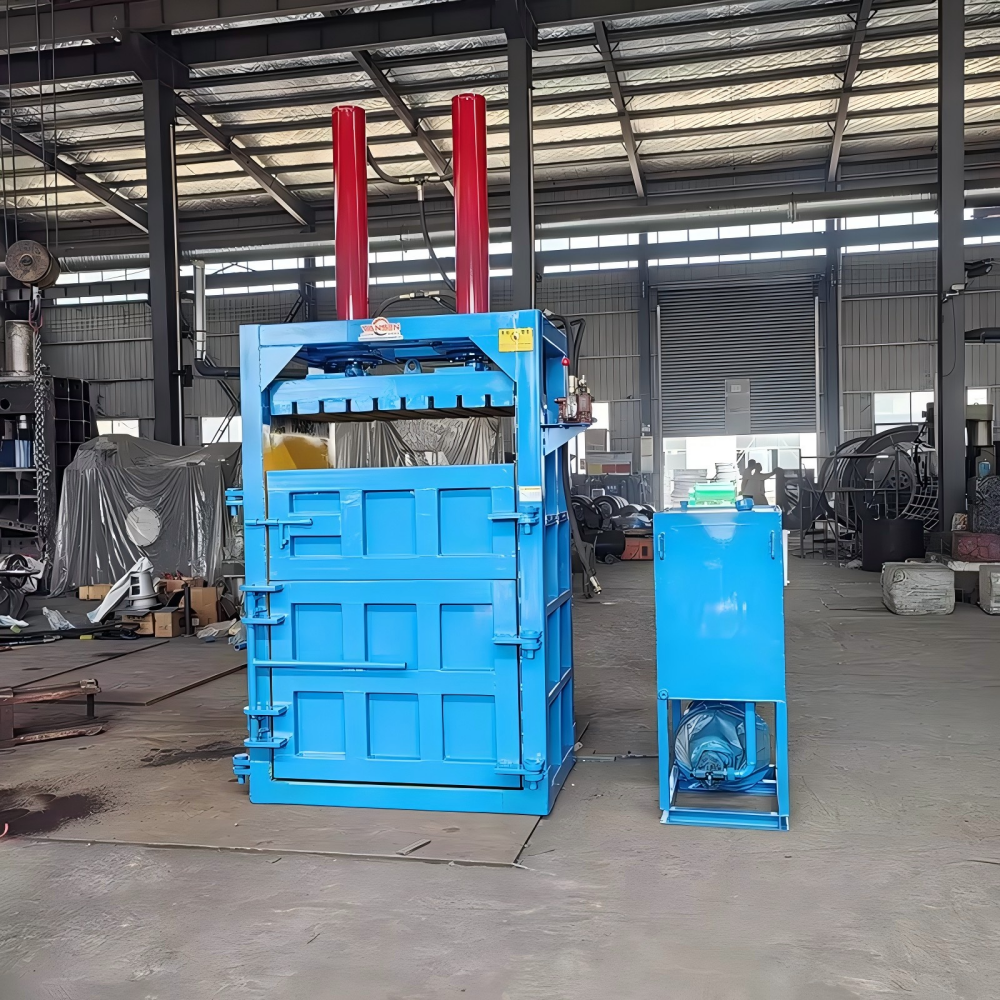
Several technical factors dictate the final cost of a vertical baler. The primary driver is the compaction force, measured in tons. A machine with a 50-ton ram force requires a more substantial frame, thicker steel plating, and a more powerful hydraulic pump than a 10-ton unit. The structural integrity of the chamber is paramount; cheaper machines may use thinner gauge steel that can deform under high pressure over time.
Hydraulic system complexity also plays a significant role. High-end balers utilize variable frequency drives (VFDs) and sophisticated valve manifolds to optimize energy consumption and speed. These components are more expensive to manufacture and install but provide a smoother, quieter, and more reliable operation. When evaluating quotes, look closely at the hydraulic specifications rather than just the price.
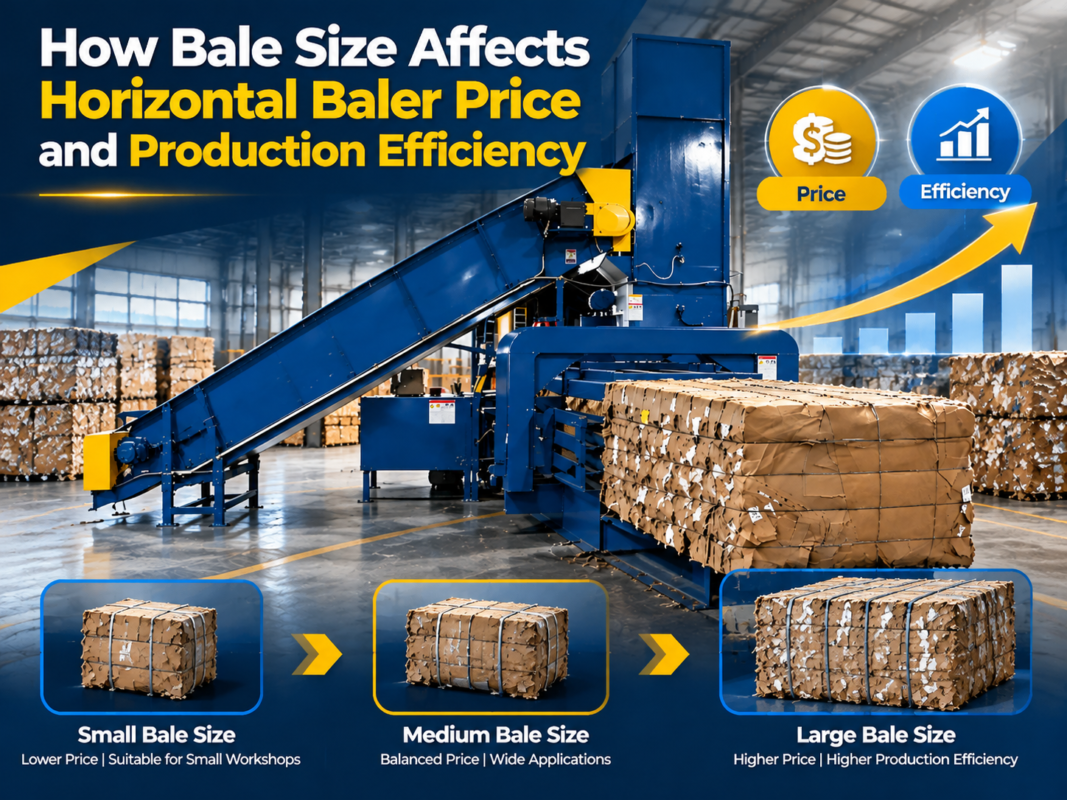
The size of the feed opening and the bale dimensions are also critical cost drivers. Larger openings allow for the processing of bulkier materials without pre-cutting, which saves labor. However, larger chambers require more robust support structures and longer hydraulic cylinders, both of which increase the cost of materials and manufacturing. Customization for specific material types, such as adding specialized teeth for plastic retention, will also add to the base price.
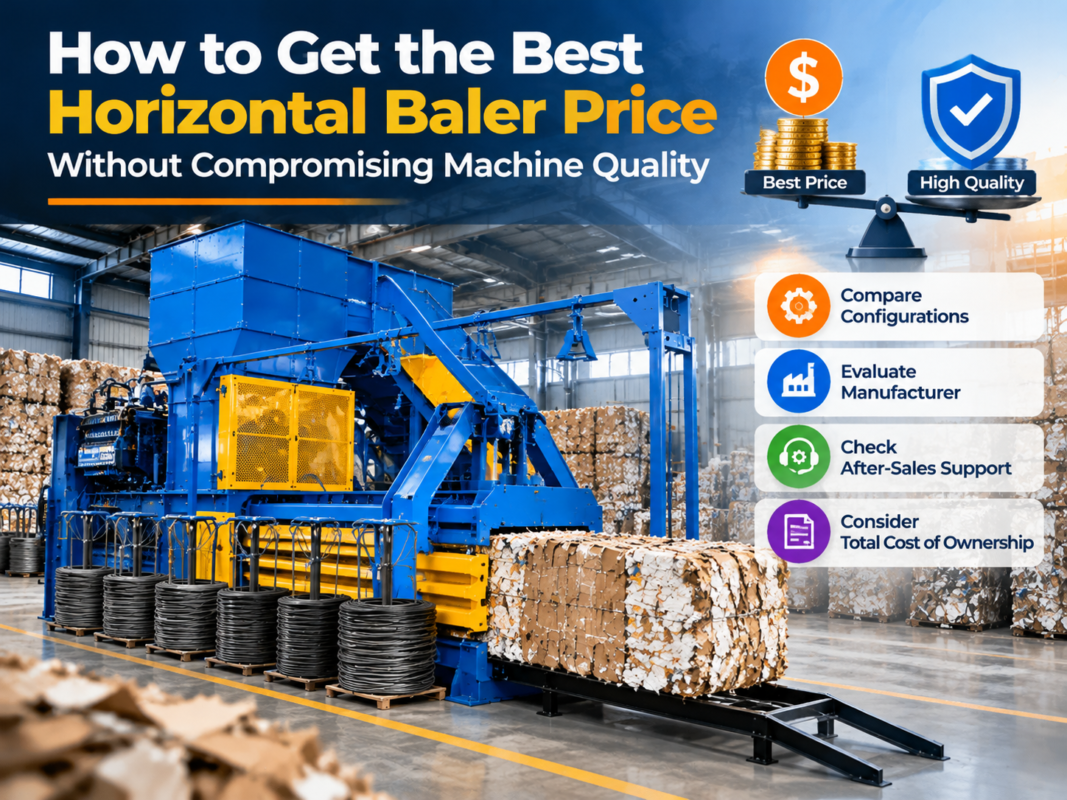
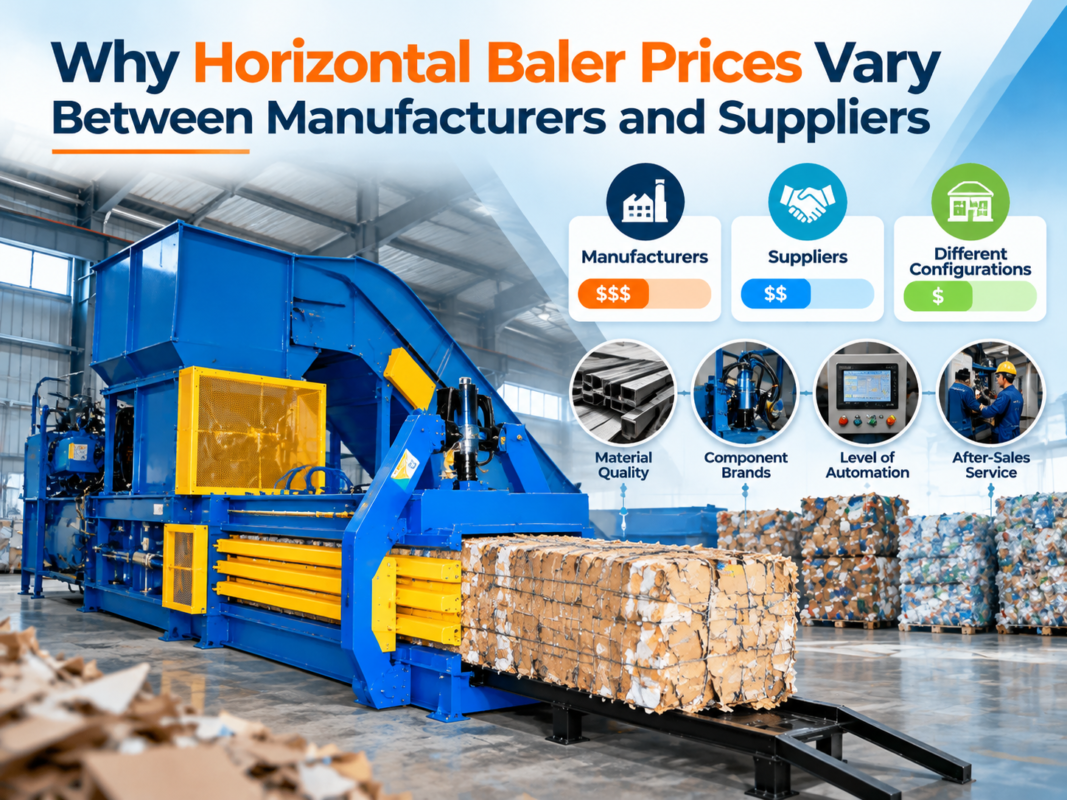
Finally, brand reputation and support infrastructure influence the cost. Established manufacturers like HARSLE invest heavily in R&D, quality control, and post-purchase support. While you might find lower-priced alternatives from unverified sources, the lack of spare parts availability and technical support often leads to higher long-term costs. Investing in a reputable brand ensures that your equipment remains operational for years, protecting your initial capital expenditure.
Configuration Impact: Tailoring the Machine to Your Needs
Configuration is where the “average” price becomes irrelevant, as your specific operational requirements will dictate the final quote. For instance, if your facility handles high volumes of recyclables, you may require an automatic bale ejection system or a cross-tying mechanism. These features streamline the workflow significantly but add complexity to the machine’s design and, consequently, its price.
Safety features are another area where configuration impacts cost. In 2026, regulatory standards are becoming increasingly stringent. High-quality balers come equipped with advanced light curtains, interlocked doors, and emergency stop systems that exceed basic safety requirements. While these features increase the upfront cost, they are essential for protecting your workforce and avoiding costly liability issues.
Consider the power requirements of your facility. Some vertical balers are designed for single-phase power, which is common in smaller shops, while others require three-phase industrial power. If your facility does not have the necessary electrical infrastructure, the cost of upgrading your power supply must be factored into the overall project budget. HARSLE offers various configurations to match existing electrical setups, minimizing installation hurdles.
Integration with existing waste management systems is another factor. Some businesses require conveyor belt loading or specialized chutes to feed the baler. These peripheral systems are not always included in the base price of the baler and should be discussed during the quoting phase. A well-configured system reduces manual handling, which is the most significant operational expense in waste management.
Hidden Costs: Beyond the Purchase Price
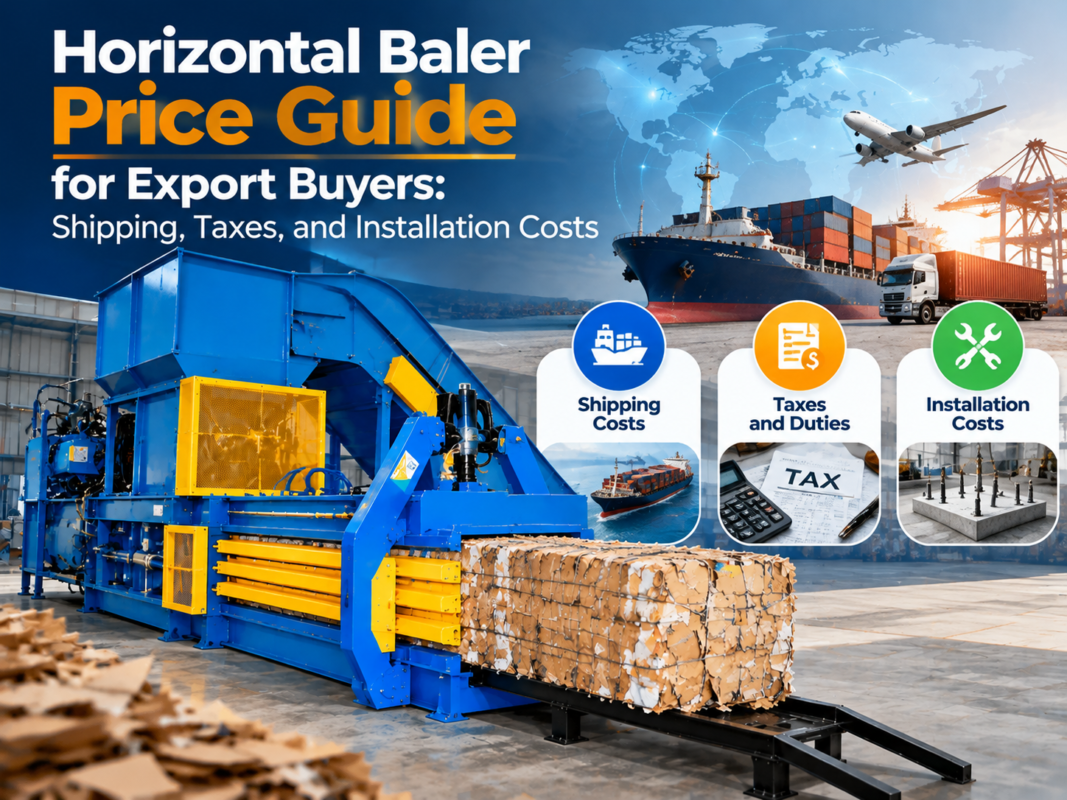
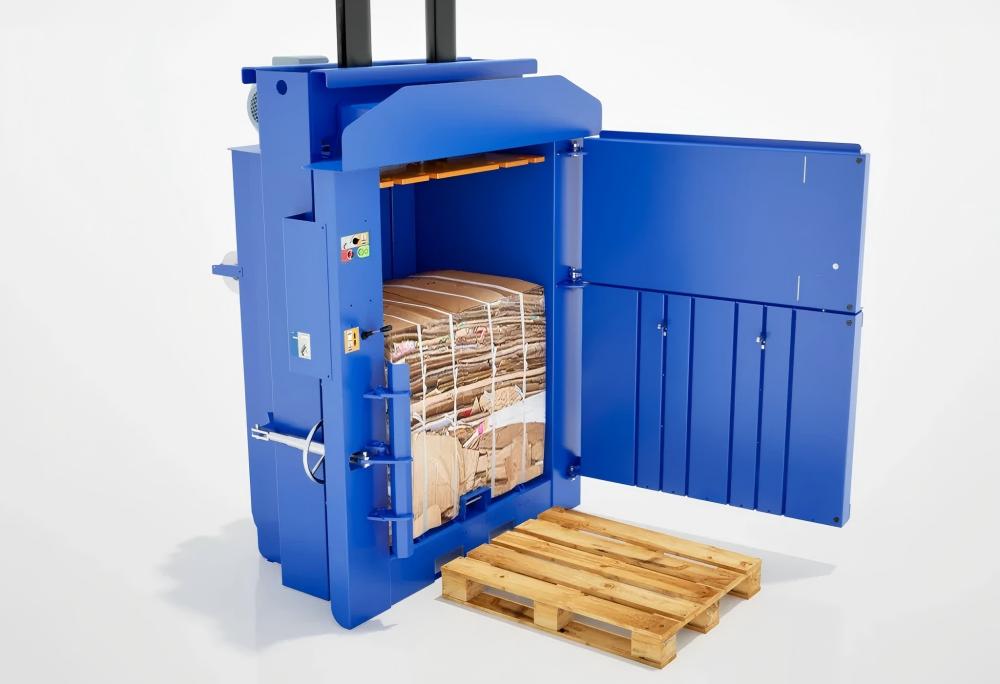
When calculating the true cost of a vertical baler, many buyers overlook the “hidden” expenses that occur after the purchase. Shipping and rigging are often the first surprises. Because these machines are heavy and bulky, transporting them to your site and positioning them correctly requires specialized equipment and professional labor. Always request a detailed logistics quote that includes offloading and placement.
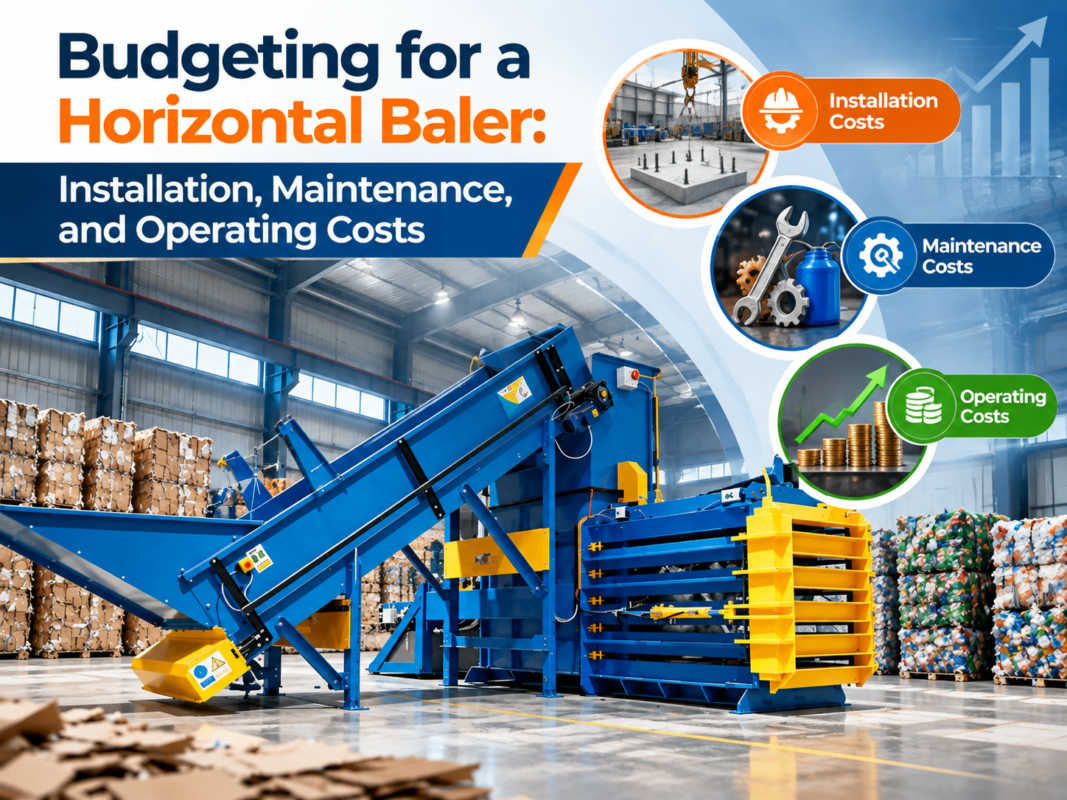
Installation and commissioning costs are equally important. While some smaller units are “plug-and-play,” industrial-grade balers require professional installation to ensure the hydraulic system is primed correctly and all safety sensors are calibrated. Improper installation can lead to premature wear or, worse, safety hazards. Budgeting for a certified technician to perform the initial setup is a wise investment.
Maintenance and consumables are ongoing costs that must be factored into your 2026 budget. You will need a steady supply of baling wire or strapping, as well as hydraulic oil and replacement filters. Additionally, setting aside a contingency fund for annual preventative maintenance visits will extend the life of your machine and prevent costly downtime. A proactive maintenance schedule is the best way to ensure your baler remains a profitable asset.
Finally, consider the cost of training your staff. A machine is only as efficient as its operator. Investing time in training your team on proper loading techniques, safety protocols, and basic troubleshooting will significantly improve the longevity of the equipment. Neglecting this aspect often leads to operator error, which is the leading cause of mechanical failure in industrial machinery.
ROI Calculation: Making the Business Case
To determine if a vertical baler is a sound investment, you must calculate the Return on Investment (ROI). Start by analyzing your current waste disposal costs. If you are paying for frequent dumpster pickups, you are essentially paying to transport air. A vertical baler compresses this waste, allowing you to fit more material into a single pickup, thereby reducing the frequency of waste collection services.
Next, consider the revenue potential of your baled materials. Baled cardboard, plastics, and metals have a commodity value. By separating these materials and baling them, you can sell them to recycling centers rather than paying to have them hauled away as trash. In many cases, the revenue generated from the sale of these bales can offset the cost of the machine within 18 to 36 months.
Labor savings are another critical component of the ROI calculation. Without a baler, employees spend significant time breaking down boxes and managing loose waste. A vertical baler centralizes this process, allowing for a more efficient workflow. When you multiply the hours saved by your average hourly labor rate, the financial benefits become clear. Efficiency is the cornerstone of modern metal fabrication and manufacturing.
Finally, consider the environmental impact and corporate responsibility. Many companies are now required to meet sustainability targets. A vertical baler is a tangible demonstration of your commitment to reducing your carbon footprint. This can improve your brand image and potentially qualify your business for tax incentives or green grants, further enhancing the overall ROI of your purchase.
Buying Advice: Steps to a Successful Acquisition
Before finalizing your purchase, conduct a thorough waste audit. Measure the volume and type of waste your facility generates daily. This data will help you determine the necessary compaction force and chamber size. Do not over-buy; a machine that is too large for your needs will be an inefficient use of capital, while a machine that is too small will become a bottleneck in your operations.
Request quotes from multiple reputable suppliers and compare them based on total value, not just price. Look for transparency in the quote regarding shipping, installation, and warranty terms. A good supplier will be willing to discuss the technical specifications in detail and provide references from other clients in your industry. HARSLE prides itself on providing comprehensive consultations to ensure you get the right machine for your specific application.
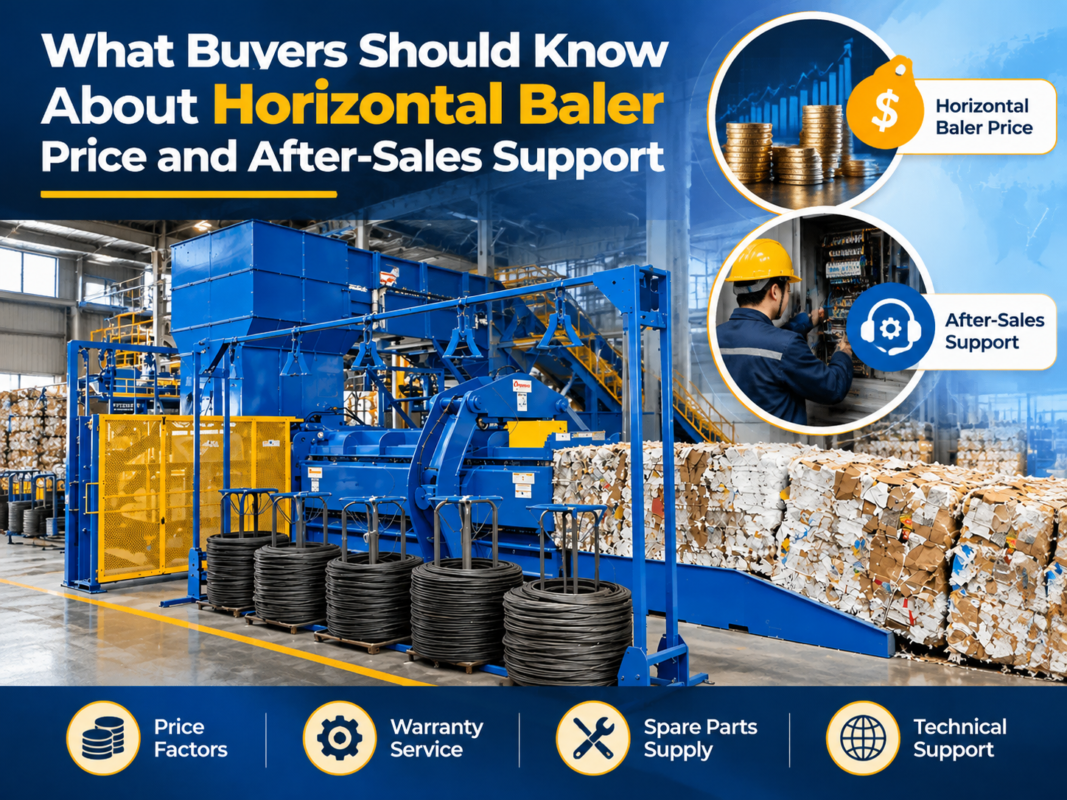
Check the warranty and support terms carefully. A standard one-year warranty is common, but look for manufacturers that offer extended warranties or comprehensive service contracts. Knowing that you have access to technical support and spare parts will give you peace of mind. Ask about the availability of local service technicians who can respond quickly to any issues that may arise.
Finally, visit the manufacturer’s website or showroom if possible. Seeing the machine in operation can provide valuable insights into its build quality and ease of use. If a physical visit is not possible, request video demonstrations of the machine processing the specific materials you intend to bale. A well-informed buyer is a successful buyer, and taking these steps will ensure that your 2026 investment yields maximum returns.
FAQ: Frequently Asked Questions
- Q: How long does a vertical baler typically last?
A: With proper maintenance, a high-quality industrial vertical baler can last 10 to 15 years or more. - Q: Can one baler handle multiple types of materials?
A: Yes, most vertical balers can handle cardboard, plastic, and thin metals, but you should consult with the manufacturer to ensure the machine is configured for your specific material mix. - Q: Is it better to buy new or used?
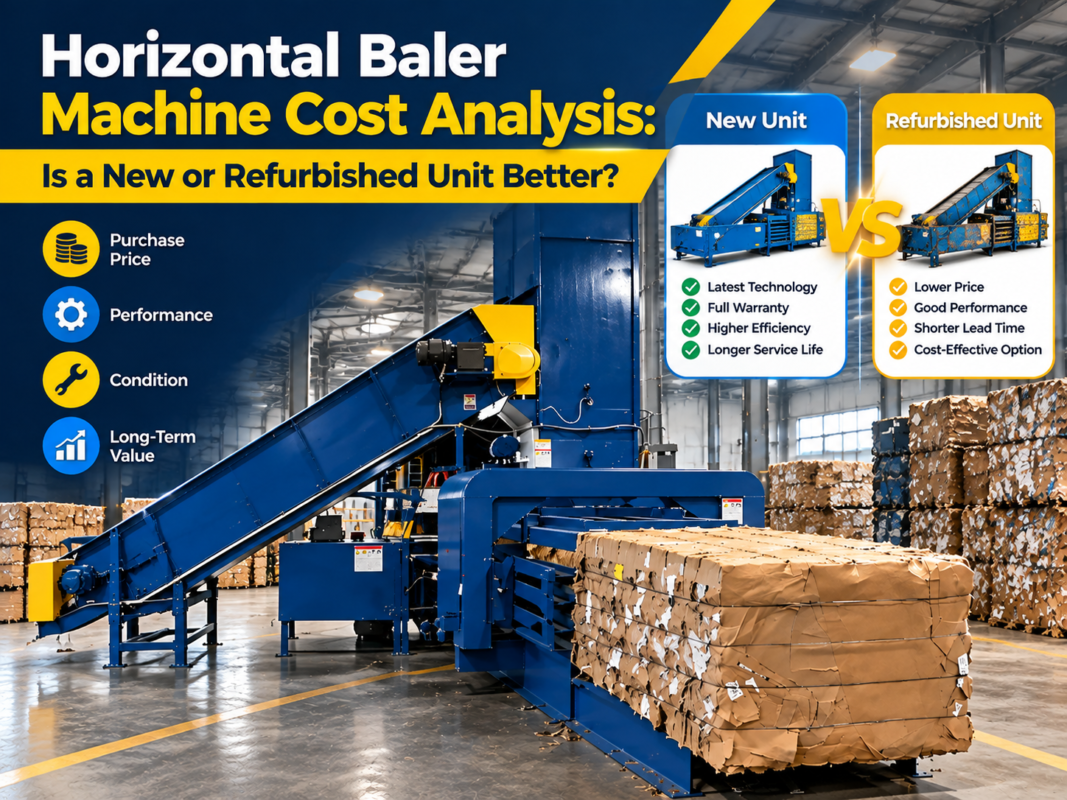
A: While used balers are cheaper, they come with risks regarding hidden wear and lack of warranty. For critical operations, new equipment is generally recommended to ensure reliability. - Q: How much space do I need for a vertical baler?
A: Space requirements vary by model, but you must account for the machine’s footprint, the space needed to open the doors, and room for the operator to work safely. - Q: Do I need special permits to operate a baler?
A: Generally, no, but you must ensure your installation complies with local building and fire codes.