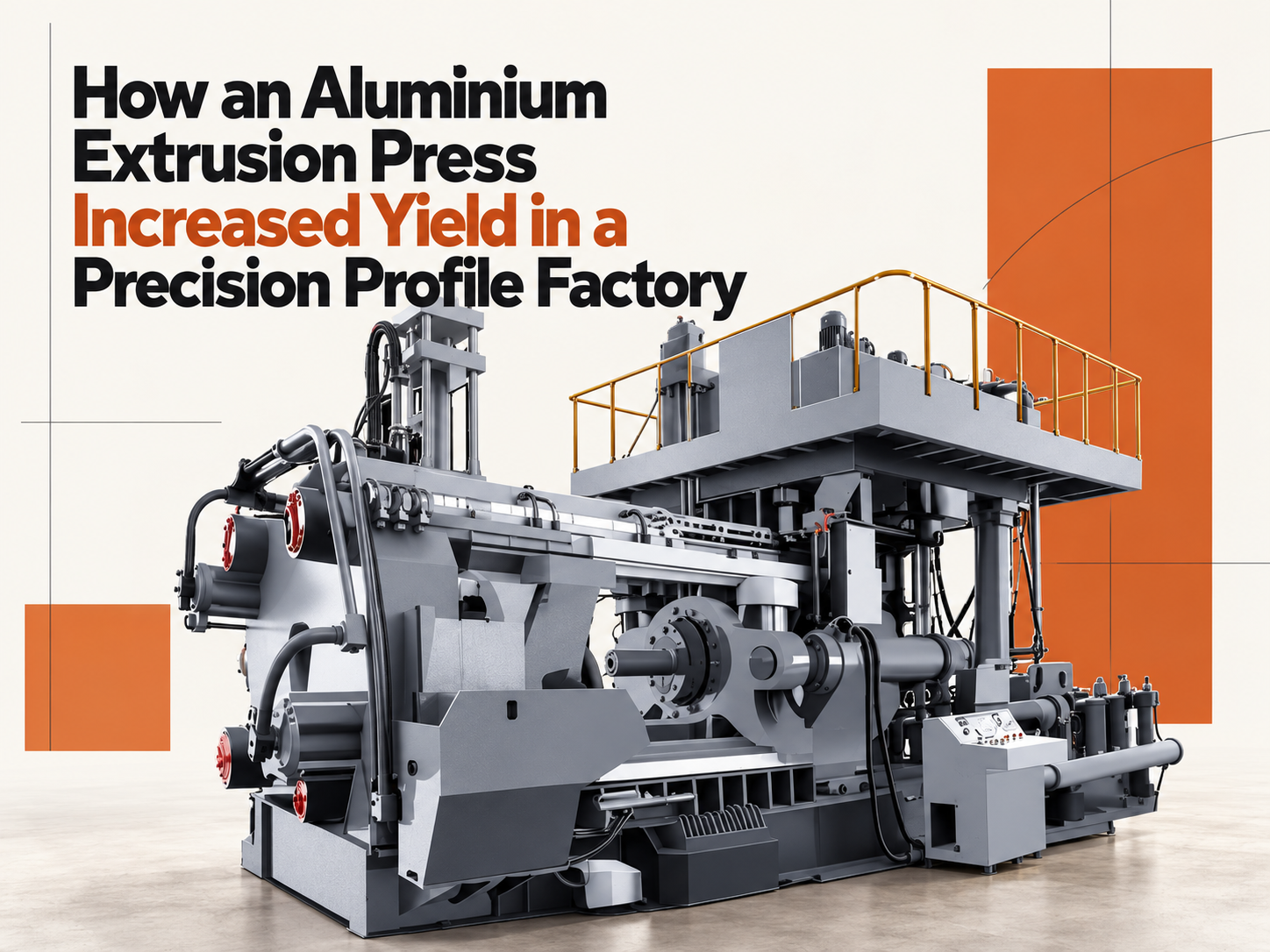
How an Aluminium Extrusion Press Increased Yield in a Precision Profile Factory: A HARSLE Case Study

Introduction: The Evolution of Precision Profile Manufacturing
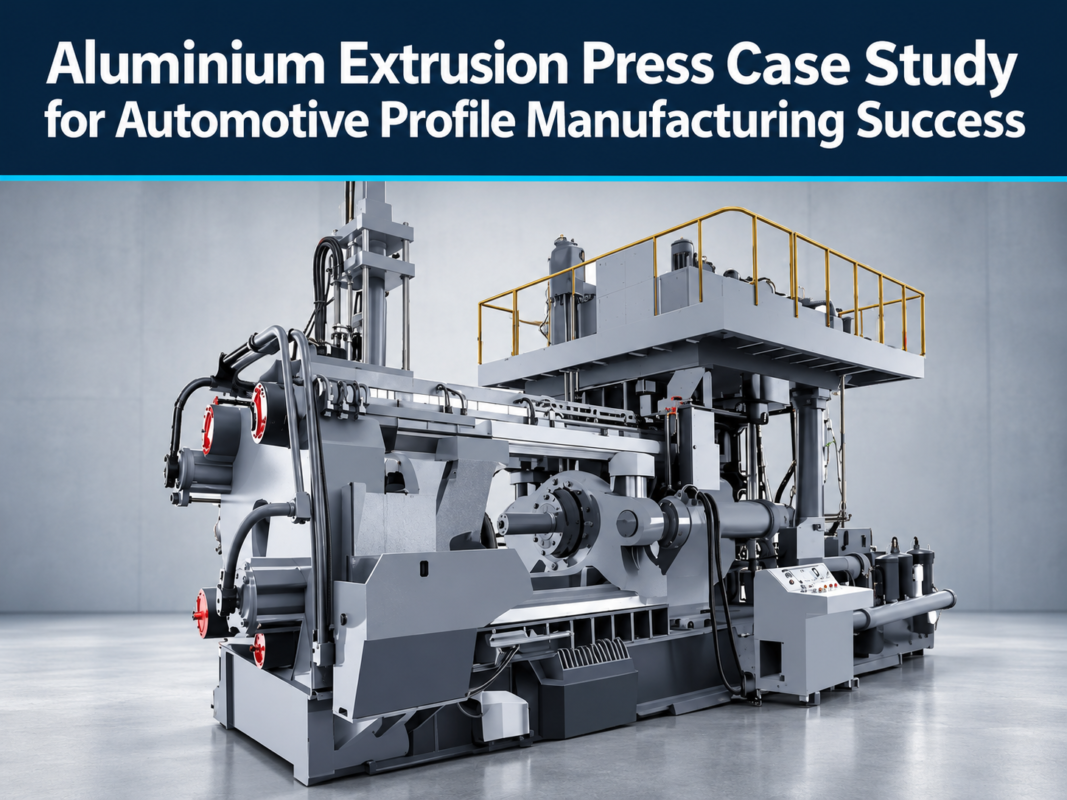
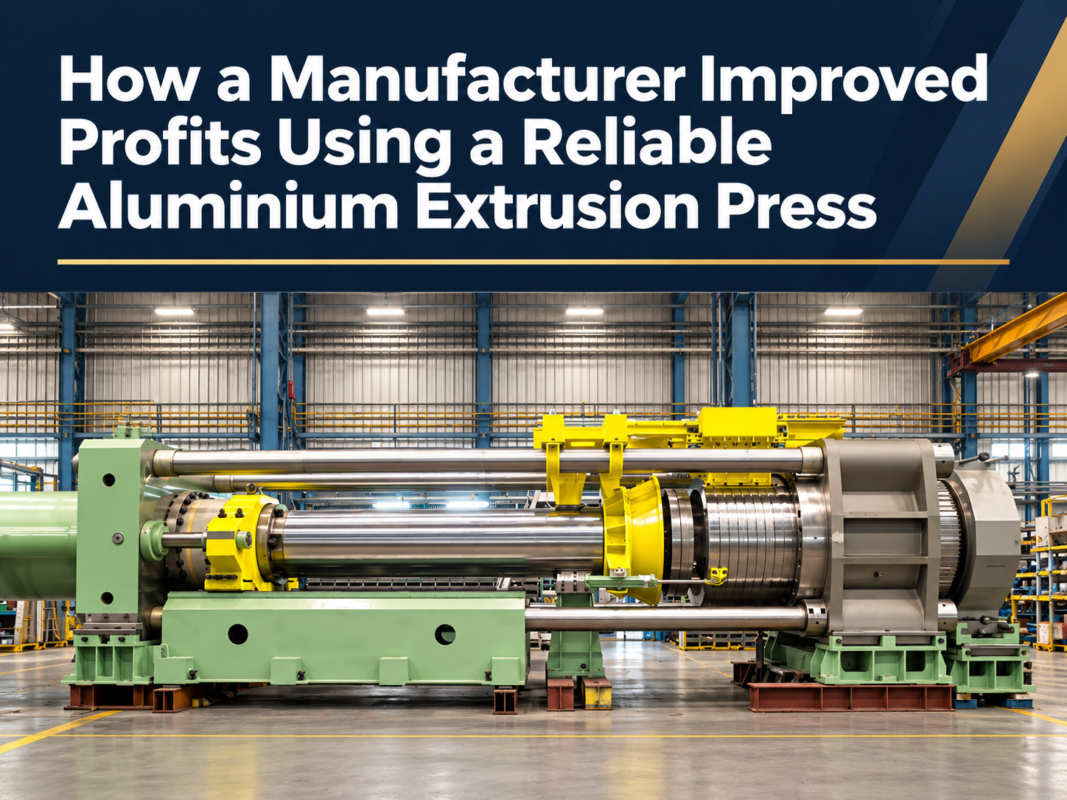
In the competitive landscape of modern metal fabrication, the ability to maintain high-volume output without compromising on dimensional accuracy is the hallmark of a successful enterprise. For many manufacturers, the bottleneck often lies in the primary forming stage. Recently, a leading precision profile factory faced a critical challenge: their aging extrusion equipment could no longer keep pace with the tightening tolerances required by the automotive and aerospace sectors. By integrating a state-of-the-art HARSLE aluminium extrusion press, the facility witnessed a transformative shift in operational performance.
The core of this transformation was not merely about replacing old hardware; it was about adopting a system designed for high-speed, high-precision output. When we analyze how an aluminium extrusion press increased yield in a precision profile factory, we see a clear correlation between advanced hydraulic control, thermal management, and automated handling systems. This article explores the technical journey of this upgrade and provides a comprehensive guide for manufacturers looking to optimize their own extrusion lines.
Yield improvement in extrusion is a multi-faceted metric. It encompasses not only the raw volume of profiles produced per hour but also the reduction of scrap rates, the minimization of downtime, and the consistency of the metallurgical properties across every batch. As we delve into the specifics, it becomes clear that modern machinery is the primary driver of these gains, allowing factories to move from reactive maintenance to proactive, high-efficiency production.
Key Considerations for Optimizing Extrusion Yield
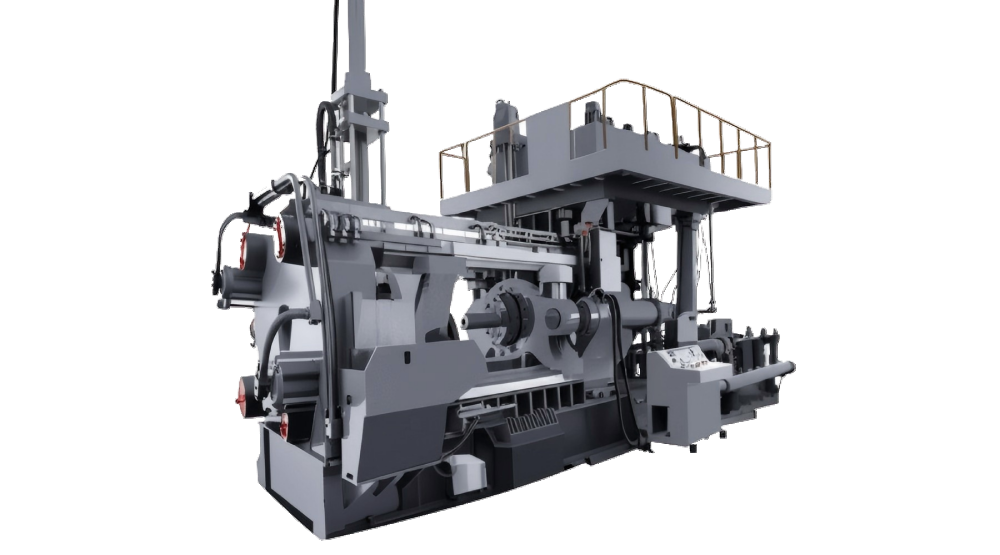
Before investing in new machinery, factory managers must evaluate the specific variables that influence yield. The most significant factor is the consistency of the billet temperature. If the billet is too cold, the extrusion pressure spikes, leading to potential die damage and surface defects. If it is too hot, the structural integrity of the profile may be compromised, leading to warping or inconsistent grain structures. A modern HARSLE press utilizes advanced induction heating and precise temperature monitoring to ensure every billet enters the container at the optimal thermal state.
Another critical consideration is the extrusion ratio and the speed of the ram. In older systems, operators often had to manually adjust speeds based on visual cues, which is inherently prone to human error. Modern systems utilize PLC-controlled logic that adjusts the ram speed in real-time based on the pressure sensors and the profile geometry. This dynamic adjustment prevents the “stick-slip” phenomenon that often causes surface tearing in complex profiles, thereby significantly increasing the percentage of sellable product.
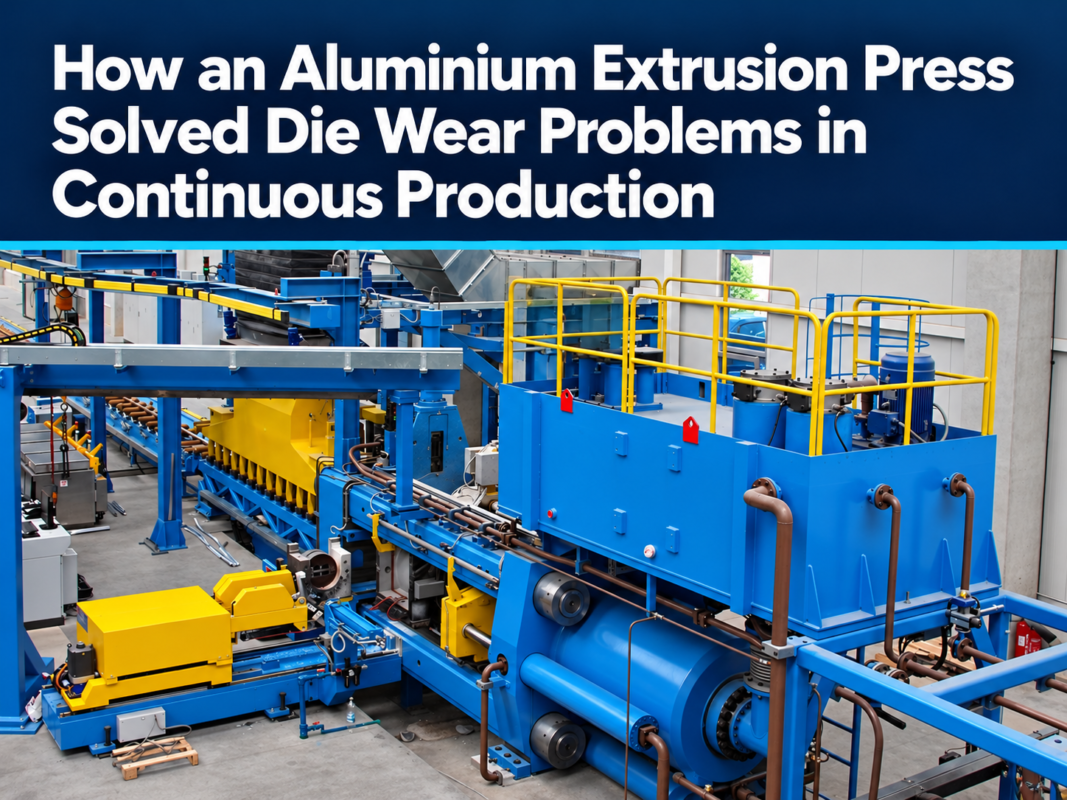
Die management also plays a pivotal role in yield. The interaction between the die design and the press force is delicate. By using high-performance HARSLE presses, factories can utilize more complex die geometries that would have been impossible to run on older, less stable equipment. This allows for the production of thinner-walled profiles with higher complexity, which command higher market prices and improve the overall value-per-kilogram yield of the factory.
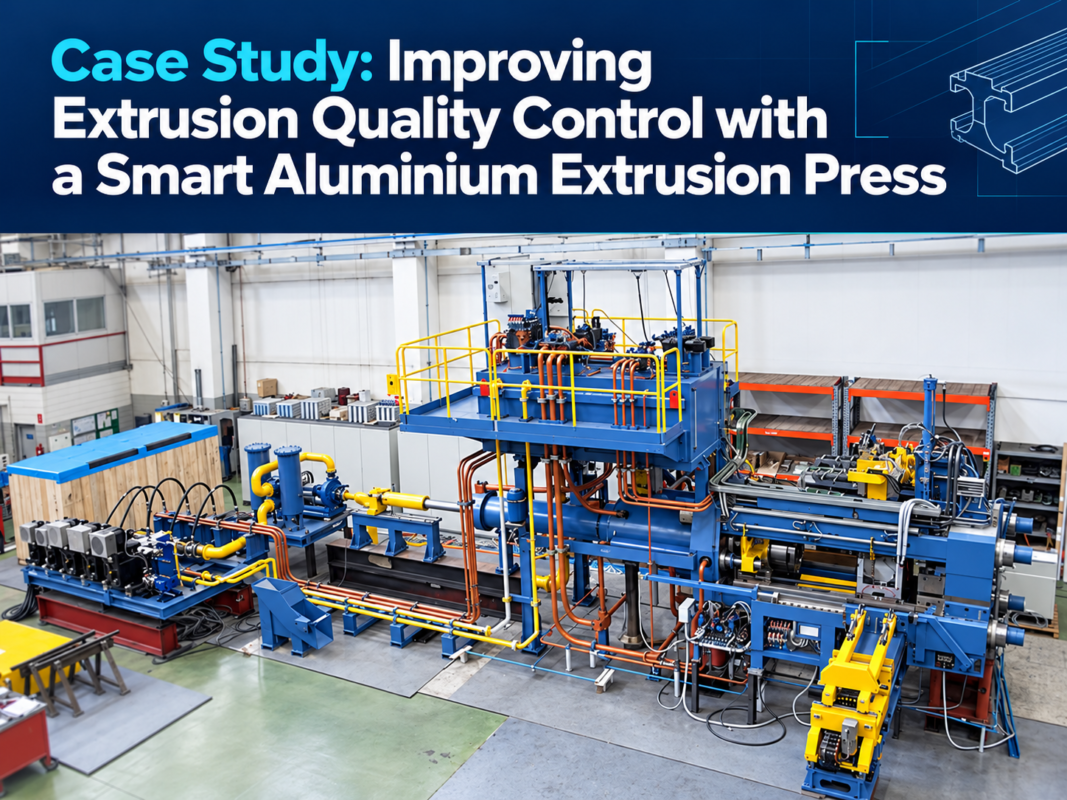
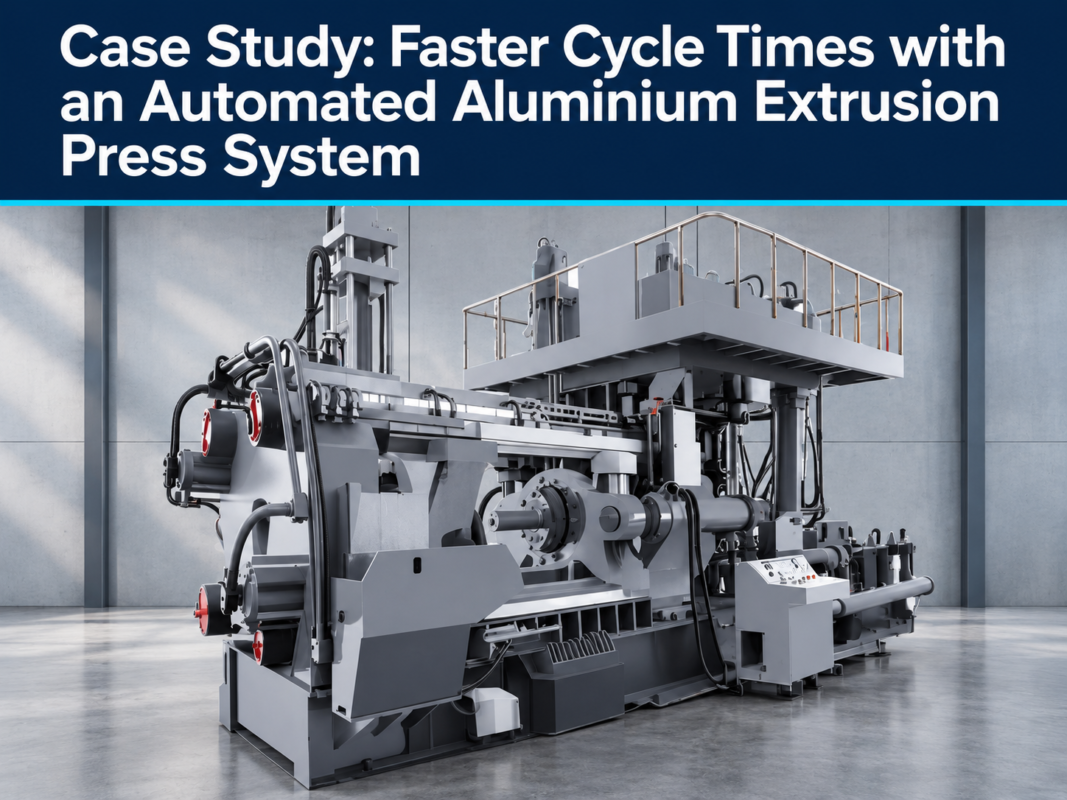
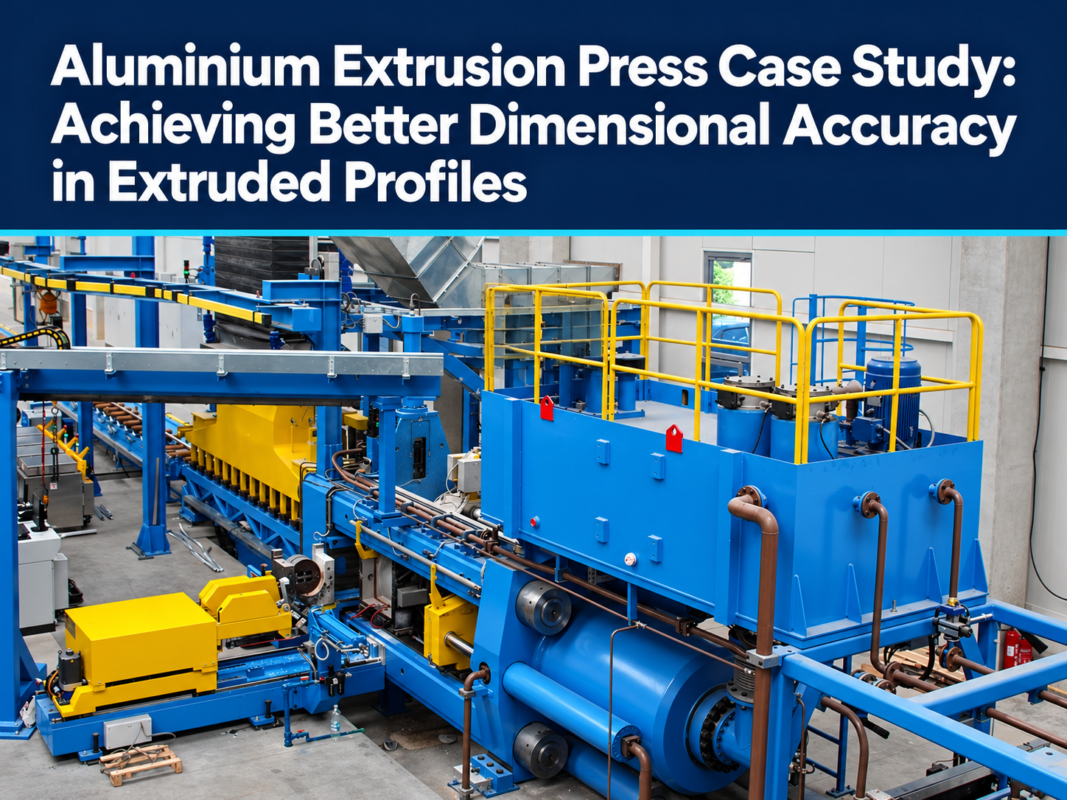
Finally, the integration of automated handling systems—such as pullers, cooling tables, and automatic saws—cannot be overlooked. Yield is often lost during the transition from the press to the finishing stage. By synchronizing the press speed with the puller speed, the factory ensures that the profile is under constant, controlled tension, preventing sagging or twisting. This synchronization is a hallmark of how an aluminium extrusion press increased yield in a precision profile factory, as it reduces the amount of material that must be discarded due to handling-induced deformation.
Technical Details: The HARSLE Advantage
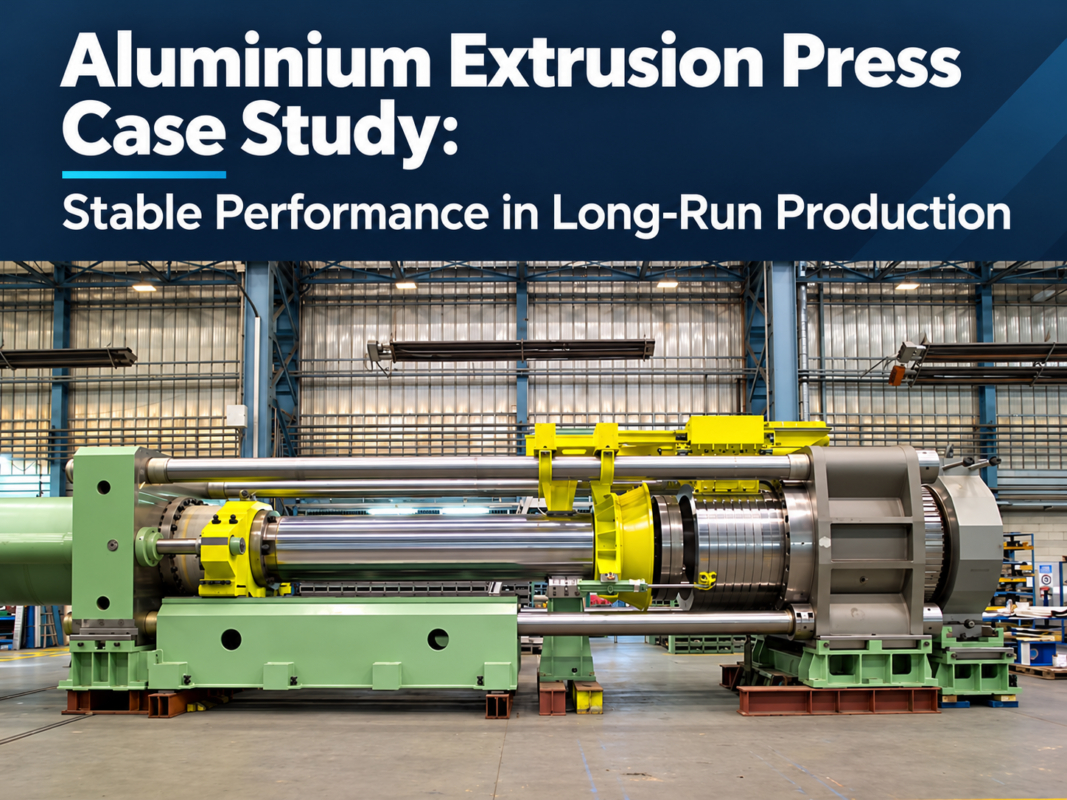
The technical superiority of a HARSLE aluminium extrusion press lies in its hydraulic architecture. Unlike traditional systems that suffer from pressure fluctuations, HARSLE presses employ a high-response proportional valve system. This allows for extremely smooth acceleration and deceleration of the main ram. When the ram moves with precision, the flow of the aluminium through the die is laminar rather than turbulent, which is essential for achieving the high-quality surface finishes required in architectural and automotive applications.
Furthermore, the container sealing mechanism in HARSLE equipment is engineered for longevity and airtight performance. A common cause of yield loss is the leakage of aluminium around the container, which leads to pressure drops and inconsistent extrusion. The HARSLE design incorporates a robust sealing system that maintains constant pressure, ensuring that the billet is fully extruded with minimal “butt” waste. Reducing the butt size is one of the most direct ways to increase the yield of usable aluminium from every single billet.
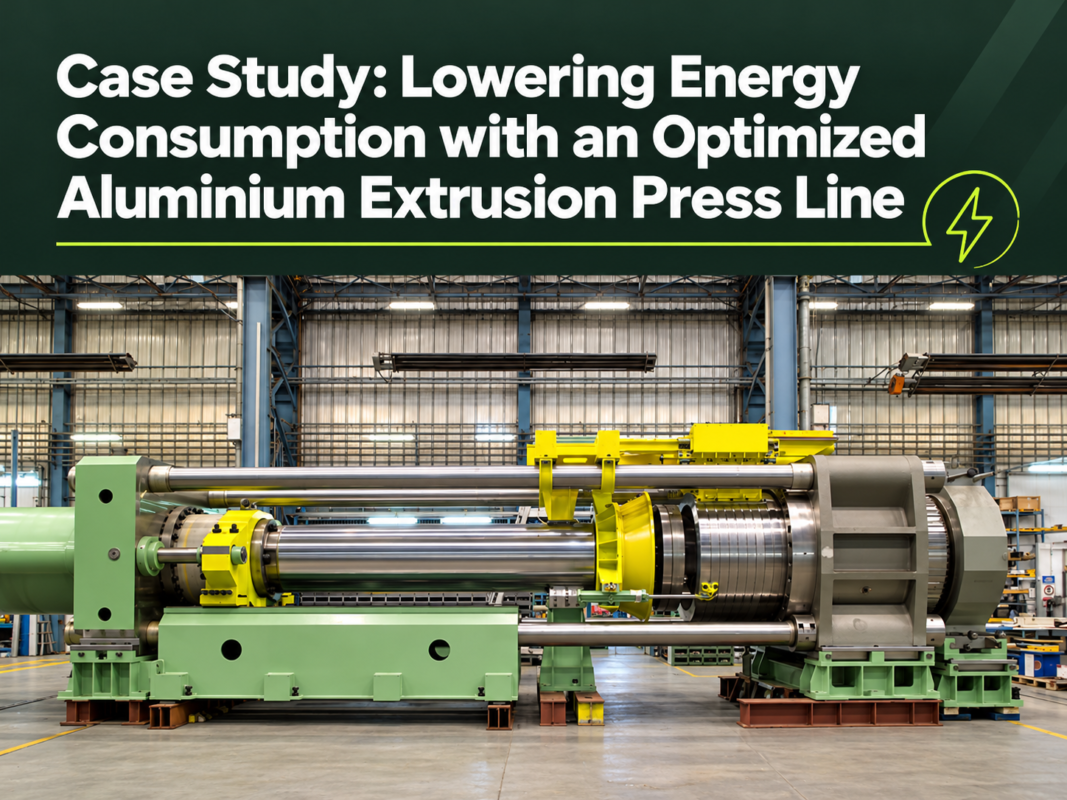
Energy efficiency is another technical pillar. Modern HARSLE presses utilize variable frequency drives (VFDs) on the hydraulic pumps. Instead of running at full capacity constantly, the pumps adjust their output based on the actual demand of the extrusion cycle. This not only reduces the carbon footprint of the factory but also lowers the operating cost per unit, effectively increasing the profit margin per kilogram of extruded profile. This economic efficiency is just as important as the physical yield of the material.
Data logging and connectivity are the final pieces of the technical puzzle. HARSLE machines are equipped with advanced HMI (Human-Machine Interface) panels that record every parameter of the extrusion process. By analyzing this data, factory engineers can identify the exact points in the cycle where yield is lost. Whether it is a slight temperature drop or a pressure spike, the ability to visualize the process in real-time allows for continuous improvement, ensuring that the factory remains at the cutting edge of productivity.
Selection Advice: Choosing the Right Equipment
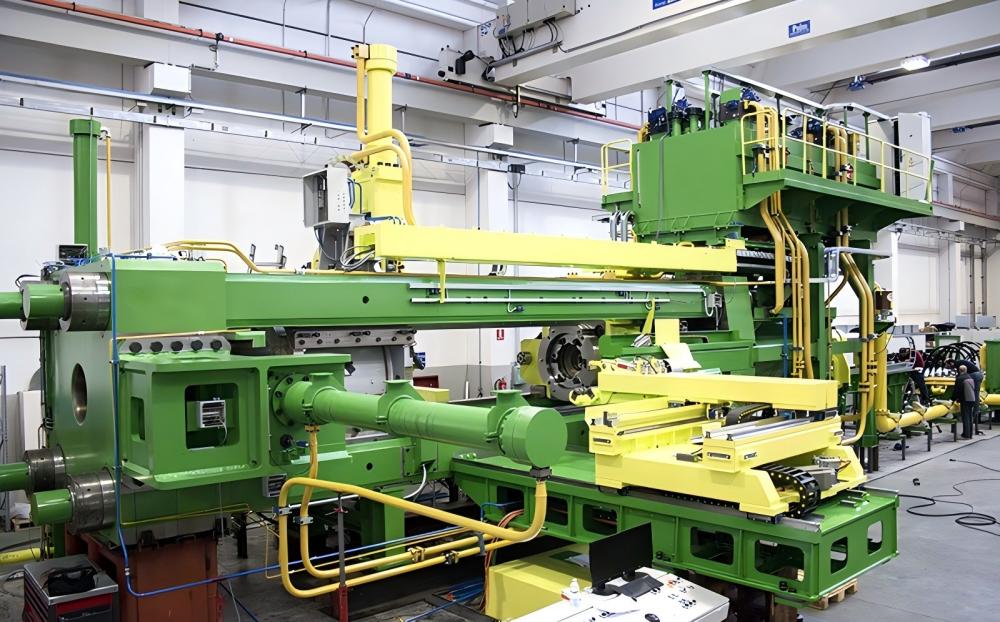
When selecting an aluminium extrusion press, the first step is to conduct a thorough audit of your current production requirements. Consider the maximum cross-sectional area of the profiles you intend to produce. A press that is too small will struggle to push the material, leading to excessive wear and low yield, while a press that is too large will be inefficient and costly to operate. HARSLE offers a range of tonnage capacities, and our engineering team works closely with clients to match the press size to their specific profile portfolio.
Consider the level of automation you require. For high-volume factories, a fully integrated line—from billet loading to automated stacking—is essential. However, for smaller, specialized shops, a semi-automated system might provide a better return on investment. It is important to look for modular designs that allow for future upgrades. As your business grows, you may want to add automated die-changing systems or advanced cooling tunnels; choosing a HARSLE press ensures that your infrastructure is ready for these future expansions.
Maintenance support is a critical, often overlooked, factor in the selection process. An extrusion press is a heavy-duty machine that requires regular calibration and hydraulic fluid management. HARSLE provides comprehensive training for your maintenance team, along with remote diagnostic capabilities. This means that if a sensor fails or a parameter drifts, our support team can often diagnose the issue remotely, preventing days of downtime. When evaluating suppliers, always prioritize those who offer a robust service network and readily available spare parts.
Finally, look at the material handling ecosystem. The press is only as good as the equipment surrounding it. Ensure that your billet heater, die oven, and cooling table are all compatible with the press control system. A unified control architecture allows for seamless communication between machines, which is the ultimate secret to how an aluminium extrusion press increased yield in a precision profile factory. By treating the entire extrusion line as a single, integrated organism, you can achieve levels of efficiency that are impossible with a piecemeal approach.
FAQ: Common Questions About Extrusion Yield
- How does an aluminium extrusion press increase yield? By improving temperature control, reducing butt waste, and minimizing surface defects through precise hydraulic pressure management, the press ensures more of the raw material becomes a finished, sellable product.
- What is the most common cause of scrap in extrusion? The most common causes are surface tearing due to incorrect ram speed, dimensional inaccuracies due to thermal expansion, and handling damage during the cooling process.
- How often should an extrusion press be calibrated? For high-precision factories, we recommend a full calibration check every 6 months, with daily checks on hydraulic pressure and temperature sensors.
- Can a HARSLE press handle different aluminium alloys? Yes, our presses are designed with flexible control profiles that can be adjusted for various alloys, including 6061, 6063, and 7075 series, ensuring optimal flow characteristics for each.
- What is the role of the billet heater in yield? The billet heater is crucial for ensuring uniform grain structure. If the billet is not heated evenly, the extrusion will have internal stresses that lead to warping during the cooling phase, resulting in scrap.
Conclusion: Investing in the Future of Fabrication
The transition to a modern HARSLE aluminium extrusion press is more than a capital expenditure; it is a strategic move toward operational excellence. As demonstrated by the case study of the precision profile factory, the gains in yield are not accidental—they are the result of precise engineering, automated control, and a commitment to quality. By reducing scrap, optimizing energy consumption, and ensuring consistent product quality, manufacturers can secure their position in an increasingly demanding market.
If you are looking to understand how an aluminium extrusion press increased yield in a precision profile factory, the answer lies in the synergy between the machine and the process. HARSLE remains dedicated to providing the tools that make this synergy possible. Whether you are upgrading an existing line or building a new facility from the ground up, our team is ready to help you navigate the complexities of modern metal fabrication.
In conclusion, the path to higher yield is paved with data, precision, and reliable machinery. By choosing a partner that understands the nuances of the extrusion process, you ensure that your factory is not just producing profiles, but producing value. Contact HARSLE today to discuss how our extrusion solutions can be tailored to meet your specific production goals and help you achieve the yield improvements your business deserves.