How a New Aluminium Extrusion Press Helped Cut Material Waste in Aluminium Profile Manufacturing

Introduction
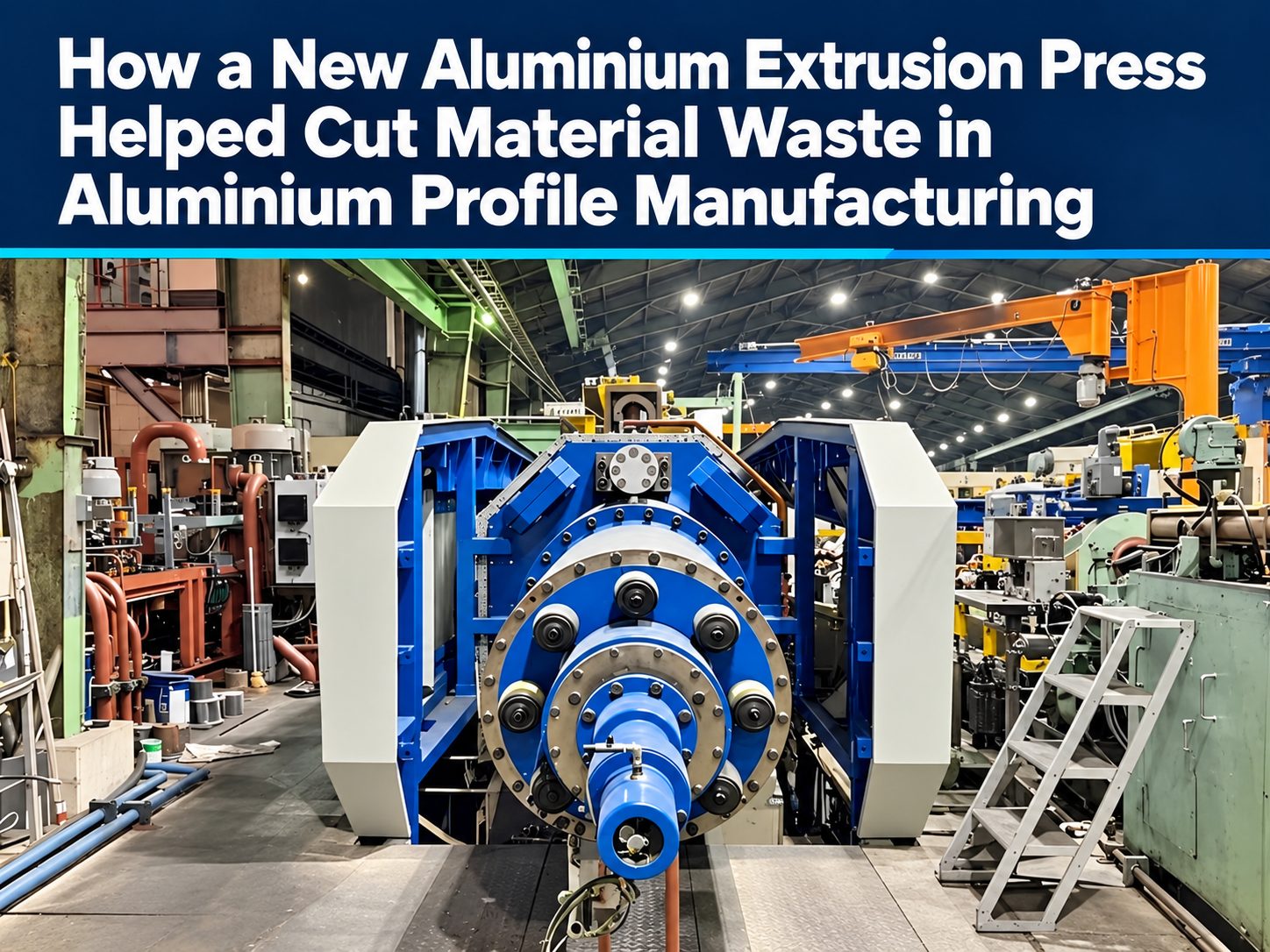
In the competitive landscape of modern metal fabrication, efficiency is the primary driver of profitability. For manufacturers specializing in aluminium profiles, the extrusion process represents the most critical stage of production. Historically, high scrap rates and material wastage have plagued the industry, eating into profit margins and increasing environmental footprints. However, the narrative is changing as facilities adopt advanced technology. Specifically, how a new aluminium extrusion press helped cut material waste in aluminium profile manufacturing has become a focal point for plant managers looking to optimize their operations.
Material waste in extrusion often stems from inconsistent pressure, thermal instability, and poor billet handling. When a facility relies on aging machinery, the lack of precision control leads to uneven wall thicknesses, surface defects, and excessive ‘butt’ ends. By transitioning to a modern, high-precision HARSLE aluminium extrusion press, manufacturers can leverage sophisticated automation and hydraulic control systems to minimize these inefficiencies. This article explores the technical advancements that allow modern presses to transform raw aluminium into high-quality profiles with minimal scrap.
The shift toward sustainable manufacturing is not just about environmental responsibility; it is a strategic business move. Reducing waste means using less raw material to achieve the same output, directly lowering the cost per unit. As we delve into the mechanics of how a new aluminium extrusion press helped cut material waste in aluminium profile manufacturing, we will examine the specific features—such as isothermal extrusion, advanced billet heating, and automated die management—that make this reduction possible.
HARSLE remains committed to providing the metal fabrication industry with equipment that balances power with precision. Our latest generation of extrusion presses is designed to address the specific pain points of the aluminium industry, ensuring that every gram of metal is utilized effectively. Whether you are producing architectural profiles, automotive components, or industrial tubing, the integration of a modern press is the most effective way to modernize your production line and eliminate unnecessary waste.
Key Considerations for Waste Reduction
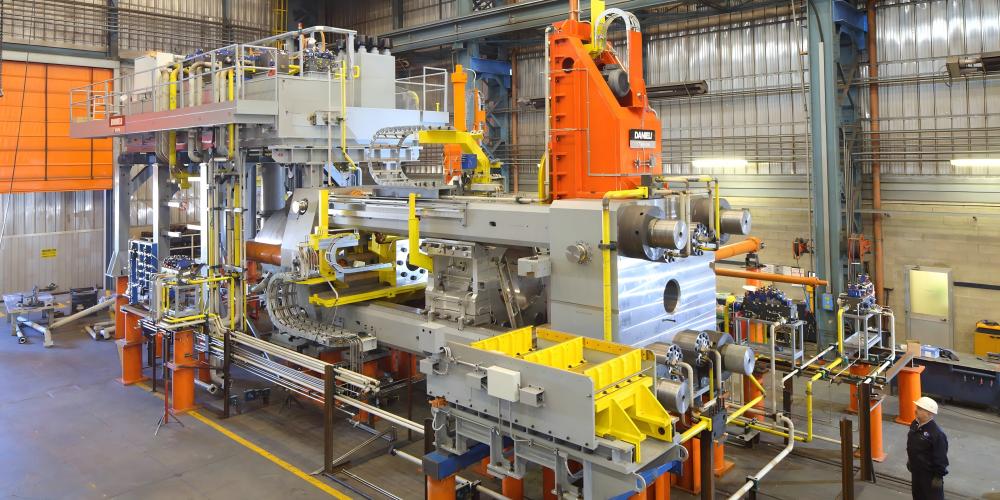
When analyzing how a new aluminium extrusion press helped cut material waste in aluminium profile manufacturing, one must first understand the sources of waste. The primary culprits are billet-to-profile conversion losses, die-related defects, and cooling inconsistencies. A modern press addresses these by providing tighter control over the extrusion speed and pressure profiles. By maintaining a constant flow rate, the press ensures that the aluminium maintains its structural integrity throughout the entire length of the profile, reducing the likelihood of tears or surface imperfections that would otherwise lead to scrap.
Another critical consideration is the management of the ‘butt’—the remaining portion of the billet that cannot be extruded. Older presses often require larger butts to ensure the die is fully filled and to prevent impurities from entering the profile. Modern HARSLE presses utilize advanced shear mechanisms and precise billet positioning to minimize the butt size. By reducing the butt thickness by even a few millimeters, manufacturers can save significant amounts of aluminium over the course of a production run, directly impacting the bottom line.
Thermal management is equally vital. Aluminium is highly sensitive to temperature fluctuations, which affect its flow characteristics. If the billet is too cold, the pressure required to extrude it increases, potentially damaging the die or causing surface cracks. If it is too hot, the profile may suffer from structural weakness or surface ‘pick-up.’ A new extrusion press integrates sophisticated heating and cooling loops that maintain the optimal temperature window, ensuring that the material flows smoothly and consistently, thereby reducing the need for post-extrusion quality control rejects.
Finally, the human element and machine interface play a role in waste reduction. Modern presses feature intuitive HMI (Human-Machine Interface) systems that allow operators to monitor the extrusion process in real-time. With data-driven insights, operators can make micro-adjustments to the extrusion speed or pressure, preventing defects before they occur. This proactive approach to quality control is a hallmark of how a new aluminium extrusion press helped cut material waste in aluminium profile manufacturing, shifting the focus from reactive scrap management to proactive process optimization.
Technical Details of Modern Extrusion Presses
The technical superiority of a modern HARSLE aluminium extrusion press lies in its hydraulic and control architecture. Unlike older systems that relied on mechanical linkages and manual valves, modern presses utilize proportional hydraulic valves and closed-loop feedback systems. These systems allow the press to adjust its force and speed in milliseconds, responding to changes in material resistance as the billet moves through the die. This level of responsiveness is crucial for maintaining uniform profile dimensions, which is the first step in reducing dimensional scrap.
One of the most significant technical advancements is the implementation of isothermal extrusion technology. In traditional extrusion, the temperature of the profile increases as it exits the die due to friction and deformation heat. This temperature rise can lead to inconsistent properties along the length of the profile. Modern presses use isothermal control to gradually decrease the ram speed as the extrusion progresses, keeping the exit temperature constant. This ensures that the entire profile meets strict metallurgical specifications, eliminating the need to discard the ends of the profile due to thermal variations.
Automated billet handling and lubrication systems also contribute to waste reduction. In older setups, manual lubrication often led to excess oil being introduced into the extrusion chamber, which could cause surface defects on the finished profile. Modern HARSLE presses feature automated, precision-controlled lubrication systems that apply the exact amount of lubricant required. This not only improves surface finish but also prevents the formation of inclusions that would otherwise render the profile unusable.
Furthermore, the integration of advanced die-heating ovens and die-changing systems ensures that the die is always at the optimal temperature before the extrusion begins. A cold die can cause the initial portion of the profile to be defective, leading to significant scrap. By ensuring the die is preheated to the correct temperature and perfectly aligned with the container, the press minimizes the ‘start-up’ scrap that is common in less sophisticated machinery. These technical refinements are the backbone of how a new aluminium extrusion press helped cut material waste in aluminium profile manufacturing.
Selection Advice for Your Facility
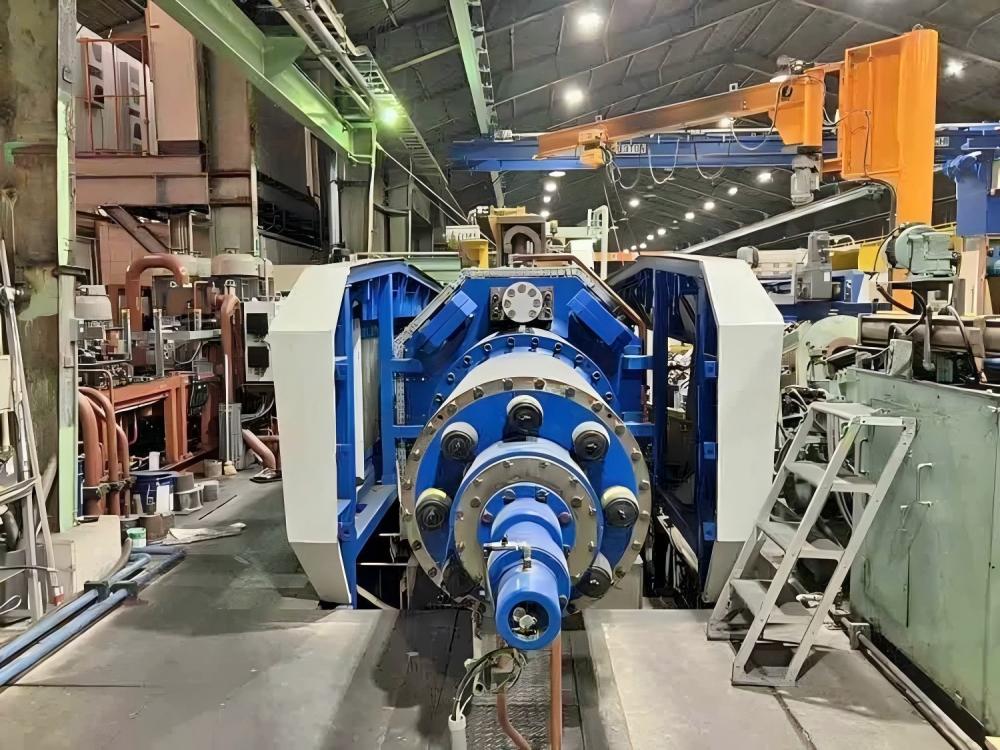
Choosing the right aluminium extrusion press is a significant investment that requires careful analysis of your production requirements. The first step is to evaluate your current scrap rate and identify the specific stages where waste occurs. If your scrap is primarily due to surface defects, you may need a press with superior temperature control and advanced lubrication systems. If your waste is due to dimensional inaccuracies, focus on presses with high-stiffness frames and advanced hydraulic control loops.
Capacity planning is another essential factor. While it might be tempting to purchase the largest press available, an oversized press can be inefficient for smaller profiles. HARSLE offers a range of extrusion presses tailored to different tonnage requirements. Selecting a press that matches your typical profile size ensures that you are operating within the machine’s most efficient range, which reduces energy consumption and improves control over the extrusion process. Consult with our engineering team to determine the optimal tonnage for your specific alloy types and profile geometries.
Consider the level of automation required for your operations. Modern presses can be equipped with automated billet loaders, log saws, and profile handling systems. While these features increase the initial investment, they significantly reduce the potential for human error and improve the consistency of the extrusion process. When calculating the ROI, factor in the reduction in labor costs and the decrease in material waste. Often, the savings generated by reduced scrap alone can justify the cost of advanced automation within a few years.
Finally, prioritize after-sales support and maintenance capabilities. An extrusion press is a complex piece of industrial machinery that requires regular calibration and maintenance to perform at its peak. HARSLE provides comprehensive training for your operators and maintenance staff, ensuring that your team understands how to leverage the machine’s features to minimize waste. A well-maintained press is a productive press, and our commitment to service ensures that your investment continues to deliver value for years to come.
FAQ: Optimizing Extrusion Efficiency
How does a new press specifically reduce aluminium scrap?
A new press reduces scrap by providing better control over extrusion speed, temperature, and pressure. This prevents common defects like surface tearing, dimensional inconsistencies, and structural variations, allowing for a higher yield of sellable product from every billet.
What is the role of isothermal extrusion in waste reduction?
Isothermal extrusion keeps the temperature of the aluminium constant throughout the process. By preventing the temperature spikes that occur in older presses, it ensures that the entire profile has uniform mechanical properties, eliminating the need to cut off and scrap the ends of the profile.
Can an existing production line be retrofitted to reduce waste?
While some components can be upgraded, the core hydraulic and control architecture of a modern press is difficult to replicate in older machines. Replacing an outdated press with a new HARSLE model is generally the most effective way to achieve significant, long-term reductions in material waste.
How long does it take to see a return on investment?
The ROI depends on your current scrap rates and production volume. Many manufacturers find that the combination of reduced material waste, lower energy consumption, and increased throughput allows them to recover the cost of a new press within 2 to 4 years.
What maintenance is required to keep waste levels low?
Regular maintenance includes checking hydraulic fluid levels, calibrating pressure sensors, inspecting die-heating systems, and ensuring that the billet handling mechanisms are properly lubricated. HARSLE provides detailed maintenance schedules to help you keep your press in top condition.
Fazit
The question of how a new aluminium extrusion press helped cut material waste in aluminium profile manufacturing is answered by the convergence of precision engineering, advanced automation, and superior thermal control. As we have explored, the transition from legacy machinery to modern HARSLE technology allows manufacturers to move beyond the limitations of the past. By minimizing butt sizes, maintaining isothermal conditions, and utilizing automated quality control, facilities can significantly reduce their scrap rates and improve their overall efficiency.
Investing in a new extrusion press is more than just a hardware upgrade; it is a commitment to sustainable and profitable manufacturing. In an industry where material costs are a major component of the final product price, every percentage point of waste saved translates directly into increased competitiveness. Whether you are looking to expand your production capacity or simply optimize your existing lines, the benefits of modern extrusion technology are clear and measurable.
At HARSLE, we are dedicated to helping our clients achieve their manufacturing goals through innovation and reliability. Our extrusion presses are designed to meet the rigorous demands of the modern metal fabrication industry, providing the precision and power needed to succeed in a global market. We invite you to contact our team to discuss how our solutions can help you reduce waste, improve quality, and drive growth in your aluminium profile manufacturing operations.
The future of metal fabrication lies in the ability to do more with less. By embracing the latest advancements in extrusion technology, you position your company at the forefront of the industry. Let HARSLE be your partner in this journey toward greater efficiency and excellence. Together, we can redefine the standards of aluminium profile manufacturing and ensure that your facility remains a leader in quality and sustainability for years to come.